
Share this
In New York, where cultural legitimacy is often inseparable from branding, architecture and the right kind of address, it feels strangely fitting that one of the more interesting art projects right now is a museum whose reality still flickers a little at the edges. NYC MOCA — the New York City Museum of Contemporary Art — currently operates a public exhibition window at 79 Walker Street in Tribeca, while describing a larger permanent home as still in progress.
What makes the project compelling is not just the space itself, but the instability of the institution around it. On its own website, NYC MOCA presents itself with the straight-faced language of a functioning museum: exhibitions, visits, shop, support. At the same time, the whole thing carries a slightly overconstructed air, as if it is asking viewers to think less about what is on display than about what makes a museum feel authoritative in the first place. That tension is partly an interpretation, but it is grounded in the institution’s own polished self-presentation and public-facing structure.

The current exhibition, Is This Yours by Olivia Gossett Cooper, runs through April 30 and presents ten black shoulder bags, each holding a brick fitted so precisely inside that the objects seem almost destined for one another. The museum describes the installation as a reflection on burden, rebellion, repeated forms and the tension between fragility and force, especially as the work sits behind glass in a street-facing window.
That image lands because it is so simple. A bag is meant to carry. A brick is meant to weigh, threaten, build or break. Put the two together and the object becomes psychologically unstable: practical, absurd, faintly aggressive. In a city where people move through public space carrying everything from groceries to private dread, the piece feels almost too apt. This is my reading of the work, drawn from the museum’s description of weight, containment and impulse.
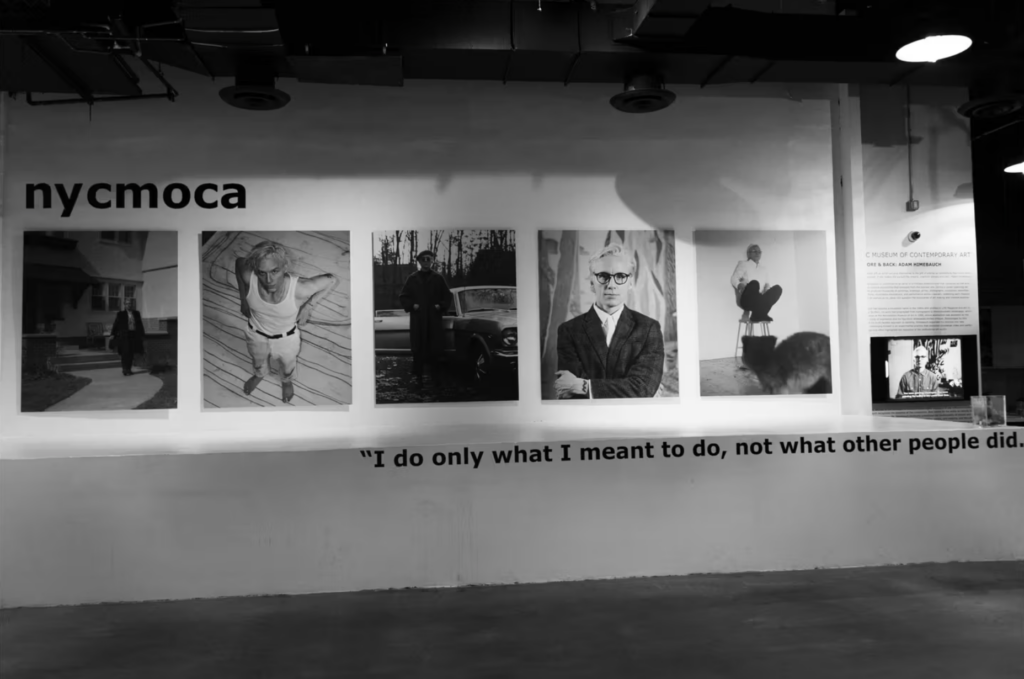
There is something very Dazed-adjacent, too, about the way the project turns institutional form into medium. The gallery window is not hidden away behind exclusivity or softened into a lifestyle space. It is public, exposed, and available to anyone passing by. That matters. Art in a window always has a different charge from art in a white cube: it has to contend with distraction, speed, suspicion, weather, chance. It is not waiting for the properly initiated viewer. It gets folded into the street. The fact that NYC MOCA is currently using a rotating street-level display while its future Tribeca home is still being built makes that publicness even more central to the project’s identity.
Even the surrounding language is interesting. NYC MOCA’s site speaks of a “new era,” a “public exhibition window,” and items “from the vault,” borrowing the familiar codes through which museums produce seriousness and continuity. Whether that tone is sincere, performative or both at once is almost beside the point. The project works because it understands that institutional authority is often aesthetic before it is intellectual. First the signage, then the structure, then belief. This is an interpretation based on the museum’s own wording and presentation.
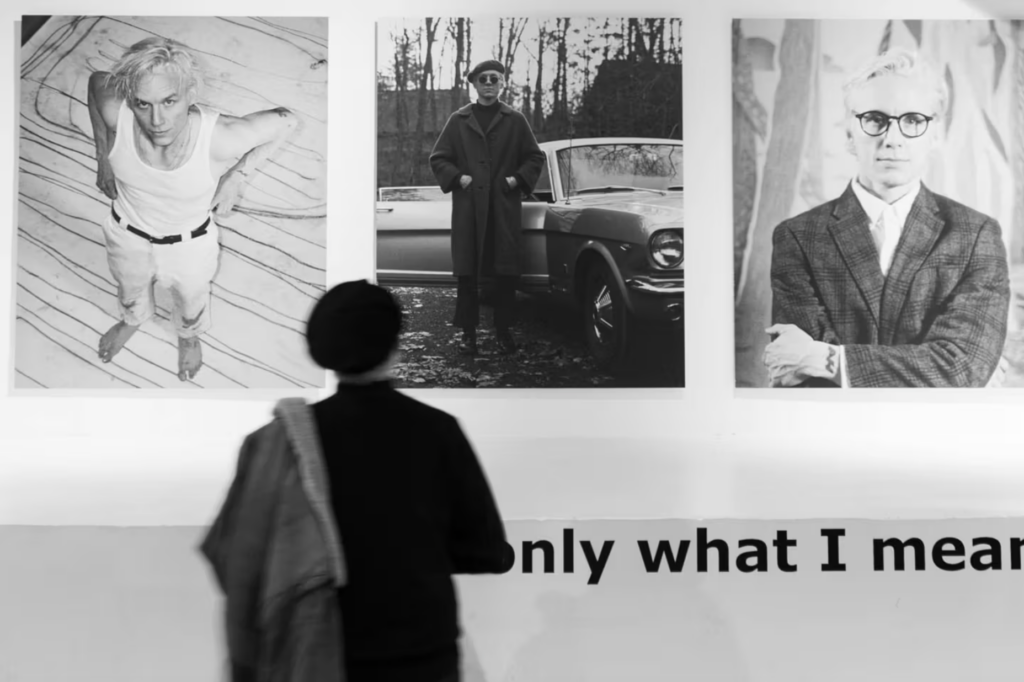
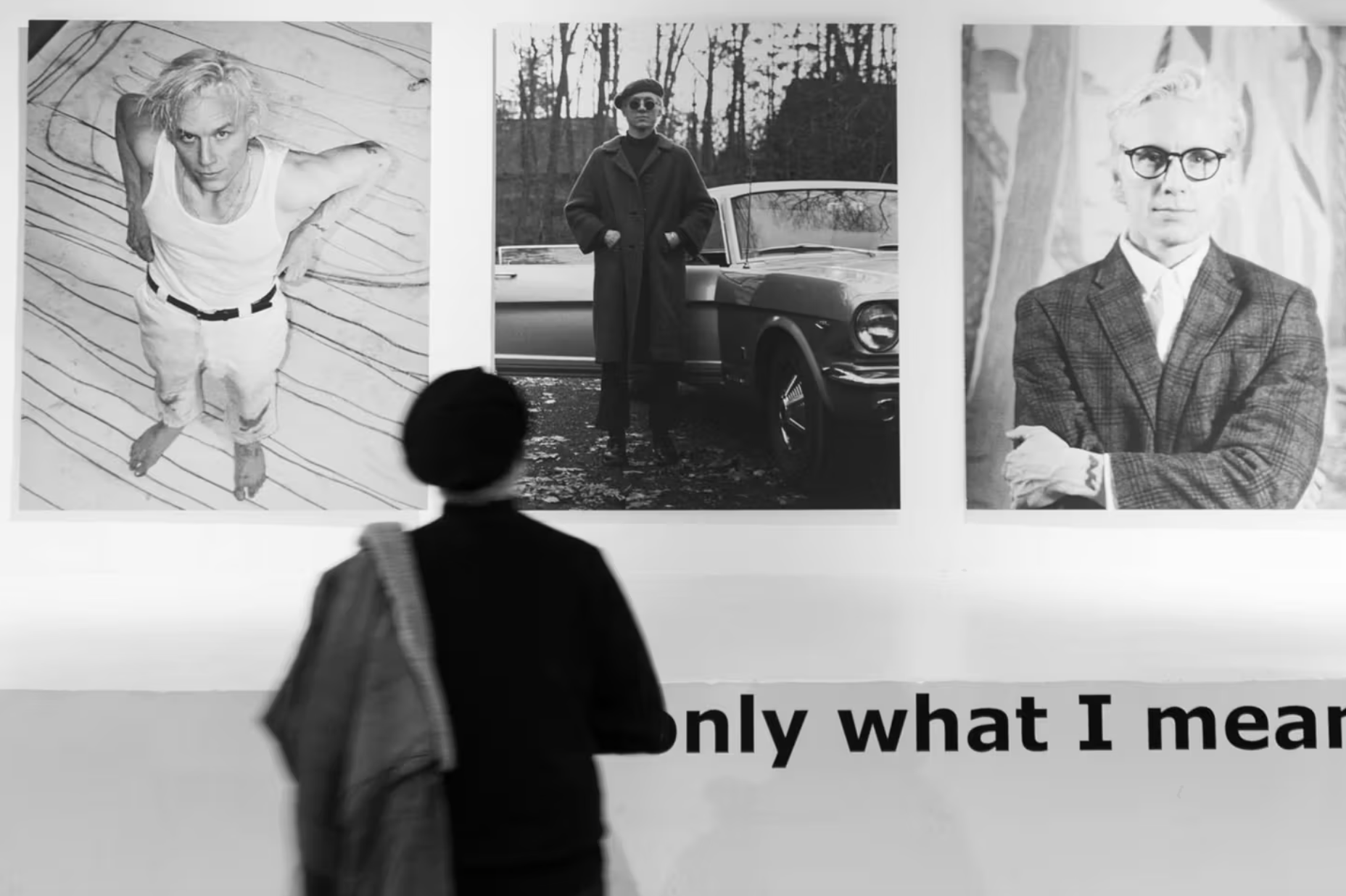
What makes NYC MOCA interesting is that it does not simply mock the museum model as hollow. It seems more interested in showing how easily legitimacy can be staged — and how quickly staged legitimacy can become functional reality once people begin to engage with it. By opening a real exhibition space, however modest, Himebauch turns the project from satire into something stranger: a fabricated institution that now has actual programming, actual artists and an actual public presence.
And maybe that is the sharper question sitting underneath all of this: not whether the museum is “real,” but whether realness in the art world is ever as stable as it pretends to be. If a space exhibits artists, publishes programming, builds a public, sells merchandise and occupies an address, then the old line between parody and institution starts to look much thinner than most museums would probably like to admit. NYC MOCA seems to understand that perfectly, which is why the project feels less like a joke than a pressure point.
What lingers is not just the fiction of the museum, but the fact that fiction so easily becomes infrastructure once people agree to move through it. In that sense, NYC MOCA is not simply mocking the institution. It is showing how institutions are made.