
Share this
Some cinemas are more than screening rooms. They are ghosts with projectors: places where films, bodies, cigarettes, arguments, first dates, and whole artistic movements seem to remain caught in the fabric of the seats.
In Saint-Germain-des-Prés, one of those spaces is flickering back into view. With support from Chanel, the historic Cinéma Le Saint Germain des Prés has reopened in Paris after a major renovation, returning a legendary Rive Gauche movie theatre to the public. The cinema, located at 22 rue Guillaume Apollinaire, reopened on June 3, 2026, after an extensive restoration.
The venue carries a heavy cinematic memory. First opened in 1969 as Le Bilboquet, it later became the Olympic Saint-Germain, before moving through other lives, including a period as Silencio des Prés. Now revived as Le Saint Germain des Prés, it returns to its original purpose: a one-screen cinema dedicated to films, filmmakers, and the collective ritual of watching in the dark.
For Chanel, the project extends a long relationship with cinema. The house describes the cinema as a legendary venue of the Nouvelle Vague era, and its support includes the reopening and renovation of the space, as well as a wider programme of screenings, themed cycles, retrospectives, and events dedicated to both heritage films and contemporary creation.
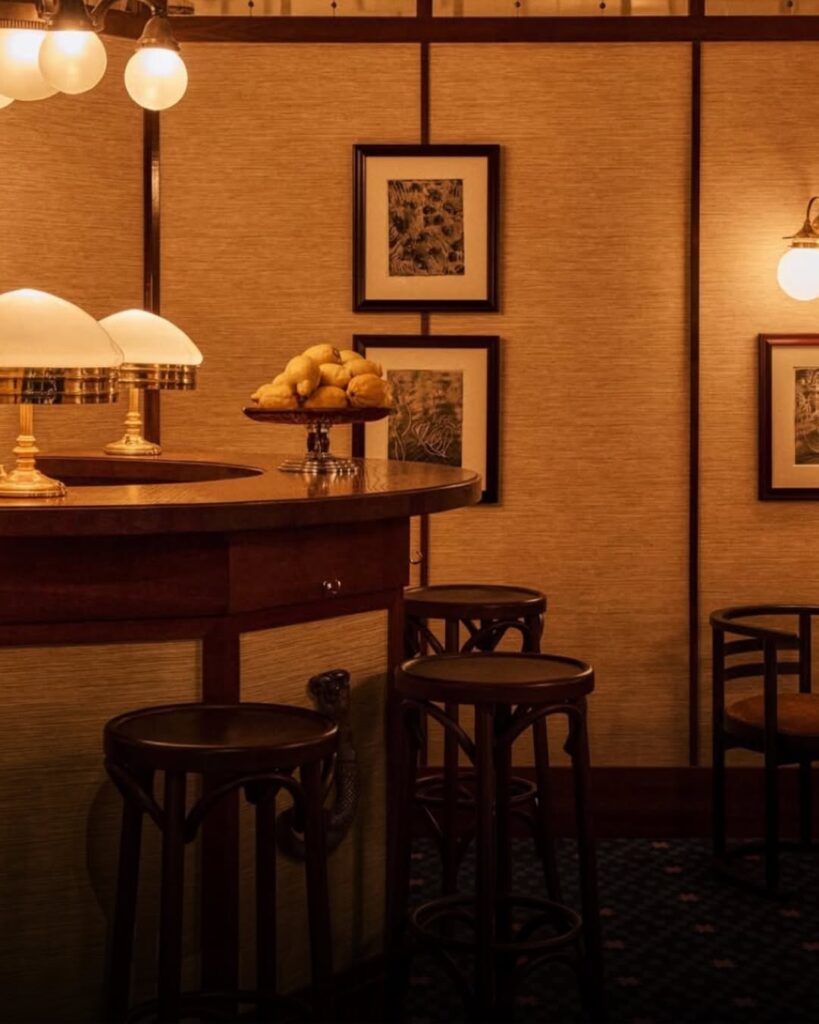
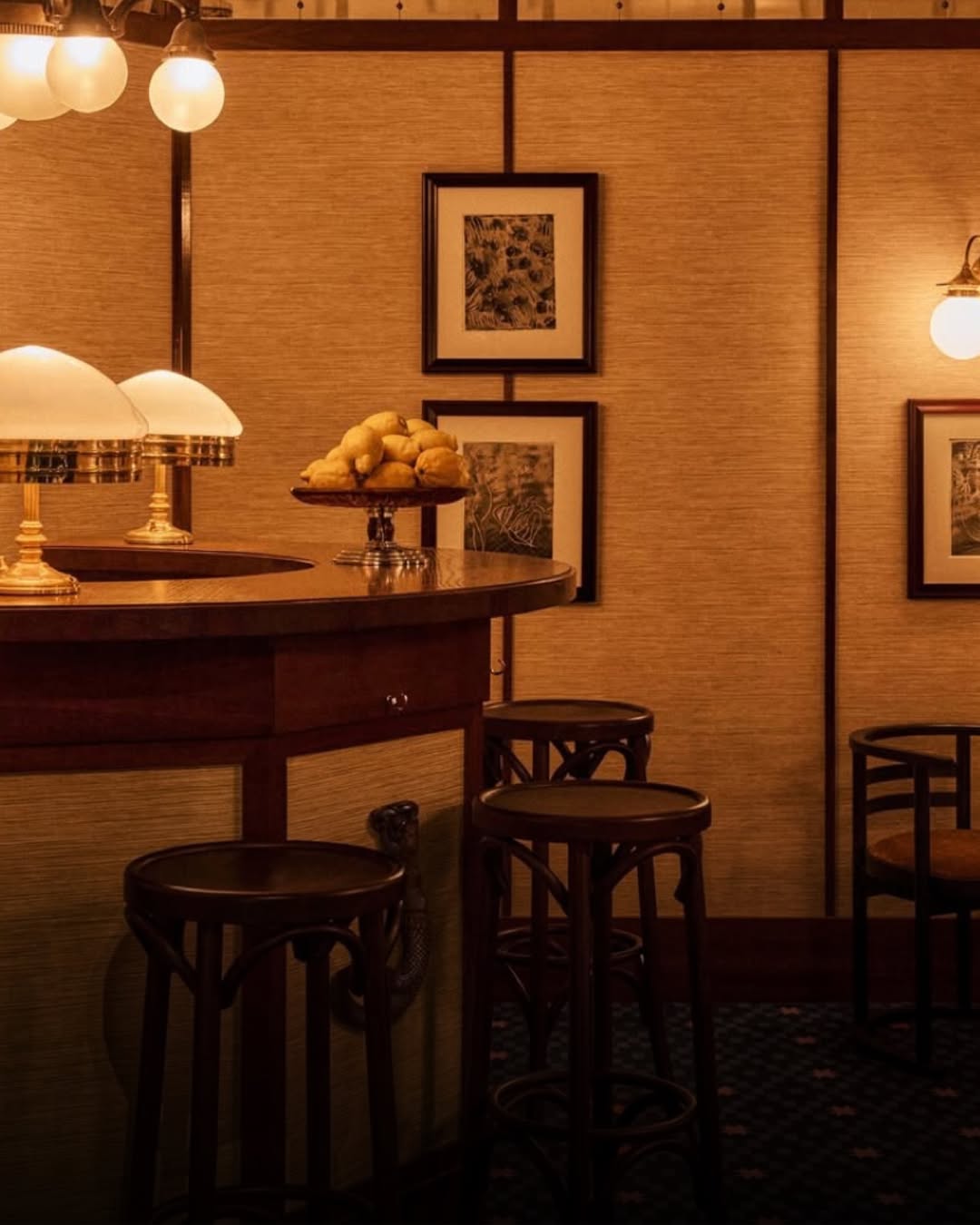
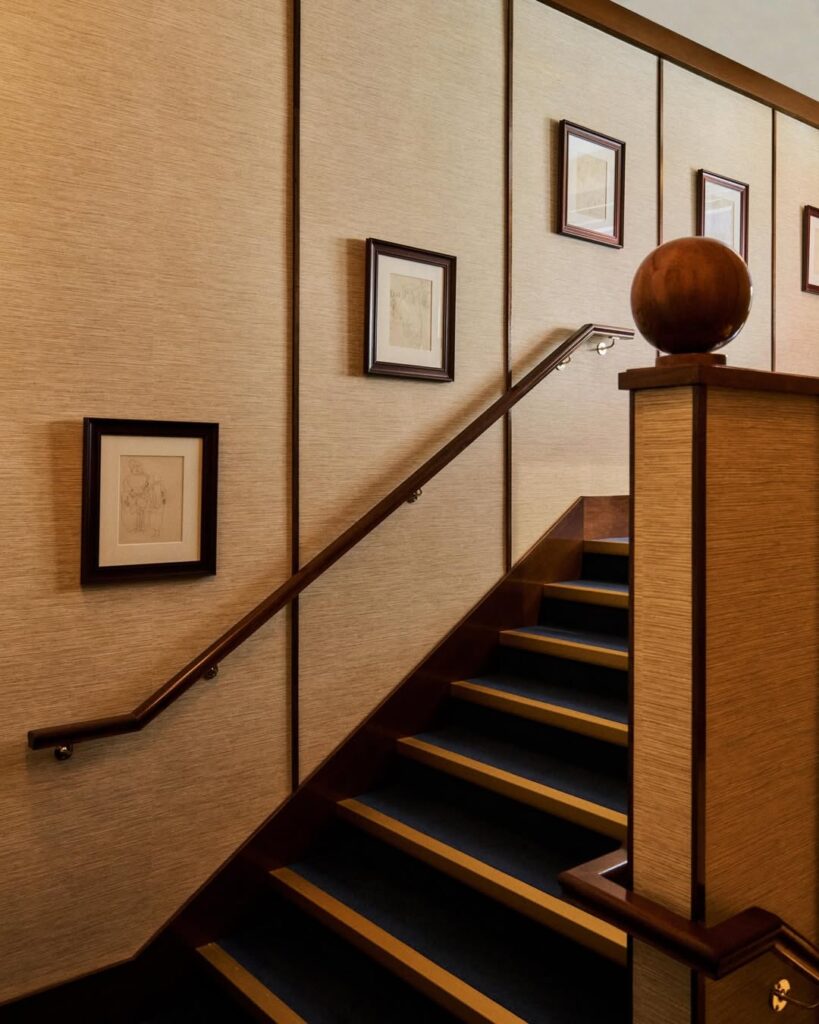
The renovation gives the cinema a new physical identity without stripping away its old aura. The reopened venue has a single room with 208 seats and a seven-metre screen, while the interior, redesigned by Fabrizio Casiraghi, leans into a refined Art Deco atmosphere. It is not trying to become a multiplex. It is doing the opposite: restoring the seductive intimacy of the neighbourhood cinema.
That feels important now. At a moment when films are endlessly available but attention feels increasingly fragmented, a restored cinema becomes almost radical. It asks people to leave home, sit together, and surrender to one image at the same time. Chanel’s role here is not simply decorative patronage. It is a way of protecting cinema as a shared experience, a cultural form that depends on place, darkness, waiting, and presence.
There is also something beautifully Parisian about the gesture. Saint-Germain-des-Prés has always carried the mythology of writers, cafés, fashion, philosophy, and film culture. By helping revive this cinema, Chanel is not just polishing a landmark. It is keeping alive a certain idea of Paris: intellectual, stylish, cinematic, and slightly haunted by everyone who passed through before.