
Share this
There are few photographers who have altered the way we understand images as radically as Daido Moriyama. Grainy, blurred, confrontational and instinctive, his photographs refuse clarity and reject distance. Now, that uncompromising vision is the focus of a major retrospective exhibition opening at Foto Arsenal Wien in Vienna, bringing together decades of work by one of postwar photography’s most influential figures.
© Daido Moriyama / Daido Moriyama Photo Foundation 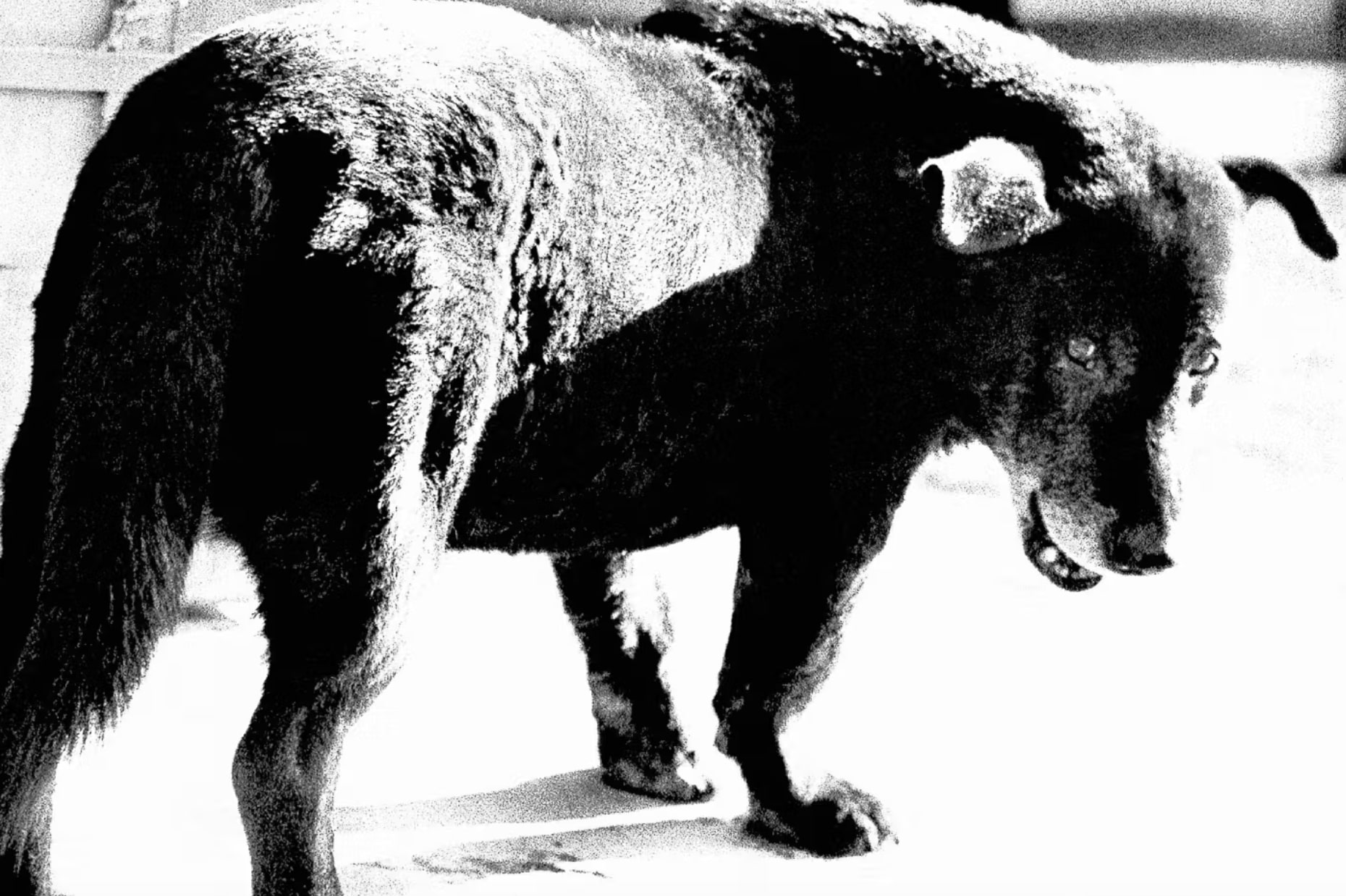
© Daido Moriyama / Daido Moriyama Photo Foundation 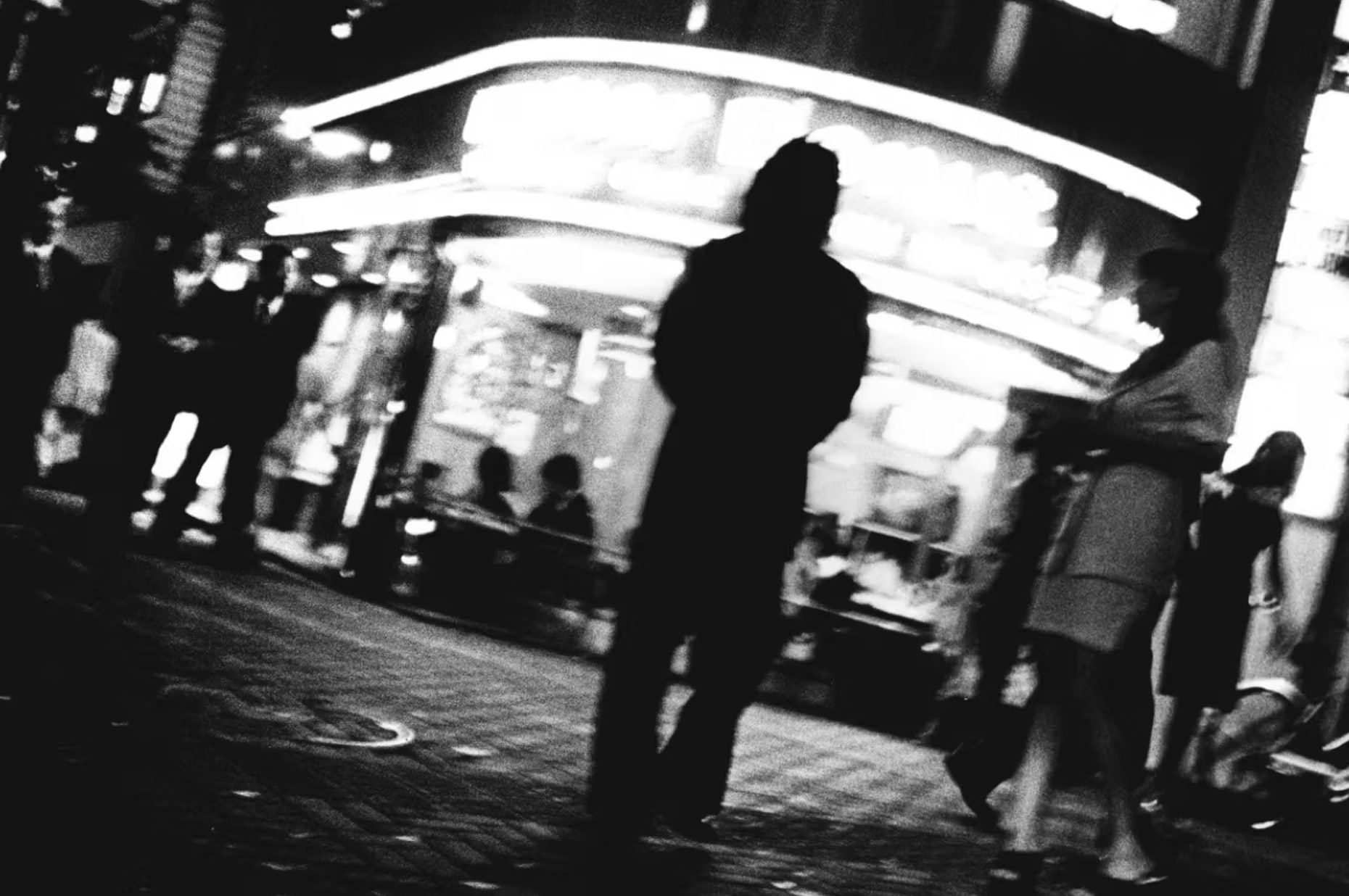
© Daido Moriyama / Daido Moriyama Photo Foundation 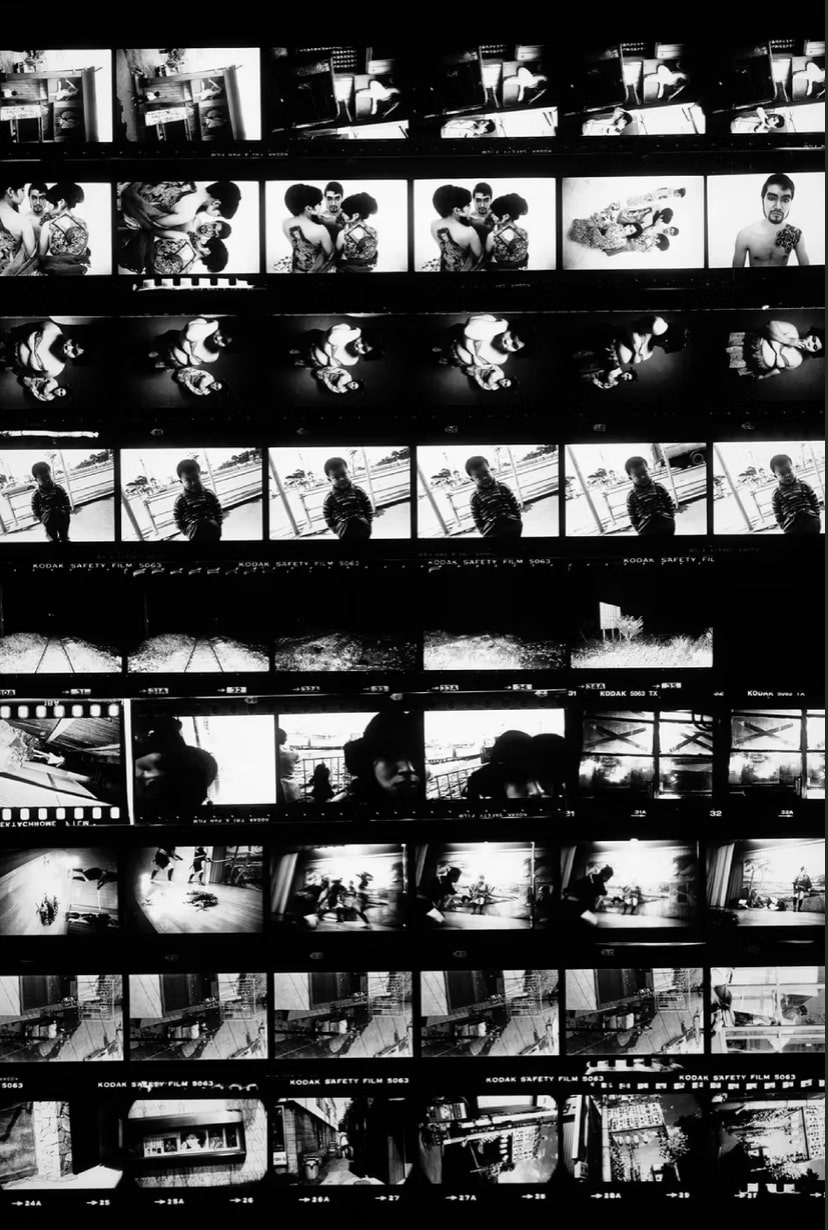
© Daido Moriyama / Daido Moriyama Photo Foundation 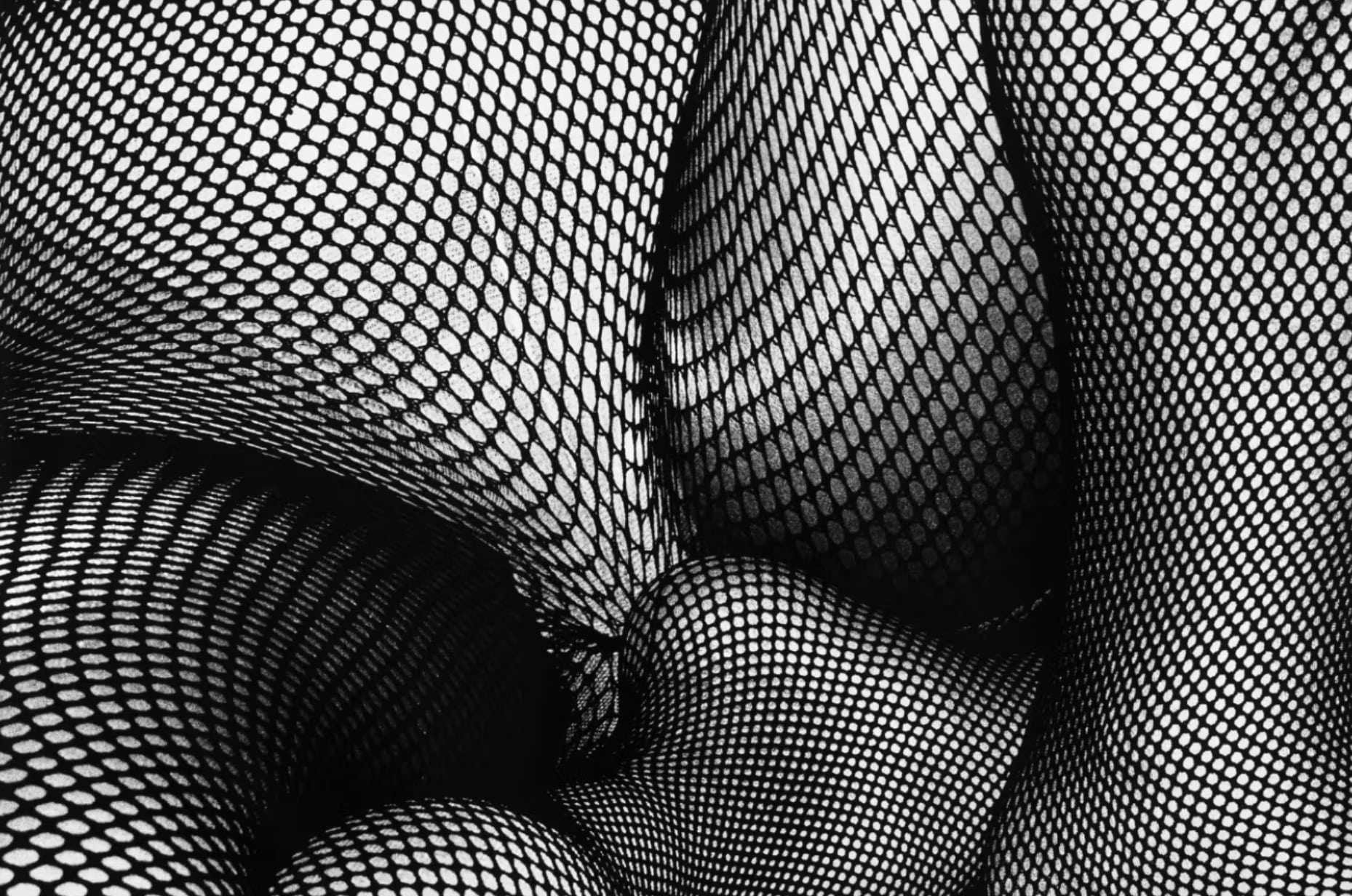
© Daido Moriyama / Daido Moriyama Photo Foundation 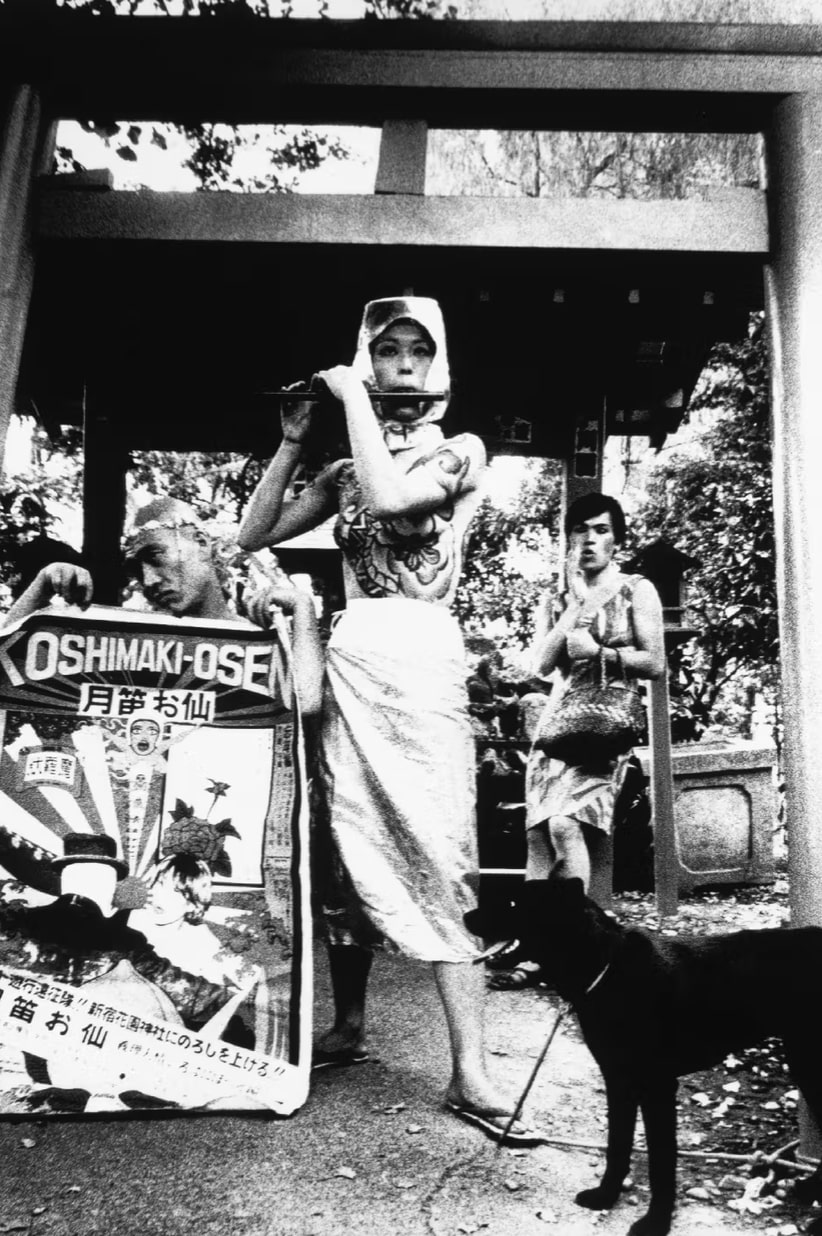
© Daido Moriyama / Daido Moriyama Photo Foundation 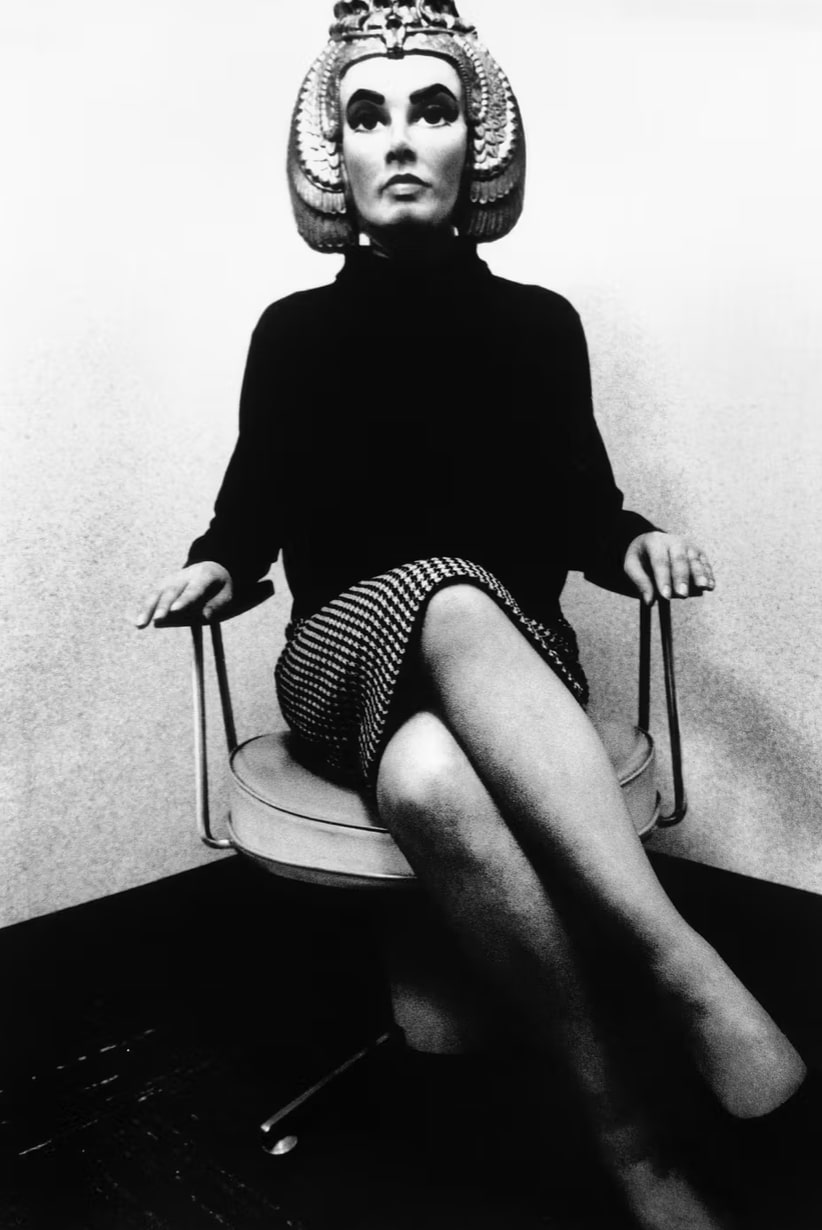
© Daido Moriyama / Daido Moriyama Photo Foundation
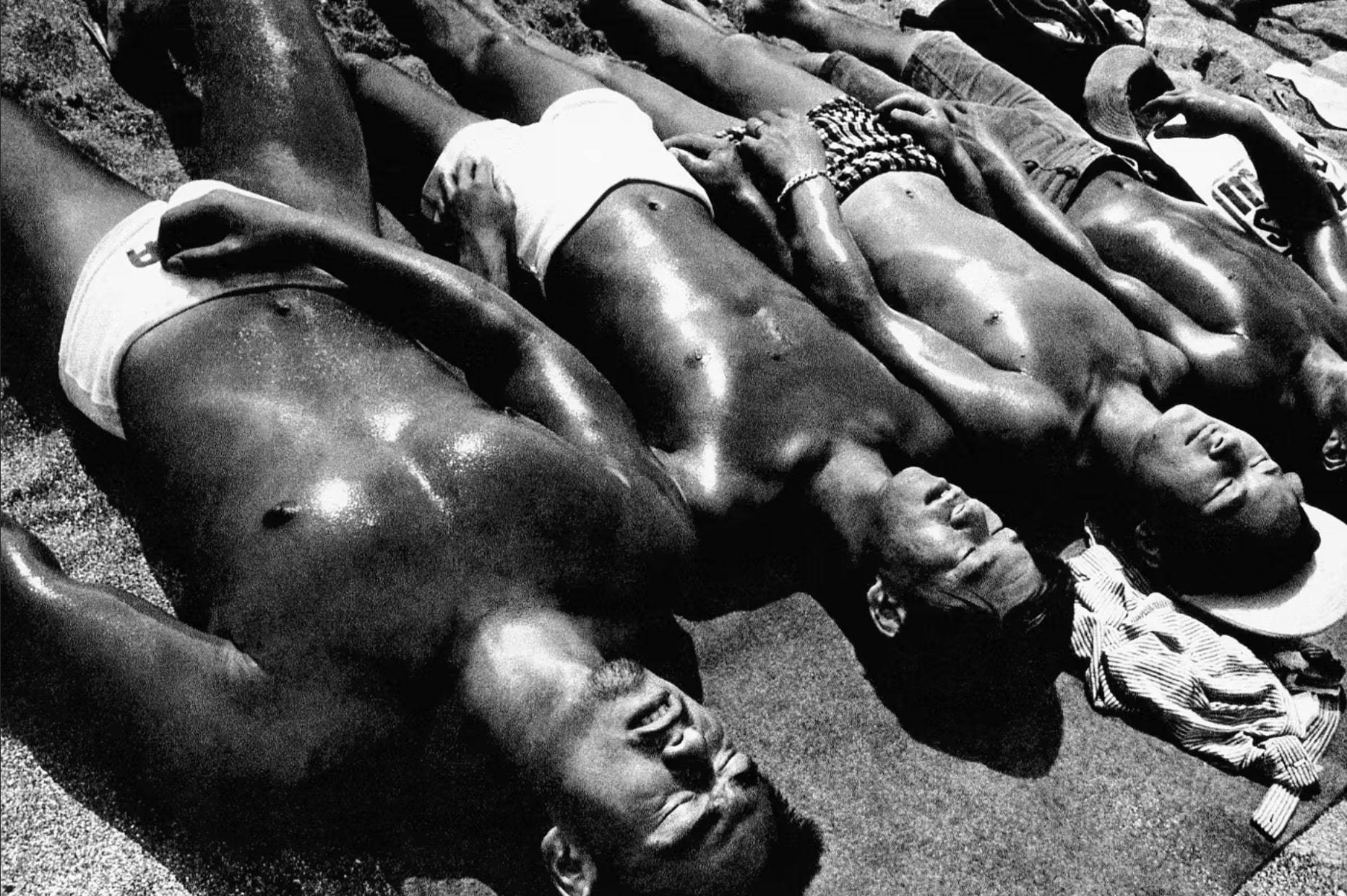
Rather than presenting the city as something to be explained, Moriyama has always treated it as something to be felt. His images, often shot on the streets of Tokyo, capture fragments rather than narratives: bodies in motion, neon reflections, stray dogs, shadows, signage. High contrast, rough grain and apparent technical “errors” are not accidents here, but tools. The photograph becomes an extension of the artist’s movement through the world, closer to a pulse than a document.
The Vienna exhibition traces this approach across Moriyama’s long career, placing iconic works alongside lesser-known series and archival material. What emerges is not a linear history, but a sustained attitude toward image-making — one grounded in intuition, speed, and a refusal to smooth reality into something legible or comfortable. Photography, for Moriyama, is not about capturing truth, but about exposing the instability of perception itself.
His influence extends far beyond the gallery. Moriyama’s raw visual language has shaped generations of photographers, designers and image-makers, particularly within fashion and contemporary visual culture, where his embrace of imperfection continues to resonate. In an era dominated by hyper-polished imagery, his work feels as urgent as ever, a reminder that images can still disrupt rather than reassure.
By hosting this retrospective, Foto Arsenal Wien positions Moriyama not as a historical figure, but as a living reference point for how photography can operate outside rules of beauty, clarity, or narrative coherence. The exhibition invites viewers to slow down, lean in, and accept discomfort, to experience the city not as scenery, but as friction.