
Share this
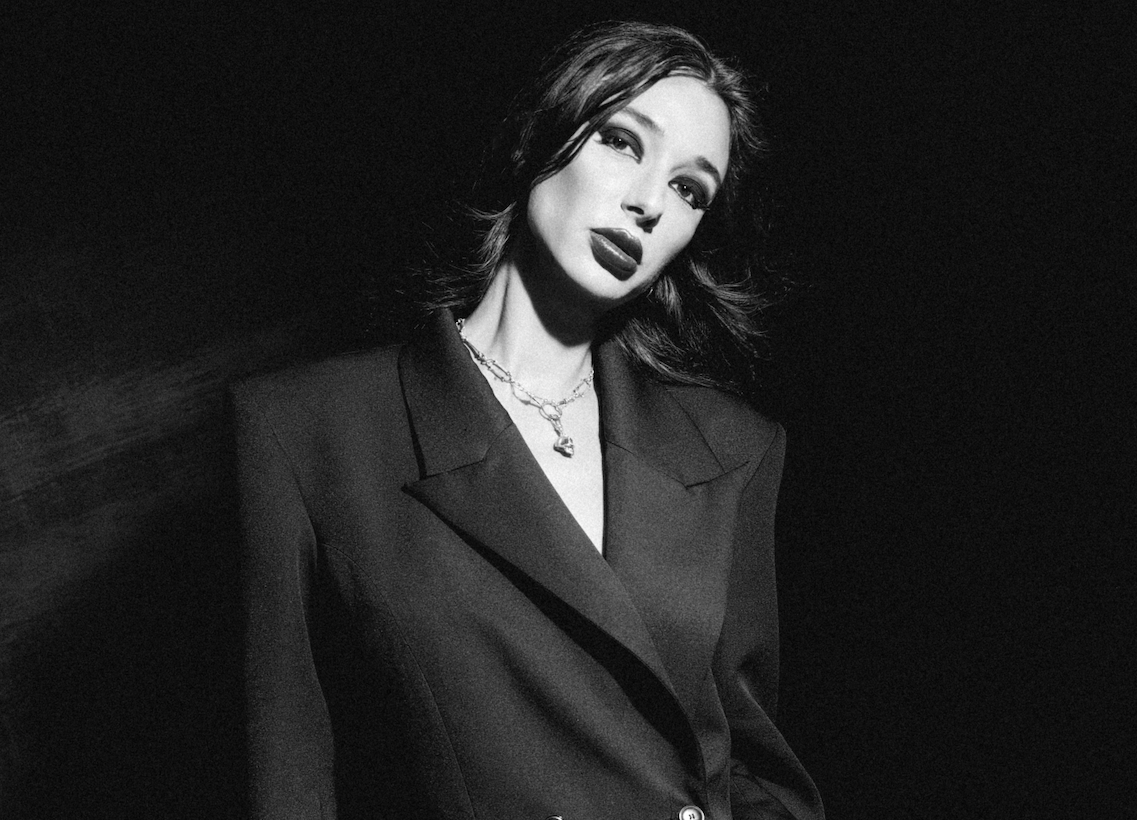
Hungarian-born designer Sophia Bakscha is the creative force behind Daemon Concept, a jewelry brand that approaches adornment as transformation rather than decoration. Raised between a scientist father and a textile designer mother, Bakscha grew up navigating the space between precision and imagination — a duality that continues to shape her work. Before launching her own label, she worked in underground music and performance, styling artists and creating stage costumes that explored radical self-expression and body politics.
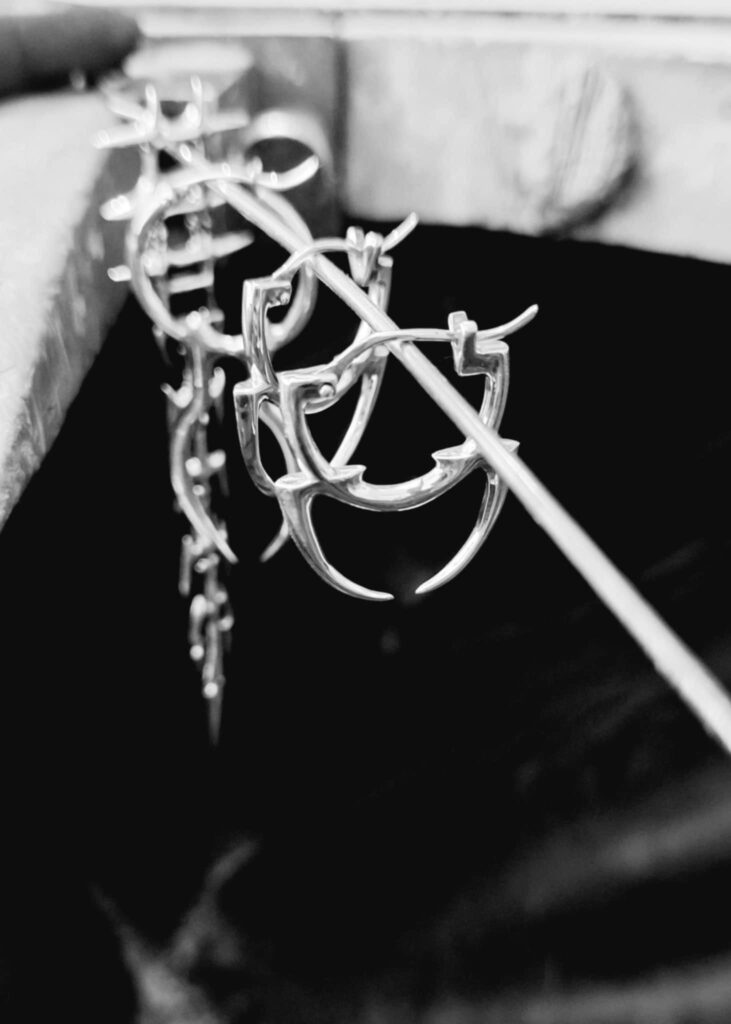
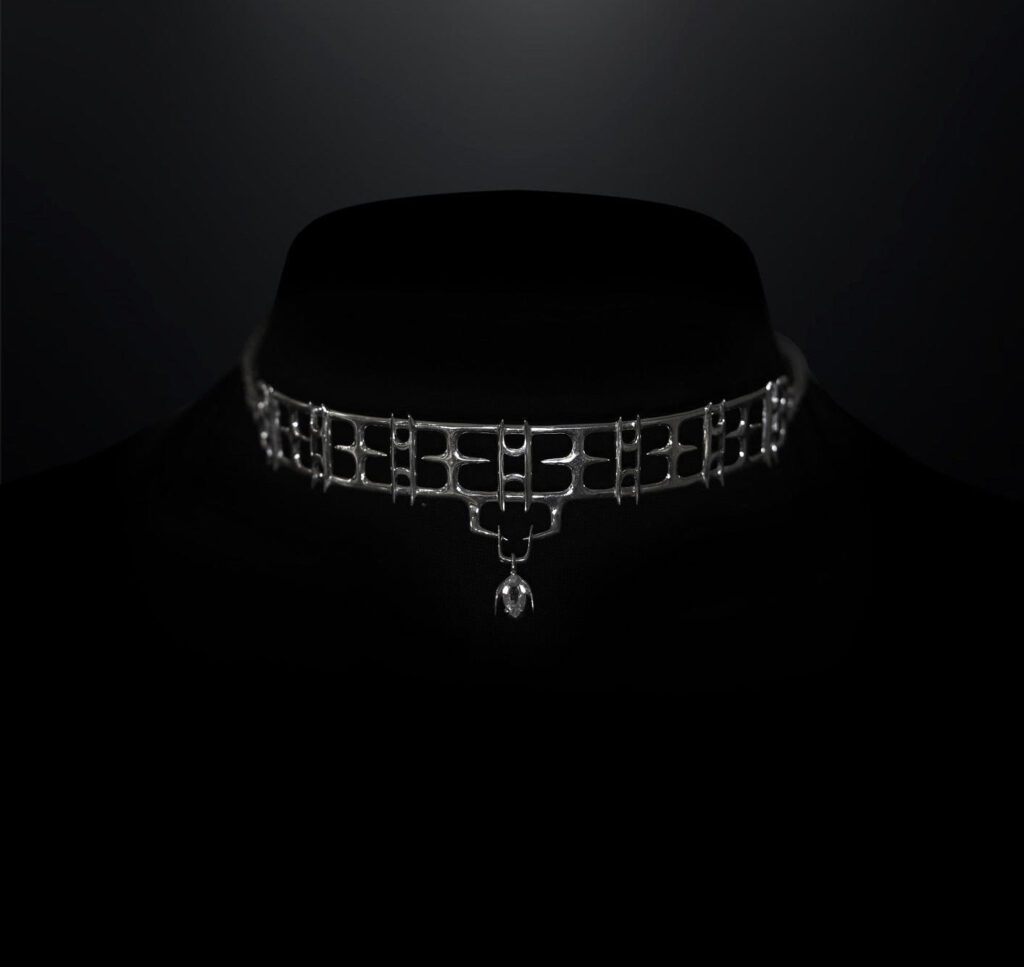
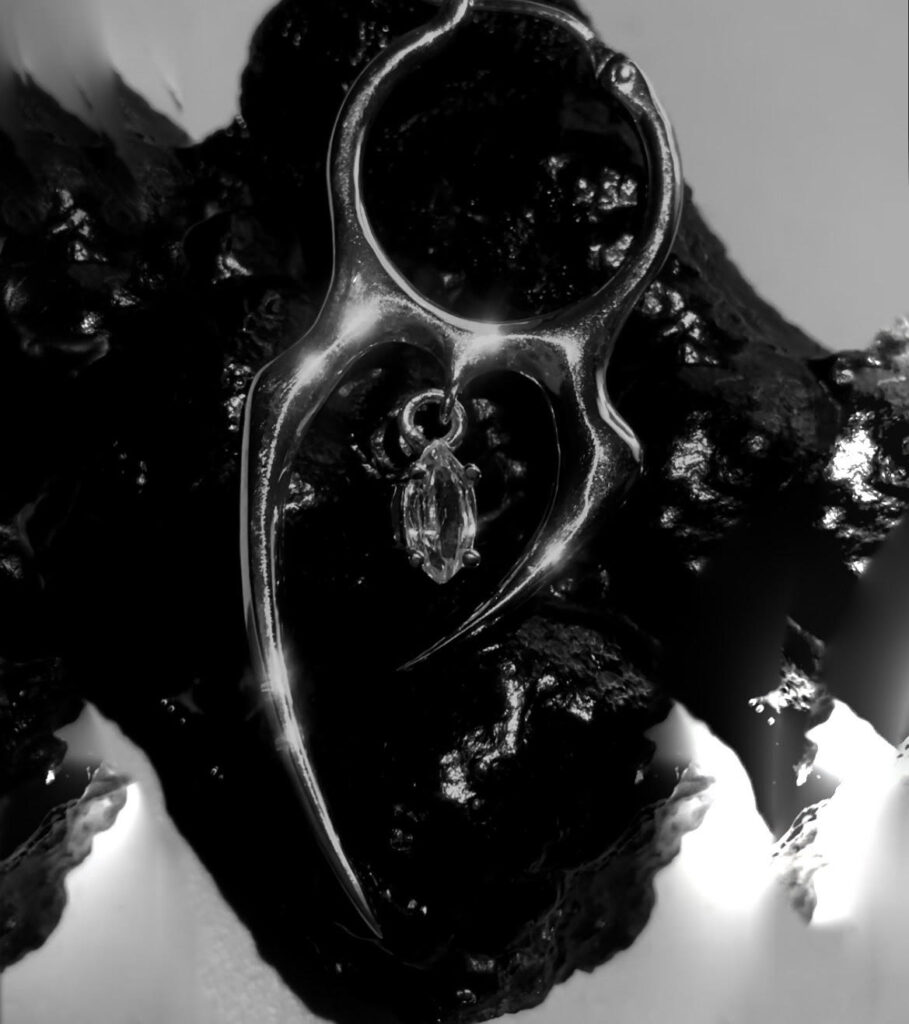
With Daemon Concept, she channels those influences into sculptural, gender-free pieces forged from recycled silver and lab-grown gems. The designs hover between organic and futuristic — part armour, part organ — blurring the line between fragility and strength. Mythology and transhumanist speculation are constant touchstones: the name Daemon itself refers to mythic intermediaries, suggesting jewelry as a messenger between worlds, a threshold object.
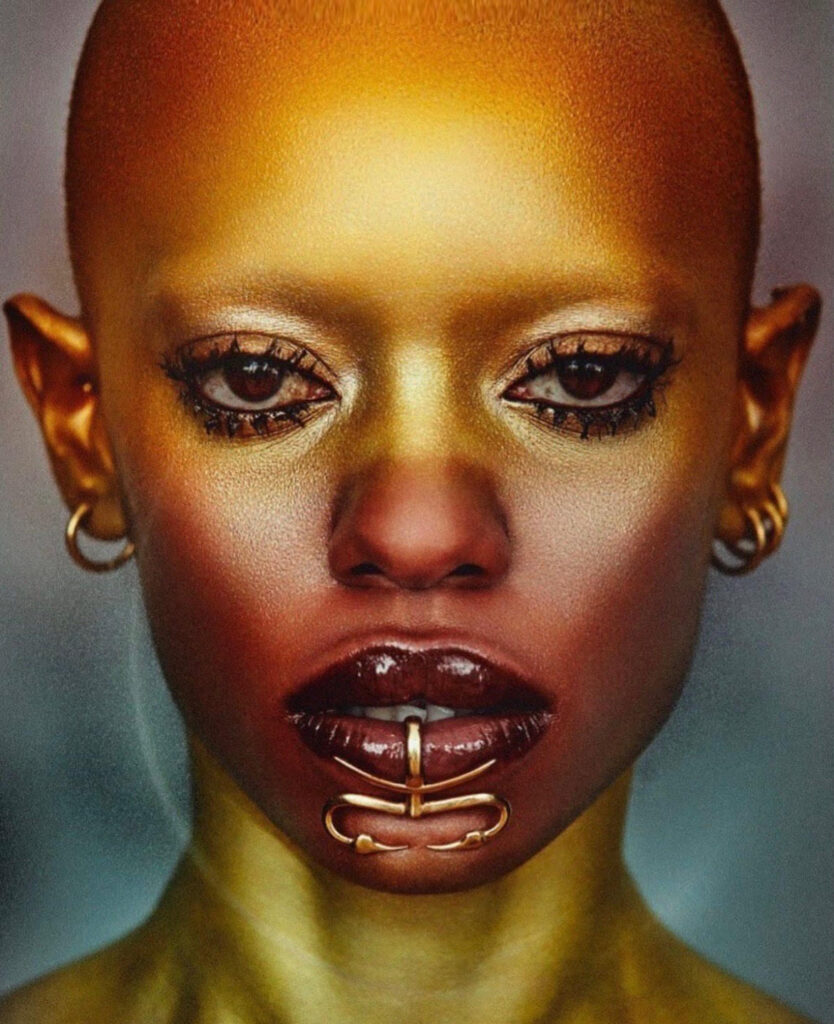
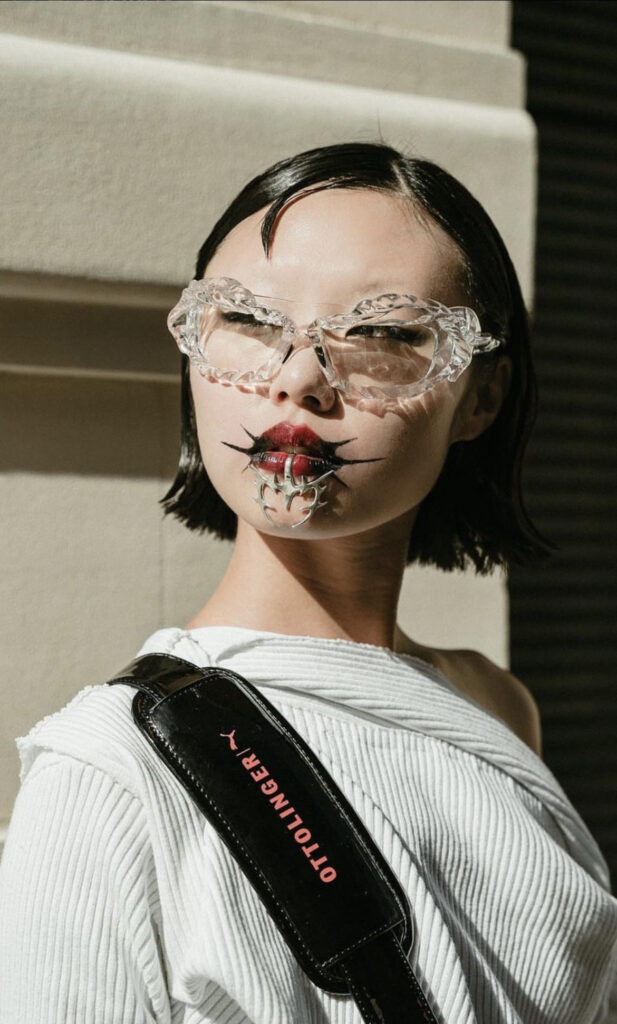
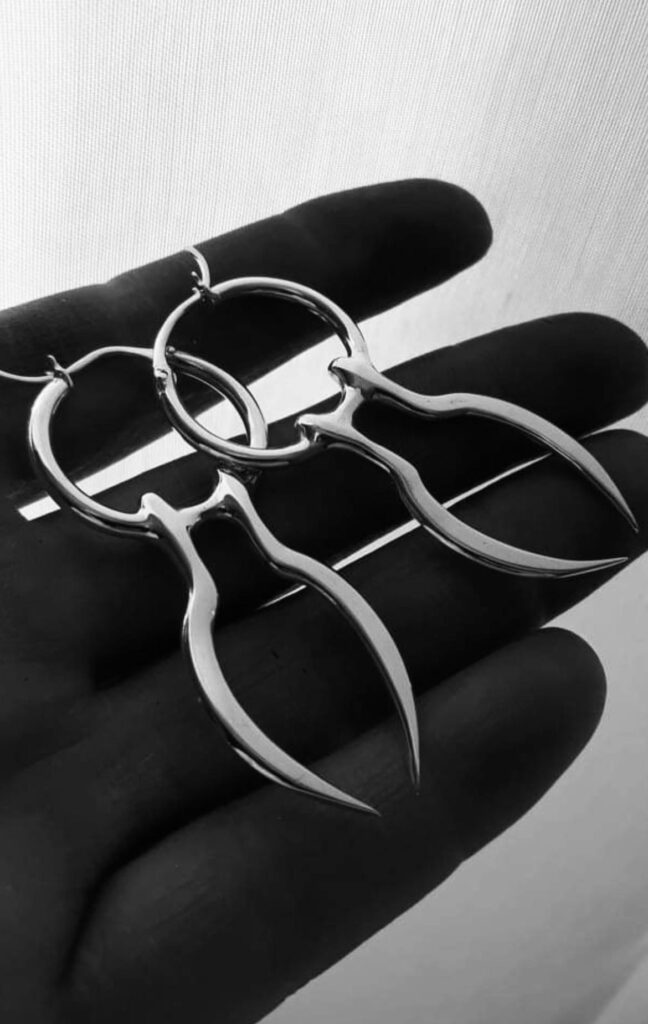
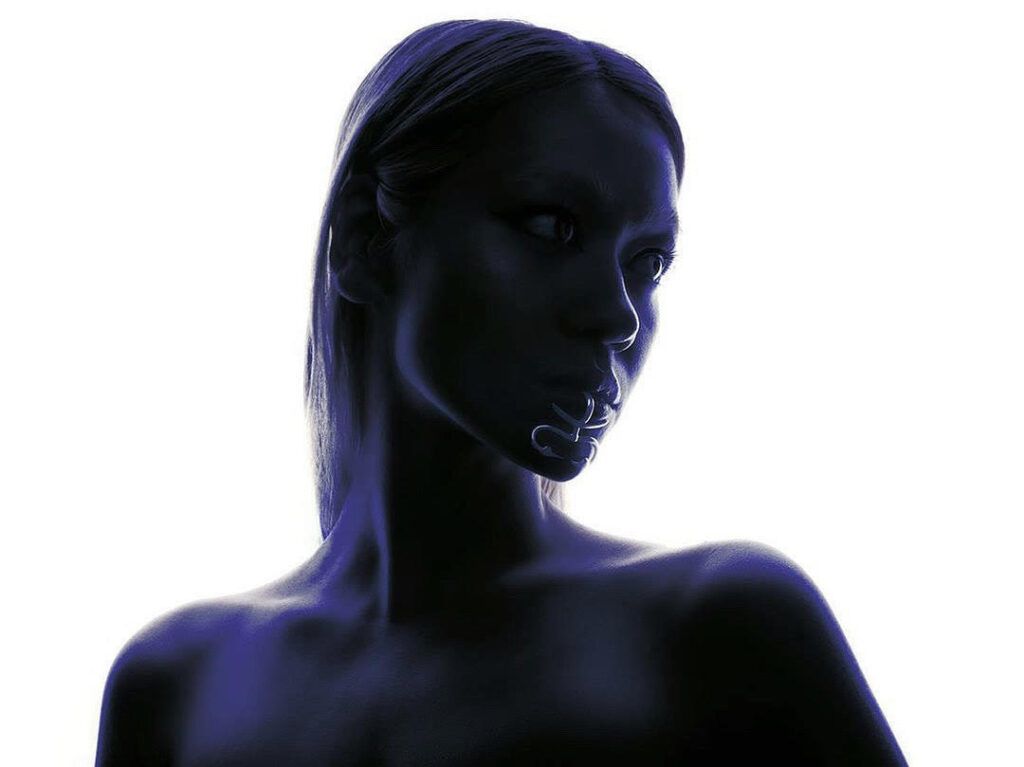
Bakscha’s collections often carry a sharp political edge, addressing violence against women and queer communities while reclaiming jewelry as a tool of resilience. Her collaboration with Yves Tumor, for instance, produced blade-like earrings and lip cuffs that doubled as both adornment and statement. Worn by cultural figures including Grimes, Eartheater, and Hunter Schafer, her work has traveled from rave subcultures into global fashion while retaining its raw, talismanic intensity.
For Bakscha, each piece is not simply an accessory but a companion — a “daemon” — that protects, provokes, and invites its wearer into new states of identity and imagination.
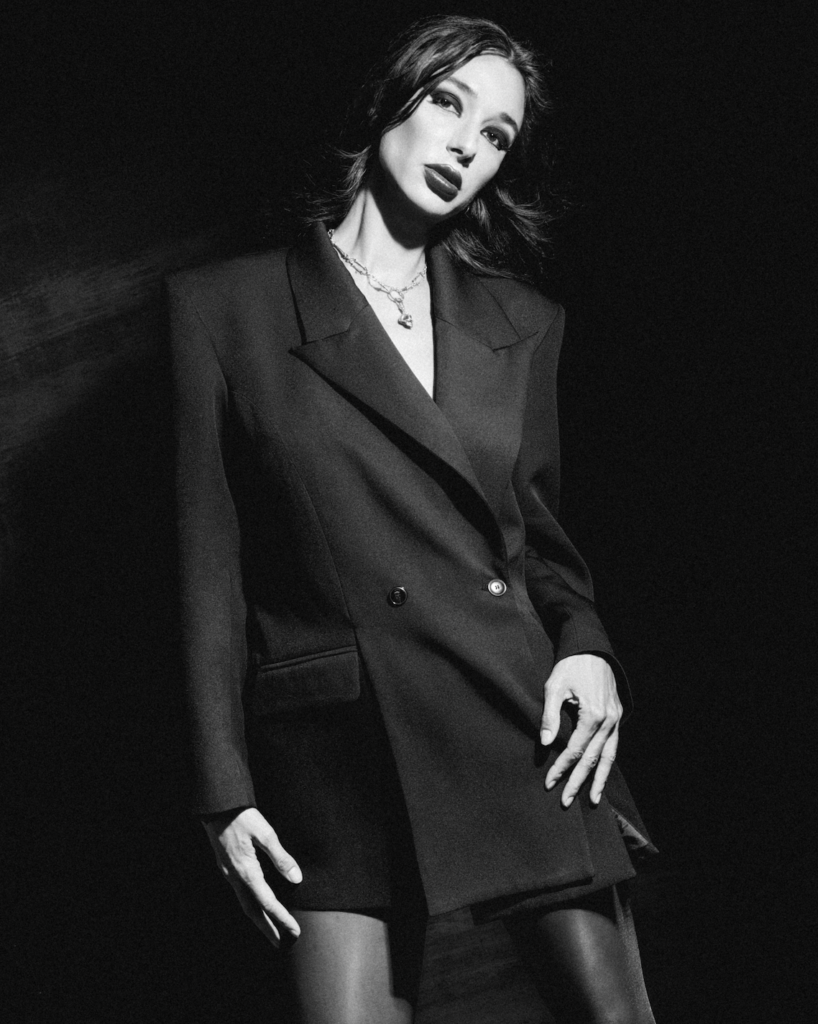
Photo: Szabolcs Szalai
Glam: Isabella Szabo
Styling: Greta Biro
Hi Sophia, It’s a pleasure to sit down with you! Let’s start at the beginning. Growing up in Hungary, what kind of kid were you? What did you enjoy doing, and how did you spend your time?
Sophia: Kinda the same as I am now—a goth/punk kid from the age of 9–10 due to early music influences, raised on MTV when it still had music videos and animated series like Aeon Flux. By 11–12 I was already going to punk shows alone. I had to commute hours to get anywhere, always dressed in black leather, and people would spit insults at me. I also spent a year in a very bleak hospital with a rare blood poisoning case that, I think, shifted me toward being self-centered in a strange way, since it came with so much attention.
Having a textile designer mother and a scientist father, how did they influence your career path?
Sophia: Honestly, very early I knew that my mission was to bring opposing qualities into harmony.
So when did you first start showing an interest in jewelry design? And what’s the earliest memory you have of creating something?
Sophia: In our family it was second nature to make art, draw, and write. But with the economic reality of Eastern Europe, it was hard to justify design as a profession. I most certainly wasted time with self-doubt, but at this point I think of self-expression as a basic right. Still, having to constantly defend my path and figure out ways to support it taught me to value utility and contribution. It shaped me into someone who believes creativity should serve a purpose beyond the self.
Ok Sophia, with these next series of questions, I’ll try to delve into your work as best as possible… So, around 2019–2020 you start Daemon Concept, what inspired that decision?
Sophia: (Daemon Concept is the name of the brand)
Working as an art director for editorial brought me to commission bespoke pieces—especially accessories. These ideas later often got lifted into collections by other designers, which revealed that my ideas actually work. Over time, I realized I naturally lean towards a stripped-down aesthetic: uniform-like black clothing paired with bold silver accessories. While this doesn’t necessarily make for the most exciting editorial oeuvre, I believe it allows me to create timeless, perfect moments through accessories that have never existed before—designs that demanded to come into being.
Looking back, what has been some of the biggest obstacles in building the brand?
Sophia: Maintaining the values of luxury craftsmanship and perceived exclusivity versus making it accessible for a young and cool audience.
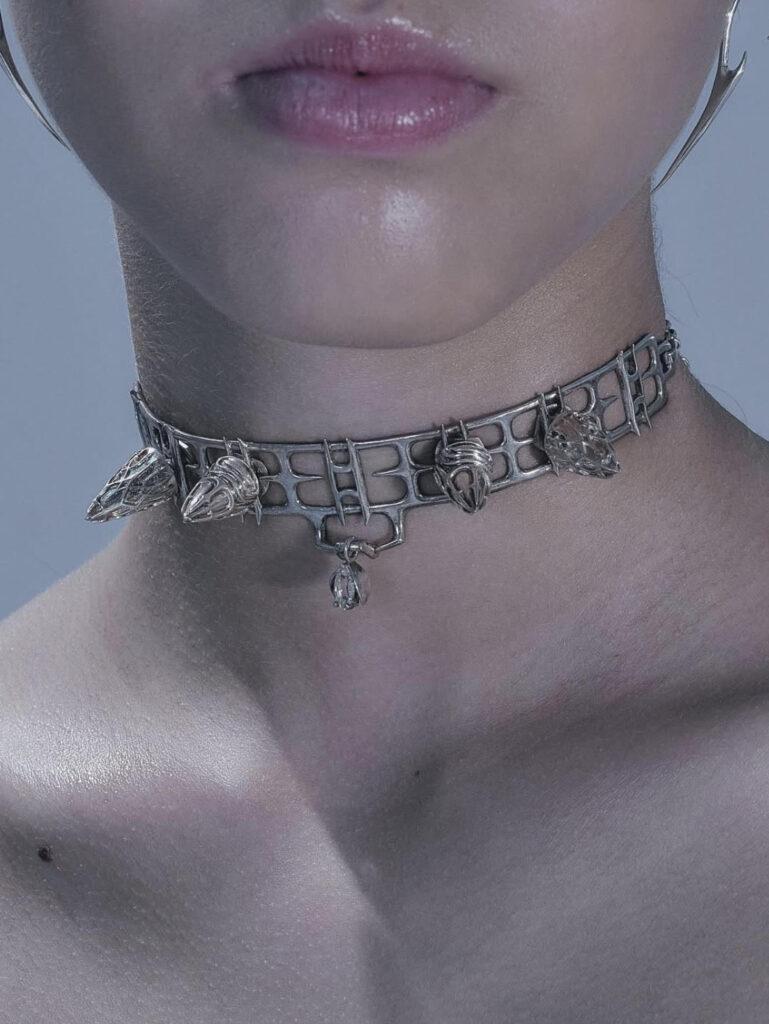
The name “Daemon” references a guiding spirit or inner voice—what does that idea mean to you personally and spiritually?
Sophia: Poised at the threshold between humanity and another realm—having already touched the shimmer of the future. I felt it was important to create some distance and frame the brand more as a set of principles than as a single individual. It feels more honest and gives us greater freedom—it’s always a team effort.
I find it ironic how often big-name artists or creative directors are praised as singular visionaries, when in reality every project goes through multiple phases and countless hands. Our process is part high-tech, part DIY, with a strong punk sensibility, which makes us essentially limitless. This year, we’re expanding into more interdisciplinary practices and events—after existing so much as a digital entity, it feels favorable to create experiences that go far beyond objects.
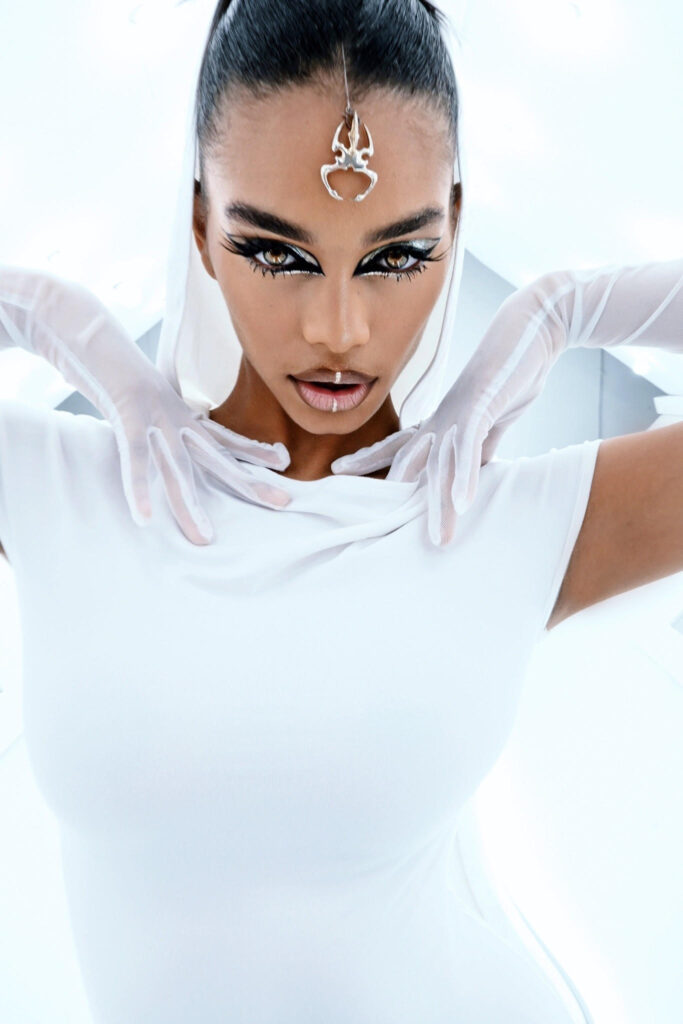
The name “Daemon” comes from ancient Greek mythology, where daemons were seen as intermediaries between gods and mortals. Do you see your work as connecting to a spiritual or mystical lineage?
Sophia: Ever more mystical. When someone asks us to create a precious object—something that will be with them for decades or generations—they reveal fragments of their beliefs, pictures carrying deep resonance. I feel an impulse to be attuned to this language. This is what I call my “dynamic worship” era: exploring the possibility of being individual yet part of a sacred dimension.
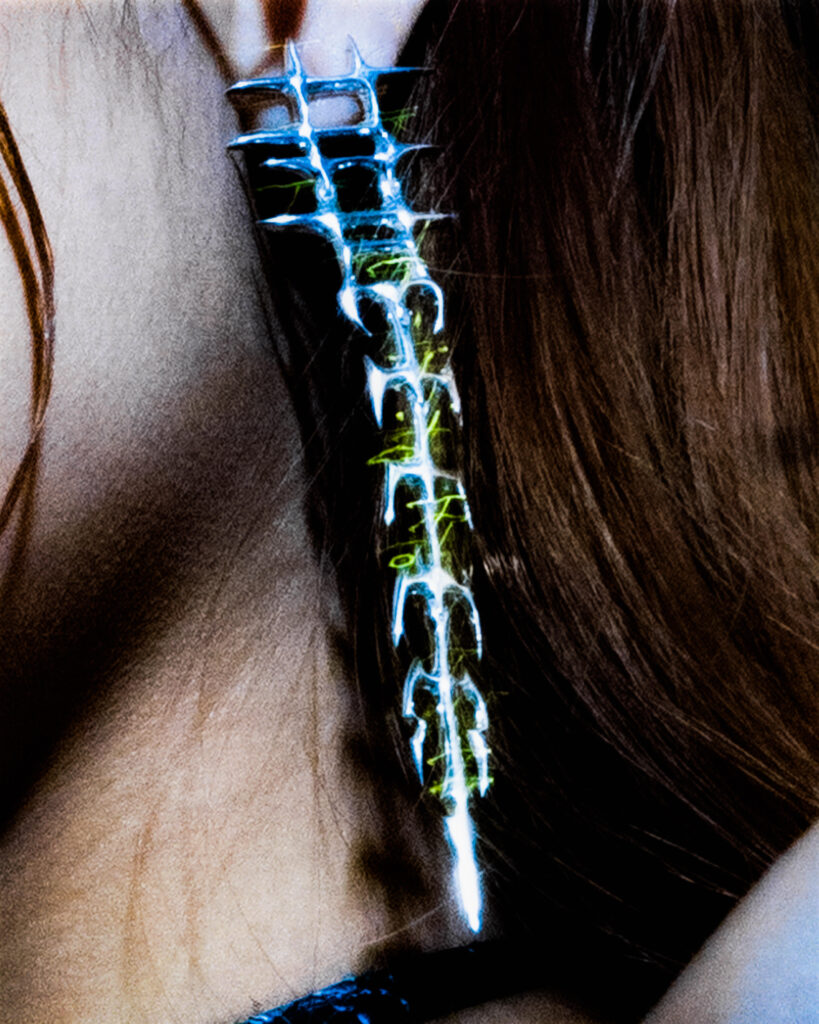
With this in mind, has religion—organized or personal—played a role in your life or work?
Sophia: I’ve spent half of my adult life in Asia, but I could never be anything other than Christian. People often assume I’m some kind of free spirit, but in reality, I love to torture myself with Catholic guilt. I don’t think I could be a decent designer without that pull toward strict rules and systems. Good taste isn’t a democracy, after all.
Structurally, I’m drawn to both extremes: the ornate maximalism of Thai Buddhism, with its sense of progression, and the restraint of minimalist architecture. It’s worth remembering that much of the Renaissance and medieval art we revere in Europe today was commissioned by the Church—discipline and beauty have always been intertwined. I find the stripped-back materiality, light, and sensory precision in the work of Peter Zumthor and Tadao Ando equally moving, though in a very different way.
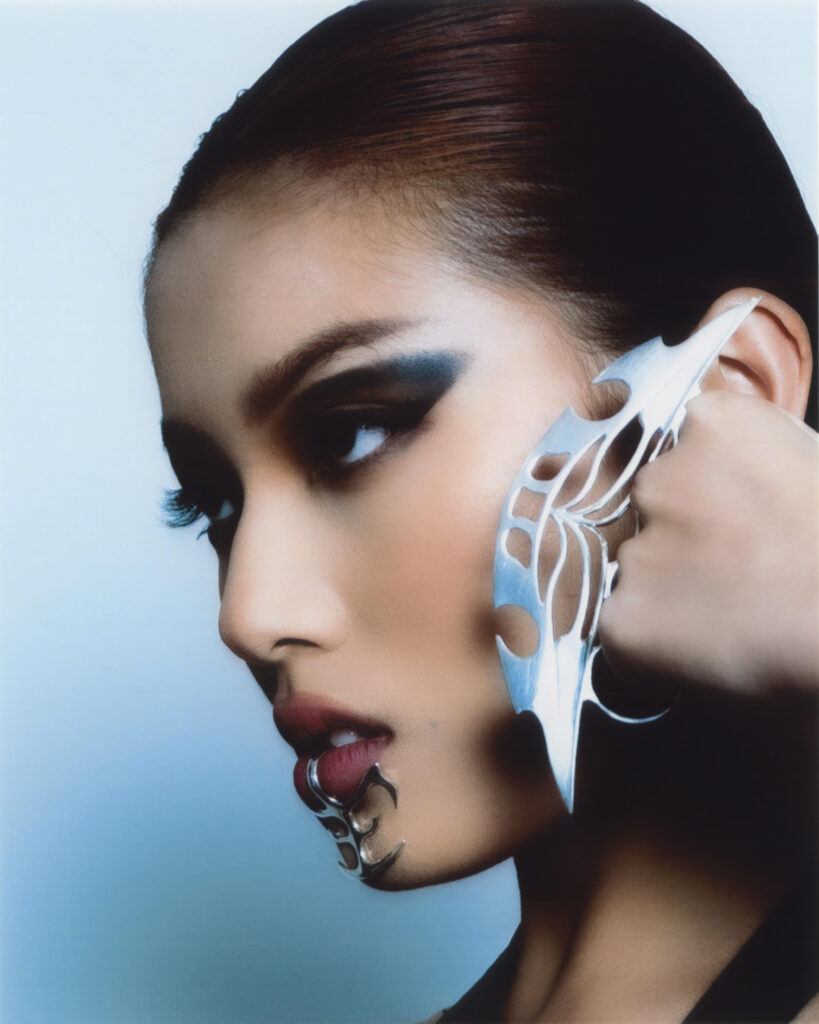
You often describe time as a jungle rather than a river. Can you elaborate on that metaphor?
Sophia: The quote refers to the non-linear nature of inner time—time as accumulation rather than sequence—an exploration that is central to everything I do. From the perspective of fashion this naturally translates to a non-seasonal and timeless approach to designing. The recent structural changes in fashion and the direct-to-consumer/bespoke approach make this easier to convey.
Your pieces often sit at the intersection of protection and vulnerability. Why is this tension important to you as a designer and a storyteller?
Sophia: I think the most accurate description of human nature is to see people as capable of both the worst and the best. I’d like to believe the people I design for share that awareness. For women in particular, expressing this duality feels relevant. I have no interest in adopting a victim narrative—educated, in the West, and with the right dose of Machiavellianism, I’ve always managed to find opportunities.
The real issue lies in how we’re often expected to present ourselves as products rather than individuals. That mold is something I intend to help break for those inclined to resist it. I’m drawn to dichotomies and emotional contrasts because they’re visually striking and deeply human. The kind of people I want to reach understand this instinctively.
You’ve said your jewellery is “high-fashion weaponry.” What emotions or societal conditions are you responding to when designing with that mindset?
Sophia: Identity and boundary-making in a beautiful way—giving power to those I deem important.
Much of your work touches on survival—especially in relation to gender and trauma. Why are those topics important to you?
Sophia: Thank you for your question. Of course, I don’t live in a bubble of luxury. To this day I remain not very risk-averse—and in fashion, you’re always just a few steps away from either doom or salvation. We’re living in a moment when global economics feel incredibly fragile, and at times creativity can feel like Nero singing over the burning ashes of Rome. But I made a pact with myself long ago: beauty and art are essential to survival. My relationship with them is almost symbiotic—I sustain them, and they sustain me. When it comes to human rights, we’re at a troubling point where freedoms once considered essential are being rolled back. I’m still redefining how I position myself within that reality.

Daemon Concept has roots in underground rave culture but also resonates in the art, fashion, and tech worlds. How do you navigate those overlapping communities?
Sophia: I hope we are the great equalizer we strive to be.
So what do you think jewelry can express about the wearer or the creator that other art forms cannot?
Sophia: High jewellery and gemstones are eternal in a way few objects are. They cross continents and generations, accruing meaning as they move.
Your sculptural designs often extend organically from the body. How do you envision the relationship between the wearer and the piece?
Sophia: Extensions of the body, heightened by an awareness of flesh’s malleability—softness set in stark contrast against the endurance of gems and precious metals.
And what challenges have you faced as an artist straddling the line between traditional fine jewelry and contemporary art?
Sophia: Time will tell how we can infiltrate the art and design market, but we are ready. In many ways, our biggest obstacle is ourselves—because I’ve never been interested in making work that feels very exclusive.
What role do exhibitions and collaborations play in your career, and how do they differ from your personal work?
Sophia: When it comes to collaboration – people are often surprised that, while I have a distinct style as a creative director, I’m also a decent art director without any sense of entitlement when it comes to realizing other people’s projects. Having already fully realized many of my own works, I can immerse myself completely in theirs.
On that note, how do you balance your artistic vision with the requirements of a fashion collaboration?
Sophia: It sustains me creatively to learn about other people. I have my personal projects, and then I have those where it’s all about accelerating the desires of others—and I think I’m quite good at that.
Can you walk us through the journey of a piece—from idea to sketch, to 3D model, to final form? What part of the process feels most alive to you?
Sophia: I think the hand-drawing part in the very beginning is very important. Moodboards are a hideous industry practice and I try to avoid them. Then it might go into wax carving or 3D print. Then we create a mould and pour silver, assemble, hand finish and polish, set the stones.
You work with recycled silver and lab-grown stones. How do material ethics and sustainability shape the aesthetic and spiritual energy of a piece?
Sophia: Silver is the perfect material—endlessly recyclable and always able to return to its original form. I don’t claim this, but our process is close to zero waste. It’s important to reach a quality that lasts forever.
Your designs are often described as futuristic relics. Do you think of your work as coming from a speculative future, a mythic past—or both?
Sophia: It used to be more like a speculative future but many things have shifted. I hope it’s arriving into an eternal present.
Can you also tell me about your use of symbolism?
Sophia: Every piece deserves its own explanation. I think my current favorite is the Dynamic Worship ankh pendant, with an alien texture that symbolizes renewal and the protection of life and nature.
How do you deal with creative blocks?
Sophia: I don’t remember having one. I feel too lucky and excited about all this all the time. It feels ridiculous to find problems in the privileged and easy life of an artist. If I start feeling I’ve said everything there is to be said, I just move into another discipline—writing, music, or collaborations, which always bring something new.
Ok Sophia, now to something totally different. In a parallel universe, who would you be, and what would you be doing?
Sophia: Politics or martial arts, full time.
Outside of jewelry design, what’s something you’re obsessed with right now—maybe a hobby, a show, or even a food—that keeps you grounded or inspired?
Sophia: Black coffee. Calisthenics. Motorcycles.
Can you tell me a story about a time when a connection with someone had a big impact on you?
Sophia: I have a gang of really cool femme friends across the globe who sustain me, and the communities of Asian and post-Soviet underground.
What qualities do you find most important in the people you choose to spend time with?
Sophia: Being unapologetic, matched with kindness and generosity.
What motivates you?
Sophia: Curiosity, pride, and love ( LOL ) and being dramatic.
How would you describe a perfect day?
Sophia: Reading, café omakase, dancing at a rave or getting lost in a new city—or just waking up, training or running, then working in my studio.
Alright Sophia, I always ask these two questions at the end of an interview. The first is: what’s your favorite movie(s) and why?
Sophia: 2046 by Wong Kar Wai—it’s a visual epic about how timing is everything when it comes to love connections.
Audition by Takashi Miike has the best dramatic pacing I’ve ever seen in cinema.
The second is: what song(s) are you currently listening to the most right now?
Sophia: I really enjoy the experimental label of Anetha FANÉ.E, a lot of hip hop, and experimental breaks like Ish Couture. Also everything from VTSS, Kissfacility, Cerakhin, BIAA, AADJA, La Penderie Noire, 100 Gecs, and Locked Club.
And since I know you read a lot of books, I’ll throw this one in too. What’s your favorite book(s), and why?
Sophia: Please Kill Me: The Uncensored Oral History of Punk by Legs McNeil and Gillian McCain, and everything by Anne Boyer and Isabel Allende.