Share this
Italian art has always known that tragedy and comedy are closer than they look. A ruined system can become a joke. A joke can become a wound. A political crisis can hide inside absurdity, and beauty can arrive wearing the wrong expression.
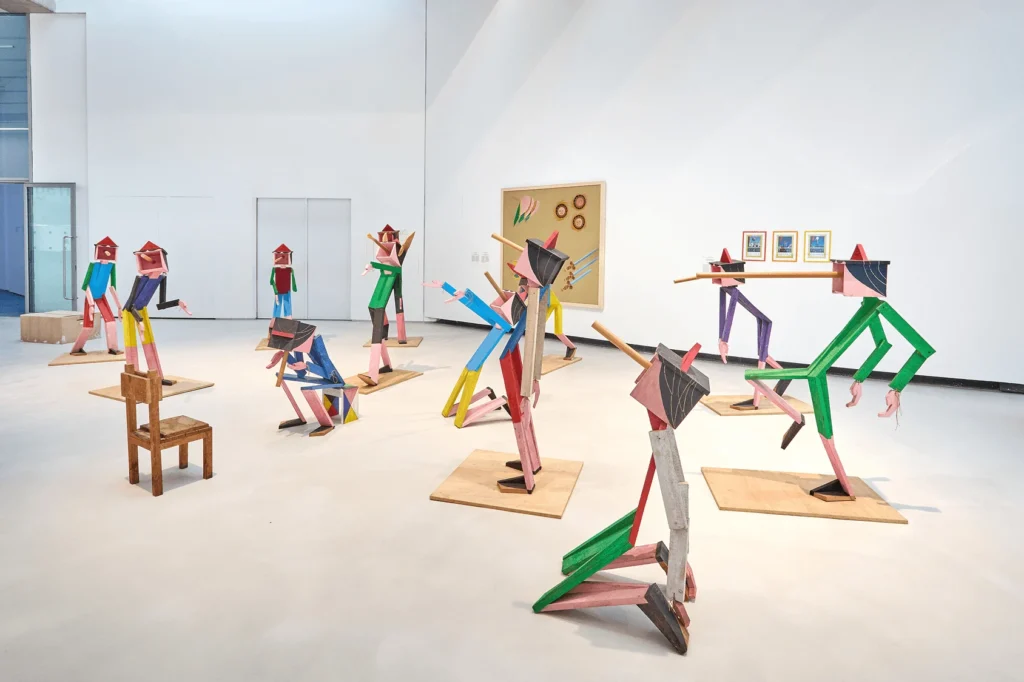
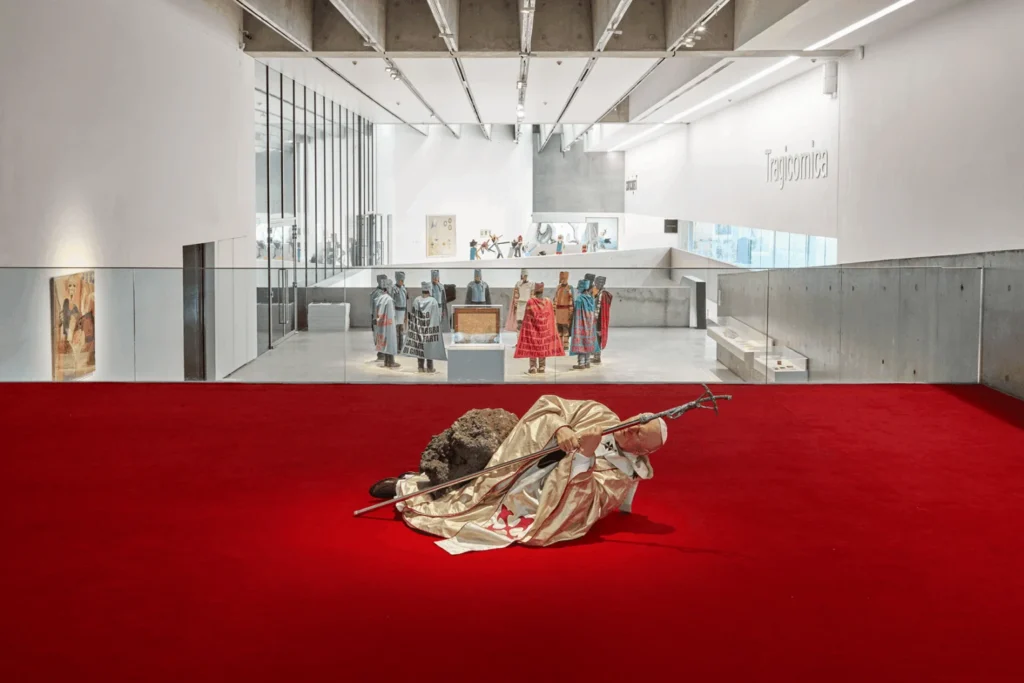
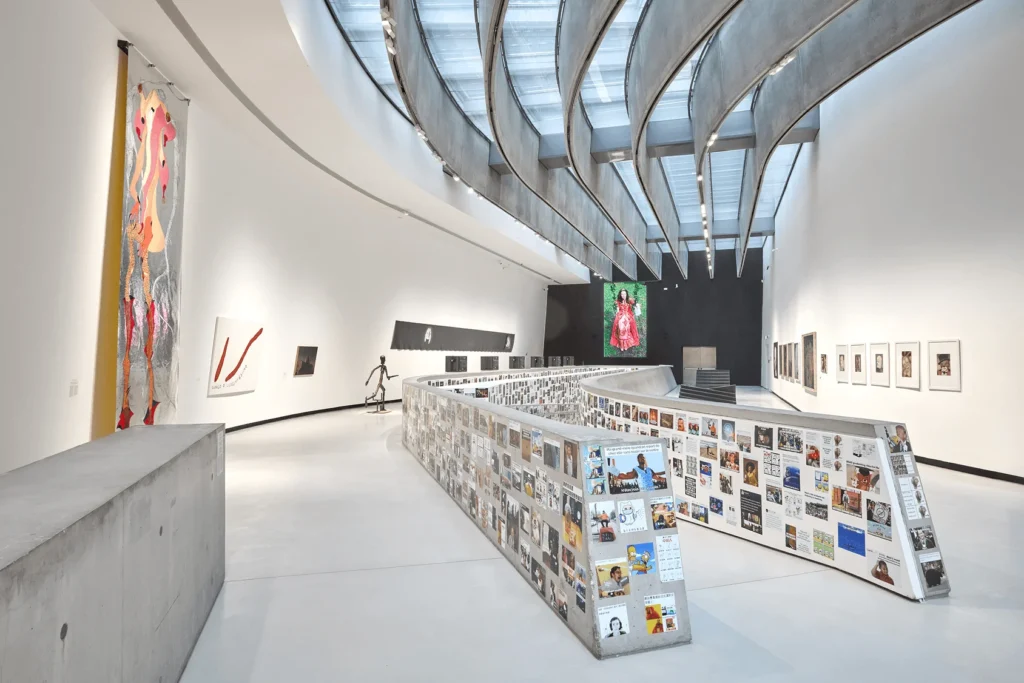
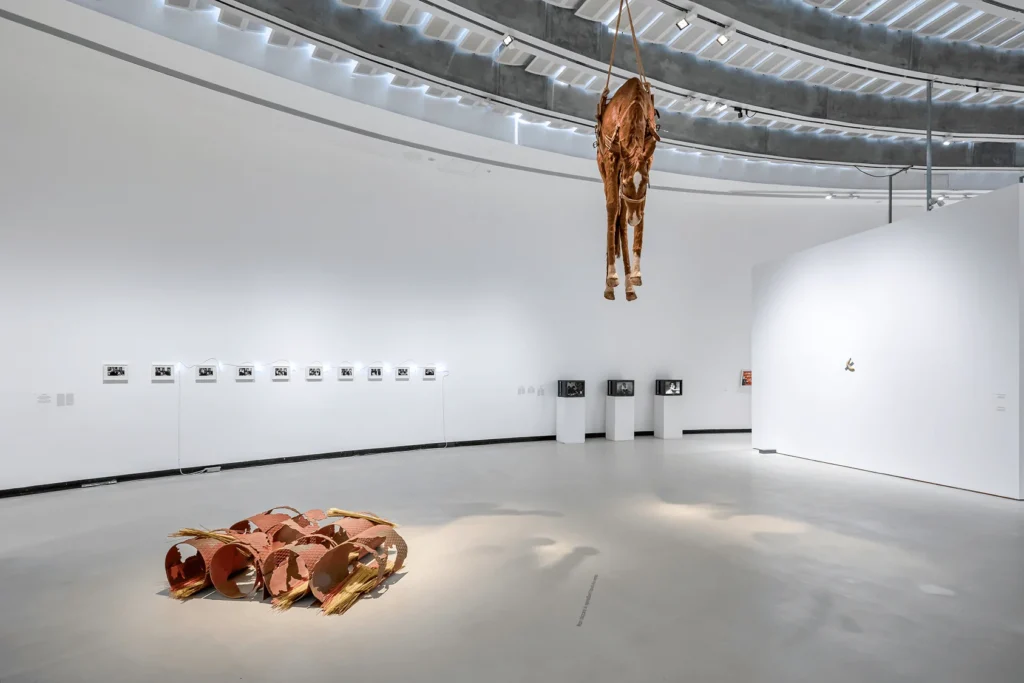
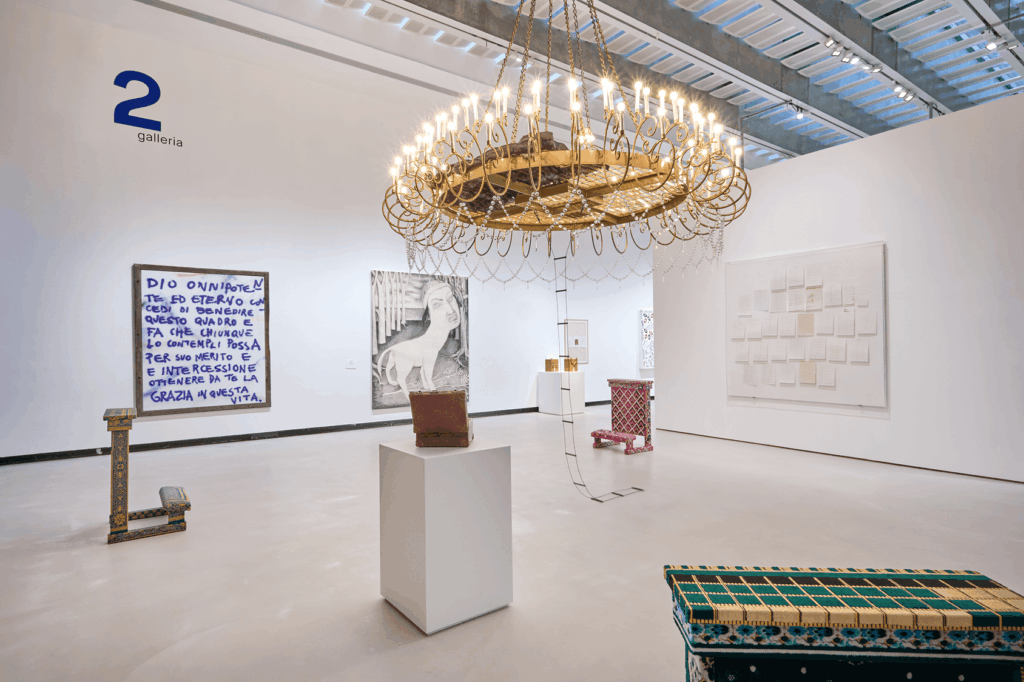
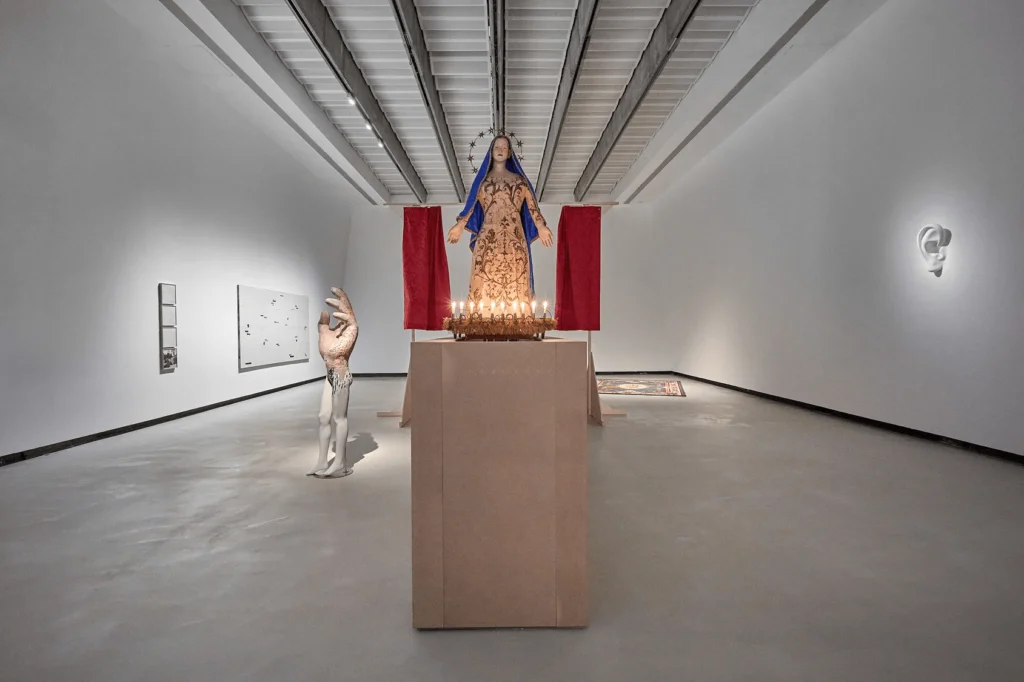
That unstable emotional territory sits at the centre of Tragicomica: Perspectives on Italian Art from the Mid-20th Century to Today, now on view at MAXXI – National Museum of 21st Century Arts in Rome through September 20, 2026. Bringing together more than 300 works by over 130 artists, the exhibition traces Italian contemporary art through the forces of irony, satire, contradiction, and the strange poetry of everyday life.
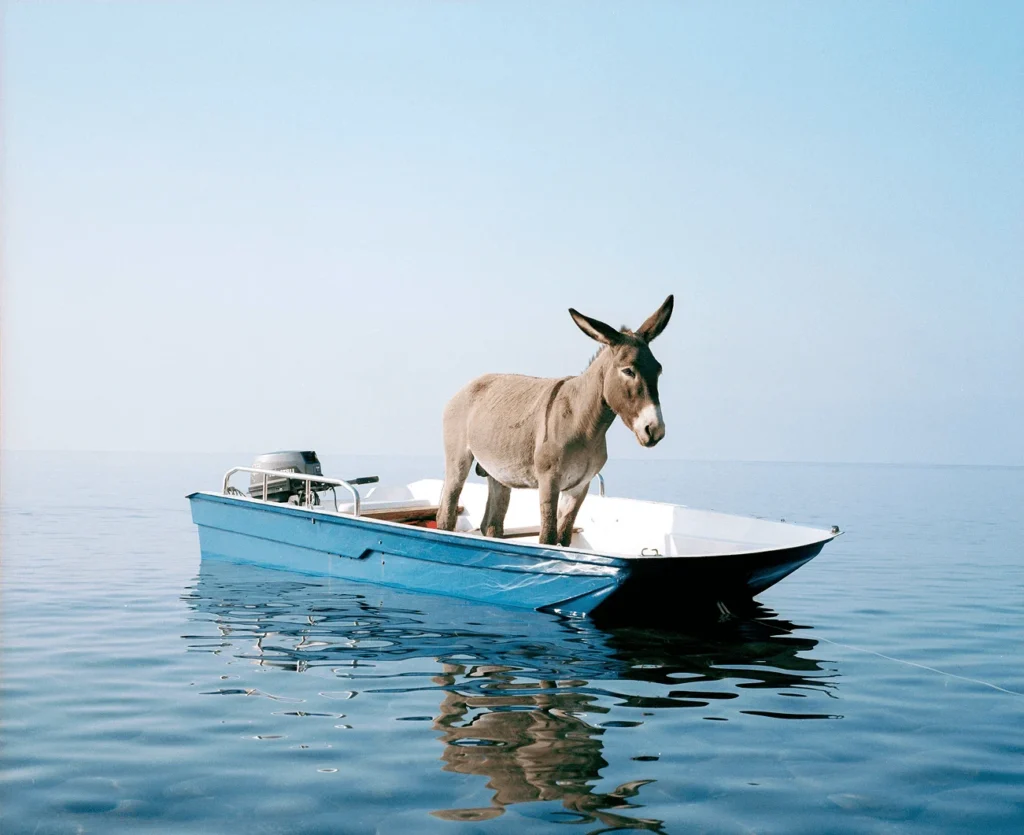
Curated by Andrea Bellini and Francesco Stocchi, the show refuses the clean path of a conventional historical survey. Instead, it builds a more crooked map, where generations, movements, and artistic attitudes collide. Inspired by Giorgio Agamben’s idea of Italy’s “anti-tragic intention,” Tragicomica asks how artists have responded to political upheaval, social transformation, and existential uncertainty not only with seriousness, but with wit, absurdity, and emotional disobedience.
The exhibition begins with an early work by Lucio Fontana, an ironic self-portrait inscribed with the contradictory declarations “I am a saint” and “I am a scoundrel.” It is a perfect opening gesture: identity split in two, sincerity sabotaged by humour, the artist already refusing to behave as one stable thing.
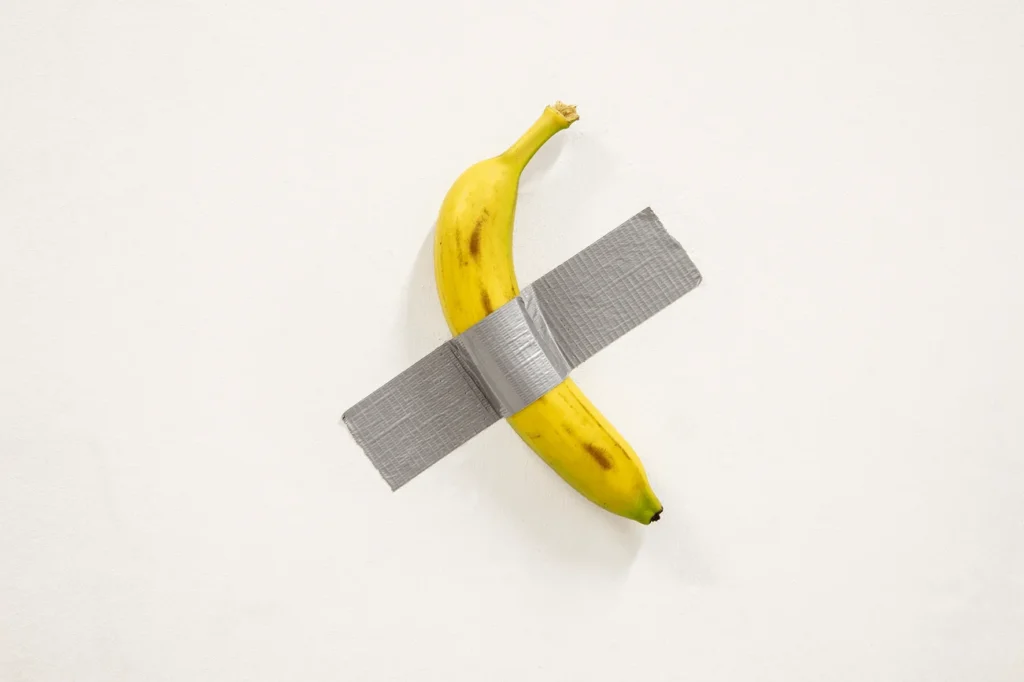
From there, the show moves through some of the defining figures of postwar and contemporary Italian art. Maurizio Cattelan appears with his sharp provocations against power and cultural authority. Alighiero Boetti brings systems of order, chance, and conceptual play. Giuseppe Penone opens a dialogue between body, nature, and time. Carol Ramabrings desire, discomfort, and bodily unruliness into the room. Piero Manzoni destabilises authorship itself, while Monica Bonvicini turns architecture, gender, and authority into materials for confrontation.
What makes Tragicomica compelling is that it treats humour not as lightness, but as strategy. In this exhibition, irony becomes a way of surviving history, dismantling power, and making visible what official narratives try to smooth over. The comic is not an escape from the tragic. It is one of the ways tragedy speaks.
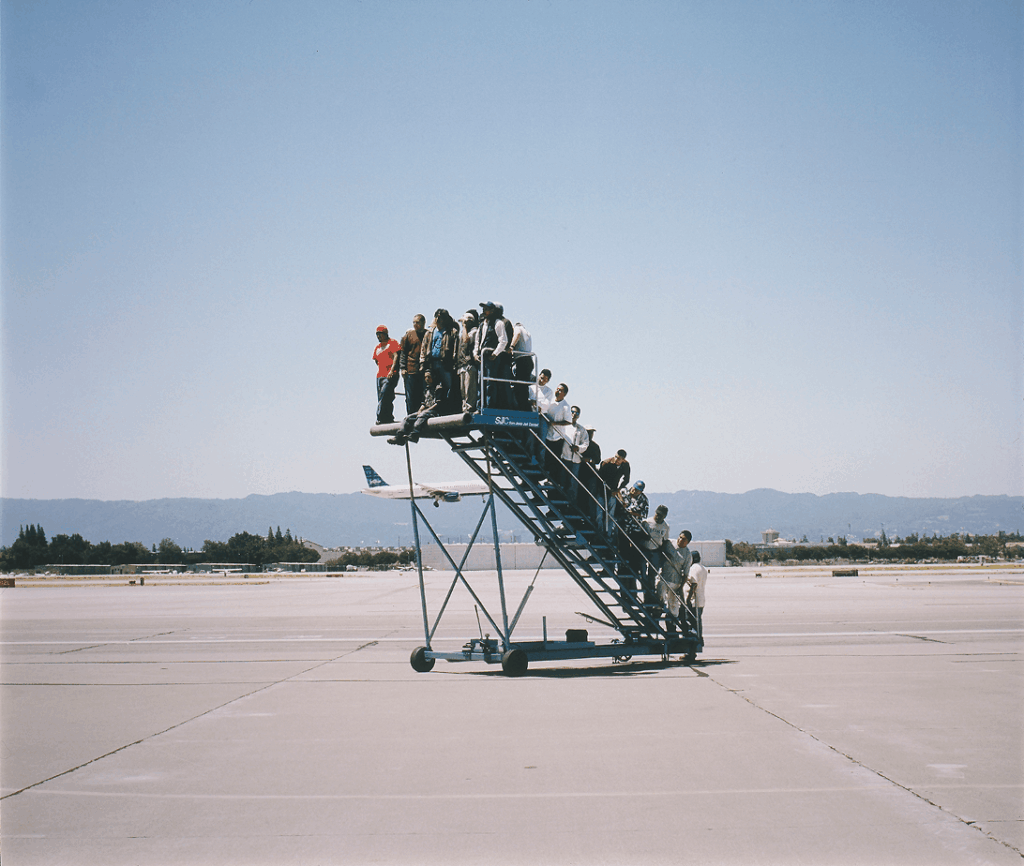
The show also moves beyond visual art, opening itself to cinema, theatre, literature, philosophy, architecture, and design. That wider frame matters, because Italian contemporary culture has rarely stayed inside one discipline. Its most interesting forms often happen in the overlap: between performance and politics, spectacle and critique, elegance and collapse.
Across more than 80 years of artistic production, Tragicomica offers a portrait of Italian art as restless, contradictory, theatrical, and deeply self-aware. It does not try to separate beauty from absurdity, or intellect from mischief. Instead, it suggests that the Italian imagination has often found its sharpest truth in the space where seriousness begins to laugh at itself.
At MAXXI, tragedy does not arrive alone. It comes with a punchline, a mask, a broken monument, a banana taped to a wall, a body out of place, and the stubborn belief that contradiction may be one of art’s most honest forms.