
Share this
Long before he flattened mass media into neon silkscreens or transformed consumerism into a modern religion, Andy Warhol was simply an obsessive illustrator armed with a pen. We tend to remember him as the detachment-obsessed king of the Factory—a man who famously declared his desire to become a machine—yet a major new Paris exhibition strips away that silver-tinted facade to reveal a far more vulnerable, tactile reality.
Opening September 16, 2026 at the Musée du Luxembourg, Andy Warhol. La ligne et l’image intentionally shifts the lens away from his celebrated mechanical prints. Bringing together around 150 rare drawings alongside archival photography, intimate screenprints, and forgotten ephemera, the showcase runs through January 10, 2027. What emerges is a striking narrative: drawing wasn’t just a stepping stone for Warhol, but the quiet, constant pulse behind his entire artistic ethos—from a raw 1942 self-portrait to his haunting final interpretations of The Last Supper in 1986.
“The exhibition uncovers an artist forever caught between the intimacy of the human hand and the cold, seductive precision of the machine.”
Structured across five distinct thematic chapters, the exhibition delves deep into the subcultures, neuroses, and rituals that fueled his world:
- Excentricities, Commonplaces: A dive into his early career as a commercial illustrator, mapping how he first learned to weaponize consumerist graphics.
- Alphabet Books and Basics: A look at his fascination with script and typography, featuring delicate cursive penned by both Warhol and his mother, Julia Warhola.
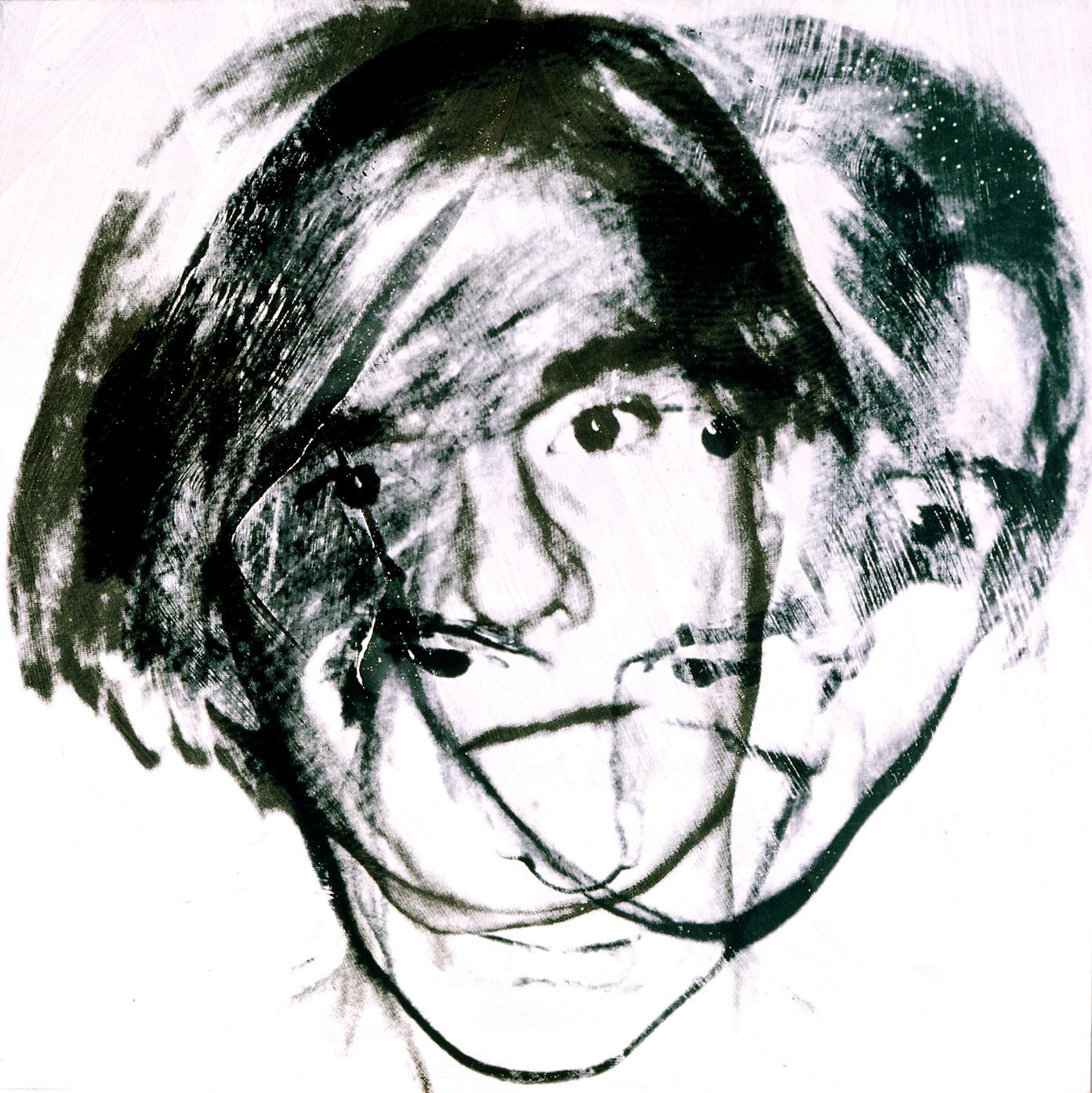
- Faces and Masks: An exploration of identity as a performance, tracing his lifelong obsession with self-scrutiny and celebrity distortion.
- Erotica: A rare glimpse into intimate, once-taboo depictions of queer culture that remained tucked away from the public gaze until the 1970s.
- Hell and Wonders: A confrontation with mortality, capturing his visceral obsession with death and existential dread following the 1968 shooting that nearly took his life.
Well before he surrendered his studio practice to the cold repetition of the printing press, Warhol was constantly experimenting with manual techniques—playing with blotted lines, custom stamps, stencils, and fragmented collages to mirror mechanical production by hand. Even when he returned to drawing after a decade dominated by avant-garde cinema, his line work retained an expressive, human weight. Ultimately, the show reframes our understanding of Pop Art’s visual architect—revealing an iconographer who was always, at heart, a draftsman.