Share this
Arnaud, better known by his pseudonym Lilnoaar, is a 26-year-old independent French photographer from Cannes, working exclusively with film.
Originally aspiring to be a painter and launch his own clothing brand, he shifted toward photography after being rejected from art school. His interest in photography began around the age of 17 or 18, but it wasn’t until 2020—during the COVID pandemic—that he started pursuing it seriously, inspired by a life-changing documentary.

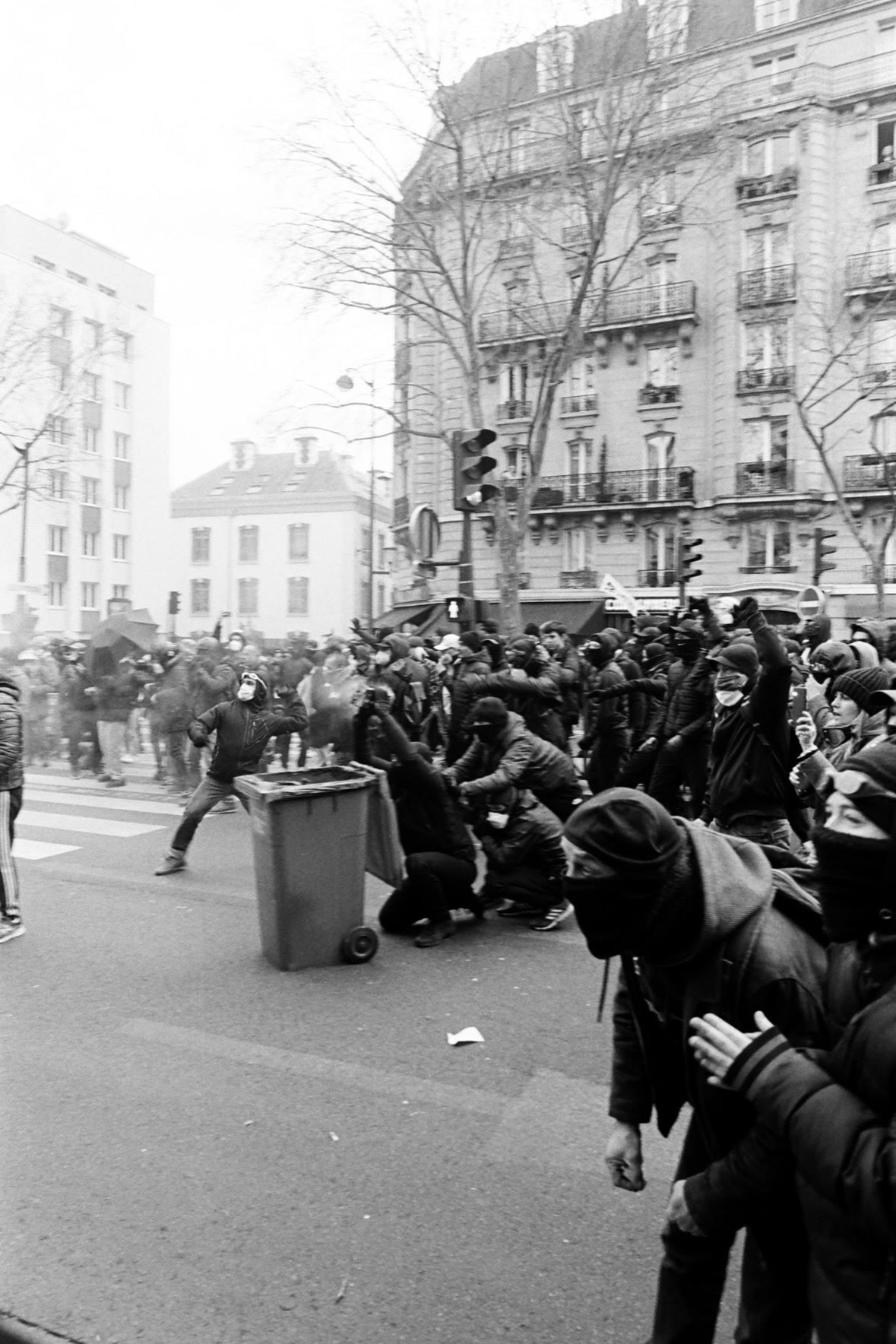
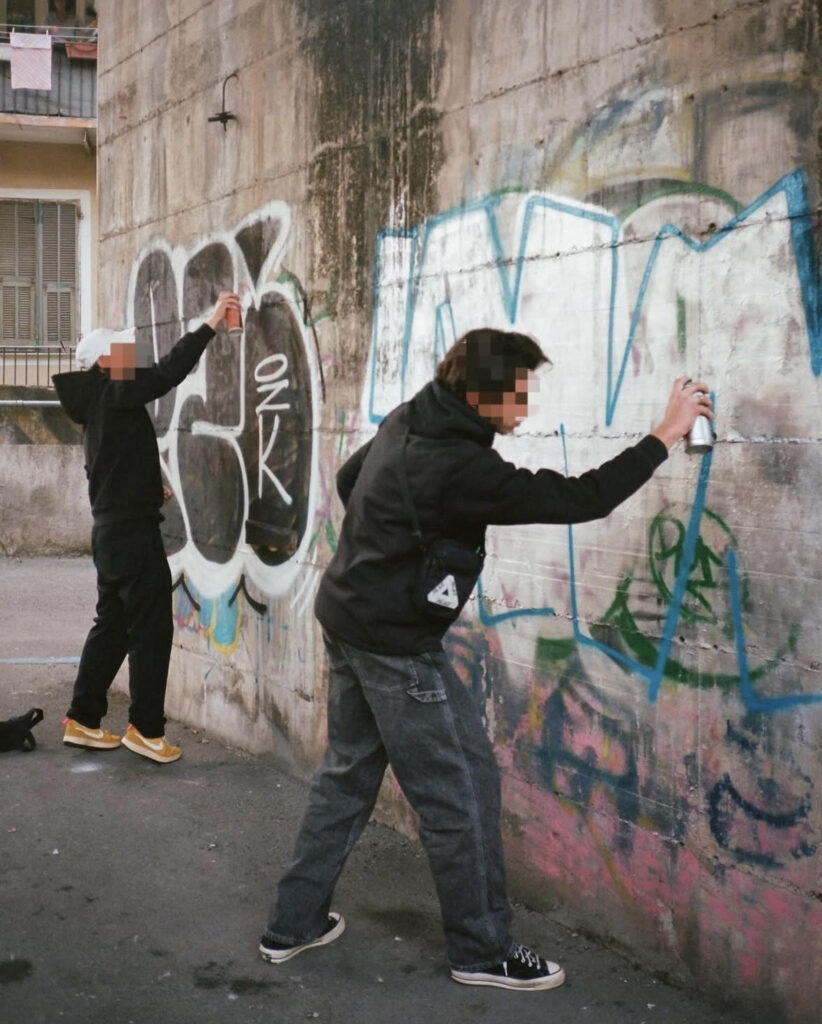
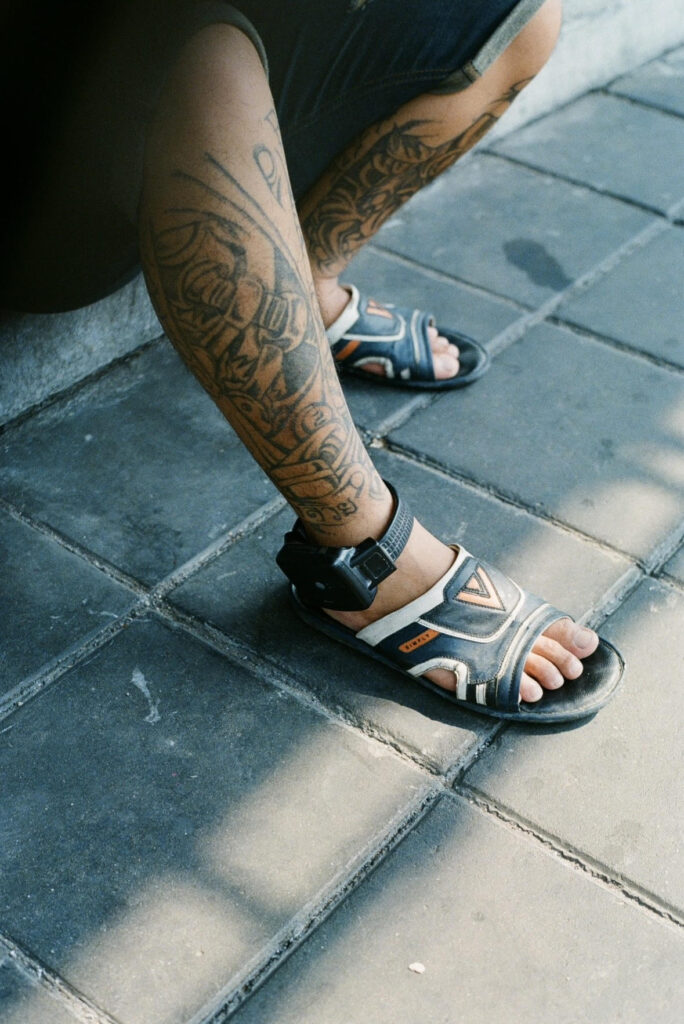
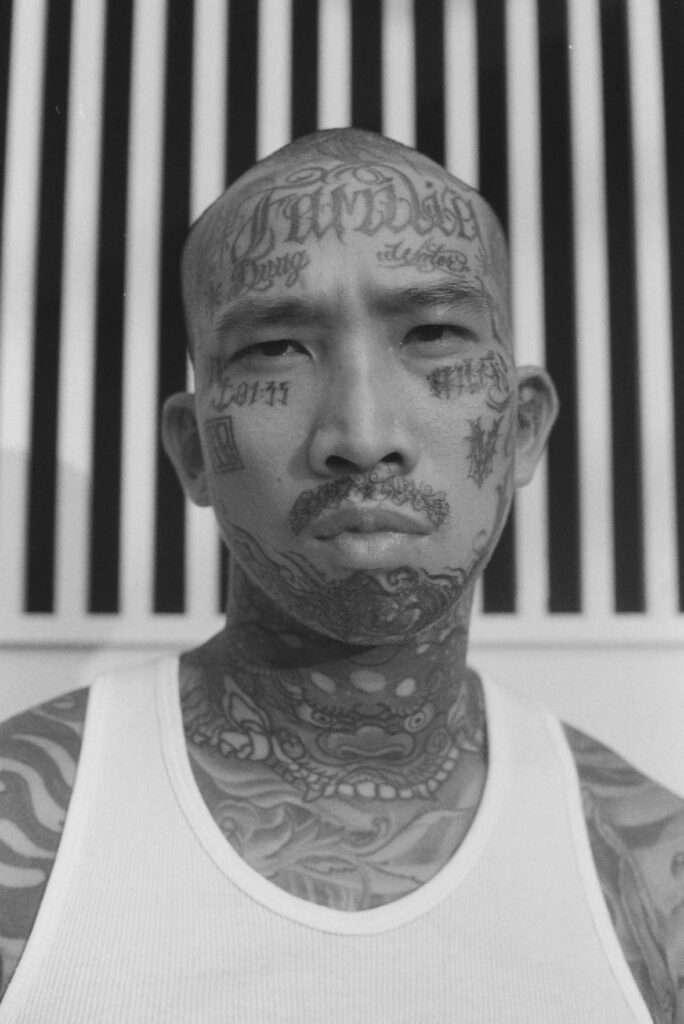
With roots in the skateboarding scene, Arnaud’s early work revolved around capturing the mood, lifestyle, and aesthetics of his friends, heavily influenced by the analog visuals of classic skate videos. His photography primarily focuses on subcultures such as skateboarding, tattooing, graffiti, and dance, while also exploring street photography and, more recently, photojournalism. Though he spent three years working in a major fashion concept store and has a deep appreciation for clothing and craftsmanship, his work rarely ventures into fashion photography—though it’s something he’d love to do.
A restless and adventurous spirit, Arnaud dislikes stagnation and thrives on discovering new experiences. In 2021, he founded Le Sud Fait Mieux, a collective born out of frustration with the dominance of Paris in the French art scene. Through it, he organizes events, parties, and multidisciplinary gatherings on the French Riviera, fostering a vibrant local creative community.
A passionate traveler, Arnaud spends much of his time on the road, creating photo documentaries on topics that captivate him. His love for people, life, and freedom drives his work. His latest project, Pra Gringos é Mais Caro, is his first self-produced photo book, chronicling his deep connection with Rio de Janeiro. The book, nearly two years in the making, is a testament to his dedication, with a portion of the proceeds supporting children in a Rio favela. With new projects on the horizon, Arnaud will soon be returning to Brazil, continuing his journey of exploration through the lens of his camera.

Hi Arnaud! It’s a pleasure to sit down with you! First question that I always ask. How does a regular day look like for you in Cannes?
Arnaud: I’m not gonna lie, it depends, you know, it’s a seasonal town. In winter, there’s no one around, and in summer, it’s packed, everyone comes back. So I’d say when the weather’s nice, I wake up slowly, maybe head to the beach at the Mouré Rouge pier, do a little skate session if there’s a crew, catch a nice sunset, and wrap it up at the bar, just chilling.

I’m curious, growing up, what kind of kid were you? What did you enjoy doing, and how did you spend your time?
Arnaud: I’d say I was more of a curious kid. I was lucky to have a dad who always encouraged me to do whatever I wanted. I got to try a lot of different things. I used to sell Pokémon cards in the schoolyard, I fished, I did fencing – I was pretty active, haha.
Real quick. What’s the story behind your pseudonym Lilnoaar?
Arnaud: Lil because I’m not very tall, so I took that nickname, and noar because it’s the slang version of Arnaud, my first name. In France, we have this habit of flipping words, names etc and it always sounds better in English than in French, haha.

I know you got interested in photography at around 17 years old, who introduced to it? And how did you first start out practicing with your camera?
Arnaud: I come from the Tumblr generation, for those who remember. As a teenager, I’ve always been drawn to imagery, and then skateboarding came into my life. Skateboarding is a scene that’s really centered around visuals, with a very unique approach. Videos, photos, fisheye lenses, magazines, all of that. At first, I used to make little video edits of my friends, and I’d take a lot of photos with my phone during the sessions. I really got hooked on it. When I lived in England, I met a guy at Southbank who was taking pictures with a disposable camera, way before it became popular. I ended up getting one myself, and I fell in love with the look, the grain, the color. That’s when I started taking photos every day, of anything and everything. At home, I became the guy with the disposables!
Alright, so what made you want to start documenting various subcultures and anything related to street culture?
Arnaud: When I was younger, I wanted to create a clothing brand that brought together different street cultures – something for skaters, b-boys, graffiti artists, etc. But I quickly understood I wasn’t going to be the next Virgil Abloh. With photography, I found a way to stay connected to all of that. Plus, since I was already skating, I was already part of the scene. I’ve got friends who dance, graffiti, skate, tattoo, and are into lowriding, so it all just felt pretty natural. And then you start to see how everything is connected!
Can you tell me about the moment when photography became an “obvious choice” after being rejected from art school? How did it feel to pivot from painting and fashion to photography?
Arnaud: After high school, I was studying sales, but it wasn’t something I was passionate about—I wanted something more stimulating. I used to paint on the side as a hobby, so I thought, why not try for the Fine Arts school in Nice, which is really well-known in France. When I showed up for the exam, I went in like a tourist, and I quickly realized I didn’t have the skills at all! It was a tough wake-up call. After that, I went to Los Angeles alone, after summer vacation was my first solo trip. For three weeks, I spent all my time taking photos of skateboarding, friends I had made there, and even street photography. That’s when I realized I was probably more suited for photography than painting. And I thank the heavens every day that I had that wake-up call.

What was the documentary you watched during the pandemic, and how did it influence your perspective on photography?
Arnaud: During the first lockdown, I was reflecting a lot on my life, like I think everyone was at that time. I turned on Netflix, and I came across the documentary LA Originals, which tells the story of Estevan Oriol and Cartoon. I was blown away, not just by the culture, but when I saw Estevan Oriol’s photos, I thought, this is exactly what I want to see when I look at a photo project. I fell in love with his work, his photos of gangs, all the documentation of Chicano culture, lowriding and LA. It was like a revelation!

How has your background in skateboarding shaped your approach to photography, particularly in terms of composition or storytelling?
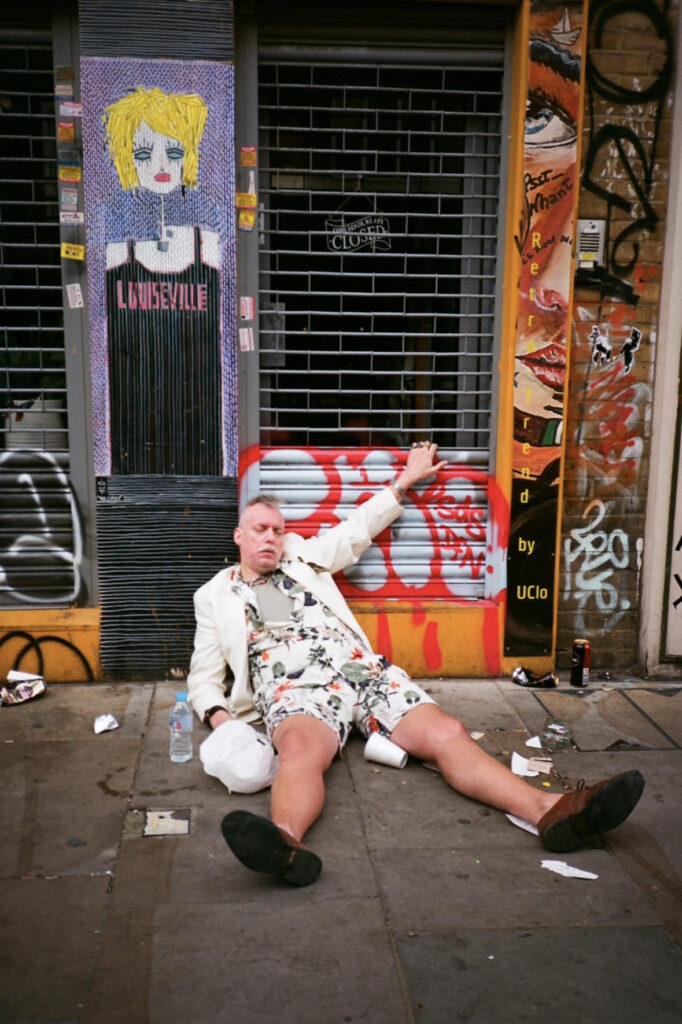
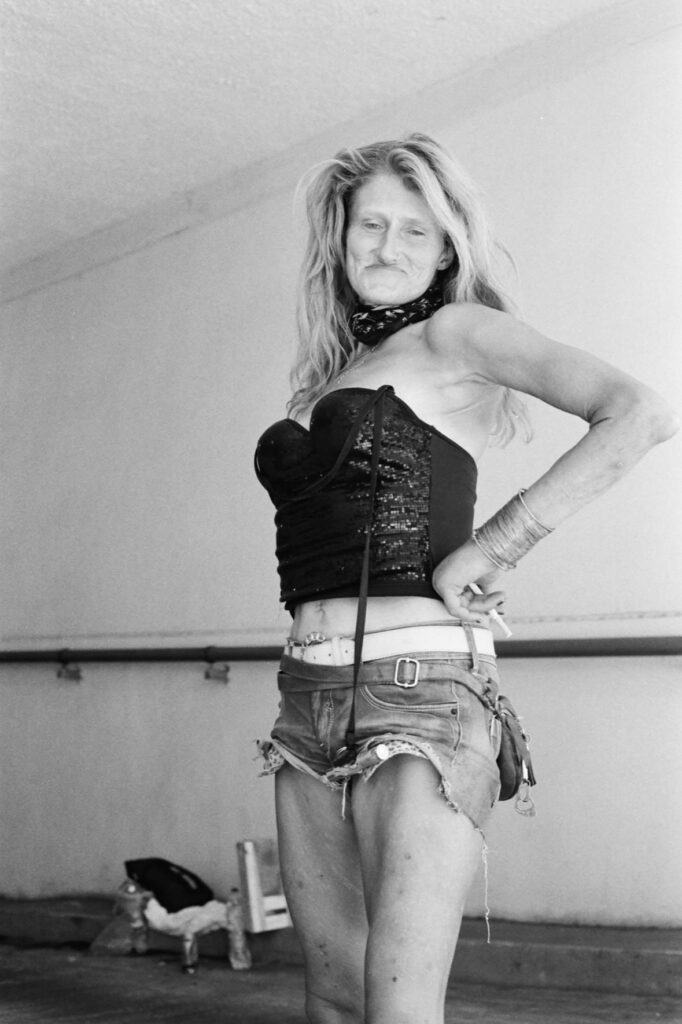
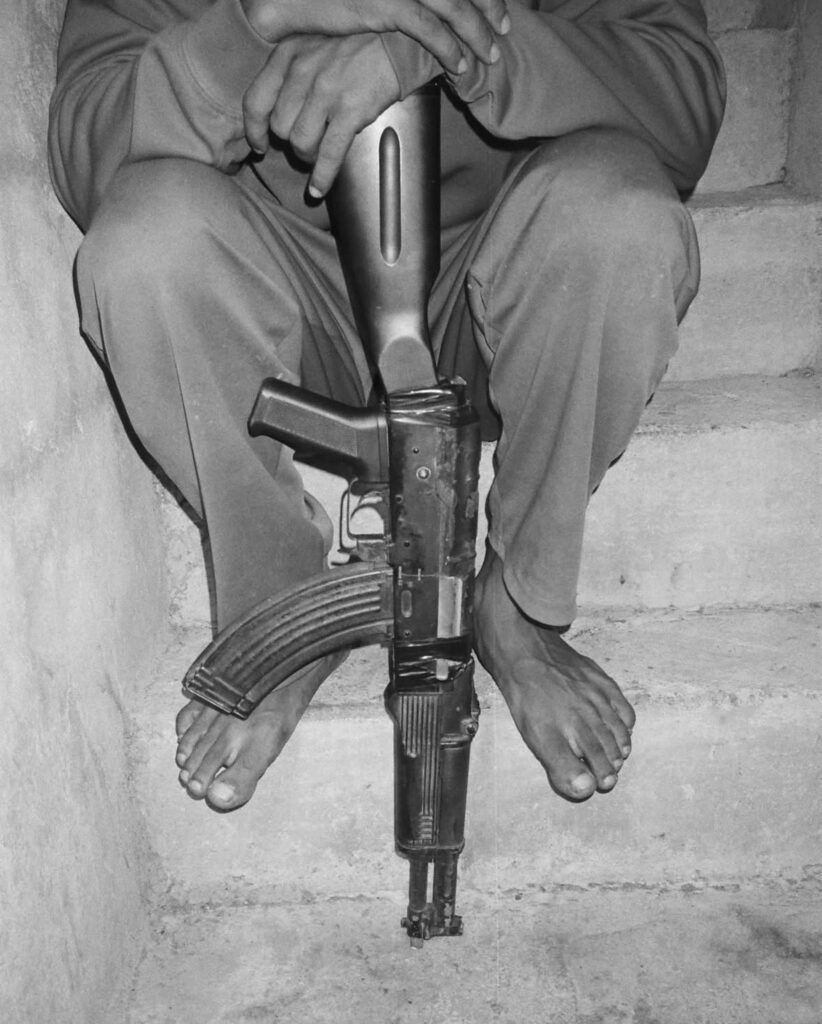
Arnaud: Skateboarding taught me how to approach the streets, sharpen my eye, and gave me a love for street photography. When you spend 3 hours at the same spot downtown, waiting for your friend to land his line, a lot happens around you. There are moments of life that catch your attention more than others, and after a while, you just want to document everything happening around you. I don’t know why, but when you’re a skater, you always end up attracting the most bizarre interactions with people.

With that in mind, what do you look for when you’re out looking for your next motif to capture?
Arnaud: It depends, I have my own direction. But I like raw things, although it can vary. I might watch a documentary, get really into a subject, and then think, “Ah, how could I document this?”
How important is authenticity in your work? And can a picture still be good, if it does’t have any?
Arnaud: Authenticity is really important to me when I’m documenting specific cultures or environments because I want to show the real reality of things. I don’t like staging scenes.
As for your second question, it really depends on what you’re shooting. In my opinion, there’s no such thing as a good or bad photo—just something that speaks to you more than something else. If you take a photo of the Eiffel Tower, you’re not inventing anything, but you can still make a cool and interesting shot, especially if it’s part of a project about Paris, for example.
What makes photography your prefered medium of expressing yourself?
Arnaud: The experimentation with different things before, which indirectly led me to photography. I’m quite nostalgic, but I don’t have enough memory to keep everything I experience in my head. Photography helps me freeze time capturing good moments with my friends, a detail on the street or on someone, a night out, or a face I don’t want to forget. I also really like being able to share my perspective with others, without any pretension, of course. In a way, by documenting the lives of others, I’m also documenting my own life, and that’s pretty cool.
Can you tell me about some of your favorite memories from being on shooting in the field?
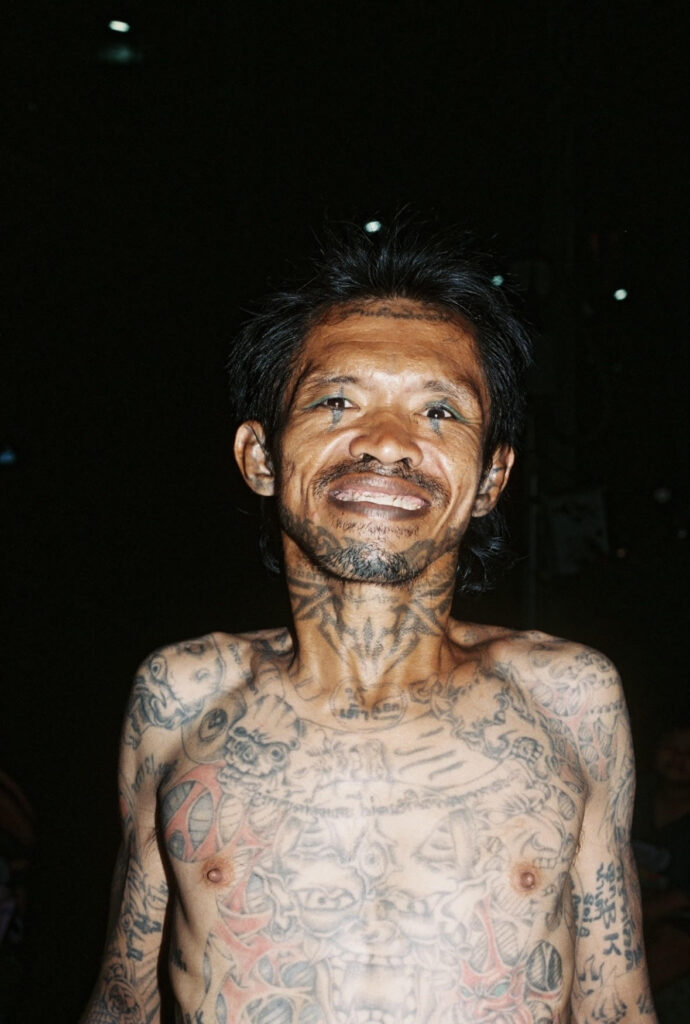
Arnaud: There are so many that I wouldn’t even know where to start! Recently, I’d say when I was in Vietnam shooting the Vietmonster guys in Ho Chi Minh. They welcomed me for a whole week, and even though we didn’t speak the same language, we had a great time! Big shoutout to them!
Other than the camera and lens. Are there any essential items that you always bring with you when shooting?
Arnaud: Respect. Especially when you’re shooting the streets. If you have that, you can go anywhere and work with anyone.
Can you tell me more about your crew, “Le Sud Fait Mieux”? How do the events you organize contribute to the local art scene in the South of France?
Arnaud: Le Sud Fait Mieux was born out of the idea of revitalizing the South of France after COVID. The issue, like in many countries, is that nearly all the art and culture scene is centered around Paris, so not much happens in our area year-round. The idea was really to bring together different artistic disciplines like photography, music, painting, etc., to connect people and offer 360 events that go beyond the typical DJ set.
The freshness of the concept made it really take off for us, and we started organizing more and more events, even working with the city of Cannes for official events. We’ve always tried to offer something completely new and never seen before! It’s not easy every day, haha, but it works every time! Beyond event organizing, Le Sud Fait Mieux is really a crew of friends from different backgrounds with totally different visions, and that’s the beauty of it. Being able to work with your best friends and also make people enjoy the experience is a luxury that not many have, and I’m really grateful for it. I’d like to give a huge shoutout to: Tino, Fanny, Gab, Priscilla, Younès, and Pierre, who have kept this project alive for the past 4 years.
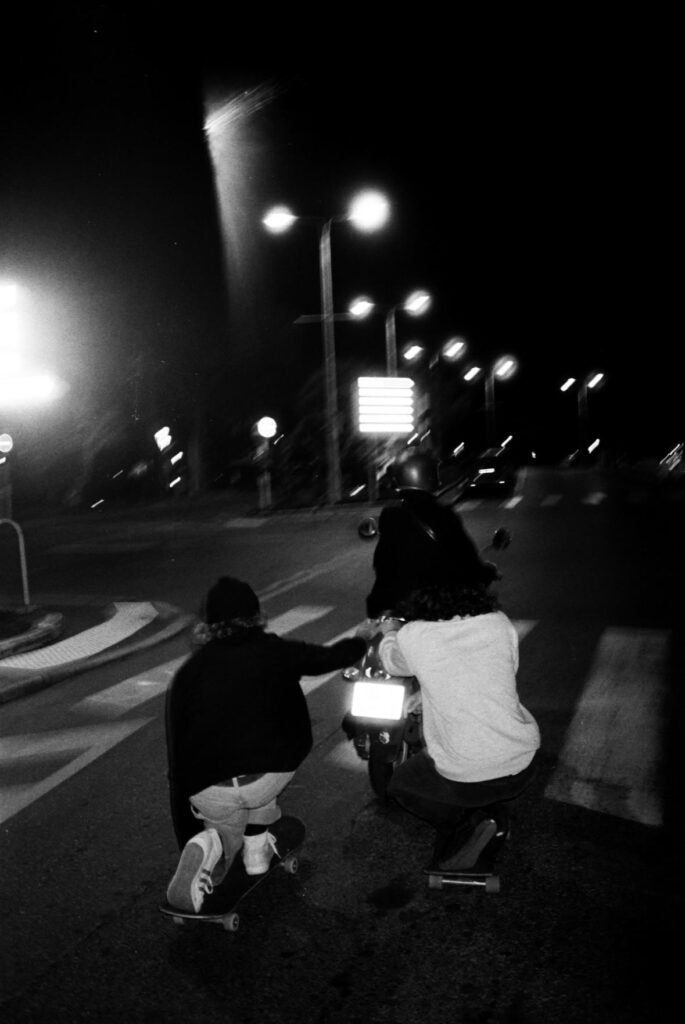
What inspired your first photo book, Pra Gringos é Mais Caro? Can you share any memorable experiences or challenges you faced while working on it?
Arnaud: When I went to Rio, I had the idea of doing a photo project, I just didn’t know what medium to use. The idea of making a book came to me quite naturally because, to be honest, I really struggle with digital formats, and I get frustrated with posting photos on Instagram only to see them disappear so quickly in a whirlwind of information. Instagram has kind of become the norm for any photographer wanting to show their work, but let’s be honest, no one really takes the time to analyze photos on IG. Even if you wanted to, you couldn’t, because your brain is overwhelmed by so much at once, and before you’ve even processed one post, you’ve already moved on to the next. So, the idea of making a book, turning the work into something physical, creating an object, just made sense. A book lives, it evolves with time, with its environment. A book has a smell, you can lend it, it can get torn—it’s real, you know? I think it’s every photographer’s dream to make their own photo book, and there’s a part of me that really wanted to fulfill that dream.
Making a book is a lot more complicated than it seems. Layout design is one thing, but the world of printing is another, and it can quickly become discouraging, both financially (self-publishing is an expensive choice) and technically. When you talk to printers, there’s a whole new vocabulary to learn and understand, printing standards you’ve never heard of, and so much more. It was a great challenge, and it took me a while to finish it because my personal life didn’t allow me to complete it as quickly as I would’ve liked. But I’m happy to have brought this project to life and to be able to start new things for 2025. I did my best to respect Rio and its codes so that any carioca could look at it and think, “Oh, this guy really got the energy of my city,” and that it could inspire someone who’s never been there to make the move.

How did you connect with the association benefiting from your book sales? Why was it important for you to include this philanthropic element in your project?
Arnaud: When I arrived in Rio, a friend of mine connected me with a photographer who lived in the favela and worked with this association. He invited me to come, and Iris, who runs the association, welcomed me with open arms. The association takes care of the children in the favela and helps them stay away from the streets by offering various activities like dance and photography classes, among others. I was lucky enough to participate in some of these, and it was really cool to introduce them to analog photography. We were able to connect, even though we didn’t speak the same language. She explained to me that she had taken over the association that her father had founded before he passed away a few years ago. Having also lost my father at a young age, I understood the drive she had to make him proud and to keep going no matter what. I have immense respect for people who dedicate their lives to a cause. To be honest, she doesn’t know that I plan to donate a portion of the profits to help her, but it was important for me to do that and give back to those who gave to me.
You’ve mentioned a love for adventure and traveling alone. How does this influence your photography and the stories you tell through your work?
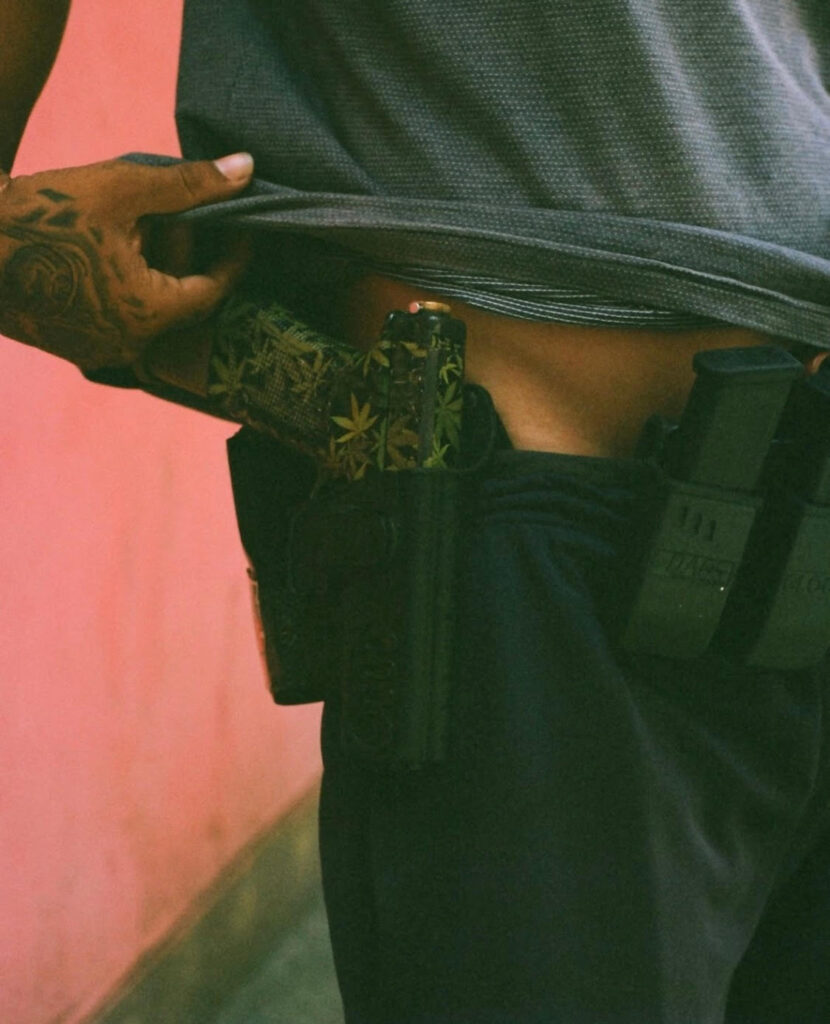
Arnaud: I’m someone who’s very social in my everyday life! I love people, talking about everything and nothing with strangers. But when it comes to traveling, I can’t travel with others. I think we’re all different, but when you’re alone in another country, you connect much more with the locals because you’re not in your comfort zone, and no one is waiting for you. As a result, you end up in some pretty unlikely situations that lead to some really cool photos.
What does freedom mean to you, and how do you try to capture it in your photographs?
Arnaud: Everything! Honestly, the people I photograph are often free spirits—some misunderstood, but free. I want to do what I want, when I want, and not depend on anyone. It’s not easy every day, but I fight to keep that luxury in my life.
Alright Arnaud, now to something totally different…. In a parallel universe who would you be? and what would you be doing?
Arnaud: A crackhead, just to see what it’s like. What would I be doing? Probably just hustling, haha.
Can you tell me a story about a time when a connection with someone had a big impact on you?
Arnaud: I’m lucky to meet people who are all more inspiring than the last, and I feed off that every day!!
What qualities do you find most important in the people you choose to spend time with?
Arnaud: As they say, you don’t choose your family, but you choose your friends. The most important thing, I’d say, is respect for others I place a lot of importance on that. After that, it’s listening and understanding.
Anybody you look up to?
Arnaud: My mom, all my friends who fight every day to try and live off their passions, and 50 Cent, man, he took 9 shots and he’s still here!
What motivates you?
Arnaud: I don’t like routine; being stuck in a daily grind pisses me off. What motivates me is freedom—the freedom to create, to go wherever I want, to be whoever I want, and to hang out with whoever I feel like. And most importantly, to understand the world around me through photography. Discovering the world, understanding it—there are so many beautiful things to see and amazing people to meet, it would be a shame to miss out on that.
How would you describe a perfect day?
Arnaud: Friends, sun and good food!
Alright Arnaud. I always ask these two questions at the end of an interview. The first is. What’s your favorite movie(s) and why?
Arnaud: It would be a lie to act like a cinephile and name some deep, artsy films, haha. I’d say Pirates of the Caribbean 1, 2, and 3—those movies really marked me, and I was obsessed with the character of Jack Sparrow when I was younger, to the point where I even signed up for fencing. And I honestly think they’ve aged really well, 20 years later. Or Brice de Nice, it’s a French comedy with a pretty specific kind of humor—either you love it or you don’t. But since I’m a pretty simple guy, it cracks me up. It’s about a guy who thinks he’s a surfer even though there are no waves where he lives, and then he realizes he’s actually a loser living a life that isn’t his. It kind of sums up the mentality of where I come from.
The second is. What song(s) are you currently listening to the most right now?
It’s hard to choose… I like and listen to a lot of different music. But right now, I’d say: Wiu – Balanco de Rede & Fred Bongusto – Caterina.
If you want my all-time top 3:
1. Guizmo – C’est tout
2. Lana Del Rey – Video Games
3. D’Angelo – When We Get By