
Share this
Nan Goldin has never made images that sit quietly on the wall. Her work enters the room like memory does: intimate, damaged, tender, confrontational, full of people loved too fiercely to become symbols.
This winter, that world returns to London with You Never Did Anything Wrong, a major solo exhibition at Hayward Gallery opening on November 24, 2026 and running until March 7, 2027. Marking Goldin’s first institutional exhibition in the UK since 2002, the show brings together recent moving-image works by one of photography’s most uncompromising voices.
The exhibition focuses on four films: Memory Lost from 2019–2021, Stendhal Syndrome from 2024, You never did anything wrong, Part I from 2024, and the public debut of You never did anything wrong, Part II from 2026. Together, they move through addiction, beauty, grief, art history, friendship, and the unstable emotional terrain where personal life becomes collective testimony.
That shift into film does not soften Goldin’s practice. If anything, it intensifies it. Her images have always been about duration: the long aftermath of love, the slow violence of dependency, the way a face changes when trust has been broken or returned. In moving image, that duration becomes literal. The photograph begins to breathe, tremble, repeat, and wound in time.
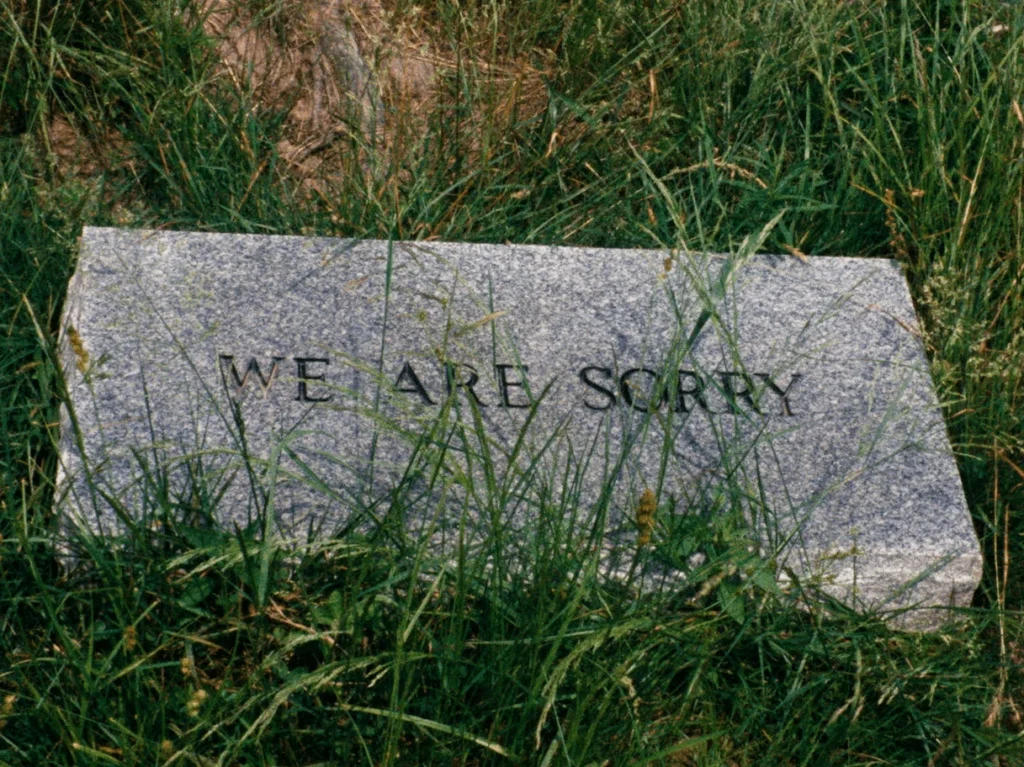
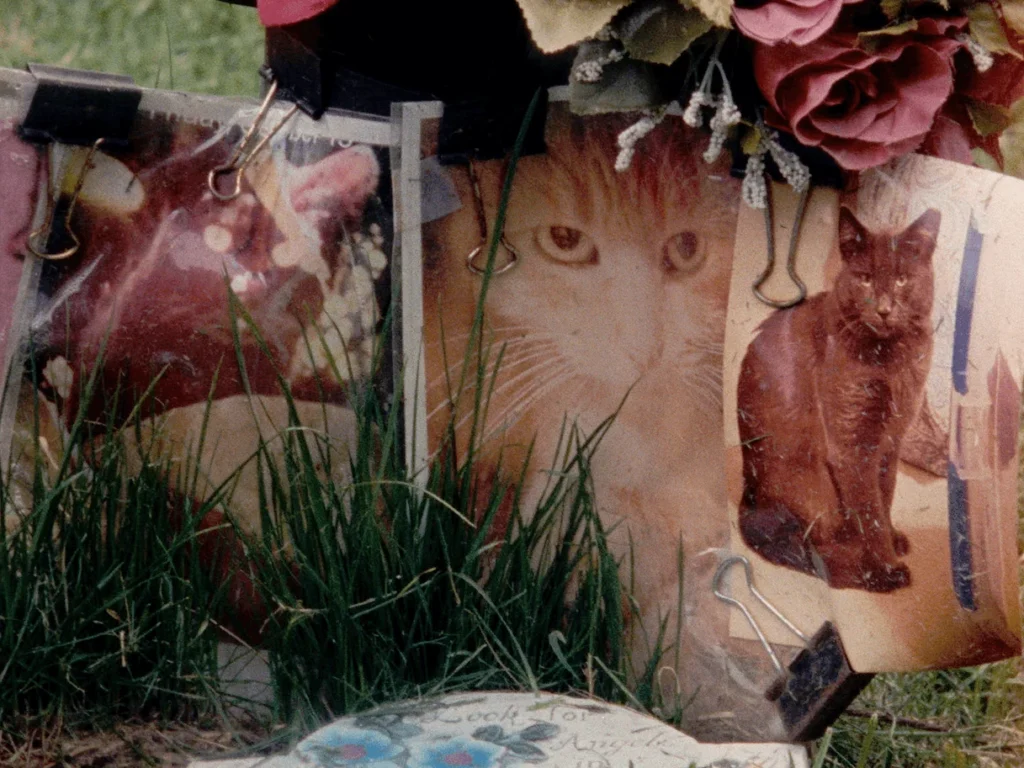
Memory Lost draws from Goldin’s own relationship with drugs and addiction, building a claustrophobic meditation on dependency, disappearance, and survival. It is not confession as spectacle, but memory as fracture: a way of showing how addiction bends time, destroys continuity, and leaves behind images that feel both intimate and unreachable.
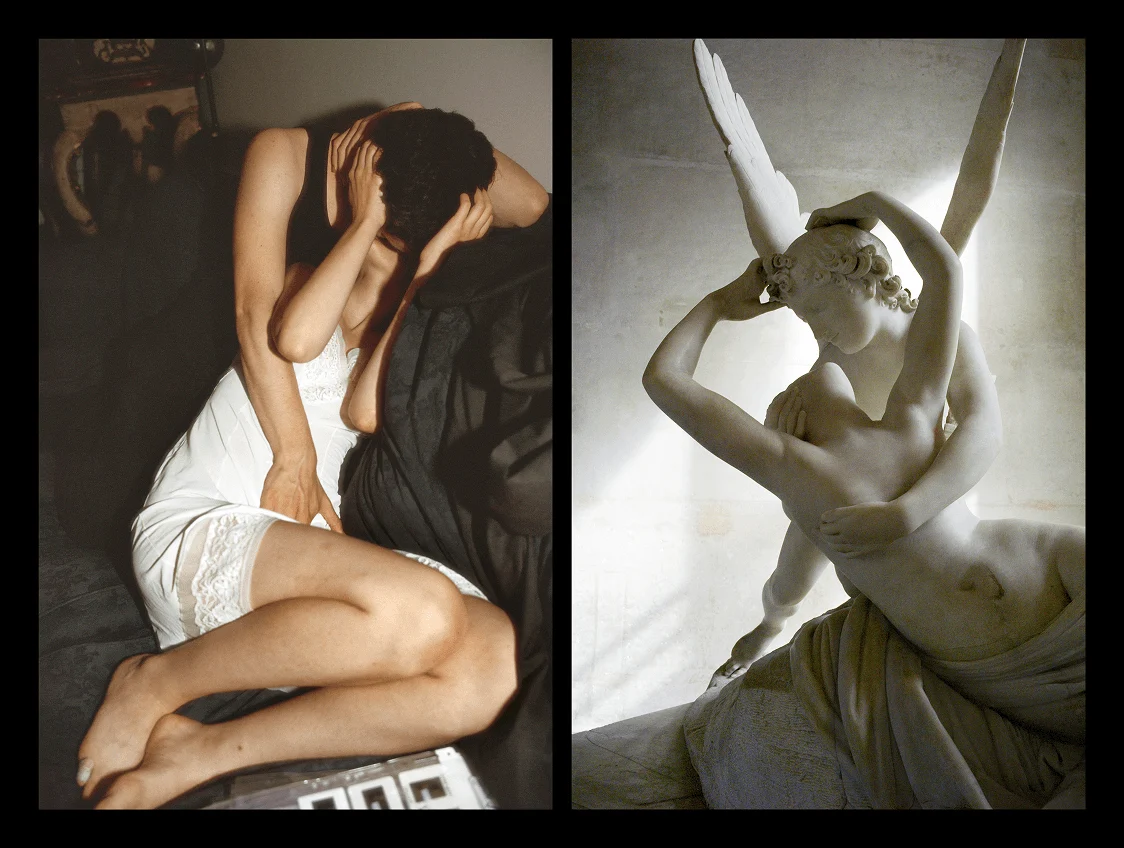
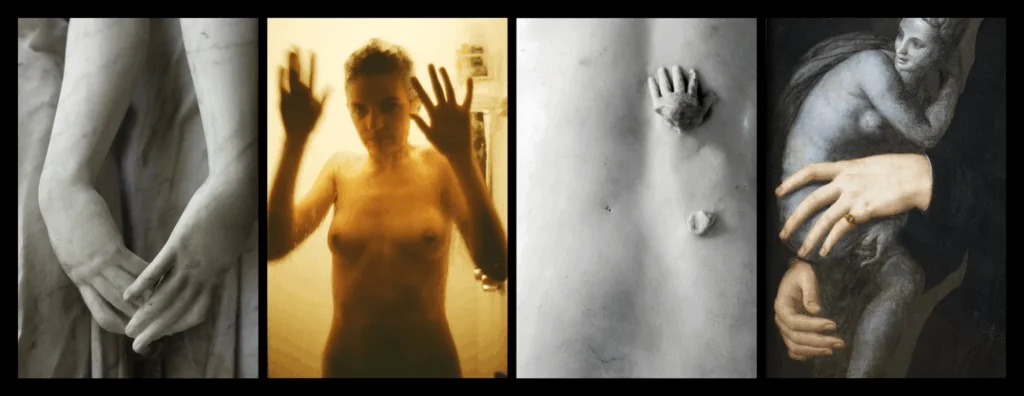
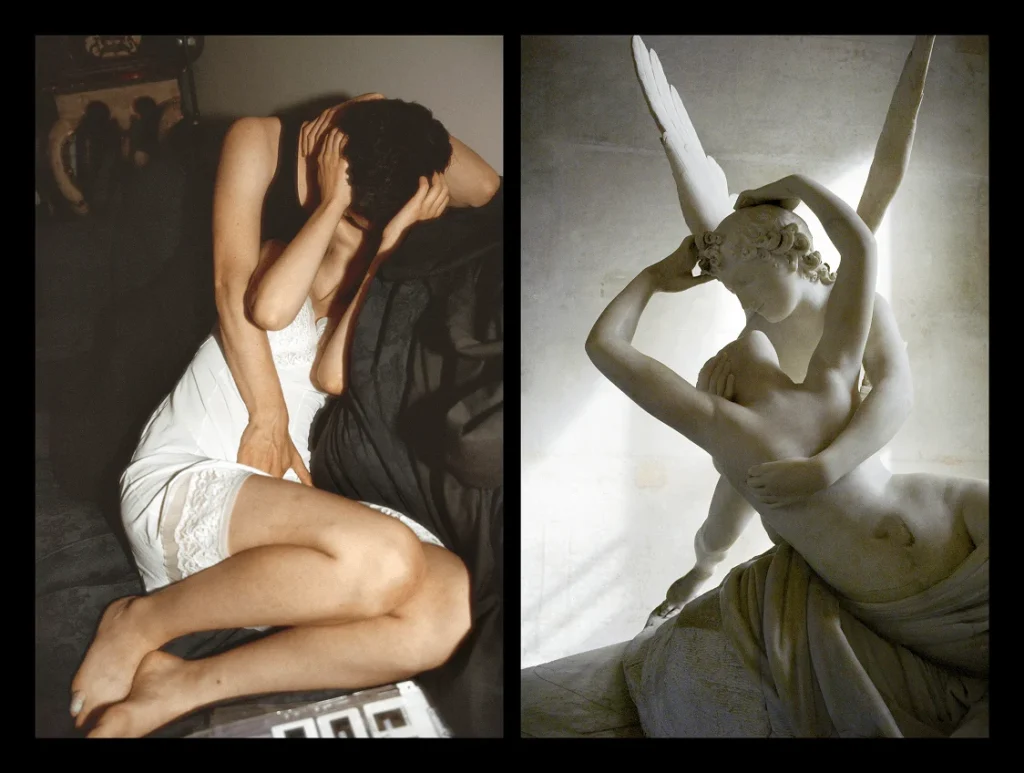
Stendhal Syndrome, receiving its UK premiere at the exhibition, places photographs of Goldin’s friends and lovers alongside classical artworks from museums around the world, revealing strange resemblances in colour, composition, gesture, and emotion. The work takes its name from the overwhelming physical response to beauty, but in Goldin’s hands beauty is never innocent. It is ecstatic, dangerous, haunted, and sometimes almost unbearable.
What has always made Goldin radical is not only what she photographs, but how she refuses distance. Her subjects are not case studies. They are lovers, friends, survivors, ghosts, witnesses. Across her career, she has documented queer life, chosen family, desire, domestic violence, addiction, illness, nightlife, and the fragile structures people build to keep each other alive. At Hayward Gallery, those themes return not as nostalgia, but as unfinished business. Goldin’s images still ask what it means to look ethically, to remember without cleaning up the damage, and to make art from life without turning pain into decoration.