Share this
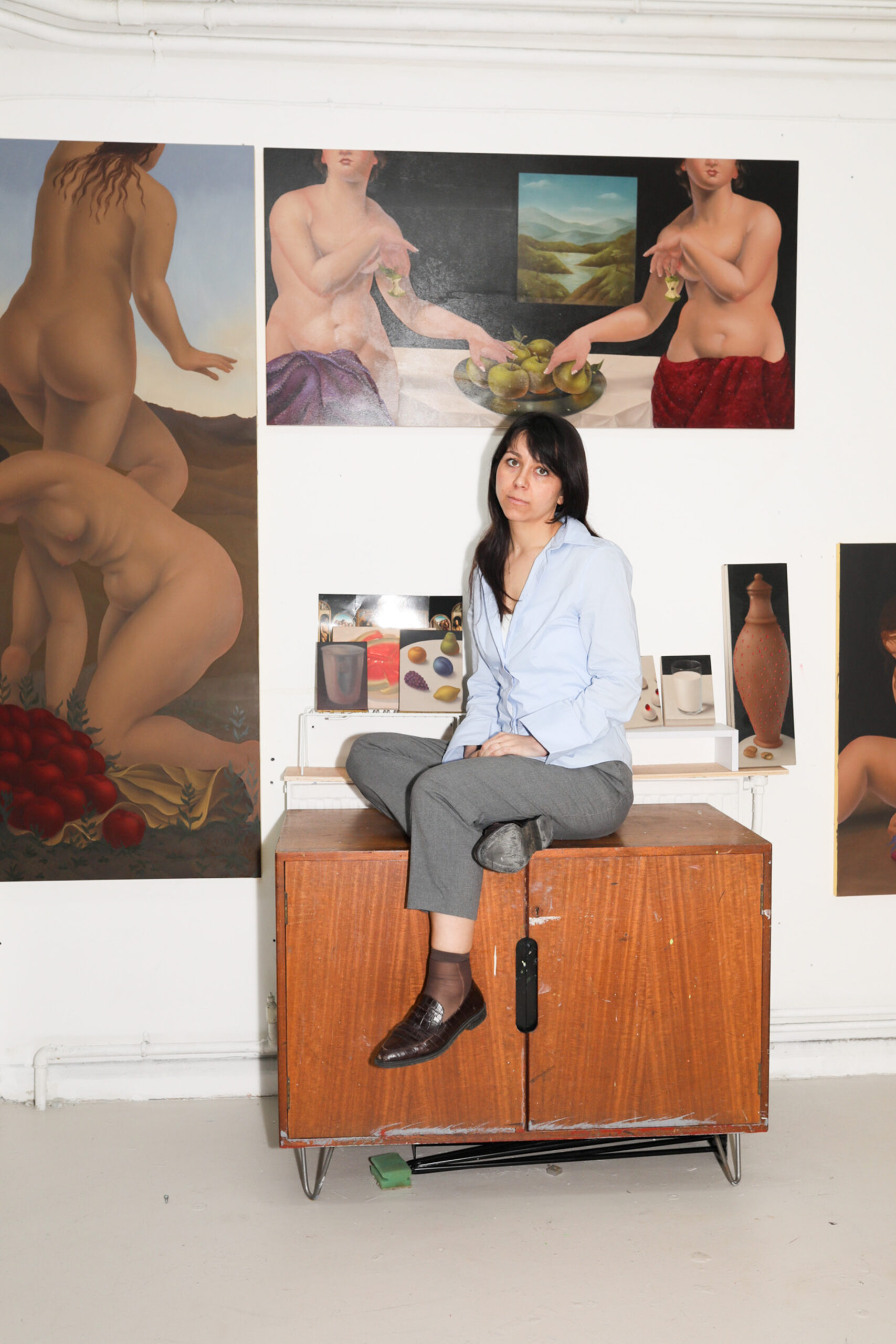
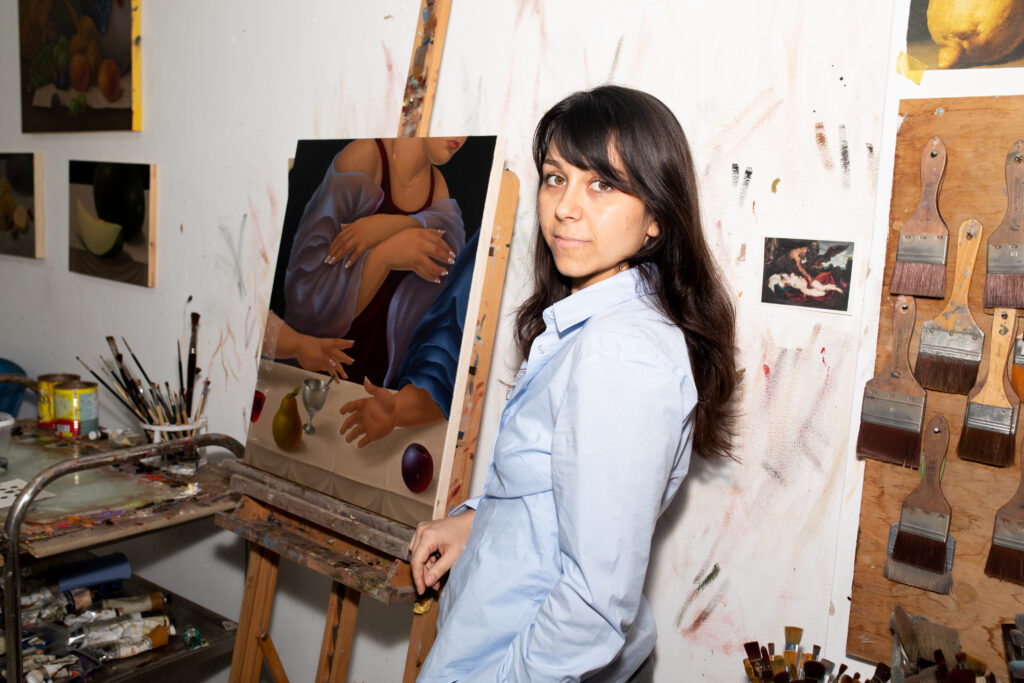
The first time I photographed the artist Natalia Martín González was on a very warm summer afternoon in Brixton, with strong light flooding through the studio windows. I had only recently begun my series of artist portraits and was still learning my craft. It was also relatively early in Natalia’s studio practice.
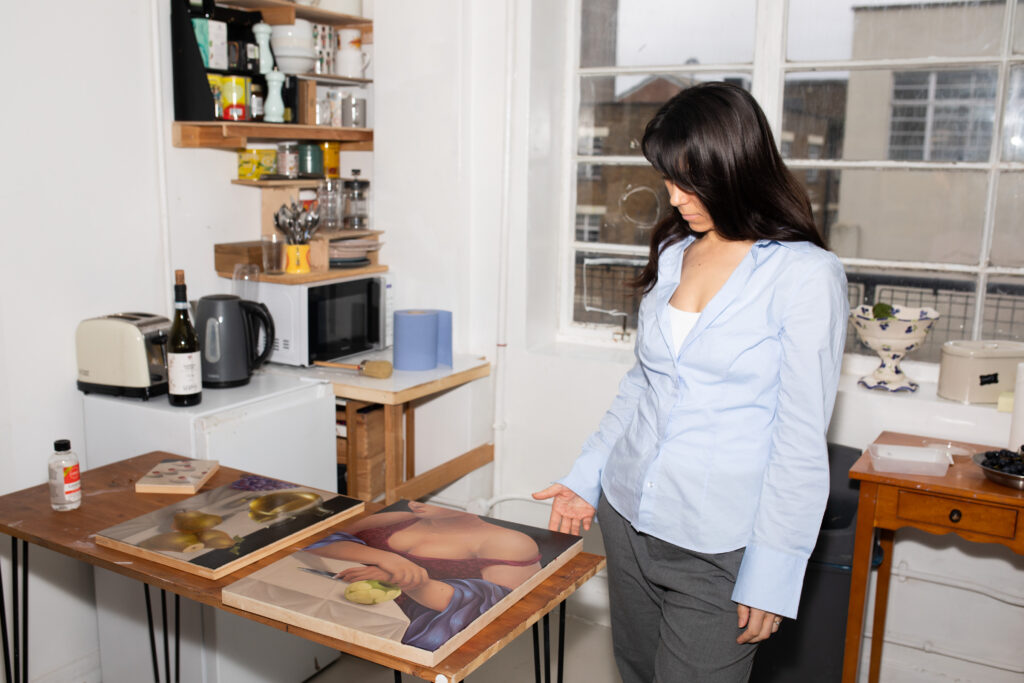
We met outside her studio that afternoon, joking as we walked upstairs. Even then her paintings were incredibly precise, with beautifully painted skin tones and carefully composed figures and scenes. I remember looking around the room, thinking about the light and where the paintings could best be positioned for the photographs. We laid a few works out so I could make the portraits using the natural daylight while we talked and got to know each other.
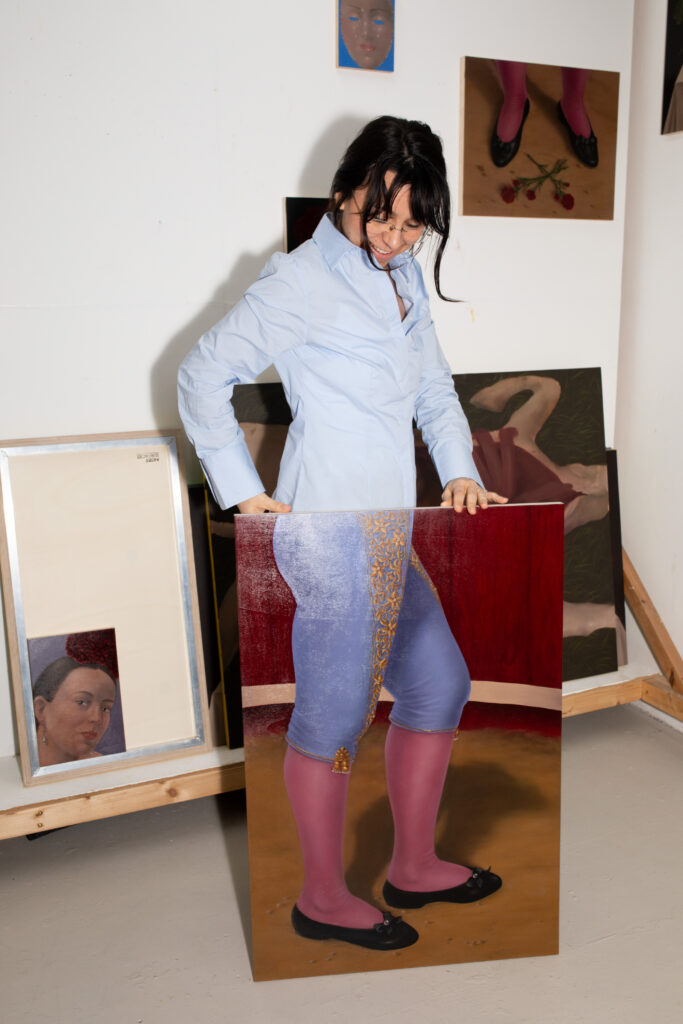
Natalia has a funny way about her. When you genuinely make her laugh, especially over text, instead of writing the English “ha ha ha,” she writes the Spanish “ja ja ja.” When you see that, you know you have really made her laugh.
During that first studio visit Natalia suddenly said, “Brynley, I should give you a painting in exchange.”
“Really?” I said. “That would be amazing. Thank you.”
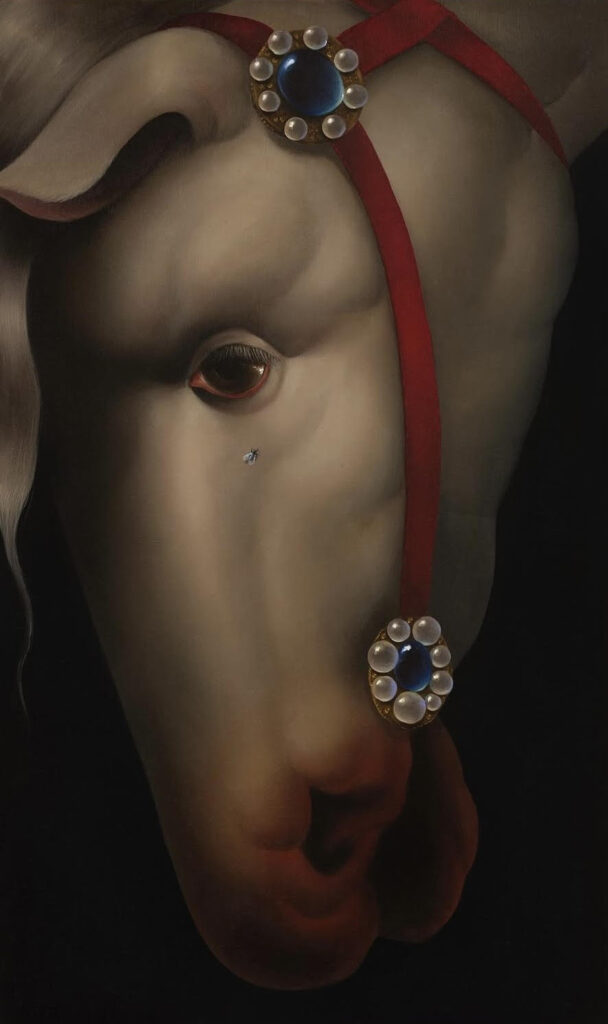
She looked around the studio for a moment before bending down and picking up a painting of a perfectly rendered severed chicken’s head. The head had been cleanly cut from the bird, with small traces of blood at the bottom of the neck. It was painted so beautifully and so precisely that it was almost shocking.
I remember thinking: Oh my God, what am I going to do if she gives me this painting? It was painted too well to refuse, but at the same time it was still a severed chicken’s head. Was I really about to live with that on my wall forever?
Just as I was having these thoughts, Natalia paused and looked around again. She then picked up another painting, one of her more classic images of a woman looking out into the distance and dissolving into moonlight.
“Yes,” I said quickly. “That one would be perfect.”
I still laugh when I think about that moment. There are not many people in the world who could hand you a painting of a severed chicken’s head and make you feel so honoured that you would seriously consider hanging it on your wall forever.
Over the years I have continued to run into Natalia at exhibition openings and in crowded gallery rooms across the London art world, usually surrounded by other artists and almost always laughing.
This time, alongside the photographs, I also sent Natalia a few questions about her work and practice. What follows is that exchange. The painting she gave me that day still hangs on my wall.
Text and profile pictures by Brynley Odu Davies.
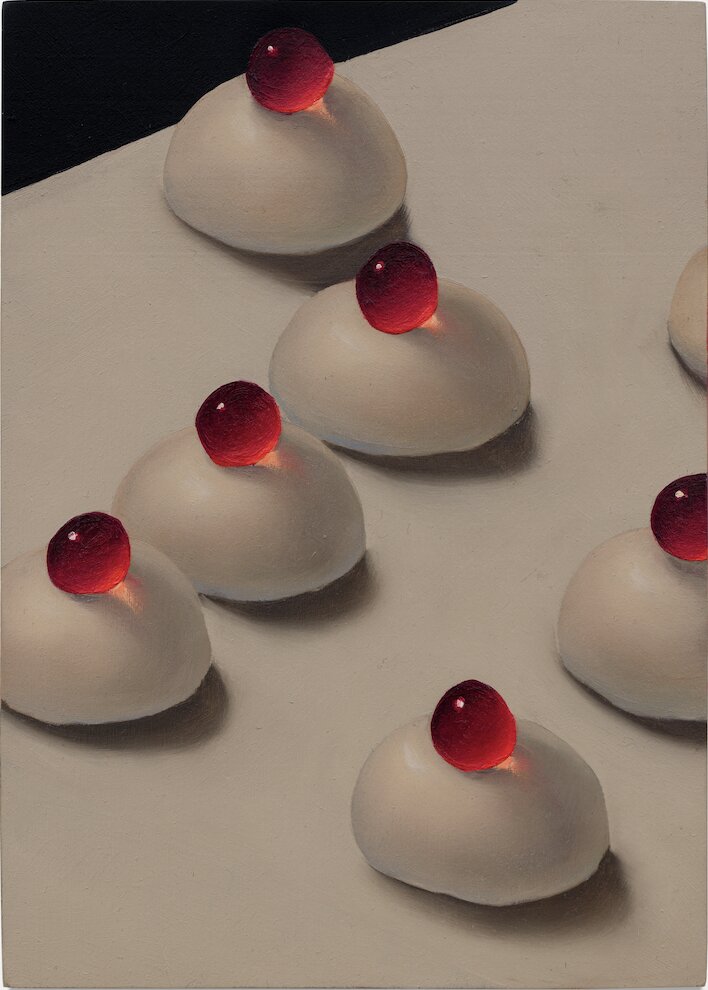
Do you remember the first time you ever picked up a paintbrush? What did that moment feel like, and what do you remember about what you were painting?
Natalia: I cannot remember a moment without a paint brush. Compared to a pencil or crayons, the brush allowed me a flowing movement uninterrupted and even. Since very early on I started copying, as a child discovering the impressionists and the fauvist was a revelation. I have long abandoned that aesthetic but I remember the freedom of seeing that a mouth could be green and a forehead could be described with a strong red gesture.
You originally began working in sculpture before moving into painting. What led you to make that shift, and what did painting allow you to do that sculpture didn’t?
Natalia: I would say it is the other way around, I have always painted but had a short sculptural phase. I was in my third year of uni and it felt like that was what I needed to do. I do not regret it but it was definitely a phase, I am a painter through and through.
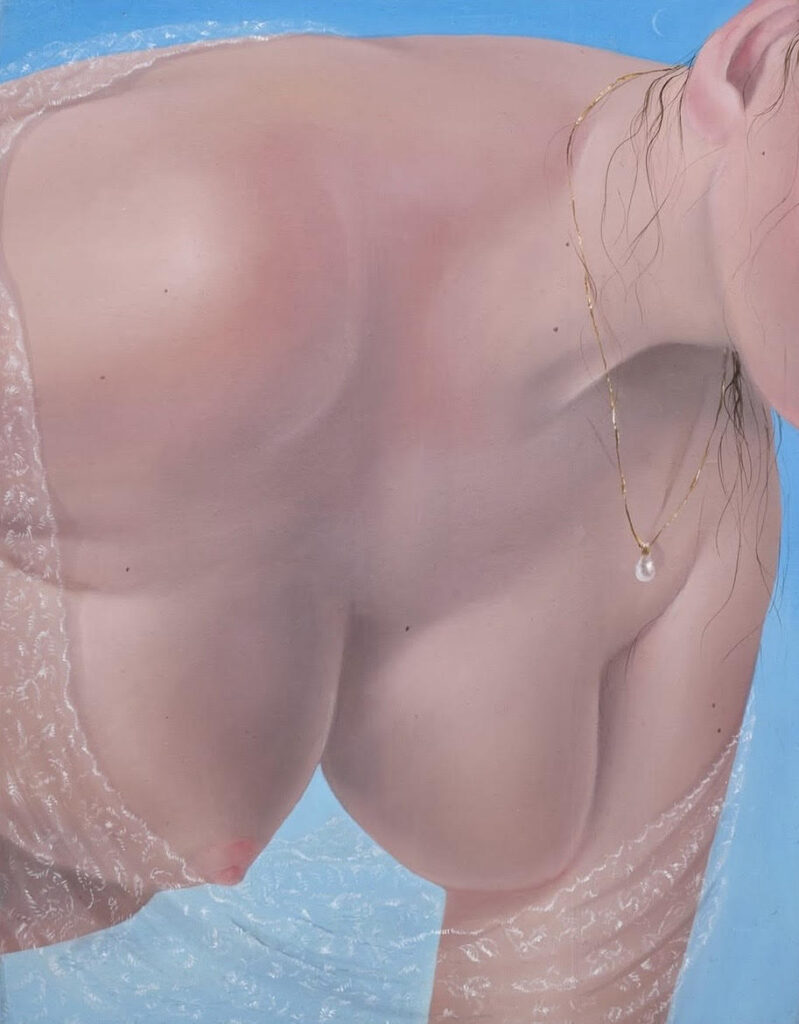
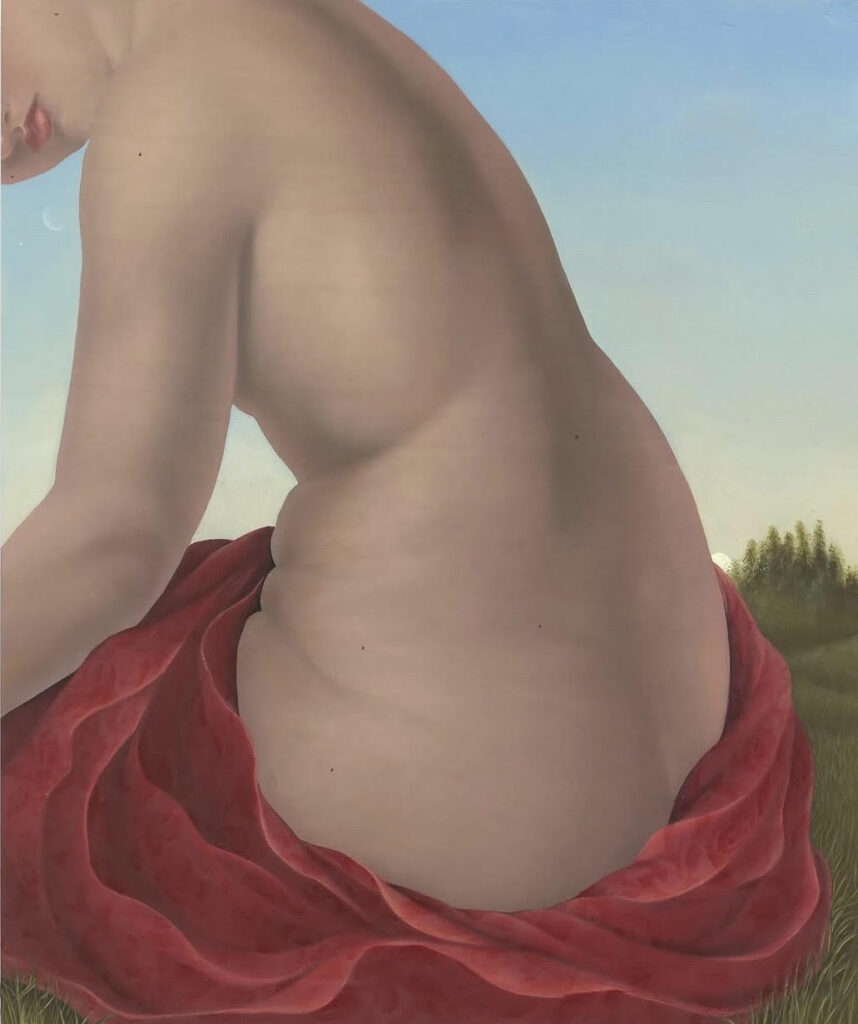
Alongside your painting practice you’re currently studying for a master’s degree in art history at The Courtauld Institute of Art in London. What made you want to pursue art history while already working as a painter?
Natalia: The main theme of my work is referencing different periods from art history, it is the basis of it. I have always had an interest in reading about the modes of production, patronage and sensibilities of previous times, specifically the Renaissance with a strong focus on the northern European currents. The courtauld is one of the best schools in art history and it only made sense to expand that side of my practice there. There is only so much you can do with self guided learning and I wanted a stronger commitment towards the research part of my work.
While studying there, have there been any discoveries, artists, or ideas from art history that have particularly fascinated you recently?
Natalia: As I mentioned, my interest is in the northern renaissance, it has been really illuminating to study the role of the guilds and workshops, something we have completely gotten rid of in our current approach to art making. I am curious as to what would happen if a similar model was applied to artists today.
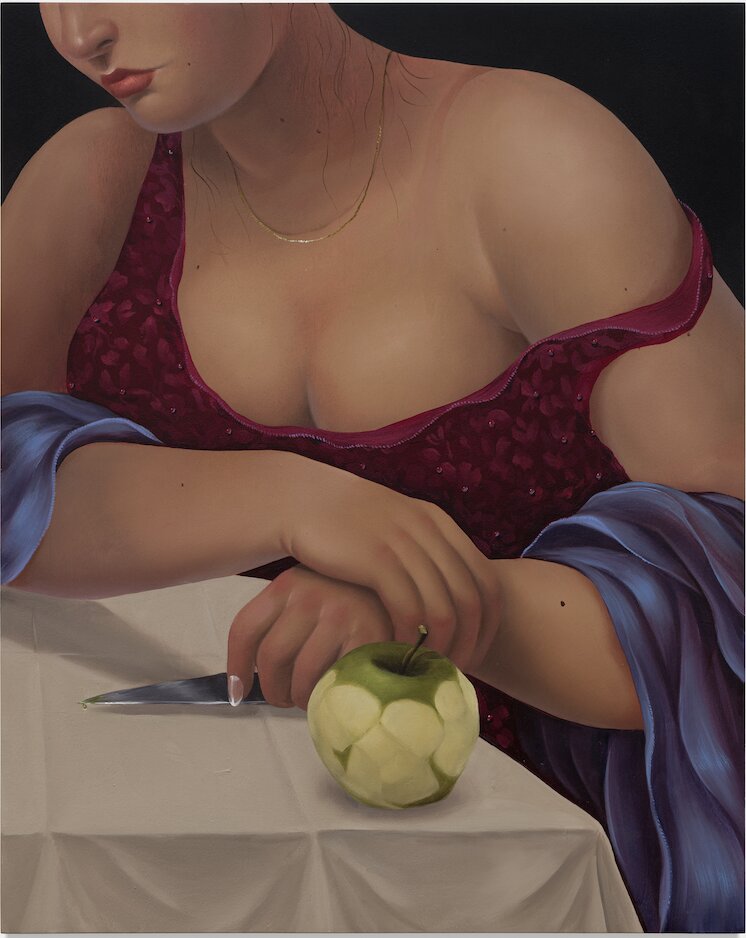
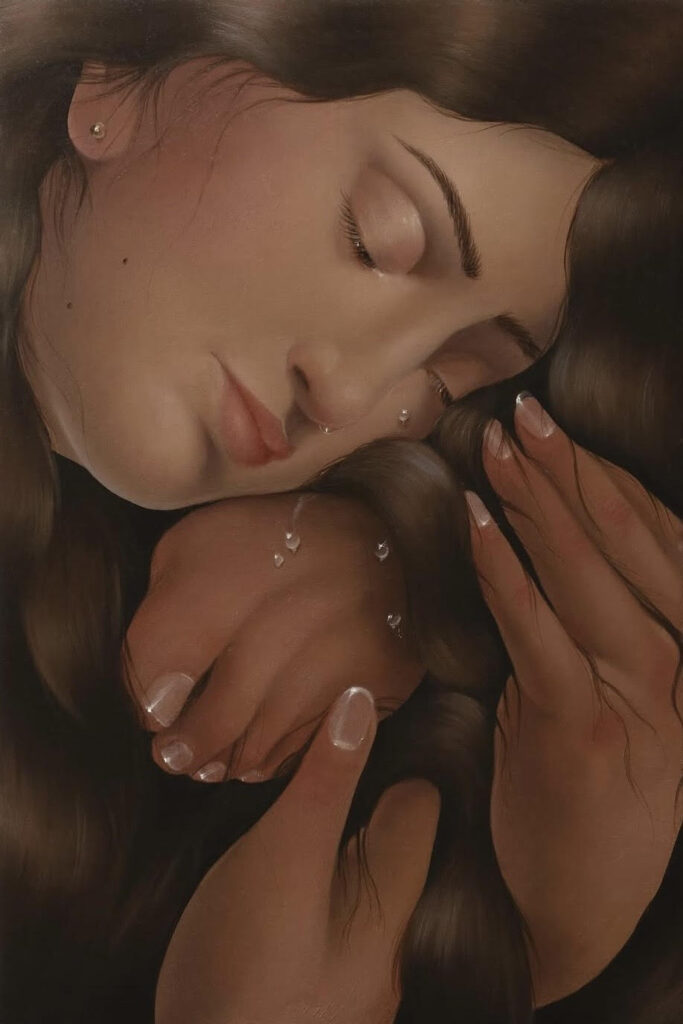
How do ideas for your paintings usually begin? Do they come from research, sketches, images, or everyday observations?
Natalia: I have this silly analogy that it is like cooking; I have a fully equipped kitchen, which contains access to all images in the world (thank you 21st century) and it is my job to mix them and grab a bit from here and a bit from there to create what I want. I have a large bank of images that I have been gathering through the years, these include paintings from museums, my own photos, stock imagery, screengrabs from friends…
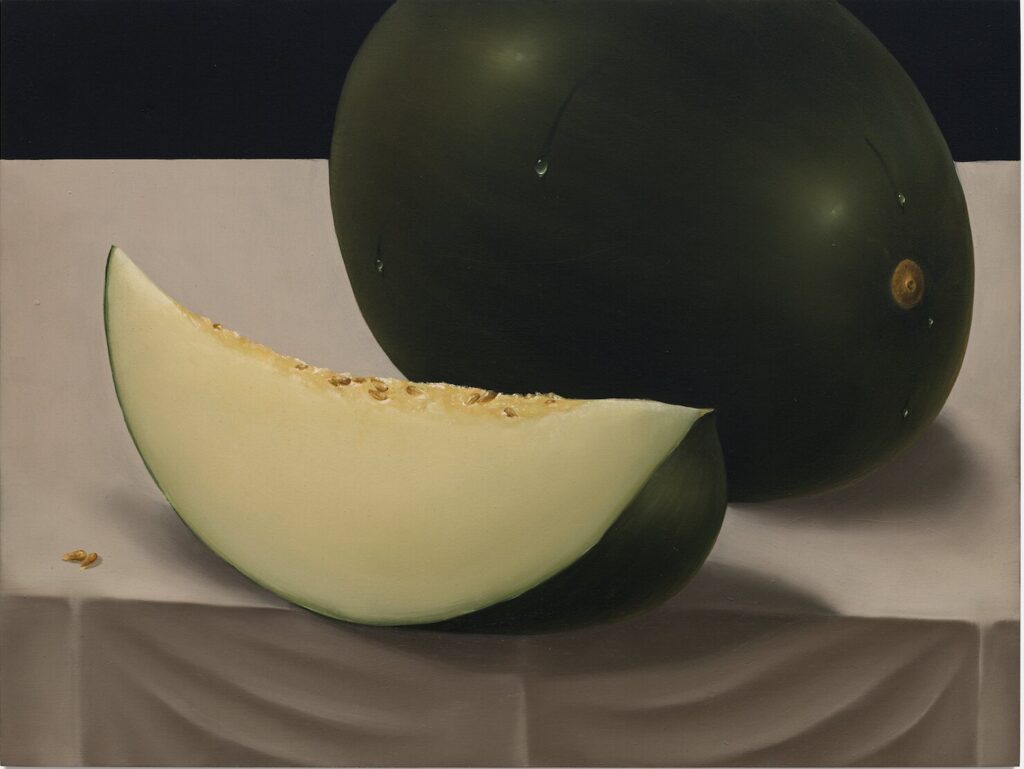
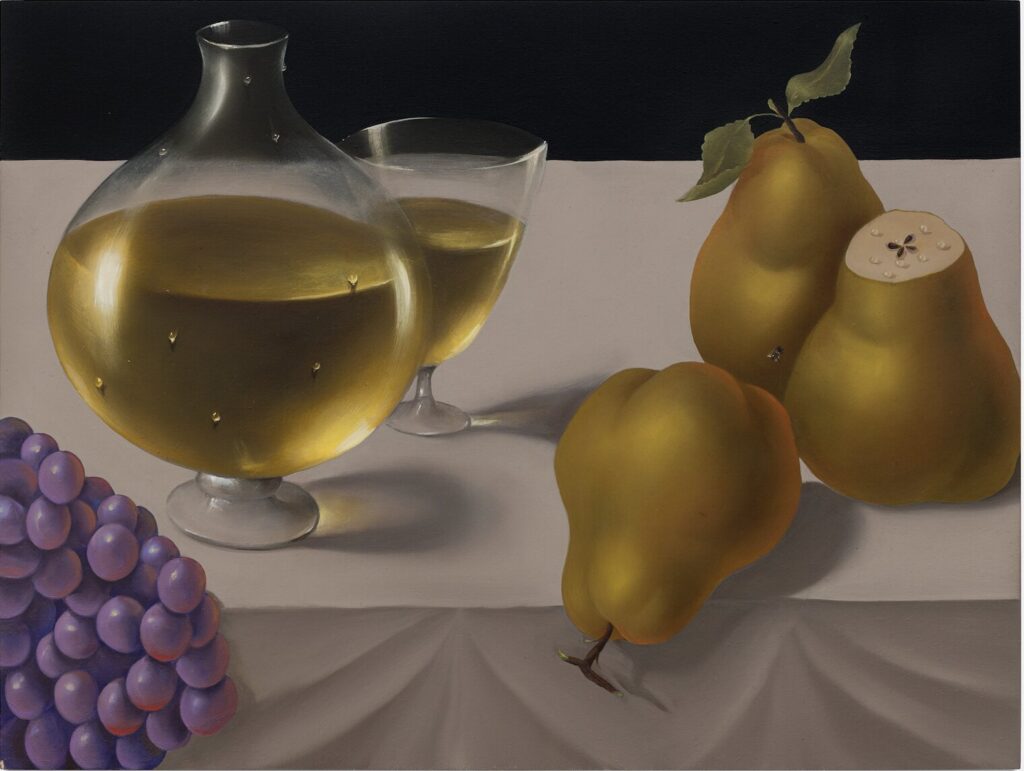
When I last visited your studio it was the day before your paintings were leaving for your upcoming exhibition at Galerie Sébastien Bertrand in Switzerland. You mentioned that you love the feeling of an empty studio. What is it like returning to the studio once the paintings have gone?
Natalia: It is a chance to start again, and also to not have to be careful of spilling or messing up things!
Since I’ve known you, you’ve been working out of a studio in Brixton but have moved between several spaces within the same building. Why do you enjoy changing studios, and how does a new space influence the way you work?
Natalia: I am looking for the right space! It also helps me use it as an excuse when something is not working within my work, instead of blaming myself I blame the space. That only works for a bit and then I actually have to do the work and confront my own limitations.
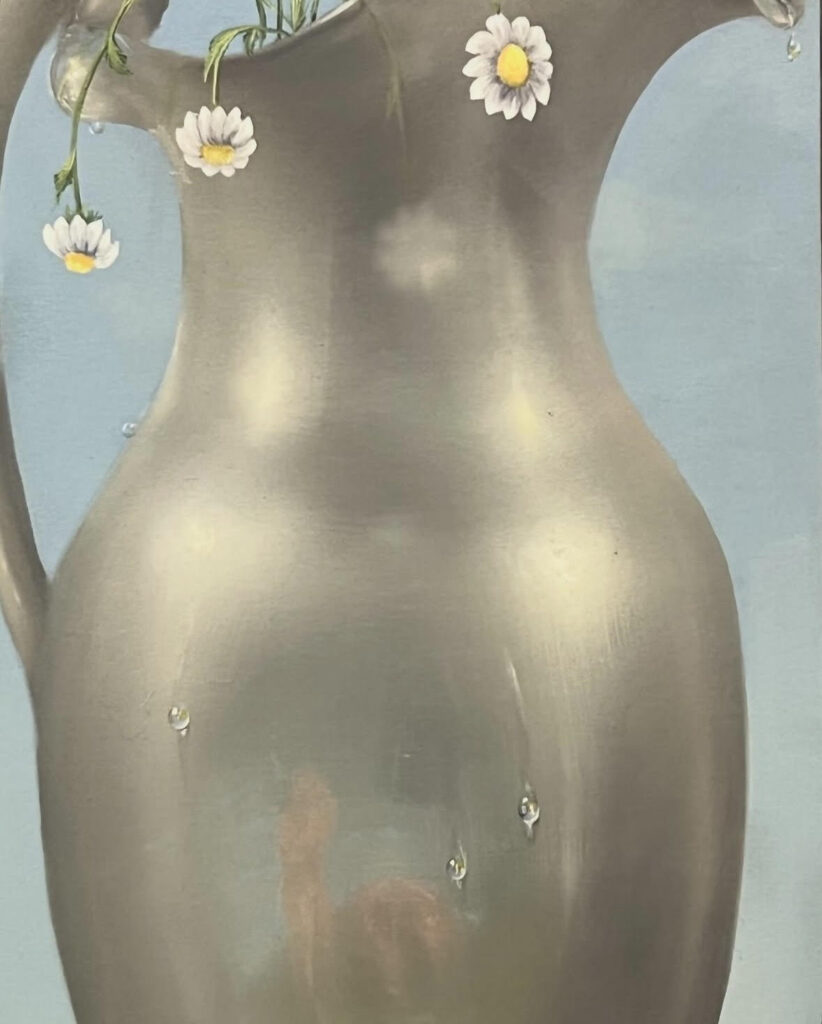
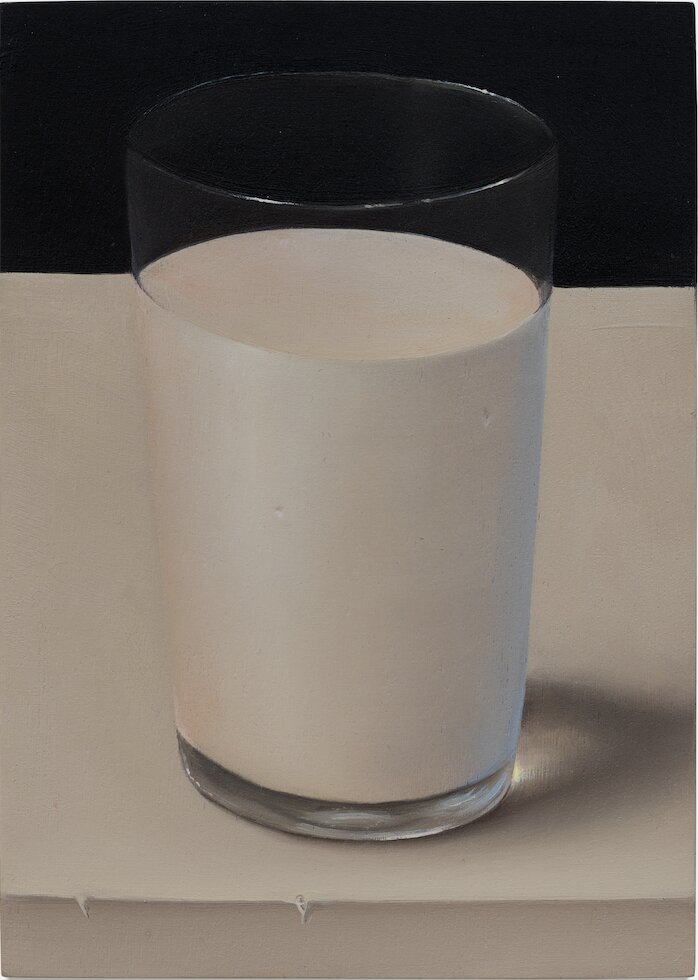
Your upcoming exhibition in Switzerland is approaching — could you tell us a little about the body of work you’ll be showing there?
Natalia: It is an expansion of a body of work I have been working on for the past two years. The first time I presented that kind of work was at Hannah Barry in an exhibition called Table Manners. This upcoming exhibition deals with similar subjects; still life as allegory, the baroque and the staged.
If you could invite three artists from history — dead or alive — to a picnic, who would they be? Where would you take them, and what food would you bring?
Natalia: I hang with artists all the time, most people I know are doing the same thing I am doing, and thank god for that, I would not have it any other way. It doesn’t matter the time period, when you read letters, memoirs or treaties from past artists you realise we are all thinking about the same things. Instead, I would like a picnic with other type of people, I am curious as to what it would be like to hang with non-art adjacent people.
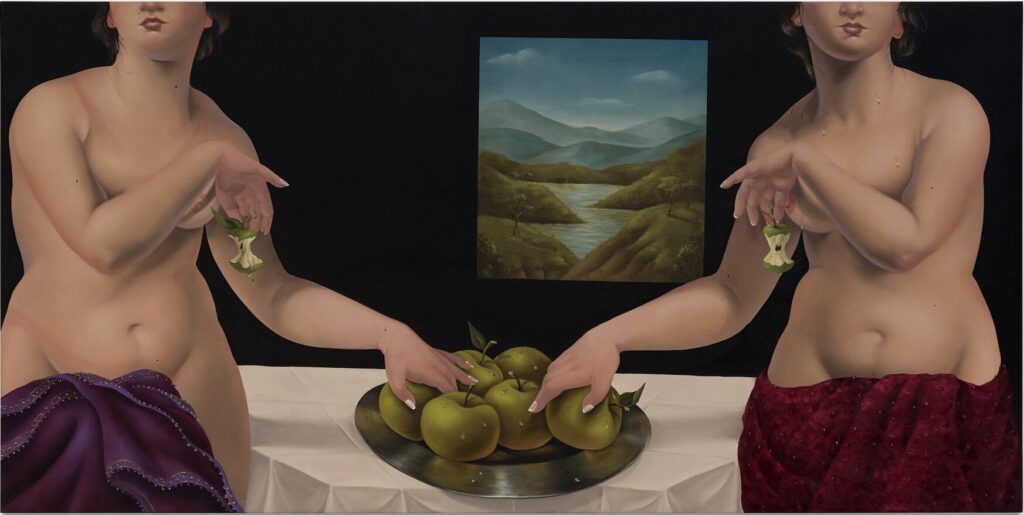
What do you love most about being an artist, and what do you find most difficult about it?
Natalia: The unknown and the unknown.
When you’re older and looking back on your career, what do you hope to feel most proud of?
Natalia: It depends, what would I have achieved?