
Share this
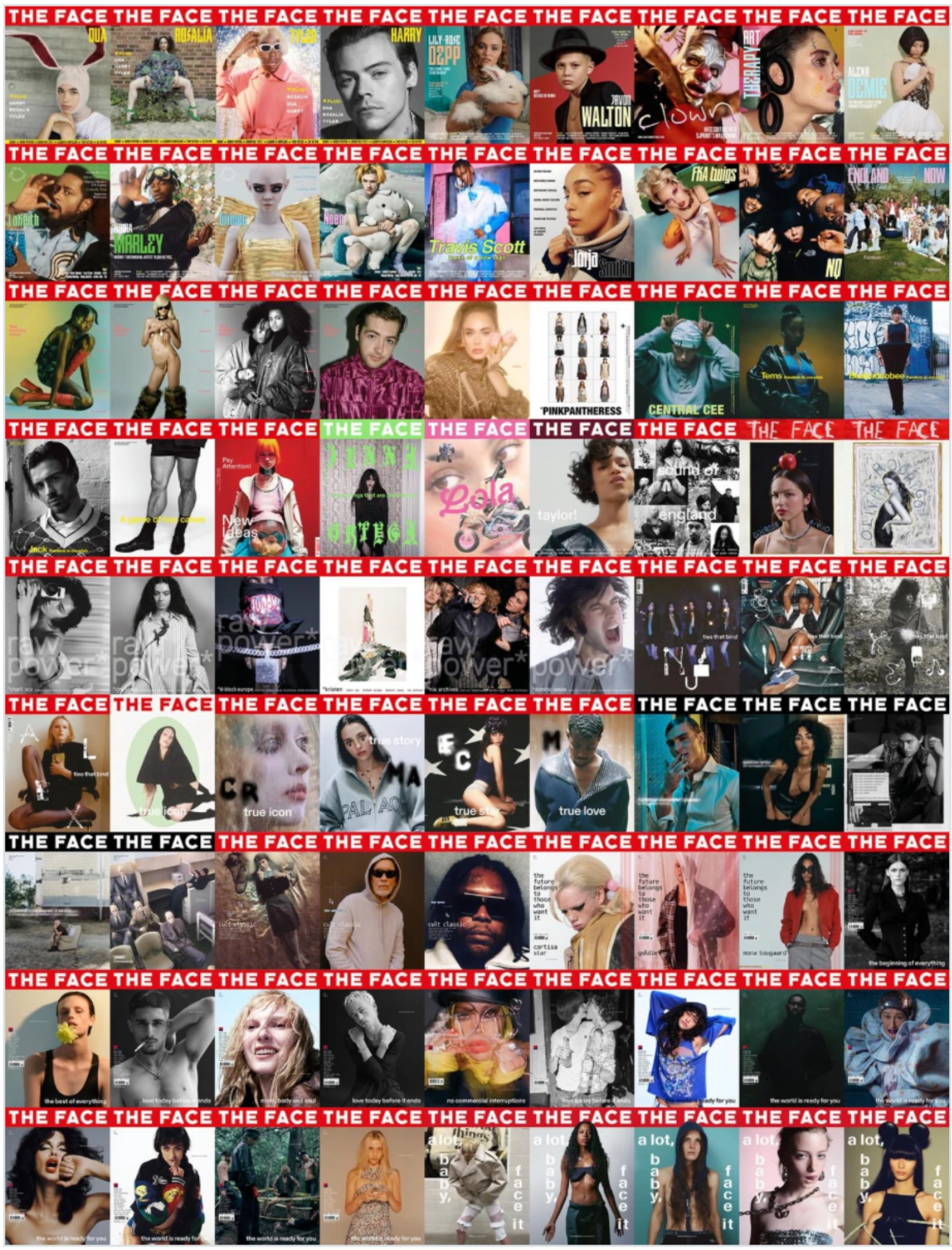
There are magazines, and then there are magazines that end up behaving like weather systems. The Face was one of those: less a publication than a temperature check on what Britain looked like, sounded like, wore, desired, and became. Now, after its 2019 relaunch, the title is set to close once again, bringing another chapter of one of British culture’s most mythic magazines to an end. Reports on Friday, March 27, said the publication will cease operations, seven years after its return under Wasted Talent.
Founded in 1980, The Face earned its place not through nostalgia, but through invention. It helped codify the visual grammar of youth culture in Britain, shaping how fashion, music, nightlife, photography, and celebrity were framed for an audience that wanted something smarter, stranger, and more alive than the mainstream could offer. It was a magazine that didn’t merely document cool — it participated in manufacturing it, often before the rest of the culture had caught up. The title originally closed in 2004, before being reborn in 2019 for a new generation.
That is what makes this closure sting beyond the usual media-industry fatalism. The death of a legacy title is one thing; the loss of a publication still carrying genuine symbolic charge is another. Even in its revived form, The Face retained a rare kind of authority: not the stiff authority of establishment glossies, but the harder-to-fake authority of a title with history, taste, and subcultural memory. It still meant something to be featured in its pages. It still meant something to appear on its cover. In an era of algorithmic sameness, that kind of identity has become increasingly difficult to build, and even harder to sustain.
The timing makes the news feel even more brutal. Earlier this year, The Face announced a significant editorial transition: longtime editor-in-chief Matthew Whitehouse was departing, with Jonny Lu stepping into a creative leadership role as the title prepared for its next phase. From the outside, it suggested movement, recalibration, maybe even reinvention. Instead, the magazine now joins the growing list of culturally revered media brands that remain influential in imagination, but precarious in business reality.
What disappears with The Face is not just another print object or website. It is a particular way of seeing. A magazine like this offered more than content: it gave style a context, music a visual world, and youth culture a sense of self-mythology. Its pages helped turn photographers into image-makers, models into icons, musicians into symbols, and entire scenes into history. When a title like The Face closes, culture doesn’t become empty overnight — but it does become flatter, more forgetful, and a little less dangerous.
And maybe that is the bleakest part. The Face was born in London in 1980 and reborn in 2019 with the promise of “endless discovery for a new generation.” Its closure now lands as a reminder that cultural prestige alone is no guarantee of survival. Some magazines define an era. Fewer still survive the one that follows.