
Share this
Romain Ruiz (b. 1994) is a French photographer based in Paris. His work moves between commissioned assignments and long-term authorial projects. In the context of editorial and commercial collaborations, he develops precise visual identities for cultural institutions, brands and musicians, placing his technical expertise at the service of ambitious creative directions.
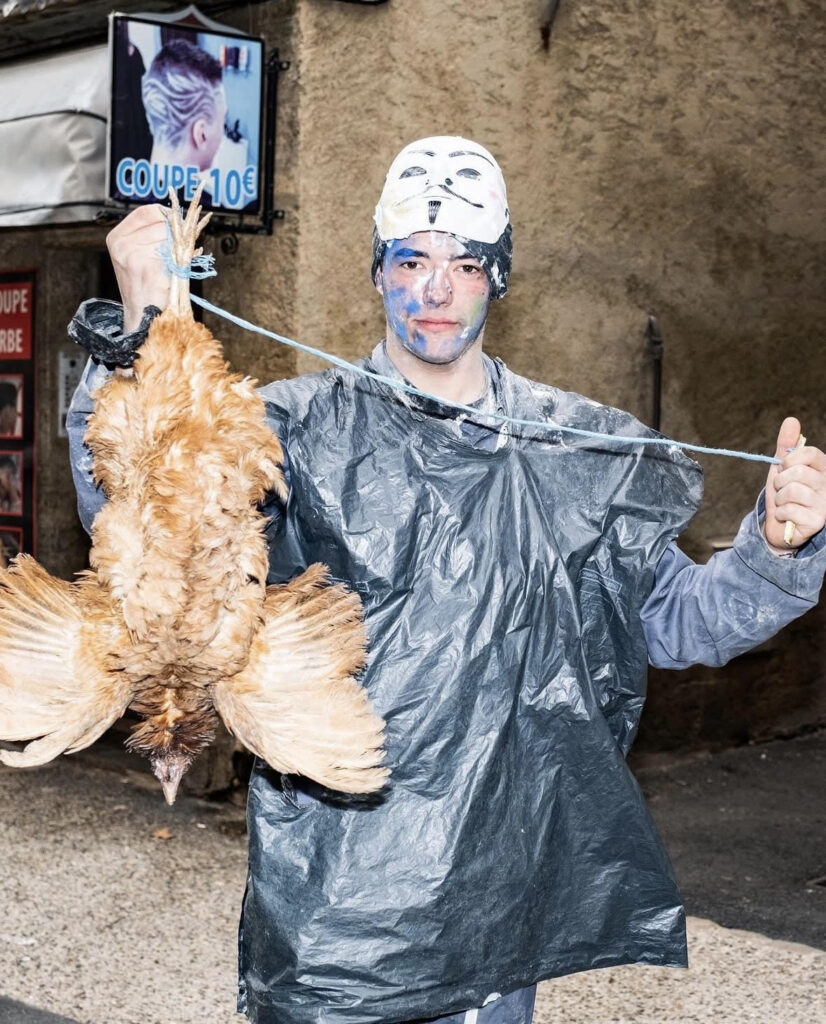
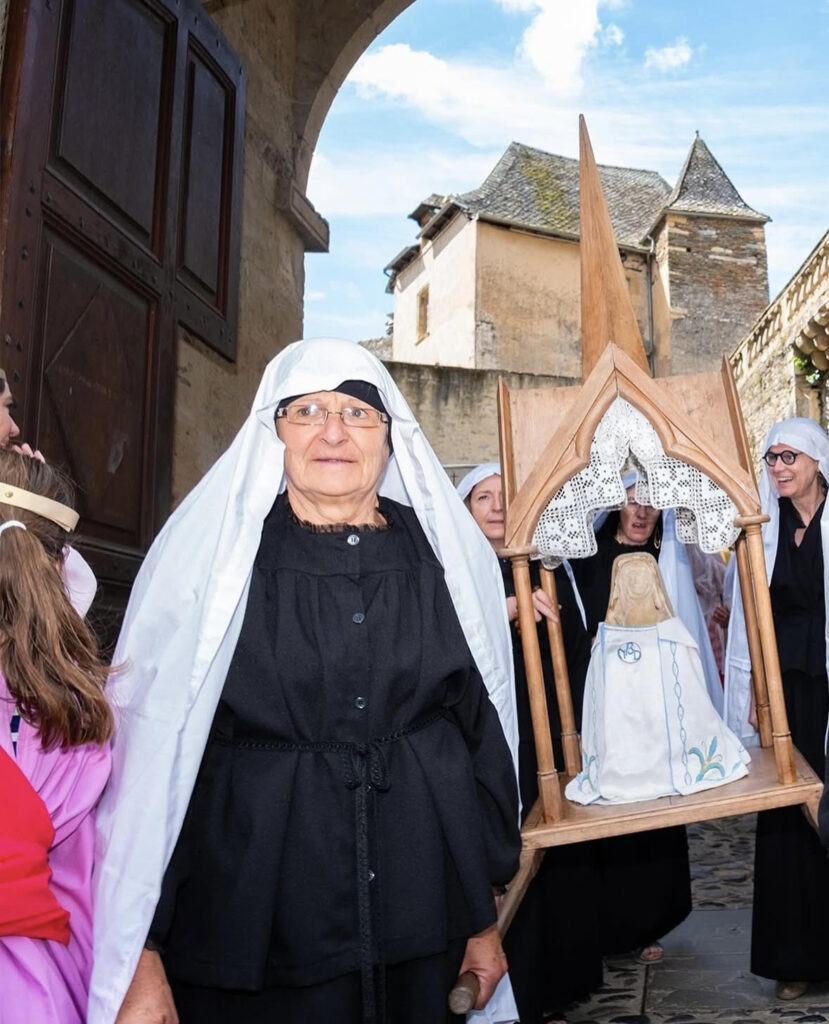
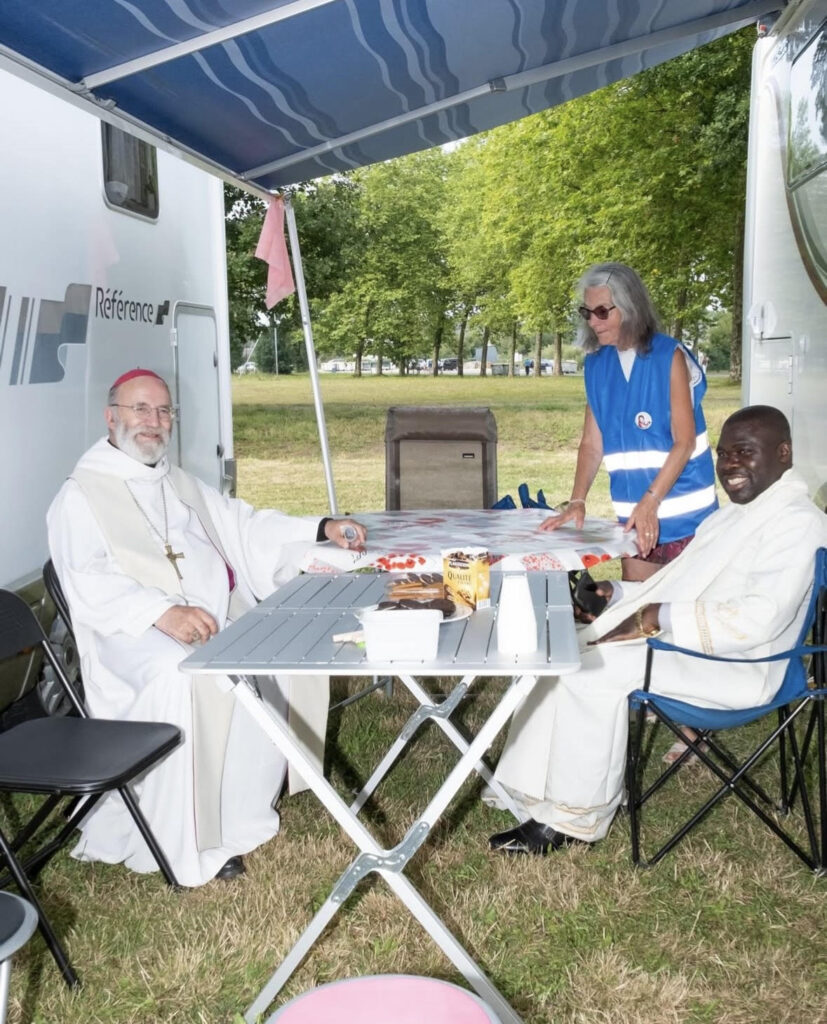
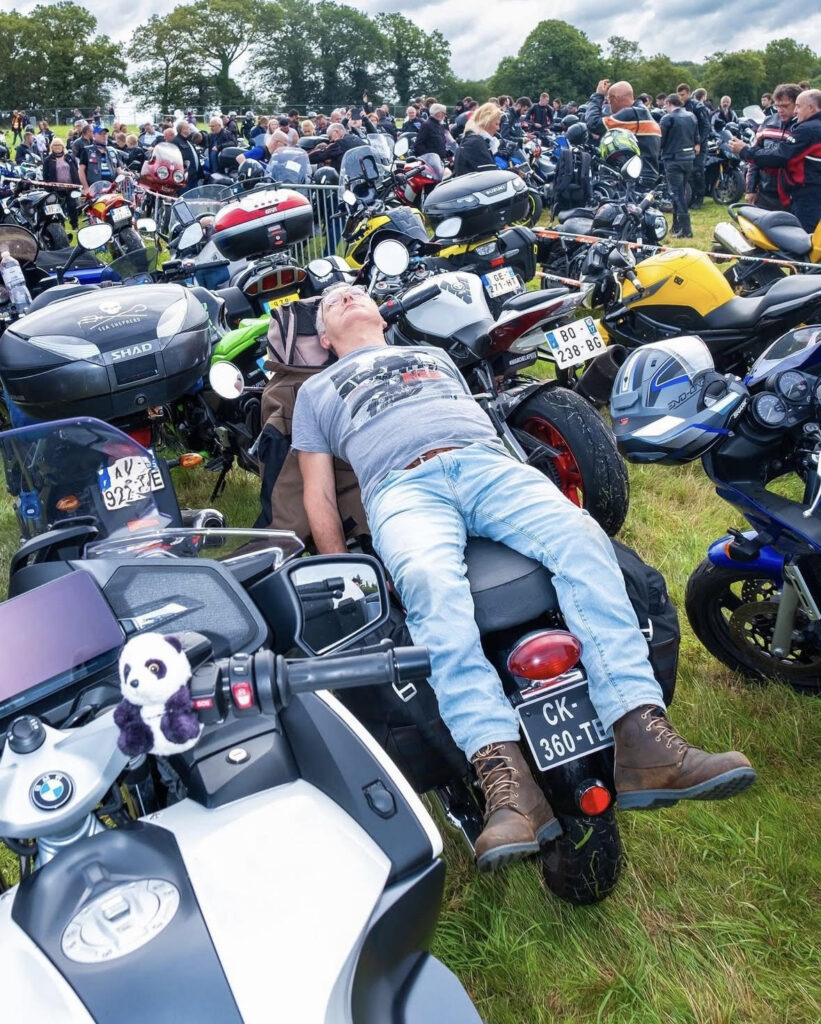
Alongside these collaborations, Ruiz builds a personal photographic writing rooted in the observation of territories and collective imagination. Through his ongoing series France Fantasia, he explores the contemporary forms of French folklore—its rituals, symbols and narratives that persist or reappear in everyday life. Between documentary sensibility and a subtle taste for staging, his images reveal a poetic tension between the ordinary and the marvellous.
His first photographic project, Contes du Nord, was published in 2020 by Filtredition.
Hi Romain! Thank you for sitting down with me! First question that I always ask. How does a regular day look like for Paris?
Romain: Hi Rubén, thank you so much for your interest and for having me! 🙂
The great thing about being both a photographer and a Parisian is that there’s really no such thing as a regular day. It can vary completely — from lazy hours spent in cafés, going to the cinema, or visiting art galleries with my loved ones, to the intense rhythm of a full, exhausting day on a shooting set. Paris is a magical city in that sense: it allows me to meet people from all kinds of backgrounds.
I’m curious, growing up,, what kind of kid were you? What did you enjoy doing, and how did you spend your time?
Romain: I grew up in a small village in the northern Champagne plains, a gentle, rainy place. I was a fairly typical French kid of the 1990s, raised with a lot of love. I spent my days skating, playing Pokémon, and roaming the fields or my friends’ gardens. Art entered my life relatively late, but I think that the strong rural environment—and the people who shaped it—left an indelible mark on me. It still deeply influences the way I photograph today.
So how did you get introduced to photography? And how did you first start out practicing with your camera?
Romain: Images have always played an important role in my life, ever since I was a child. As a teenager, I spent a lot of time watching films. Cinema was a way for me to learn, to understand life better, a kind of spiritual nourishment. I was naturally drawn to photography, and during a study trip to Helsinki I received my first camera. It was there that I took my first steps in street photography and truly immersed myself in the medium.
Alright, so what made you want to start documenting the streets, people, and everyday situations?
Romain: Because deep down, I’m really only interested in people. Photography gives me the perfect excuse to approach them and to spend time with them 🙂 The people I photograph make my world bigger.
With that in mind, what do you look for when you’re out looking for your next motif to capture?
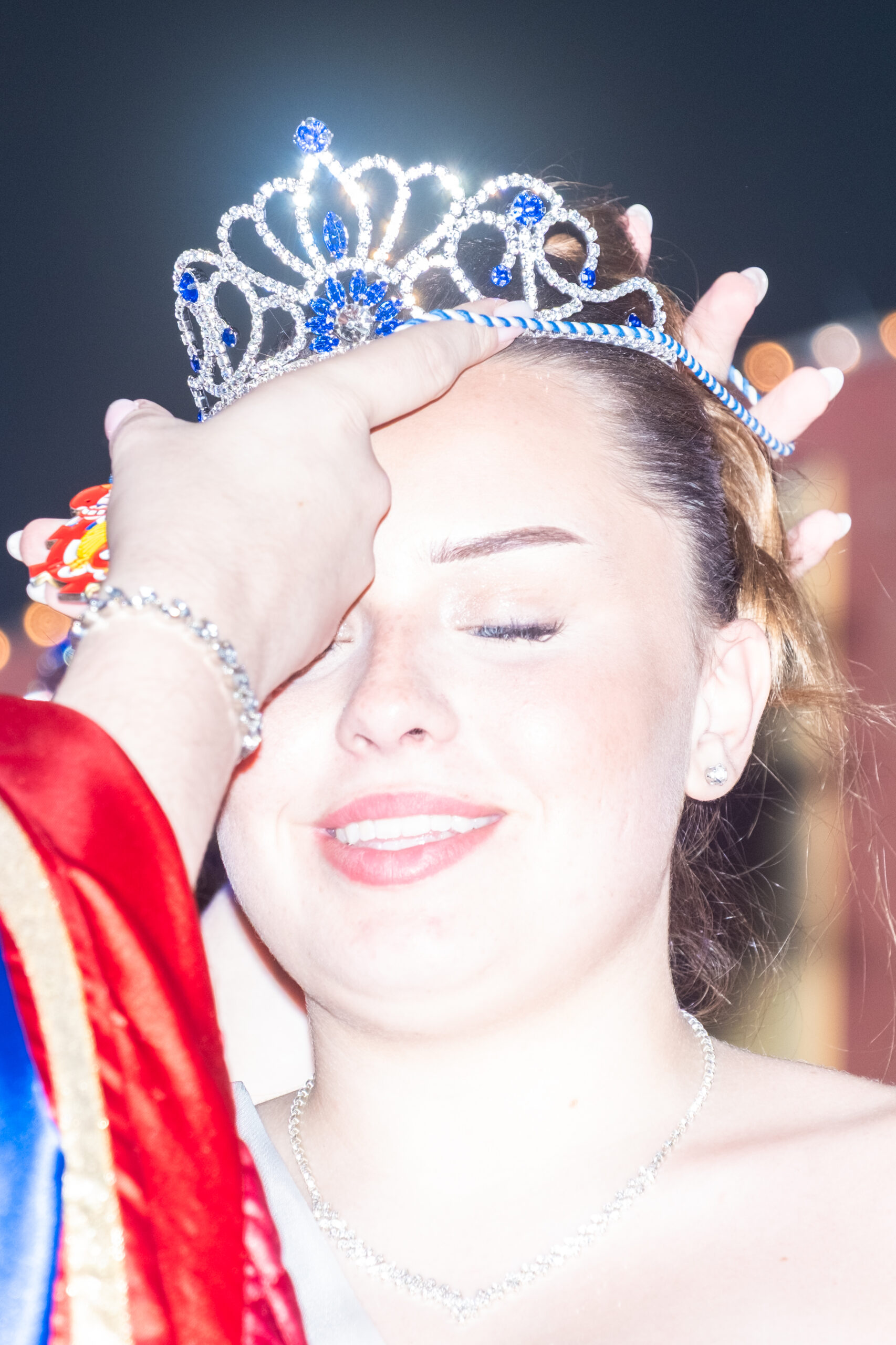
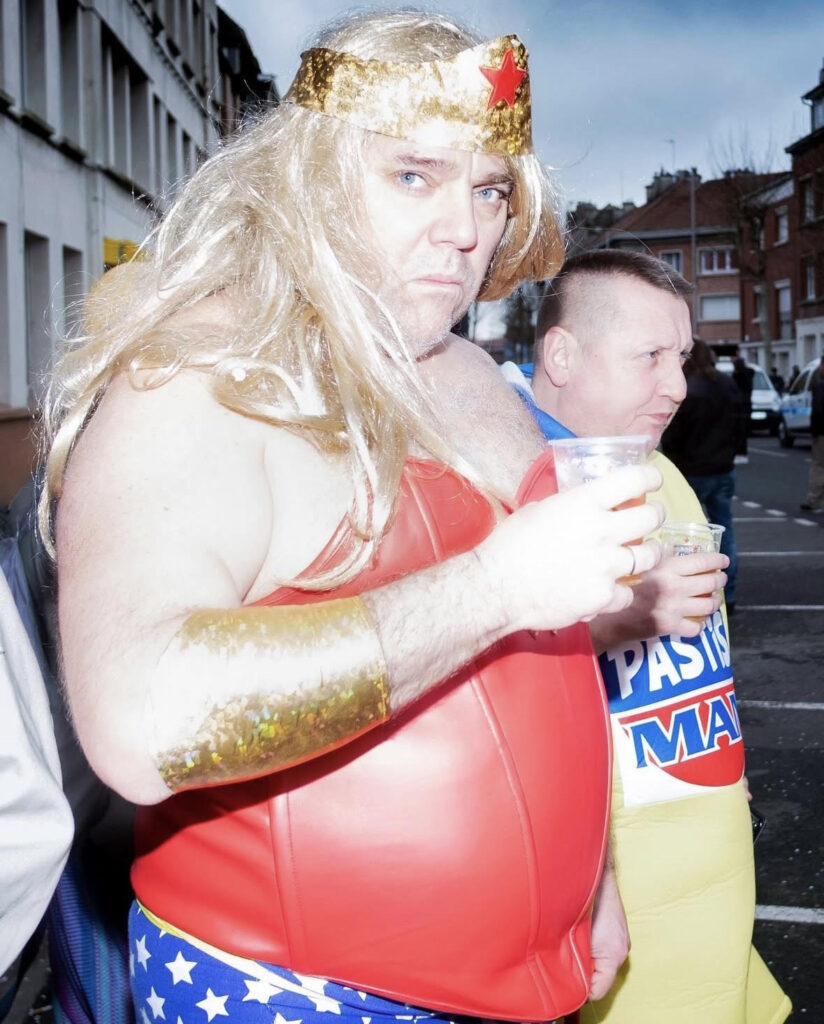
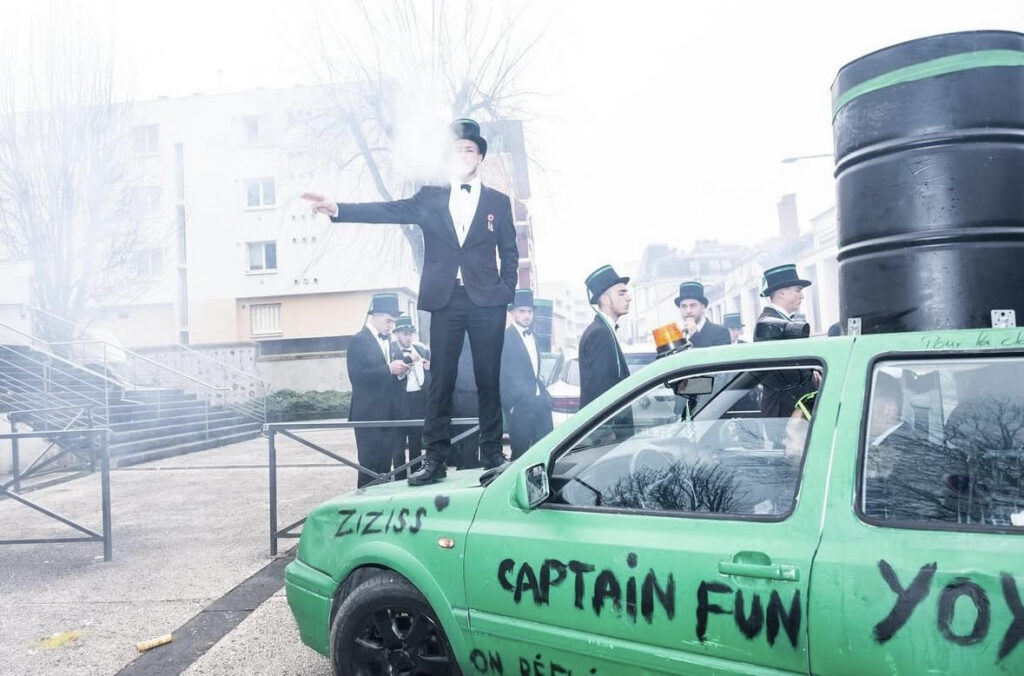
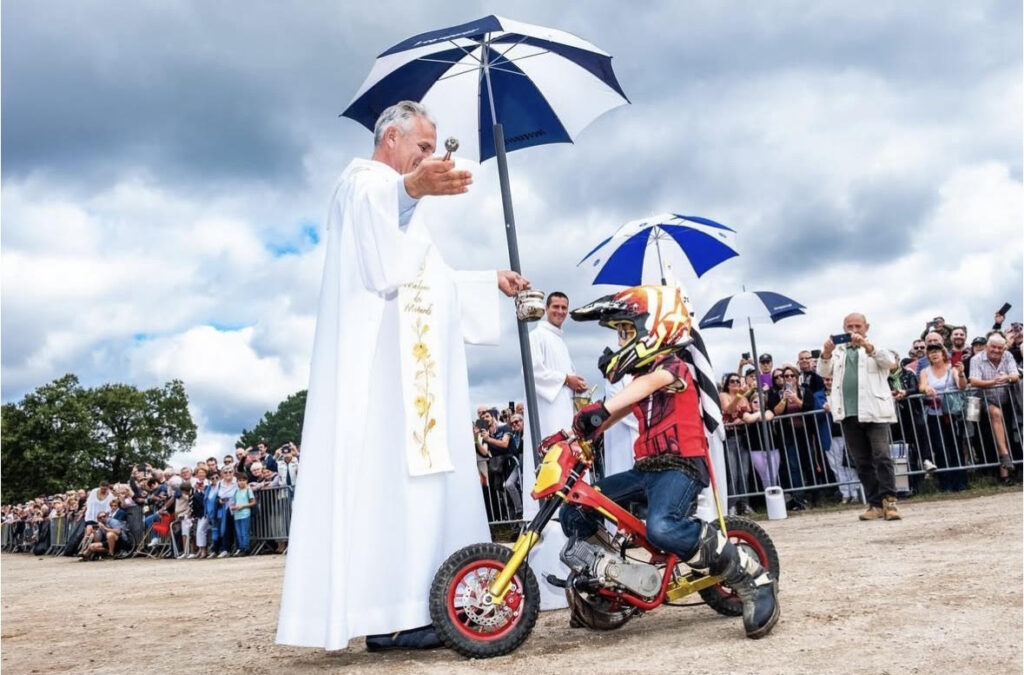
Romain: First of all, I tend to look for images where the real and the fantastical intersect, where the markers of time become blurred. Folkloric events lend themselves perfectly to these kinds of moments, when “gates” between the two worlds can appear at any time. I try to detect moments of rupture — when, suddenly, a composition emerges from the chaos of the event. I’m not necessarily trying to create pretty images; my frames are often busy and overexposed. They’re noisy, rather raw photographs.
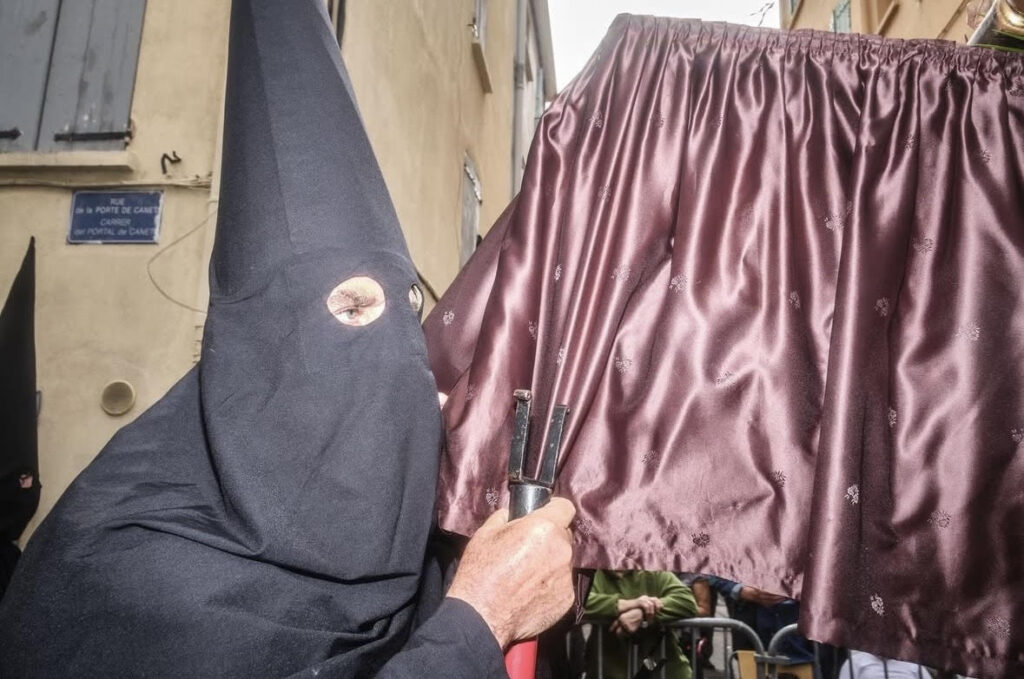
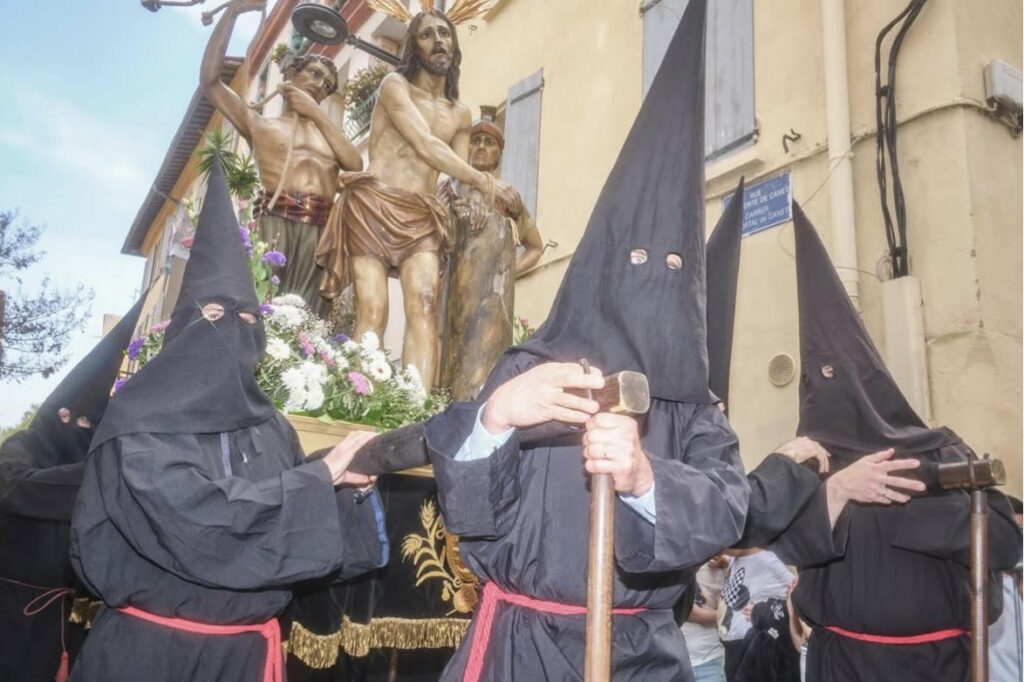
How important is authenticity in your work? And can a picture still be good, if it does’t have any?
Romain: Authenticity is a subjective concept, because it can always be shaped — or distorted — by the author’s perspective. A universal form of authenticity is difficult to conceive. For me, what matters is that my photos don’t lie and don’t show disrespect. An image can still be “good” without that, of course, but for me it leaves a kind of stain on the work. I can take beautiful pictures, but if they can be misinterpreted or feel unkind toward the subject, then they become images I would struggle to share and take responsibility for.
What makes photography your prefered medium of expressing yourself?
Romain: Because I never felt like I had any particular talents, photography suddenly appeared to me as the most accessible and immediate medium — almost like a best friend that follows me on all my adventures. As a naturally solitary person, it’s also the medium that gives me the most independence. A camera lets you connect with people and create unique moments instantly, in places and with individuals you would never have met otherwise.
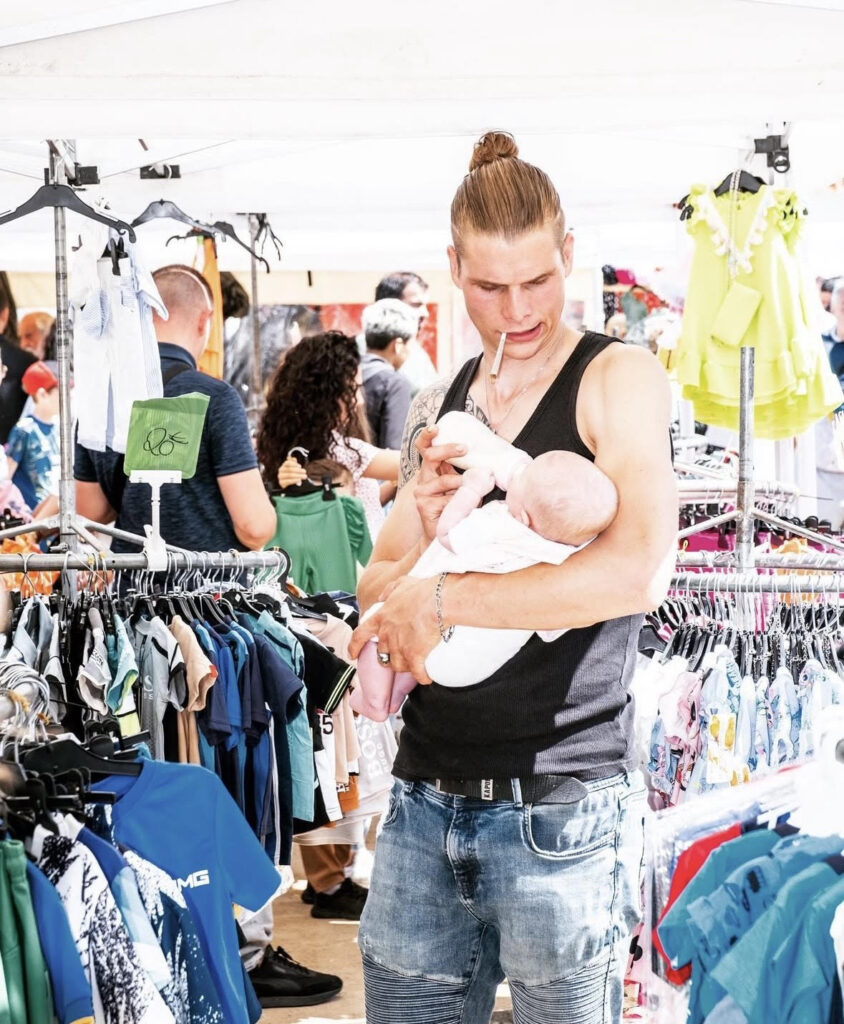
You move fluidly between commissioned work and long-term personal projects. How do you switch mental modes?
Romain: I shift quite naturally between the two modes because each comes with its own challenges and working conditions. I think of them as communicating vessels: commissioned work gives me the financial stability to photograph anywhere, anytime in France, and I feel fortunate to maintain that balance. My personal projects usually unfold on weekends in various French regions, while my commissioned assignments take place in Paris during the week. This clear separation of time and space puts me instantly in the right mindset for one mode or the other.
Do you remember the first moment you realized photography wasn’t just a way to document, but a way to interpret the world?
Romain: Of course! That moment actually led me to create Contes du Nord, my first book. I spent a lot of time in northern France with my maternal family for different celebrations, and each visit left me thinking, “I need to make a project here,” partly as a way to reconnect with the region where I was born. I was struck by the light, the towns, the people… At first, I tried a very direct, almost documentary approach with a political angle—and I completely failed.
That’s when I realized the North wasn’t just a place to document, but a land of fairy tales. Its cultural landscape, its atmosphere, the personalities you meet… everything seemed to carry an undercurrent of fantasy. Through this project, and through all those hours spent travelling the roads of the region, my artistic direction slowly took shape. I understood that photography, for me, was not only about documenting reality, but about interpreting it—revealing the dreams, the stories, and the childlike imagination that still live inside everyday life.
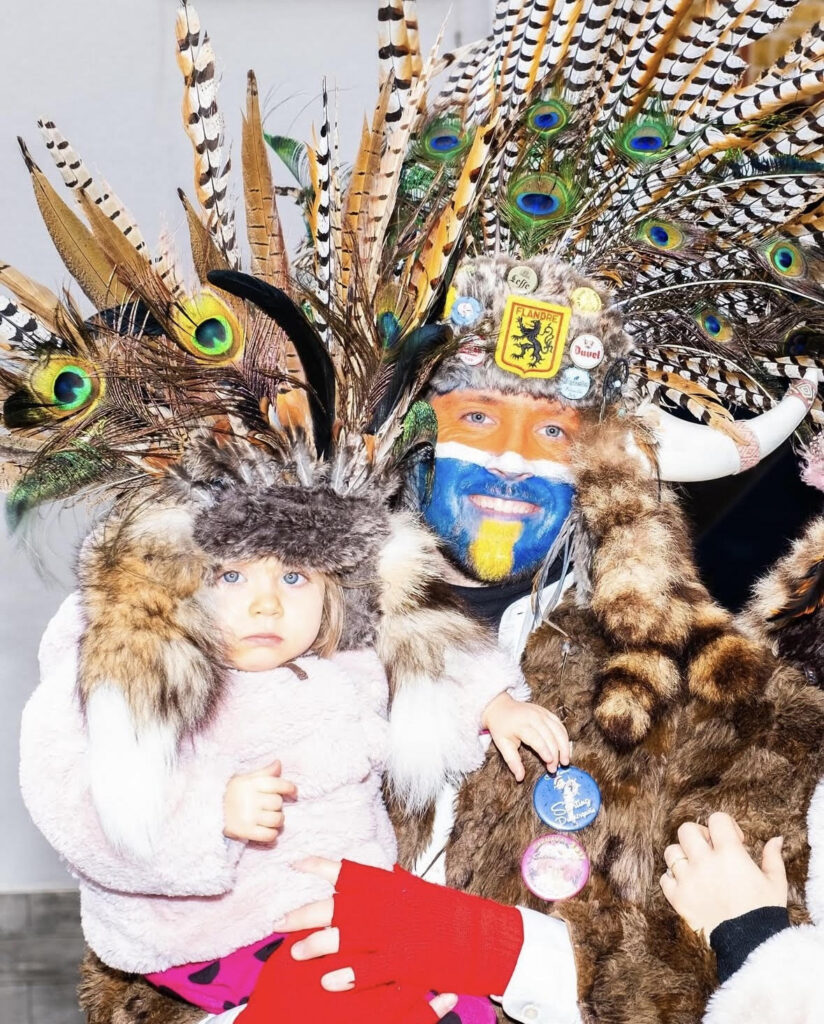
Paris is a city with an oversaturated visual mythology. How does living here shape, or interfere with your own visual vocabulary?
Romain: It’s funny, but living in Paris doesn’t really shape my visual vocabulary. I’ve been here for 13 years, and I must admit I’m no longer visually fascinated by the city. I think it comes from a certain fatigue linked to the sheer over-representation of Paris—from the great painters to the Nouvelle Vague to early photography. The city’s visual mythology is so dense that arriving in the 2020s feels a bit like coming after a long line of giants.
That said, extraordinary visual stories can still be written here. Paris and its suburbs are home to millions of people and an incredible cultural energy. The city can ignite in a second—one spark, and suddenly it becomes the stage for unforgettable collective moments such as PSG’s victory in the Champions League, for example
But in my day-to-day practice, Paris mostly influences me in another way: it’s one of the world’s capitals of photography. The galleries, the community, Paris Photo and its events… They all create a stimulating environment. Seeing so much talent around me can be intimidating, but above all it keeps me curious, pushes me to refine my own language, and reminds me that even in a saturated visual landscape, there’s always room to find a personal way of seeing.
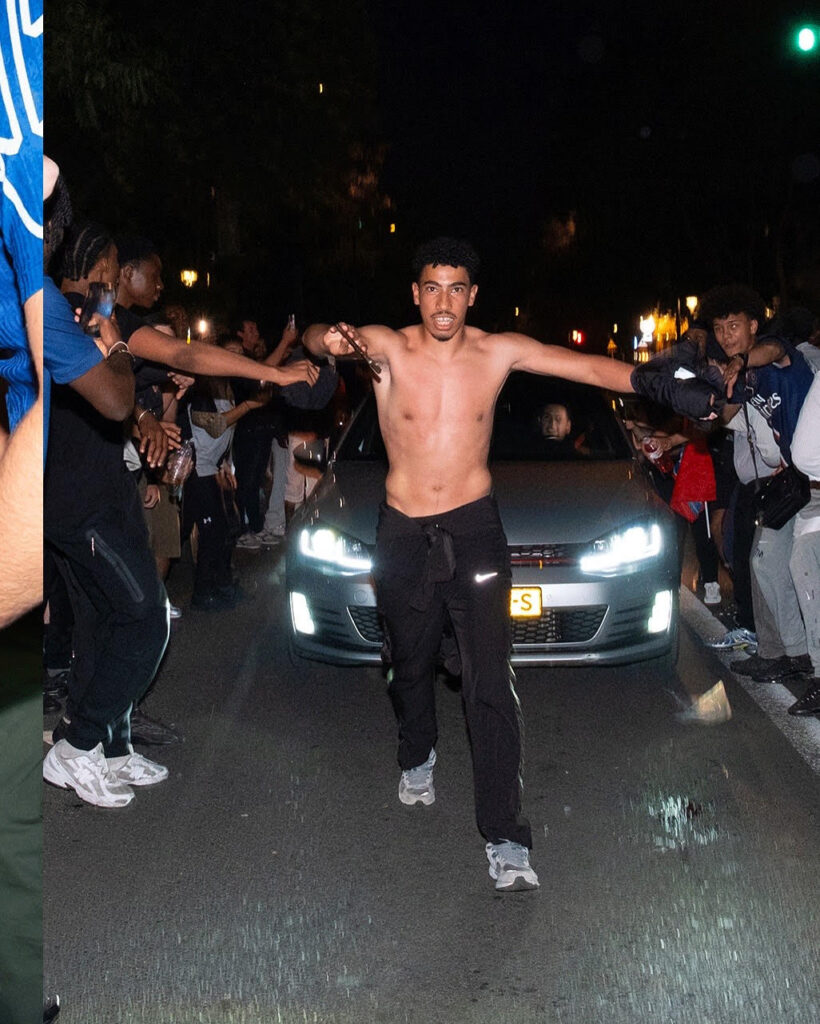
With that in mind. In France Fantasia, you explore contemporary French folklore. What triggered this obsession. a specific scene, a ritual, a remembered childhood image?
Romain: Of course I’m obsessed, haha! I think obsession is something many photographers share. “Life is nothing if you are not obsessed,” as the great John Waters said — and it’s actually a photographer in his film Pecker who says that line, which makes it even more perfect.
For me, folklore is a kind of magical doorway where adults start to play again. It’s a landmark that instantly reconnects me to childhood imagination. I can’t pinpoint exactly where it comes from, but I’ve always been drawn to moments when reality slips into something theatrical, ritualistic, or slightly absurd.
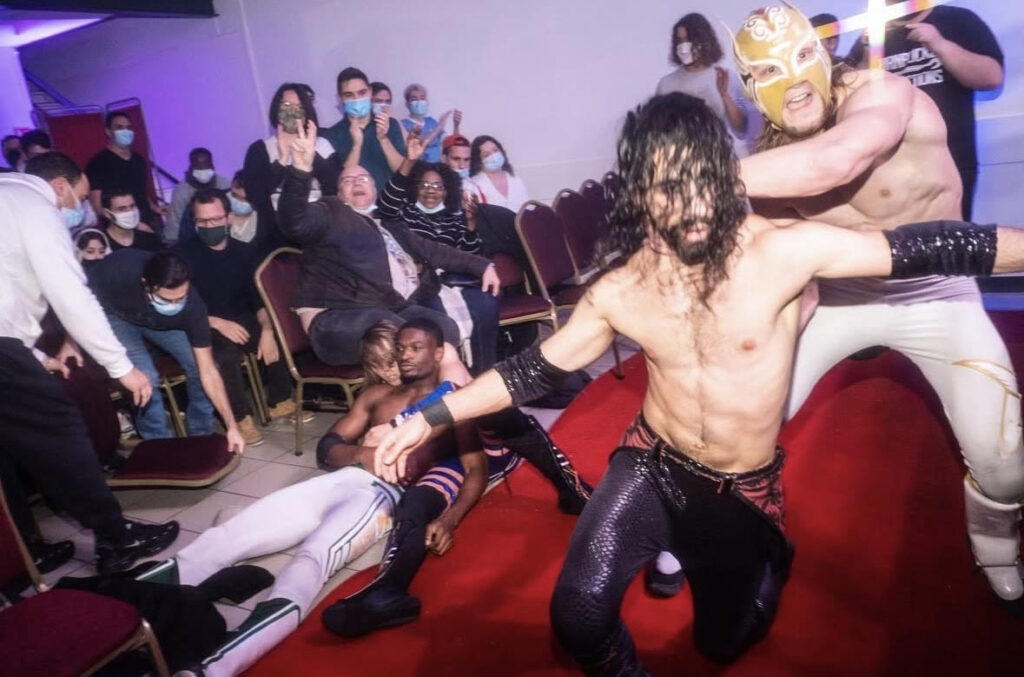
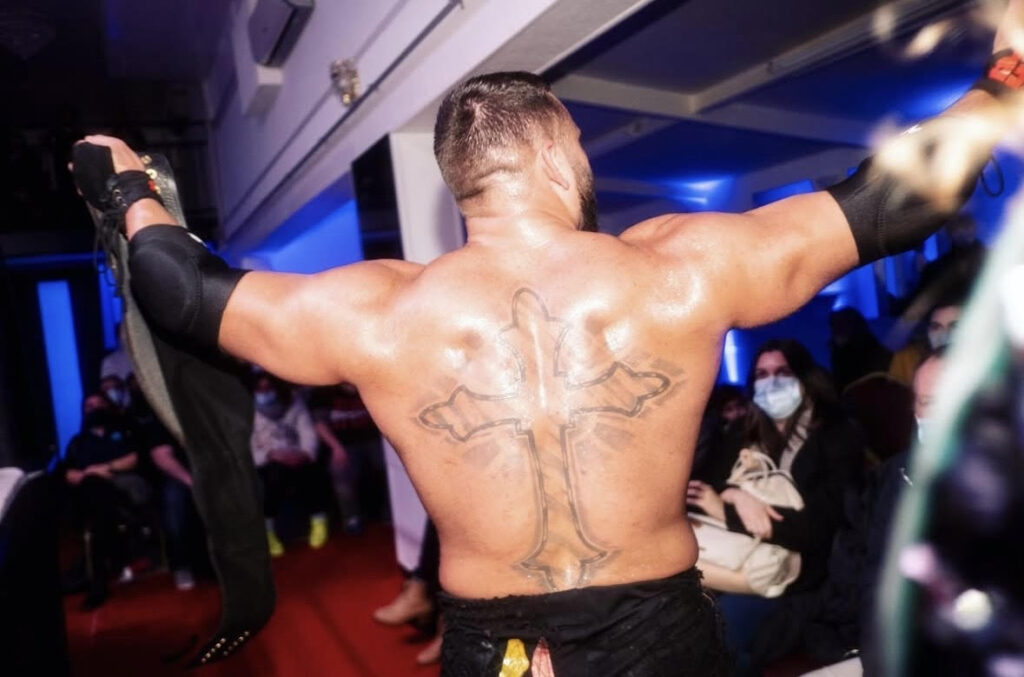
Folklore often survives through gestures rather than explanations. What are the gestures or symbols in modern France that you find unexpectedly mythical?
Romain: I admit I’m fascinated by the artists who paint fairground rides or trucks. Looking back, I think this kind of vernacular art might one day be seen by historians as a new form of mythology — new symbols, new ways of writing images. I’m endlessly inspired by these anonymous artists who create such striking, surreal, sometimes unintentionally poetic worlds.
In modern France, I find these gestures unexpectedly mythical: the way a carnival ride is painted, the visual codes of rural festivals, the decorations on trucks, or even the ornamentation around local celebrations. These small, handmade symbols travel across the country and quietly shape our collective imagination.
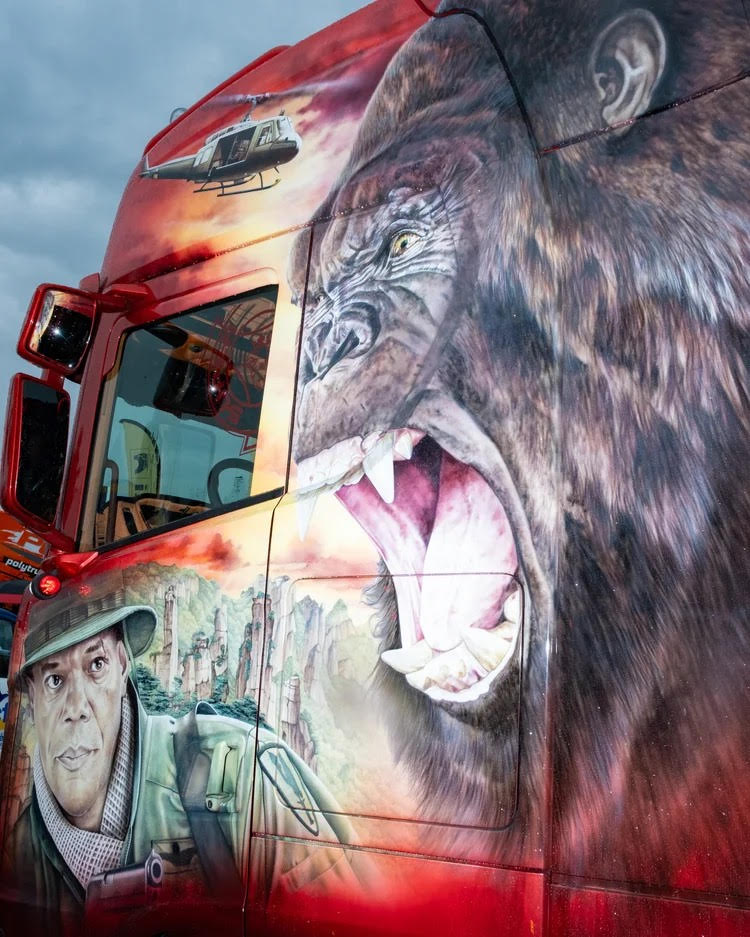
Your work sits between documentary accuracy and staged suggestion. How do you know when an image needs the “marvellous” to enter the frame?
Romain: Every picture needs the marvelous to enter the frame ;p
Is there something in French identity that you feel is misunderstood or invisible, which France Fantasia tries to reveal?
Romain: I feel that one aspect of French identity that often remains invisible is just how composite it truly is. France is an extraordinary patchwork of cultures, aesthetics, and rituals, yet much of this diversity rarely appears in mainstream imagery. With France Fantasia, I wanted to open a small window onto this wider landscape — to show that our reality can be approached through different lenses, and that even within today’s political and social tensions, there is room to look at the country with a sense of wonder, even through a fairy-tale filter.
What interests me is making visible the cultural expressions and local traditions that rarely find space in mainstream representation. France is said to have a rich iconography, but in practice it’s often limited to Paris, Marseille, and a few iconic touristic landmarks like Mont-Saint-Michel. So many regions remain visually underrepresented. With France Fantasia, I try to pay tribute to these places and humbly contribute to broadening the collective imagination of the country.
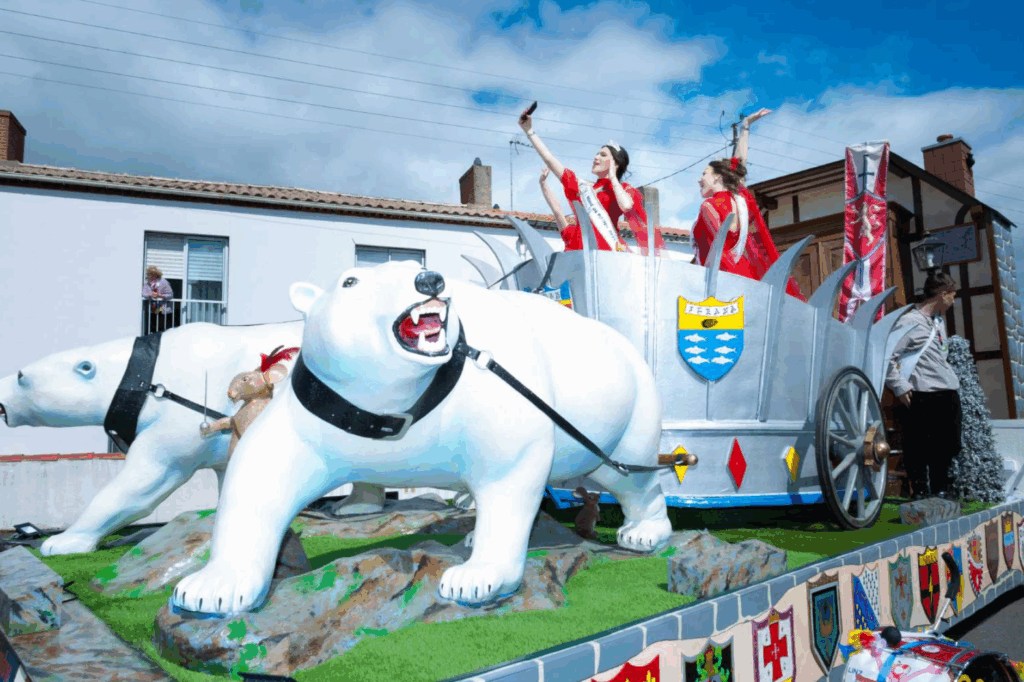
You’re dealing with collective imagination, but imagination can also be political. What does folklore say about today’s France that news or analysis can’t?
Romain: Of course! I think contemporary French folklore is a space of tension — almost a zone of “conflict” — between the abandonment of traditional, sedentary norms and a strong, persistent attachment to local heritage. Take carnivals, for example: many of them, like the Granville Carnival, carry explicit political demands. Through satire, parody, and exaggeration, they act as a kind of thermometer, revealing how people position themselves in relation to the government and current events.
This is where folklore becomes more powerful than news or analysis. It expresses something raw, emotional, collective — something that can’t be fully captured in political discourse. Folklore is a creative form of public expression, a way for people to comment on society not through arguments or ideology, but through rituals, costumes, symbols, and gestures. It’s politics transformed into imagination I would say
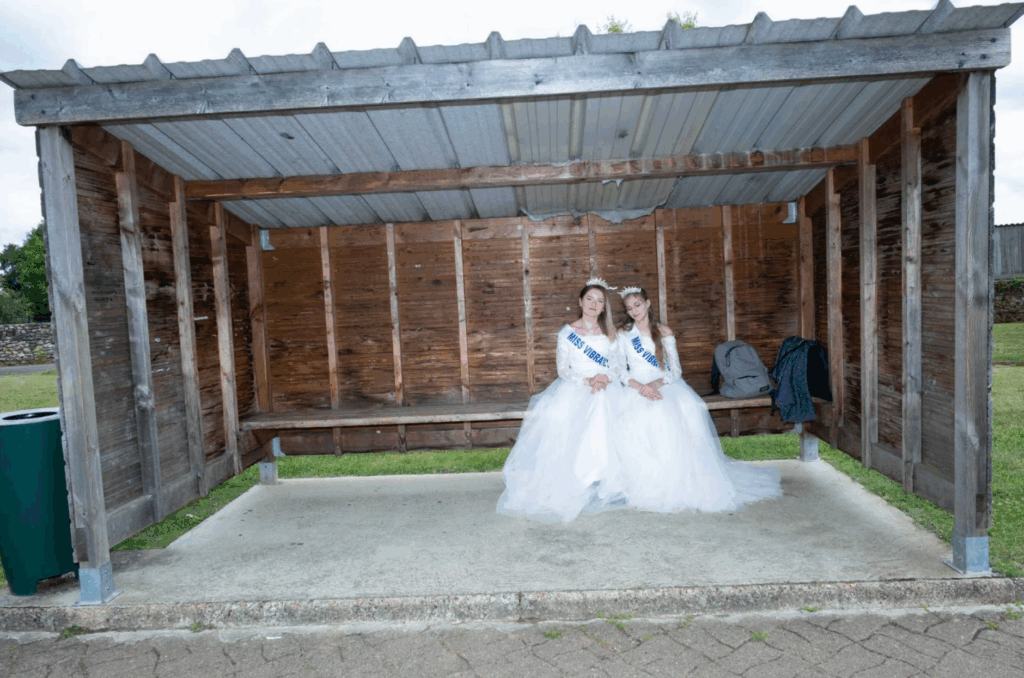
Your images often carry a quiet tension: the uncanny inside the everyday. Do you consciously build this tension, or is it something that happens when you follow your instincts?
Romain: I do think that strangeness naturally attracts me — it’s something deeply connected to the dynamics of fairy tales. For me, an image works when you find yourself returning to it, when it keeps unfolding. I try to build this tension by paying attention to moments of rupture within an event — either the climaxes, when the atmosphere is at its most intense, or, on the contrary, the quieter pauses in between, when relaxation can suddenly reveal extraordinary scenes.
What’s your relationship with “truth” in photography? Do you feel responsible for accuracy, or is emotional truth enough?
Romain: This is the fundamental question every documentary photographer & filmmakers asks themselves. The idea of “truth,” much like “authenticity,” varies widely depending on the author and their worldview.
When I published Contes du Nord (Tales of the North), I’m not claiming that the Nord–Pas-de-Calais region is literally a land of fairy tales. What I’m doing is trying not to distort the intention of the moment, not to fabricate, and to approach people rather than rely on preconceived ideas.
I often ask myself whether the people who actually live in the places I photograph — during carnivals, celebrations, or everyday life — would feel misrepresented or disrespected by my images. If the answer is no, if the work doesn’t betray the dignity of the subject, then for me the emotional truth is enough. It becomes a way of staying honest without pretending to be objective.
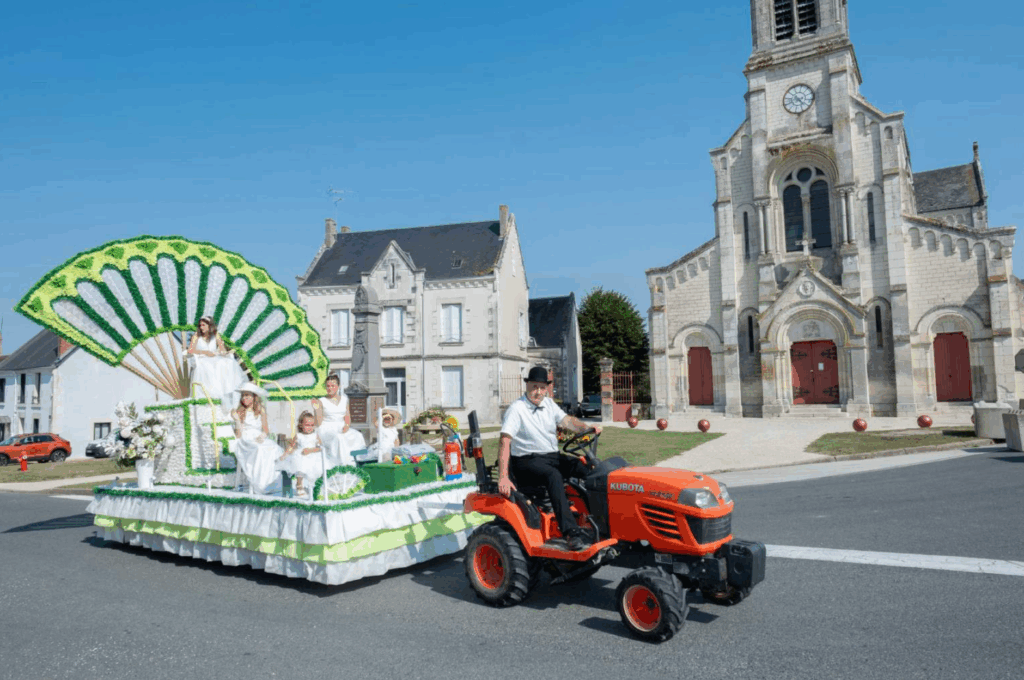
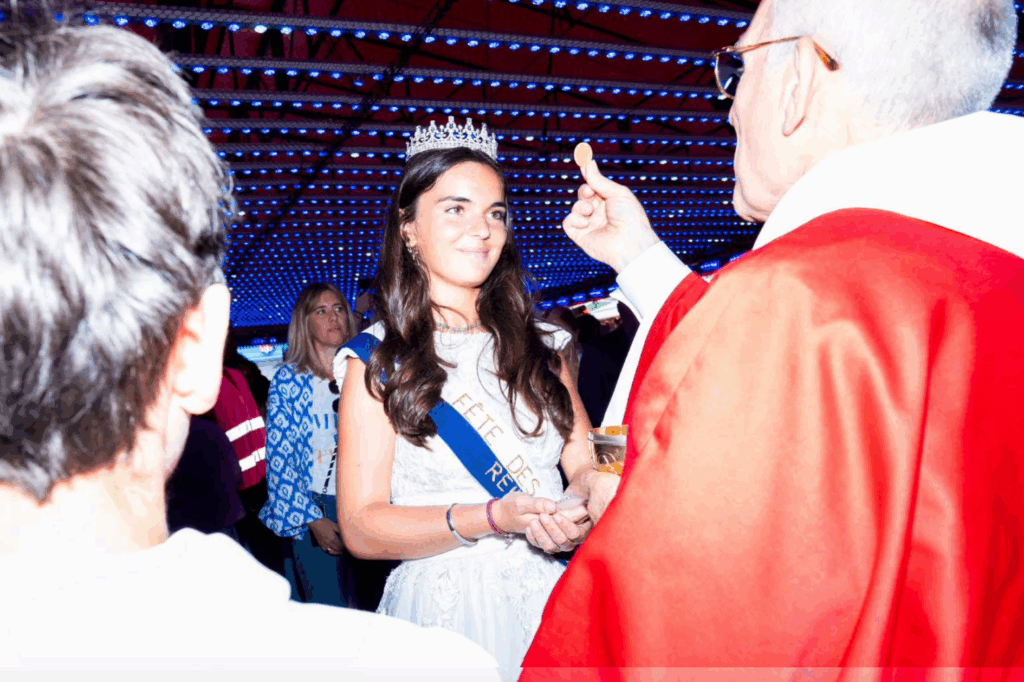
When you look at your images years later, do they feel like memories, documents, or fictions you authored?
Romain: All at once! I’m especially glad because photography — especially documentary work — tends to age well. When I look back at my images, I feel as though I’m building an inventory, an encyclopedia that becomes richer year after year.
Sometimes I even feel a sense of responsibility, because certain traditions or events eventually come to an end. They can disappear due to lack of funding or simply because the people who carry them grow older. I’m thinking in particular of a group of folk dancers from Boulogne-sur-Mer called Les Soleils Boulonnais. I spent a weekend with them to immortalize their presence and their costumes, which I found incredibly beautiful.
Even then, there were dances they could no longer perform, and with no younger generation stepping in, the group is destined to fade away. So when I look at my images years later, they are memories, documents, and fictions — but also traces of worlds that may no longer exist.
Is there a recurring motif or atmosphere that keeps returning regardless of the project, something that might reveal more about you than about your subjects?
Romain: Exactly! For me it’s less a recurring motif or atmosphere, and more a place: the north of France. It’s a region I feel I could photograph for the rest of my life, whether it fits into a formal project or not. I’m deeply drawn to it, and I want to document it as fully as I can. I feel good there — I feel like I understand it. There’s an energy that reconnects me to my own history, my ancestors, and my childhood memories. I love it. 🙂
Cultural institutions and brands come to you for identity-building. What does “identity” mean to you when translated into an image?
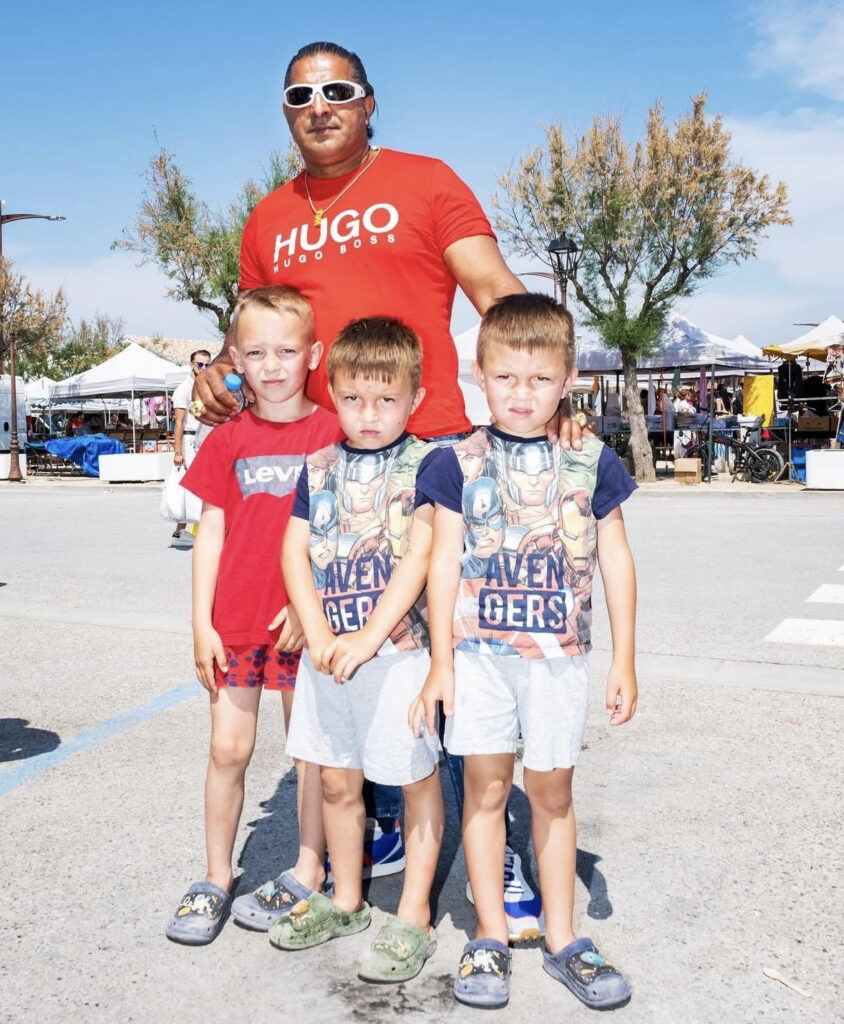
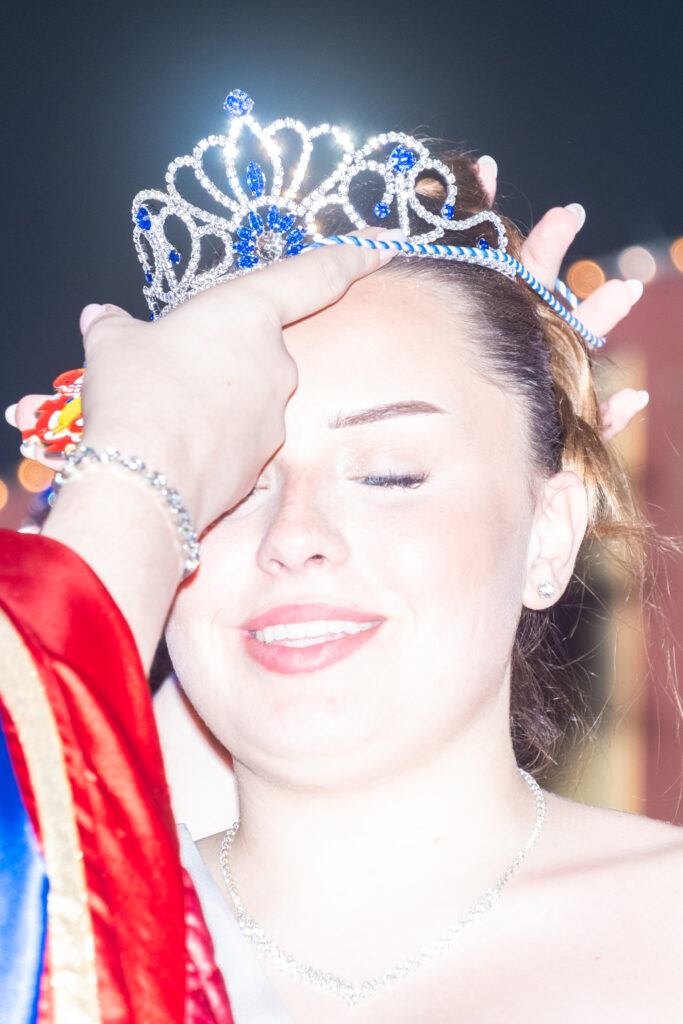
Romain: I would say my identity is something quite raw and direct. It’s a visual language that doesn’t hide behind too much polish. My work is often colourful, frontal, and shaped by the presence of flash — as if it projects the viewer into an in- between dimension, something slightly detached from everyday reality.
Which artists or filmmakers shaped your sense of the uncanny or the folkloric?
Romain: I mentioned the great John Waters earlier! It would also be impossible not to mention Brazil and my favourite director, Terry Gilliam, who — together with his cinematographer Roger Pratt — had a huge influence on the way I think about framing and composition.
I’m also very drawn to films that sit somewhere between ethnographic documentary and fiction, like Ted Kotcheff’s Wake in Fright, Sean Baker’s cinema, or the docu-fantasia My Winnipeg by Guy Maddin — and really Maddin’s entire filmography.
Many art forms inspire me on a daily basis, but I would say that photography remains my primary point of reference. More specifically, vernacular photography from the United Kingdom and the photographers who documented British society during the Thatcher era: Martin Parr, Tom Wood, Nick Waplington, John Bulmer, Stephen Burridge, Paul Reas, Martin Salter, and Anna Fox.
Do you think photography still has the ability to create new myths, or are we only recombining old ones?
Romain: New myths are being formed every day, and I do think photography — precisely because it’s anchored in reality — has the power to generate them entirely. Even when it recombines familiar symbols or narratives, photography can shift their meaning, give them new life, or project them into a different emotional space.
Images have this unique ability to turn small, ordinary moments into something emblematic or timeless. So even if we draw on old mythologies, photography continually reshapes them, and sometimes creates new ones without even intending to.
Do you feel that documenting folklore is a form of resistance in a world obsessed with speed, modernity, and digital abstraction?
Romain: Absolutely — and I think you’ve articulated it perfectly. For me, folklore represents established traditions, often hundreds of years old, rituals that return year after year. Documenting them requires patience: sometimes I miss the date of an event, sometimes the images aren’t quite right, and it means waiting another year, reconnecting with people, and letting things unfold at their own rhythm.
So yes, working with folklore is a form of resistance — not in an antagonistic way, but simply by embracing slowness, repetition, and human contact in a world that wants everything to be fast, frictionless, and digitally abstract. It’s a reminder that some things can only be captured over time.
What’s the emotional core of your work, the feeling you’re always chasing but can never fully pin down?
Romain: I would say surprise. I’m always chasing that fleeting moment when everything aligns — a perfect composition born out of chaos. But it’s incredibly hard to achieve because I’m completely dependent on the unpredictability of the event itself.
I’m essentially sculpting within the frenzy; my raw material is something I can’t control, and that tension is both thrilling and, at times, deeply frustrating. But that’s exactly where the emotional charge of my work comes from — the hope that, for a split second, the unexpected will reveal a kind of order.
Do you ever worry that documenting the marvellous might make it disappear, or does photography help keep it alive?
Romain: I don’t think so, because the marvellous can be found everywhere and in everything — it’s really a matter of perspective. The marvellous doesn’t disappear, but we can certainly stop noticing it.
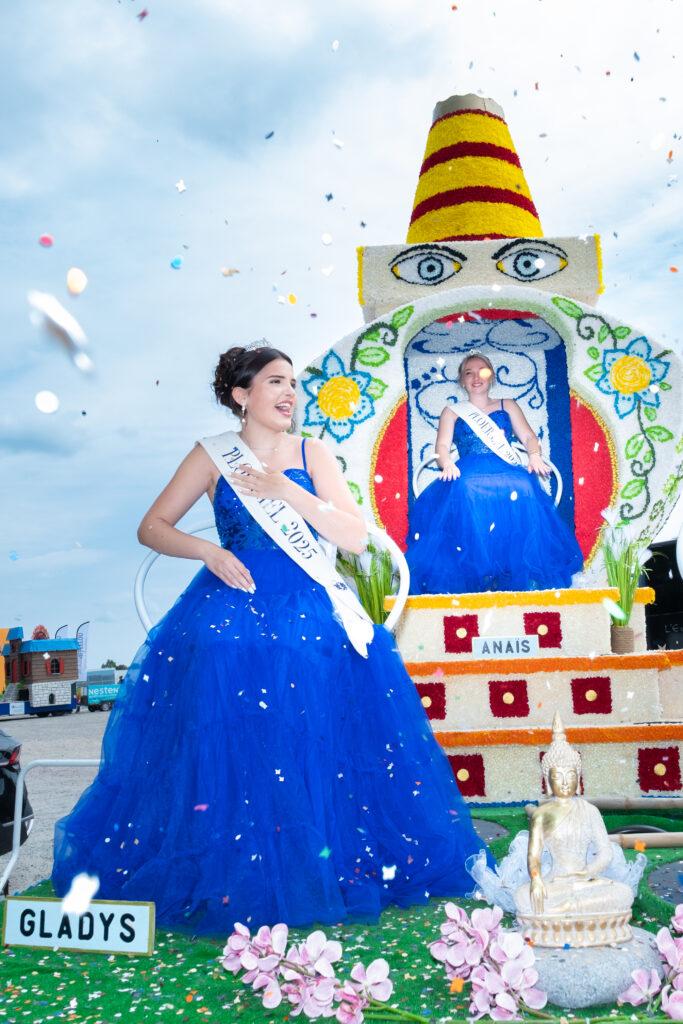
You’re currently working on your second book, which documents the place and role of female figures in popular festivals in France. Can you tell me about your inspiration for wanting to document those topics and turning it into a book?
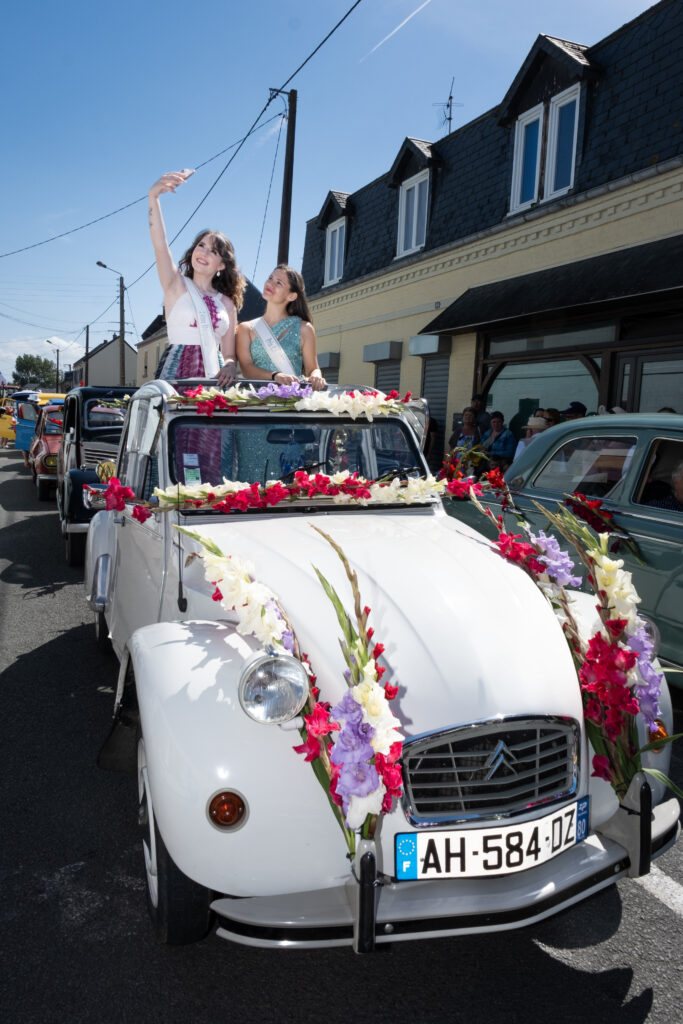
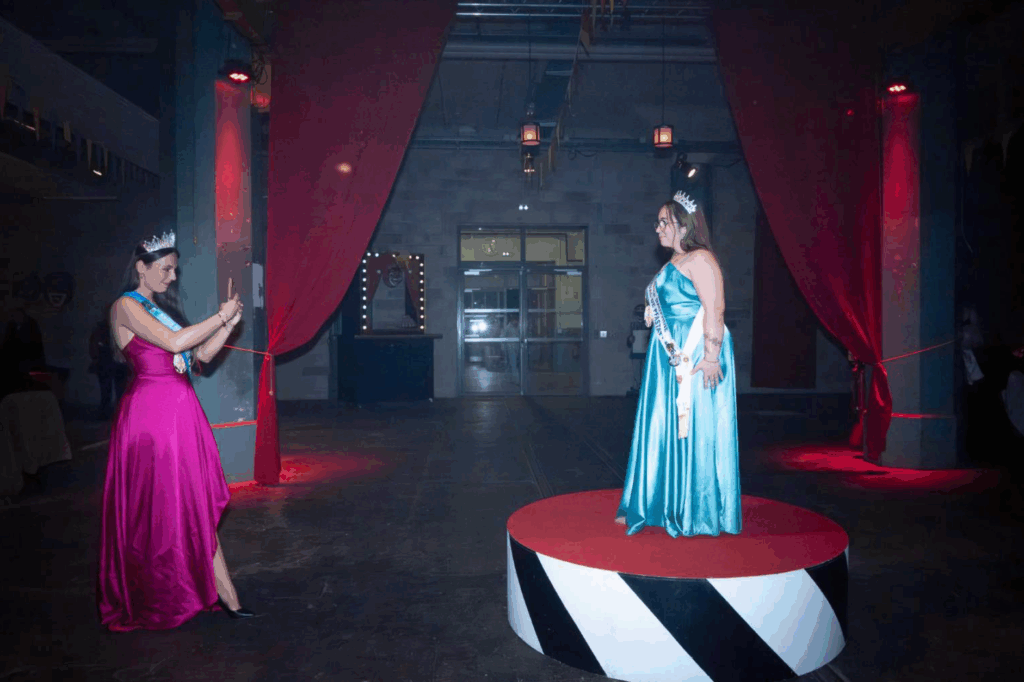
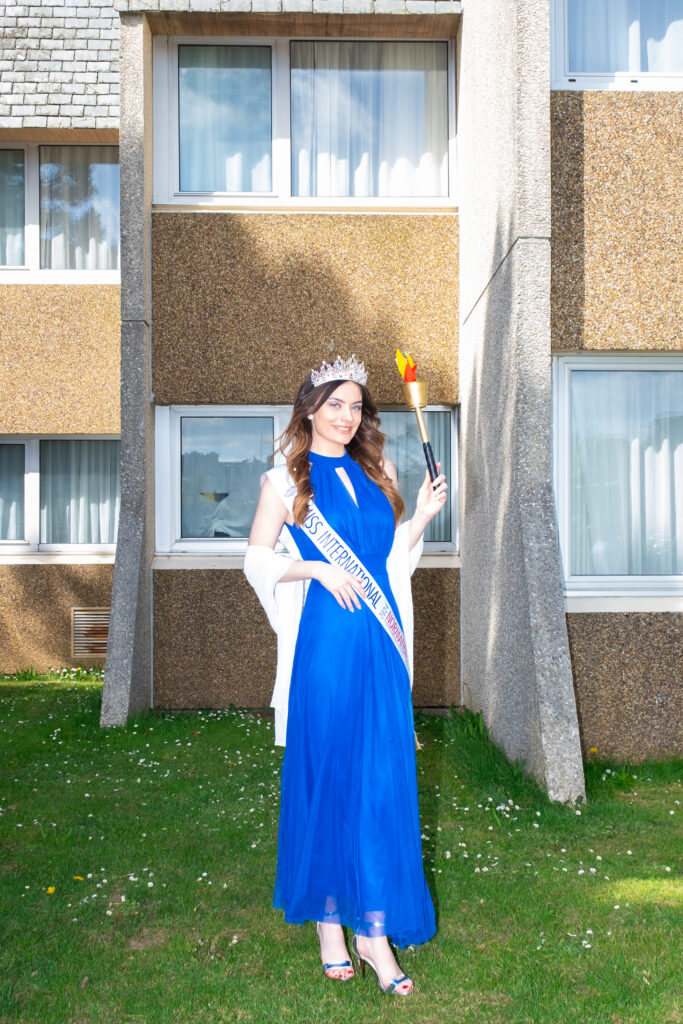
Romain: It’s a long story, but in 2024 I was travelling around France for a project connected to the Paris Olympics, looking at how small towns and rural areas were interpreting the fact that France was hosting the Games through their local carnivals. I followed several carnivals whose theme that year was the Olympics. The series ultimately didn’t work because the images weren’t strong enough, but something else caught my attention: during many of these festivities, a young woman — a beauty queen, a festival queen — would represent the celebration, the region, the identity of the carnival itself.
This struck me particularly in Cherbourg, in Normandy. It was March, bitterly cold and windy, and Miss Normandy was walking through the streets in high heels, barely dressed, holding a cardboard torch meant to represent the Olympic flame. I remember thinking: She must be freezing. Her feet must hurt. Why is she doing this? I could hear some crude comments from the crowd, yet she carried herself with absolute confidence, proud and composed. It was incredibly photogenic, but also deeply thought-provoking.
That moment made me return to my France Fantasia archives, and I realised I had already photographed many queens — carnival queens, festival queens — across the country. Their floats often open or close the parade, and they are usually magnificent, theatrical constructions. Visually, the figure of the queen fits perfectly within my artistic universe. But there is also something inherently political about it: what does it mean to be a “queen” in France today, at a time when beauty pageants like Miss France are heavily criticised for their restrictive and normative standards of beauty?
It’s a vast subject, one that can be approached on multiple levels: aesthetic, social, political, emotional. And it’s precisely this richness — and the questions it raises — that makes me want to turn it into a book.
Can you tell me about some of your favorite memories from being on shooting in the field?
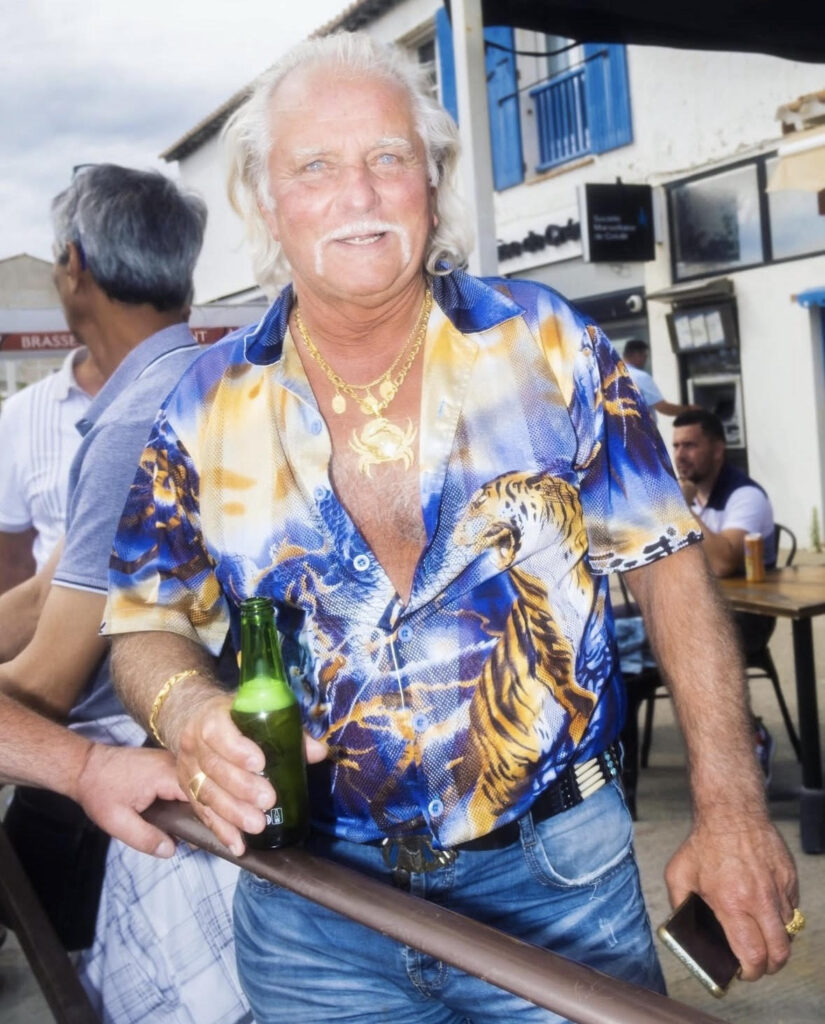
Romain: I have vivid memories of the pilgrimage to Sainte-Marie-de-la-Mer, one of the largest gatherings of Gypsies in Europe. It takes place in the Camargue, which I think is one of the most beautiful regions of France, and even though there are certainly too many photographers there, it’s always a moment of pure joy. It’s one of the rare occasions where Gypsy traditions and gadjos meet in a shared space. The atmosphere is incredibly warm: sun-drenched, musical, very family-oriented. Those moments are truly special, and they’re always a pleasure to shoot.
Other than the camera and lens. Are there any essential items that you always bring with you when shooting?
Romain: Good shoes!
So what do you hope that we, the observers, take with us after viewing some of your photos?
Romain: I hope viewers feel as if they’ve stepped into a parallel, fantastical world — as if they’ve opened a great old spellbook, in a way. I also hope my photos leave them with the sense that they’ve discovered unexpected facets of France, sides of the country that are often overlooked.
Ok Romain, now to something totally different. In a parallel universe who would you be? and what would you be doing?
Romain: For a long time, throughout my childhood and teenage years, I dreamed of becoming a doctor — at least until I realized you actually have to be really good at science, haha! But honestly, I think the medical field would have suited me.
Outside of photography, what’s something you’re obsessed with right now —maybe a hobby, a show, or even a food—that keeps you grounded or inspired?
Romain: I’m not sure I’d call it an obsession, but I’ve been reading a lot lately — and I read things that have nothing to do with each other. I love dark fantasy books; I find them incredibly stimulating. At the same time, I read more sociological work by researchers studying rural life. Having these two influences — one completely fictional and the other almost scientific — keeps me constantly curious.
Can you tell me a story about a time when a connection with someone had a big impact on you?
Romain: Of course — I’ll tell you about Anne-Marie. She is the director of a folk dance group in the Landes region called Les Lous Gouyats. They’re unique because they perform on stilts: traditionally, the Landes were marshlands covered in tall grass, and stilts allowed shepherds to watch over their livestock 😀
Anne-Marie lives in a small house in the countryside, with large bay windows on every side so she can always observe nature. She would wake me up early in the morning to watch the birds and the wild cats she feeds every day. She even taught me to press my fingernails into tree trunks to recognize cork oaks. She could identify the species — and even the sex — of a bird landing on a road 70 meters away, backlit.
She was profoundly rooted in her land, her traditions, and her environment. Meeting someone so deeply connected to life and nature was a shock for me, because as a Parisian city-dweller, I often feel disconnected from it. This encounter stayed with me because I met a woman of extraordinary sensitivity.
What qualities do you find most important in the people you choose to spend time with?
Romain: Kindness and openness
Anybody you look up to?
Romain: A lot of people inspire me on a daily basis — especially the people closest to me, like my girlfriend, my friends and my family. But if I had to give a more specific answer, I’d say that the Canadian filmmaker Guy Maddin, as known as the wizzard of Manitoba has had a huge influence on me.
He’s someone who worked as a bank teller and a house painter, yet never stopped making films with a remarkably strong visual signature. Even without big budgets, he manages to create worlds that feel completely transportive — poetic, lyrical, surreal, and deeply personal. His films are filled with these wildly artificial, semi-mythical sets, and I find that incredibly inspiring.
What motivates you?
Romain: What motivates me is the idea of leaving a trace — even a small one — in the vast landscape of French photography. I want to create a record of the society we’re living in today, something that will matter later. And I’m also driven by the desire to meet as many people as possible, in as many different places as possible. Those encounters are what keep me going.
How would you describe a perfect day?
Romain: A perfect day can take many forms, but for me it’s really about having full control over my time. That’s all I need. Spending the day with someone I love, or being outdoors shooting photos — either one already makes it a perfect day.
Alright Romain, I always ask these two questions at the end of an interview. The first is. What’s your favorite movie(s) and why?
Romain: “My Winnipeg” might be my favorite film because it contains everything I love and everything that inspires me artistically. It’s pure docu-fantasia, blending personal history with mysticism. It explores memory and the city of Winnipeg in a way that feels completely unique. It also resonates with my own relationship to the place where I grew up. I often say that if I ever made a film, I’d want to make something in that spirit — in all modesty, of course, because it’s an absolute masterpiece, haha.
The second is. What song(s) are you currently listening to the most right now?
Romain: I’m currently listening to ROSALÍA’s latest album on repeat, particularly the track “Divinize.” I would have cited ROSALÍA among my inspirations for her incredible ability to be a musical hybrid of all kinds of references—from orchestraln reggaeton and flamenco roots to more Japanese/manga influences!
I even heard her mention in an interview that the animated series Æon Flux was an inspiration for her album Motomami. It’s this “scrapping” or “curating” of different cultures to create such a unique and powerful artistic signature that I find completely mesmerizing!