

For Björk, sound has never stayed inside music. It leaks into landscape, costume, technology, ecology, language, and myth. A song can become a creature. A voice can become architecture. A chorus can feel like weather moving through the body.
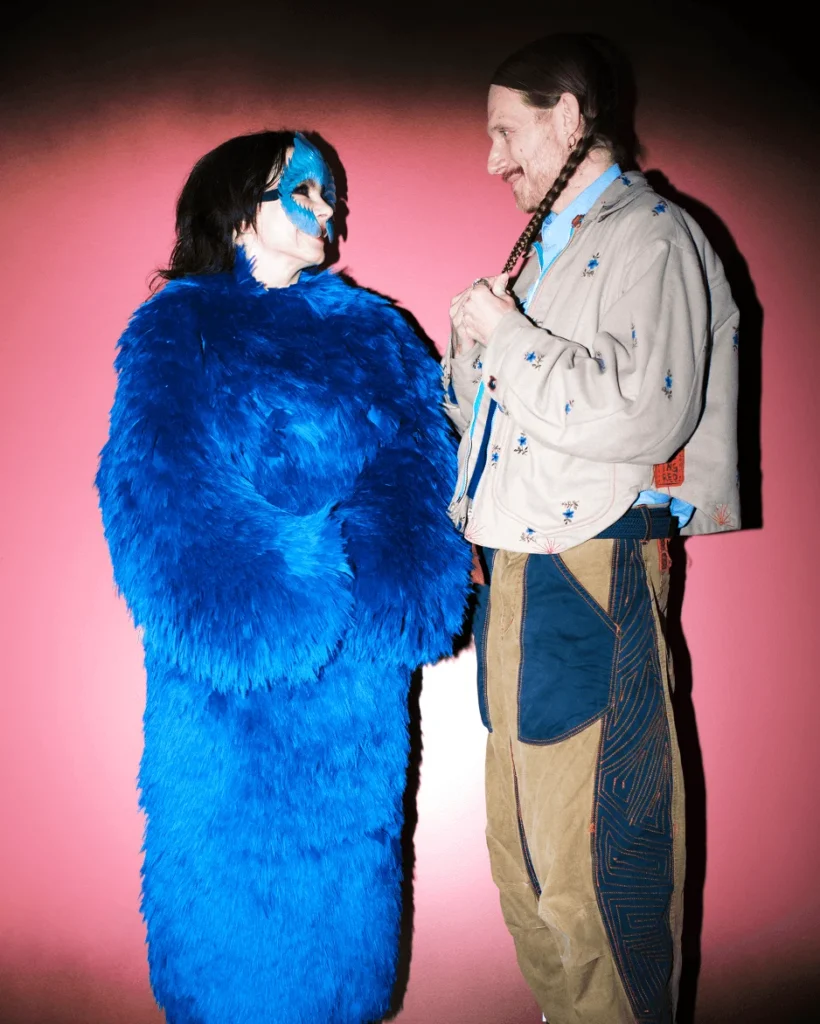
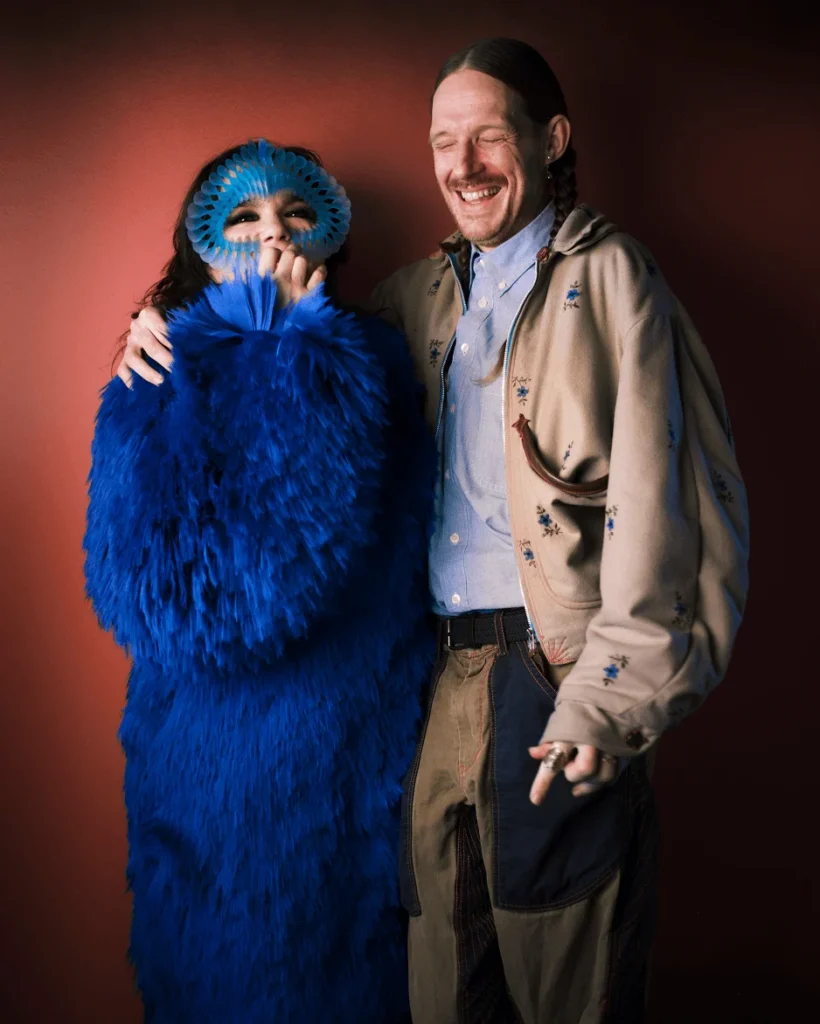
At the National Gallery of Iceland in Reykjavík, that expansive world takes physical form with echolalia, a major exhibition running from May 31 to September 20, 2026. The show presents three songs on a theatrical museum scale for the first time, bringing together sound, film, ritual, movement, and the emotional geography that has shaped Björk’s work for decades.
At the heart of the exhibition are two works composed in honour of Björk’s mother: Ancestress and Sorrowful Soil. Both are elegies, but not in any static or sentimental sense. They seem to treat mourning as something active, ancient, and bodily. Ancestress unfolds in a remote Icelandic valley as a ritual procession of musicians and dancers, circling around ancestry, loss, and the strange continuity of life after death.
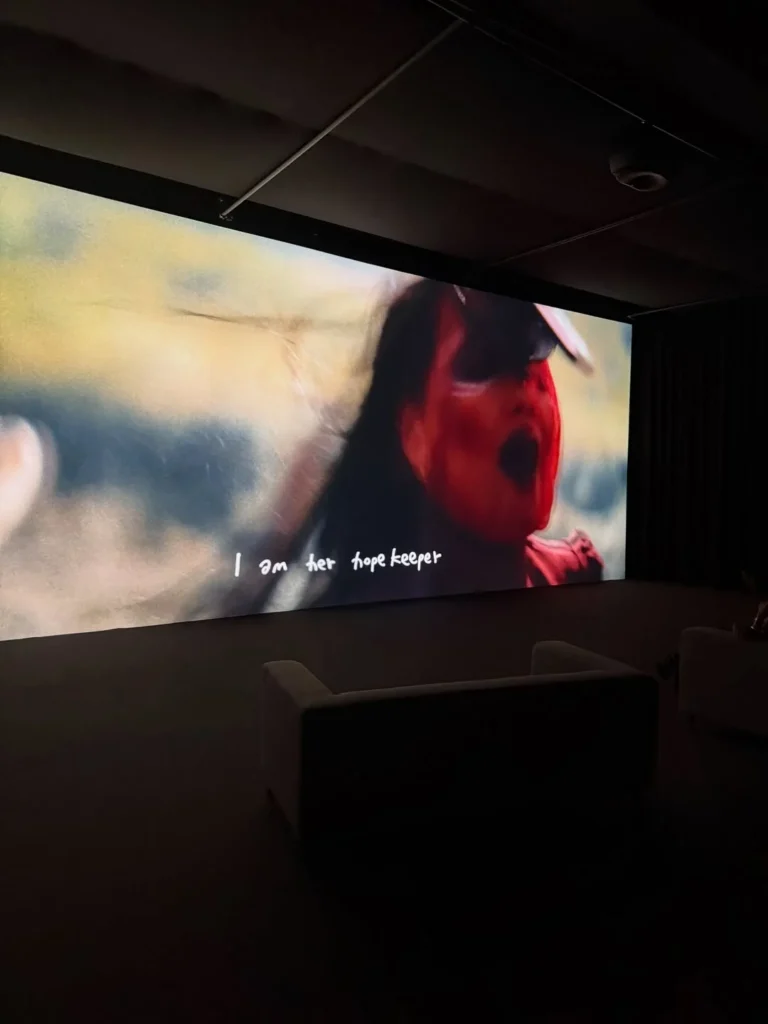
Sorrowful Soil, meanwhile, becomes a choral environment. Structured as a nine-part requiem, the work uses 30 speakers, each carrying an individual voice from the Hamrahlíð Choir, conducted by Þorgerður Ingólfsdóttir. Instead of presenting grief as one unified voice, Björk breaks it open into many voices, many bodies, many strands of breath moving through the room.
The exhibition also includes a new work derived from Björk’s forthcoming album, placing the show between memory and arrival: one part mourning, one part future signal. That tension feels deeply Björk. Her work has always looked backwards and forwards at once, folding the archaic into the technological, the maternal into the planetary, the private into something almost cosmic.
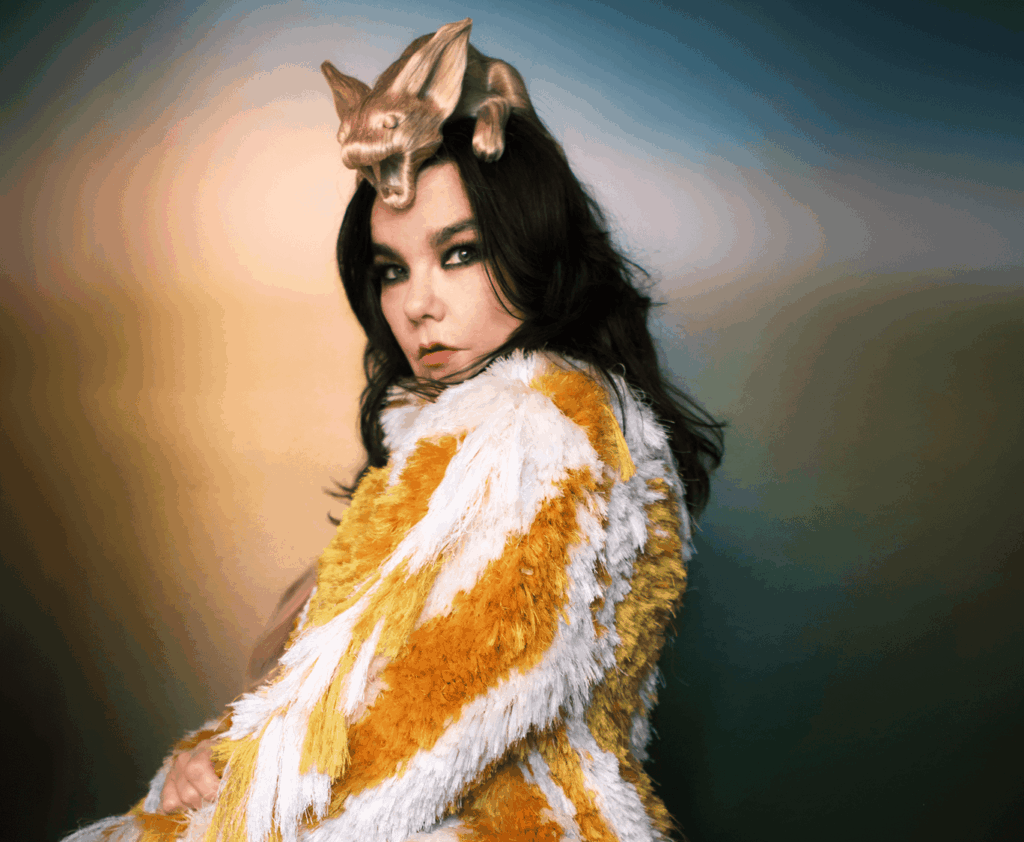
Alongside echolalia, the museum presents Metamorphlings, an exhibition by James Merry, Björk’s longtime collaborator, in Gallery 4. The pairing makes sense. Merry’s intricate, organic visual language has become part of Björk’s extended universe, where masks, embroidery, mutation, and fantasy help the human body become something stranger and more porous.
echolalia is on view at the National Gallery of Iceland, Reykjavík, from May 31 to September 20, 2026.