
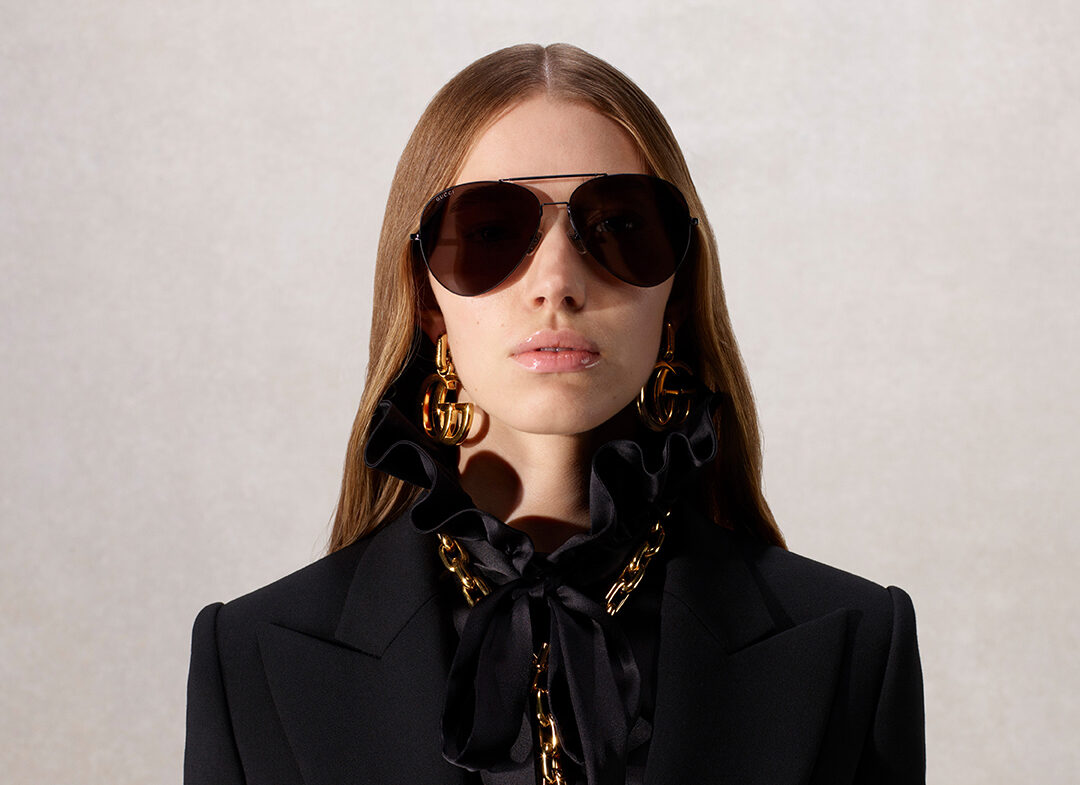
Gucci is still in transition — but under Demna, that state of becoming is starting to feel deliberate rather than uncertain. The Georgian designer continues to lay the foundations for a new chapter at the Italian house, one that resists spectacle in favour of structure, attitude, and cultural clarity.
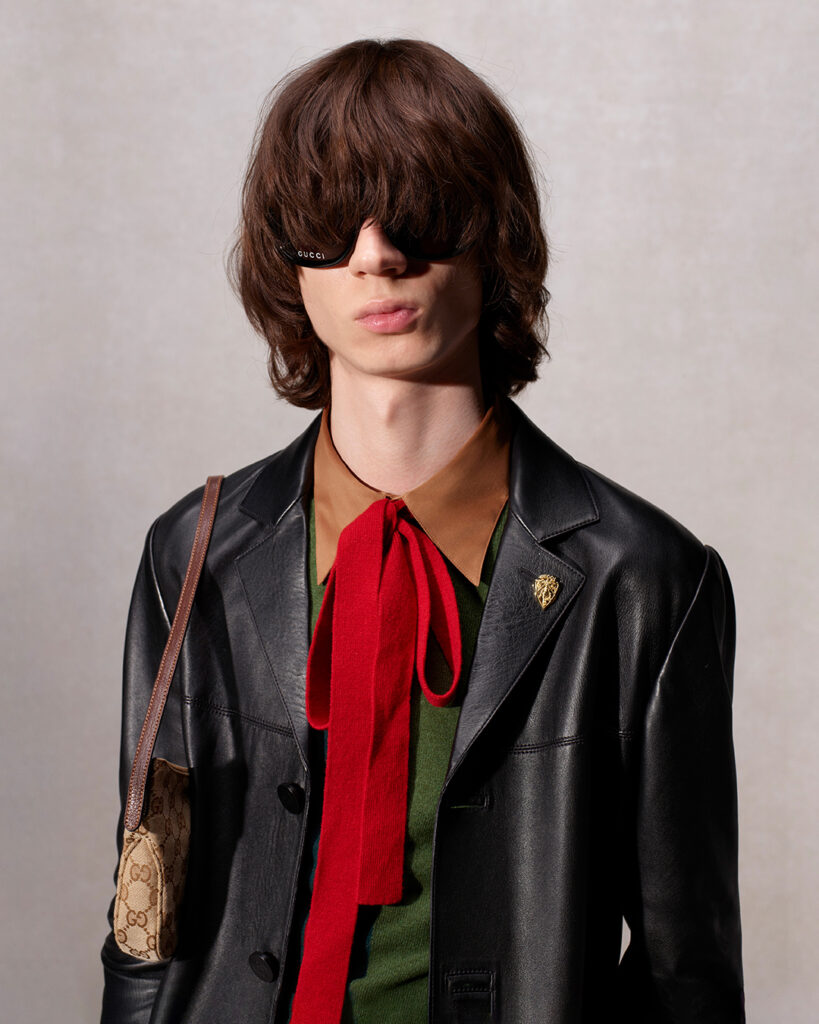
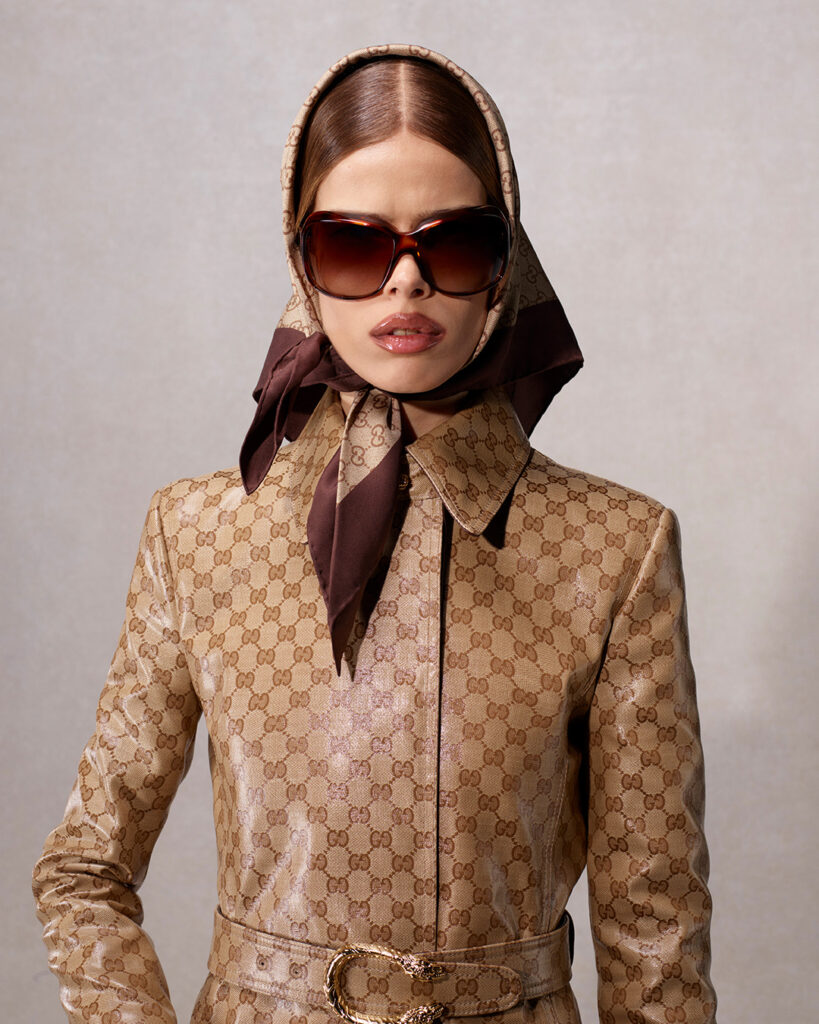
Rather than rushing to impose a fully formed aesthetic, Demna’s approach so far has been about resetting the framework. The references are familiar — subversion, irony, street intelligence — but they’re filtered through Gucci’s own codes rather than applied on top of them. Logos appear with restraint. Silhouettes feel intentional, sometimes severe. The clothes speak in a lower register, closer to reality than fantasy.
What’s emerging is a vision of Gucci that feels anchored in the present, not nostalgic for past eras nor desperate to chase the future. Demna’s work prioritises context over decoration, allowing garments to exist as cultural objects shaped by how people actually live, move, and dress. There’s an emphasis on wearability without compromise — clothing that carries meaning without becoming costume.
This recalibration also signals a shift in how Gucci positions itself culturally. The house seems less interested in dominating the conversation through excess and more focused on regaining authority through precision. Demna doesn’t overwrite Gucci’s identity; he compresses it, strips it back, and rebuilds it with tension intact.
Crucially, this phase isn’t about immediate gratification. It’s about establishing a long-term language, one that can evolve without collapsing under its own symbolism. The gestures are subtle, but the intent is clear: Gucci is being repositioned as a house that understands the moment it exists in socially, politically, aesthetically.
Demna’s Gucci isn’t loud yet. And that’s the point. What we’re witnessing isn’t a debut, but a groundwork, the slow construction of a new balance between heritage and disruption. The noise can come later.

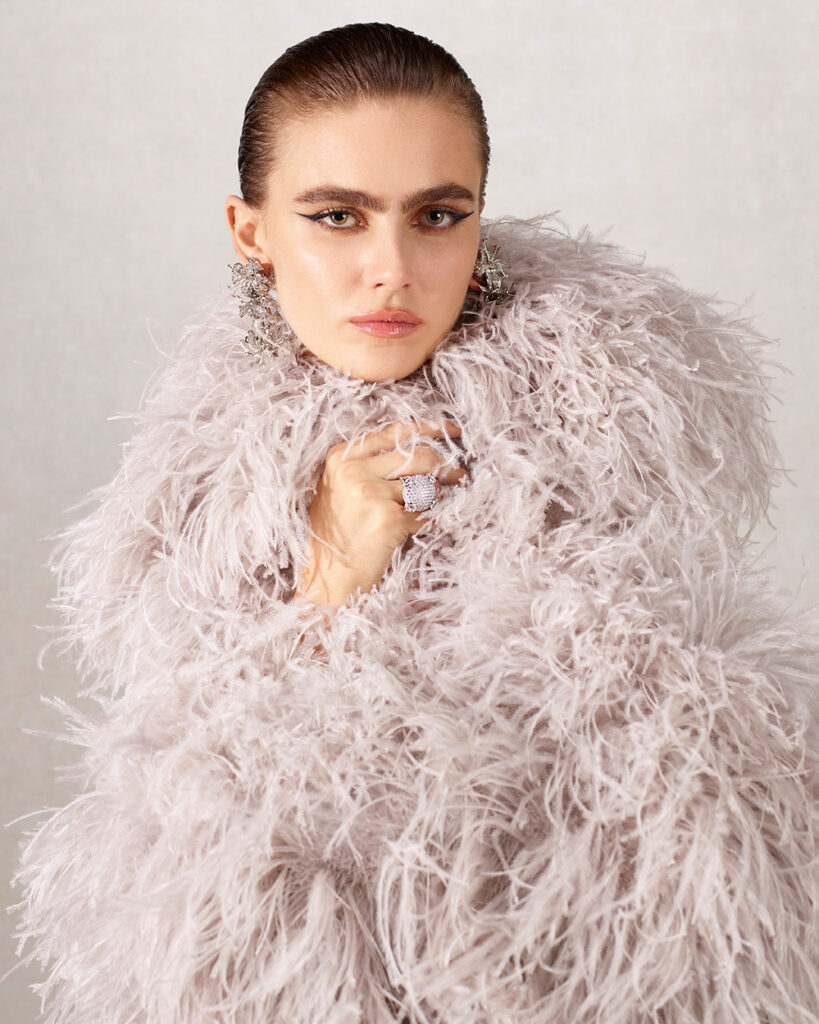
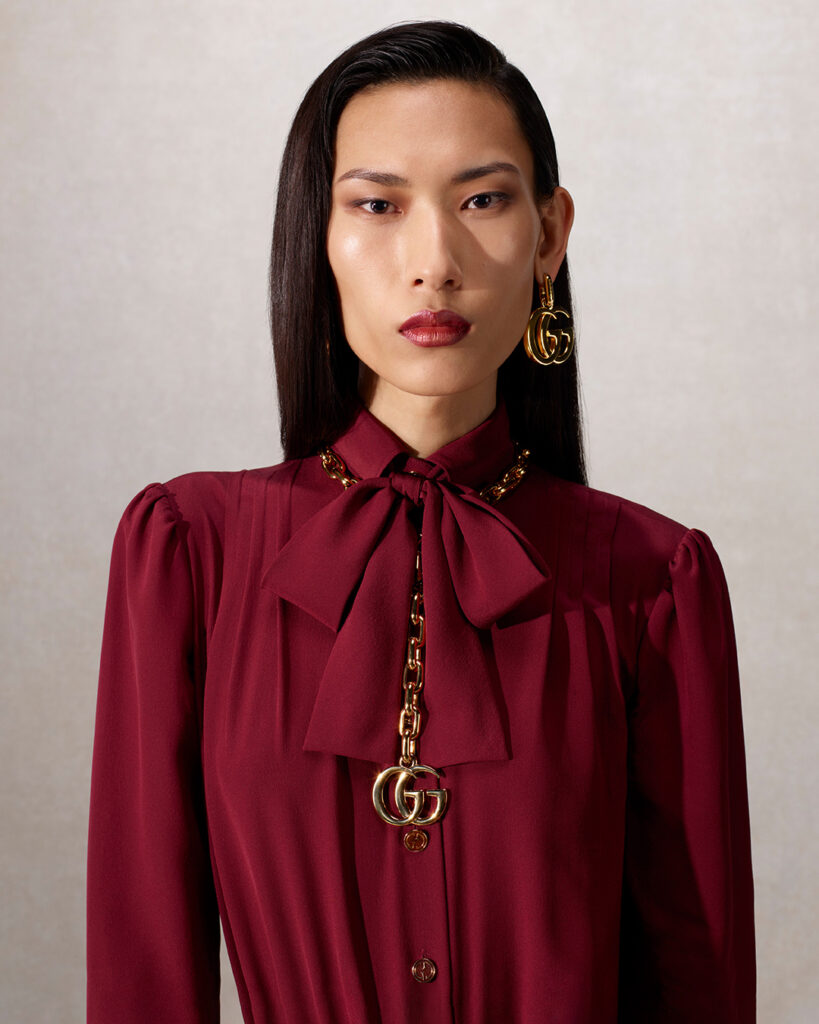
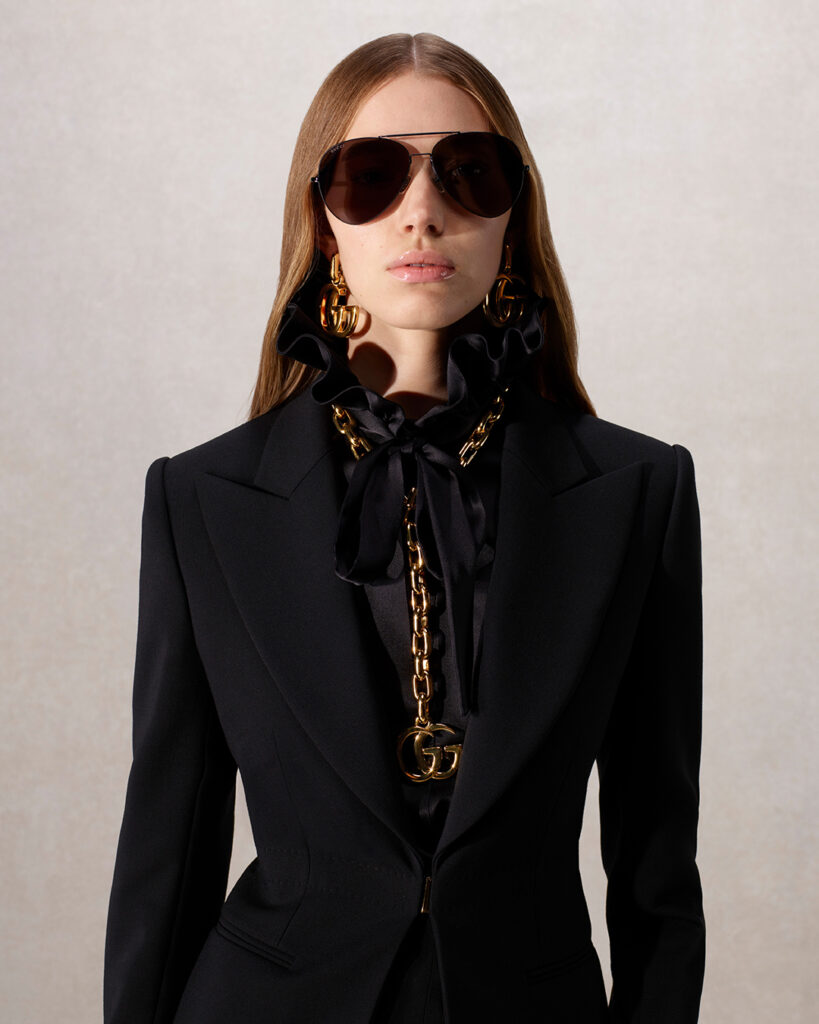


Photos: Gucci