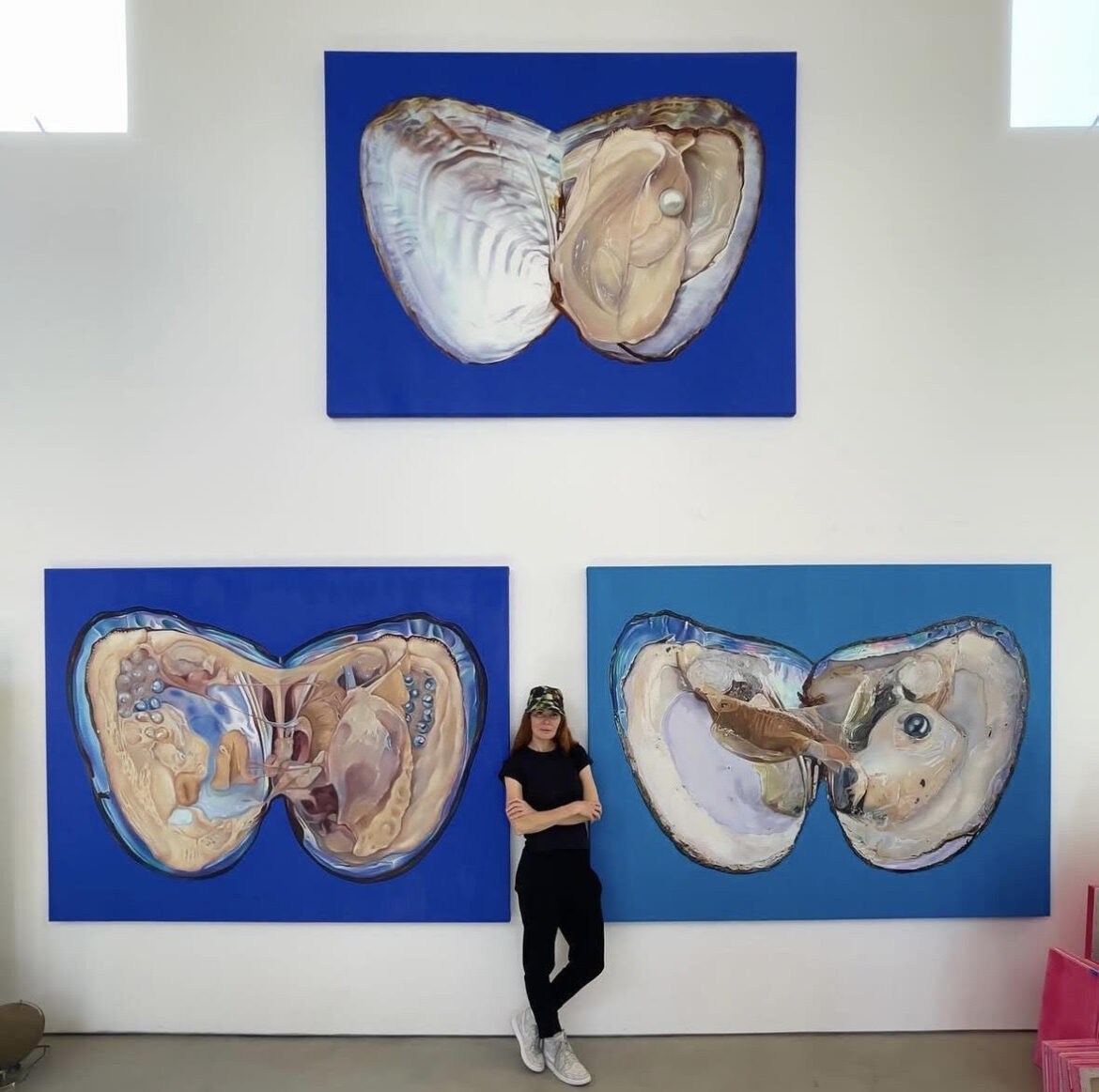
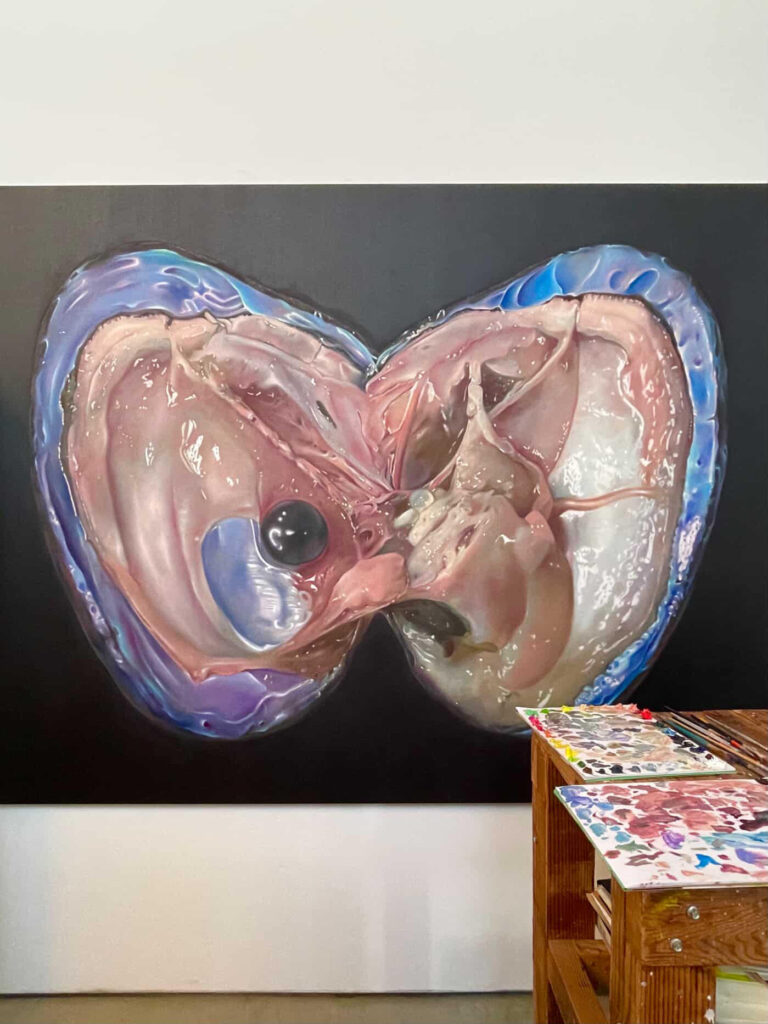
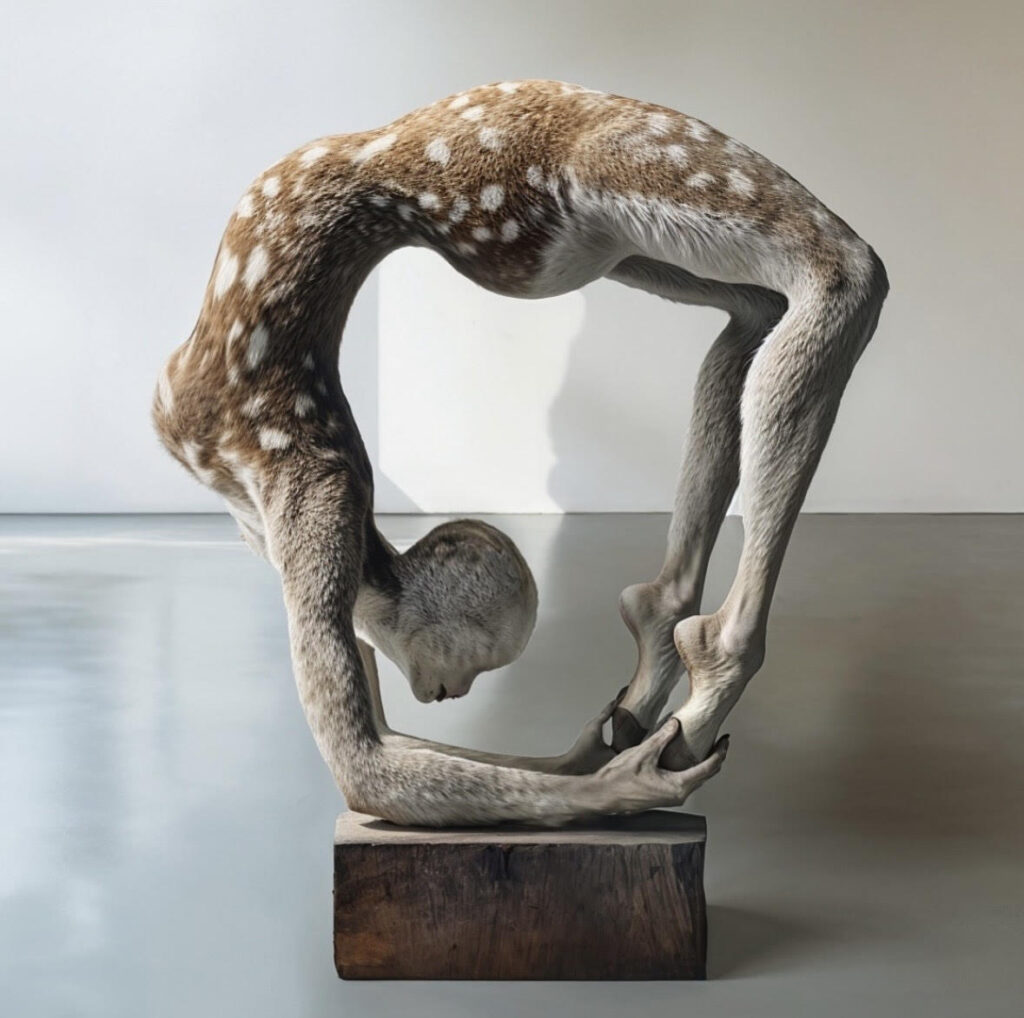
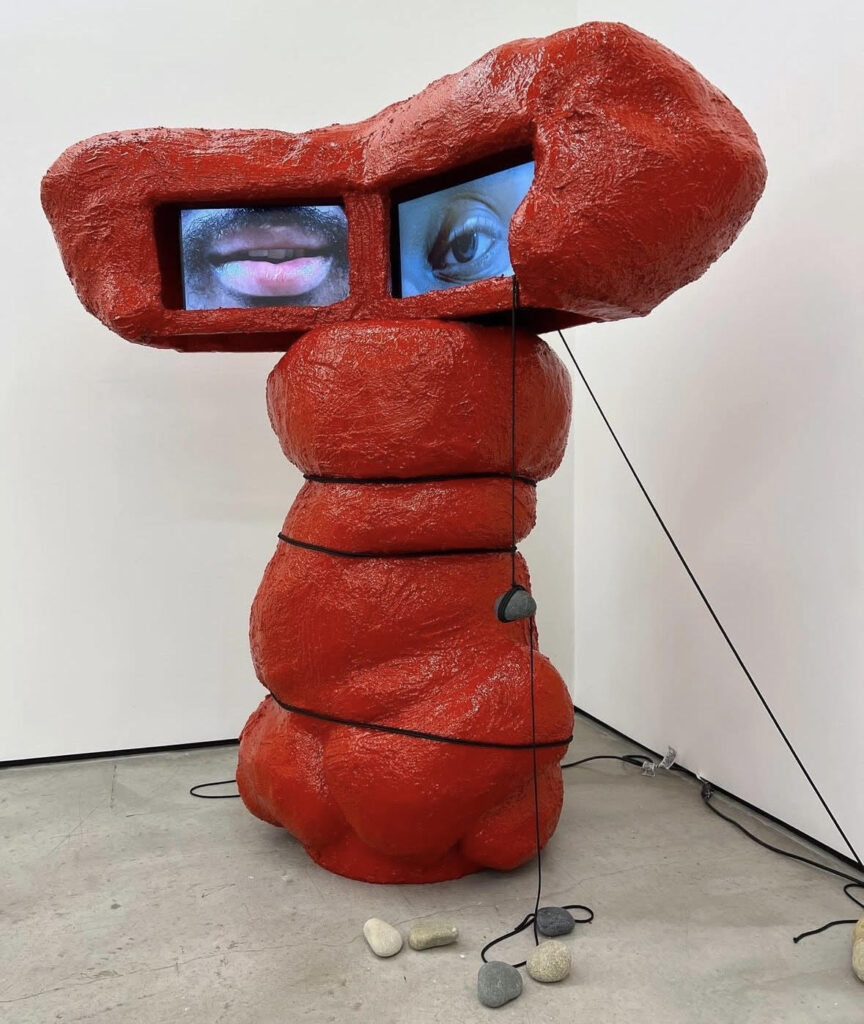
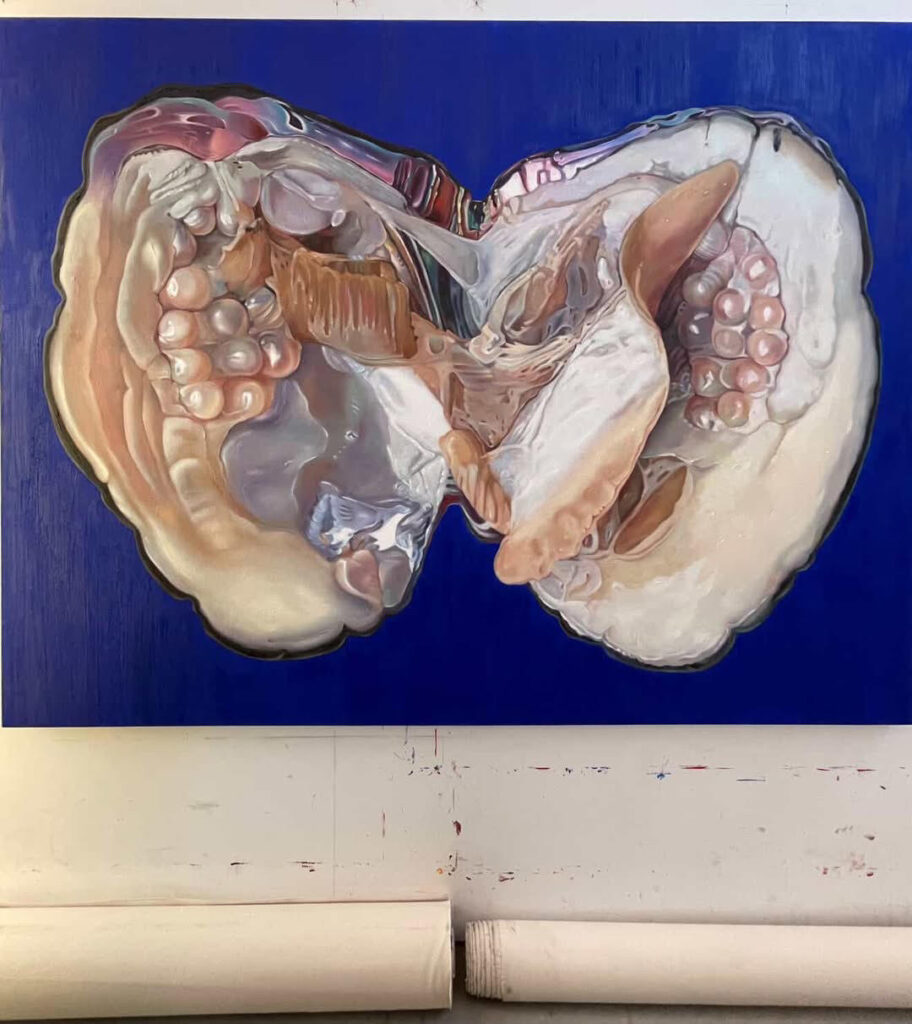
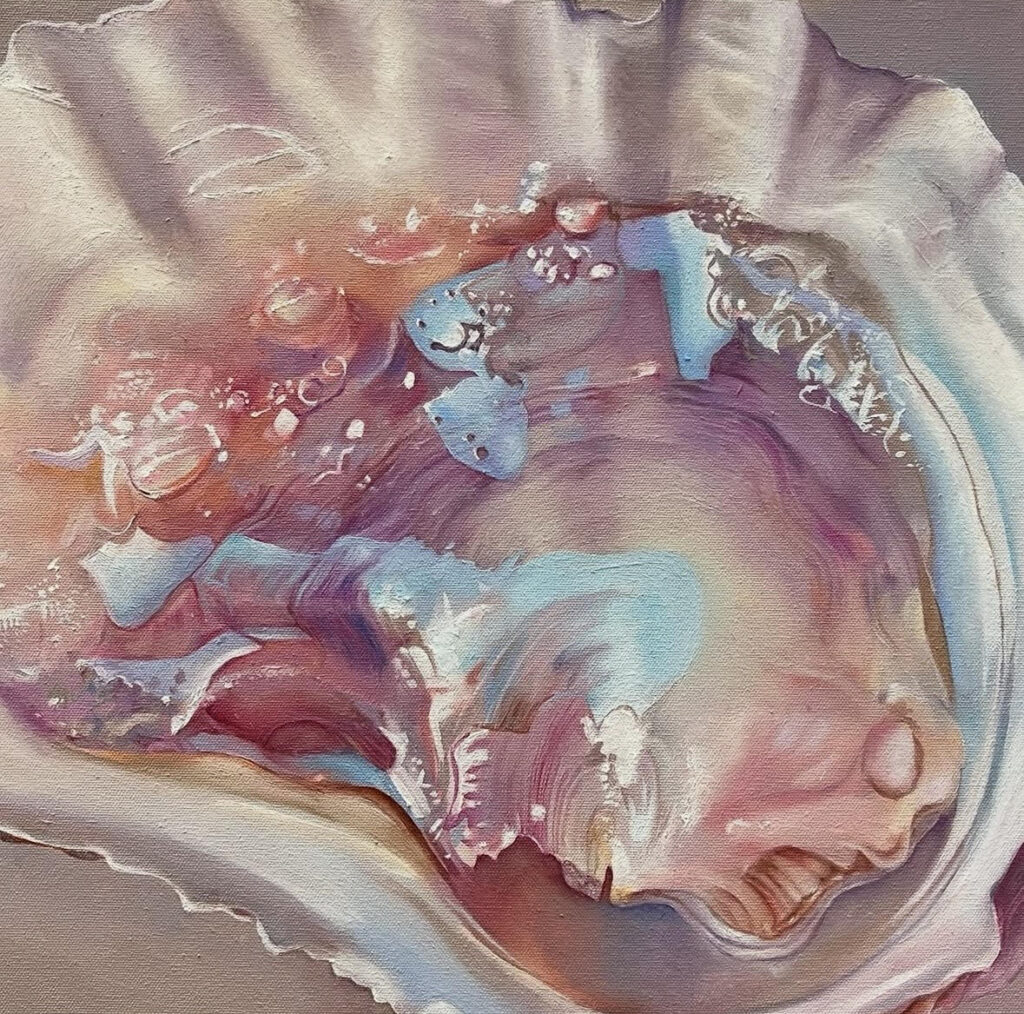
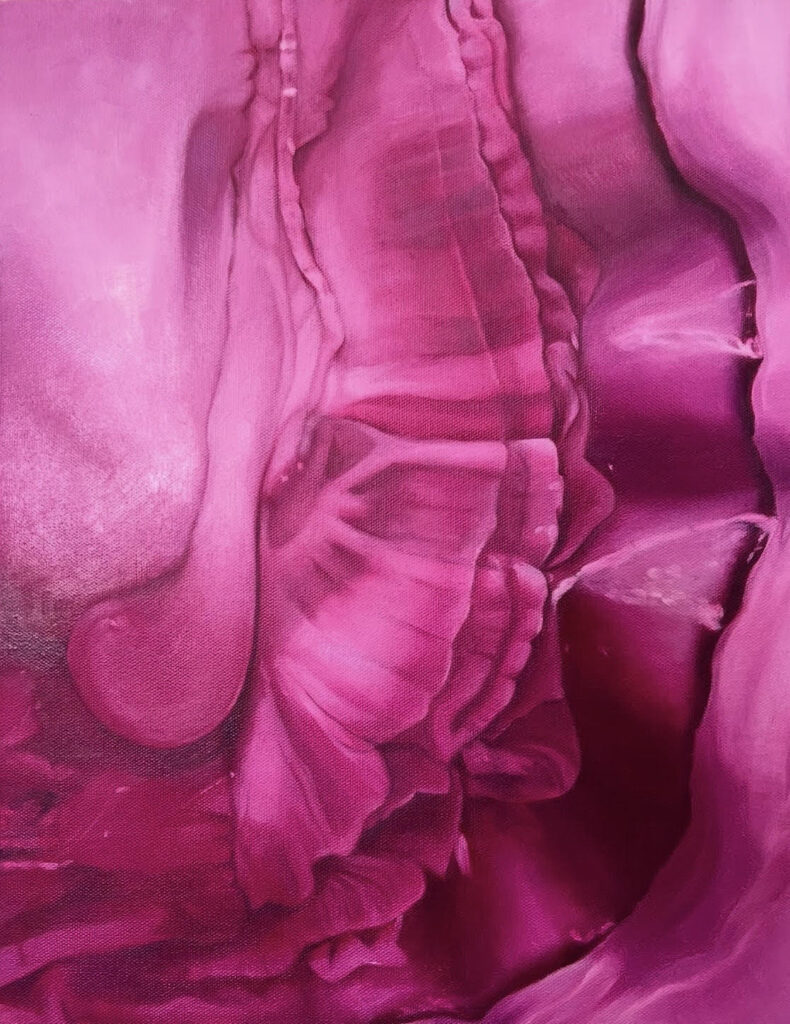
Fawn Rogers is an American multimedia artist whose multidisciplinary works explore power dynamics between human nature and the environment. Merging realism with conceptualism, her practice often highlights the tension between extinction and eroticism, a symbolic interplay of decadence and sustainability in contemporary society. Known for her large-scale oyster paintings exploring dualities such as beauty and violence, nature and industry, Rogers invites reflection on humanity’s complex relationship with the unbuilt world.
Hi Fawn! It’s a pleasure to sit down with you! First question that I always ask. How does a regular day look like for you in Los Angeles?
Fawn: A regular day looks messy and layered. I move between studio work, writing, logistics, legal or administrative realities, and long stretches of thinking. I try to protect time for the body and for silence, but the day is rarely clean or linear.
I’m curious, growing, what kind of kid were you? What did you enjoy doing, and how did you spend your time?
Fawn: As a kid I was observant, solitary, and physically curious. I spent a lot of time outside, collecting things, touching surfaces, watching how people behaved. I liked animals more than rules and was very aware of power in many forms even early on.
So when did your creative side start to show, and when did you start taking being an artist seriously?
Fawn: Playing with any materials available like dirt, shells, even paint showed up early, before I was five but I didn’t think of it as “art.” It was compulsion. I took it seriously once I realized it wasn’t going away and that it was how I processed fear, desire, and contradiction.
Ok Fawn, with these next series of questions, I will try to delve into your work as best as possible. So…. You’ve said our current geological era feels like a “giant crime scene” that we’re all personally involved in. How do you live with that sense of complicity — and how does it shape the urgency of your work?
Fawn: Living in what feels like a crime scene means accepting complicity without collapsing into paralysis. The urgency comes from refusing innocence. I don’t want distance from the damage; I want proximity to it.
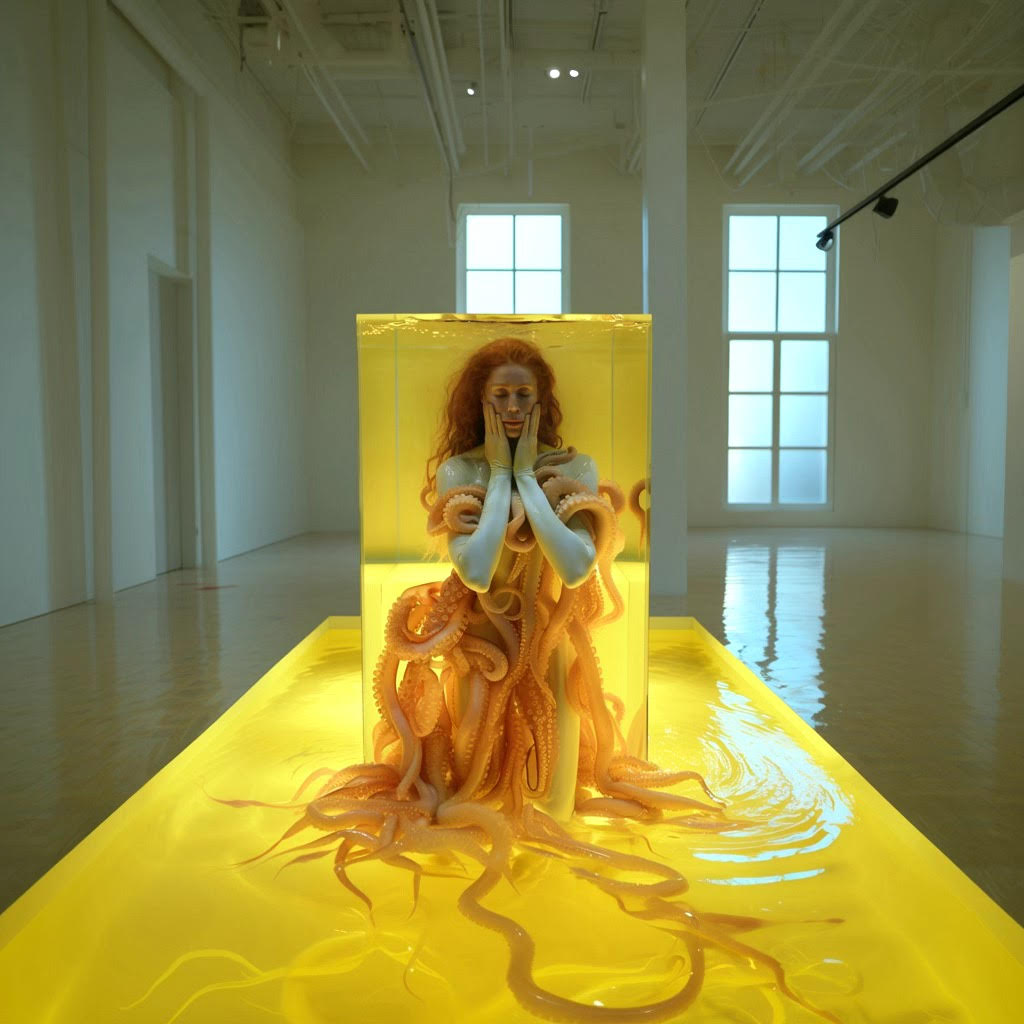
Do you think art has a responsibility to confront environmental collapse directly, or is its power more subtle — emotional, sensual, destabilizing?
Fawn: I don’t think art has a single responsibility. Direct confrontation can be powerful, but so can seduction. Sometimes destabilization works better than instruction.
You ask whether harmony has ever really existed. Tell me more about that pls, is that question driven by skepticism, grief, or hope?
Fawn: The question about harmony comes from skepticism and grief. I’m not convinced harmony ever existed as we imagine it. That myth often erases violence.
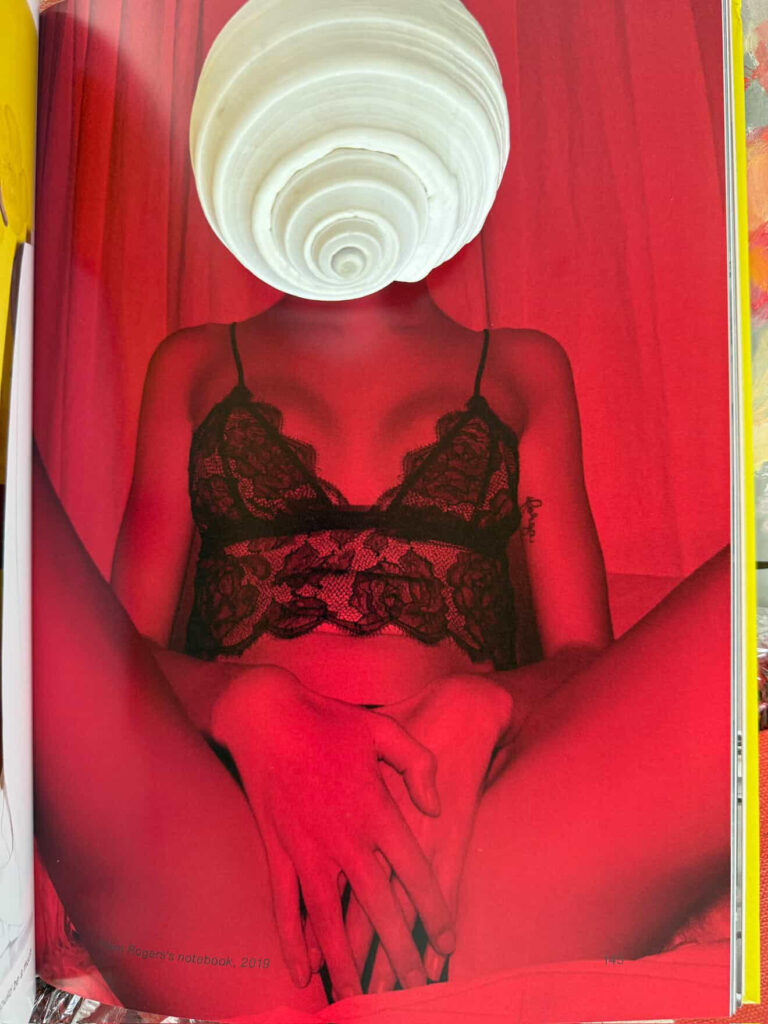
When you imagine harmony today, does it feel like something to recover, something to invent, or something to abandon altogether?
Fawn: If harmony exists now, it has to be invented under damaged conditions. Recovery feels dishonest. Abandonment feels too easy.
Your work often sits at the intersection of eroticism and extinction. Why do you think desire and destruction are so tightly entangled in our relationship with nature?
Fawn: Desire and destruction are entangled because extraction has always been eroticized. We touch what we consume. We ruin what we love. We destroy everything. We enjoy creating and destroying maybe equally. Creation and destruction feel equally charged, sometimes indistinguishable.
Do you see sensuality as a form of empathy, a way of paying attention, or as another kind of consumption?
Fawn: Sensuality can be empathy when it slows attention. It becomes consumption when it accelerates appetite. That line matters to me.
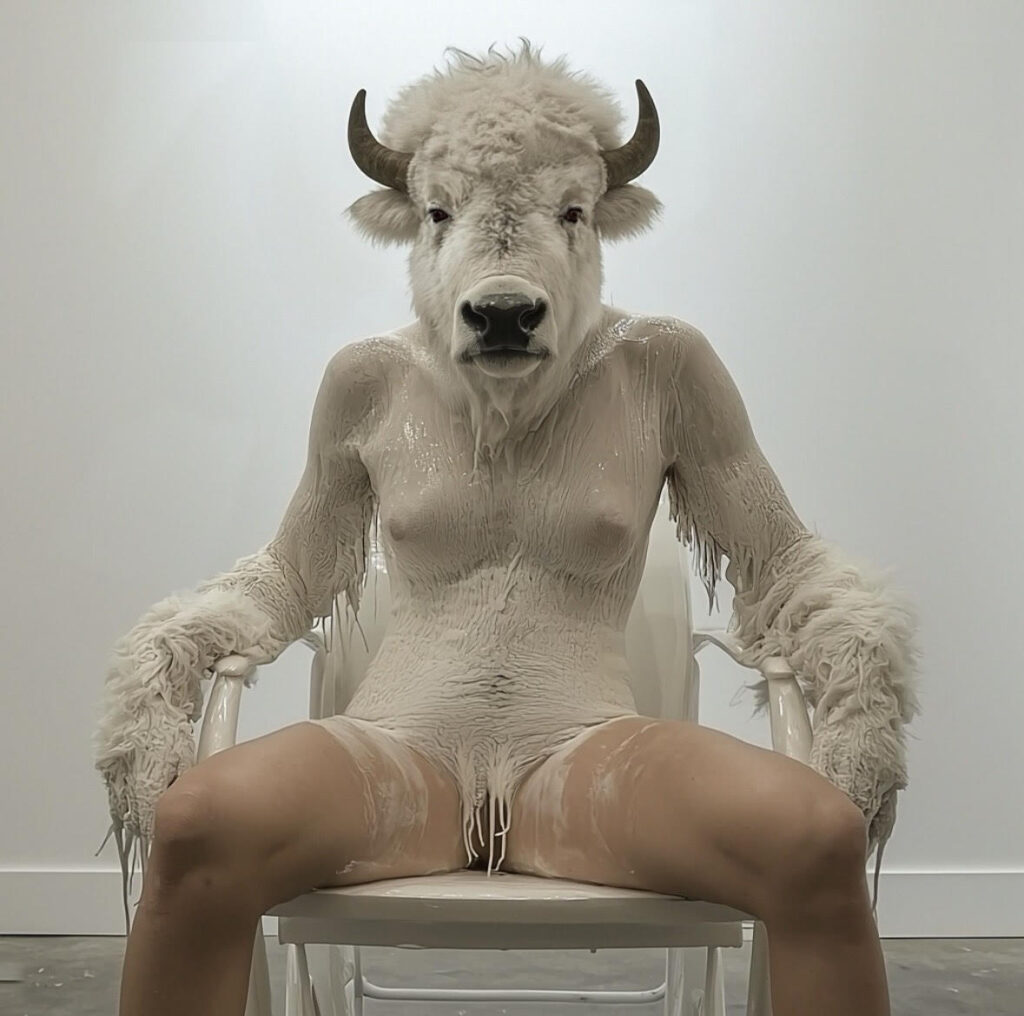
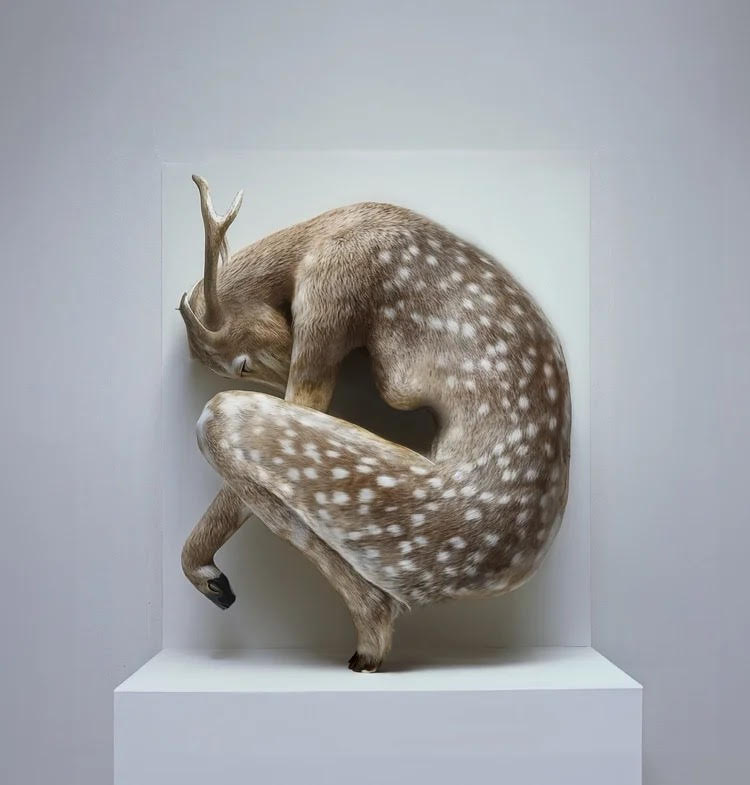
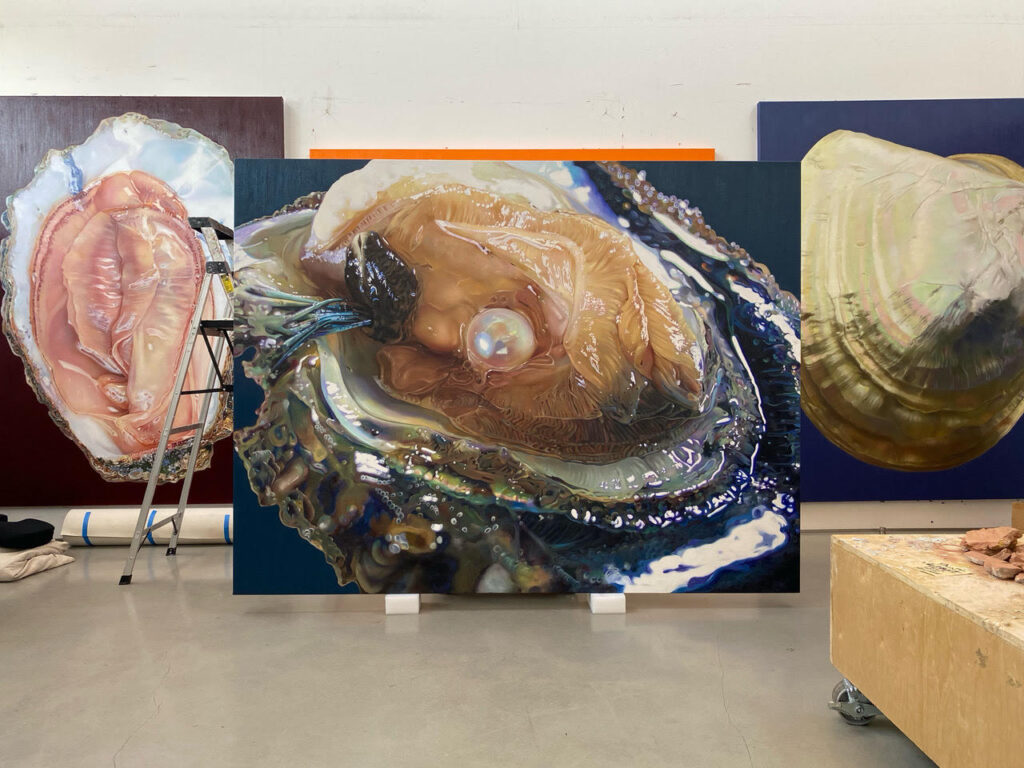
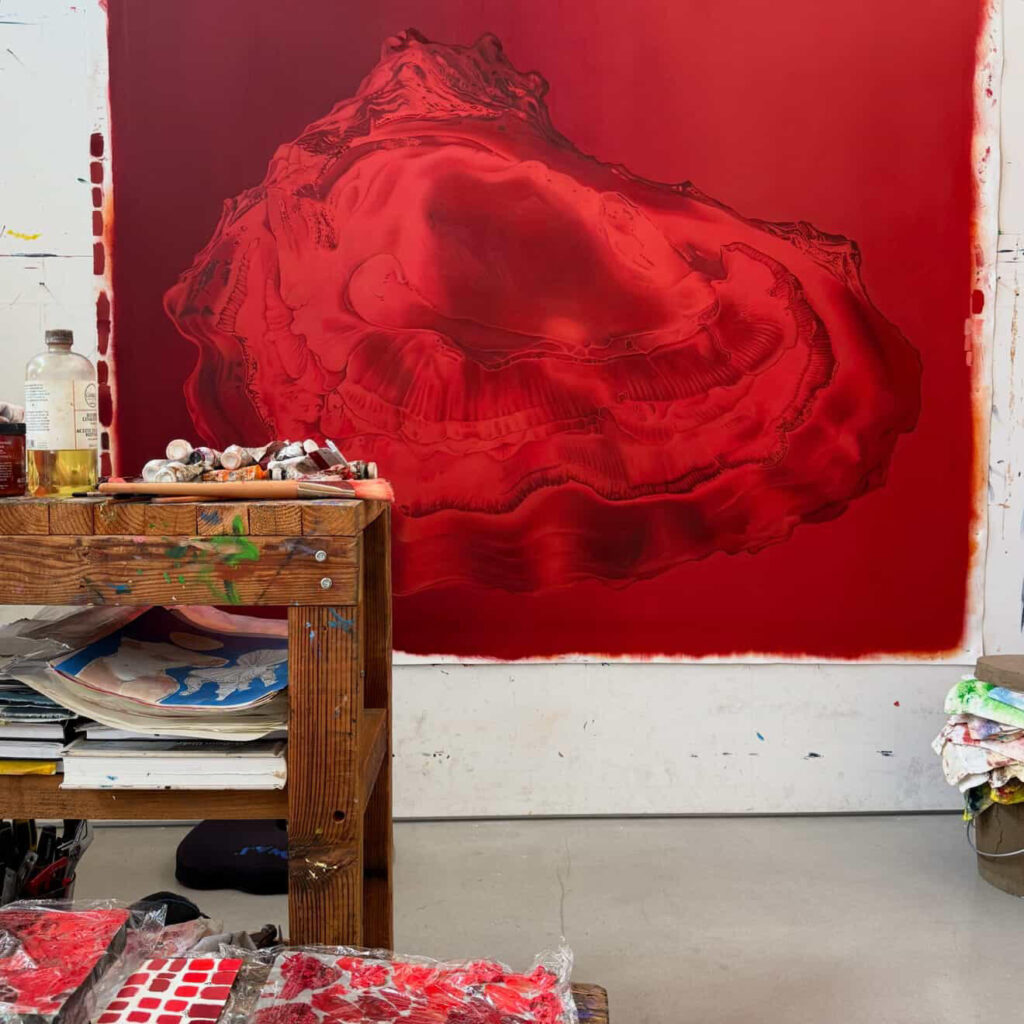
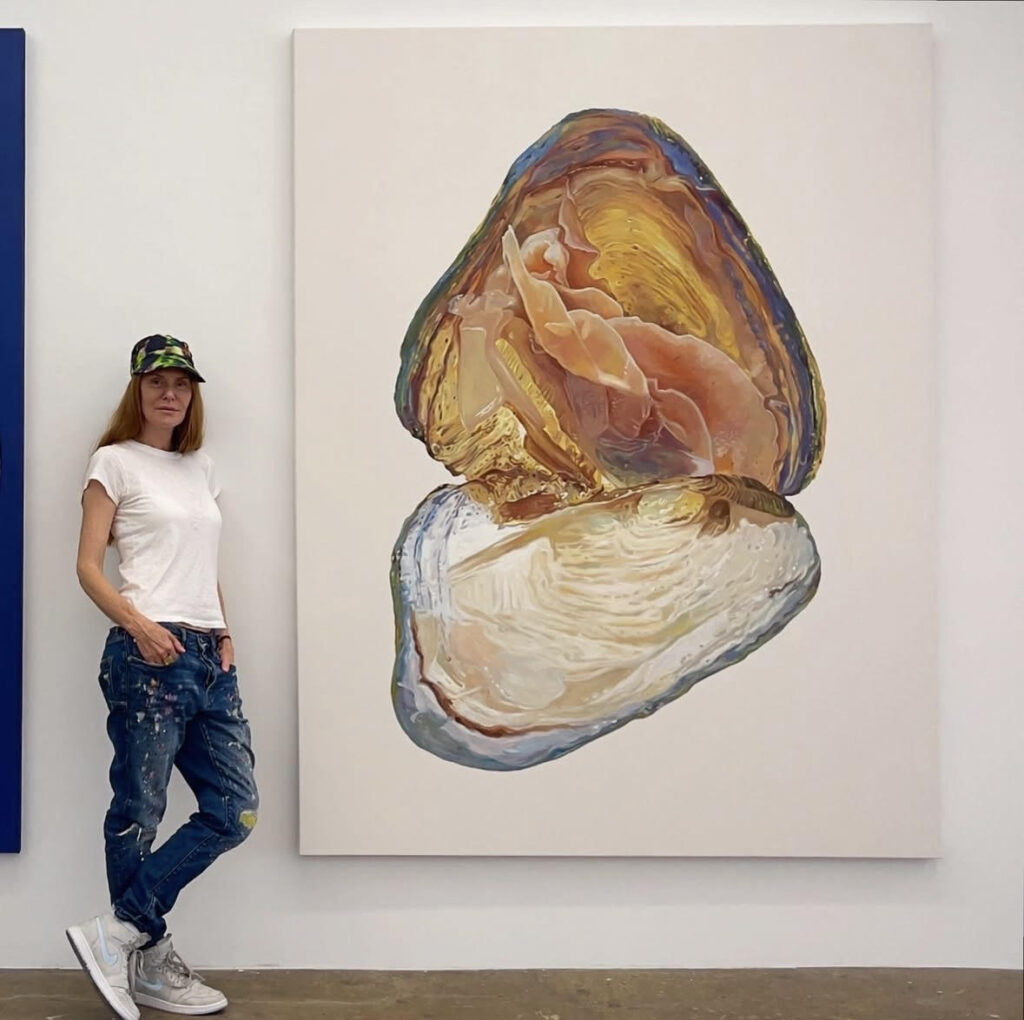
Oysters recur in your work as both beautiful and violent forms. What do they allow you to say that a more traditionally “beautiful” natural subject wouldn’t?
Fawn: Oysters let me speak about protection, injury, fragility, and sustainability without prettiness. They’re sexy, delicious and can also kill you while still innocent.
Oysters filter, protect, and survive under pressure. Do you see them as victims, witnesses, or collaborators within your visual language?
Fawn: I see oysters as witnesses and collaborators. They endure pressure and record it in their bodies.
Your practice explores power dynamics between humans and the natural world. Where do you locate yourself in that hierarchy, observer, participant, or perpetrator?
Fawn: In the hierarchy between humans and nature, I’m not outside it. I’m a participant and a perpetrator trying to stay conscious.
How do you negotiate the risk of aestheticizing ecological destruction while still insisting on beauty in the work?
Fawn: The risk of aestheticizing collapse is real. I insist on beauty because ugliness alone lets people look away. Beauty keeps them implicated.
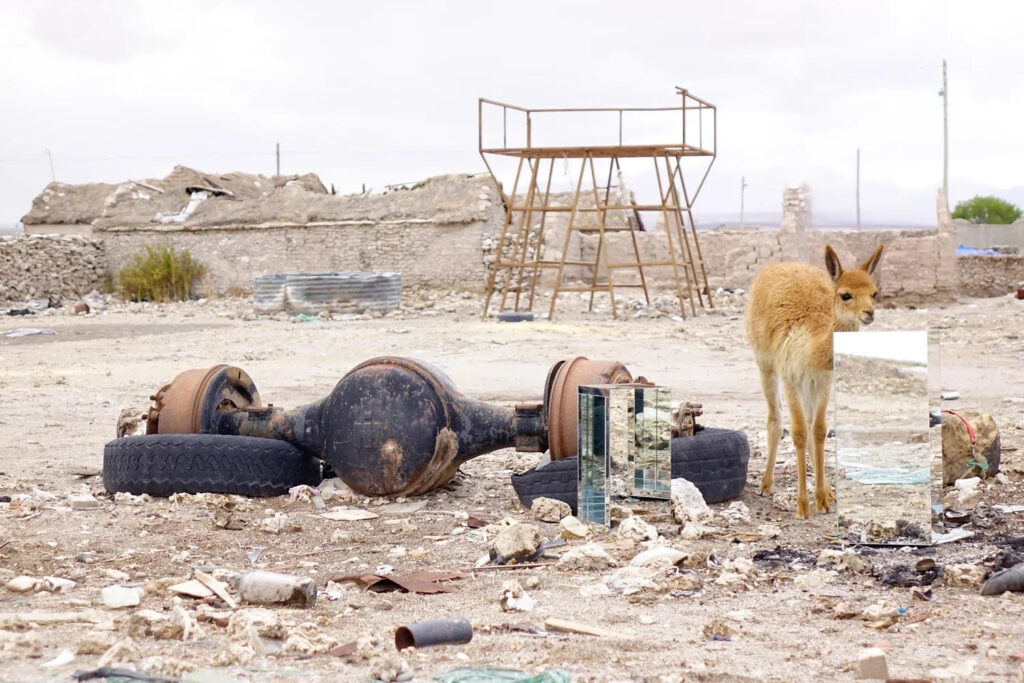
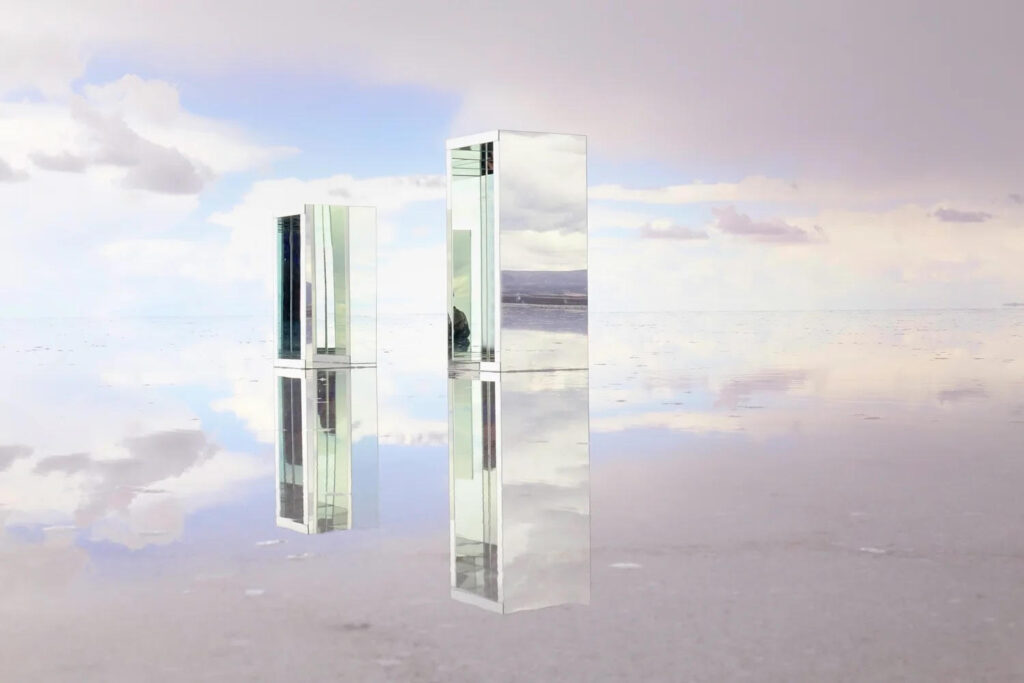
You’ve spoken about dismantling intrinsic value. What happens when we stop believing nature exists?
Fawn: When we dismantle intrinsic value, we lose moral comfort. Nature stops saving us by existing “out there.”
Does removing intrinsic value create freedom, or does it force us to confront something more unsettling?
Fawn: That loss can feel like freedom, but it mostly forces accountability. If nothing is sacred by default, then responsibility is unavoidable.
You’ve said you want to be present in a world that’s being destroyed. Can you elaborate on that pls? And what does presence look like when grief feels constant and abstract?
Fawn: Being present in a destroyed world means not disengaging/dissociating. Presence looks like staying with grief without turning it into spectacle.
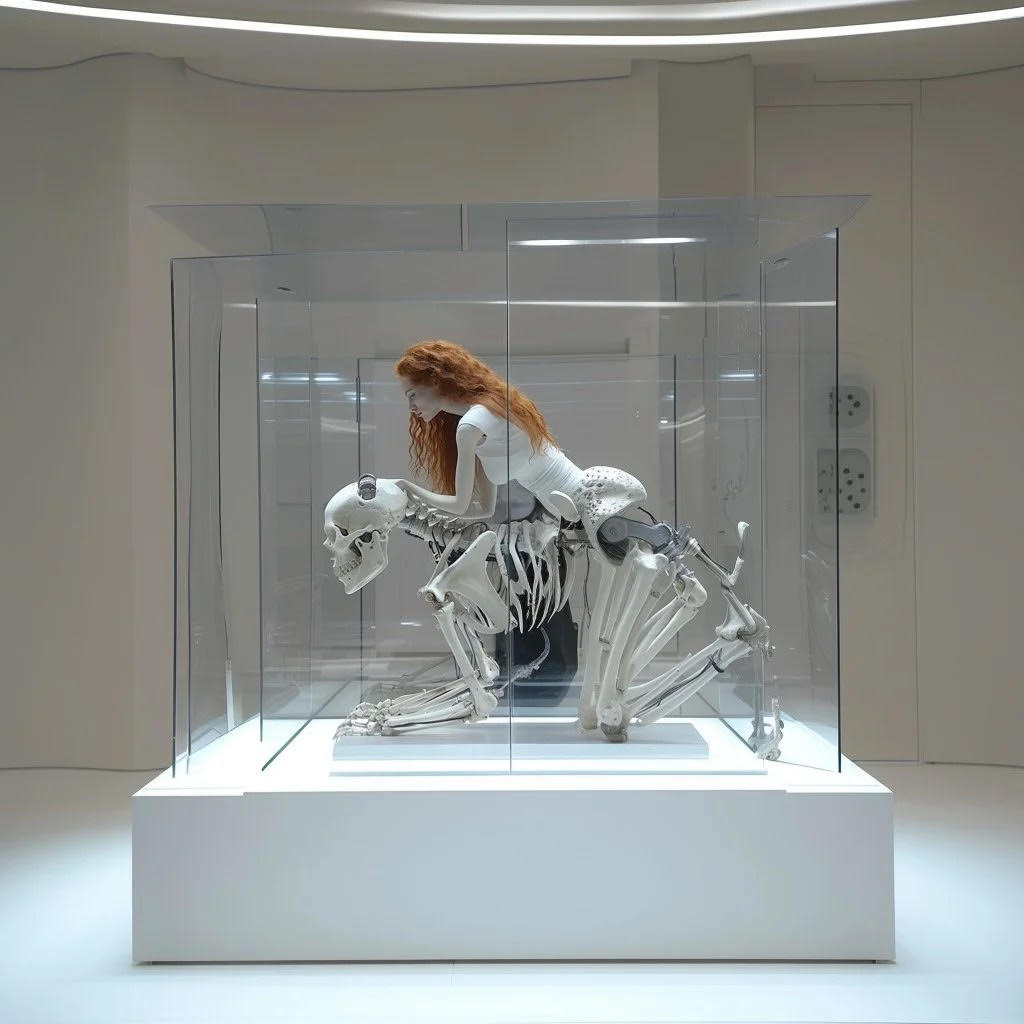
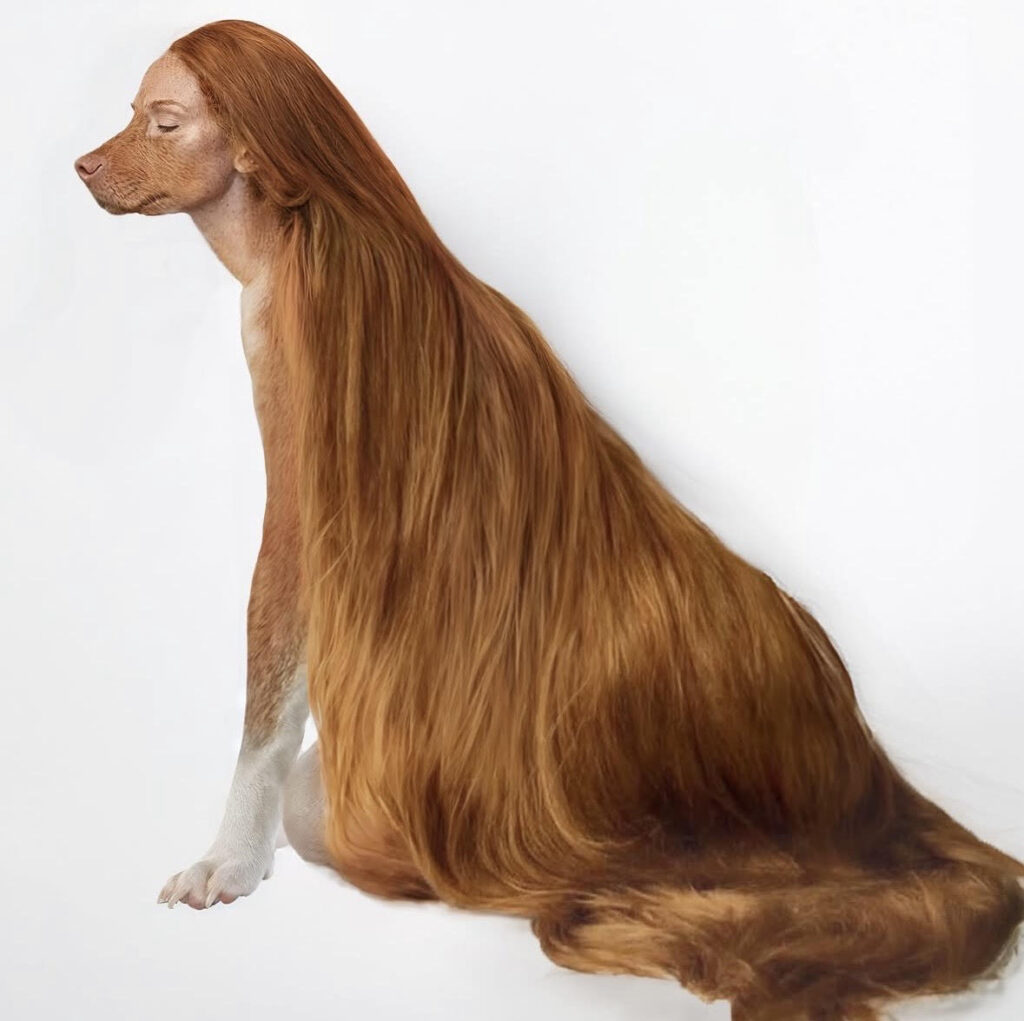
Do you think grief can be productive, or is it something your work tries to metabolize rather than resolve?
Fawn: Grief can be productive if it’s metabolized. I’m not trying to resolve it, just keep it moving through the work.
Can you walk me through your creative process from beginning to end result?
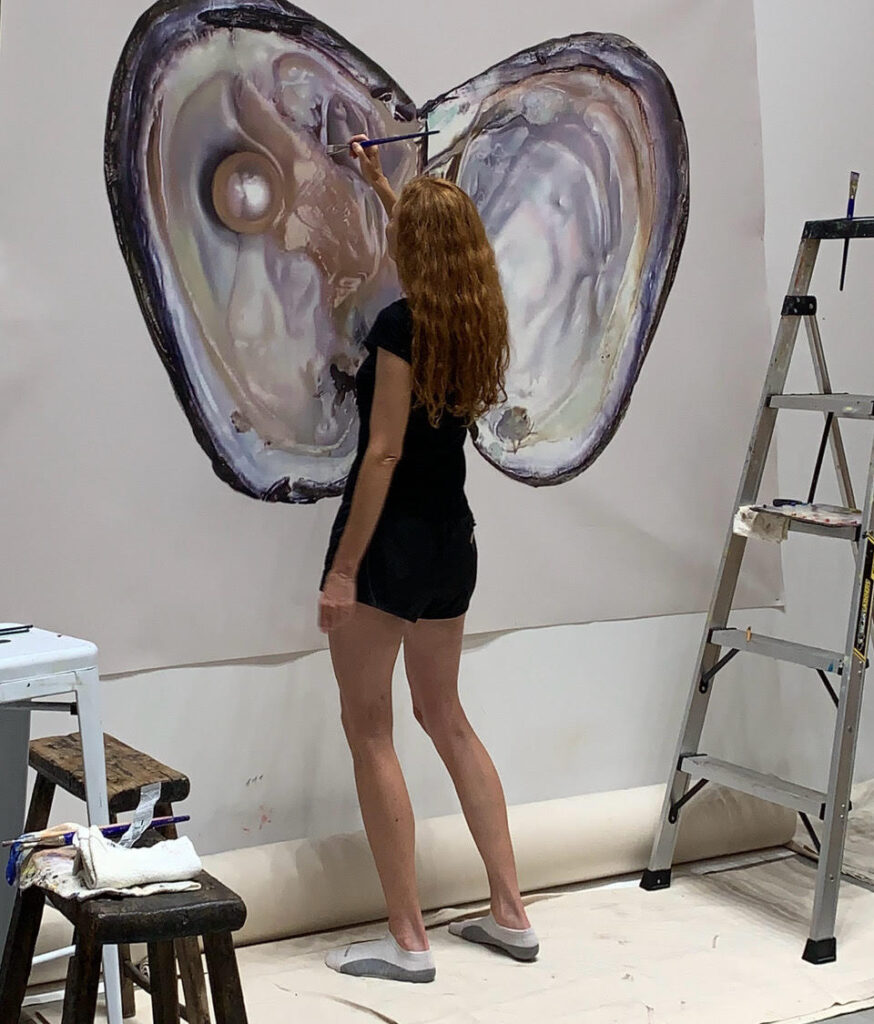
Fawn: My process starts with pressure, not ideas. Images arrive through repetition and failure. The work resolves slowly through making and undoing.
How do you approach color?
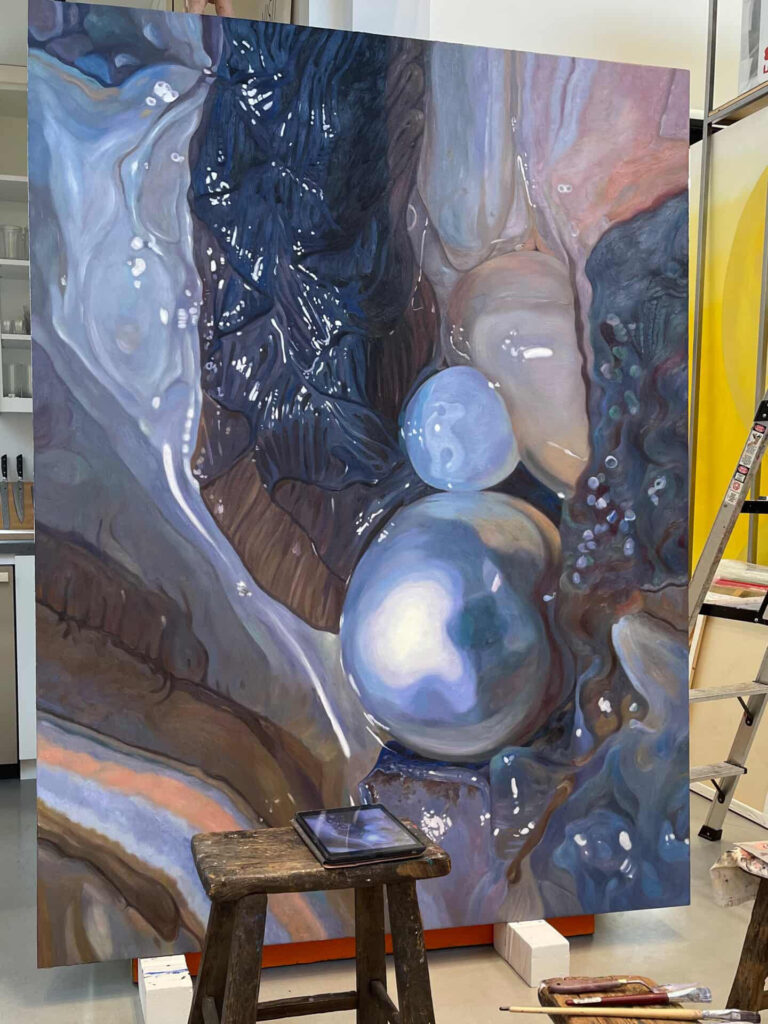
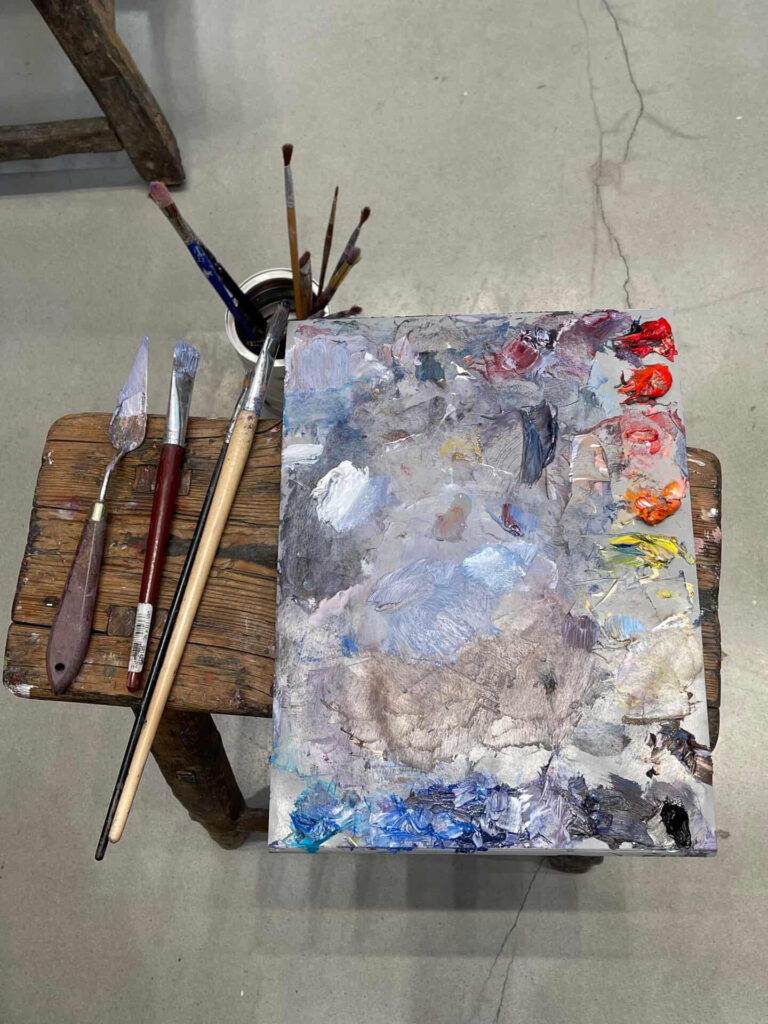
Fawn: Color is physical for me. It’s emotional temperature, not symbolism first.
Can you tell me about your use of symbolism?
Fawn: Symbolism emerges after the fact. I don’t illustrate concepts; I let forms accrue meaning through use.
So with what we just talked about, what are you hoping to convey?
Fawn: Ultimately I’m trying to convey responsibility without moralizing, and intimacy without innocence. A contact that acknowledges power, desire, and complicity.
Ok Fawn, now to something totally different. In a parallel universe who would you be? and what would you be doing?
Fawn: In a parallel universe I’d probably be doing something physical and skilled, like animal rehabilitation or pouring metal at a foundry, still close to bodies and risk or maybe just planting trees.
Outside of art, what’s something you’re obsessed with right now—maybe a hobby, a show, or even a food—that keeps you grounded or inspired?
Fawn: Outside of art I’m into equality software, architecture, places where I can feel scaled down to particles, and very simple food. I enjoy finding nails (construction fasteners), soil and light. Repetition grounds.
Can you tell me a story about a time when a connection with someone had a big impact on you?
Fawn: A meaningful connection usually involves someone being brutally honest in our conversations, that’s most fun, also seeing me clearly without trying to contain.
What qualities do you find most important in the people you choose to spend time with?
Fawn: I value honesty, endurance, humor, and the ability to tolerate discomfort. Above all I value the few people in the world that somehow manage to be harmonious.
Anybody you look up to?
Fawn: For a genuine answer I look up to kind people, my life goal to be kind, that’s hard. Along with people who stay graceful under pressure and don’t outsource their thinking.
What motivates you?
Fawn: What motivates me is staying awake. Complacency scares me more than failure. No mundane options.
How would you describe a perfect day?
Fawn: A perfect day has good water and air, sustained focus, physical exhaustion, and no performance.
Alright Fawn, I always ask these two questions at the end of an interview. The first is. What’s your favorite movie(s) and why?
Fawn: Favorite films lately are ones that hold beauty and violence together without explaining themselves. Walkabout (1971), Razors Edge (1984) and The Piano(1993) but also Poor Things (2024), The color of pomegranates (1969), Burden of Dreams (1982), Diva (1981), anything by Alejandro Jodorowsky and A Clockwork Orange just the first few of hundreds that come to mind..
The second is. What song(s) are you currently listening to the most right now?
Fawn: Lately I’m listening to sparse, repetitive music. Things that don’t resolve quickly, if you really want a specific song I’ll give you Sex by The Necks 56 minutes