
Share this
The future is often imagined as faster, harder, more technological, more human. Tomás Saraceno is asking a different question: what if the future depends on becoming less human-centred, more porous, and more attentive to the lives we usually ignore?
With Ancestral Futures, opening at Haus der Kunst in Munich, the Argentina-born, Berlin-based artist turns the museum into a living field of air, webs, water, salt, light, and interspecies attention. Running from July 17, 2026 to February 7, 2027, the exhibition is Saraceno’s largest presentation in Germany to date, bringing together two of his long-term research projects: Aerocene and Arachnophilia.
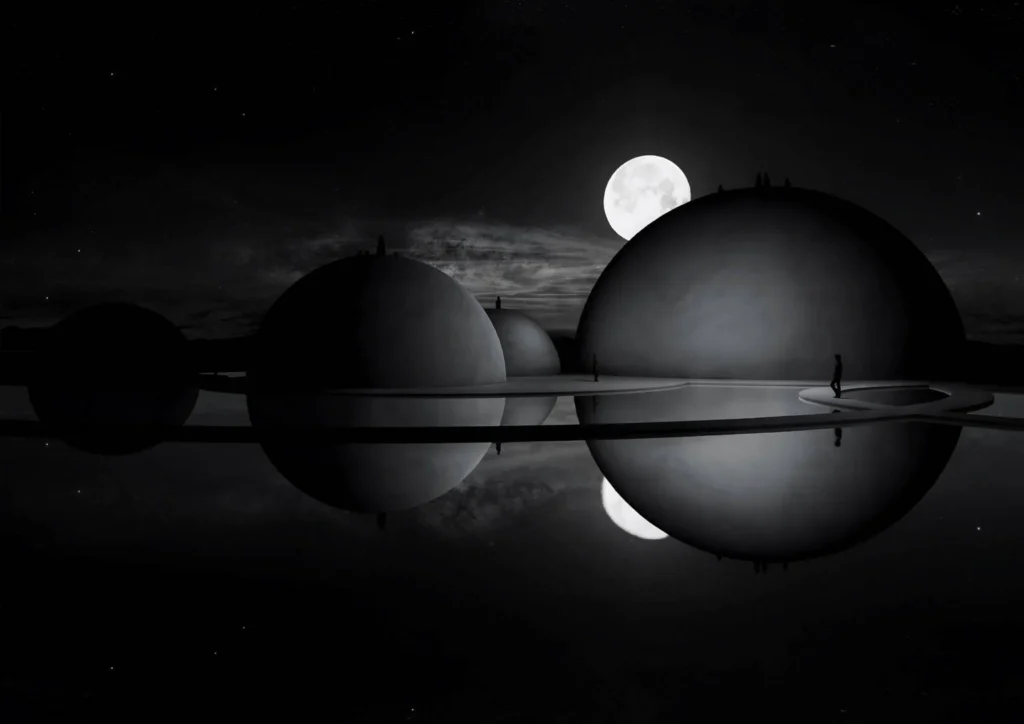
Saraceno has spent years working at the edges of art, architecture, science, ecology, and activism. His practice asks how humans might live differently if they stopped treating the planet as a resource and began sensing it as a shared web of relations. In Ancestral Futures, that question becomes physical. The museum is not simply filled with artworks. It becomes a space for learning how to breathe, listen, drift, and coexist differently.
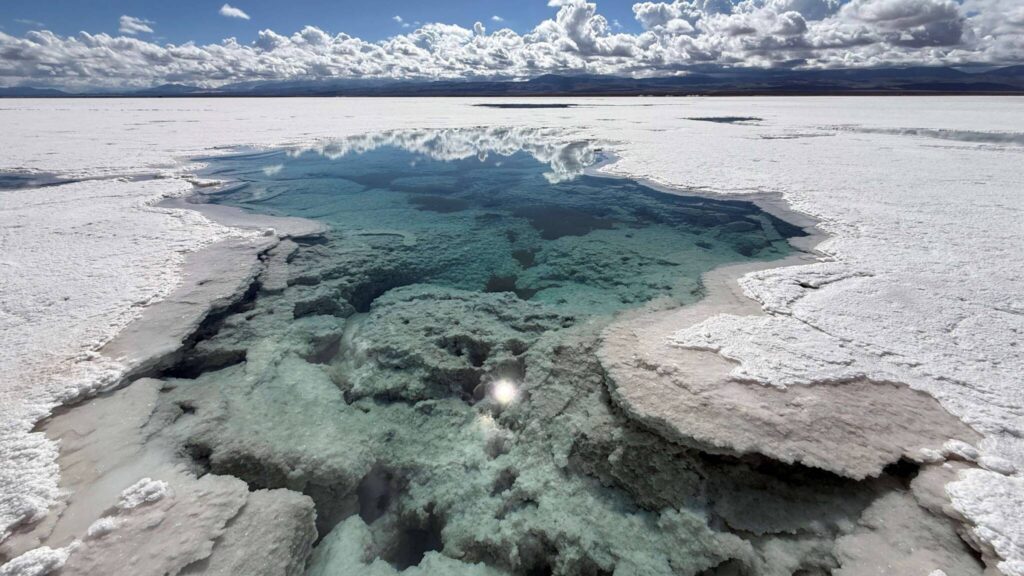
The exhibition brings together air-fuelled sculptures, multispecies habitats, and spatial environments that invite visitors to slow down and notice the systems holding life together. In Saraceno’s world, air is not empty. A spider’s web is not background. Salt flats are not extraction zones. These are living infrastructures, charged with memory, intelligence, and political consequence.

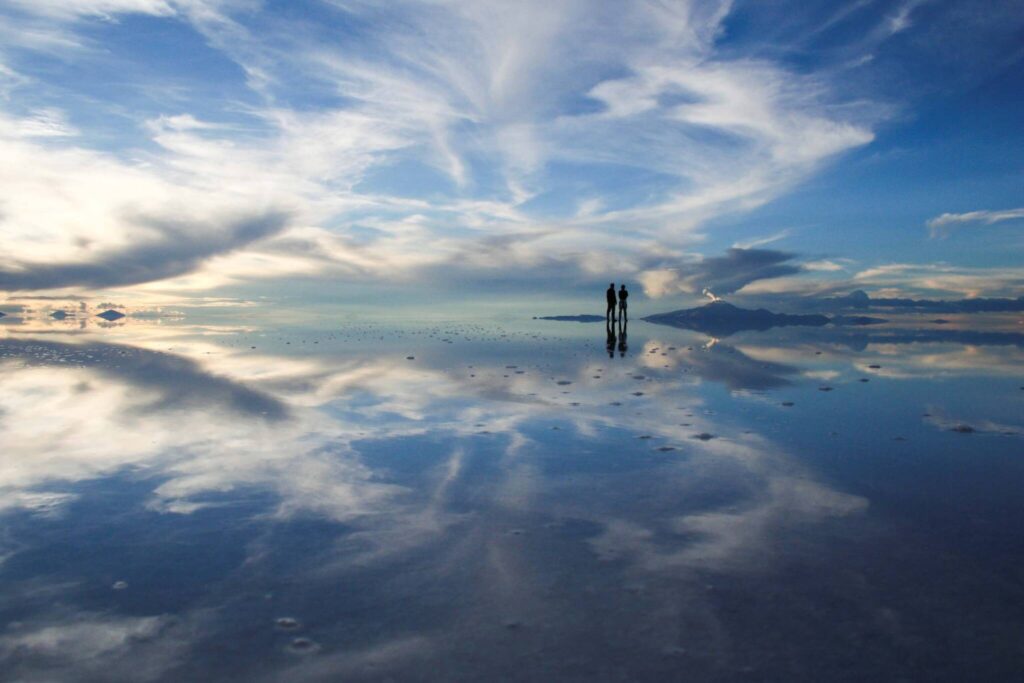
A major part of the exhibition is a new co-commission developed with Indigenous communities of Red Atacama and Las Salinas Grandes in northern Argentina. That collaboration places the show inside a wider conversation about the global energy transition, lithium extraction, water, territory, and the ecological costs hidden beneath the fantasy of a clean technological future.
That tension is what gives Ancestral Futures its force. The exhibition does not reject technology, but it refuses the idea that innovation can be separated from land, ancestry, and responsibility. Saraceno’s futures are not shiny escape routes. They are tangled, fragile, and collective, shaped by non-human life, Indigenous knowledge, atmospheric systems, and the deep time of the Earth.