
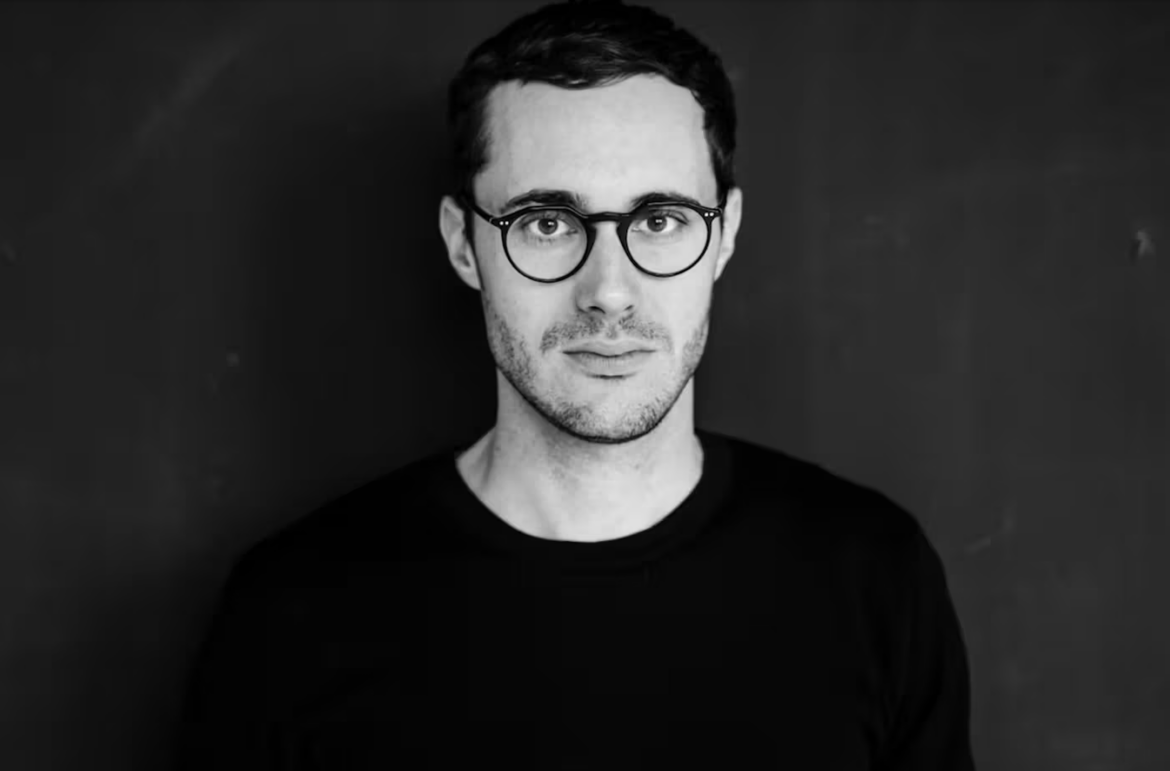
In a fashion industry obsessed with expansion, titles, and executive reshuffles, Fear of God is moving in the opposite direction. The Los Angeles label founded by Jerry Lorenzo has reportedly parted ways with CEO Bastien Daguzan and, more strikingly, has removed the CEO role from its organisational structure altogether. The change comes less than two years after Daguzan joined the company in 2024 to help sharpen its global growth strategy.
Daguzan arrived at Fear of God with a résumé built inside European fashion, including leadership roles connected to Jacquemus, Rabanne, and Lemaire. At Fear of God, his remit was clear: help the brand scale, widen its international distribution, and strengthen its direct-to-consumer and e-commerce business. Reports around his exit suggest that the company did see growth during his tenure, with online sales playing a meaningful role in that momentum.
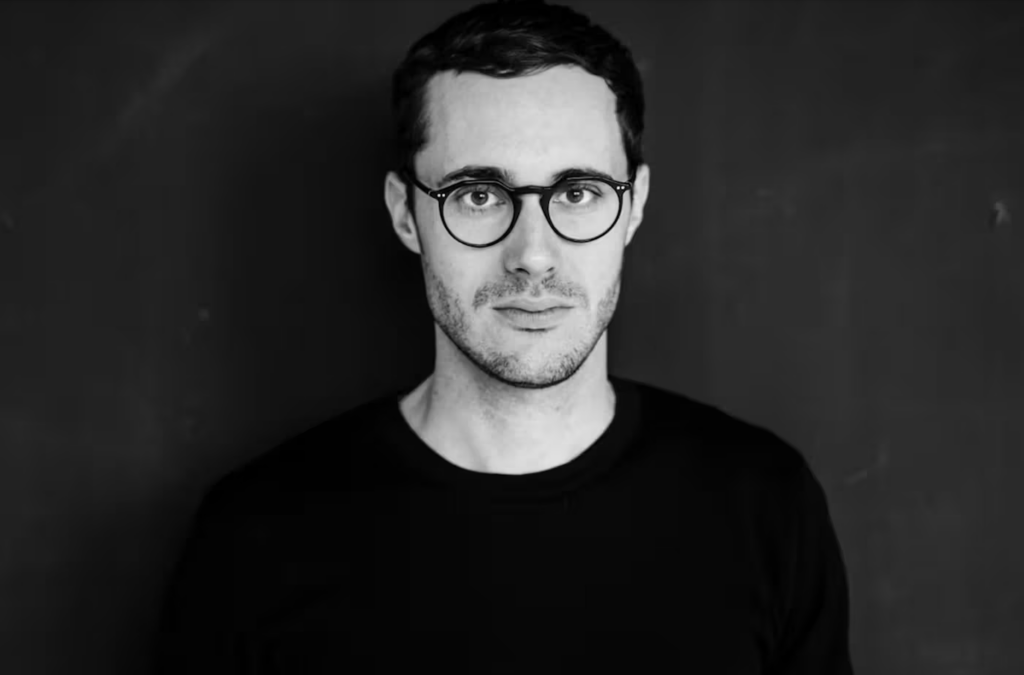
But this is not being framed as a routine departure. The bigger story is structural. Fear of God has said it made the decision to eliminate “the office of the CEO,” signalling a shift away from a traditional corporate hierarchy and toward something more founder-led. In practice, that appears to mean Jerry Lorenzo taking a much more direct role in the day-to-day running of the house, not just as its spiritual and creative centre, but as the figure steering operations more closely as well.
That move feels consistent with how Fear of God has always positioned itself. Since launching the brand in 2013, Lorenzo has built a label that sits in a particular corner of American fashion: part luxury, part streetwear, part devotional worldview. Even at its most commercially successful, Fear of God has sold more than clothes. It has sold a language of restraint, spirituality, discipline, and aspiration. Over time, that language expanded into Essentials, accessories, womenswear, and performance-oriented lines like Athletics, helping turn the brand into a much broader business ecosystem.
So the removal of the CEO role reads less like a collapse than a consolidation of authorship. In an era when brands often become more diffuse as they grow, Fear of God seems to be tightening around Lorenzo’s vision. The question now is whether this kind of founder-centralised structure can preserve both clarity and scale. For a brand so rooted in tone, belief, and image-control, the gamble may be that fewer layers means a stronger identity.
There is also a symbolic dimension here. Fear of God’s public statement around the change leaned on the language of “alignment, intention, and consideration,” suggesting the decision was meant to reflect the label’s longer-term philosophy rather than just a pragmatic business correction. Whether that phrasing is read as conviction or corporate mystique, it reinforces the idea that Lorenzo wants the brand’s internal structure to mirror the values it projects outward.
What happens next is still somewhat opaque. Fear of God has not publicly set out a conventional succession plan for the removed role, because there is, apparently, no role left to fill. What is clear is that this marks a new phase for the company: one where Jerry Lorenzo’s control becomes even more direct, and where the brand tests whether its future is better served by streamlining power rather than distributing it.