Share this
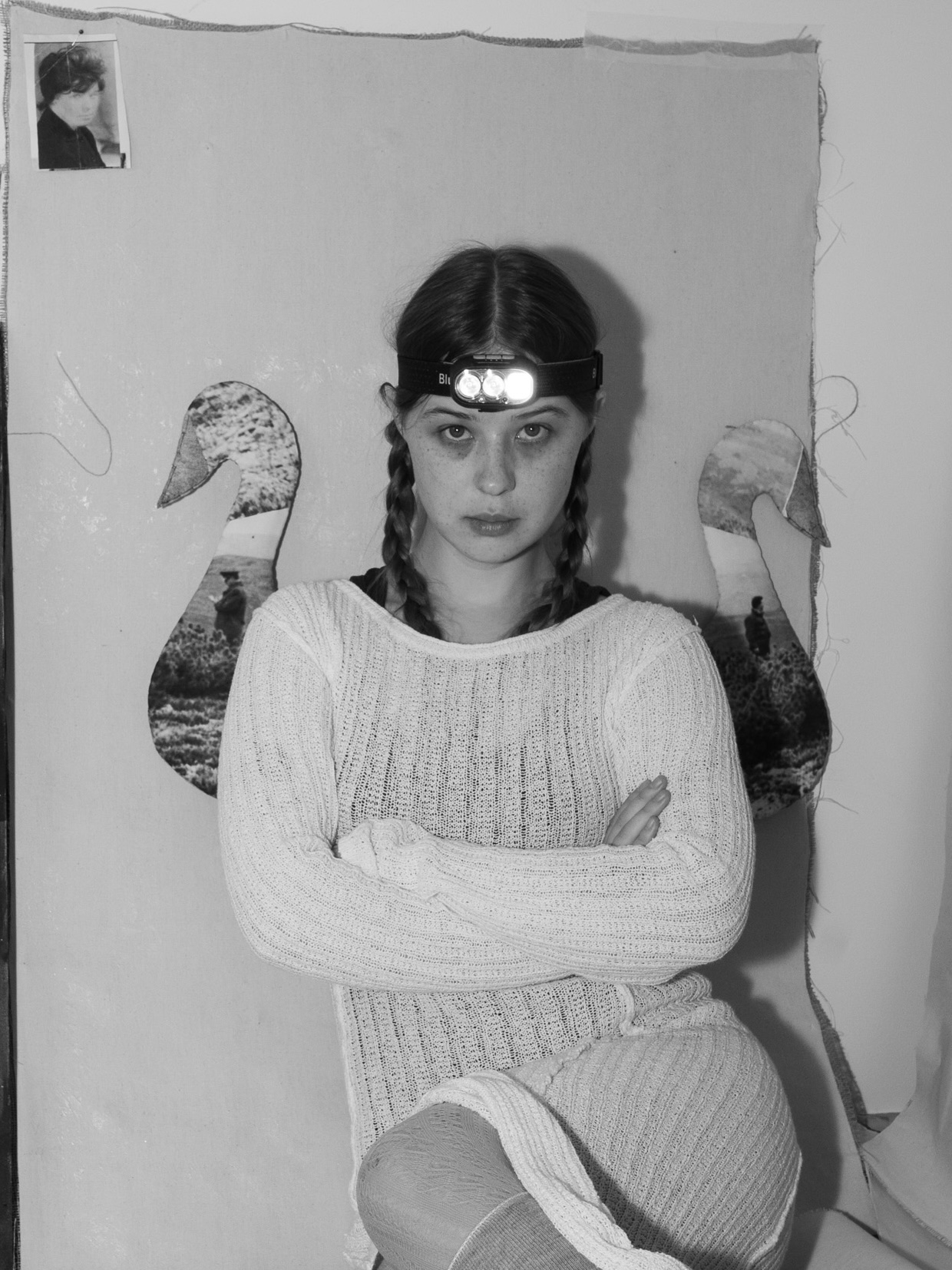
I first met Polina Osipova at a show opening in central London. She entered the room with an ethereal presence, smiling, open, supportive. I remember thinking: wow, I’d love to photograph her. As time went on, I kept following Polina’s work and became more and more amazed by it, so I reached out to propose a feature.
“Hi, Polina,” I wrote. “I’d love to come and photograph you and make a feature.”
She replied simply: “Of course, you’re very welcome to come to my studio in the countryside.” So I did. I stepped off the train into warm sunshine, one of those newly warm days of the year. The air felt fresh as I walked through the streets with my camera bag and stepped into her studio.
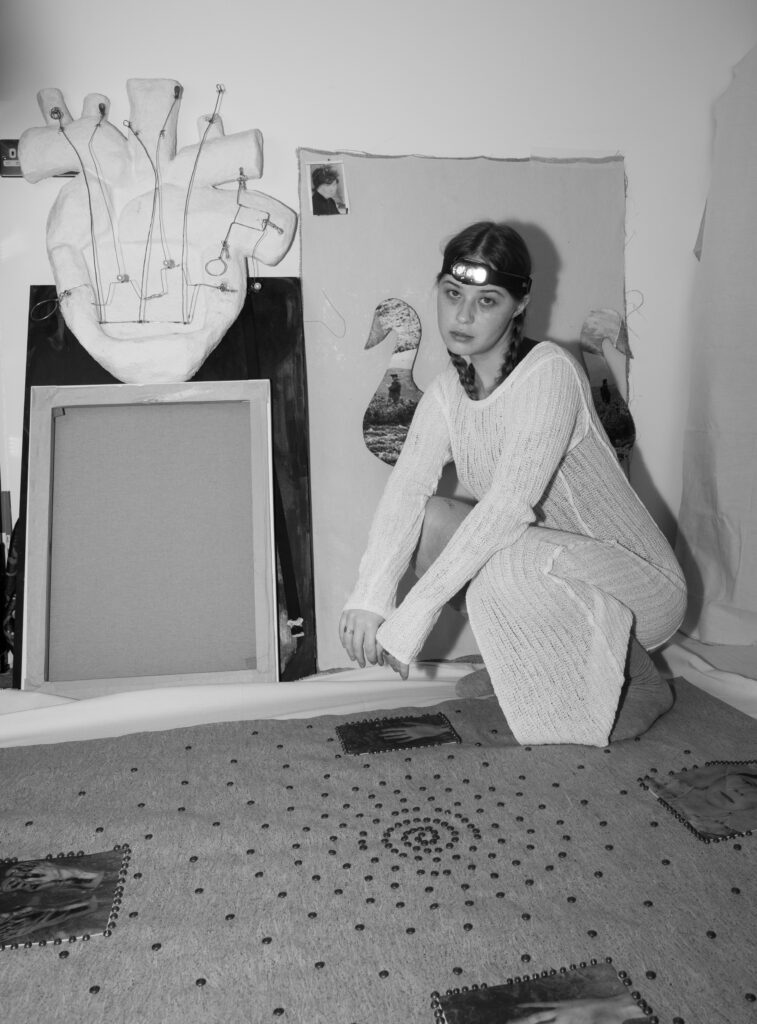
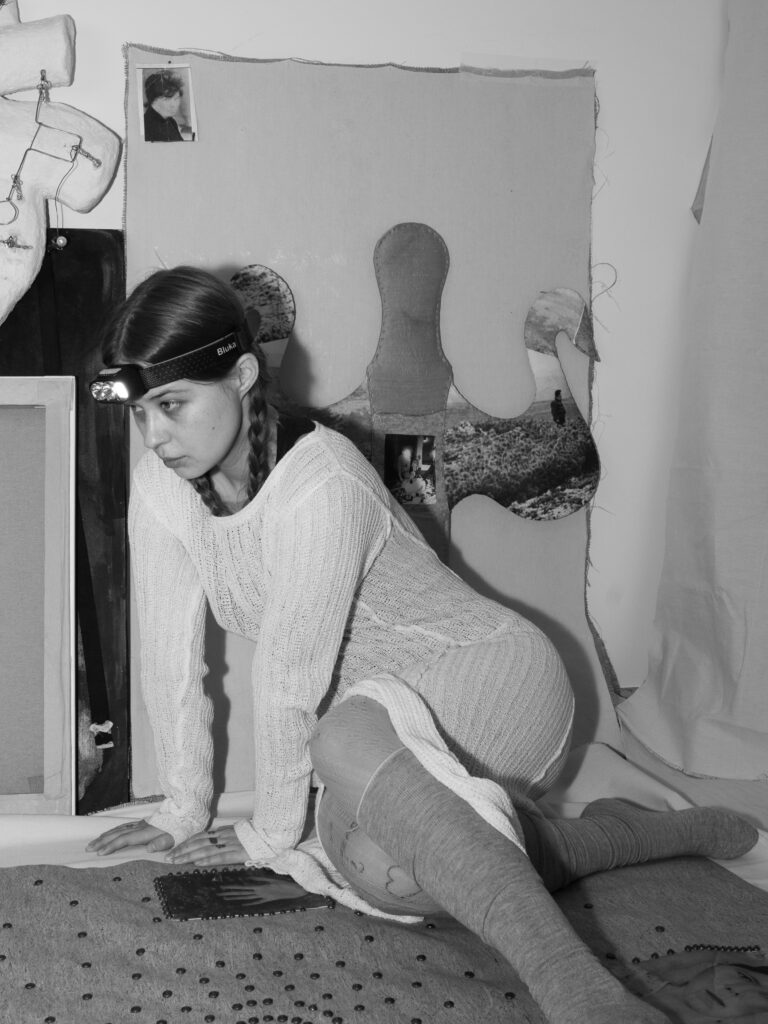
We spent the day together looking through her work, talking, and getting to know each other. I looked closely at different pieces and was struck by just how multidisciplinary her practice is, from stitch to performance and beyond. Being there felt slightly surreal. Spending that kind of time with an artist whose work you admire is something I don’t take for granted. I remember thinking: I have a good life, to be able to do this.
Later that evening, when I got back to London, I mentioned the day to my housemate, how I’d photographed this artist called Polina. “Polina?” she said. “Polina Osipova?”
When I said yes, her reaction was immediate. “No way, oh my God, she’s my favourite artist. I studied her at university and I’ve followed her work for years.”
It struck me then how far Polina’s work had already travelled, from the Chuvash Republic to university classrooms in the UK, and how deeply it had resonated. It’s rare for an artist working from such a specific cultural lineage at such a young age to connect so powerfully with someone the same age on the other side of the world.
You’ve described your work as a kind of family archive — how do you decide which stories or references become physical objects?
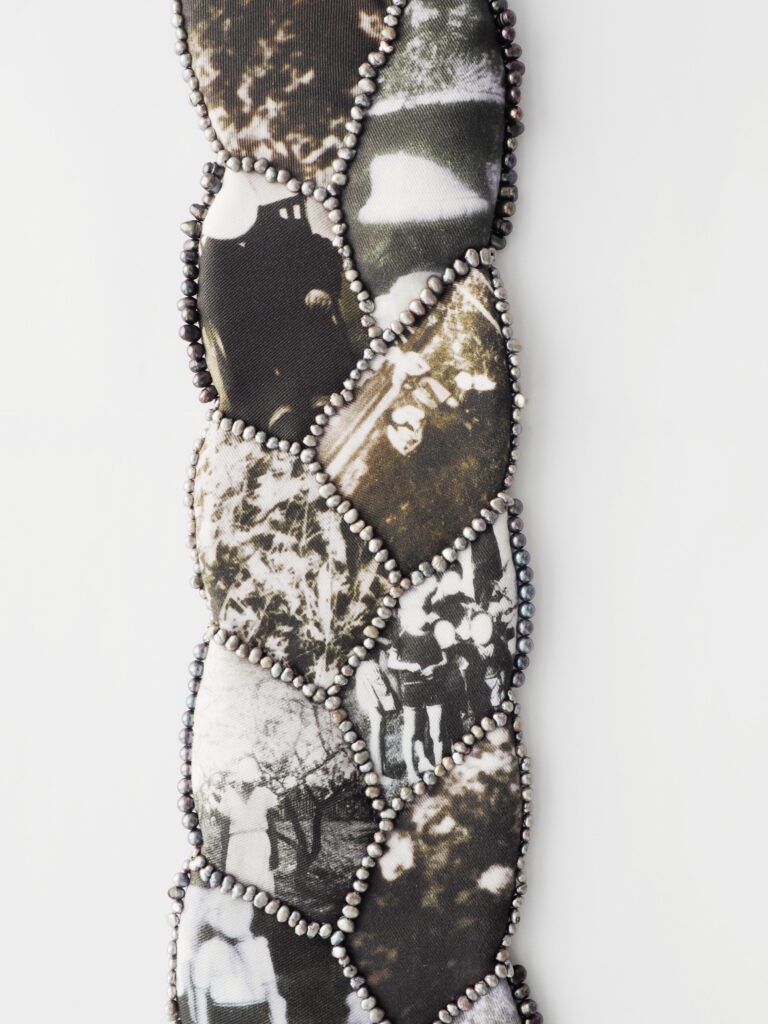
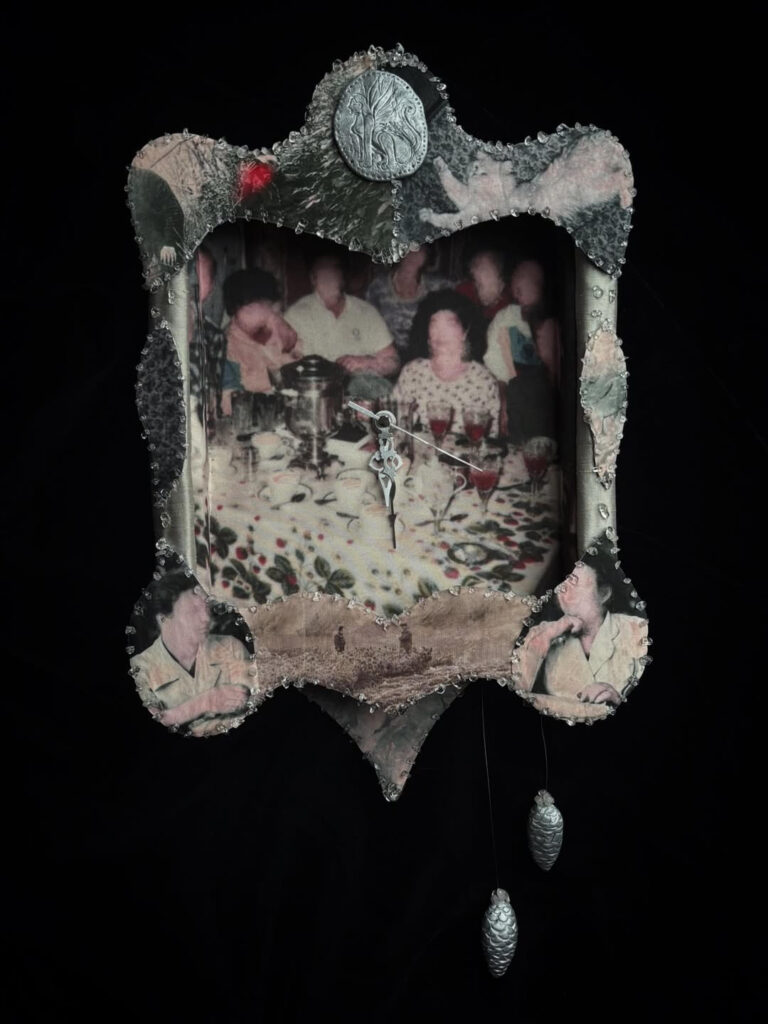
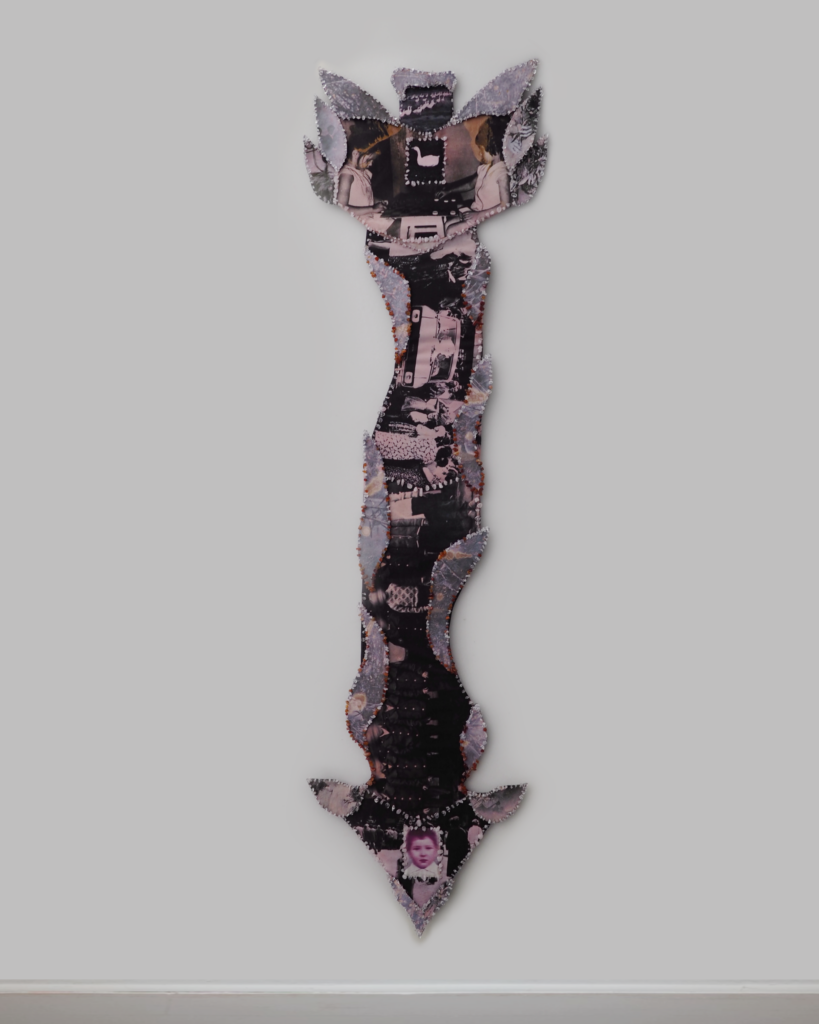
Polina: I don’t make exceptions for any of the material I have. family archive photos are too rare and difficult to obtain to focus only on a fraction of them. The truth is that I combine these fragments of memory in a certain way to create a new story.
In a fast-paced digital world, what does the slower, more meditative process of embroidery and handwork offer you?
Polina: Hand embroidery and embellishment is for me both a meditation and an important conceptual part of my practice. Growing up in an indigenous culture this kind of framing is something I do instinctively, what I have in my DNA. All edges should be decorated to keep evil spirits out. That’s what we were taught in school.
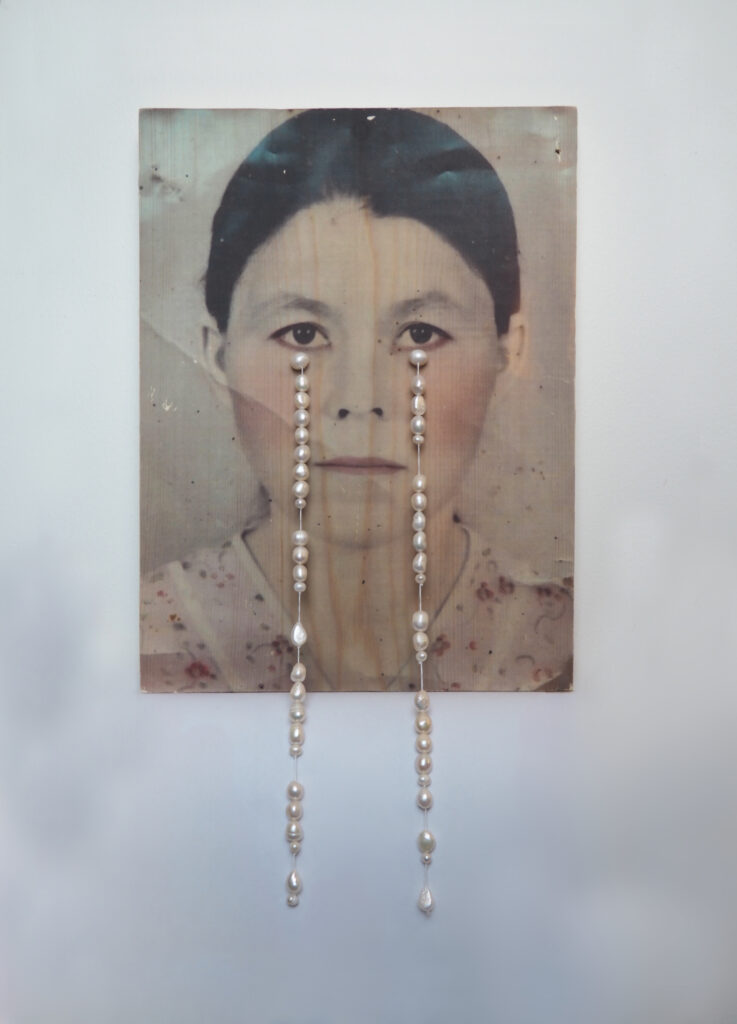
Pearls appear consistently in your work — what do they represent for you, both culturally and personally?
Polina: The pearl necklace around my grandmother’s neck.
Your work often feels dense and highly detailed — is that sense of physical presence important to how it’s experienced?
Polina: I spend many hours of manual labour on all my work, doing it for myself. I don’t know if it affects the perception of someone who hasn’t ruined their fingers on embroidery needles.
How do your ideas develop — are they planned in advance, or do they emerge more intuitively over time?
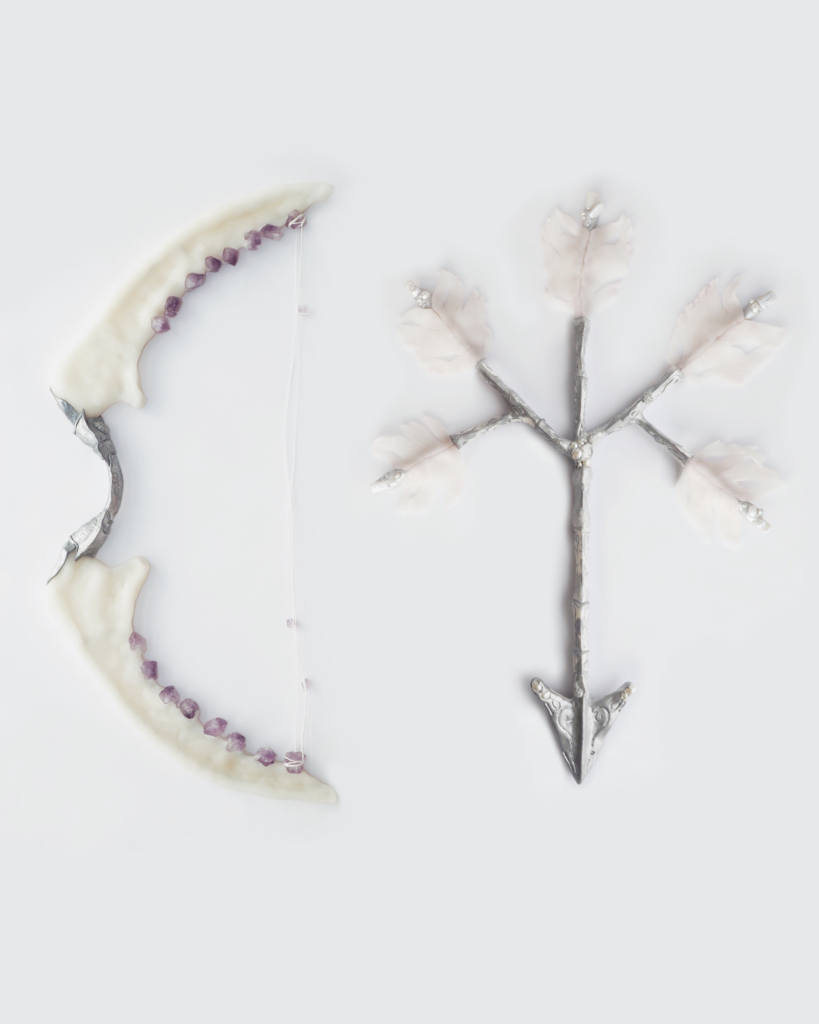
Polina: I don’t work with ideas, just restoring dots on a memory map. Recently I found a childhood memory of sphinxes in Chuvash jewelry at the entrance to an art museum in my home town, so now I am sewing a giant sphinx.
“Craft” has become a widely used term in fashion — do you feel it simplifies what you do, or accurately reflects it?
Polina: I can draw, I can paint. I choose not too. I choose to work with textiles and materials traditionally associated with women labour, and I think it’s very punk thing to do in this art world.
Has being based away from where you grew up made your work feel more reflective, or more experimental?
Polina: You can see more things from a distance. I guess my brain chose to find the good in forced emigration, but it gave me the opportunity to reflect more deeply on some aspects of my ethnic culture.