
Share this
Costume Art opens The Costume Institute’s new Condé M. Nast Galleries by placing garments and artworks in direct, bodily conversation
Fashion has always belonged to the body. That is its power, and maybe also the reason museums have so often struggled to know what to do with it.
With Costume Art, The Metropolitan Museum of Art is making a direct argument: clothing is not secondary to art because it is worn. It is art precisely because it touches, shapes, reveals, disguises, flatters, distorts, protects, and transforms the body.
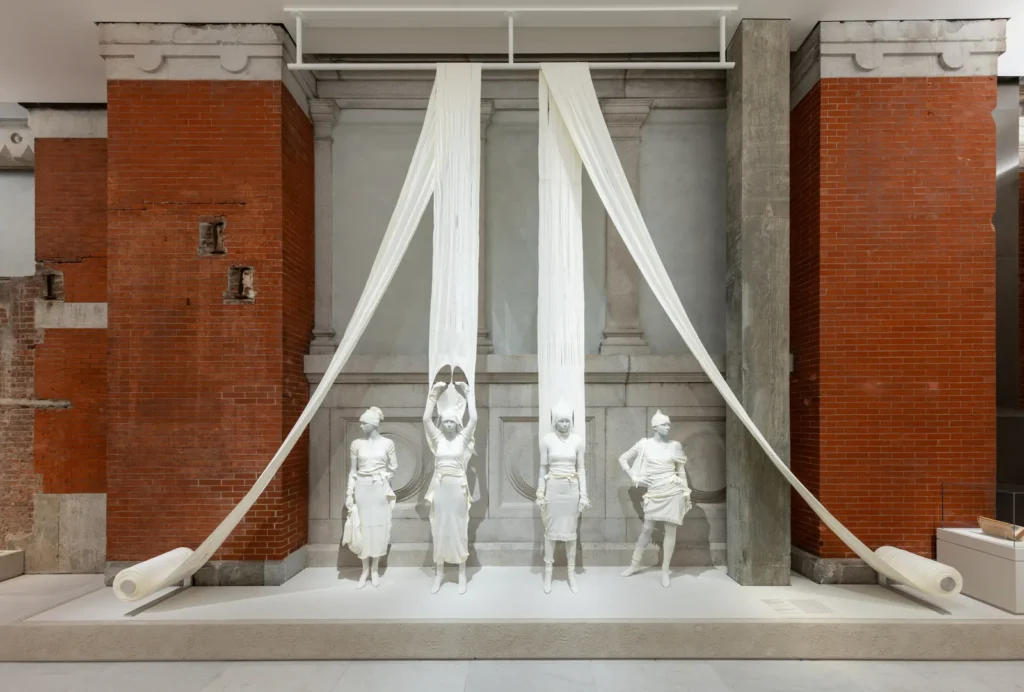
Opening May 10, 2026, the exhibition marks a major new chapter for The Costume Institute, inaugurating the Condé M. Nast Galleries beside the Great Hall. For a department often associated with spectacle, celebrity, and the annual Met Gala, the move feels symbolic. Fashion is no longer hidden away or treated as a decorative afterthought. It is being placed closer to the museum’s centre, both physically and conceptually.
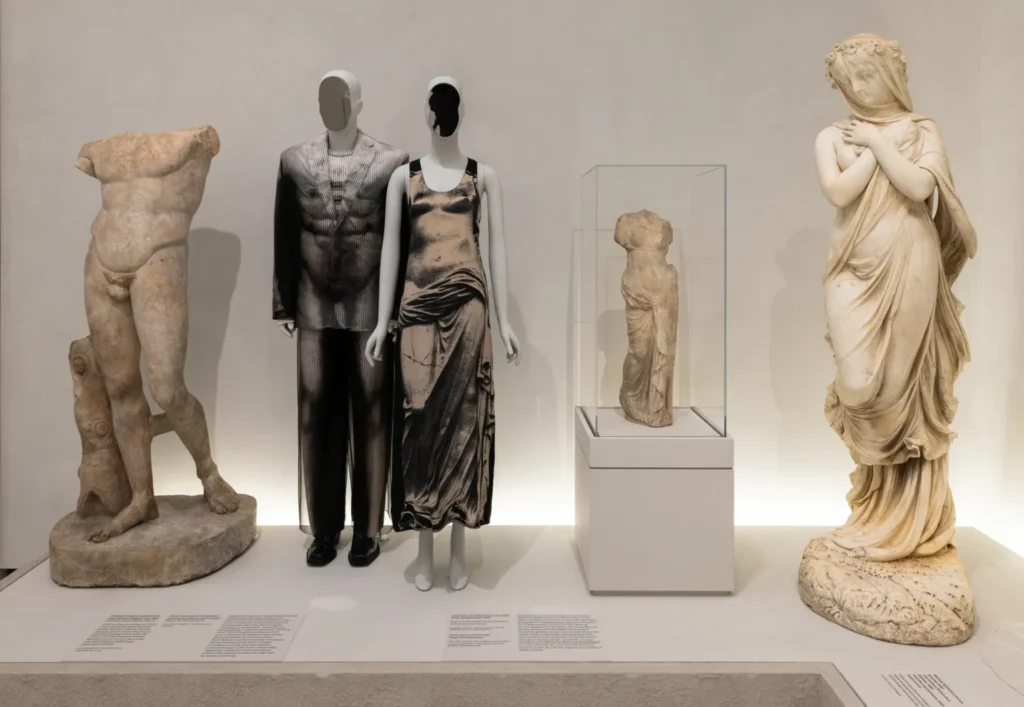
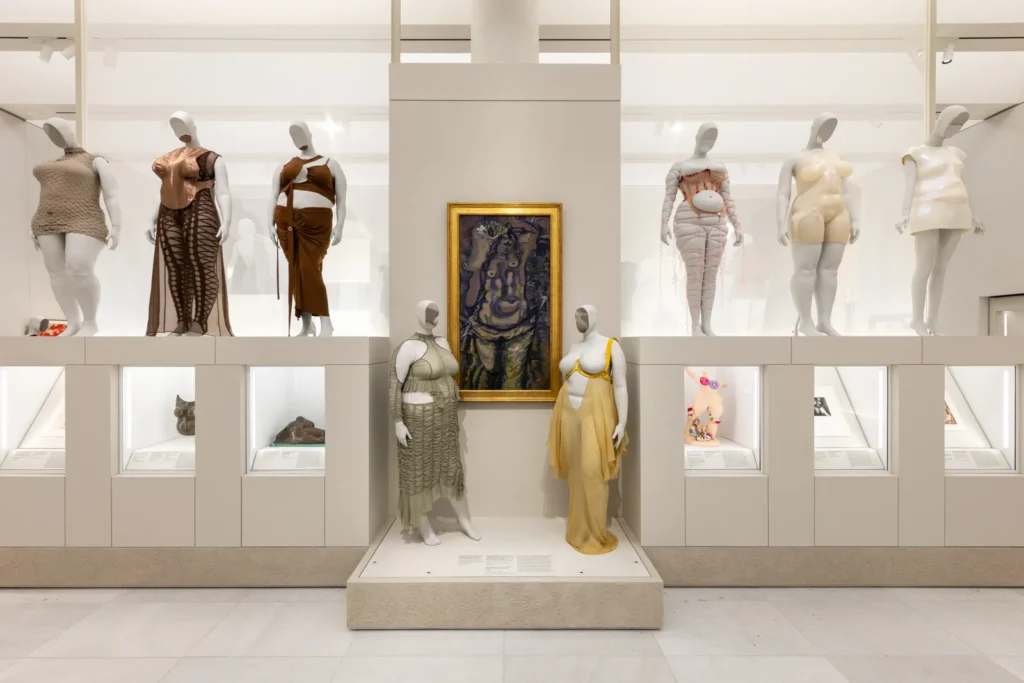
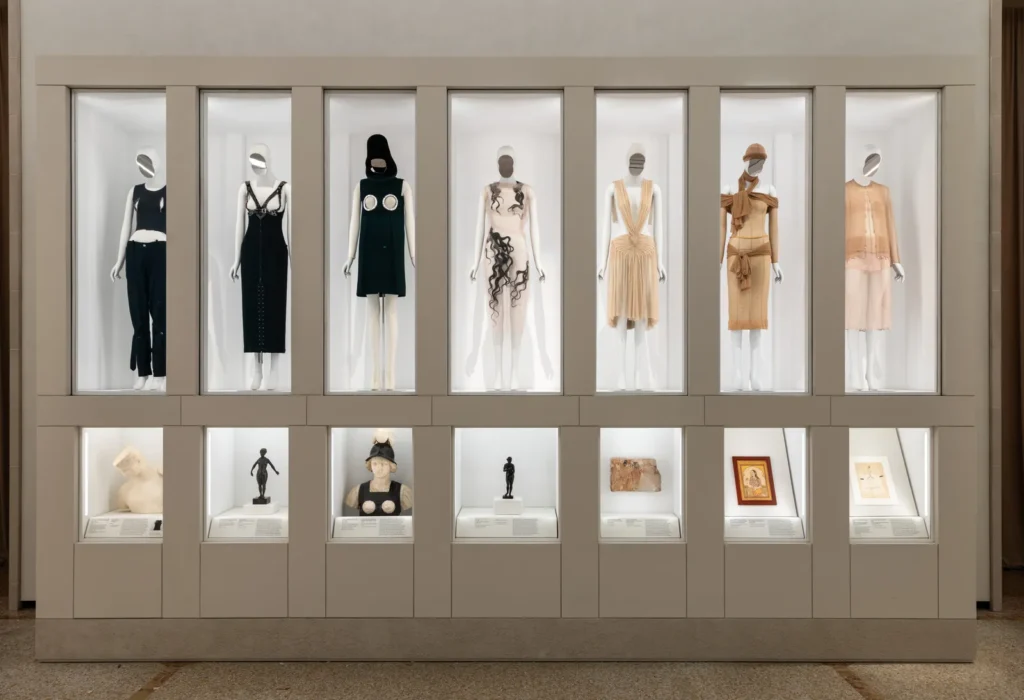
Curated by Andrew Bolton, the show pairs garments with works from across The Met’s collection, allowing clothing, painting, sculpture, and historical objects to speak across time. Rather than arranging fashion as a sealed category, Costume Art asks what happens when a dress and a statue, a textile and a painting, a silhouette and an image of the body are allowed to face each other.
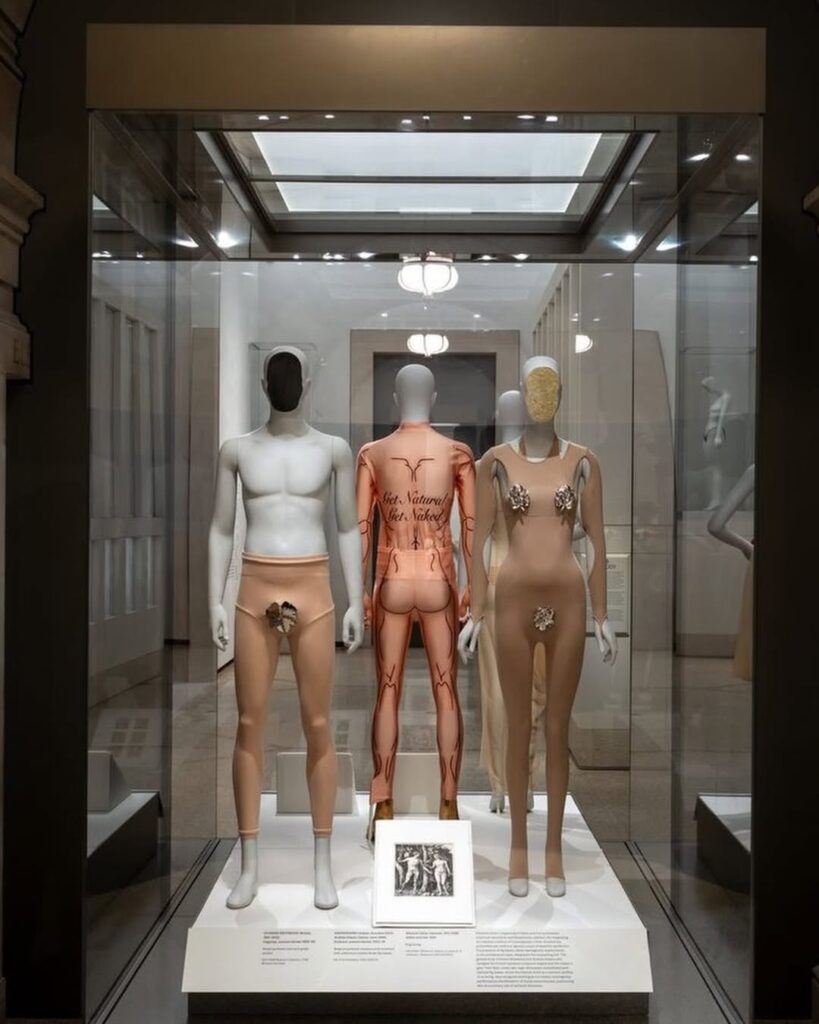
Photography by ANNA-MARIE KELLEN, courtesy of THE METROPOLITAN MUSEUM OF ART
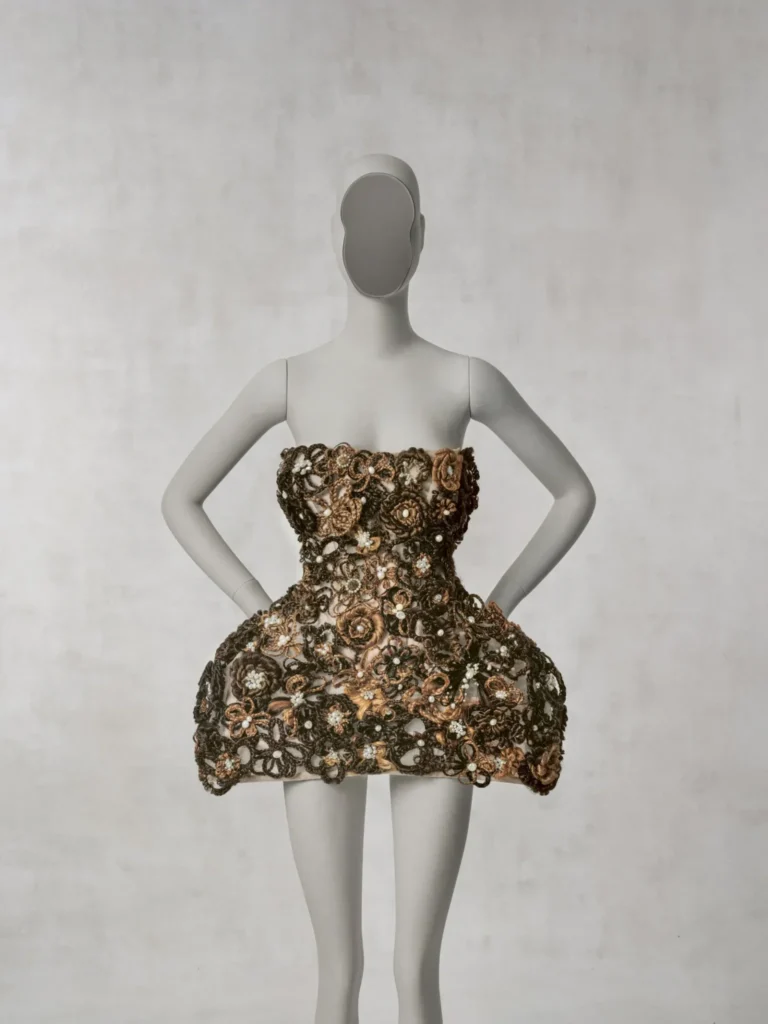
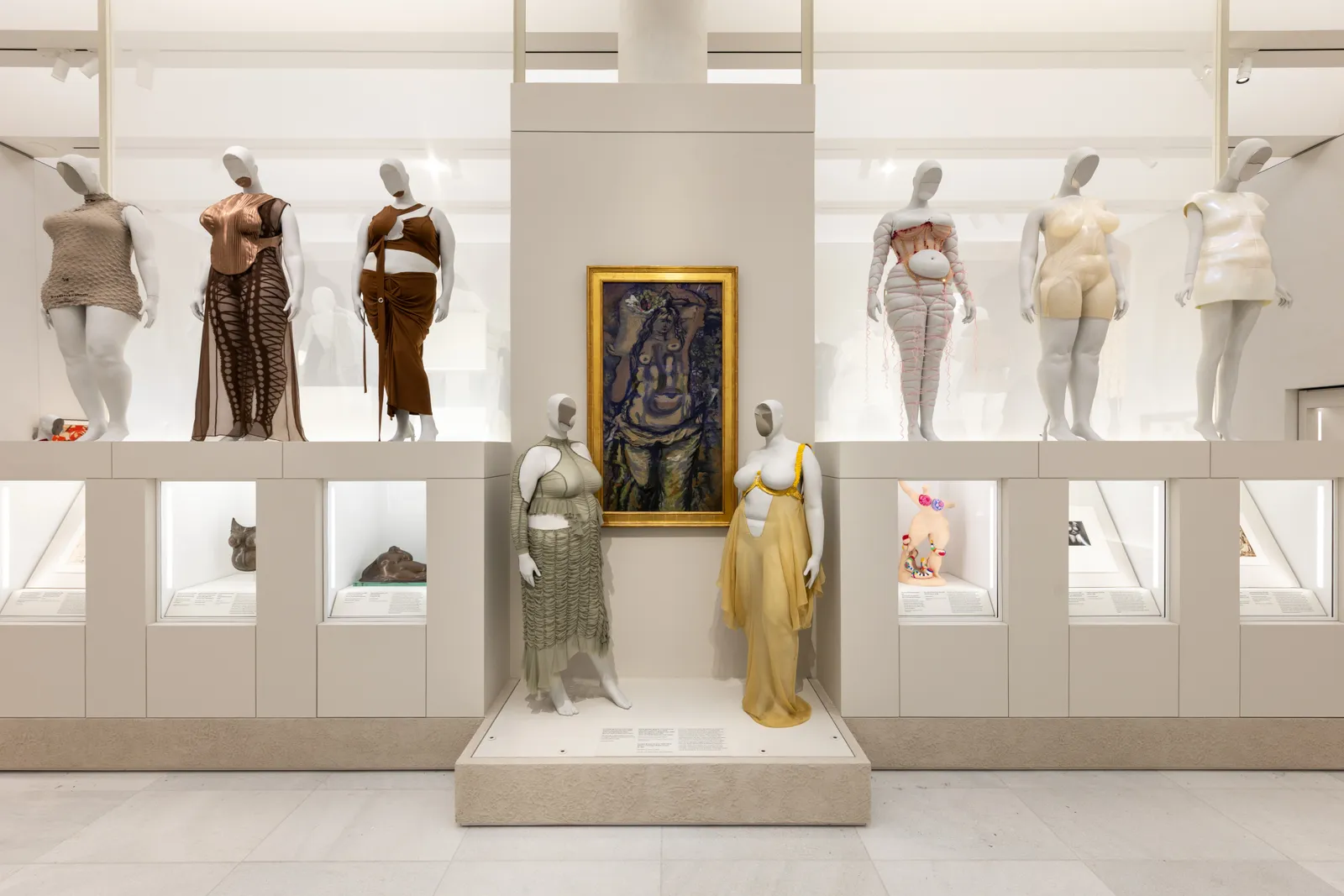
The result is less a traditional fashion exhibition than a museum-wide argument about looking. Across the show, clothing becomes a way of reading the body: naked, abstracted, pregnant, corpulent, mortal, disabled, aging, idealised, exposed. Each section suggests that fashion is never neutral. It carries desire, shame, fantasy, politics, beauty, control, vulnerability, and self-invention.
That bodily focus is what gives the exhibition its charge. In a museum filled with centuries of idealised figures, fashion brings the body back down to something more unstable and human. Clothes do not simply decorate the person wearing them. They negotiate between the private body and the public world, between how we are seen and how we try to become visible.
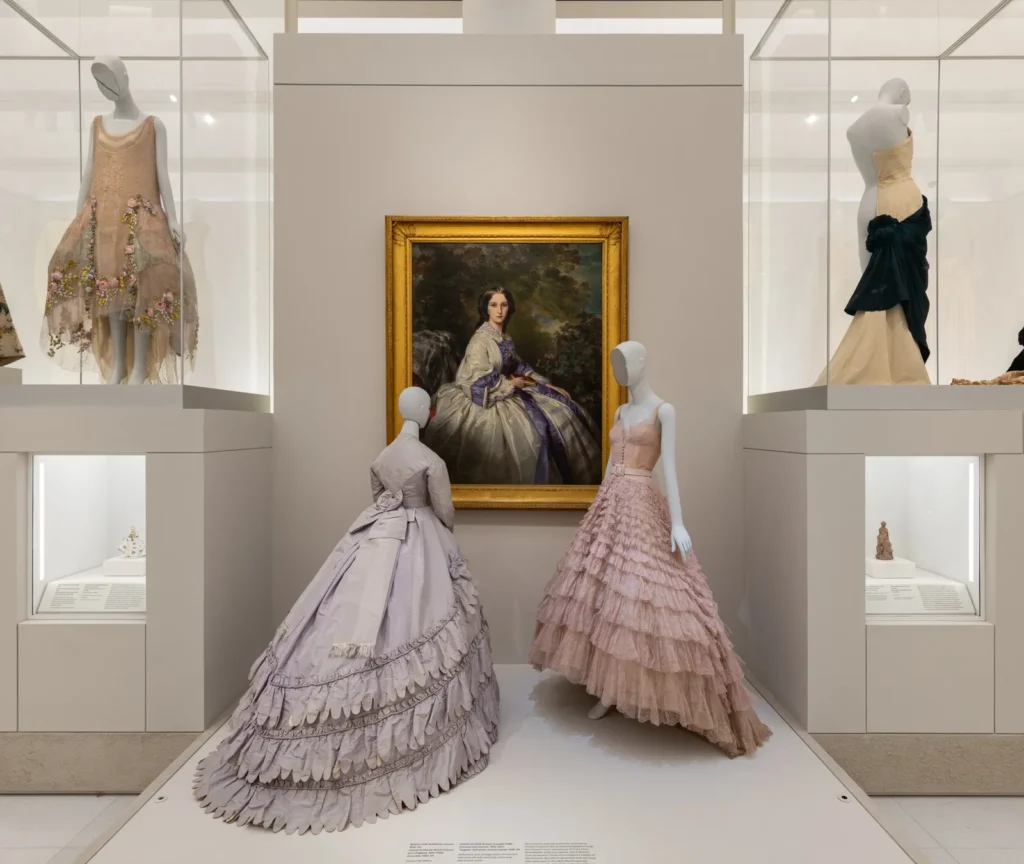
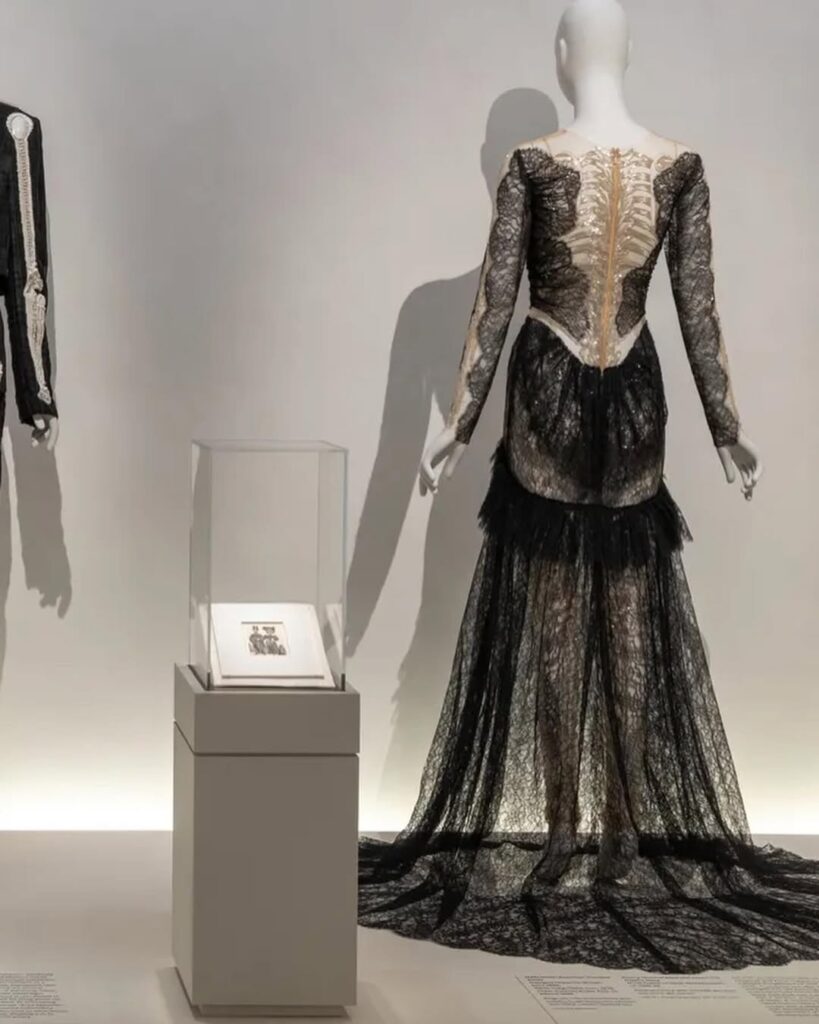
The exhibition also challenges the old hierarchy that places fine art above fashion. By positioning nearly 200 pairings of garments and artworks together, The Met asks viewers to consider clothing not as evidence of taste or trend, but as a form of thought: one that moves through fabric, cut, surface, weight, exposure, and touch.
There is something quietly radical in that gesture. Fashion, often dismissed because it is commercial, intimate, or too close to vanity, is shown here as one of the most immediate ways human beings make meaning. Before we speak, before we explain ourselves, the body is already dressed, framed, read, and misread.
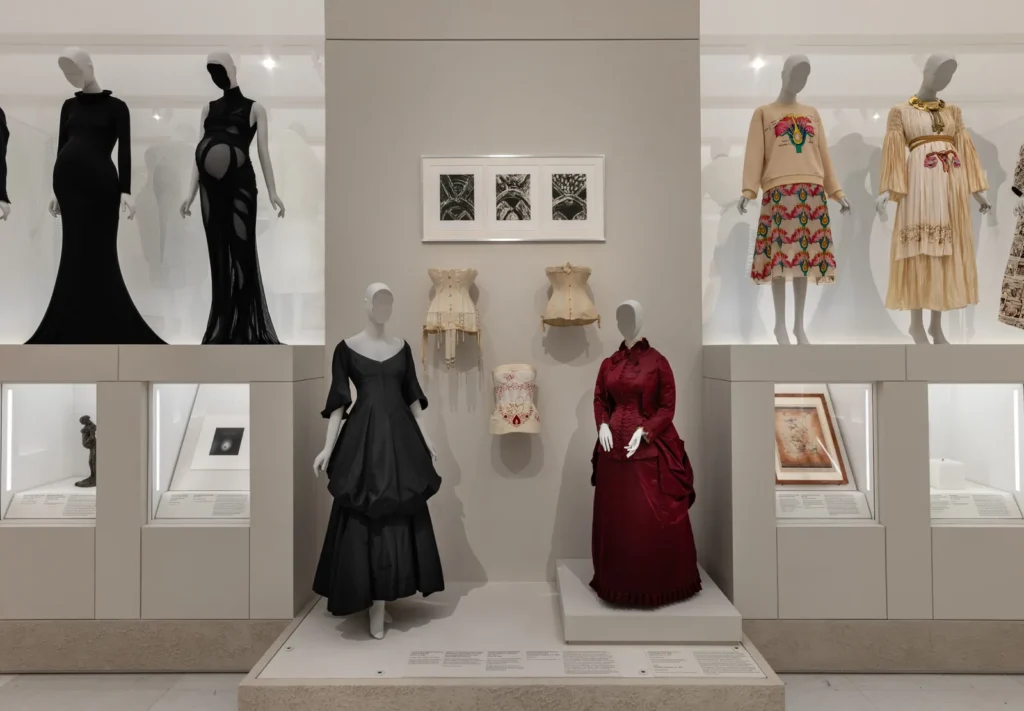
Costume Art runs at The Metropolitan Museum of Art, New York, from May 10, 2026 to January 10, 2027.
Photos: