
Share this
At the New Museum in Manhattan, Jafa’s forthcoming survey I Am Tony will take over two floors of the museum’s expanded building, bringing together four decades of work by one of contemporary art’s most forceful image-makers. On view from September 25, 2026 to January 31, 2027, the exhibition traces Jafa’s movement through photography, film, installation, archival material, and new commissions, with a sharp focus on the emotional and political charge of Black visual culture.
Jafa’s work has always understood images as unstable things. They do not simply show history. They carry it, distort it, weaponise it, repeat it, and sometimes make it unbearable. His films and installations often function like visual music: fragments cut together with rhythm, pressure, rupture, and feeling. The result is not narrative in the traditional sense, but something closer to a pulse.
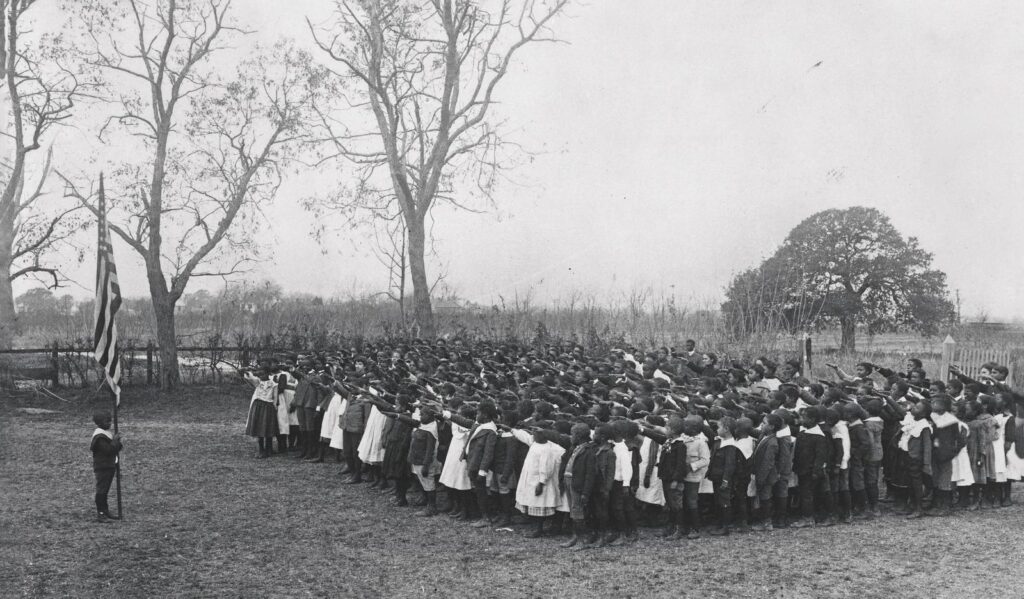
At the centre of the exhibition is Love is the Message, The Message is Death, the 2016 video work that has become one of Jafa’s defining pieces. Set to Kanye West’s “Ultralight Beam”, the work brings together archival footage, news clips, music, protest, dance, violence, tenderness, and collective memory into a montage that feels both ecstatic and devastating.
Also included is The White Album, Jafa’s 2018 work that won the Golden Lion at the Venice Biennale. Where Love is the Message moves through the density of Black life and media memory, The White Album turns its attention toward the construction of whiteness, assembling fractured images into a colder and more unsettling study of power, identity, and visibility.
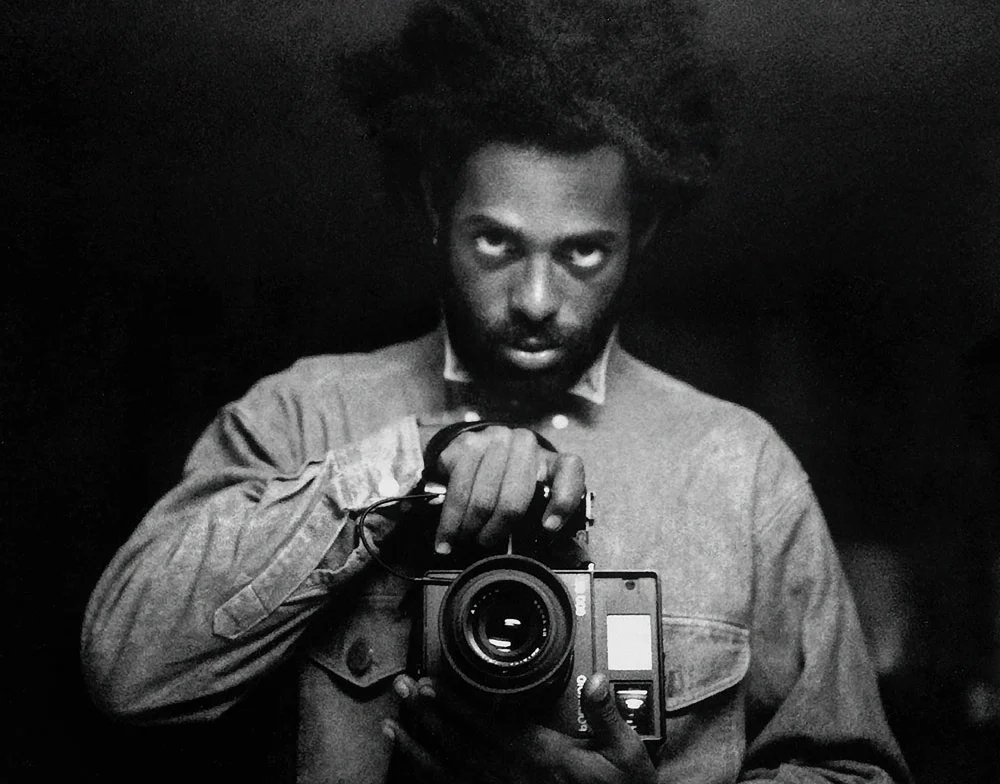
What makes I Am Tony feel so necessary is that it does not treat Black visual culture as an archive locked in the past. In Jafa’s hands, it becomes a living system: circulating, breaking apart, mutating, returning. A music video, a police image, a family gesture, a film reference, a moment of joy, a moment of terror. Everything enters the same charged field.
The survey is curated by Massimiliano Gioni, Gary Carrion-Murayari, and Calvin Wang, and positions Jafa not simply as a filmmaker or artist, but as someone who has changed how contemporary culture understands the emotional force of images.