
Share this
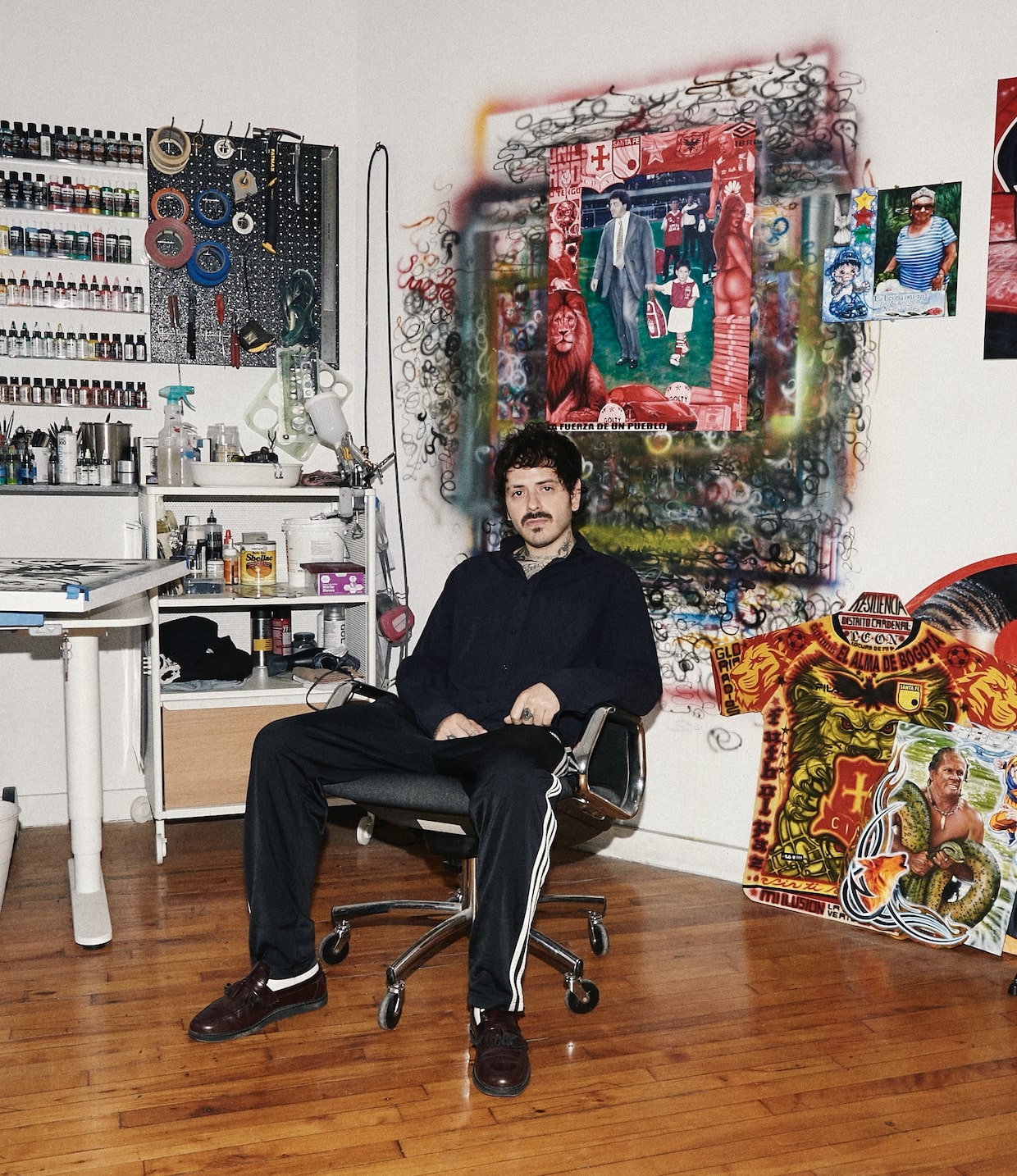
Juan Diego Prieto, mostly known as Diego, (b. 1993) is a Colombian multidisciplinary artist based in New York. He studied design in Bogotá before earning a Master’s in Fine Arts in New York, where he has also been tattooing for over a decade. His practice moves fluidly across painting, tattooing, sculpture, and textile, exploring themes of memory, identity, and cultural resilience. Rooted in Latin American storytelling and shaped by his experience living in diaspora, his work explores how symbols from home become vessels of resistance and belonging—bridging personal narrative with collective history.
At the heart of his practice is a desire to piece together fragments of memory, almost daytime visions, and distant moments—times in life when he felt most alive and understood. His intention is to address Colombian and South American culture by mirroring a complex, layered society in which folkloric life is intensely exhibited. He does this by blending imagery drawn from religion, popular culture, sports, history, and myth—not only to represent his culture, but to challenge dominant first-world aesthetics shaped by nations that have historically extracted from and exploited the Global South.
Profile and studio pictures are by Albert Font.
Hi J. Diego! It’s a pleasure to sit down with you! First question that I always ask. How does a regular day look like for you in New York?
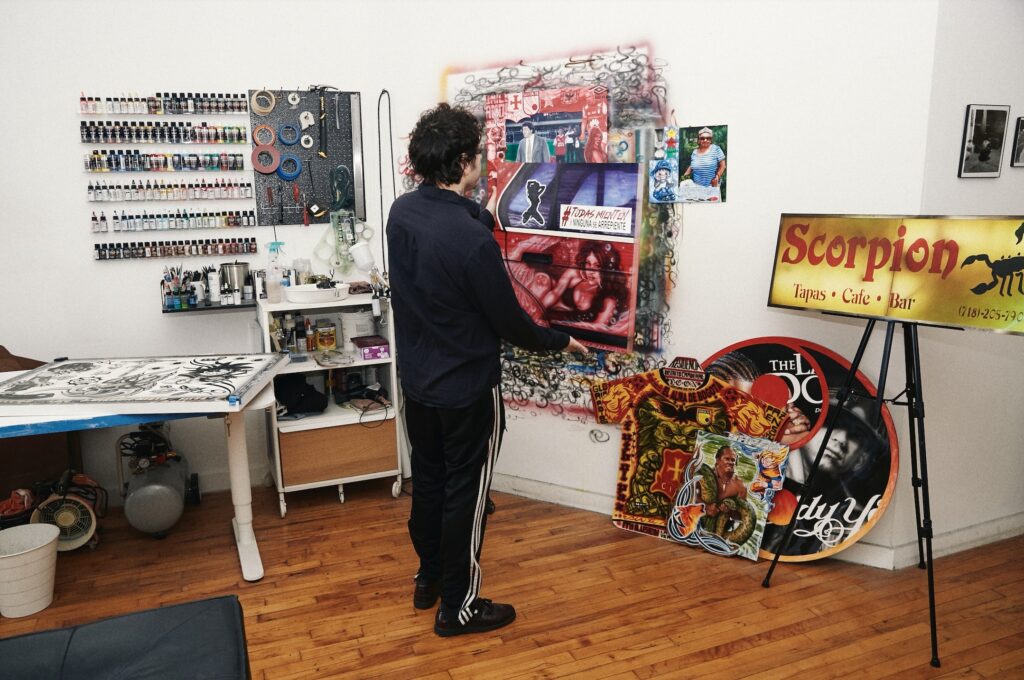
Diego: Since I’ve been freelancing, I don’t really have a set routine. Every day in New York looks a little different. I divide most of my time between tattooing, working on personal artwork or projects, and completing any commissions I have. But if I had to describe a regular day, I’d say I wake up around mid-morning, take a couple of hours to ease into the day, and then dive into work — whatever project needs to be finished that day, that week, or that month.
This year, my goal has been to paint at least six to eight hours a day. After that, I usually like to switch activities — hang out with friends, go for a walk, or just lay on the couch, listen to music, and lose myself in the images I want to create or explore in my work. But sometimes, if I feel I can keep painting, I’ll just keep going until pretty late at night. I’ve been pretty obsessive about painting lately.
Even though I’m freelancing, I try to keep some structure. I set deadlines for each project to stay organized and keep the work moving forward. It’s the first time I’ve had this much independence, and while it can feel uncertain at times, I’m just trying to stay focused and make the most of this stage in my life.
I’m curious, growing up in Colombia, what kind of kid were you? What did you enjoy doing, and how did you spend your time?
Diego: Growing up, I was introspective, quiet, and very contemplative — almost like I was always daydreaming or lost in my own thoughts. One of the things I enjoyed the most, for as long as I can remember, was doing anything creative. Whether it was drawing, painting, or making something with my hands, I was always drawn to creative activities.
I also spent a lot of time at my uncle’s finca — which in Colombia is like a ranch or a country house — in a small town called Carmen de Apicalá, just outside Bogotá. I have some of my best childhood memories from that place — riding horses, going on long walks with my cousins, playing video games, watching movies, and going to the small creeks nearby. We’d spend whole days in the water, just exploring and enjoying nature.
The Colombian countryside has a kind of magical aura. That house, and the time I spent there, meant a lot to me. Something I really miss — and don’t get to do much anymore — is riding horses and spending time with them. It’s something I’ve always really liked and enjoyed.
So what brought you to New York, and why did you decide to stay?
Diego: I came to New York for two reasons: to study fine arts and to tattoo. I moved here in 2015, and during the first two years — while I was completing my Master’s in Fine Arts — I was tattooing out of my room at home. After I finished my studies, I decided to fully dedicate myself to tattooing.
I stayed in New York because it’s a place that has shown me that if you work hard and stay focused, opportunities will eventually come. And after nearly ten years here, it’s not easy to walk away from the life I’ve built — especially as an immigrant who came here and had to start everything from zero. This city has challenged me, but it’s also given me a lot in return.
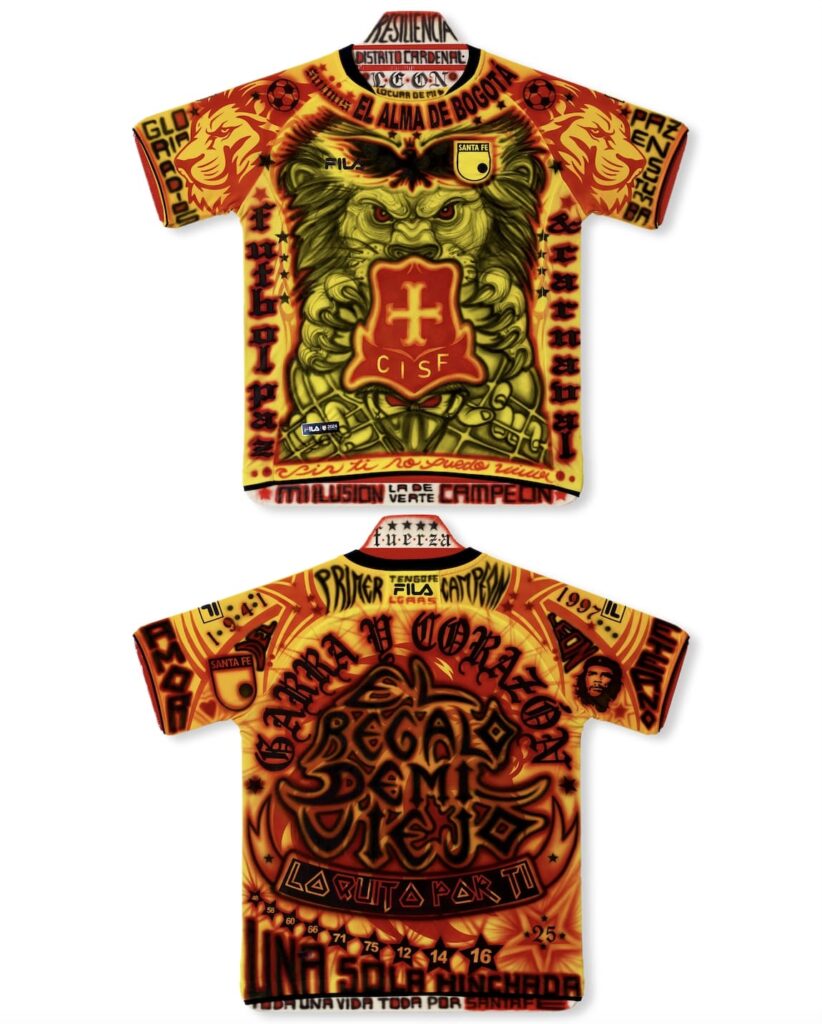
Do you remember approximately at what age your creative side started to show? And when did you start taking being an artist seriously? And How and when did you get introduced to the airbrush?
Diego: I don’t know exactly at what age my creative side started to show, but I’m sure it was pretty early. Like I mentioned before, for as long as I can remember, I was always drawing or doing something creative. I always knew I wanted to follow a creative path — I just didn’t know exactly what shape it would take.
Things became more serious in 2015, right before I moved to New York, when I started an apprenticeship in tattooing. That was a turning point for me. I had studied graphic design during my undergrad in Colombia, but I realized I didn’t want to work in that field. Choosing to focus on tattooing felt like a leap of faith — especially because at that time, tattooing in Colombia wasn’t as big as it is now. It was still seen by many as something informal or even looked down on, so deciding to pursue it seriously felt risky — but also necessary.
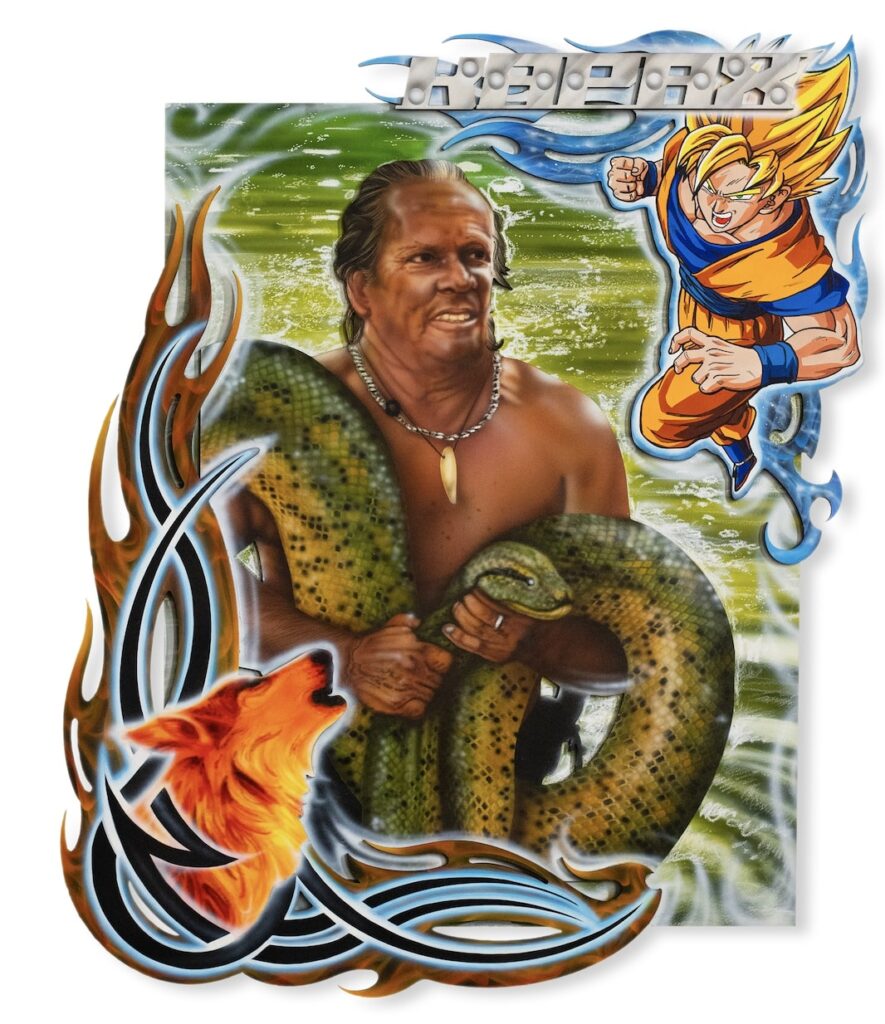
As for the airbrush, I first got introduced to it during quarantine. Right before the pandemic, I had moved back to Colombia for a year, and when everything shut down, the city was completely empty. I used to take long walks with a close friend of mine, and one day he took me to this old-school adult movie theater in the heart of Bogotá. Inside, they had a collection of erotic paintings from the 1970s — all of them airbrushed. Seeing those large-scale pieces, done with so much precision and that nostalgic, slightly surreal quality, really caught my attention. That was the first time I learned about the airbrush technique.
But it wasn’t until two years ago that I actually started airbrushing. Two friends and I ended up buying the full collection of paintings from that theater, and we organized a large pop-up show in New York to showcase them. While working on the exhibition and doing research, I got to meet the original artist who made the paintings back in the ’70s. I flew to Bogotá to interview him and visit his studio. Building that relationship with him and hearing his story in person made something click for me — that’s when I knew I really wanted to try airbrushing myself.
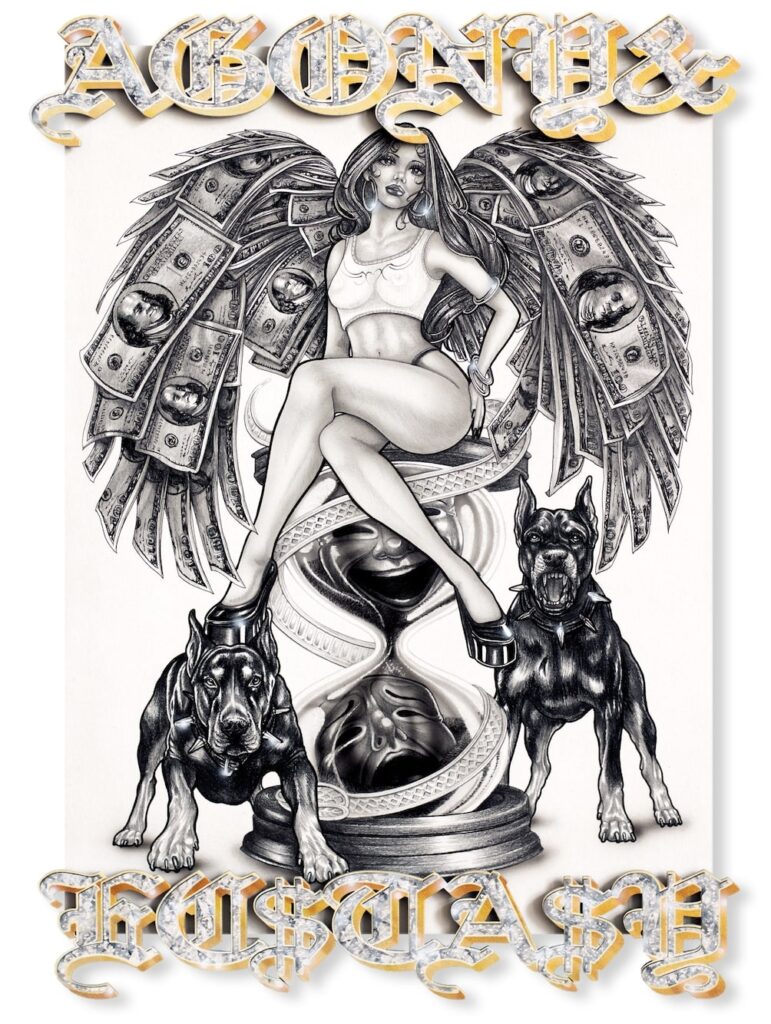
Ok Diego, with these next series of questions, I will try to delve into your work as best as possible. So….You speak of symbols from home becoming vessels of resistance and belonging. What are some recurring symbols in your work, and what do they represent to you?
Diego: Recurring symbols in my work often come from popular culture, specifically Latin American culture. But the way I use these images is deeply tied to memory — not just personal memory, but also collective memory. My experiences as a Latin American shape how I see and use these symbols. They become vessels that carry meaning, both for me and for a broader sense of cultural identity.
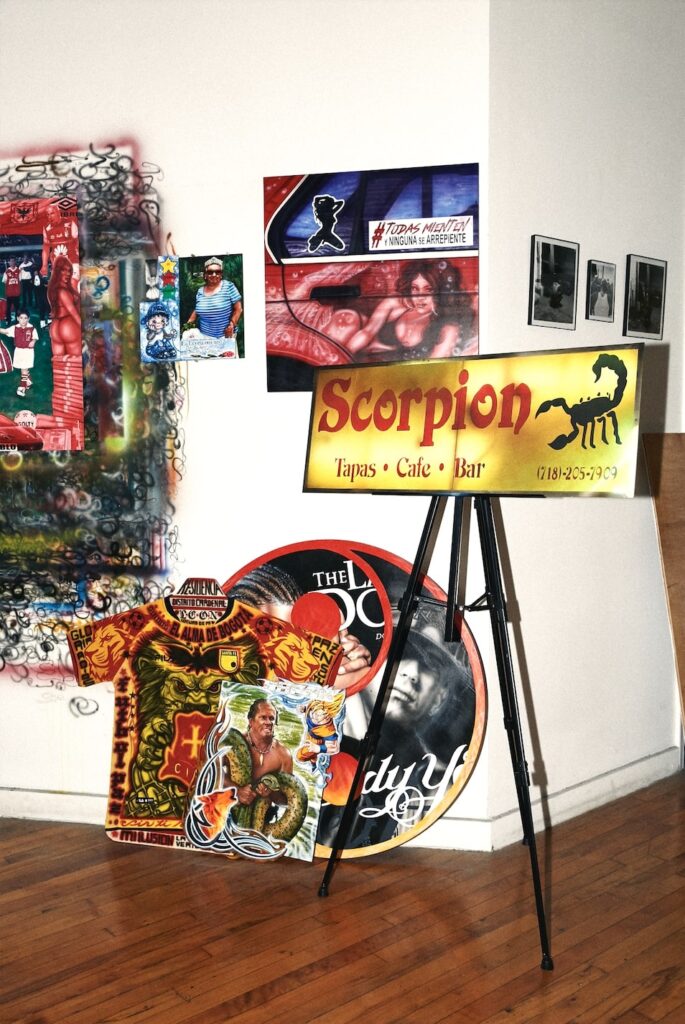
Lately, I’ve been using a lot of imagery from football, because it’s a huge part of my life and such a big part of South American culture. I’ve also been collecting visual references from everyday life — things I see on the street, whether I’m in South America or even here in New York. I take photos of signs on bars, stickers on cars, storefronts, small details that might go unnoticed. I keep an archive of these images, and a lot of them show up in my work — not just as decoration, but because they trigger something personal. They reinforce memories, or reflect pieces of who I am and where I come from.
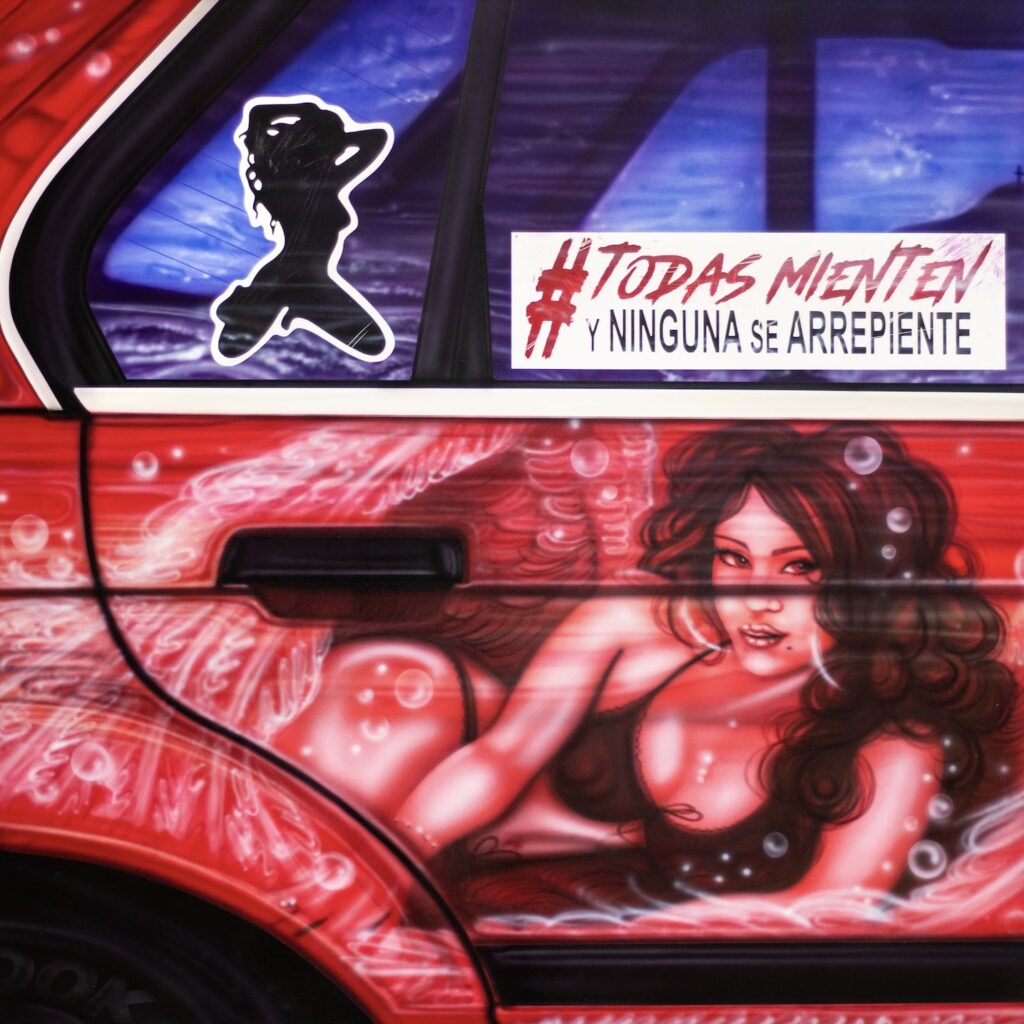
How do you navigate the line between the personal and the collective when incorporating religious or folkloric imagery?
Diego: I navigate that line by working with the same symbols I mentioned before — ones that come from popular, religious, or folkloric imagery. But I only incorporate imagery that relates to me in a personal way — things that come from the place I grew up, from my country, from my city.
I’m trying to represent my culture, but always through my own lens — based on memory, experience, and personal connection. I try to acknowledge where these symbols come from and how they’ve shaped me. I’m not trying to speak for anyone else — it’s about how these elements live inside my story.
At the same time, by using popular and recognizable imagery, I think I’m also contributing to the larger cultural narrative in my own way. The work becomes a bridge between something intimate and something collective — grounded in personal memory, but still connected to something bigger.
Lately, I’ve also been incorporating imagery from New York — things I come across in my everyday life that bring up memories or moments from my time living here. This city has become a big part of my life, and naturally, it’s starting to make its way into my work as well. It’s not a replacement, but more like a layering — where my past and present start to overlap visually.
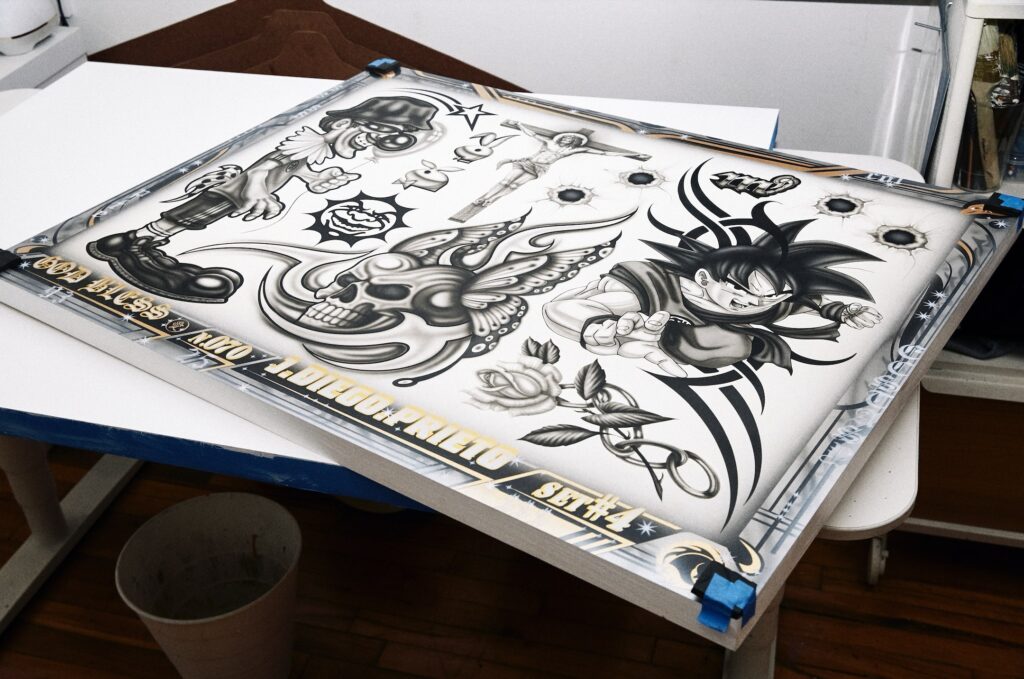
So what do you think it is about folklore that resonates with you?
Diego: What resonates with me the most about folklore — especially Latin American folklore — is how deep and layered it is. It carries so much complexity, and through it, you can trace the history of the region: the struggles, the resistance, the blending of cultures, and the ways people have survived and held onto meaning.
There’s something fascinating about how much is encoded in those stories, symbols, and traditions. Even the smallest gesture or image can carry centuries of history and emotion. That depth is something I’m really drawn to.
With that in mind, what aspects of Colombian folklore do you feel are underrepresented or misunderstood in global art conversations?
Diego: To be completely honest, I’m not sure how Colombian folklore is specifically underrepresented in global art conversations, because I’m not fully aware of what kinds of conversations are actually happening at that level. But speaking more broadly, I’d say that Colombia — and Latin America as a whole, including South and Central America — has always been underrepresented and often misunderstood.
There’s a tendency to reduce Latin America to a stereotype, when in reality there are so many nuances that make each country — and each region within those countries — very different. Even though we’re all connected by a shared history of struggle, repression, and colonization, those experiences have shaped us in distinct ways. And the fact that those nuances aren’t always visible or recognized in global contexts is, in itself, a form of misrepresentation.
Since moving to New York — and to the United States in general — I’ve become more aware of how so-called “first world” countries often place labels on other cultures and regions. That’s one of the most damaging forms of cultural oppression: when people reduce something they don’t fully understand to a single idea, symbol, or narrative. It flattens the complexity of a place and its people. To really understand Colombian folklore — or any type of folklore — you have to be close to it. You have to live with it, feel it, and be part of the culture it comes from.
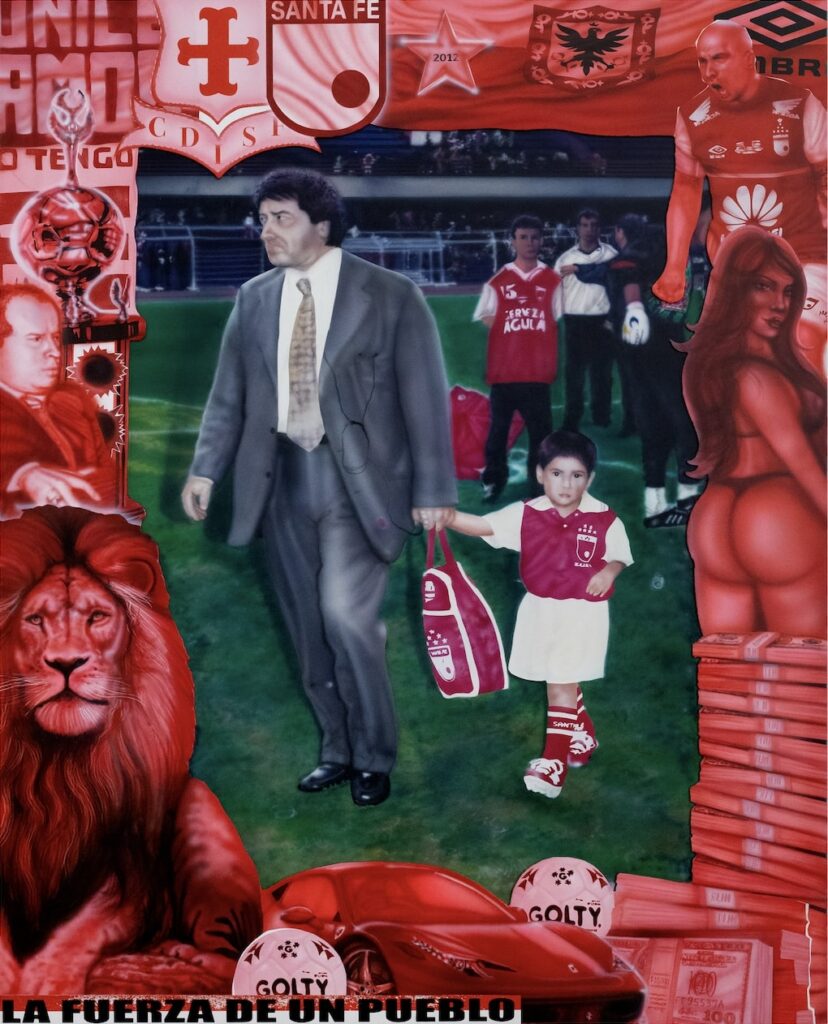
Can you tell me about why themes of memory, identity, and cultural resilience are important for you to document through your work?
Diego: Themes of memory, identity, and cultural resilience are important for me to document in my work because, at the end of the day, I’m an immigrant. Even though I know that the way I came to this country wasn’t as difficult as what many others have gone through, I still carry that experience of being away from home — of feeling homesick, of being detached from the place you come from, of trying to build something in a place where you don’t know anyone, where you have no friends, no network — nothing.
My experience in New York has been shaped by those feelings. It’s been about memory — holding on to the people, places, and symbols that made me who I am. It’s been about identity — figuring out who I am in a place that’s constantly asking you to fit in. And it’s been about cultural resilience — choosing not to fully assimilate, even when that might seem like the easier path. Sometimes I’ve felt like if I let go too much, I’m betraying where I come from. That tension has always been there.
These themes are important to me because they’ve defined my adult life — from my early twenties into my thirties. They’re not abstract ideas. They’re the lens through which I see myself and my work.
By talking about these things, I want to highlight the beauty and strength in being an immigrant — the courage it takes to leave so much behind in search of a better life, or simply to follow a dream. Through my work, I try to celebrate that strength. Life is already hard enough, so I think it’s important to celebrate what truly matters. For me, that means honoring where I come from, the people who came before me, and the cultural references I grew up with. It’s a way of showing respect — not just for my own story, but for the stories that shaped me.
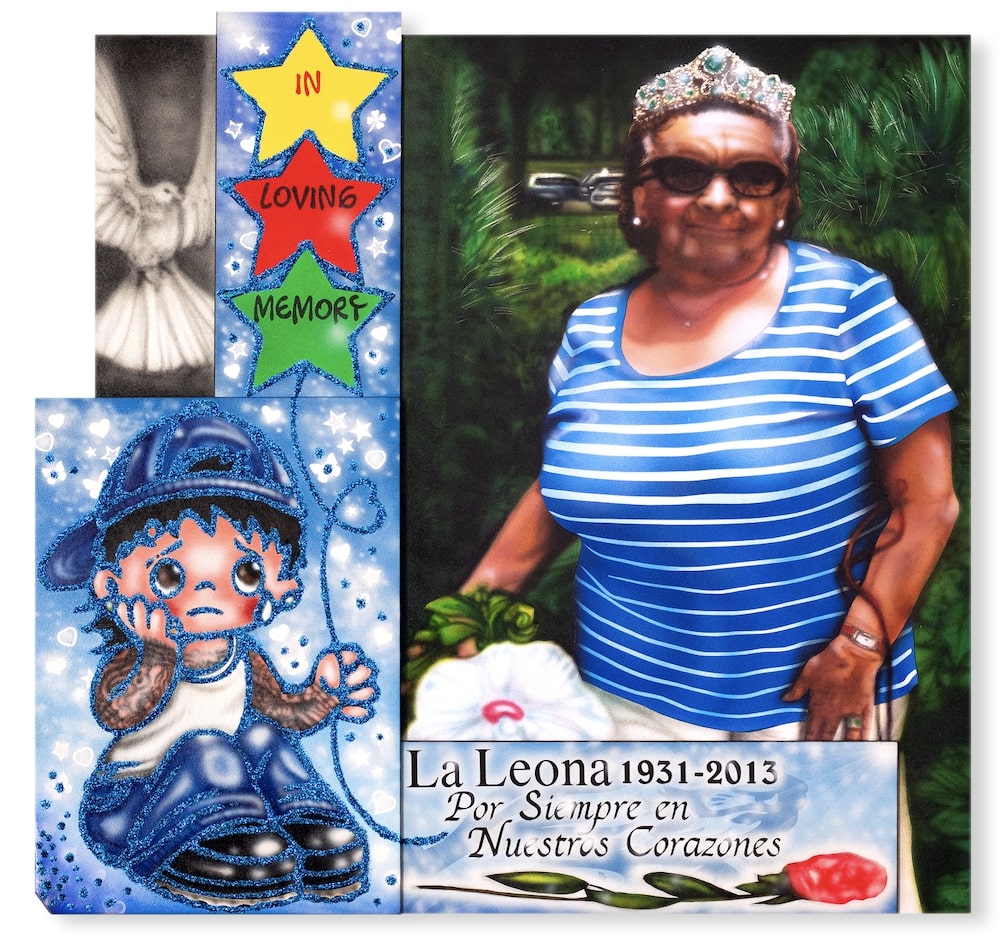
You speak of confronting first-world aesthetics shaped by historical extraction. Can you tell me more about that?
Diego: Latin American folklore — and Latin culture in general — confronts first-world aesthetics simply by existing. It’s a culture shaped by a wide mix of influences, layered with historical struggle, much of it imposed by the same powers that now dominate the global cultural narrative.
When I bring those references into my work — whether it’s popular imagery, religious or folkloric symbols, or everyday visuals from Latin America — it’s not just about memory. It’s about challenging a visual language shaped by colonial histories, Western art institutions, and systems of extraction. I’m not interested in replicating those systems — I’m interested in disrupting them by centering what they’ve historically ignored or dismissed.
Growing up in South America, you’re raised to believe that the United States or Europe is where success lives — that those are the places you have to go if you want access to opportunities, a better life, or validation. But as I’ve gotten older, I’ve realized a lot of that is a lie. It’s part of a larger system built on classism, colonial mentality, and ignorance — a system that constantly places the Global North above everything else.
That’s why it’s so important for me to use my work to celebrate what, from my perspective, truly defines Latin culture — not as something exotic or secondary, but as something powerful, layered, and worthy of being at the center of the conversation.
Cultural diversity says: “Latin culture or Colombian culture is different from American or European culture, let’s celebrate both.” Cultural difference asks: “How did the Global North colonialism shape Latin Culture? How do Colombians, Ecuadorians, Chileans, etc in the United States or Europe resist or remix oppressive cultures? How have the wide range of cultural influences from colonization and beyond shaped Latin America?” I want my work to live in those kinds of questions — the ones that cultural diversity often glosses over.
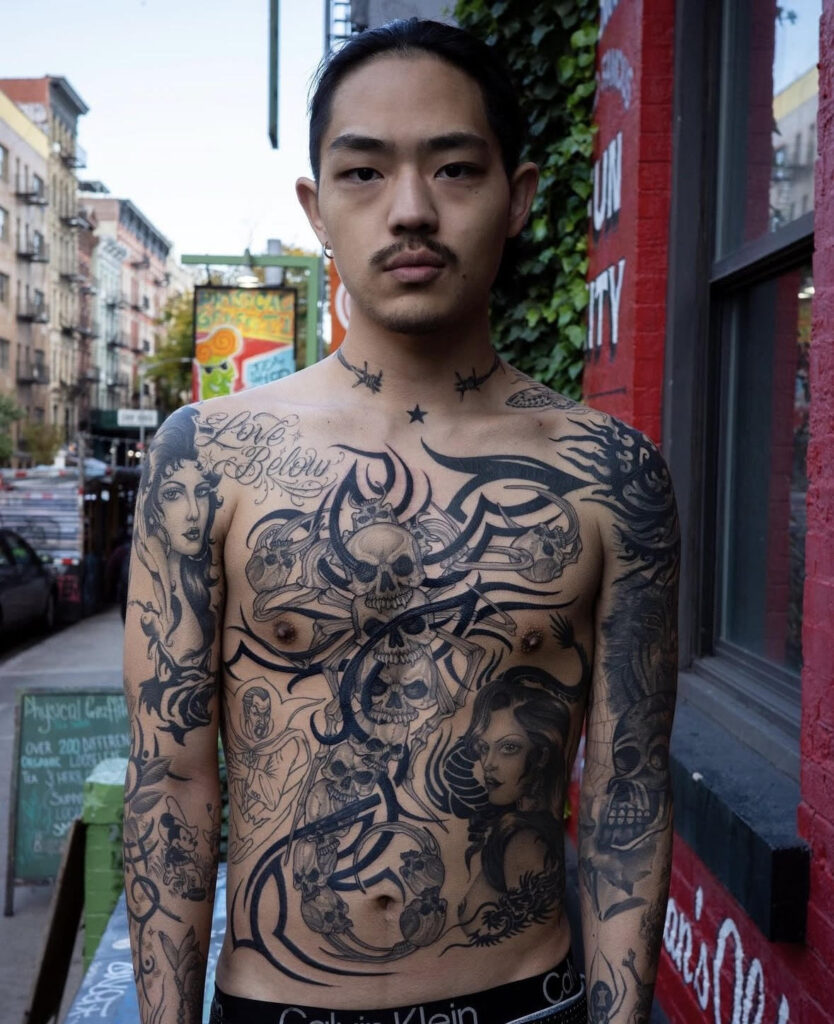
You work across tattooing, painting, sculpture, and textile. How do you decide which medium fits a particular idea or feeling?
Diego: The way I decide which medium fits a particular idea or feeling really depends on the project I’m working on. For example, if I’m working with football jerseys, then of course I’m working with textile. Tattooing, on the other hand, is a completely different process — it’s more collaborative, because someone else’s body becomes part of the work. That makes it very different from painting in solitude, where I can go inward and get lost in the details for hours.
Tattooing also has a performative side. You’re providing a service, and you’re working with skin — which has its own limitations. There’s only so much you can do technically. With painting, sculpture, or textile, the possibilities feel much more open, at least artistically speaking.
In painting, I’ve recently been exploring how to build visual layers that almost feel sculptural — trying to create depth not just in image, but in texture and structure. Overall, my choice of medium is guided by intuition. I let the feeling of the idea lead me toward the material that can express it best.
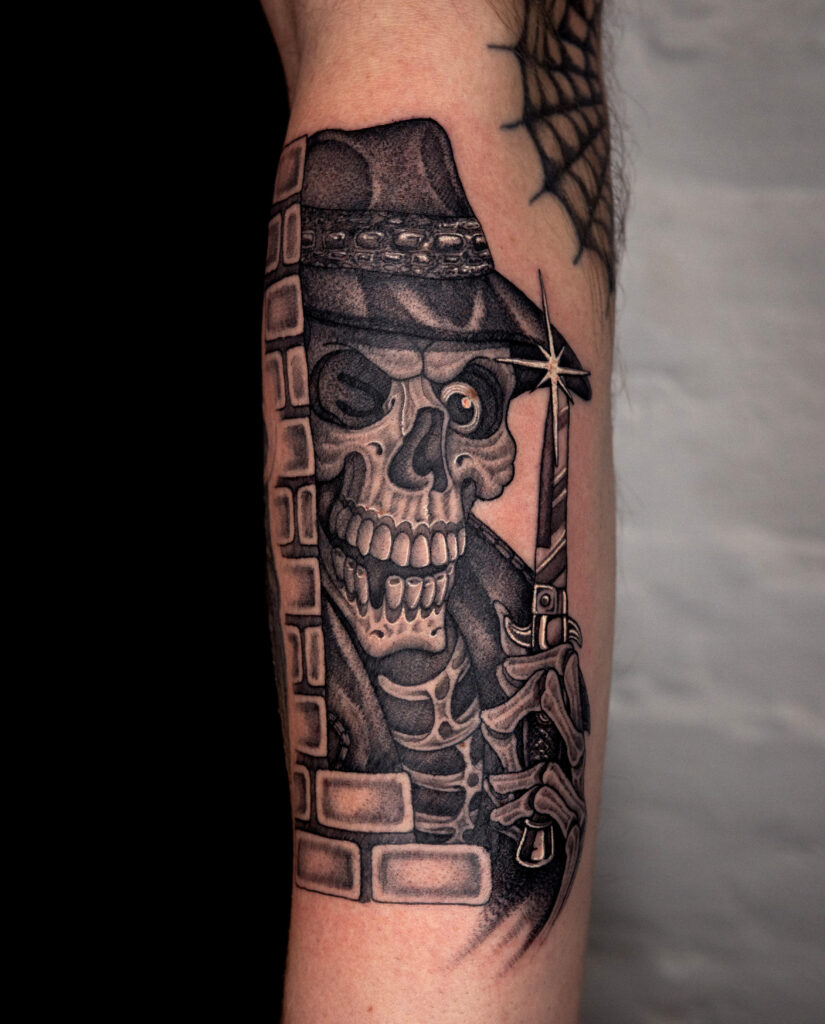
Tattooing is so intimate and permanent—how has it shaped your understanding of art in public and private space?
Diego: I see tattooing as a performative art form, mainly because it’s such a social process. It’s not just about your own ideas — it’s also about what the client wants, what works best for their body, their skin type, and how all of that comes together. There’s something really powerful about creating something on someone’s skin that’s going to last forever. It’s one of the most beautiful aspects of tattooing — the idea that the artwork you make will eventually disappear when that person dies. The tattoo kind of takes on its own life, goes through its own experiences as the person lives with it. That’s what makes it so special.
And when there’s a real connection with the client, the process becomes even more intimate. It’s not just about the design — it’s also about the relationship you’re building, and the trust that person is giving you. That shared moment adds a whole other layer of meaning to the piece.
Also, one of the most rewarding parts of tattooing is seeing how it makes someone feel. You can tell when a client lights up, when they feel better about themselves or get excited about the tattoo — that reaction is really meaningful. With painting or other forms of art, you don’t get that same kind of immediate feedback. A painting’s not going to smile back at you. So in that way, tattooing feels very humbling. It keeps me grounded — and I think that’s something really special about it.
Tattooing also exists in this interesting space between the public and the private. Someone might show their tattoo proudly, or they might keep it completely to themselves — but either way, it still holds meaning. Even if it wasn’t made with a specific intention, over time it becomes tied to a memory, a moment, or a phase in someone’s life. That’s what gives it emotional weight.
And on top of that, tattooing is democratic — it’s accessible. People from all walks of life can get tattooed, and that’s really influenced the way I think about my art overall. Especially as a Latin American artist, I want my paintings to connect with people in the same way tattoos do — to feel relatable, grounded, and emotionally honest.
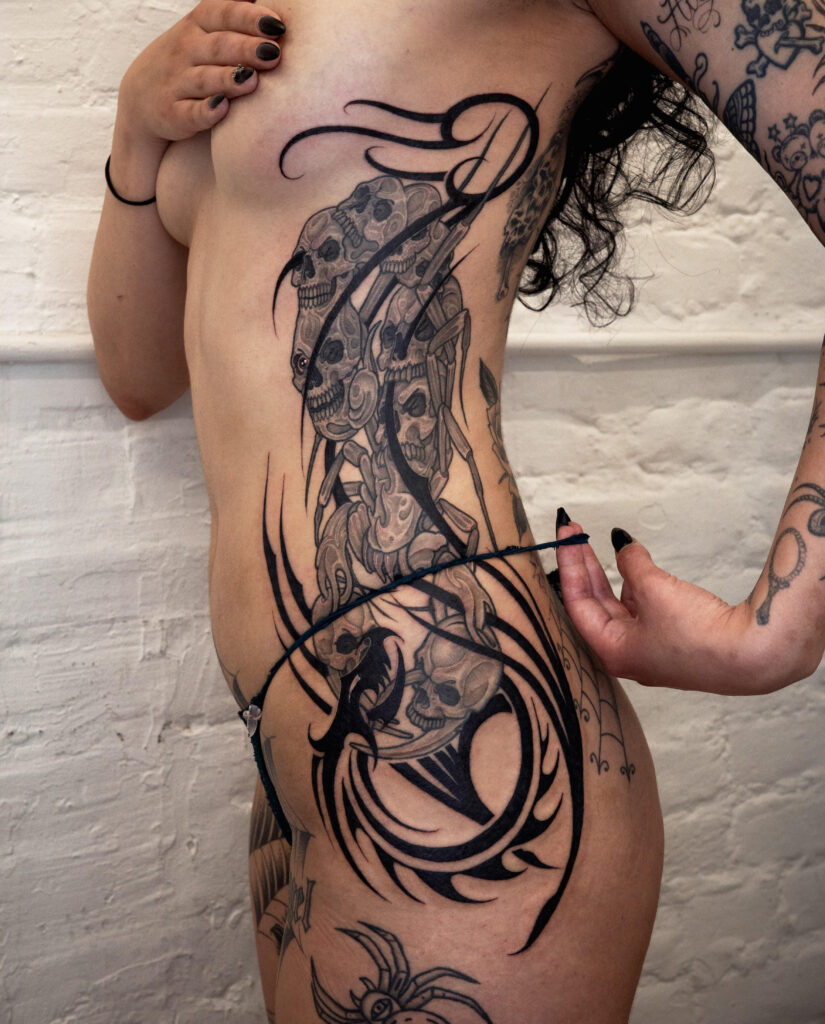
So how and when did you get introduced to tattooing?
Diego: Tattooing wasn’t very popular in Colombia when I was growing up — it was often looked down on. My first real exposure to it was probably when I was around 11 or 12, maybe a little older. I can’t remember the exact age, but I was a teenager when Miami Ink came out. Looking back, the show was a bit corny, but at the time, it completely blew my mind. It was the first time I saw tattooing as something creative — these guys were just hanging out at a shop, making drawings, getting paid for their art, meeting people. The whole lifestyle just looked so cool and interesting to me.
Later on, I started hanging out with friends who were getting tattooed, and eventually they introduced me to their tattooers. I started spending time around shops, made friends with people who worked there, and slowly found my way into that world. That’s how it all started for me.
Who taught you everything you know now about the art form?
Diego: I didn’t have one person who taught me everything I know. I had a very short apprenticeship in Colombia before I moved to New York. My first mentor was the owner of the tattoo shop — his nickname is El Calvo. He was the one who first opened the door for me. But once I started that apprenticeship, I also began meeting other people who helped me a lot along the way.
When I moved to New York, I had to quit my apprenticeship, so I ended up having to learn a lot on my own. But even then, I’ve always had friends — including people who were tattooing me back in Colombia — who gave me advice, helped me figure things out, and supported me as I developed my practice. It’s been a mix of mentorship, community, and a lot of figuring things out as I go.
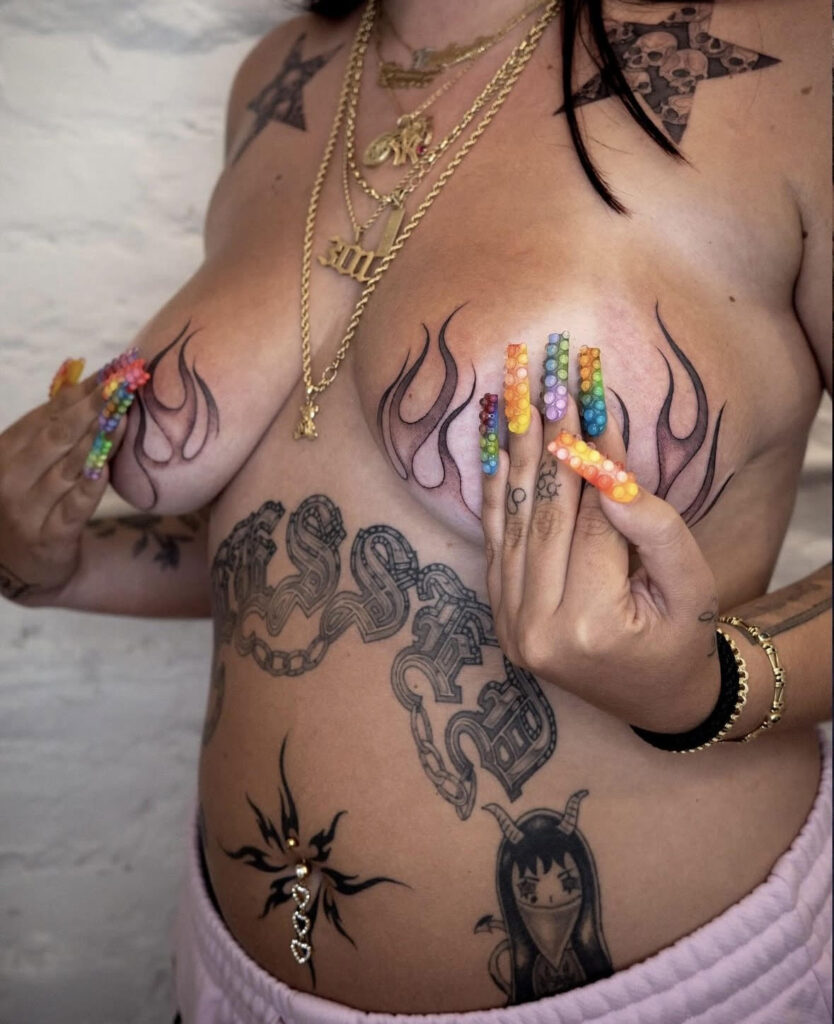
Can you walk me through your creative process from beginning to end result?
Diego: My creative process is kind of divided into two parts — one for painting and tattooing, and another for the clothing and jersey work. For painting and tattooing, it all starts with a basic idea I want to explore. Once I have that, I begin gathering as many references as I can — images that relate to the concept or feeling I’m trying to capture. From there, I create collages using those images, playing with composition and seeing what works and what doesn’t. I’ll draw over them, intervene, and modify them until I start forming my own visual language.
Once that collage or drawing feels solid, I’ll create a more refined sketch. Then I start thinking about color — I go back to the collages and experiment in Photoshop, adjusting the palette and testing what combinations feel right. After that, I’m ready to begin the actual piece.
For my paintings, I use a lot of mixed techniques, and masking plays a big role. I like getting into the small details — my mind is very detail-oriented, and I can easily get lost in the tiniest elements. It’s very methodical, and the process involves thinking in layers. I think that’s just how my brain works — always breaking things down into steps.
In contrast, the work I do on jerseys or clothing has been way more freeing. I don’t mask as much, and I allow myself to work more instinctively. I just start airbrushing and let things happen in the moment. It’s looser, more playful, and it gives me a different kind of satisfaction.
Tattooing is similar to painting in that I still use collages and sketches, but there’s an added layer of consideration. I need to think about where on the body the tattoo will go, what works best for that placement, the person’s body type, and of course, the client’s ideas. So it’s not necessarily more restricted — just different. There’s more problem-solving involved to make sure the design fits the body.
Across all these mediums — tattooing, painting, airbrushing jerseys — one thing that ties it all together is layering. My process always comes back to that structure: building up from a base, adding elements gradually, adjusting, refining. That’s probably why transitioning from tattooing to airbrushing felt so natural to me. Both are very technical in their own ways. You need to follow certain steps if you want a specific outcome, and I really enjoy that precision.
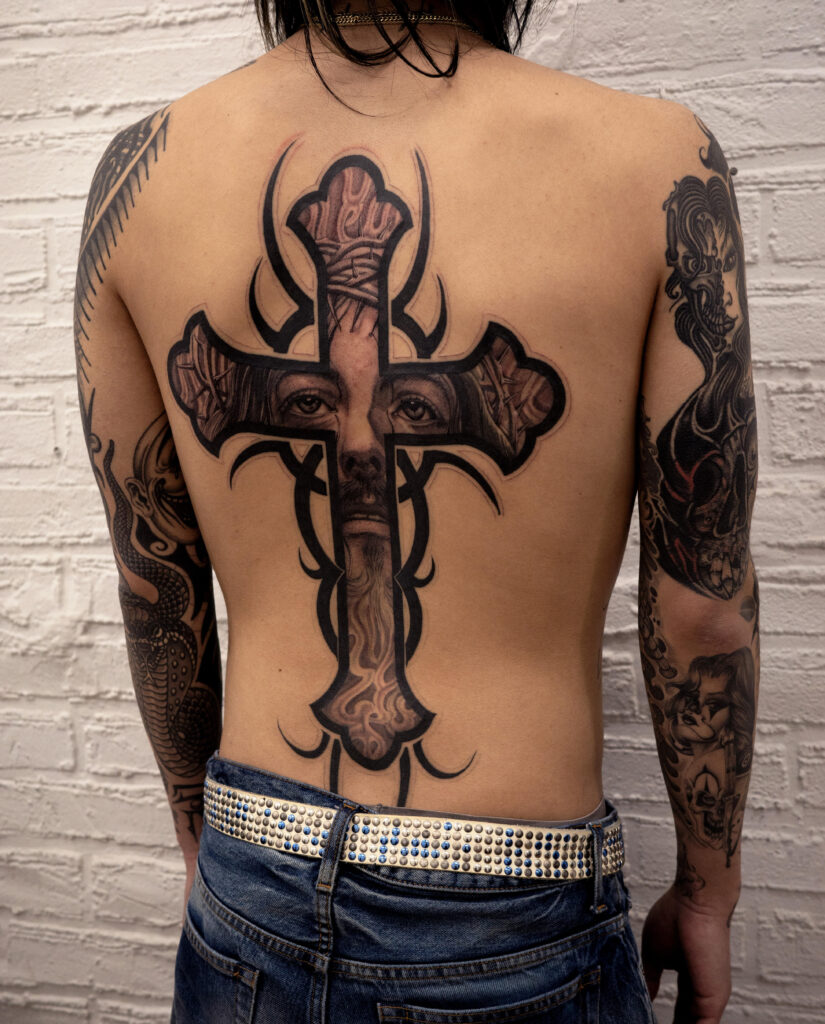
How do you approach color?
Diego: The way I approach color is very intuitive. For each painting, I usually start by gathering a bunch of reference images and building a digital collage in Photoshop to construct the foundation of the composition. Once I have that, I’ll start adjusting the color palette in the collage — just testing things out and seeing which combinations feel right. But even with that as a reference, once I begin painting, the colors tend to shift. As the work develops, the painting kind of takes on a life of its own, and the color evolves with it. So I use the reference as a guide, but I also stay open to improvisation and let the process lead me.
Lately, I’ve been starting a series of paintings based on nightlife memories — moments that feel blurry, intimate, or kind of surreal. To build those atmospheres, I’ve been watching a lot of films that capture night scenes with neon lights or moody lighting, just to draw inspiration from their color and tone. It’s become part of my reference process, not just gathering photos, but also pulling from the visual language of cinema.
So with what we just talked about, what are you hoping to convey?
Diego: What I’m trying to convey with my work is a reflection of Colombian, South American, and broader Latin culture. I want to show how complex and layered it is — not just through symbols or aesthetics, but through lived experience. The way I approach that is by grounding everything in my own perspective: as a Colombian, as a Latin American, and as an immigrant living in the United States. Memory plays a big role in this. So much of my work is rooted in personal memories — moments that have shaped who I am. Through those memories, I’m able to explore themes of identity, belonging, and cultural resilience. It’s not about creating a fixed image of what Latin culture is, but rather sharing how it feels from the inside.
I also feel that having a sense of belonging is essential to the human experience. Through my work, I’ve been trying to find that shelter — a place where I can belong — and my hope is that by doing that for myself, the work can also offer that feeling to others. Maybe someone sees a part of their own story in it, or feels seen in a way they hadn’t before.
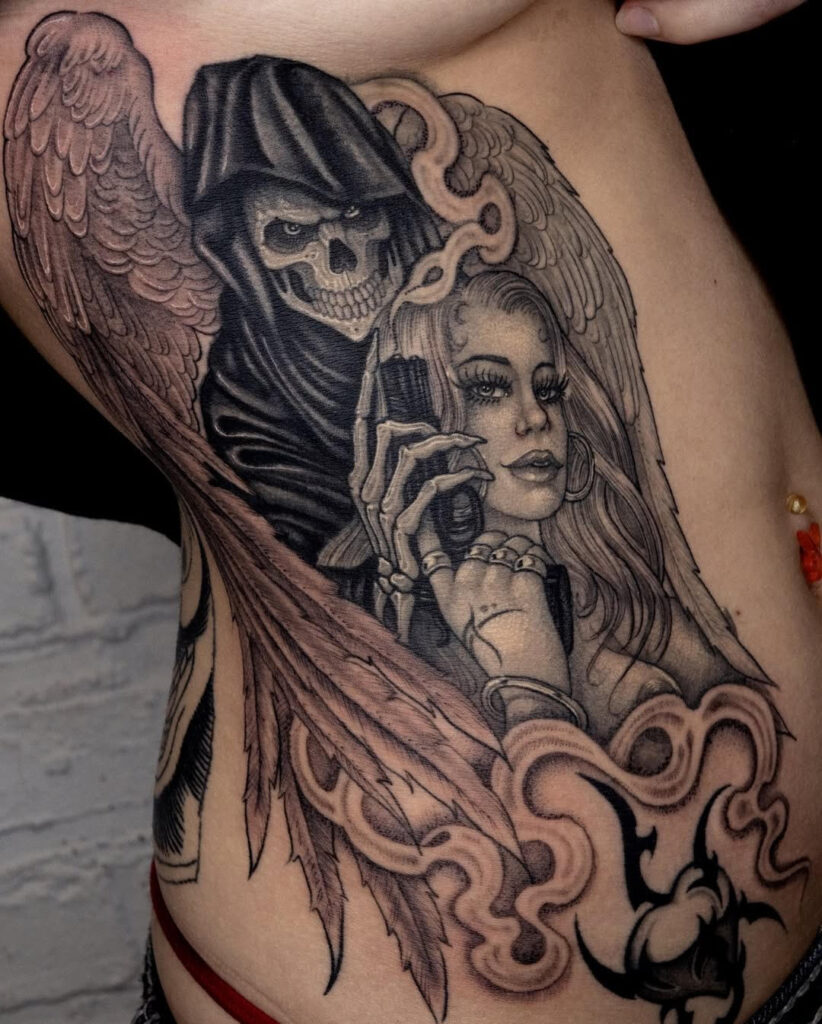
Can you tell me a story about a time when a connection with someone had a big impact on you?
Diego: When I was a kid, I used to visit my uncle’s finca in the small town I mentioned earlier. There was a man who helped my uncle take care of the property when he wasn’t there — he looked after the horses, the crops, and made sure everything around the house was okay. He would take me and my cousins on little trips around the area, and while we were out, he’d tell us stories — myths and legends from the Colombian countryside.
I don’t think I had a particularly strong personal connection to him, but I did feel a deep connection to the stories he shared. That kind of folklore — so rich and magical — really sparked my imagination as a kid and inspired me creatively. Even now, when I think back to those moments, I feel a sense of joy and wonder. Those stories continue to influence the way I see the world and how I make work.
The Colombian countryside can be very underdeveloped in terms of infrastructure and access to resources, but when you remove capitalism and access to capital from the equation, culture often evolves in more interesting and imaginative ways. That’s something those stories remind me of. Colombia is full of that kind of everyday magic — myths, legends, and beliefs that might sound wild to others, but to me, they’re deeply meaningful.
It makes me happy to come from a place where people still believe in those things. There’s a kind of beauty and honesty in that worldview — something that doesn’t need to be rational to be real. And I think that’s what I try to hold on to in my work. It’s not just about nostalgia — it’s about honoring a way of seeing and remembering that feels personal, emotional, and deeply rooted.
Anybody you look up to?
Diego: One artist I really look up to is Gonzalo Díaz Ladino, who I actually met through the show I curated in New York featuring his erotic paintings. Back in the day, he was one of the biggest commercial painters in Colombia. He did movie billboards, artwork for festivals, and all kinds of commercial illustration. When I met him and interviewed him for the show, I was really inspired by how he carries himself and how he stays motivated after all these years.
He’s probably in his 80s now and has been painting since he was sixteen — and he told me his main goal is still to keep getting better. That really stuck with me. It’s so humbling to hear that from someone who’s already a master at what they do. He still wants to learn, to improve, to surprise himself — and I think that mindset is something I admire deeply. Right now, he’s definitely someone I look up to.
What motivates you?
Diego: What motivates me the most is bringing the ideas in my head to life. I constantly have images and concepts popping into my mind, and sometimes it actually makes me anxious — there’s a fear that I won’t be able to realize them all, or that they’ll fade away before I can turn them into something real. That fear has become a big source of urgency. But it’s not that fear is what motivates me. What really drives me is the excitement I feel about those ideas and the need to give them shape.
Most of the time, the ideas come to me spontaneously. I might be sitting on the subway, out partying, having drinks with friends — and suddenly, something clicks. I write it down right away, and later I sit with those thoughts, reflect on them, and figure out which ones feel most exciting or urgent to make. It’s not always super structured, but it’s driven by that energy — when something really grabs me, it’s meant to become part of the work I’m doing at the moment.
I’m also very nostalgic, so my mind tends to live in the past a lot. That plays a big role in my work — I’m always trying to capture or recreate feelings tied to specific memories, whether they were good or difficult. And maybe the reason I use memories or ideas from the past in my art is because I’m trying to hold on to those moments in my life. Nostalgia is a big part of my motivation — it’s about preserving a certain mood or emotional texture and turning it into something visual.
How would you describe a perfect day?
Diego: A day where I can paint.
I always ask these two questions at the end of an interview. The first is. What’s your favorite movie(s) and why?
Diego: Lately I’ve been watching two films — partly because I enjoy them, but also because I’ve been using them as references for some of the work I’m doing. One is a Colombian film called La Sangre y La Lluvia. It’s a noir thriller set in Bogotá, and what I love about it is how accurately it captures the atmosphere of the city at night. There’s a mood to it — a kind of gritty, melancholic stillness — that really resonates with me and the feeling I want to explore in my paintings.
The other film is Millennium Mambo. I’m drawn to how the dim lighting and soft color tones create this nostalgic, almost dreamlike atmosphere. It gives the whole movie a really intimate, emotional weight. Both films have been inspiring in different ways, especially as I’m working on a series rooted in memory and nightlife. They help me think about how light, tone, and atmosphere can carry meaning beyond the literal.
The second is. What song(s) are you currently listening to the most right now?
Diego: Señor De La Noche by Don Omar.