Share this
Architecture is often framed as an act of projection — a discipline obsessed with what comes next. But what if the future could only be drawn by moving backwards first? That question sits at the heart of Memoryscapes, the new exhibition opening at Louisiana Museum of Modern Art in January 2026, bringing together two studios who treat architecture less as form-making and more as cultural investigation.
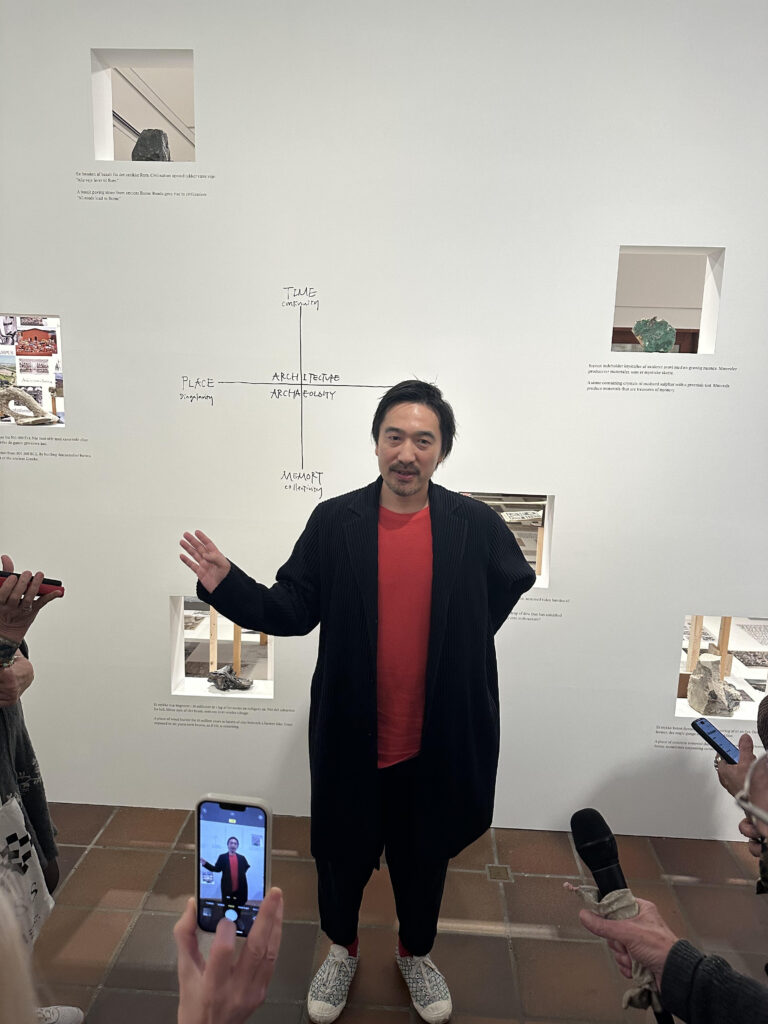
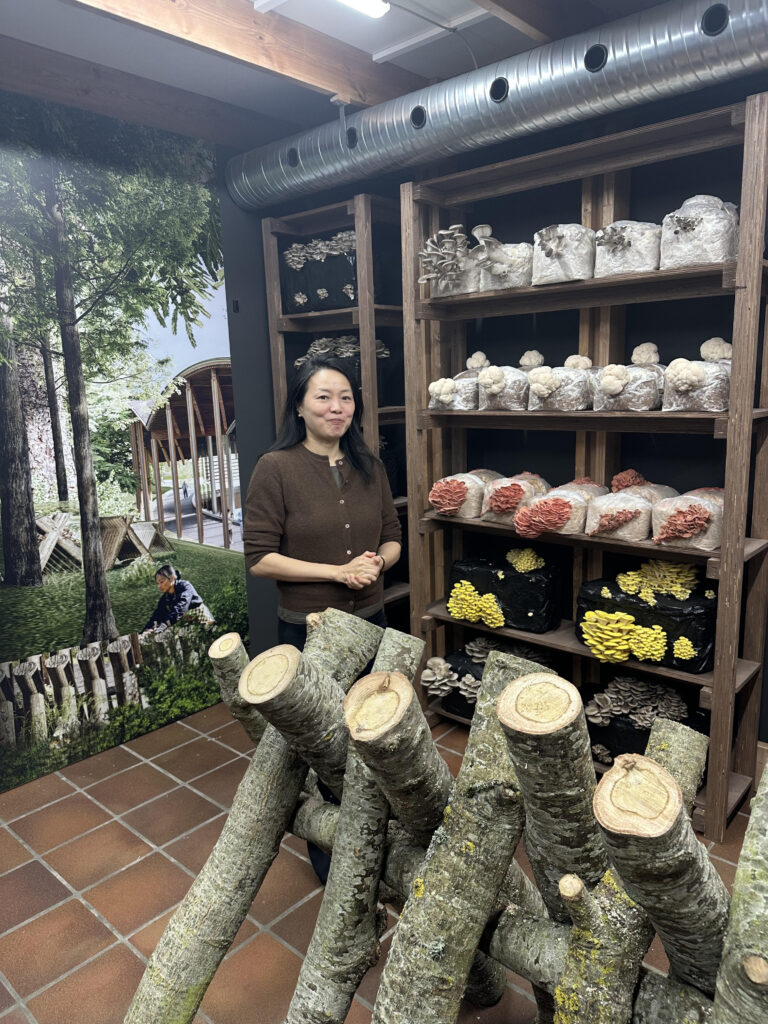
Part of Louisiana’s ongoing series exploring architecture’s dialogue with other fields of knowledge, Memoryscapes turns its attention to cultural geography — to landscapes shaped not just by materials, but by stories, rituals, labour, and time. The exhibition places the work of Atelier Tsuyoshi Tane Architects and DnA_Design and Architecture side by side, revealing two distinct yet deeply connected ways of thinking about place.
Rather than starting from blank paper, both studios begin with fieldwork. Their architecture grows out of listening, observing, collecting, and mapping — a process closer to anthropology or archaeology than conventional design practice.
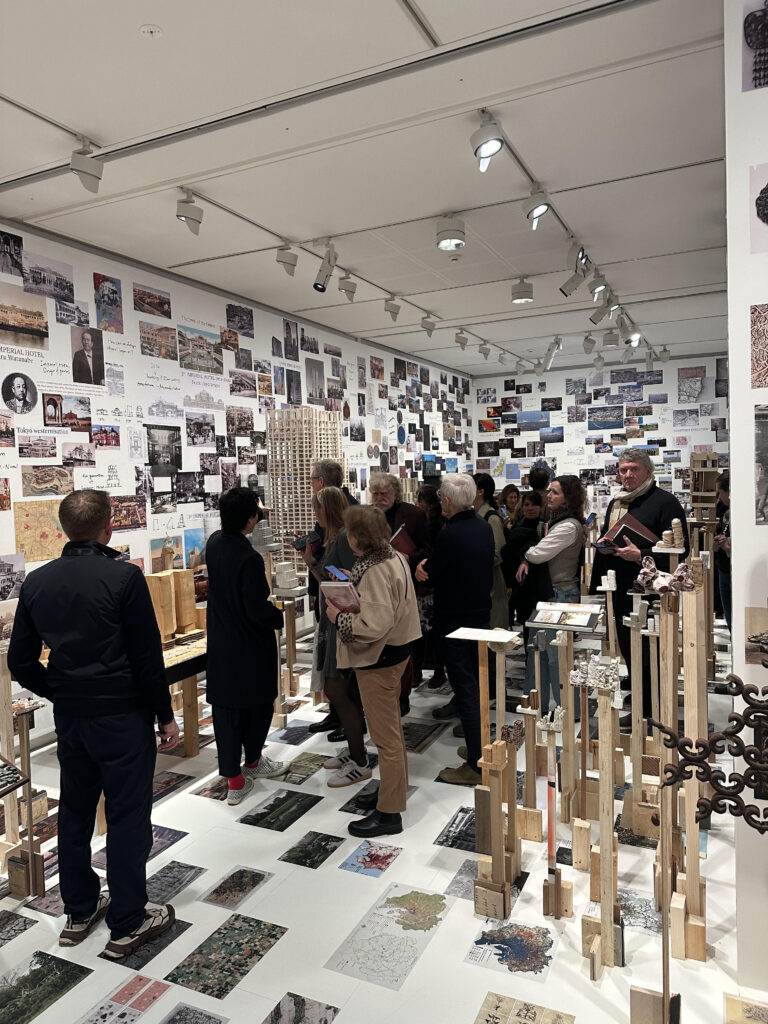
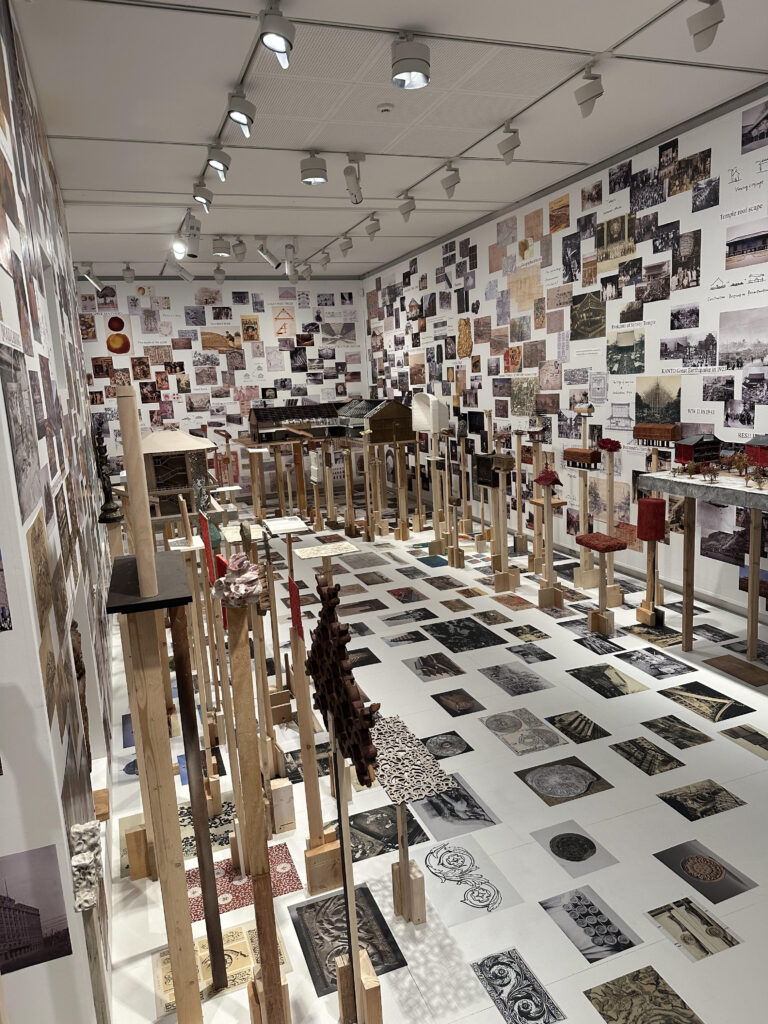
For Tsuyoshi Tane, architecture begins with what he calls the archaeology of the future. Before designing anything, his studio undertakes deep research into a site’s geological layers, urban histories, construction traditions, and cultural memory. Buildings, in this view, are not imposed onto land; they emerge from it.
Tane’s projects are shaped by a careful unearthing of what already exists — tangible and intangible alike. Time, memory, and place are treated as materials, just as vital as concrete or steel. This methodology underpins work currently unfolding in Japan, including the renovation of Tokyo’s historic Imperial Hotel and ambitious new green urban developments.
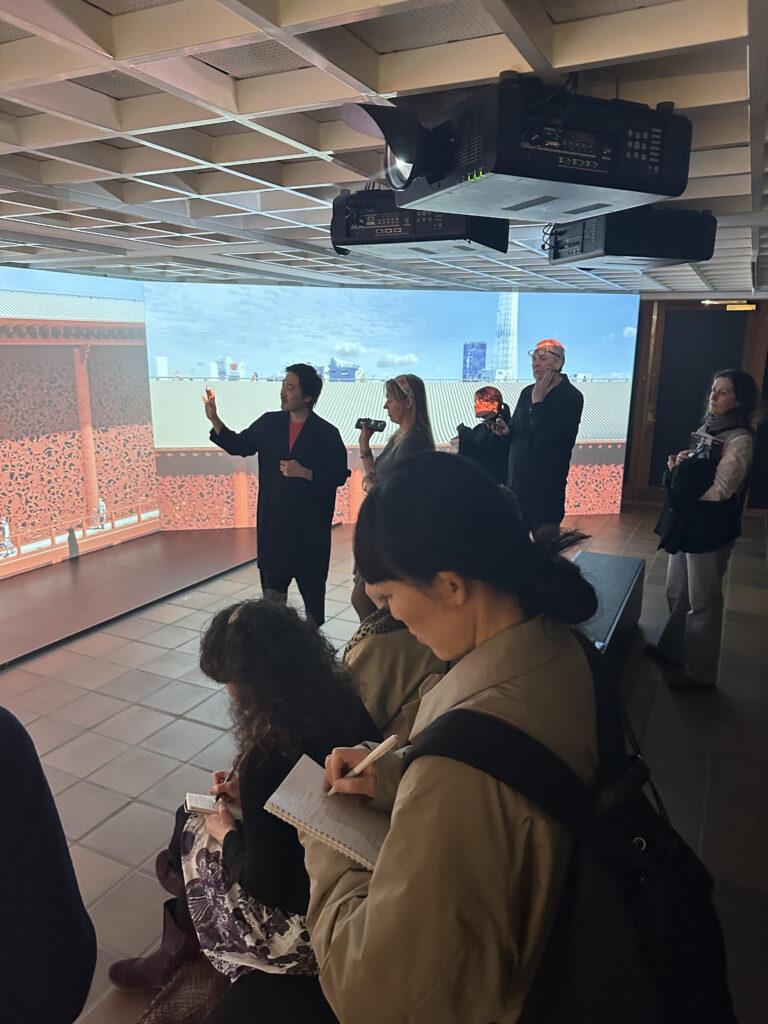
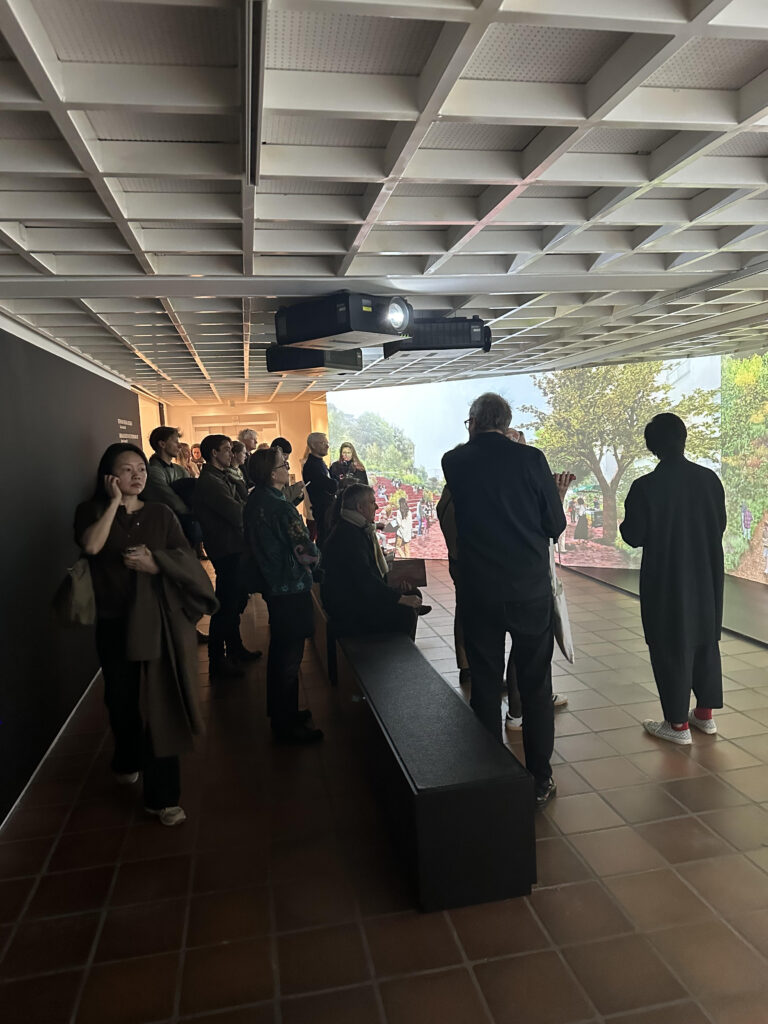
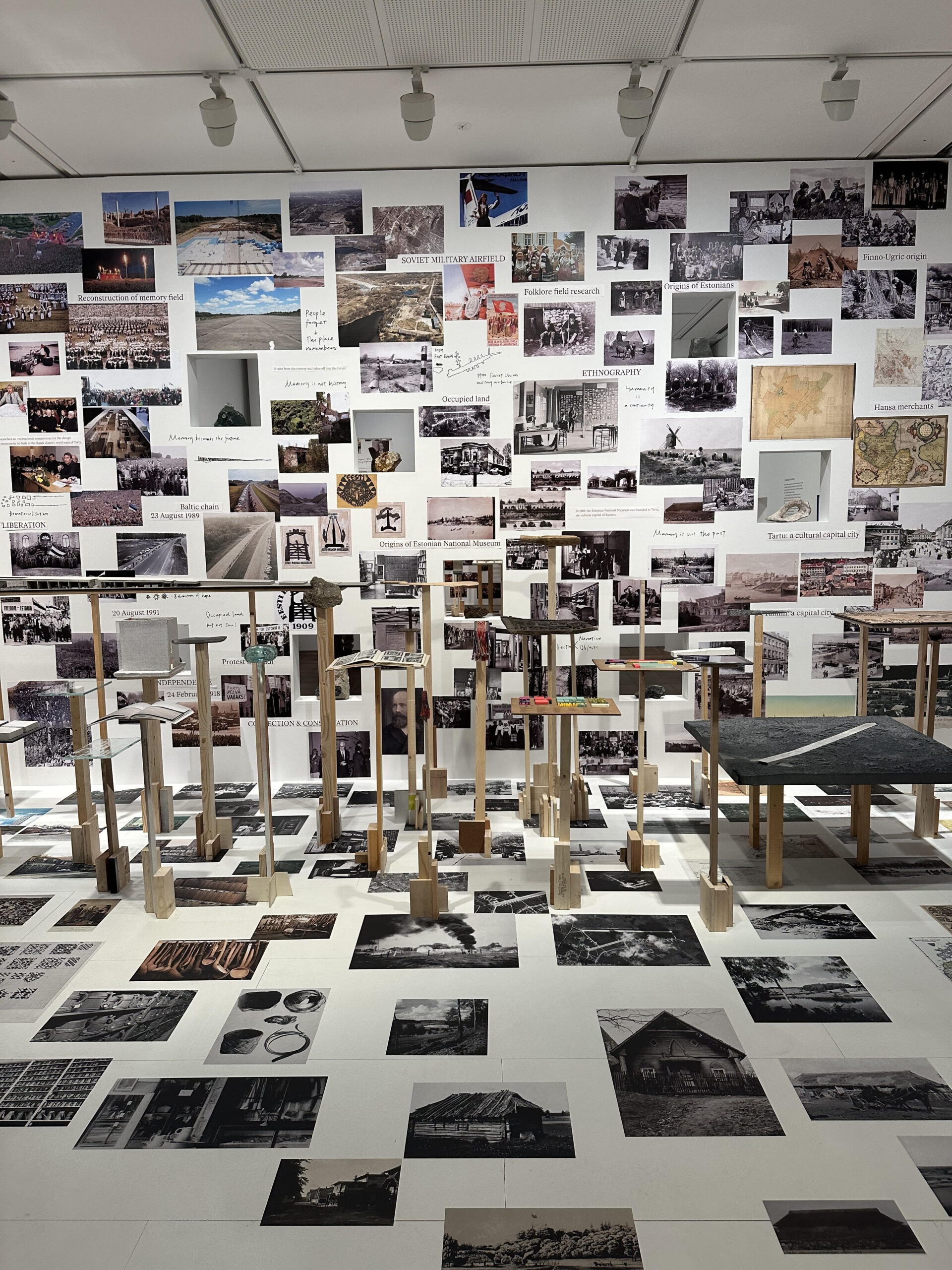
At Louisiana, Tane’s process is revealed through an immersive installation of thousands of research images, hand-built working models made from everyday materials, and an archive of objects collected during site visits and travels. Short films produced by Louisiana Channel offer further insight into how this research-driven practice transforms memory into built form.
If Tane’s work is about excavation, Xu Tiantian’s practice focuses on precision and restraint. Working largely in rural China, her studio DnA_Design and Architecture has developed an approach she describes as architectural acupuncture — small, targeted interventions capable of triggering wider social and spatial change.
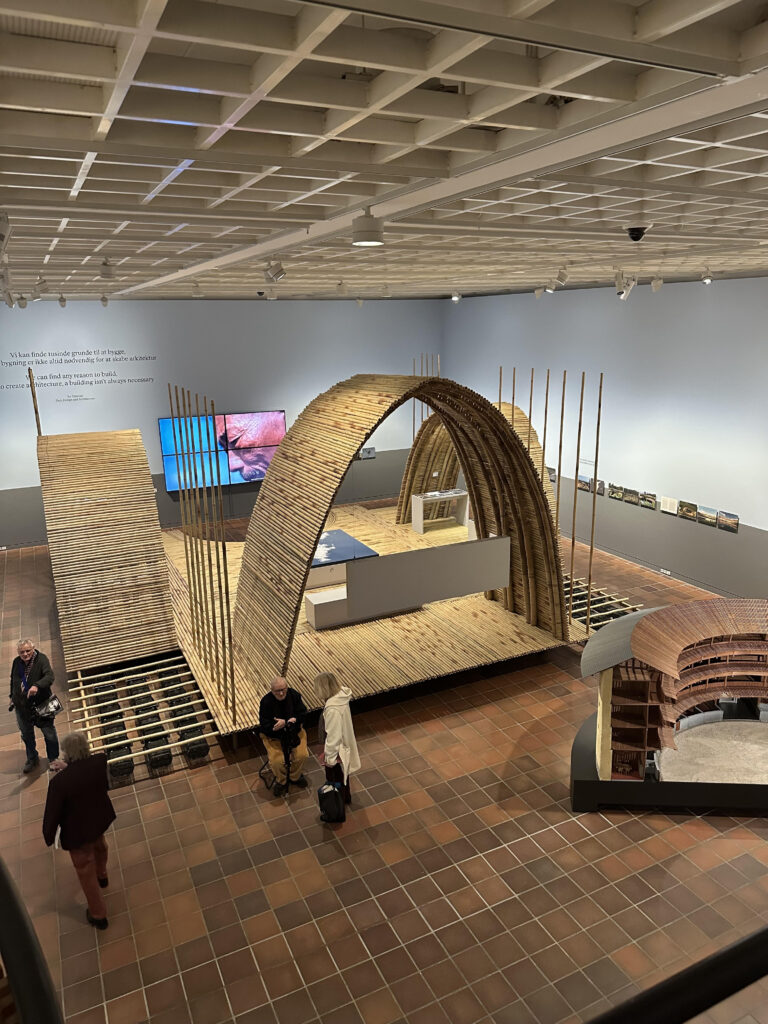
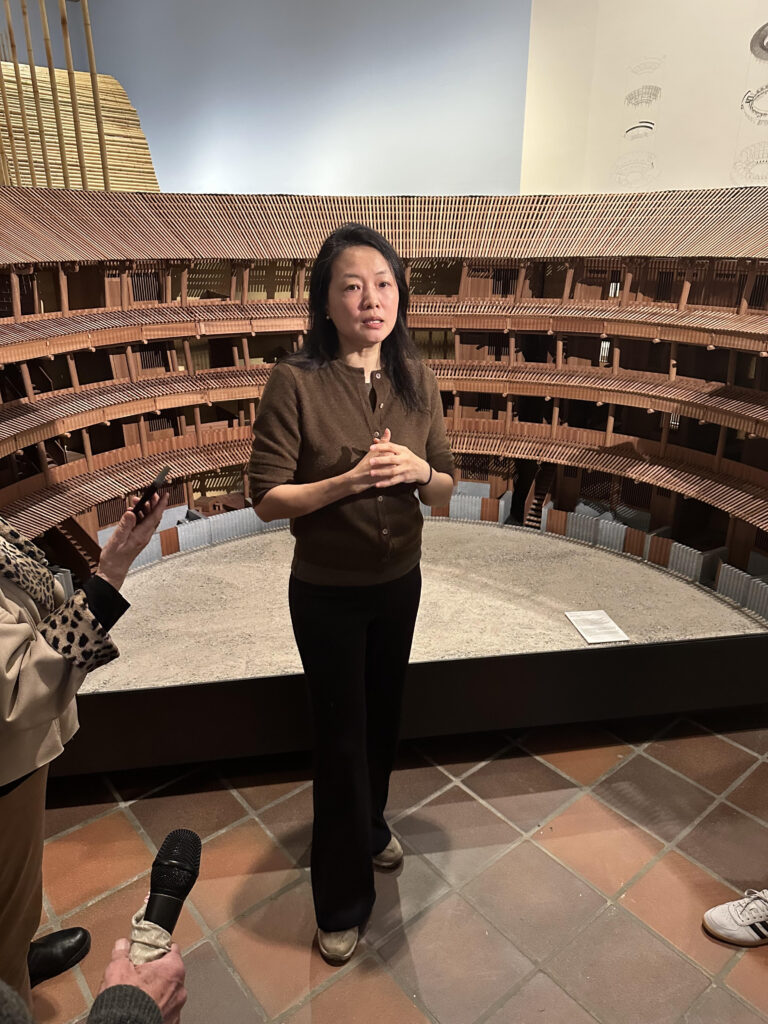
Rather than demolishing or fully restoring, Xu works with what is already there. Ruins, landscapes, and existing structures are treated as architectural conditions in their own right. So metimes, the most meaningful architectural act is to build less, not more. As Xu herself has noted, architecture doesn’t always require new construction to exist.
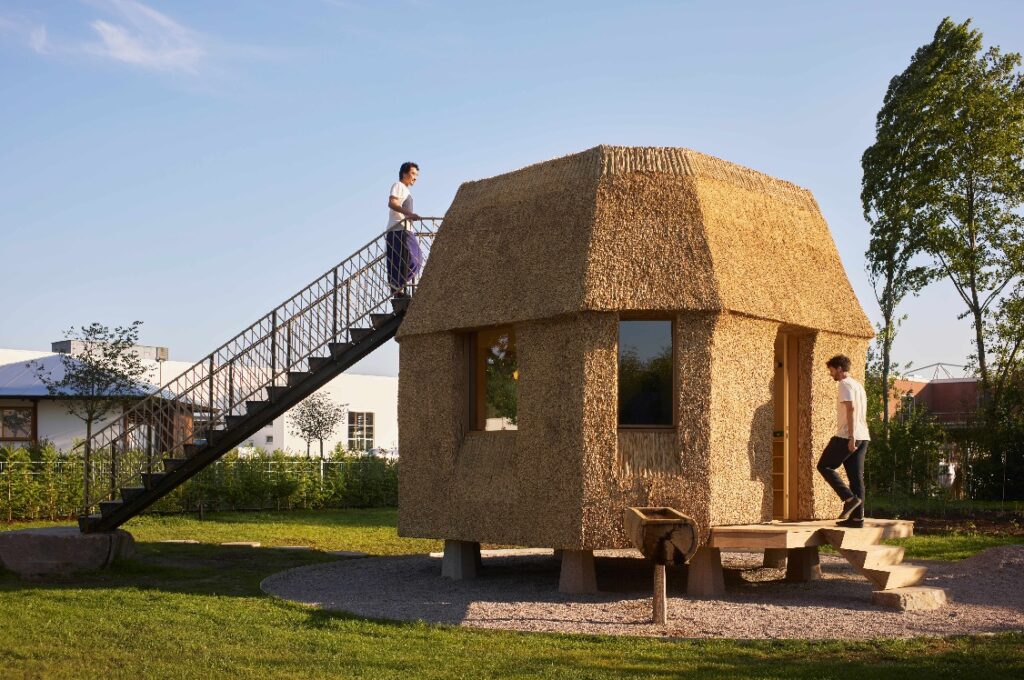
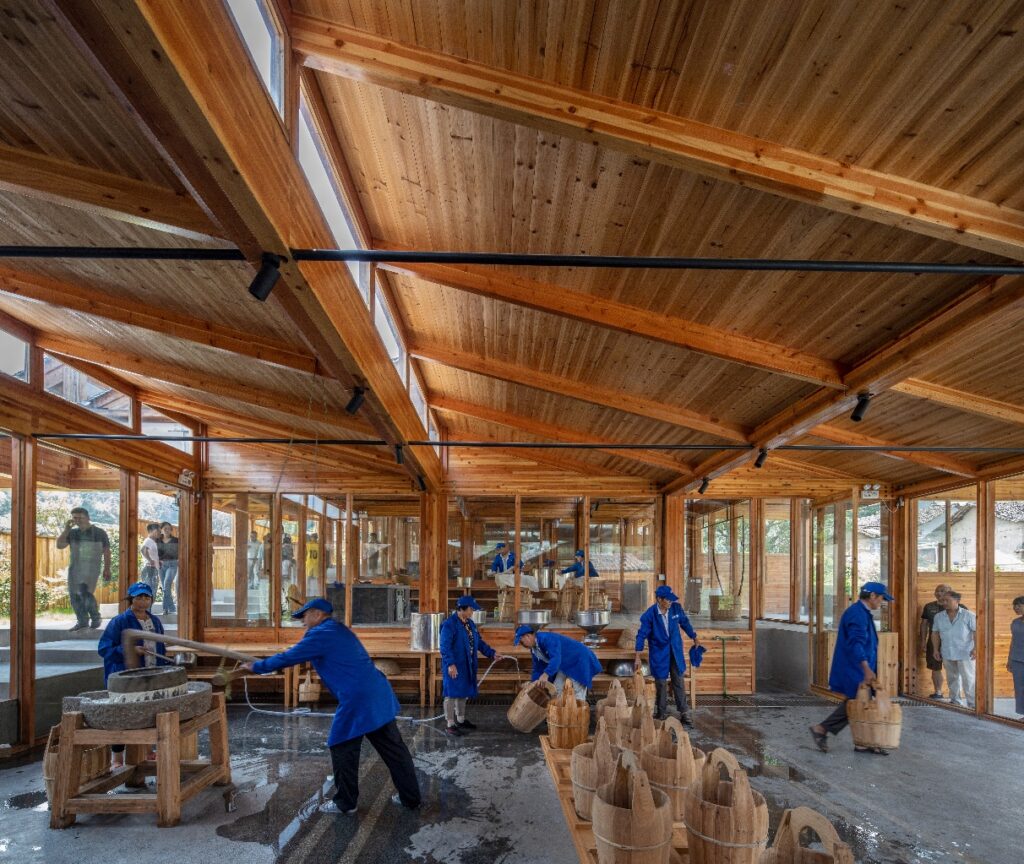
Alongside this, the exhibition introduces the concept of the productionscape — hybrid spaces that combine manufacturing, community life, and public experience. Often located in areas affected by depopulation, these projects reframe traditional industries by integrating production with education and visitation. Factories become walkable environments; workspaces become living archives.
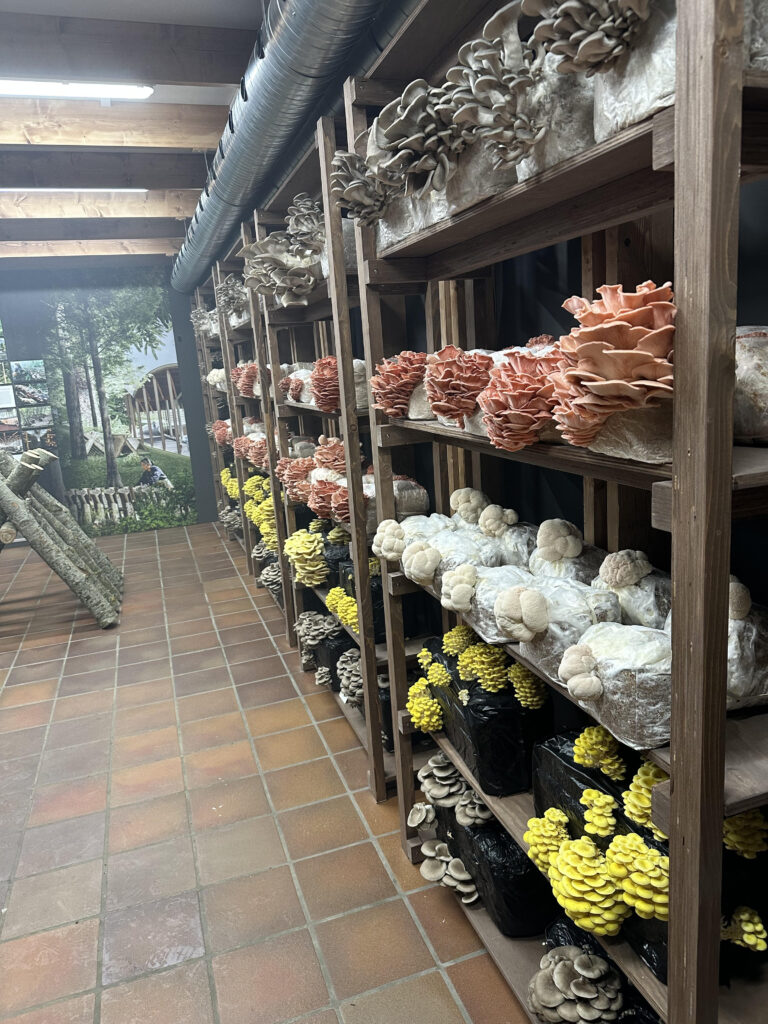
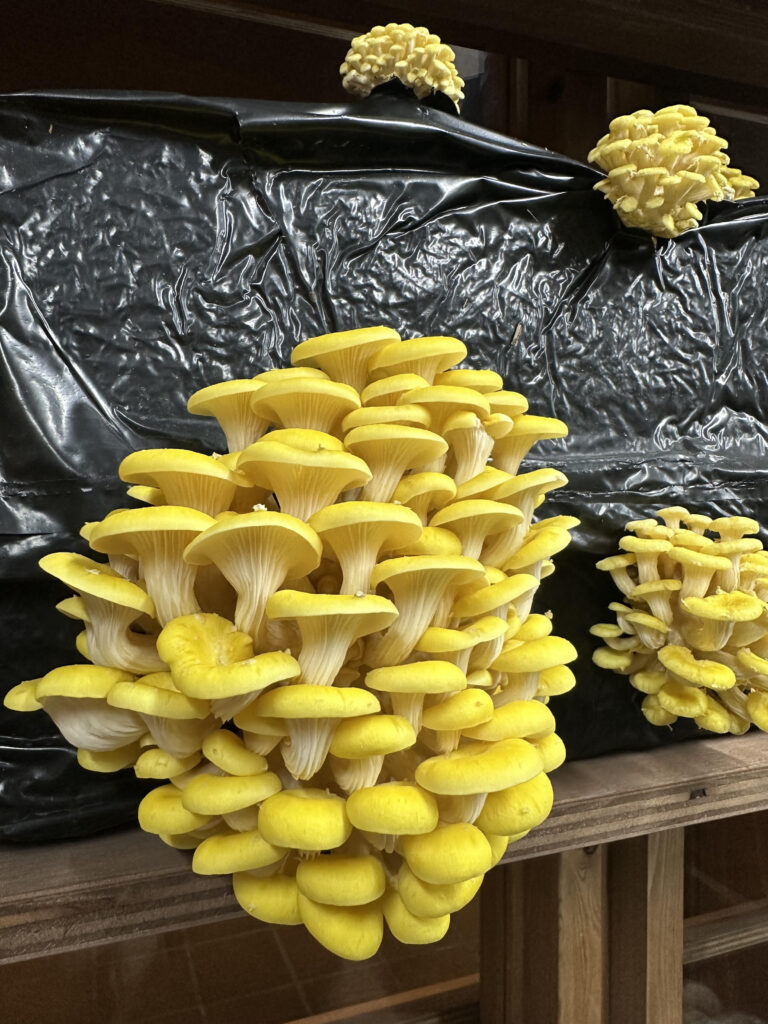
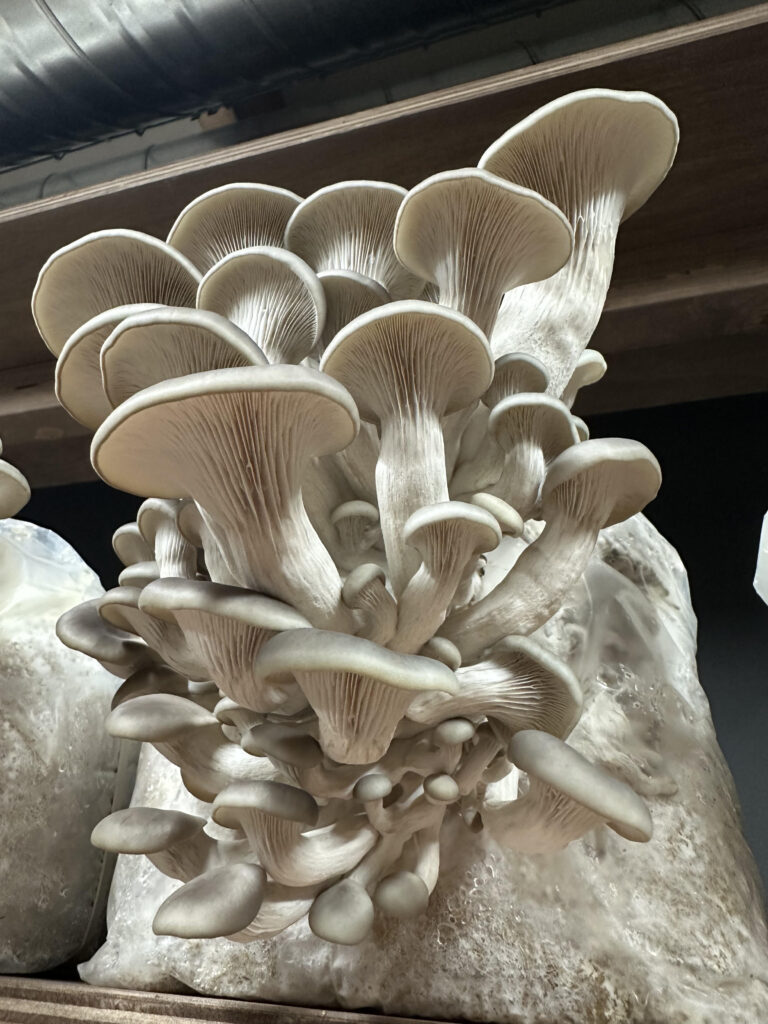
Three of Xu’s projects anchor her presence in the exhibition. A large-scale bamboo installation reflects her interventions on Meizhou Island. Models explore her sensitive treatment of traditional Tulou structures, while a reconstructed section of a mushroom production centre from Zhejiang province demonstrates how architecture can simultaneously function as factory, landscape, and museum.
What unites both studios is a belief that architecture is inseparable from human experience. Buildings are not isolated objects, but participants in cultural systems — shaped by memory, labour, and movement across time. Memoryscapes doesn’t present architecture as spectacle. Instead, it reveals it as a slow, investigative practice — one that asks what a place remembers before deciding what it should become. In doing so, the exhibition proposes a quieter, more responsible vision of the future: one built not on erasure, but on understanding.
Architecture’s Connections II – Memoryscapes is organized by museum curators Mette Marie Kallehauge and Kjeld Kjeldsen.