Share this
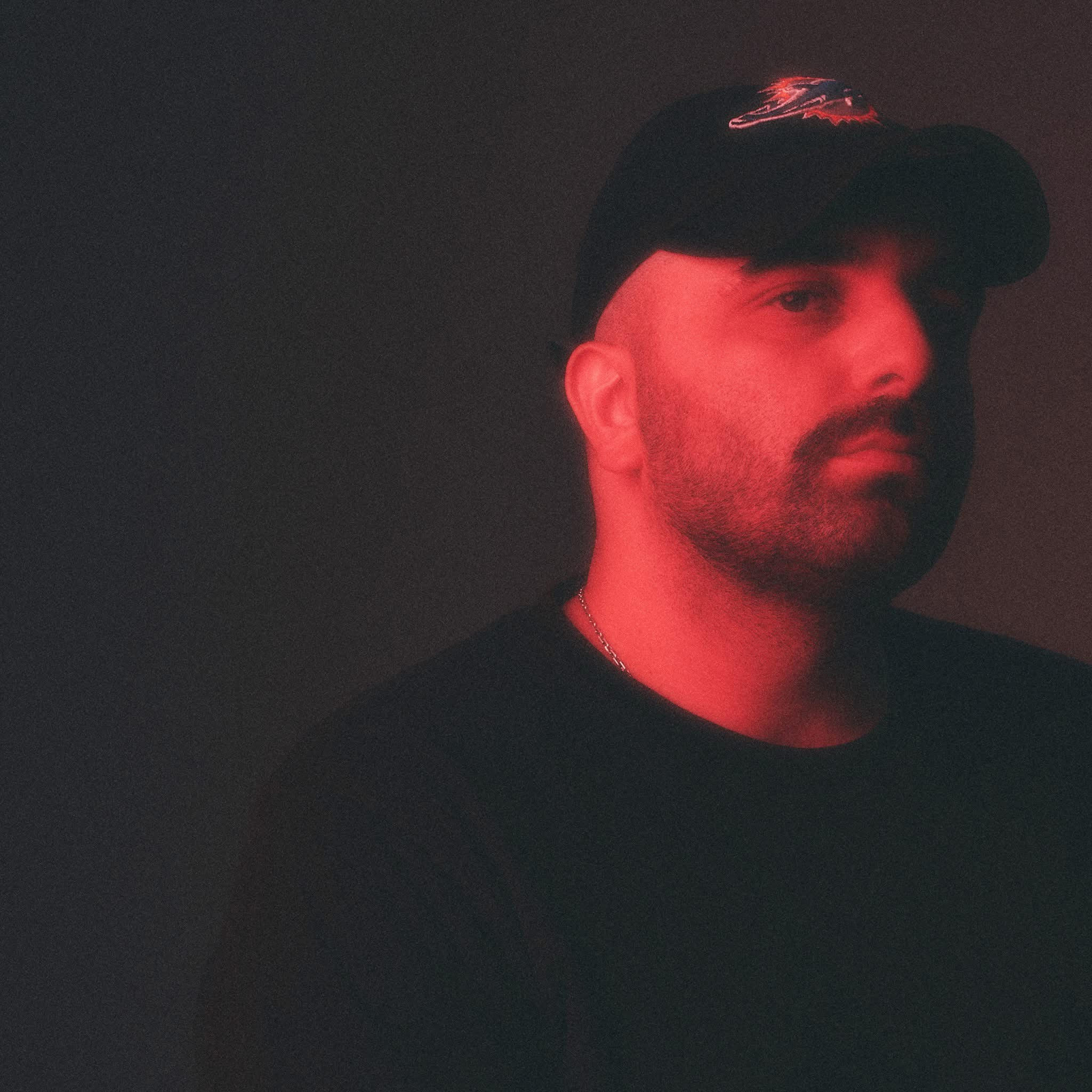
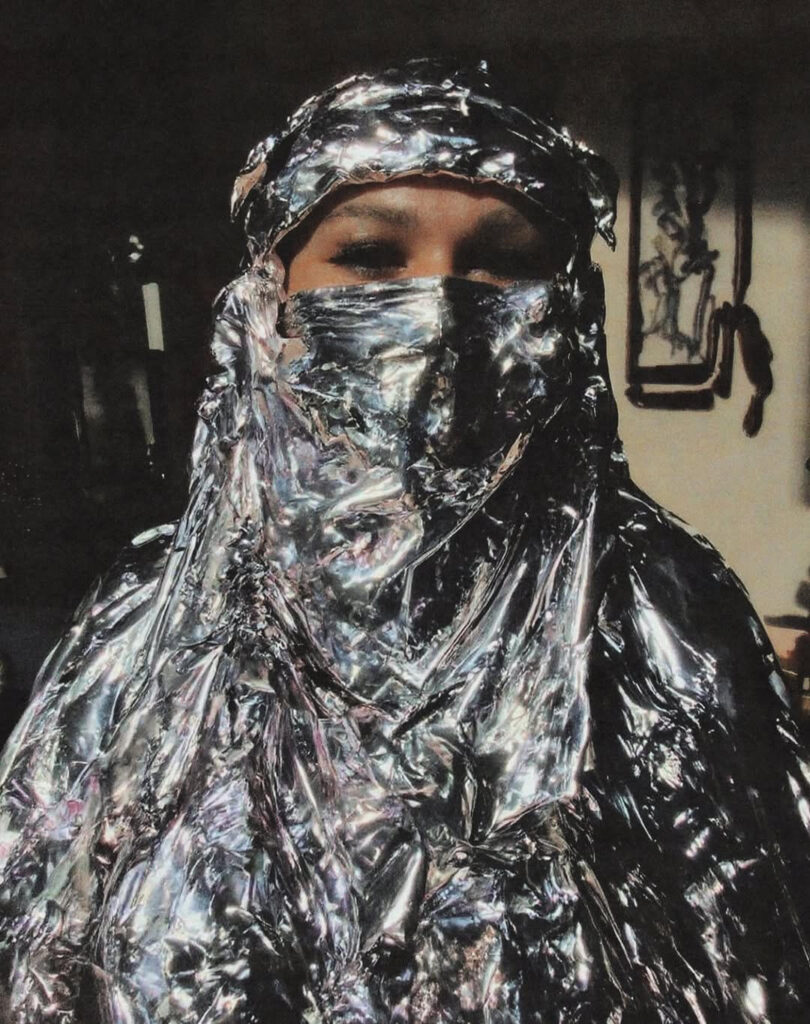
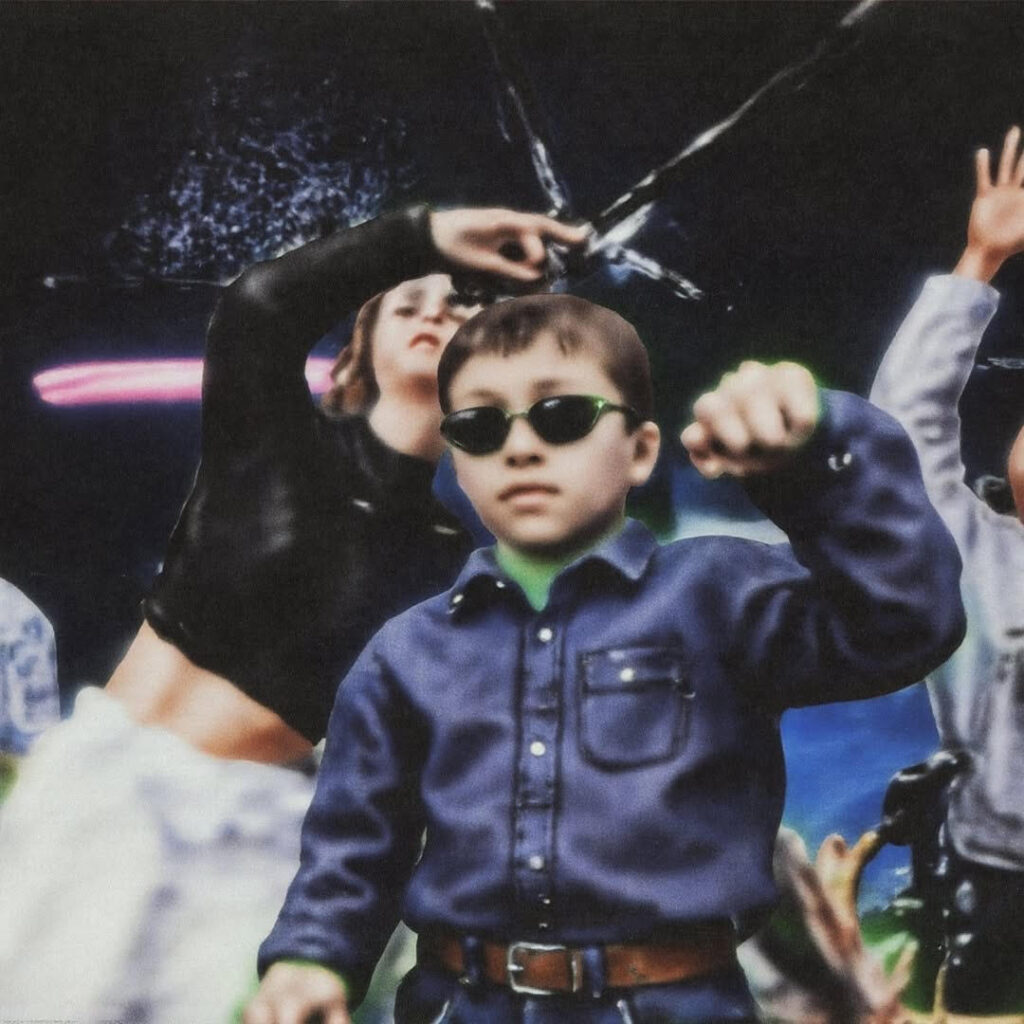
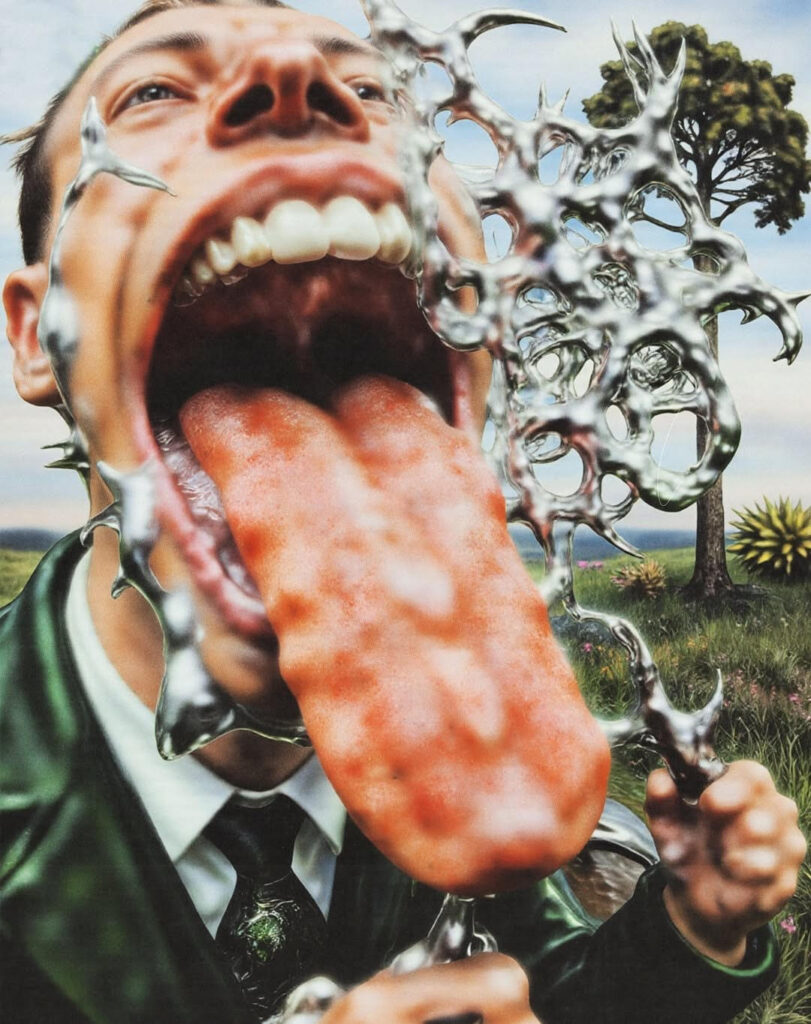
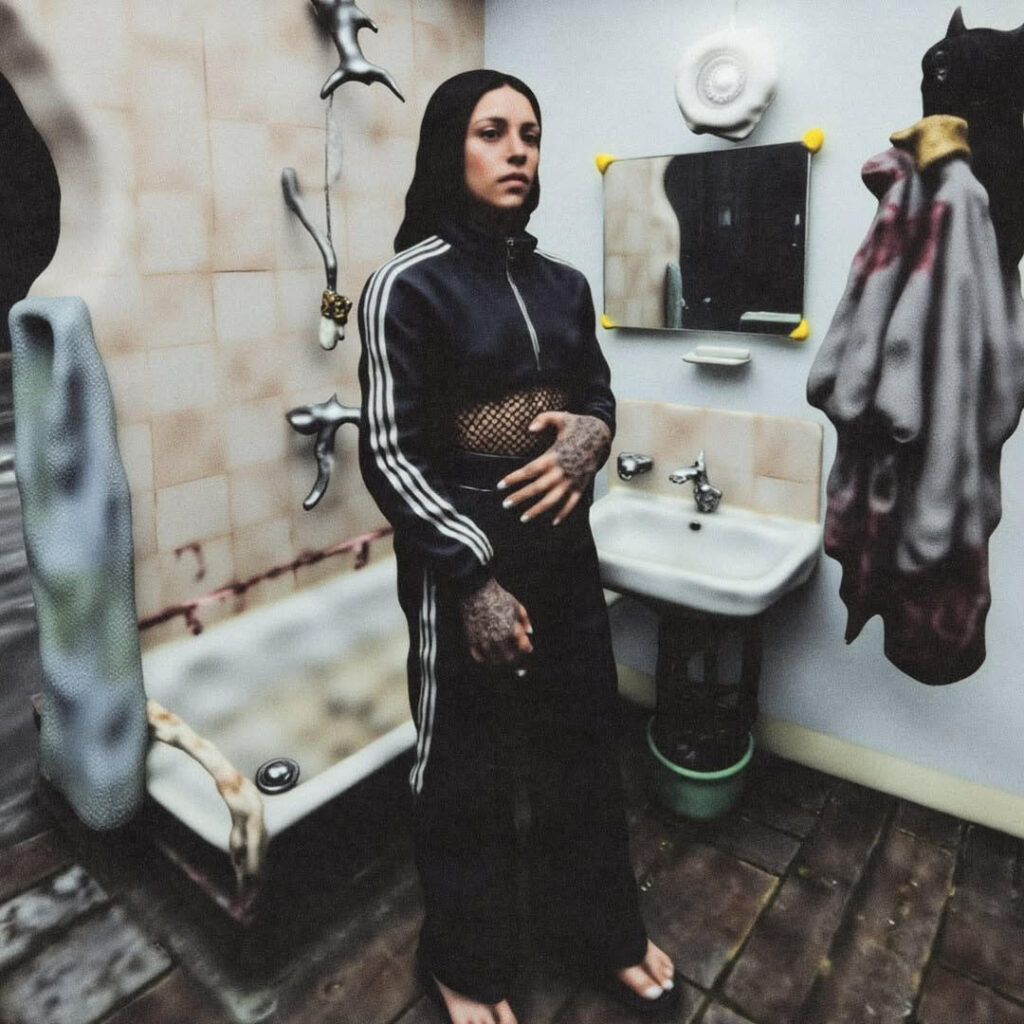
Nika Qutelia (b. 1991, Georgia) is a contemporary Georgian artist known for his bold and deeply personal visual language that explores themes of identity, displacement, historical trauma, and the complexities of post-Soviet existence. Working across digital and physical objects, Qutelia’s practice is rooted in emotional rawness and a relentless interrogation of memory, tradition, and transformation.
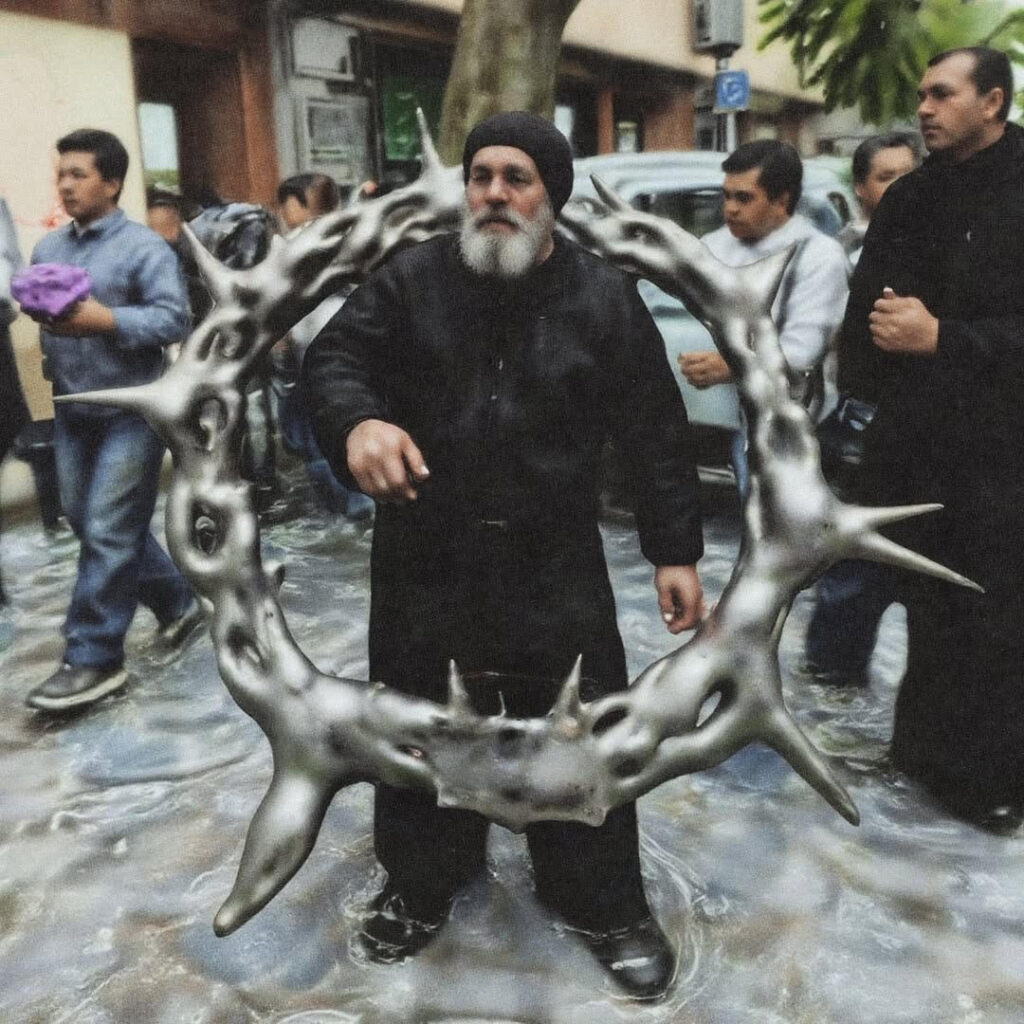
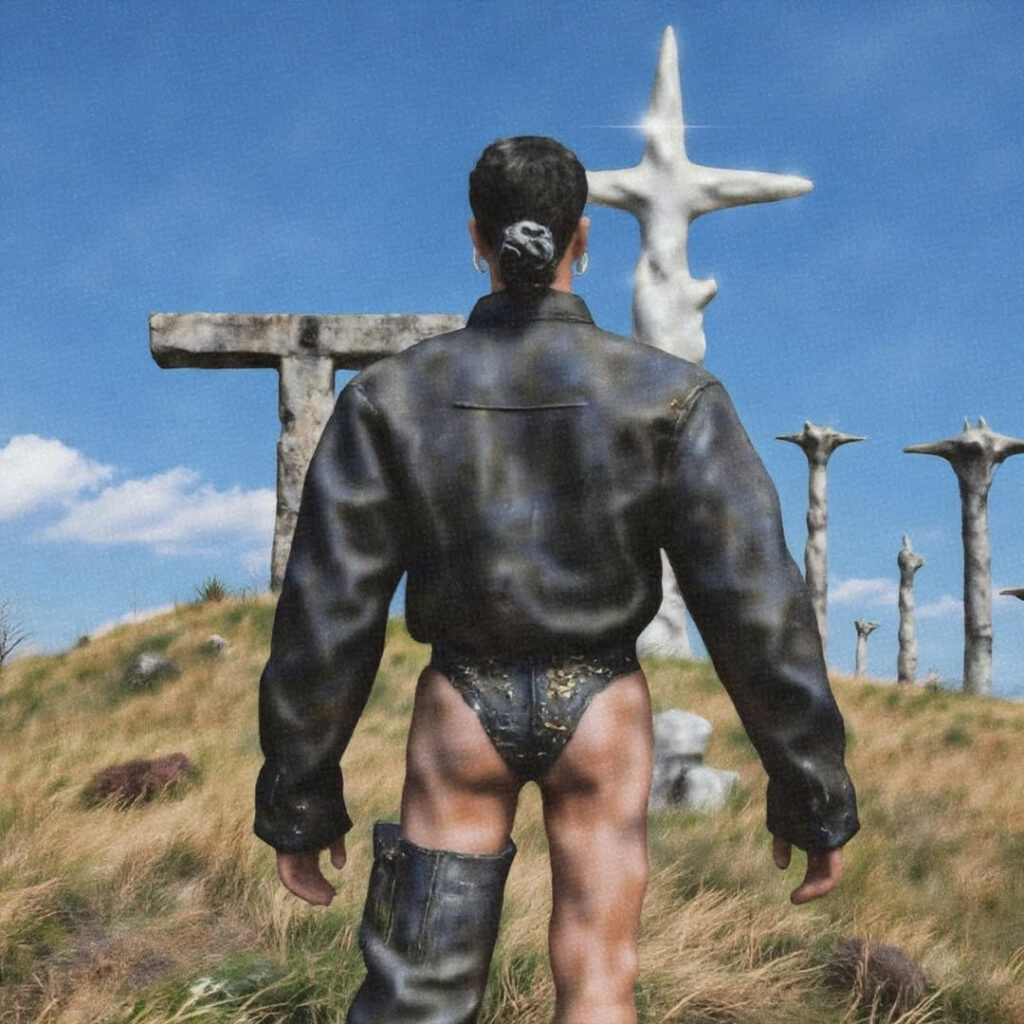
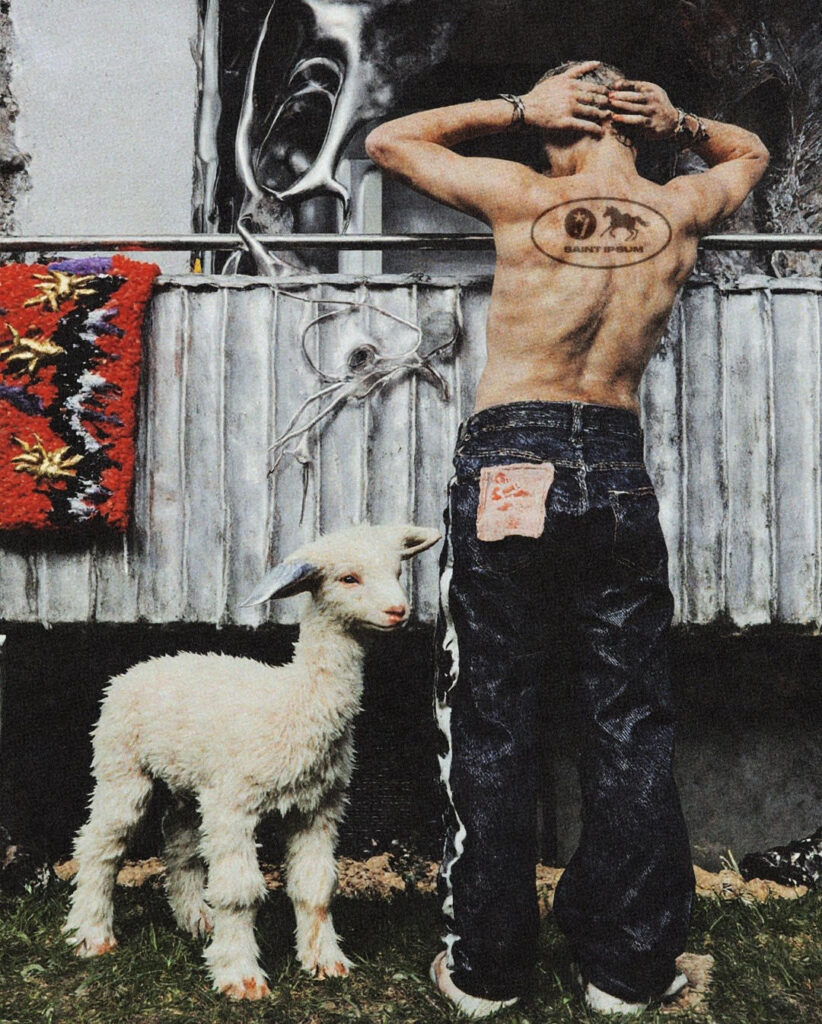
Raised during a period of socio-political upheaval in Georgia, Qutelia channels the residue of collective instability and cultural nostalgia into a body of work that is as psychologically charged as it is visually striking. His pieces often oscillate between figuration and abstraction, drawing from folk narratives, religious iconography, and the aesthetics of ruins—intertwined with elements of contemporary life.
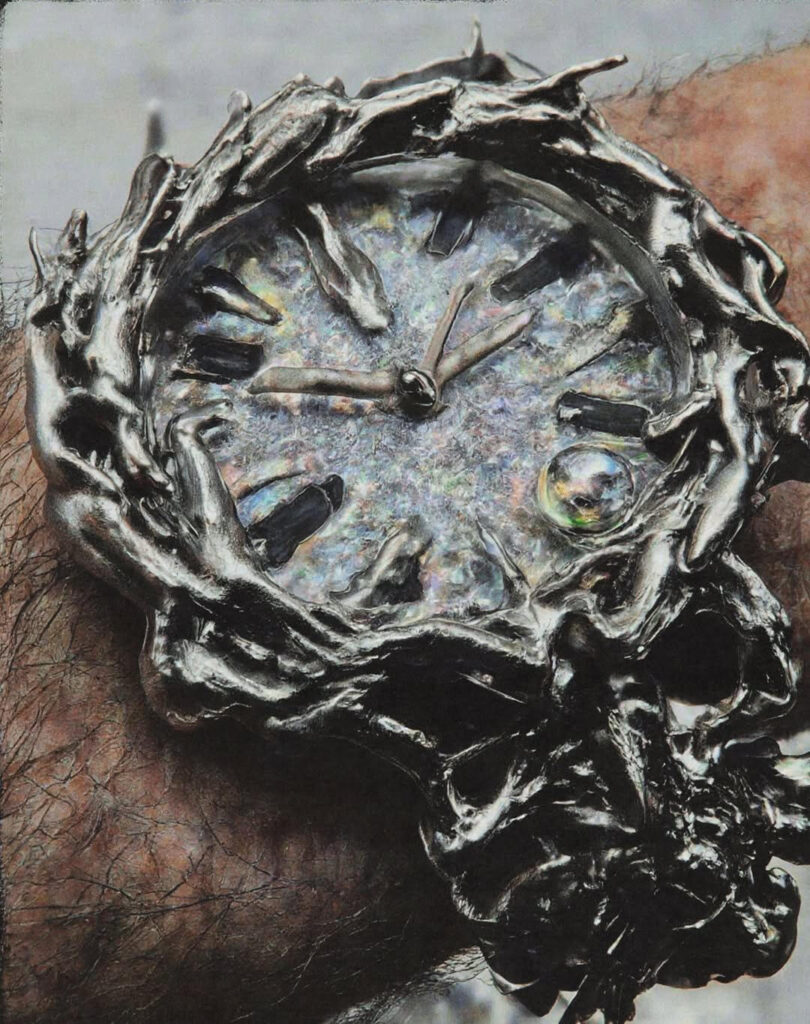
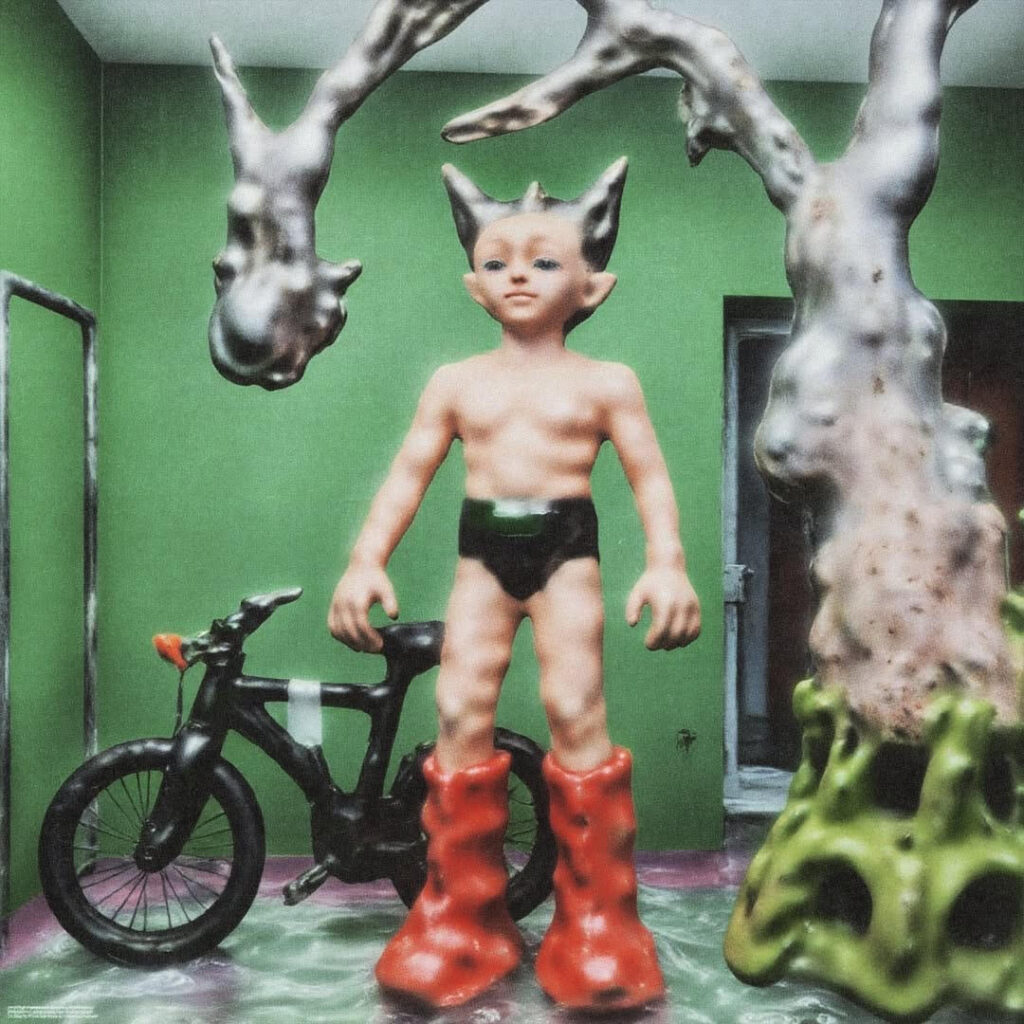
Recurring motifs in his work—such as fractured bodies, archaic symbols, masked figures, and sacred spaces—serve as vessels for introspection and resilience, evoking both personal mythology and national memory. Qutelia’s use of material is equally expressive: distressed surfaces, rough textures, and layered pigments reflect a tactile urgency and an impulse to preserve as much as to destroy.
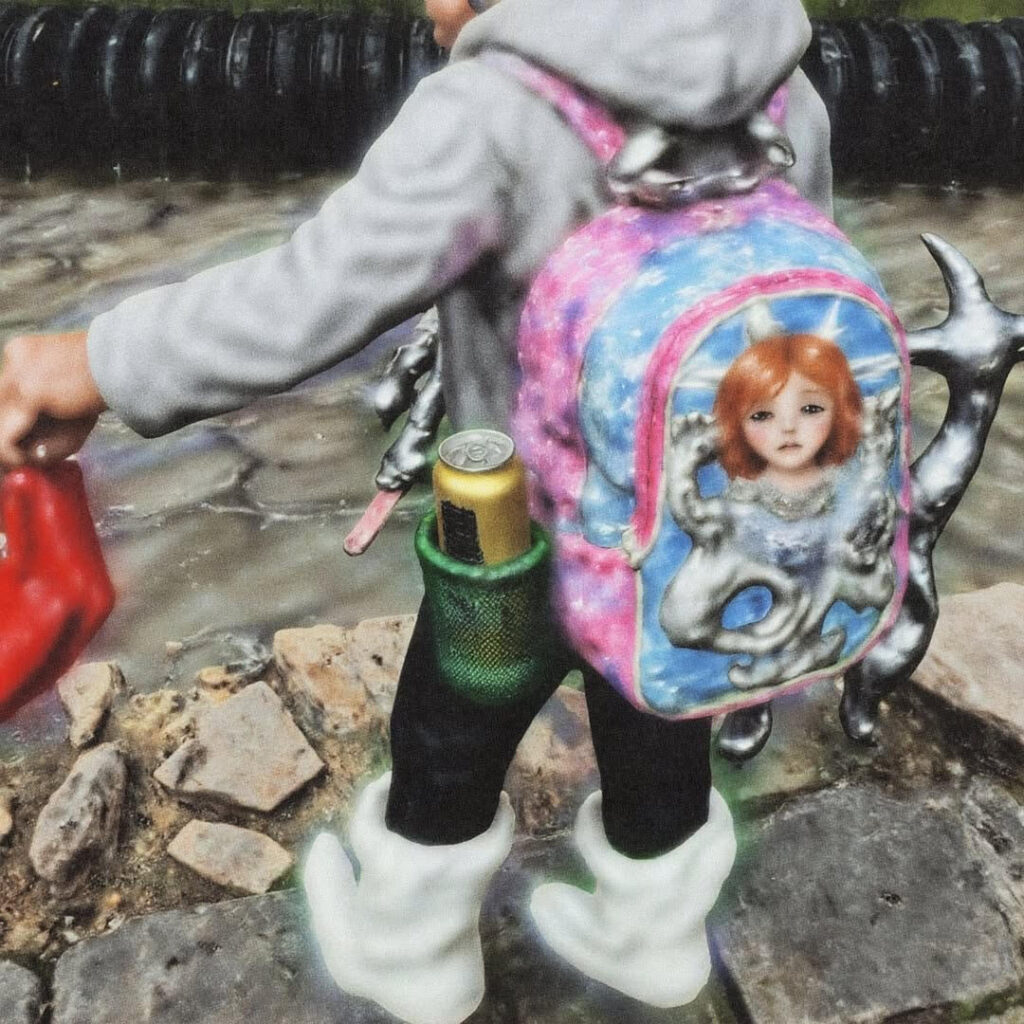
Qutelia has participated in several group and solo exhibitions in Georgia and abroad, gaining recognition for his ability to weave intimate narrative threads into broader geopolitical conversations. His work speaks to the in-betweenness of contemporary identity in a country caught between ancient tradition and rapid modernization.
Through a multidisciplinary and emotionally vulnerable approach, Nika Qutelia creates art that is unflinching, poetic, and resonant—an urgent dialogue between past and present, the personal and the political, the visible and the buried.
Hi Nika! It’s a pleasure to sit down with you again! First question that I always ask. How does a regular day look like for you in Tbilisi?
Nika: It depends. Sometimes it starts with the noon light, sometimes with internal panic. But almost always with the phone. I don’t rush :)). Then it’s work, projects, visual tests, sometimes meetings. Tbilisi sets a chaotic rhythm itself.
I’m curious, growing up, what was life like there? And what kind of kid were you? What did you enjoy doing?
Nika: My childhood started with war and losing my home. Then came moving, waiting, trying to understand where you are and who you are. I was quiet, observant. Curious about many things. I loved listening to adults, especially when they forgot I was around.
Do you remember approximately at what age your creative side started to show? And when did you start taking being an artist seriously?
Nika: For as long as I can remember, I was drawn to visual art — especially prints on clothes. My mom had a talent for finding unique things, and that sparked an early interest in design. Later came music and my band, for which I created covers and posters — that started a lot.
I know you started out making art on your phone, and that you’re self taught. But when did you get introduced to the different 3D and graphic design programs?
Nika: It all started on my phone in 2017 — basic photo editors, collages. Then I started exploring YouTube, downloading trial versions of Cinema 4D, Blender, learning randomly. No one showed me how — I was just searching for visual outlets to grow my skills.
What makes digital art your prefered way of expressing yourself, and not more traditional ways like painting or drawing?
Nika: Honestly, there’s no real difference. It’s just more convenient for me now. I’m not tied to a space, studio, or canvas. It’s flexible. At the same time, I’m preparing physical objects. I love all of it I support any form of creative expression.
Ok Nika, with these next series of questions, I will try to delve into your work as best as possible. So…. Much of your work draws from your personal experience of displacement, can you elaborate on that?
Nika: More than I expected. It took me a while to understand what it means being pulled from one place and planted in another. My works are often about trying to pack myself like a suitcase — everything inside is wrinkled, but familiar. I feel more and more like sharing these stories.
Can you tell me about how do you translate trauma and memory into visual language?
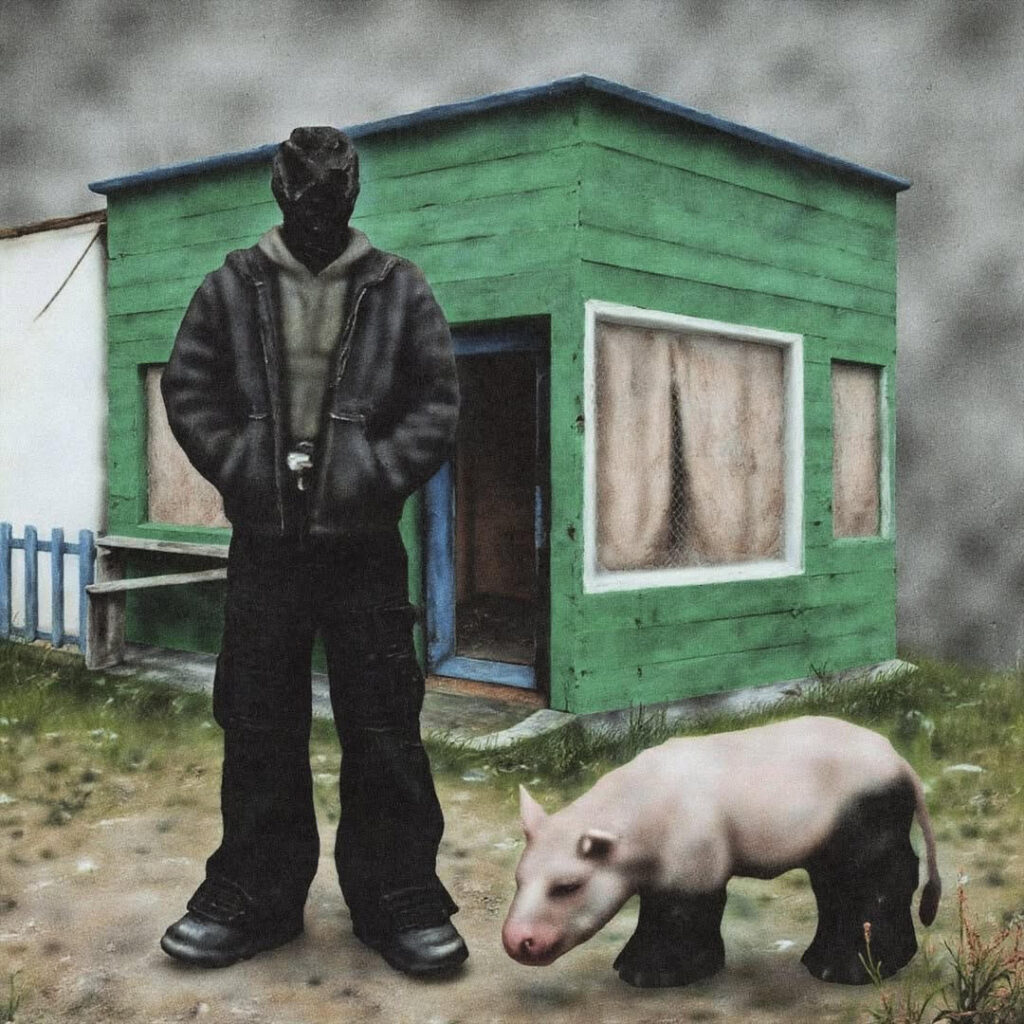
Nika: I work with distortion. With the illogical. It’s important for me not to depict things directly but to convey a feeling through texture, shape, emptiness. Memory isn’t linear, and visual language shouldn’t be either. That’s why I try to immediately transfer what forms in my head onto a digital canvas.
You once said your childhood wasn’t what you dreamed it would be. How does that tension between dream and reality manifest in your work?
Nika: Yes, my childhood didn’t turn out the way I hoped. There was war, loss, constant moving — and that leaves an impact. I think the tension between what I imagined and what actually happened shows up in my work through contrast. I’m often drawn to mixing textures, combining soft and harsh elements, or creating spaces that feel both familiar and unsettling. It’s not about showing specific memories, but more about capturing that internal feeling — when reality doesn’t match your expectations, and you’re trying to make sense of it visually.
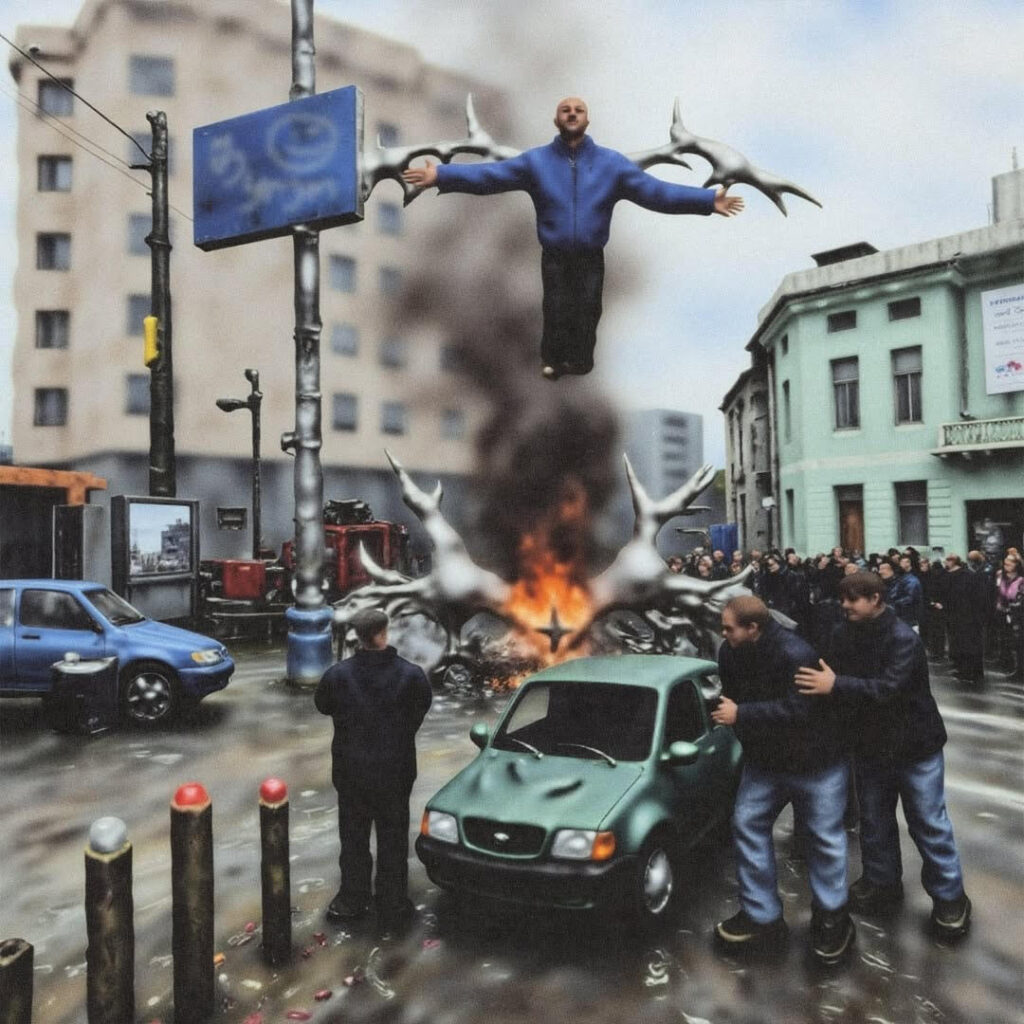
How has your sense of “home” changed over the years—from Sukhumi to Tbilisi—and how does that evolve in your art?
Nika: My sense of home has definitely changed over time. I lost my home in Sukhumi as a kid, so early on, home stopped being just a place. Tbilisi eventually became familiar, but it never fully replaced what was lost it became something new. Over the years, I realized that home can be more about people, routines, light, sounds, small things that give a sense of safety or recognition. In my art, that shows up as spaces that aren’t real places, but feel like somewhere I’ve been. A lot of them are built from memory, mixed with imagination. I think I’m always trying to rebuild a version of home that feels right to me now.
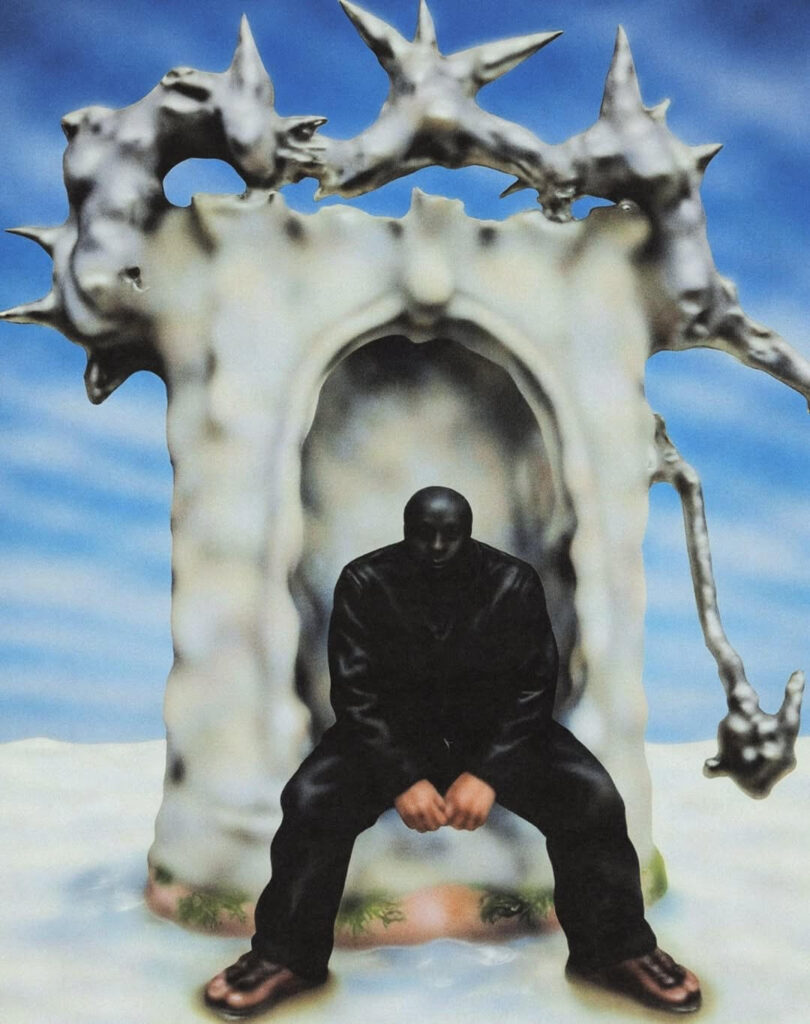
Your visual language is full of textured shapes, primitive symbols, and surreal layering. How did that aesthetic develop? Was there a key moment that shaped your style?
Nika: It happened gradually. I mixed everything I liked — shapes, sharp angles, primitives, plastic, old textures, noise, metal, and liquids. The key moment was when I stopped trying to “please someone” and just posted what I felt was part of my path.
What role does humor or absurdity play in your compositions? Some pieces feel playful even when dealing with heavy themes.
Nika: Yes. I aim for visual friction so that the image seems to scratch the senses. That fine line between “I see” and “I feel” creates doubt. And doubt pulls you in and then you have to think.
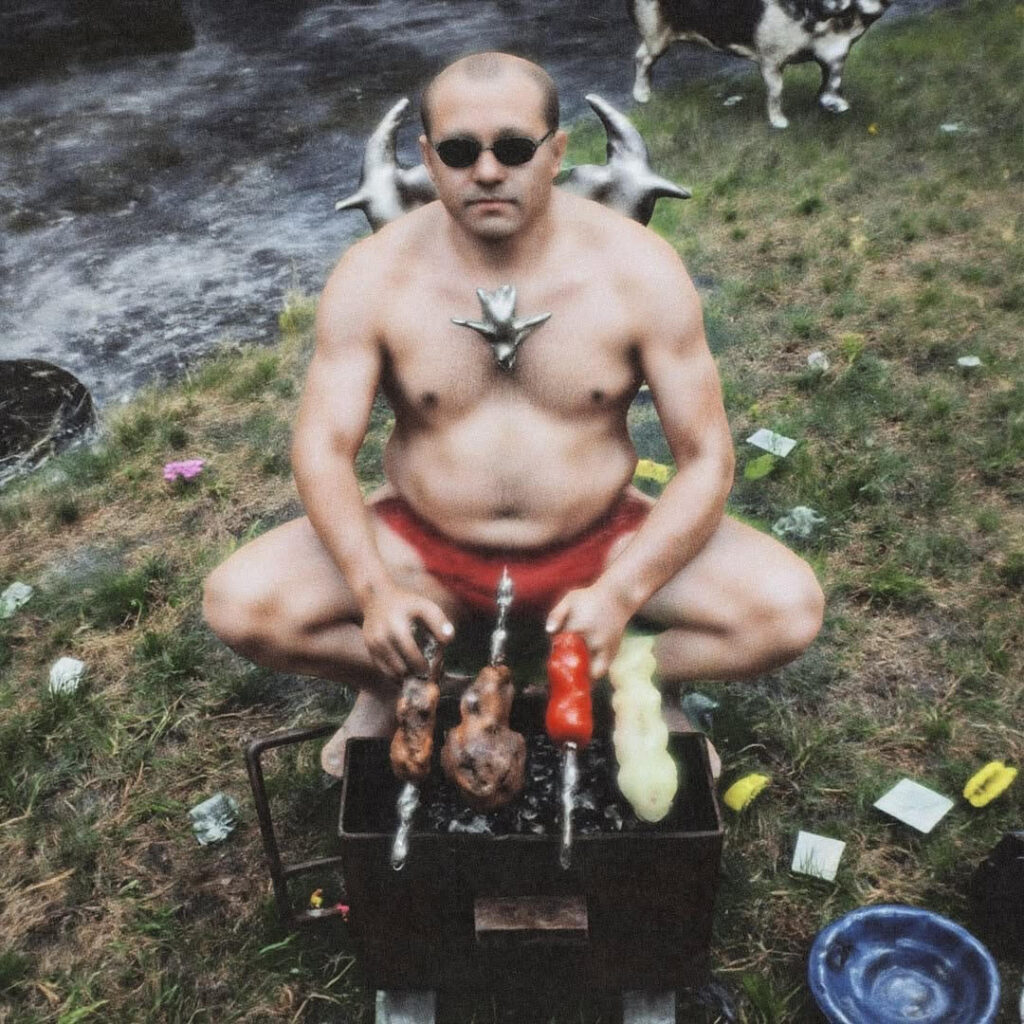
Being a Georgian artist working with themes of war, migration, and identity, do you feel a sense of responsibility to represent your region’s history or are you more focused on personal narratives?
Nika: Yes, I definitely feel an inner sense of responsibility but not as a representative of an entire region, rather as someone whose life is intertwined with these themes. War, migration, the search for identity these aren’t just abstract topics; they’re things my family has gone through, things I’ve personally lived or witnessed.
I don’t aim to “speak for everyone.” Instead, I try to be honest about my own experience. The personal stories in my work often become a reflection of broader processes happening in Georgia or the region as a whole. Sometimes, it’s enough just to show the truth even if it’s quiet and personal. That can speak louder than big statements about a nation or history.
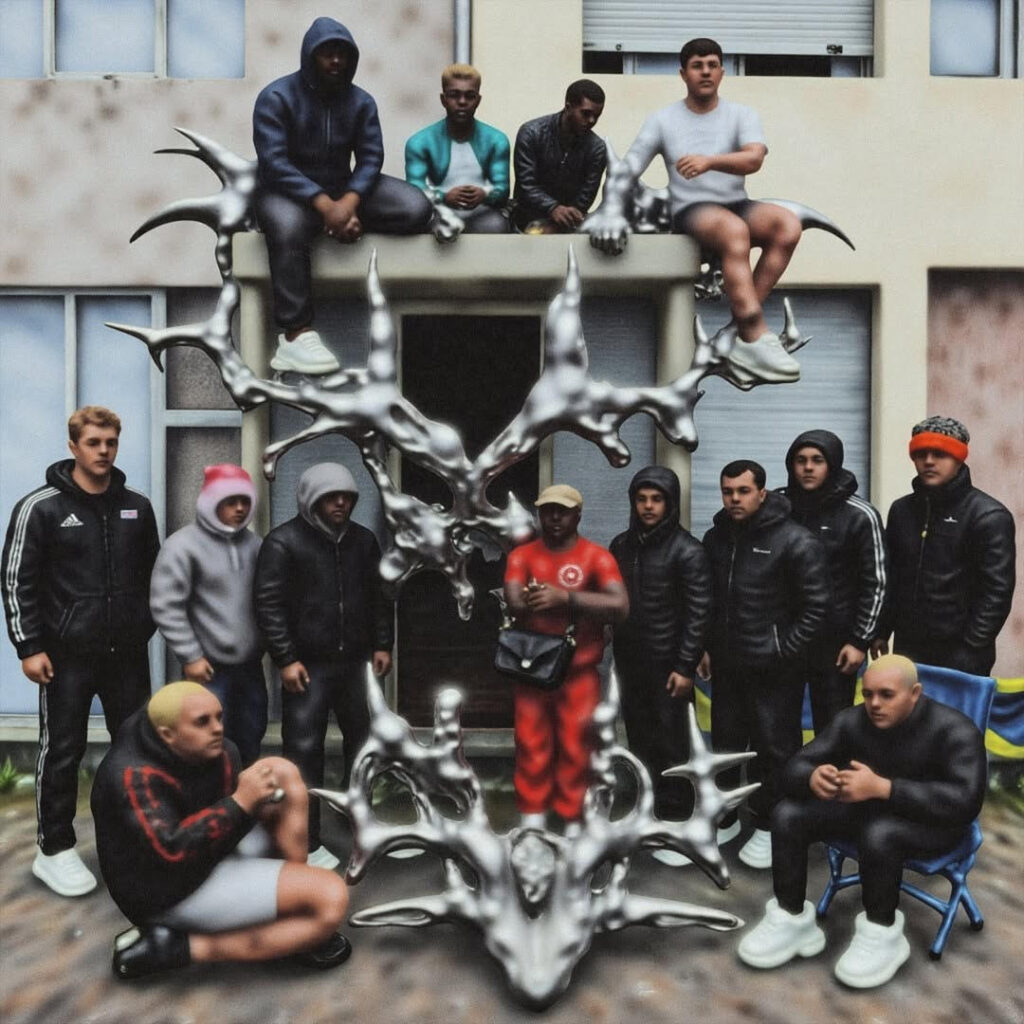
With that in mind, war, migration, and identity. Why are those themes important for you to document?
Nika: Because they touch the very core —where you are, who you are, and what you have to deal with. That’s worth talking about. These things shape your perspective, your emotions, and ultimately your work. It all happens naturally — and for those who haven’t lived through it, it’s hard to just describe it with words.
Your work often bridges past and future. Do you feel like you’re preserving something that’s vanishing, or building something that doesn’t exist yet?
Nika: I feel like I’m doing both holding on to things that are fading, and at the same time creating something new that hasn’t existed before. Some things are slipping away, and I want to catch them, keep them alive.
But there’s also this inner drive to invent visually, emotionally, culturally. I don’t really choose between past and future — they both live in me, and I just try to work with that honestly.
How do you navigate making work that’s specific to Georgia, but still accessible or legible to international audiences?
Nika: I don’t think about it deliberately. I just tell what I know — my own, my local. And then it either resonates with others or it doesn’t. But often it’s the personal that turns out to be the most universal.
Have digital technologies like AI shifted the way you think about authorship or originality in art?
Nika: Honestly, I don’t care what tools someone uses, what matters is the result. AI is just an accelerator, and I use it as a tool. If you don’t have taste or visual experience, it will be hard. The heart is still human. It all depends on your hands and your head.
With that in mind. What are your thoughts on AI, and where do you see AI’s placement in the world, 10 years from now?
Nika: I think in 10 years AI will be normal. We’ll stop talking about it. What matters will be not how you made something, but what you said with it. And yes, it might replace people — but only if you don’t engage with the technology. It’ll be everywhere, so you have to be ready.
Can you walk me through your creative process from beginning to end result?
Nika: I collect references. Then I build the scene collages, 3D, textures, then generation. Then post-production. It all comes together in the process, from accident to intention. I work in layers until I find the right balance
Ok Nika, now to something totally different. In a parallel universe who would you be? and what would you be doing?
Nika: Someone who’s nowhere near a screen. Probably playing football :))))
Outside of art, what’s something you’re obsessed with right now—maybe a hobby, a show, or even a food—that keeps you grounded or inspired?
Nika: Besides art, I’m really into our YouTube project with friends PVP FLOW by FlowFlow Magazine a popular rap battle platform in Georgia. We’re growing fast, and the project is gaining great momentum.
What qualities do you find most important in the people you choose to spend time with?
Nika: For me, the most important qualities are sincerity and openness. I want to be around people who are real, without masks or pretenses. People who can not only listen but truly hear.
Anybody you look up to?
Nika: My Grandma <3
What motivates you?
Kindness
How would you describe a perfect day?
Nika: No bad news
Alright Nika, I always ask these two questions at the end of an interview. The first is. What’s your favorite movie(s) and why?
Nika: It’s a difficult question, but right now — from the recent ones, it’s Sorrentino’s Hand of God. And from the older ones: Les Amants du Pont-Neuf (1991).
The second is. What song(s) are you currently listening to the most right now?
Nika: I listen to a lot of things, but here are some on repeat lately:
– Muddy Monk — SMTHNG
– JMSN — Soft Spot
– Amedeo Minghi — 1950
– Deathbrain — Waiting for the Night