
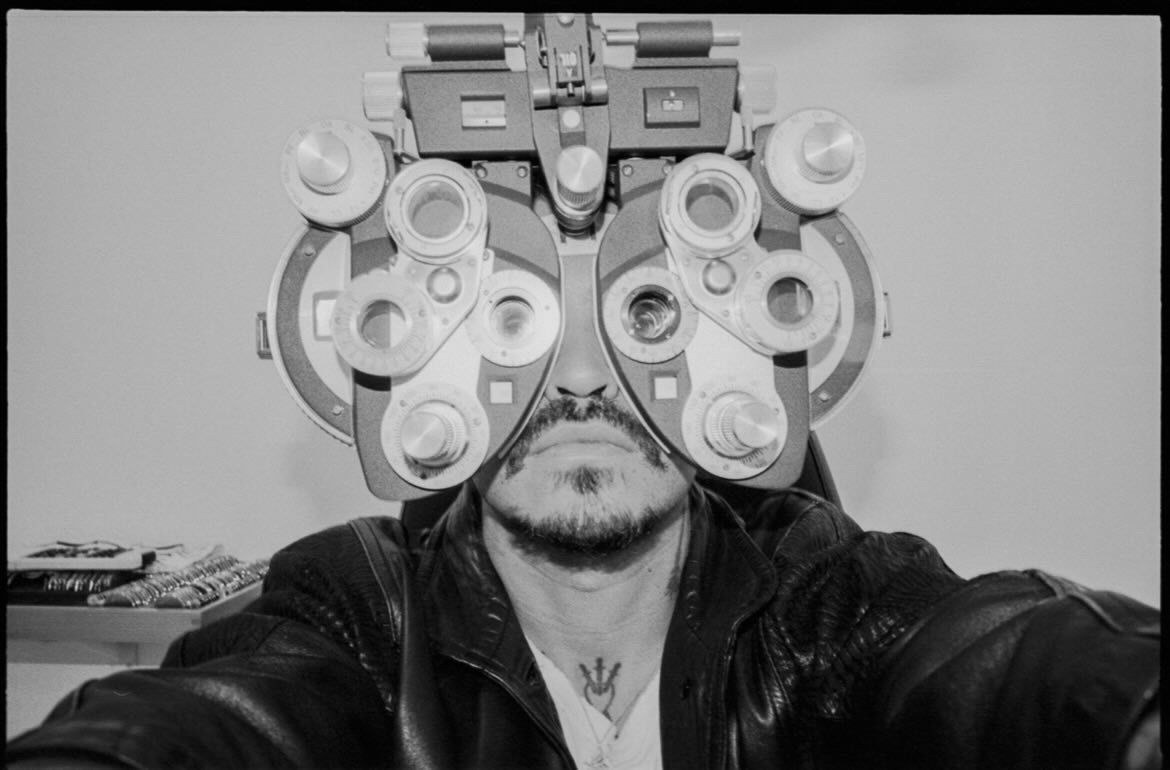
Andrés Ríos (b. 1995, Bogotá, Colombia) is a self-taught documentary photographer whose work explores intimacy, youth, memory, and everyday life in Colombia. He began photographing while working as a bicycle delivery messenger in New York, developing a practice rooted in the people and places closest to him.
His long-term projects focus on family, friendship, and community, seeking to portray Colombia beyond the narratives of violence that have long defined its image. Instead, his photographs reflect tenderness, resilience, and the emotional bonds that shape everyday life.


Hi Andrés! It’s a pleasure to sit down with you. First question, which I always ask: How does a regular day look for you in Bogotá, Colombia?
Andrés: Hi, thanks for having me. It really depends. Working as a freelancer makes it hard to stick to a routine. But on a day when I’m not working, I usually wake up early, take my dog for a walk, spend some time at the park, cook, read, and then try to go out in the afternoon to make photographs around my neighborhood or meet up with a friend.
I’m curious—growing up, what kind of kid were you? What did you enjoy doing, and how did you spend your time?
Andrés: As a kid I was very restless. I was always running around. I was really into metal music and had a band with my friends from the neighborhood. I played the drums, and we’d go downtown to buy metal band T-shirts. I loved spending time out on the streets.
So why did you decide to move from New York to Colombia?
Andrés: When I started taking photography seriously, I realized I wanted to make work that I genuinely felt connected to. For me, it was difficult to find that connection in New York.
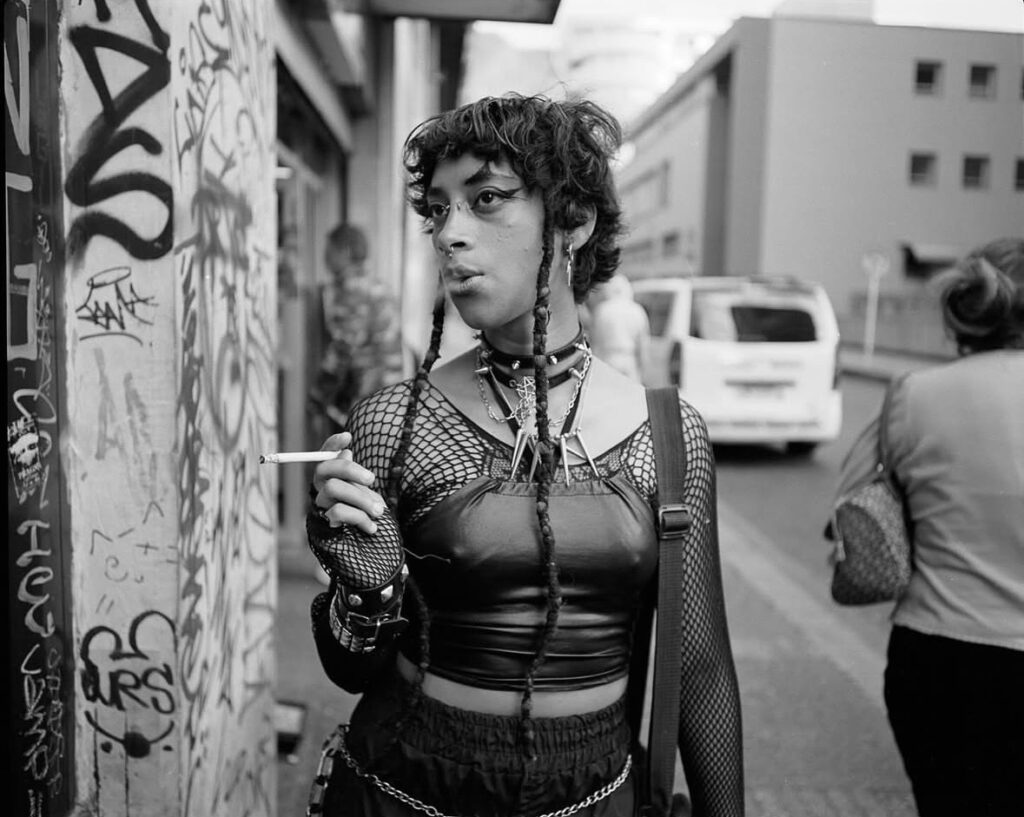
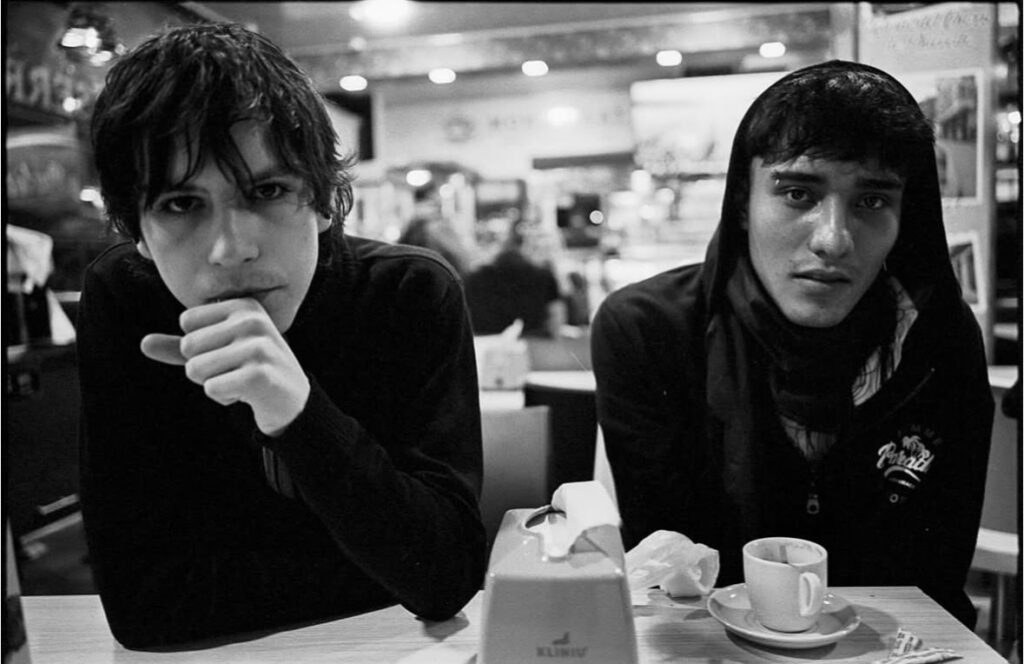
What did New York give you as a photographer that Bogotá couldn’t, and what did Bogotá give you that New York never could?
Andrés: New York exposed me to photography in a way that Bogotá couldn’t. I was constantly visiting galleries, browsing bookstores, and looking at photographs. It opened my eyes to the endless possibilities of the medium. It made me realize there are no limits when it comes to subjects or ways of making photographs. Bogotá, on the other hand, is where I grew up. It’s where my roots are—where the people, places, and experiences that shaped me exist. That connection continues to inspire my work.
How did you get introduced to photography? And how did you first start practicing with a camera?
Andrés: At the time I was working as a delivery rider, so I spent all day out on the streets. I was constantly surrounded by visual stimulation, and that naturally led me toward photography. A roommate suggested I try using her film camera. At first I didn’t really understand how it worked, but little by little I learned by doing.

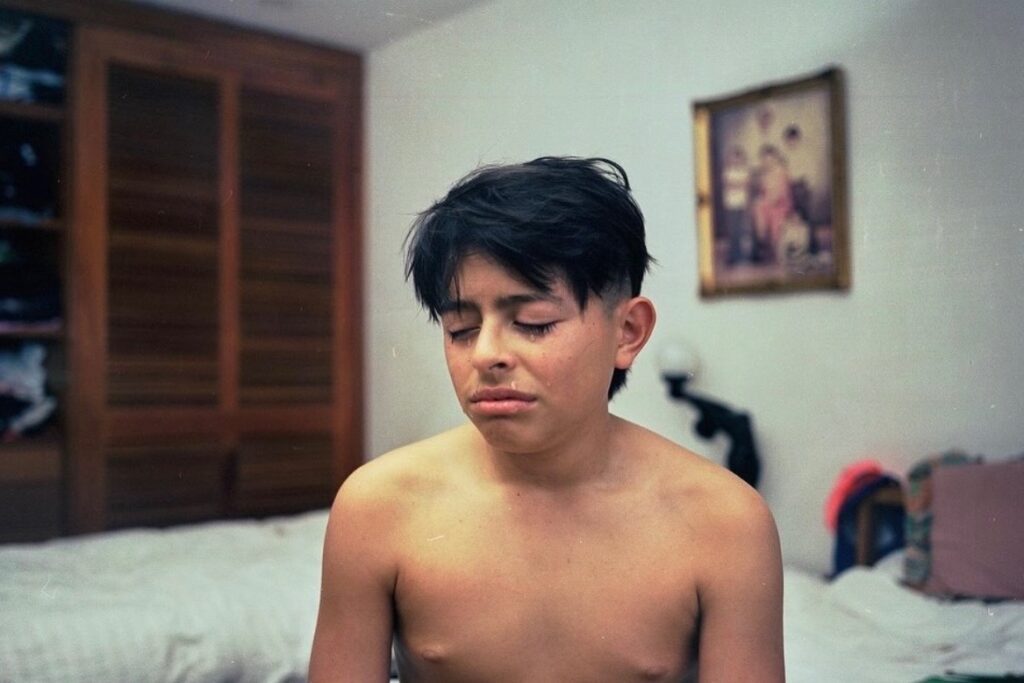
You’re self-taught. Do you feel that gave you a certain freedom, or did it also come with insecurity?
Andrés: I think it made the process slower, but it also gave me a lot of freedom. I was able to discover photography and make pictures without the expectations or preconceptions that can sometimes come from being taught by others.
What made you want to start documenting everyday life in Colombia?
Andrés: I realized it was important for me to make photographs that I felt emotionally connected to, not just visually. I took a few pictures at home almost by accident, and seeing them opened a door. It made me want to explore further and see what I could discover by photographing a place that was so familiar to me.
With that in mind, what do you look for when you’re out searching for your next photograph?
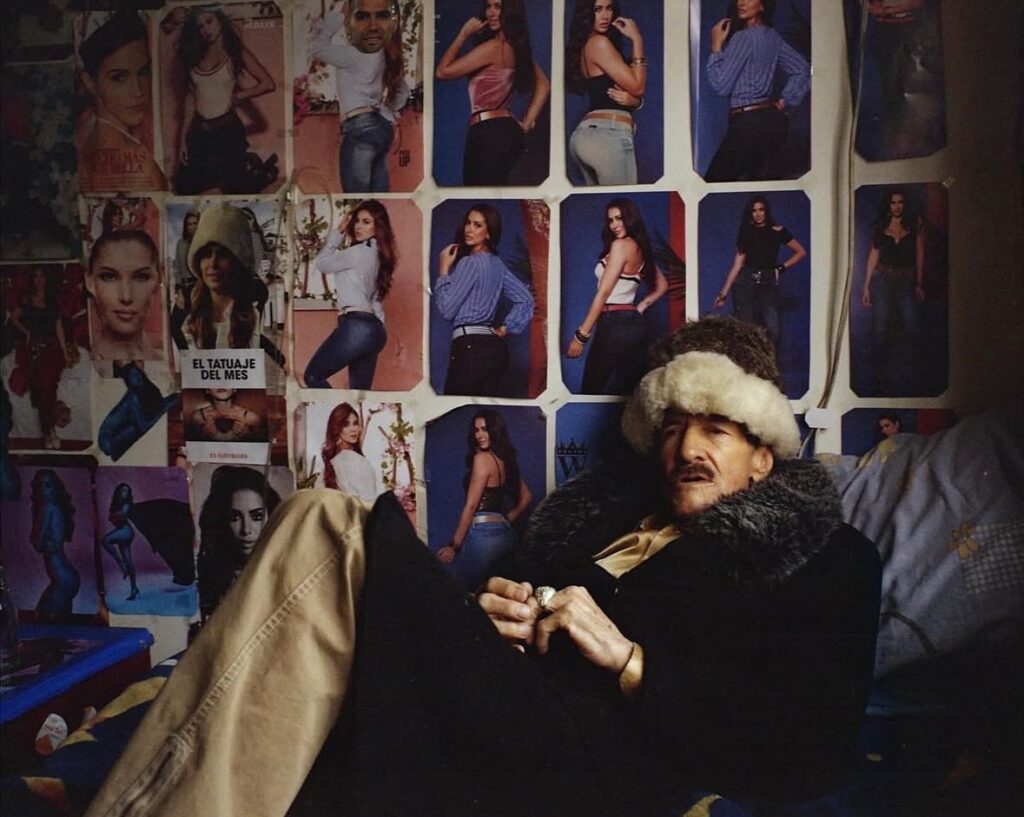
Andrés: I’m not really looking for a specific subject. I’m looking for a feeling. I try to stay open and pay attention to moments that resonate with me emotionally. Sometimes it’s the light, sometimes it’s a gesture or a relationship between people. I’ve learned not to force photographs, but to let them reveal themselves.

How important is authenticity in your work? And can a picture still be good if it doesn’t have any?
Andrés: More than trying to make “authentic” work, I’ve focused on making work that I genuinely like and feel connected to. In the end, maybe those are the same thing. What we’re drawn to is deeply personal, everyone responds to different things. I don’t really believe in good or bad photographs. To me, a photograph is either interesting or it isn’t. The interesting ones are the ones that keep you looking longer than you expected.
What makes photography and video your preferred way of expressing yourself?
Andrés: I actually don’t make videos, only photographs. What fascinates me about photography is the ambiguity of the still image. A single photograph can describe something very clearly while at the same time raising more questions than answers.
Your work seems interested in portraying Colombia beyond the narratives of violence that have often shaped how the country is seen from outside. Was that a conscious decision from the beginning, or something you discovered through photographing?
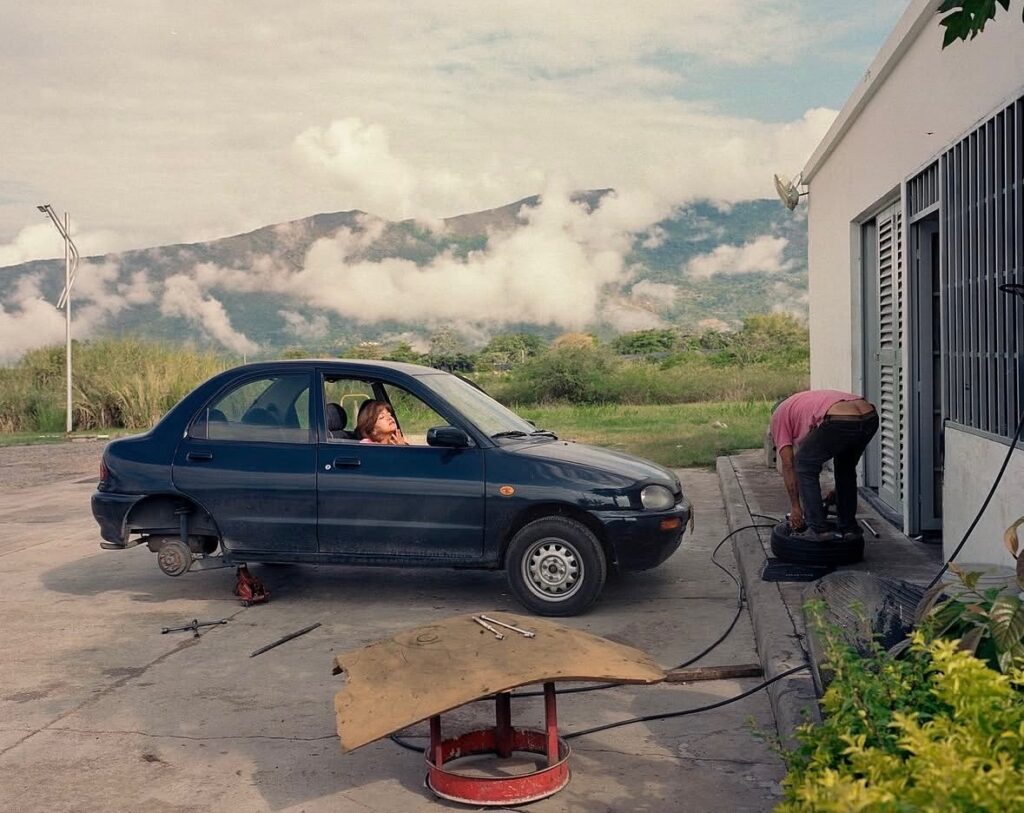
Andrés: Yes. When I started looking at photography books, especially while I was living in New York, I was struck by the kinds of subjects photographers explored: youth, public transportation, intimacy, everyday life. It made me realize that it was much harder to find books like that about Colombia, especially from the 1980s and ’90s. There are some photographs, of course, but not many projects I could return to. That made me want to create photographs that, in some way, represented what growing up here has felt like to me, how I’ve experienced Colombia, both then and now.

What do you feel is missing from the way Colombia is often photographed or represented internationally?
Andrés: I understand the social realities of the country, and I think documentary work about those issues is incredibly important. But it’s only half of the picture. Today there are many photographers in Colombia making work about other aspects of life, and I find that both hopeful and inspiring.
When people speak about Colombia through violence, conflict, or survival, what kinds of everyday beauty do you feel disappear from the frame?
Andrés: There’s another side to that story. There are the people who keep cities moving, the independent cultural spaces that emerge through collective effort, the sense of community, solidarity, and hope. Hope can feel difficult to hold onto, especially after the recent elections. But seeing my friends continue to create, organize, and do what they do gives me hope.

Do you feel any responsibility when photographing Colombia for audiences who may only know it through stereotypes?
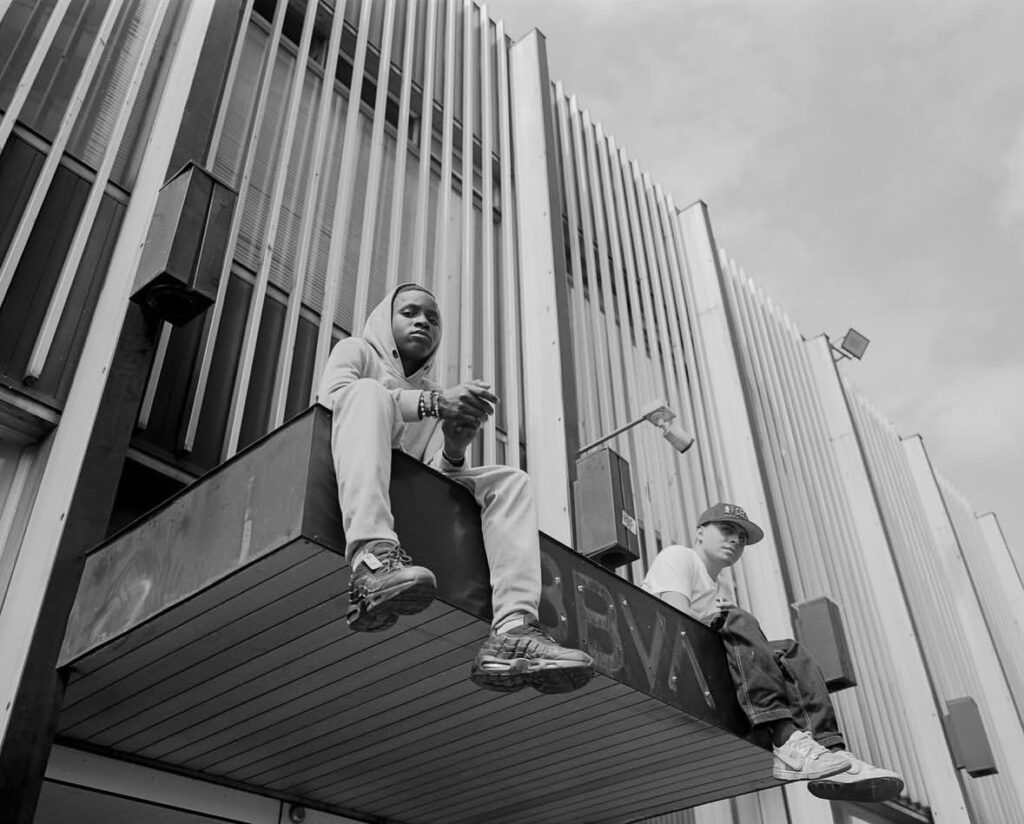
Andrés: I’m not sure I’d call it a responsibility. But I do hope people are able to see beyond those stereotypes.
Your long-term projects often return to family, friendship, and community. Why do you think you are drawn to the people closest to you?
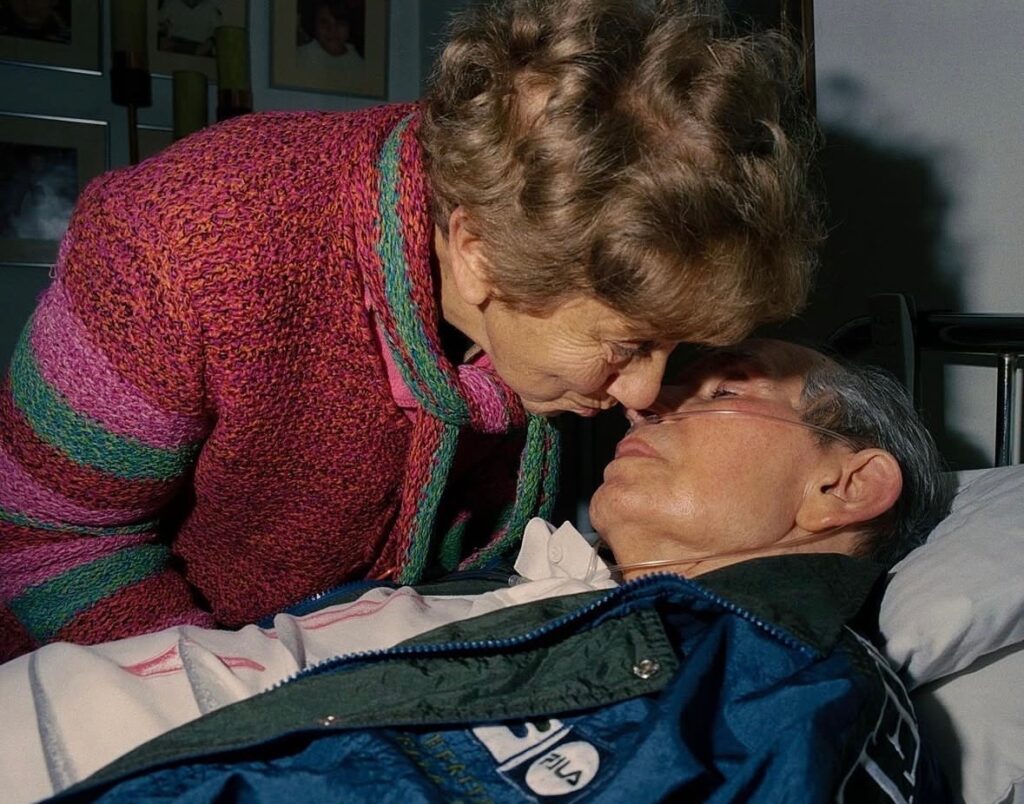
Andrés: The people closest to me—my friends, my family, my partner, the community around me, and the places I inhabit—are my greatest source of admiration and inspiration. I hope my photographs can somehow express what I feel for them, because those feelings are often difficult to put into words.

Is it harder to photograph strangers or the people you love?
Andrés: Photographing the people I love is easier because I’m with them almost all the time.
What are you afraid of losing, and does photography help you hold onto it?
Andrés: I’m afraid of losing my sense of play, of no longer enjoying the small things each day has to offer. My camera is a toy to me. It’s the tool I use to go out and play every day.
What do you still find difficult to photograph?
Andrés: Some assignments. I really struggle when I have to make photographs that don’t come from a genuine desire. (Ups!)
Is there a story about Colombia, your family, or yourself that you are not ready to make yet?
Andrés: I’m not very good at thinking about projects in advance. I simply photograph the things that move me or make me curious. I try to work through those feelings by making photographs. Once I understand them, they naturally become a project or a story.
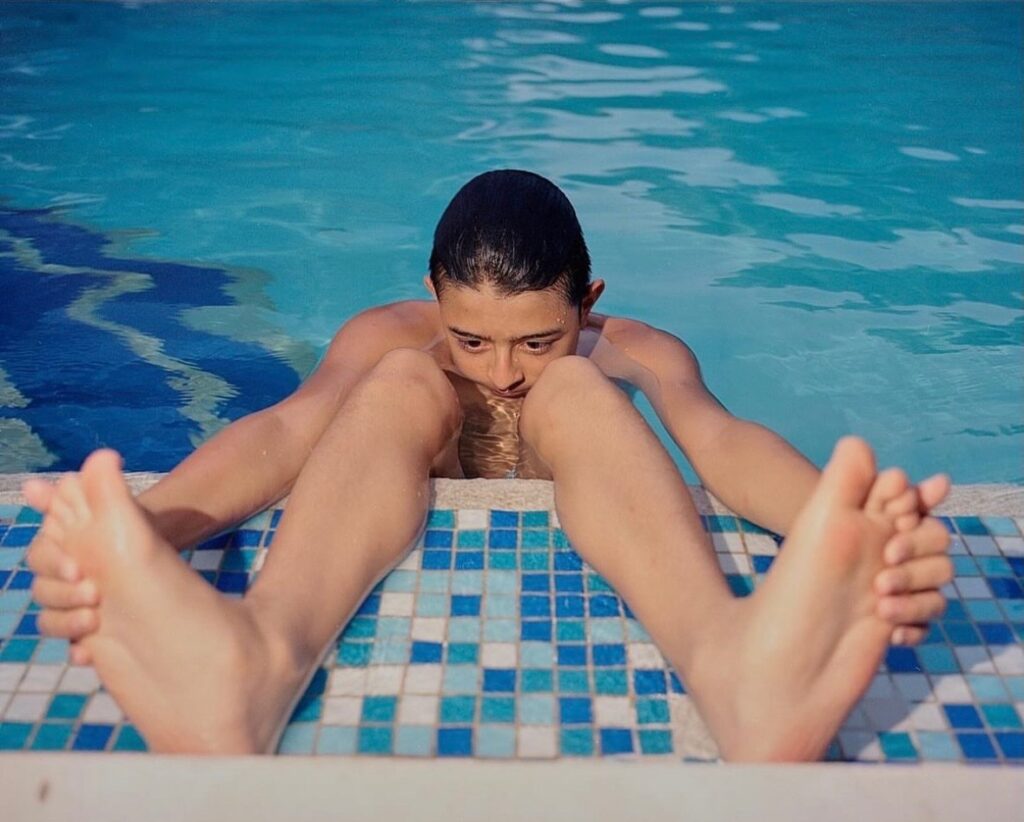
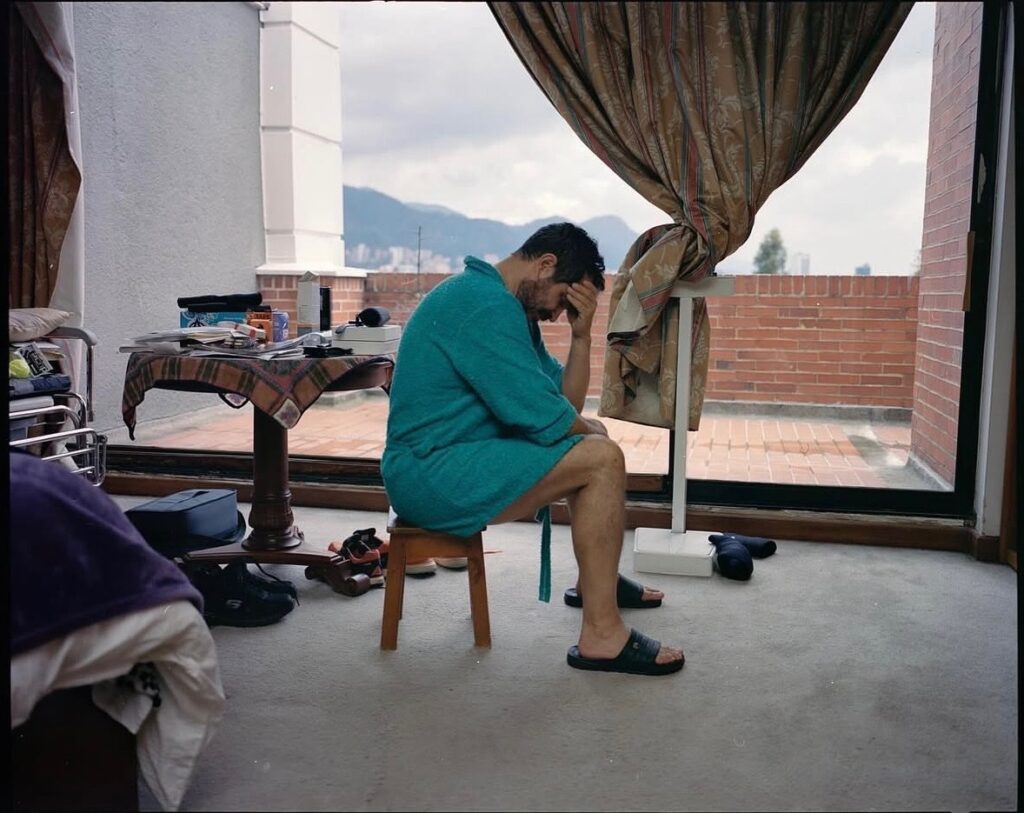
Can you tell me about some of your favorite memories from being out shooting?
Andrés: There are many moments I remember, but my favorite thing is when talking to a stranger opens the door to a completely new world. Not long ago, I approached a young man named Jhostin to ask if I could take his portrait. He had just finished his military service. We ended up talking for a long time, and I learned so much from him. In the end, that conversation was more valuable than the photograph itself.
Other than your camera and lens, are there any essential items you always bring with you when shooting?
Andrés: I like carrying small prints of my photographs in my pockets. People in Bogotá can sometimes be a little cautious, although most people I photograph on the street are actually very open. If someone has doubts, I show them the prints so they can better understand the kind of work I make.

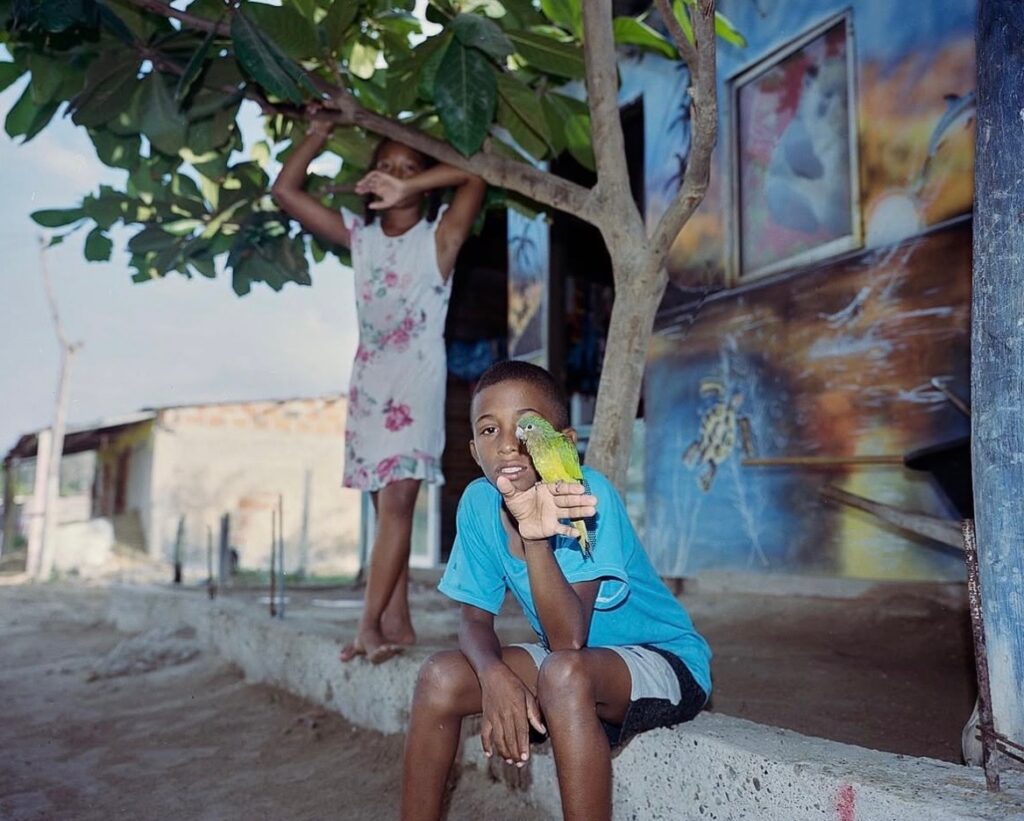
What do you hope we, the viewers, take away after looking at your photographs?
Andrés: Nothing in particular. I want my photographs to be an open invitation to the imagination.
In a parallel universe, who would you be, and what would you be doing?
Andrés: Something completely different. I’d probably be living in the countryside, hopefully somewhere near the coast, working in the mornings and surfing every afternoon.
Outside of photography, what’s something you’re obsessed with right now—maybe a hobby, a show, or even a food—that keeps you grounded or inspired?
Andrés: I think photography is my only real obsession. But I love reading. Reading helps me imagine images. I also really enjoy walking, spending time in the park, hiking in the mountains, and playing with my dog.
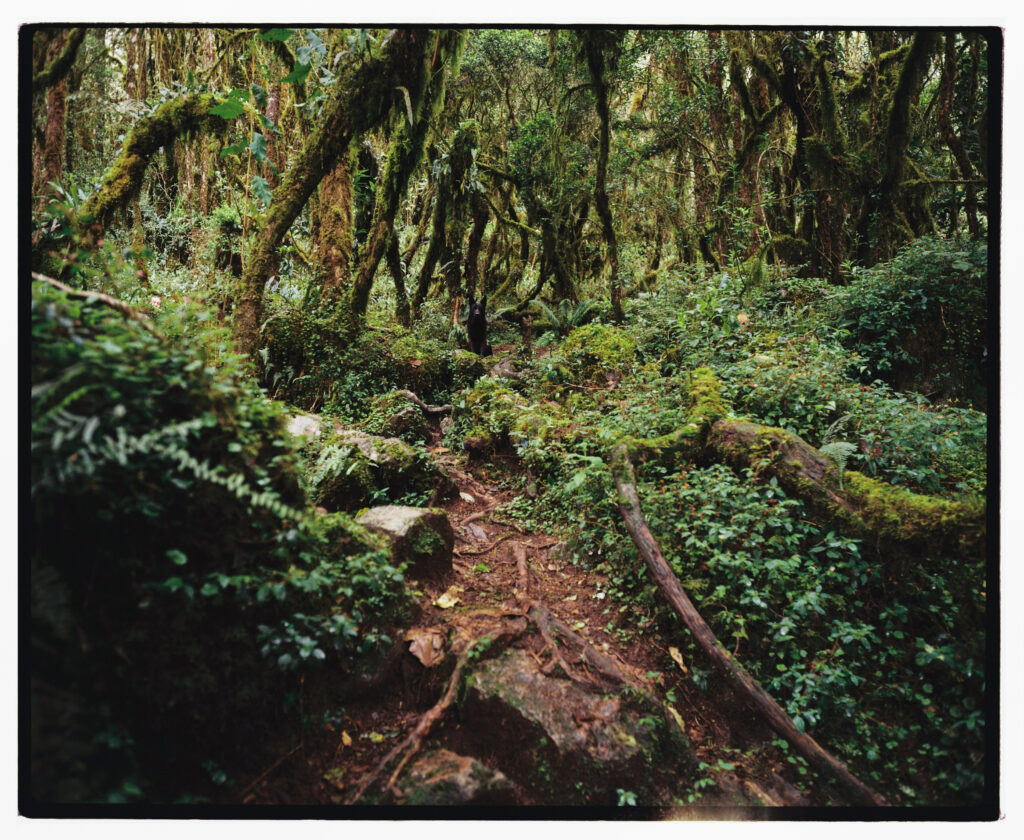
Can you tell me about a time when a connection with someone had a big impact on you?
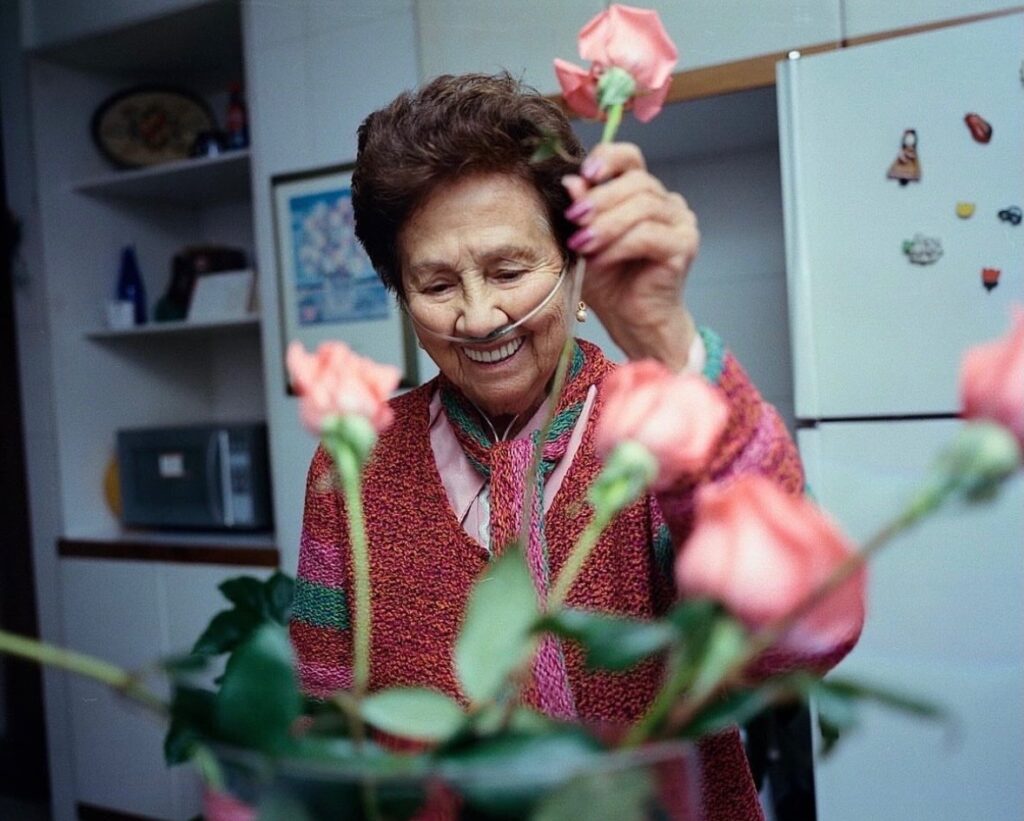
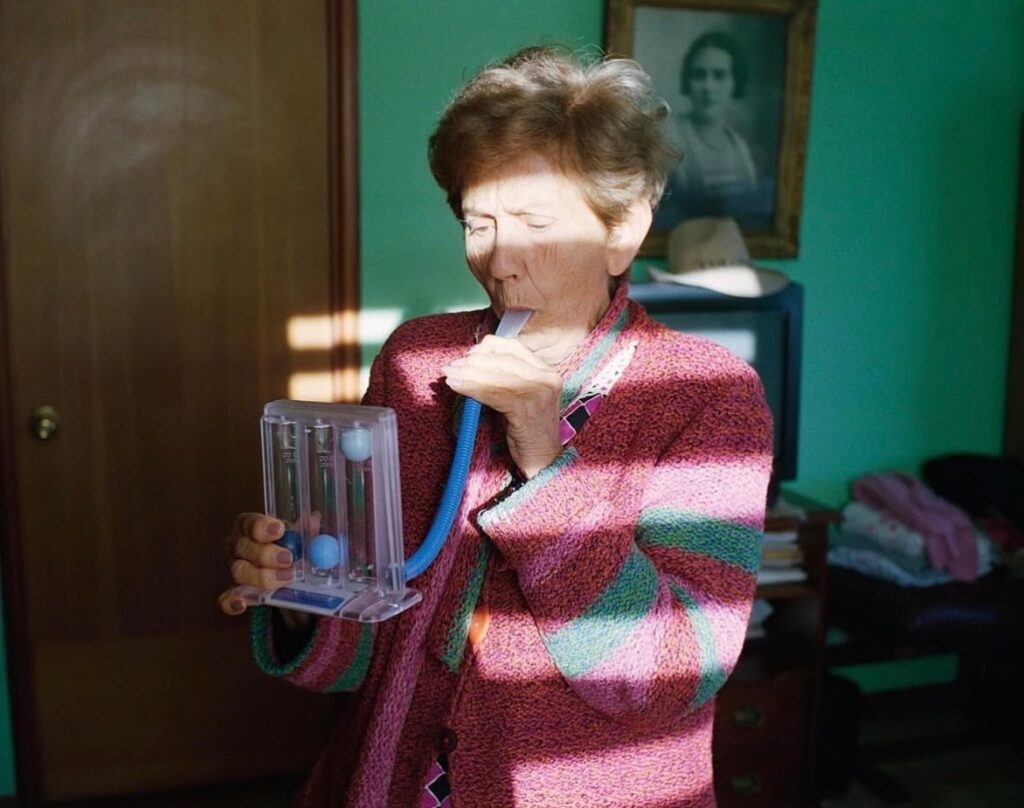
Andrés: I’d have to say my grandmother. Photographing her brought us incredibly close. I always say she’s the person who taught me the most about photography, not because she was a photographer, but because she was the most observant person I’ve ever known. At her house, we would often sit by the window and look out at the horizon. I remember one day she pointed to a tree far, far away and said, “Look how beautiful it is, the top of the tree is moving with the wind.” I hadn’t noticed that tiny detail in the landscape. She taught me to appreciate the smallest things. It’s the most beautiful lesson she ever gave me, and I carry it with me every day.
What qualities do you find most important in the people you choose to spend time with?
Andrés: The most important thing is that we create a space where we can be vulnerable with each other.
Anybody you look up to?
My mom.
What motivates you?
Andrés: The city I live in, the people around me, and the things I see every day.
How would you describe a perfect day?
Andrés: Nothing too extraordinary. Waking up early, having a good coffee, going for a walk, playing, cooking something delicious, making photographs, and spending time with the people I love.
Alright Andrés, I always ask these two questions at the end of an interview. The first is. What’s your favorite movie(s) and why?
Andrés: Out of pure nostalgia, I’d say La Haine. I watched it when I was about fourteen, and it completely blew my mind.
The second is. What song(s) are you currently listening to the most right now?
Andrés: Juan Gabriel’s live concert at Bellas Artes. I keep going back to it.