
Share this
There is something almost too ordinary about making coffee in the morning. The drip, the cup, the waiting, the objects left around the room. But in the world of Juergen Teller and Dovile Drizyte, the ordinary never stays ordinary for long.
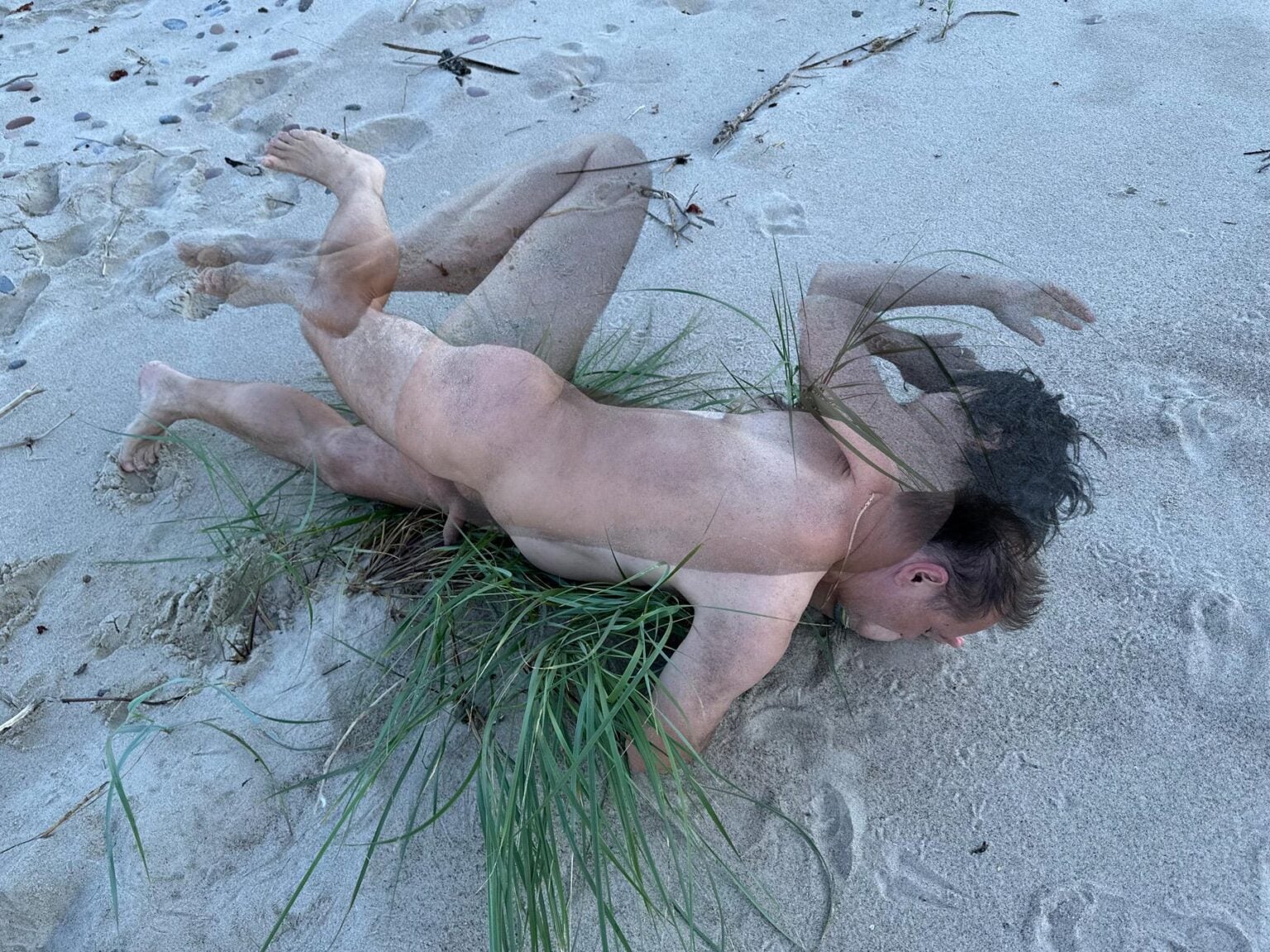
With Guten Morgen Sonnenschein, now on view at Contemporary Fine Arts in Berlin, the pair turn a private ritual into a photographic diary of love, collaboration, family, travel, and daily life. The title, translated as “Good Morning Sunshine,” already tells you something about the show’s emotional temperature: warm, playful, domestic, and quietly devoted.

At the centre of the exhibition is a series of diptychs built around Teller’s morning ritual of making drip coffee. Each pairing places that act beside whatever surrounded him at the time: a book, an artwork, one of their daughter Iggy’s paintings, a photograph of Drizyte sleeping, or some small trace of a life being lived together. The images do not announce intimacy. They let it accumulate.
Teller has always been one of photography’s great anti-polish artists. His work refuses glamour even when it is photographing glamour. It prefers awkwardness, bluntness, humour, tenderness, bad posture, strange light, and the human body in all its unedited presence. Here, that language becomes softer but not sentimental. The camera stays direct. The feeling is simply closer to home.
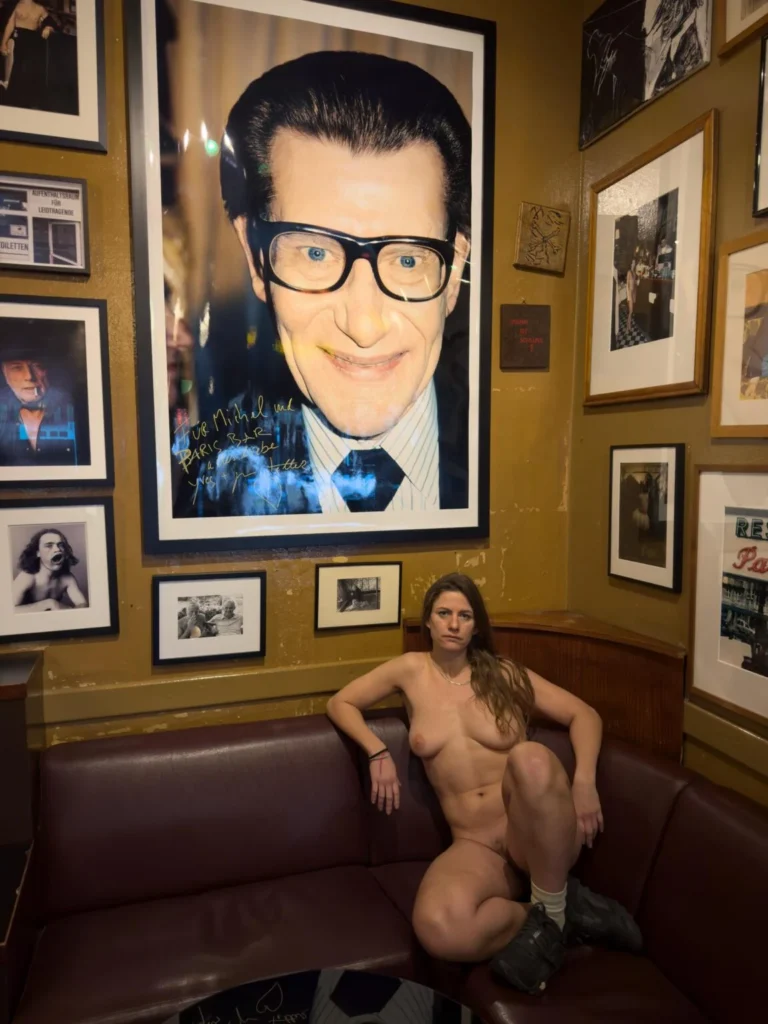
What makes Guten Morgen Sonnenschein compelling is that it treats domestic life not as background, but as subject. The coffee is not just coffee. It becomes a clock, a marker of place, a repeated gesture through which time can be measured. Each morning becomes a small proof of being together. Each image becomes part of a larger rhythm: waking, looking, noticing, making, loving.

The exhibition also speaks to Teller and Drizyte’s creative partnership, which has unfolded across more than eight years of shared work and life. Rather than separating the personal from the professional, the show lets them collapse into one another. Love becomes part of the process. Collaboration becomes part of the image. Family life becomes not a distraction from art, but one of its most alive materials.
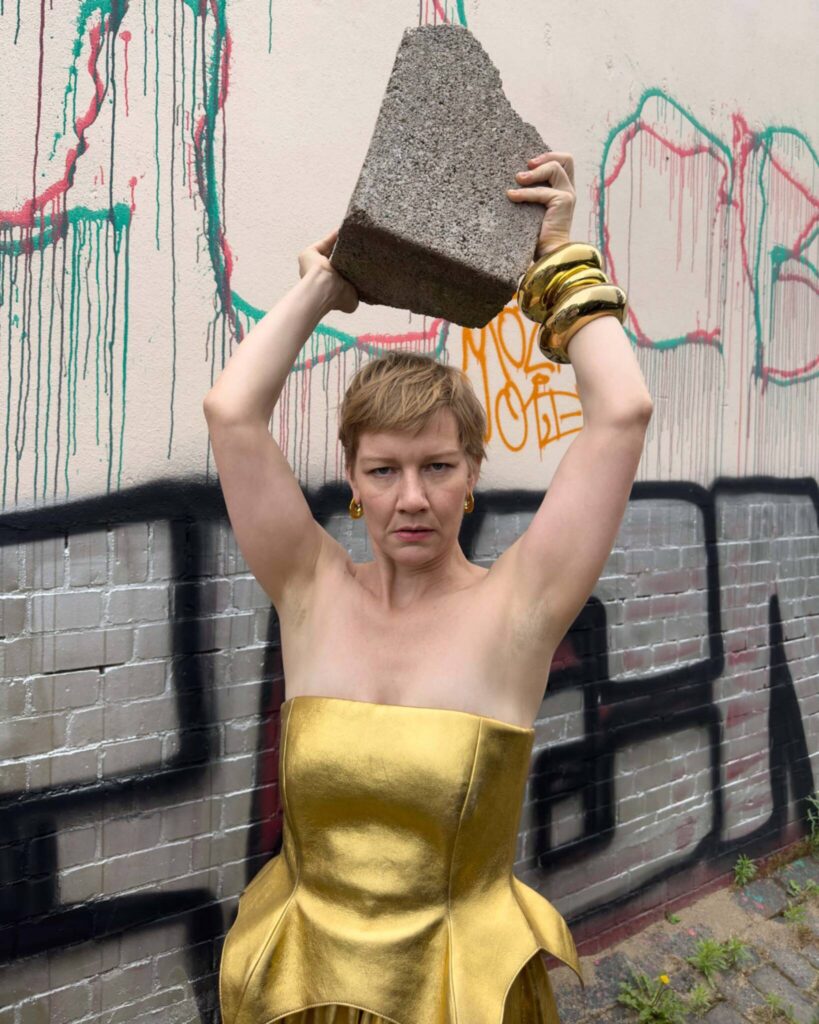
There is something refreshing about that scale. In a culture obsessed with spectacle, Guten Morgen Sonnenschein finds its force in repetition and smallness. A cup. A room. A sleeping body. A child’s drawing. A book on a table. The kind of things that might disappear if nobody paused to photograph them.