
Share this
For Ali Cherri, ruins are never dead. They watch, absorb, accuse, and carry the pressure of everything that official history tries to smooth over. A broken object, a museum fragment, a damaged landscape, or an archaeological site can become less a remnant of the past than proof that violence keeps living in material form.
In his work, the Lebanese artist moves through the unstable territory between archaeology, memory, myth, war, and political trauma. Cherri is interested in what happens when history does not remain safely behind glass, but returns as a wound: hidden, preserved, misread, and never fully healed. His wider practice has long examined the role of archaeological objects in constructing historical narratives, especially in relation to ruins and cartography in the Middle East and North Africa.
That concern becomes especially sharp in the way Cherri thinks about the museum. Rather than treating it as a neutral container for the past, he sees it as a political site, a place where trauma and power are condensed. In an interview about his work, he described the museum not only as a place that hosts ruins, but as something that can itself become a ruin: a damaged structure carrying collective histories of violence.
This is what gives his images and objects their strange force. They do not simply show destruction. They ask what destruction leaves behind, how societies decide which fragments deserve protection, and how memory is shaped by absence as much as by preservation. In Cherri’s world, the missing piece matters as much as the artefact that survived.
Across film, installation, sculpture, and drawing, Cherri often returns to places where the body and the ruin begin to mirror each other. Cities carry scars. Objects appear wounded. Landscapes feel watched. Ancient fragments become contemporary witnesses. The past does not sit quietly. It keeps producing symptoms.
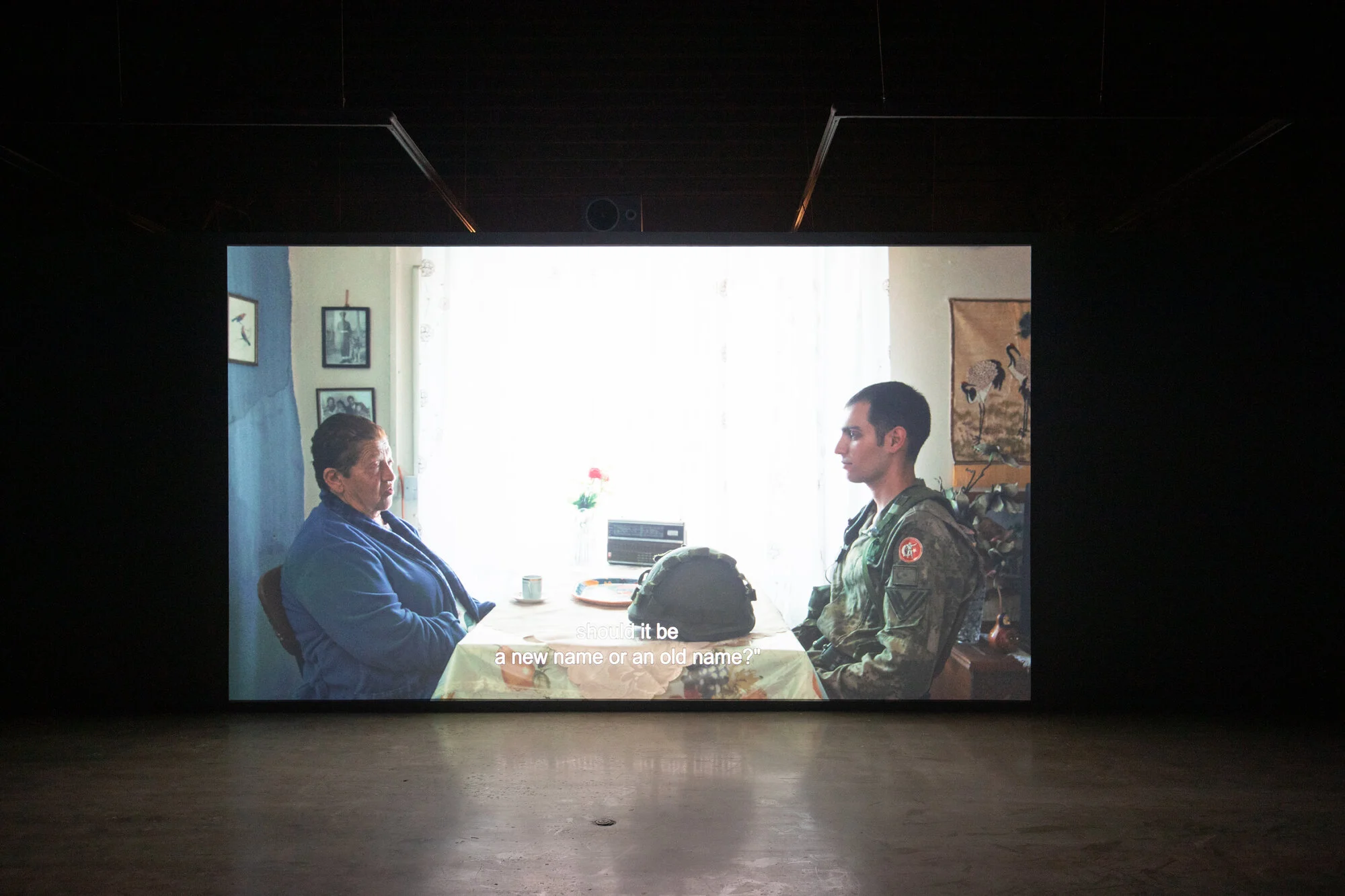
That tension runs through works such as The Digger, which follows a guard moving through archaeological ruins in the desert, and The Disquiet, where geological instability becomes a way of thinking about buried violence, historical pressure, and the ground beneath us as something far from passive. His work repeatedly asks whether the earth itself can remember what has been done to it.
What makes Cherri’s practice so compelling is that it refuses the clean romance of ruins. He is not interested in decay as decoration. A ruin is not beautiful because it is old. It is charged because it has survived something, because it has been abandoned, protected, looted, displayed, misnamed, or forced to speak for histories that remain unresolved.
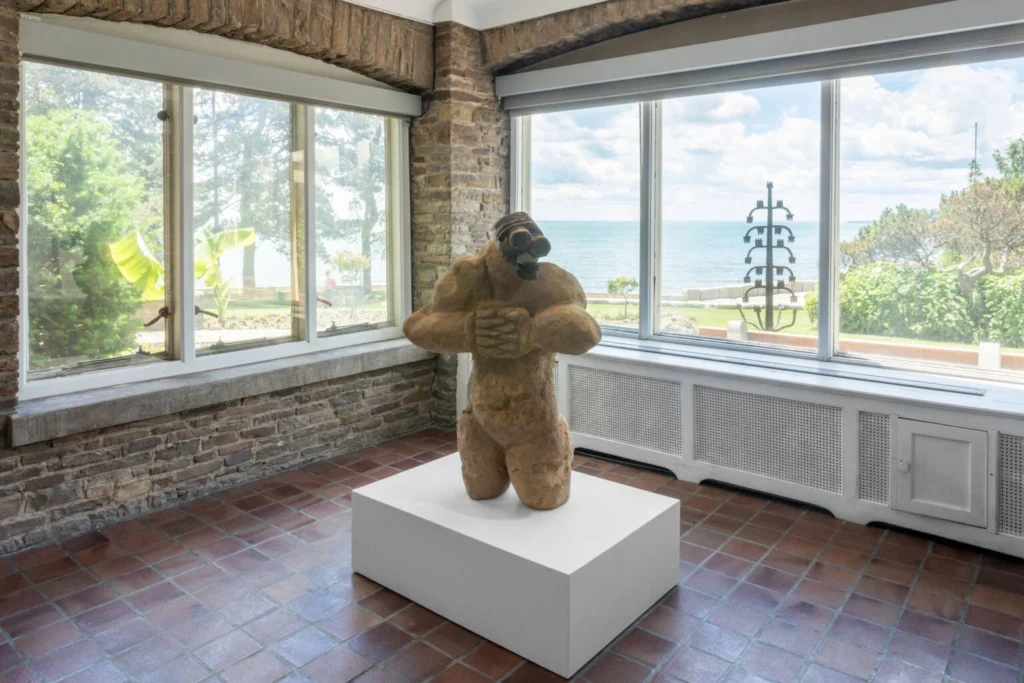
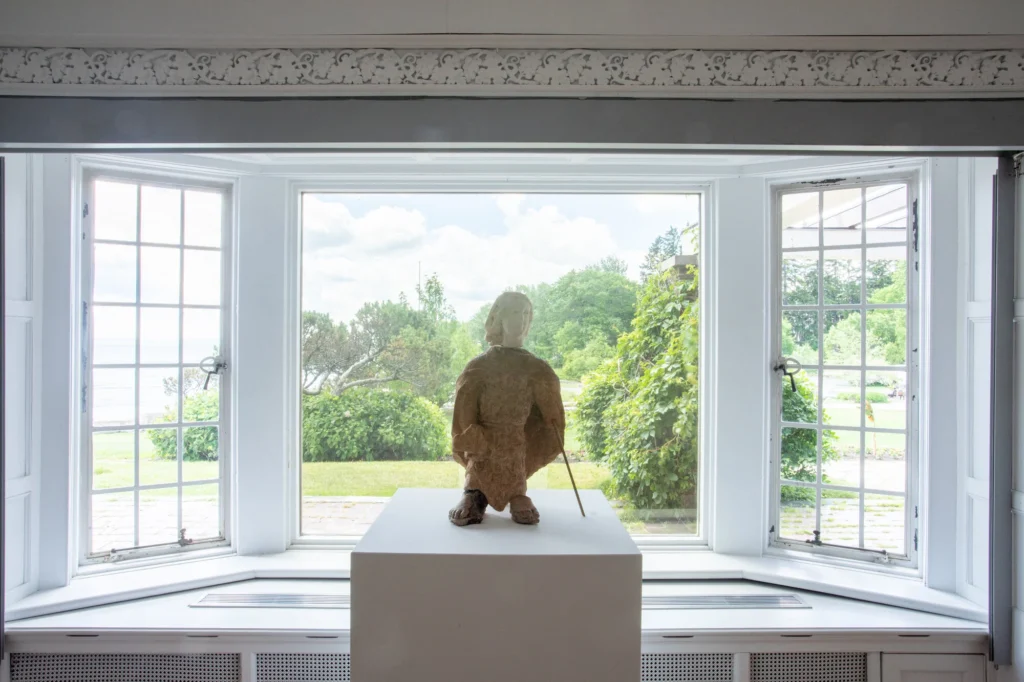
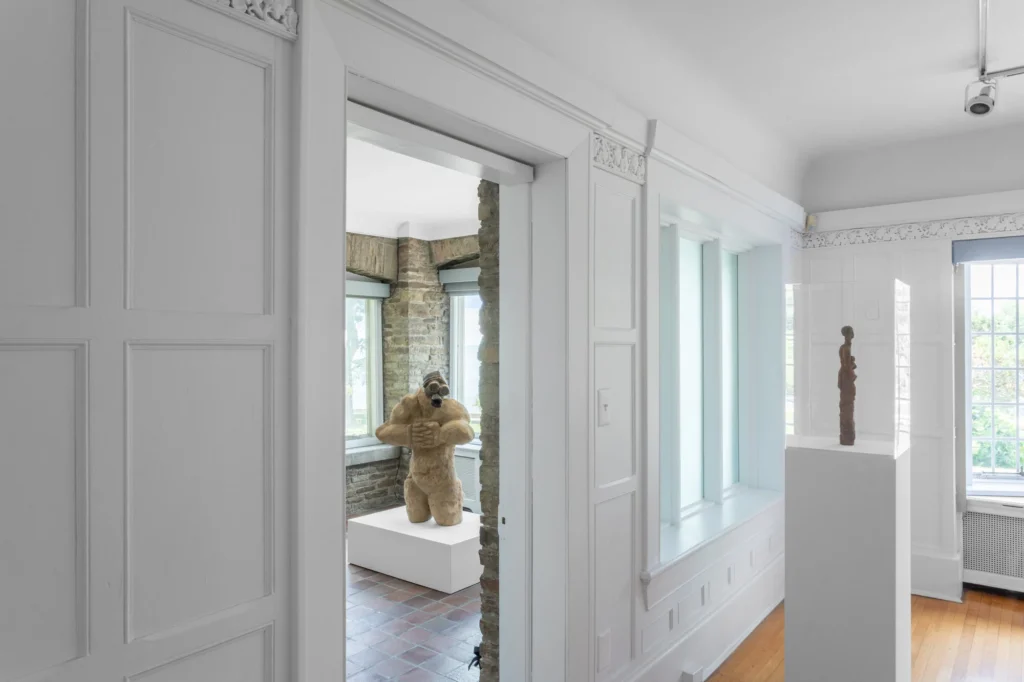
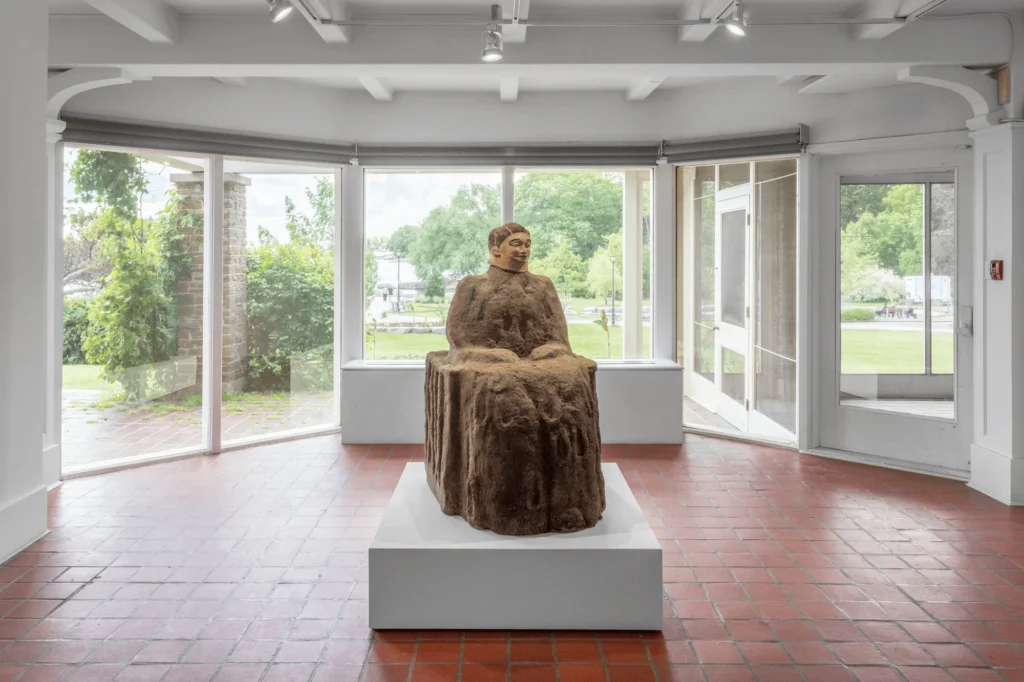
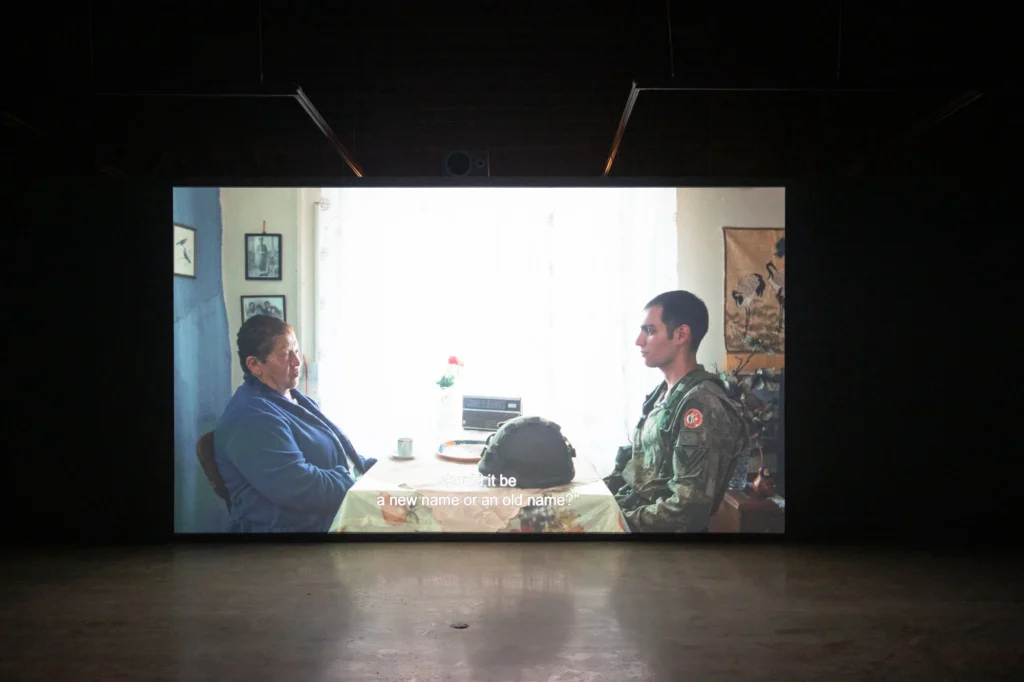
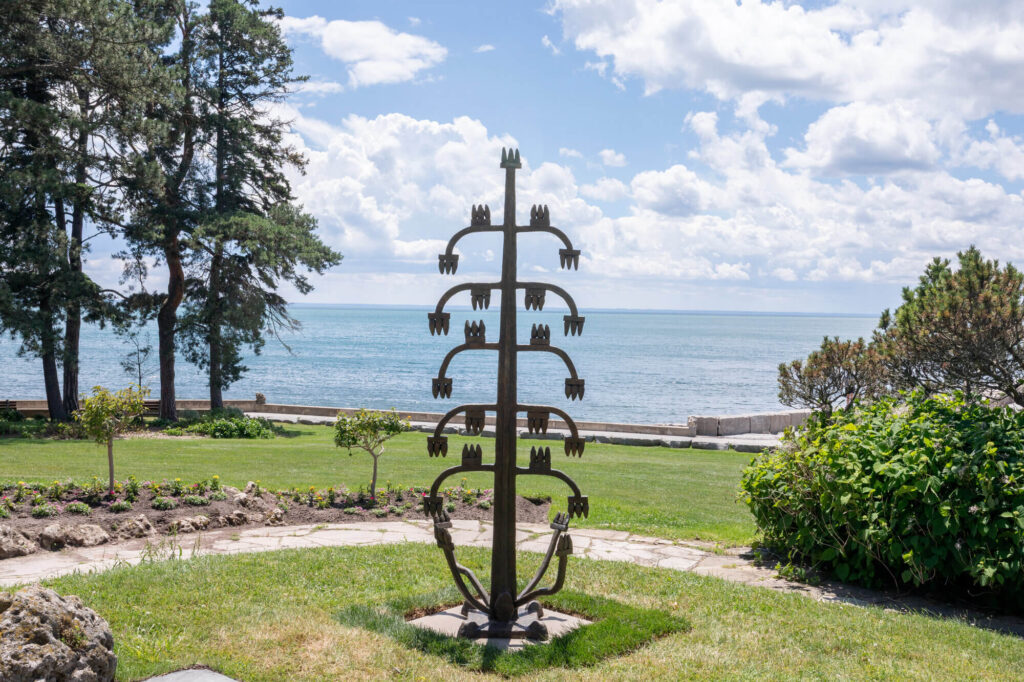
Ali Cherri: To Fall Patiently, Oakville Galleries at Centennial Square, 2026 – Photography by JIMMY LIMIT