
Share this
With Ye, a song rarely arrives as only a song anymore. It comes wrapped in edits, versions, uploads, visual fragments, delays, sudden drops, mythology, controversy, and the feeling that the release itself is part of the artwork.
The latest piece of that unstable system is “OK,” a track with Don Toliver from BULLY – DELUXE, now extended through a new music video connected to Ye’s ongoing visual world. The album’s deluxe edition landed on streaming platforms on June 19, 2026, expanding BULLY into a longer, more restless project of alternate versions, new material, and shifting production choices.
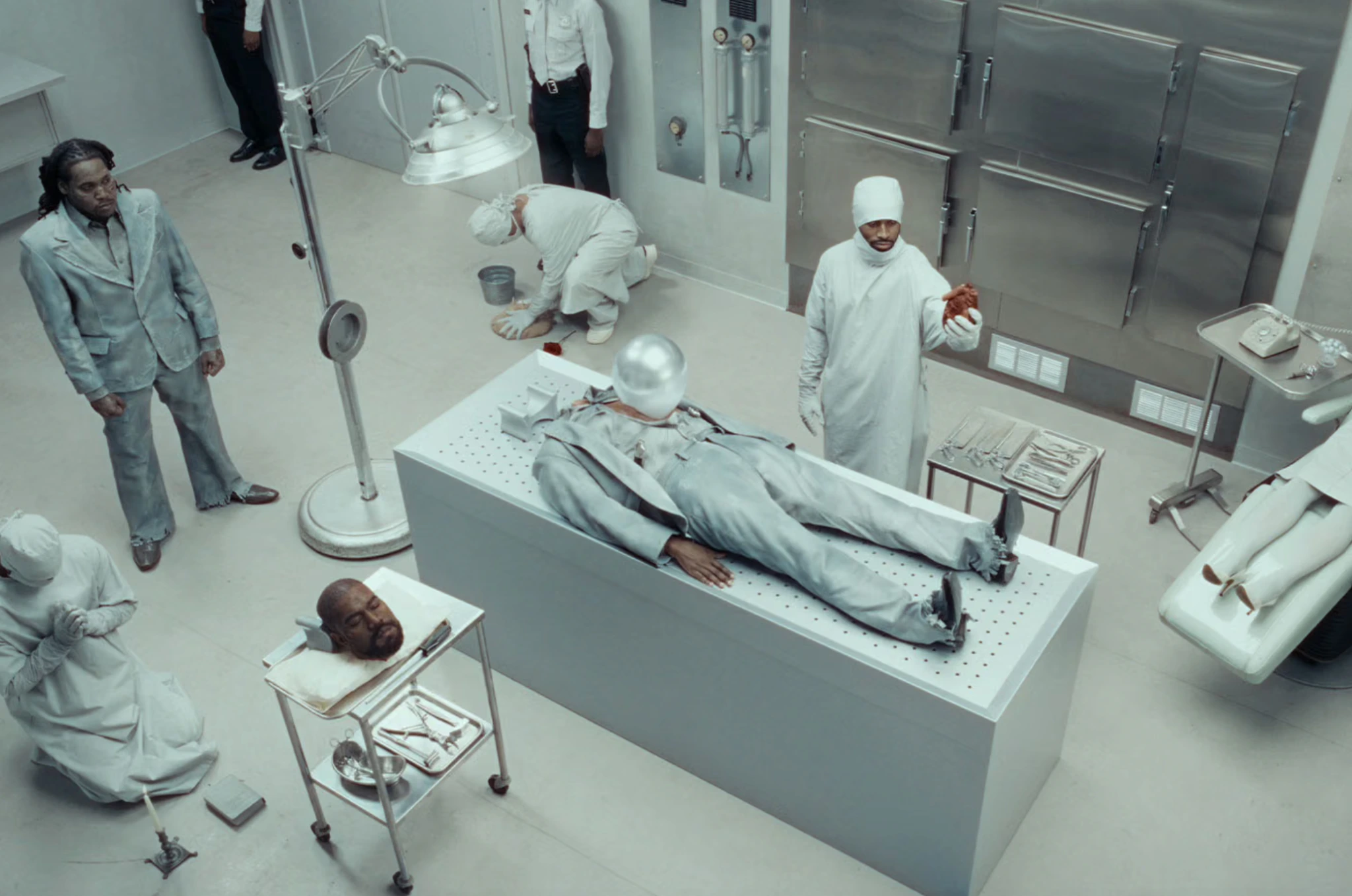
The video continues the visual language that has surrounded the BULLY era: stark, strange, intimate, and difficult to separate from Ye’s private mythology. Bianca Censori has become a central creative figure in that visual world, previously directing and creatively shaping videos including “King” and the provocative “Gemini Season” visual, which also helped announce the deluxe release date.
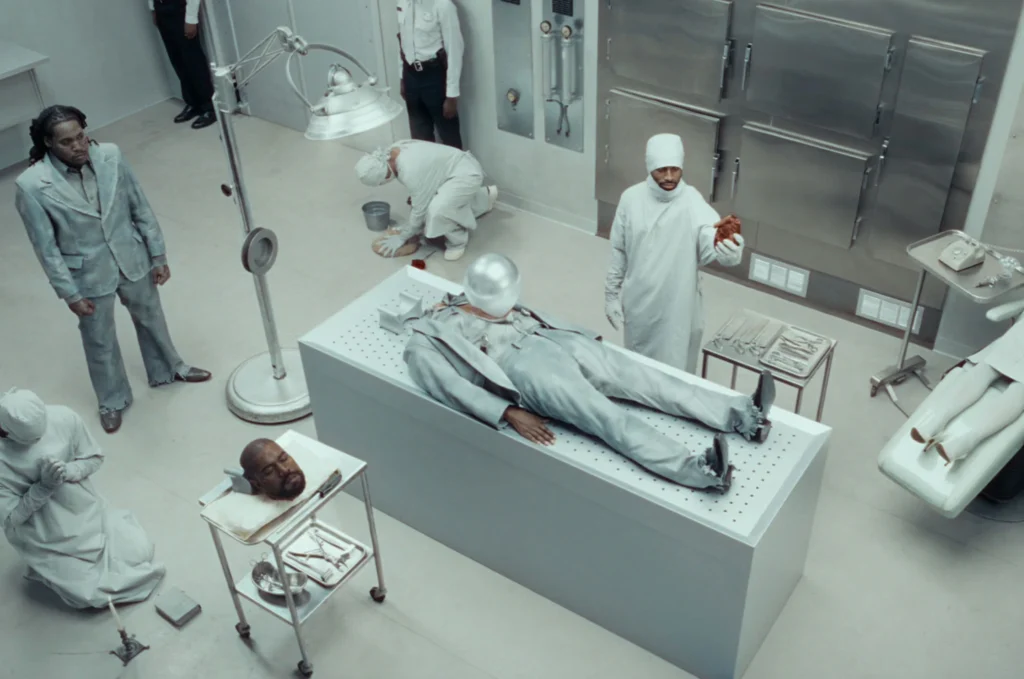
That makes “OK” feel less like a standalone single and more like another room inside a larger structure. Don Toliver’spresence gives the track a smoother, more melodic pull, bringing his signature weightless vocal texture into Ye’s fractured architecture. Where Ye often sounds like he is building from pressure, Toliver brings atmosphere: smoke, echo, movement, and emotional distance.
What has defined this era is its instability. BULLY arrived after years of public rupture, apology, provocation, and attempts at reinvention, with Ye’s music now impossible to separate from the spectacle and consequences surrounding him. The result is a project that feels both like a return and a problem: full of creative force, but shadowed by the artist’s own public history.
The Censori-directed visuals sharpen that tension. Her background in architecture and design gives the videos a controlled, symbolic quality, often building scenes less like traditional music videos and more like enclosed visual environments. In the BULLY universe, the body, the room, the camera, and the image all seem to become part of the same psychological set.
That is also why Ye’s current work remains so difficult to read cleanly. The imagery can feel intimate and constructed at the same time, personal and staged, devotional and self-mythologising. Every new release seems to ask whether we are watching music, confession, branding, performance art, damage control, or all of it at once.
Photo courtesy of Mark Saldana & Aus Taylor