Flowers have long been associated with beauty, fragility and the fleeting nature of things. They are the part of the plant we admire, photograph and remember. Rarely do we think about what lies beneath them. The roots remain hidden, carrying the weight of time, failure, persistence and growth.
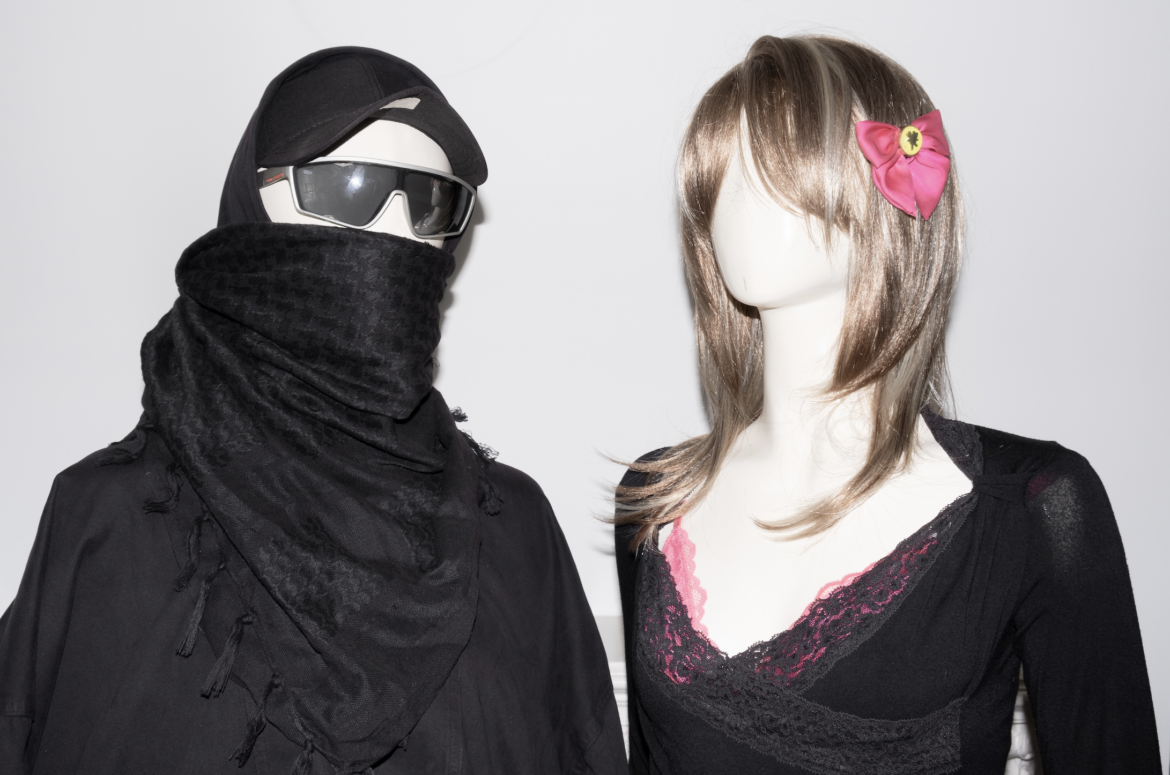
That image feels like an unexpected way into Surfinia, the curatorial project founded by Alex Radota and Vi Kalinski. Despite the softness their name might evoke, the visual language surrounding their practice is anything but delicate. Coming from different creative backgrounds—Radota working across fashion, photography and mixed media, and Kalinski within contemporary art and political visual culture—the pair have developed an aesthetic that is sharp, uncompromising and quietly confrontational.
Their curatorial debut, Never Finished, opening at ANNEX by The Koppel Project in Elephant and Castle, London (July 9th private view and July 10th general opening), brings together works by Alex Radota, Laura Kazaroff, Louise Gaubert, Meitao Qu, Niamh Dale, Paula Parole, Nuria Lopez Blanco, Tobias Futers, Vi Kalinski and Yuming Lu around a shared proposition: to revisit artworks that were abandoned, interrupted or simply left unresolved. Rather than treating incompletion as failure, the exhibition understands it as an essential part of artistic practice, inviting artists (and viewers) to return to moments that are usually left behind in favour of polished outcomes.
Most exhibitions ask us to look at the flower. Never Finished asks us to look at the roots. Not only at the finished work, but at the invisible labour that sustains it: hesitation, discarded ideas, unresolved gestures and the vulnerability of a process that rarely reaches the gallery walls. In a cultural landscape increasingly shaped by productivity and constant visibility, Surfinia proposes something quieter yet more radical: that what remains unfinished may reveal more about an artist than what is ever declared complete.
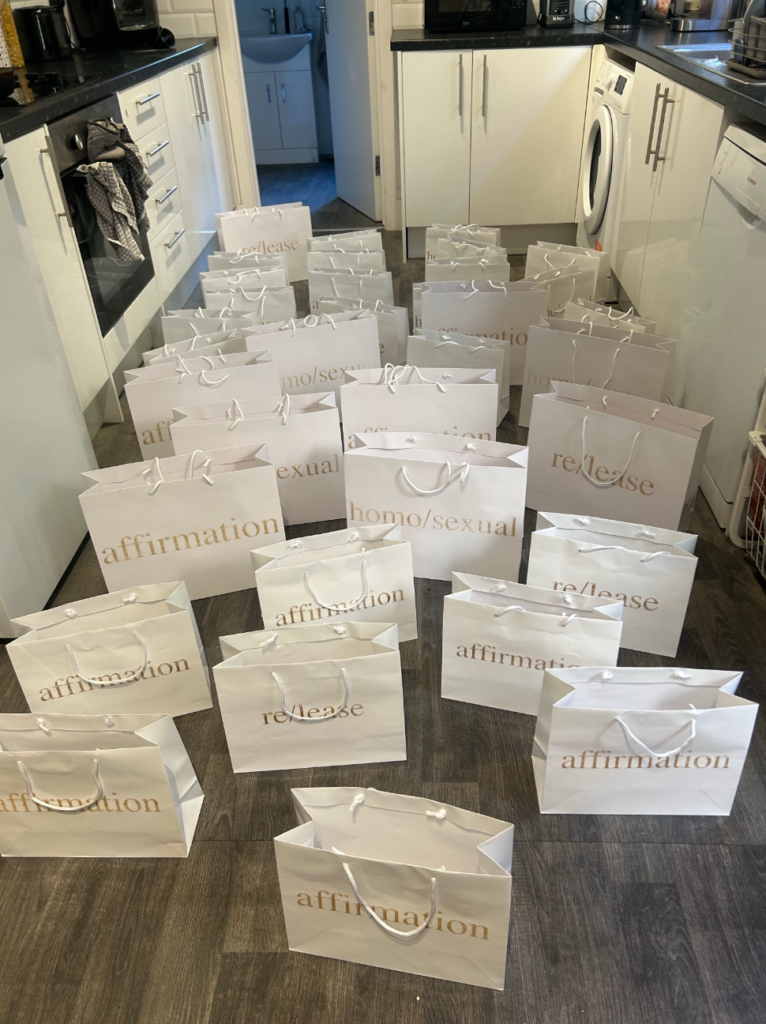
Working across contemporary art, fashion, photography and mixed media, Radota and Kalinski’s distinct creative perspectives exist in constant tension, testing the boundaries of collaboration through exhaustive deliberation and investigation, not to arrive at compromise but to surpass it. This ongoing negotiation forms the foundation of Surfinia: a collective process of research and conversation shaped as much by uncertainty and inquisitiveness, as by final outcomes.
Hello Alex and VI. Where do these questions find you today? Tell us about the place you’re writing from and the view from your workspace?
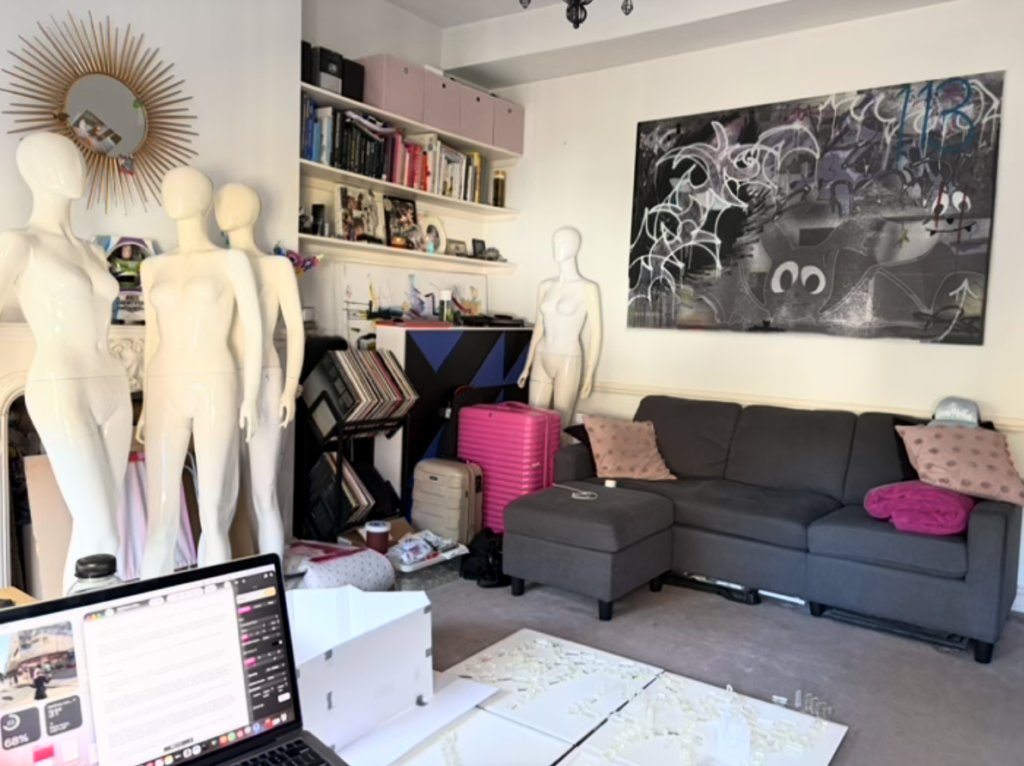
Alex & VI: Our home is our workspace. Like an object skip, where there is many projects happening in every corner, things and works being stored on top of each other waiting for a good moment, or after that kind of moment passed. That is where surfinia was created, and where the surroundings represent that creation too. You could say it’s our take on interior design lol.
What’s something essential about the two of you that your biographies completely fail to capture?
Alex & VI: How cool we are.
Surfinia was born from a five-minute conversation between two people coming from very different creative backgrounds. What kind of disagreements have become essential to the way you curate together?
Alex & VI: We might have differences in backgrounds and what we do within our work. However we have the same way of seeing the world and our place in it, and at the end this always wins when dealing with things and projects. Having disagreements over small details only pushes them to a better outcome, but fundamentally we support and respect each other and each others work more than we do our egos. If we argue it’s over a font.

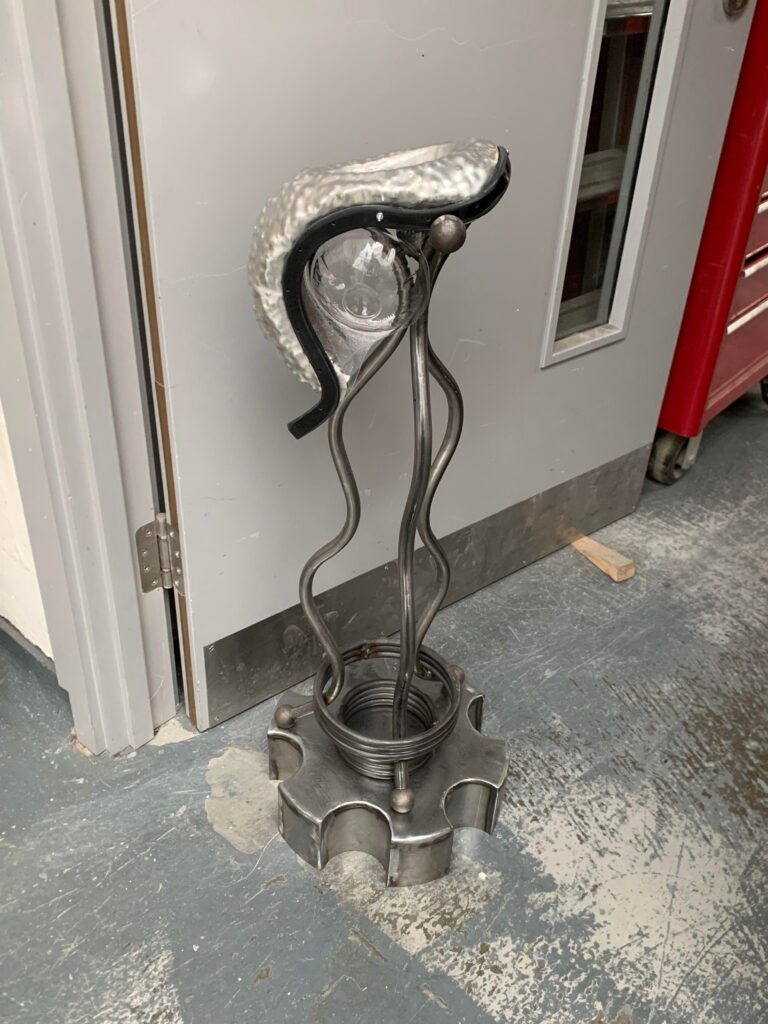
Every artist has a drawer, a hard drive or a sketchbook full of works that never made it into the world. What do those unfinished works know about us that the finished ones don’t?
Alex & VI: Unfinished works are more vulnerable. Even if we as artists do not acknowledge them and give them the platform, they are always honest. Every creative is a subject to failure, with finished works we don’t give the failure acknowledgment, we arrive at a ‘perfect’ point. Every artist have their individual process, and failure comes with that, with Never Finished specifically we wanted to put a spotlight on this part of the artwork that is not usually engaged with. Nothing is made in a vacuum.
In a culture where value is often measured through productivity, visibility and constant output, what does an unfinished artwork refuse to participate in?
Alex & VI: Conclusion. It’s more about opening an open wound. And when is practice or project really concluded? Is there nothing more to explore? Everybody has their own conclusions, and nowadays we rush into them.
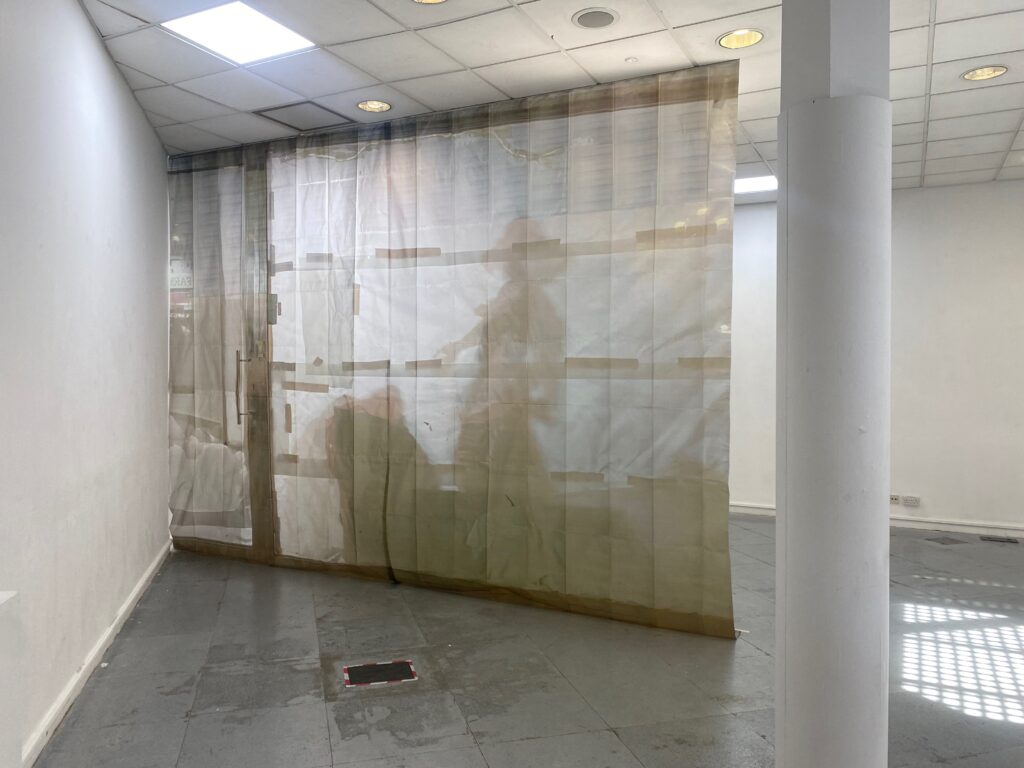

Curating often involves making invisible decisions. Which decision in Never Finished do you think visitors will never notice, yet matters most to you?
Alex & VI: Not that it matters the most, but the area where the exhibition is taking place is never finished itself (Elephant and Castle).
If Never Finished had a smell, what would it be?
Alex & VI: Lost Mary Red Apple Ice vape that you can’t really smell because you have sinusitis.
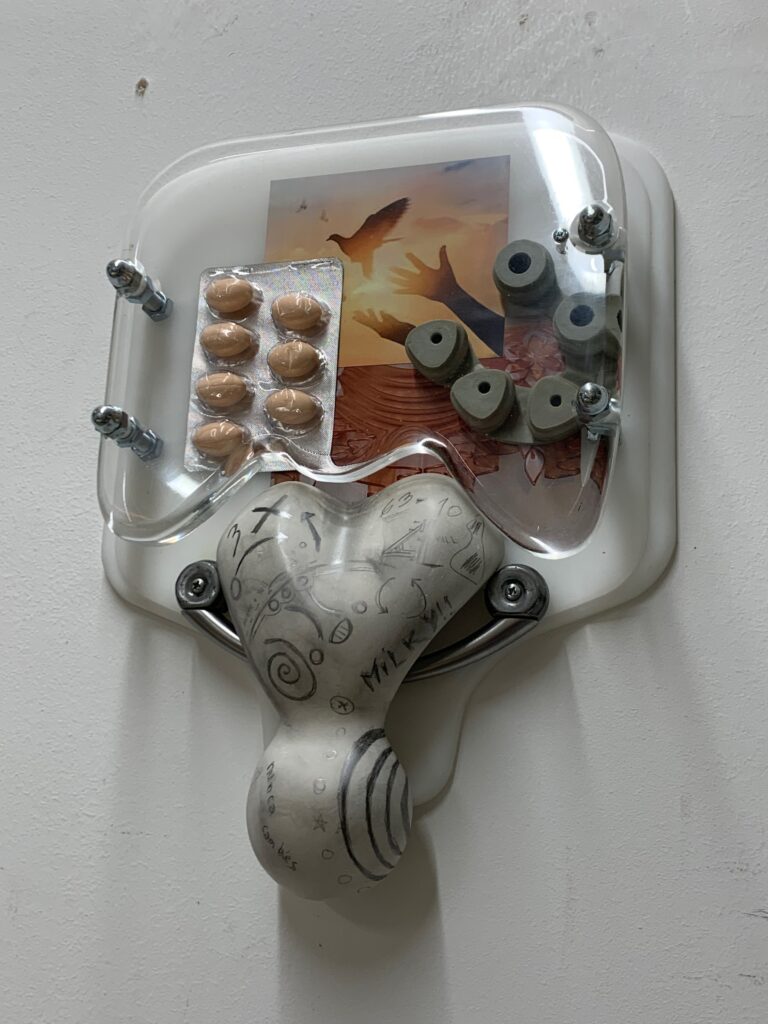
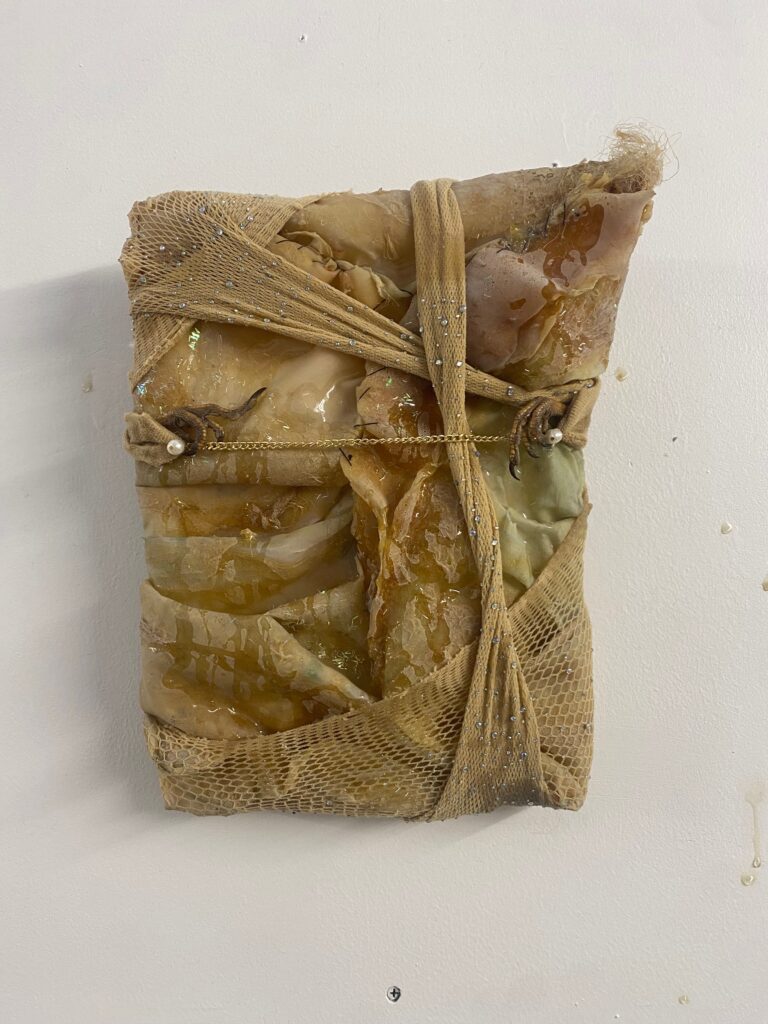
Give each artist a verb instead of an adjective.
Alex & VI:
Alex Radota – Think
Laura Kazaroff – Reflect
Louise Gaubert – Shine
Meitao Qu – Cook
Niamh Dale – Read
Paula Parole – Dream
Nuria Lopez Blanco – Perceive
Tobias Futers – Surf
Vi Kalinski – Play
Yuming Lu – Refuse
Is there something erotic about what refuses to be completed?
Alex & VI: Eros needs space to exist.
If your life right now could be summed up as a single unanswered question, what would it be?
Alex & VI: What are we doing?