
Share this
Each summer, the global photography community descends upon the sun-drenched streets of Arles, transforming the southern French town into a vibrant stage for image-makers and visionaries. This year, Les Rencontres d’Arles celebrates its 56th edition with a theme that feels especially urgent: “Disobedient Images.” Running through October 5, the 2025 festival sets its sights on photography as a tool of resistance, testimony, and social transformation.
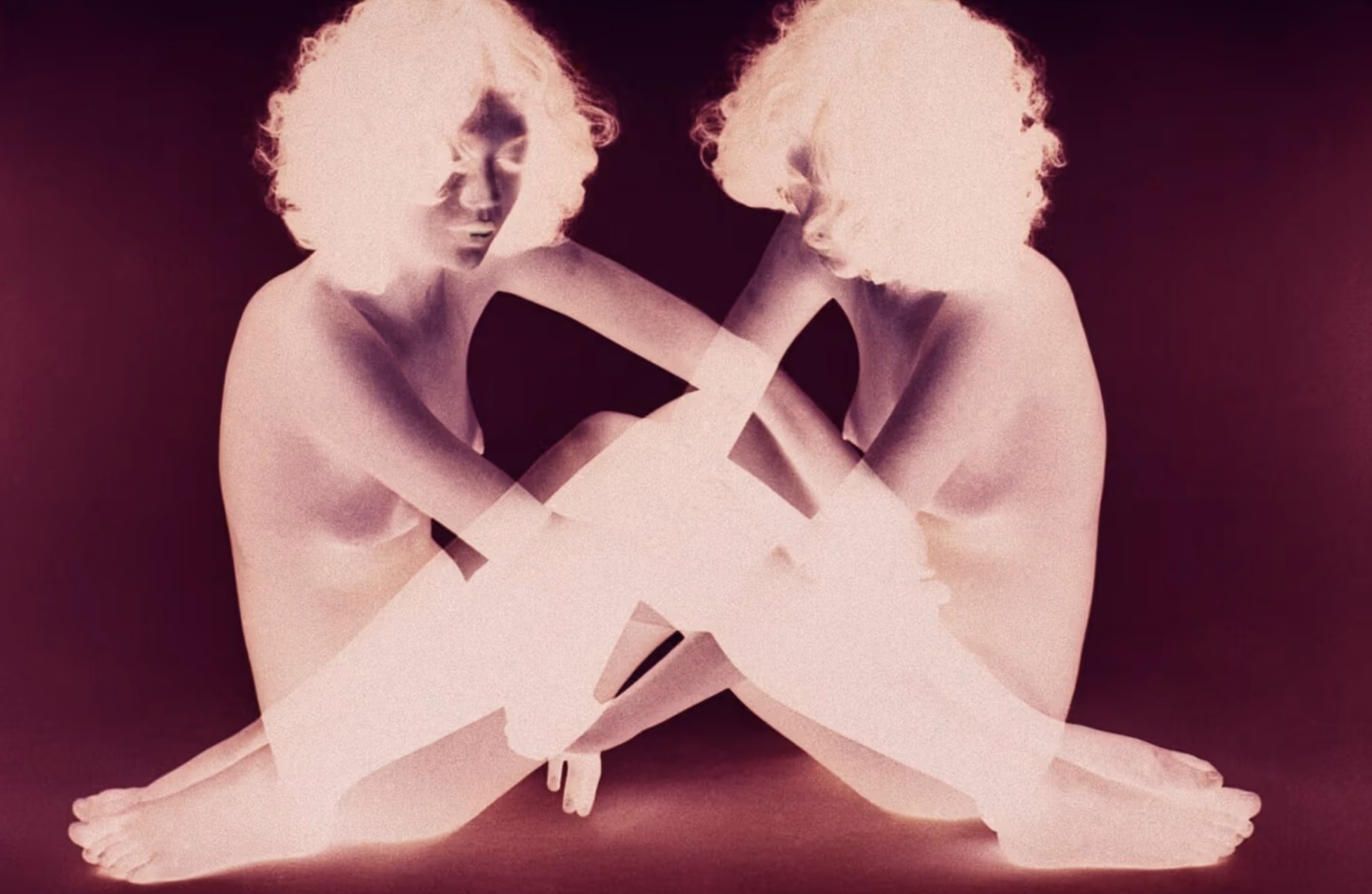
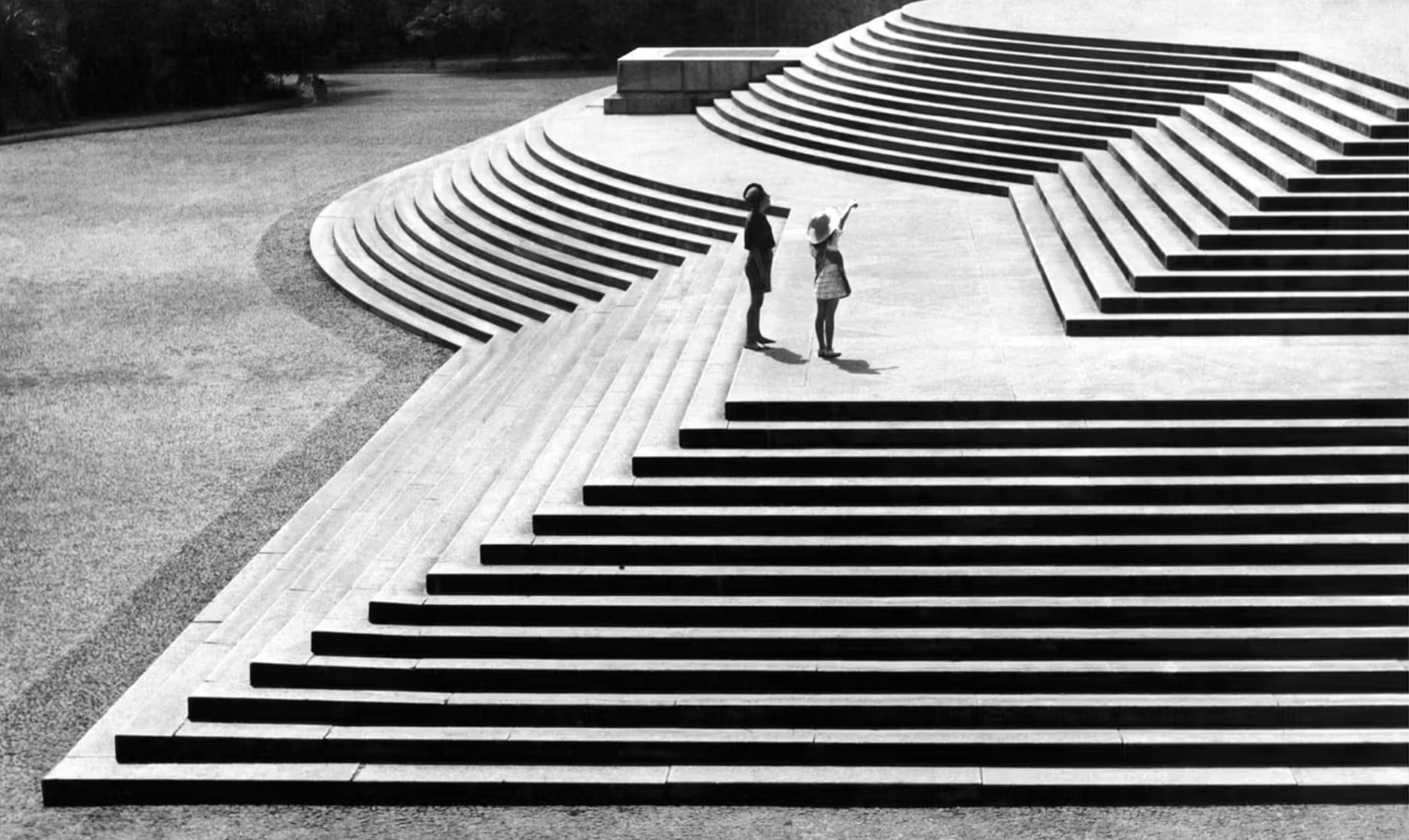
This edition brings a sharp focus on Brazil and Australia, two regions whose photographers are reshaping how identity, land, and memory are captured and understood. Construction, Deconstruction, Reconstruction revisits Brazil’s Modernist era through the lens of the Foto Cine Clube Bandeirante, a São Paulo-based collective whose radical visual experiments rewrote the country’s photographic narrative. In parallel, On Country spotlights First Nations artists from Australia, revealing deeply rooted ties between culture, land, and spirituality.
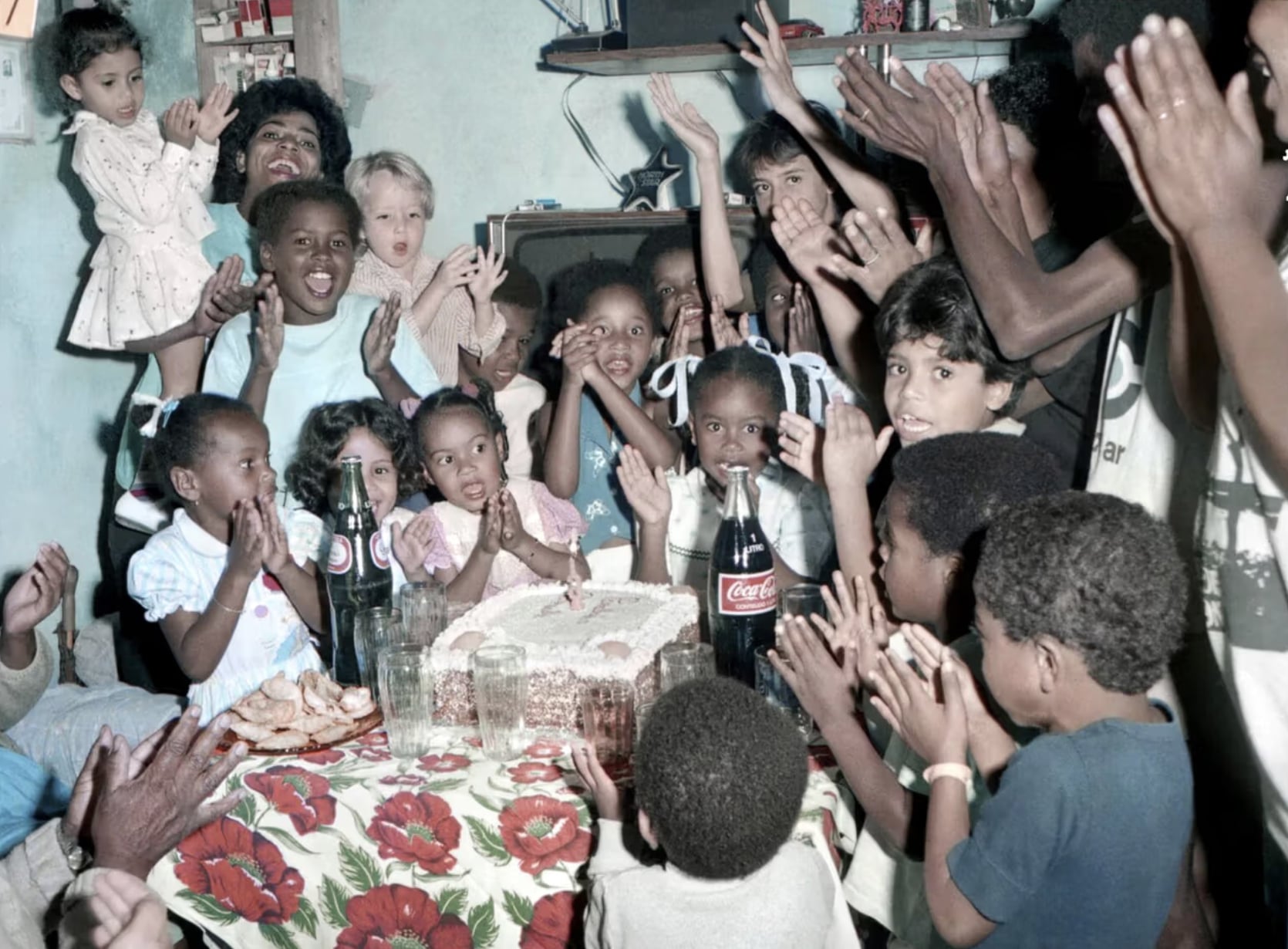
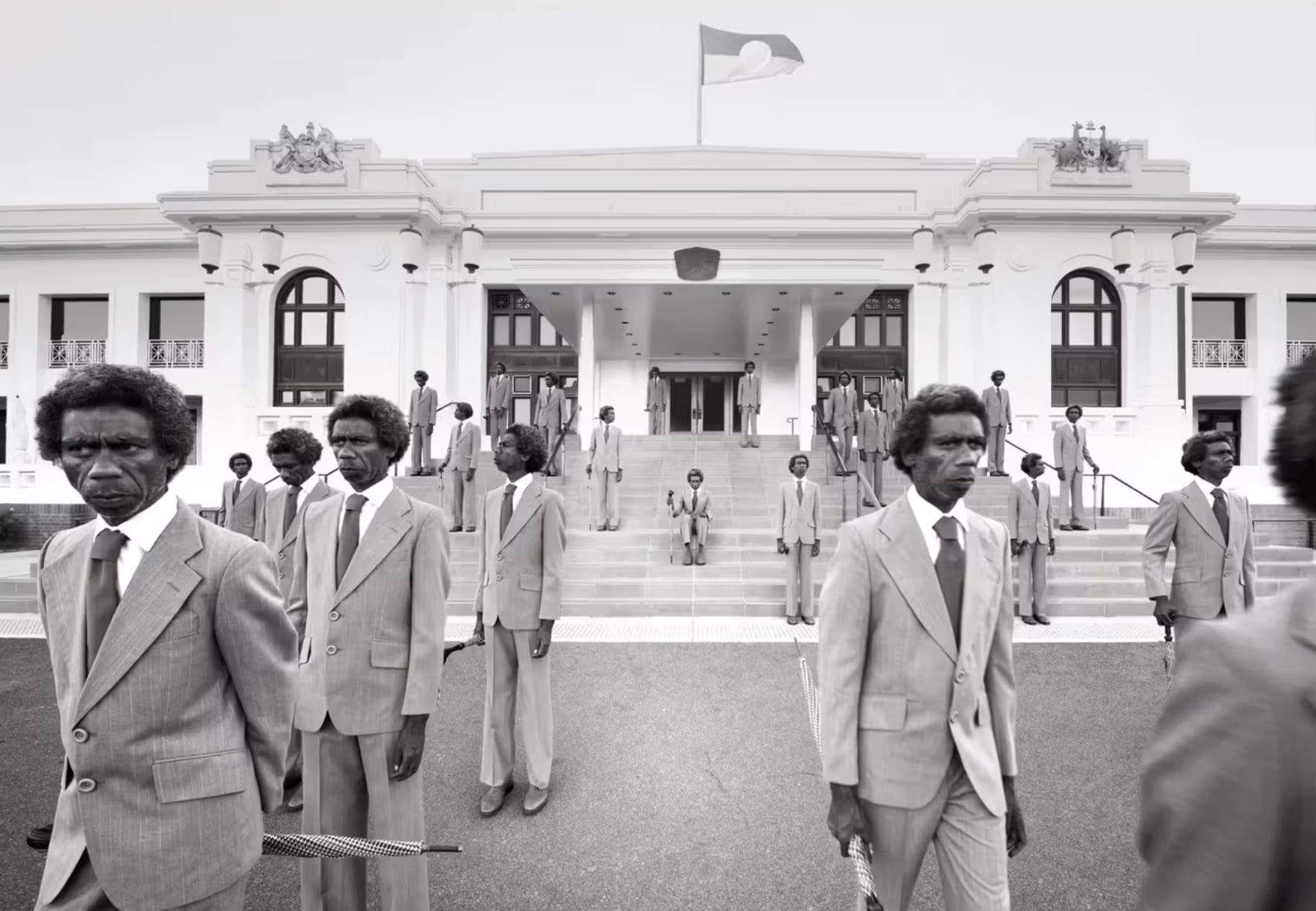

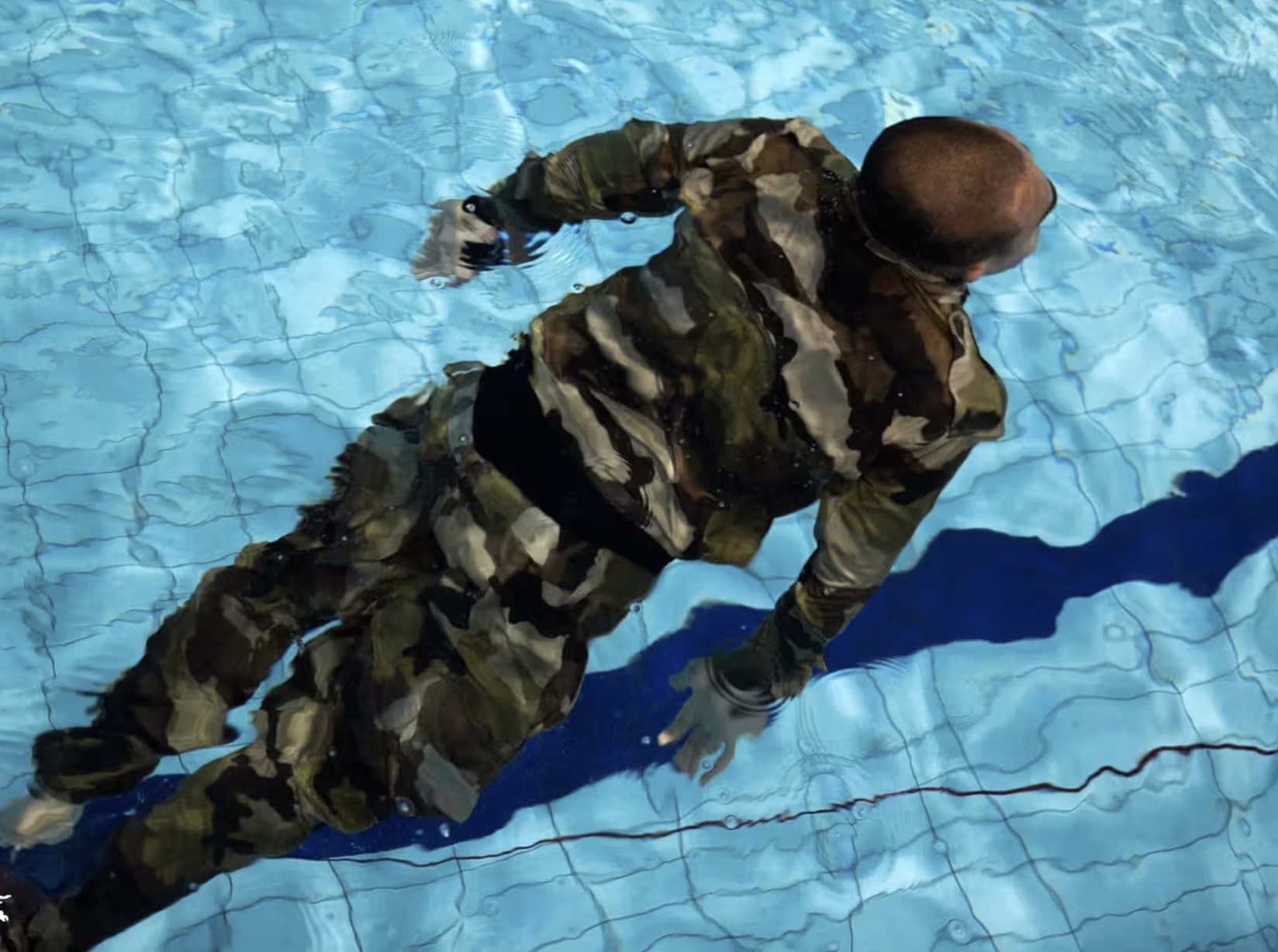
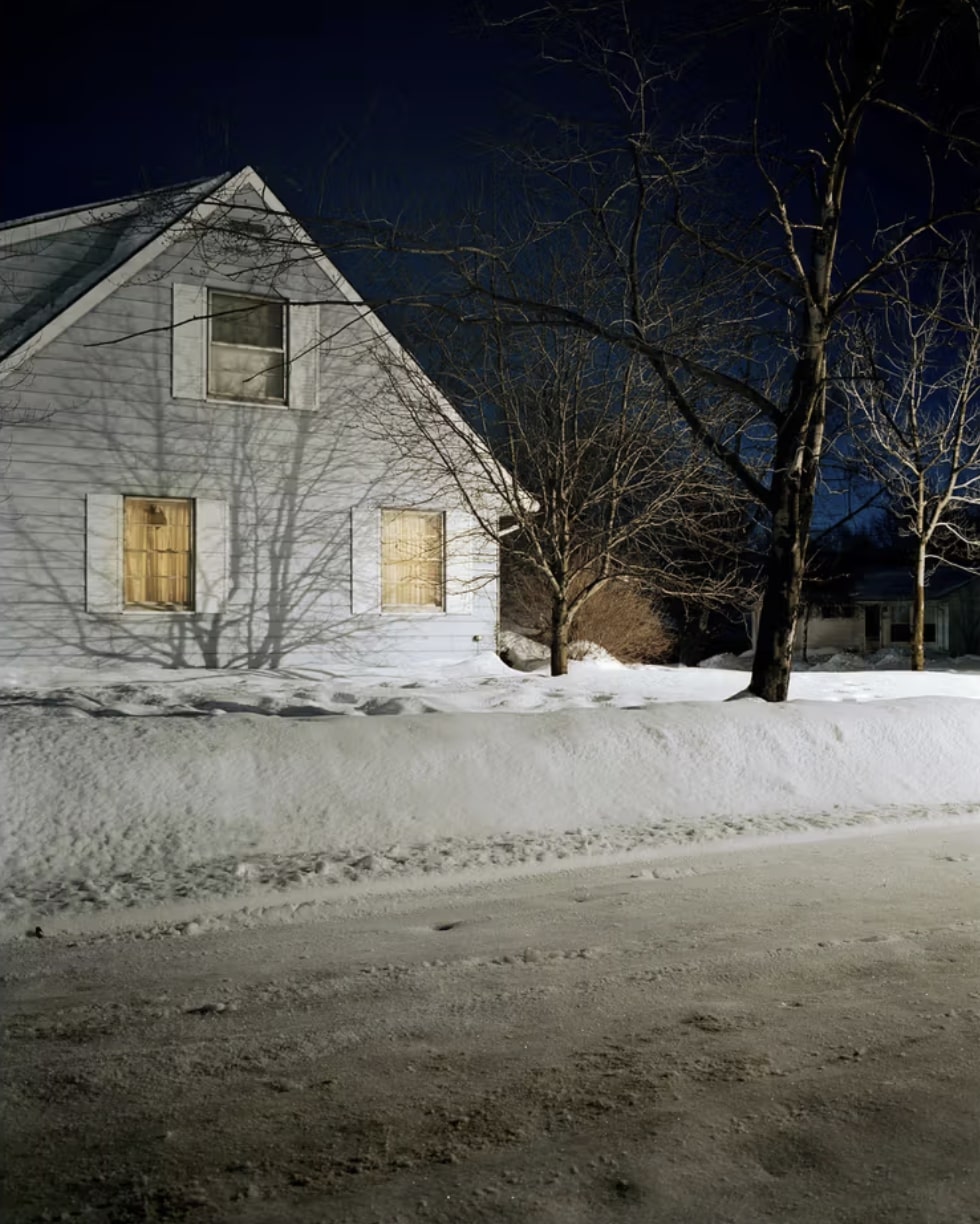
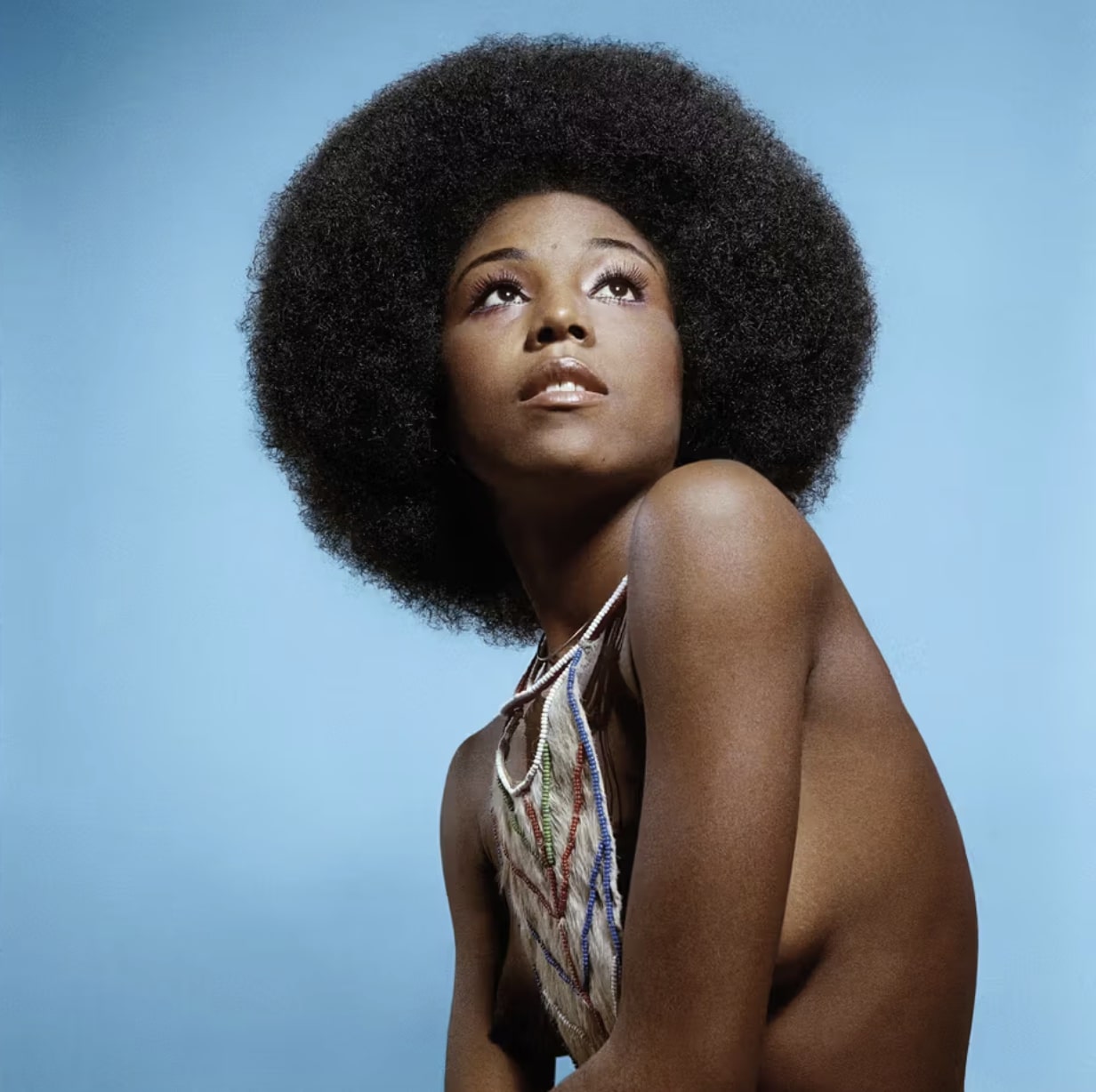
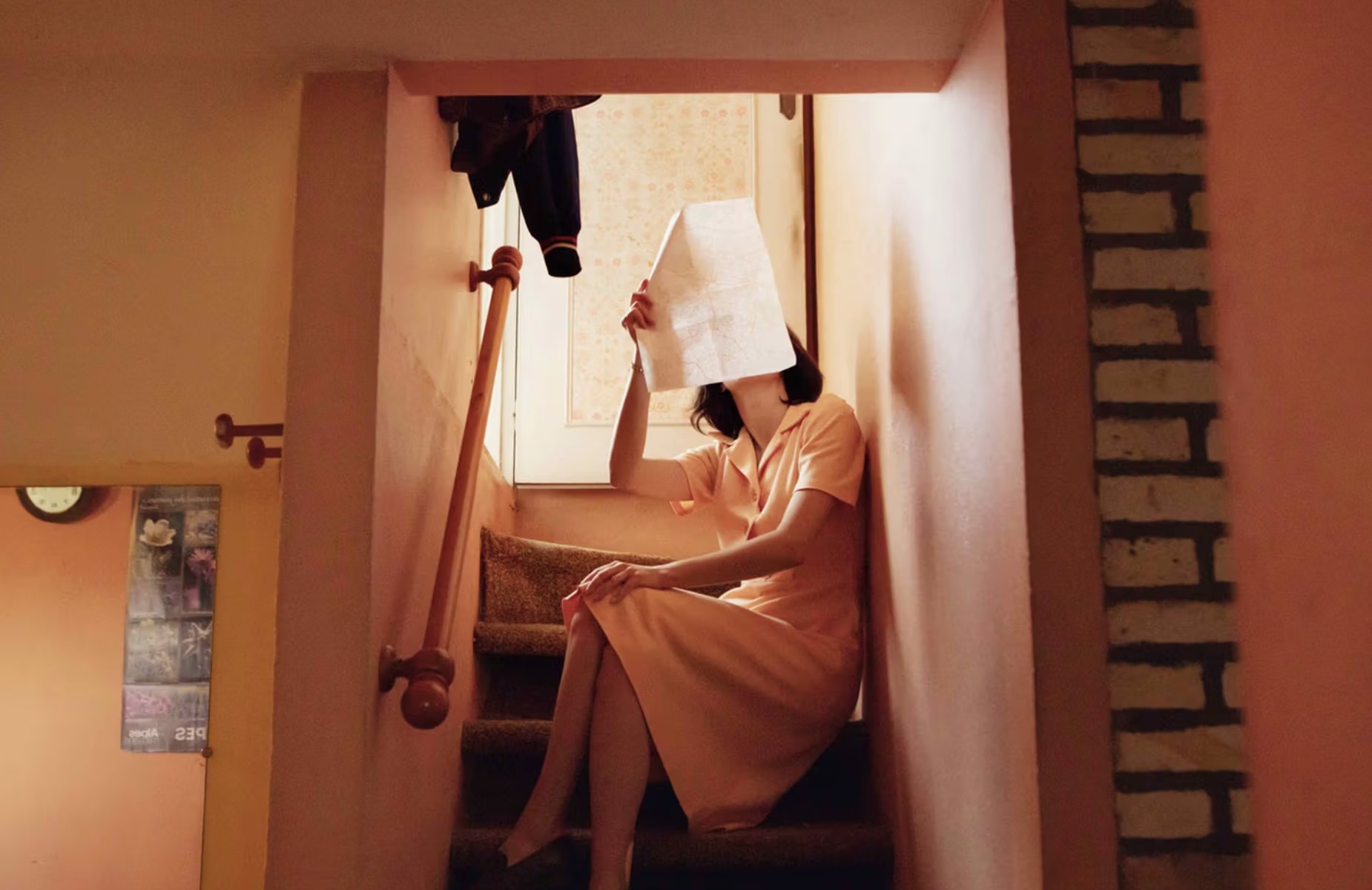
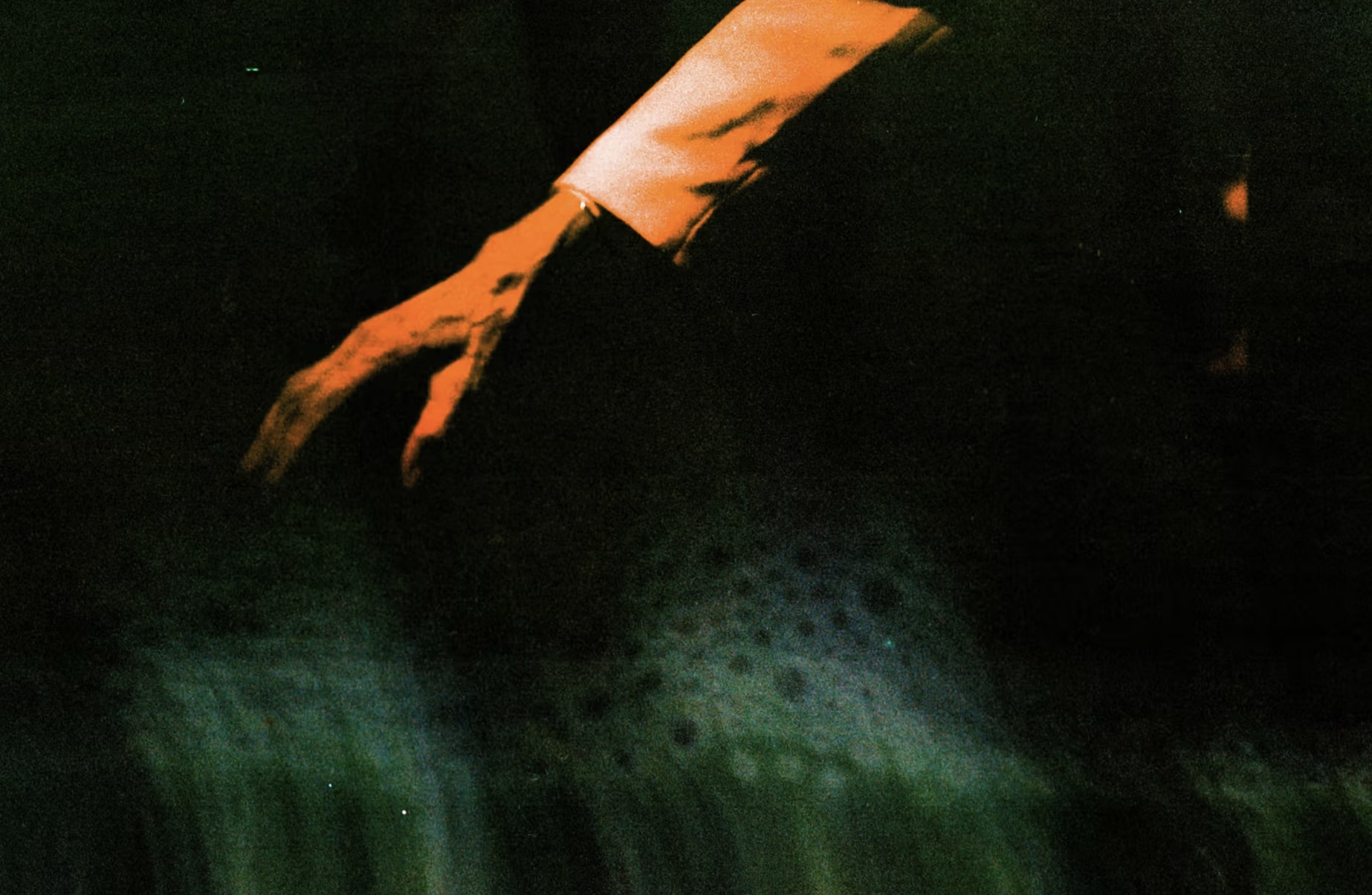
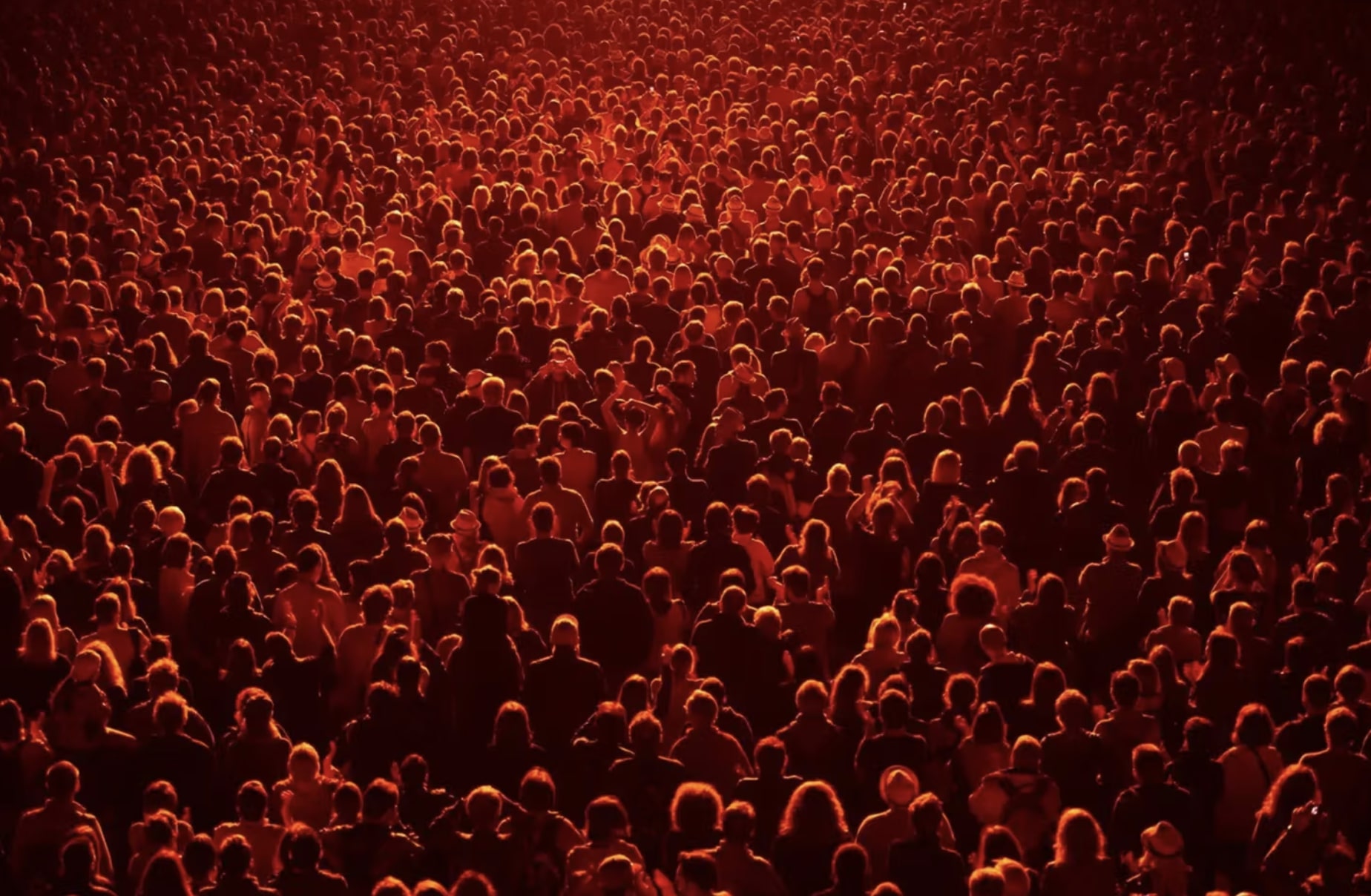
Among the most powerful moments of the festival is the first European retrospective of Kwame Brathwaite, the legendary photographer and activist who helped define the “Black is Beautiful” movement. His portraits offer more than aesthetics—they’re revolutionary declarations of self-worth and Black joy. Meanwhile, Todd Hido’s eerie, cinematic images in The Light from Within continue his lifelong exploration of the psychological terrain of American suburbia—all loneliness, memory, and flickering interior light.
Also featured is Claudia Andujar, whose exhibition In Place of Another traces her path from war exile to artistic reinvention in Brazil, where she used photography to forge human connections amid political and cultural upheaval. Other highlights include Nan Goldin’s emotionally charged Stendhal Syndrome, the deeply introspective Lost and Found by French duo Elsa & Johanna, and Guilherme Cunha’s intimate portrait series Retratistas do Morro, which reframes favela life with dignity and nuance.
In a world where images are increasingly manipulated, consumed, and discarded, Arles reminds us of their enduring power to provoke, document, and disrupt. At its best, this year’s program isn’t just about photography—it’s about refusal, reclamation, and the quiet defiance of seeing clearly.