
Share this
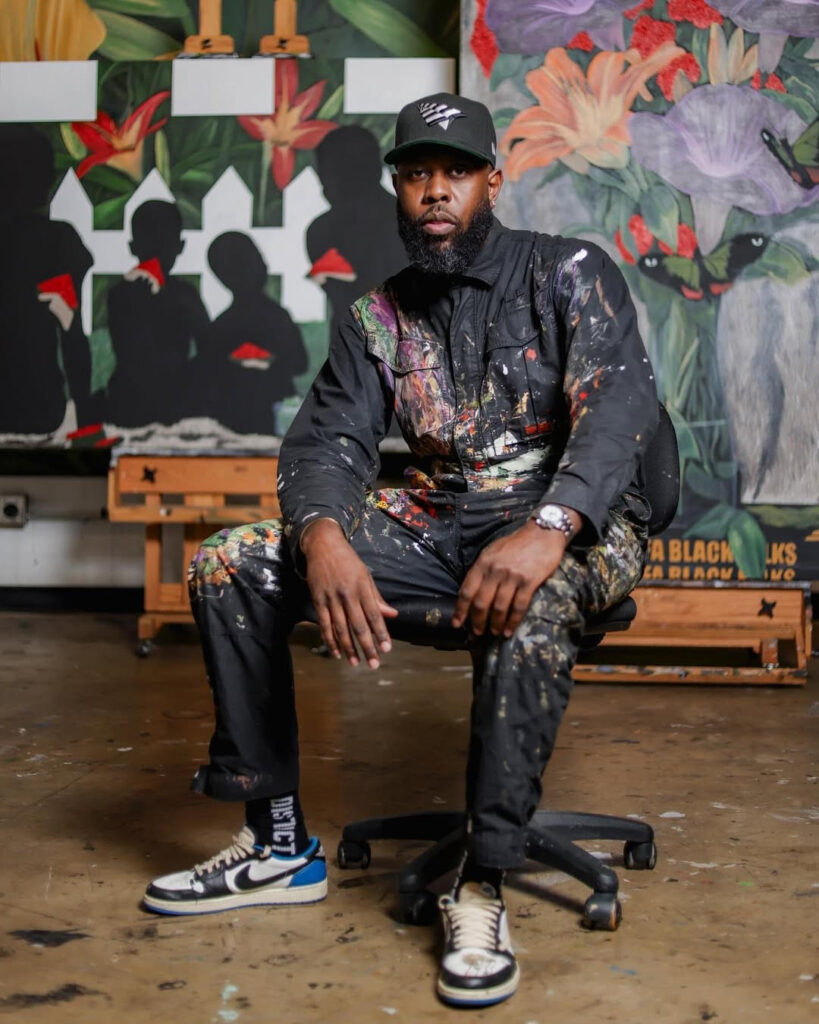
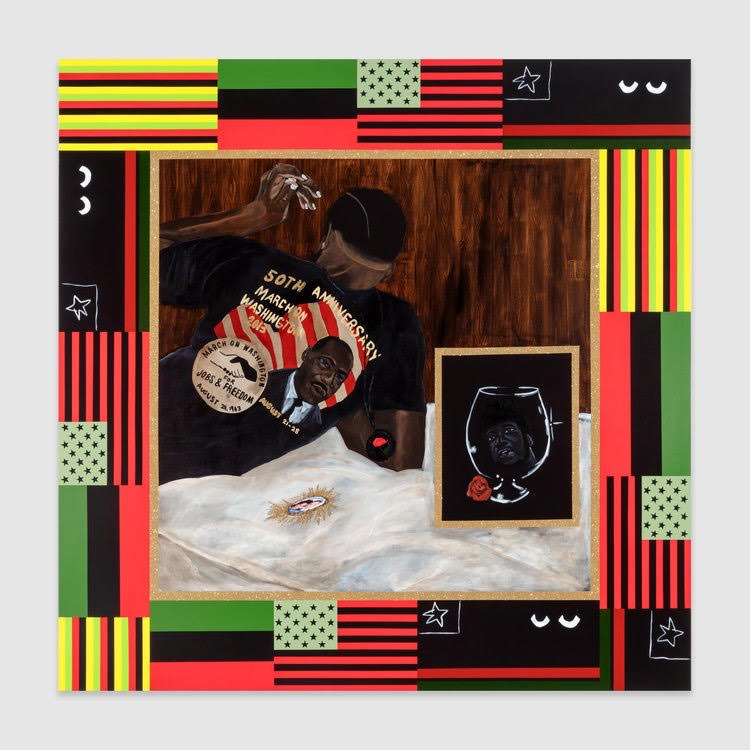
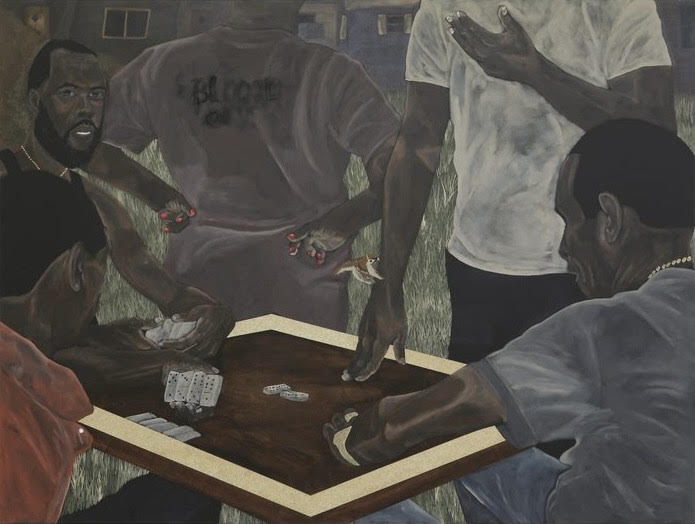
Jammie Holmes is a self-taught painter from Thibodaux, Louisiana, whose work tells the story of contemporary life for many black families in the Deep South. Through portraiture and tableaux, Holmes depicts stories of the celebrations and struggles of everyday life, with particular attention paid to a profound sense of place. Growing up 20 minutes from the Mississippi River, Holmes was surrounded by the social and economic consequences of America’s dark past, situated within a deep pocket of the Sun Belt, where reminders of slavery exist alongside labor union conflicts that have fluctuated in intensity since the Thibodaux Massacre of 1887. His work is a counterpoint to the romantic mythology of Louisiana as a hub of charming hospitality, an idea that has perpetuated in order to hide the deep scars of poverty and racism that have structured life in the state for centuries.
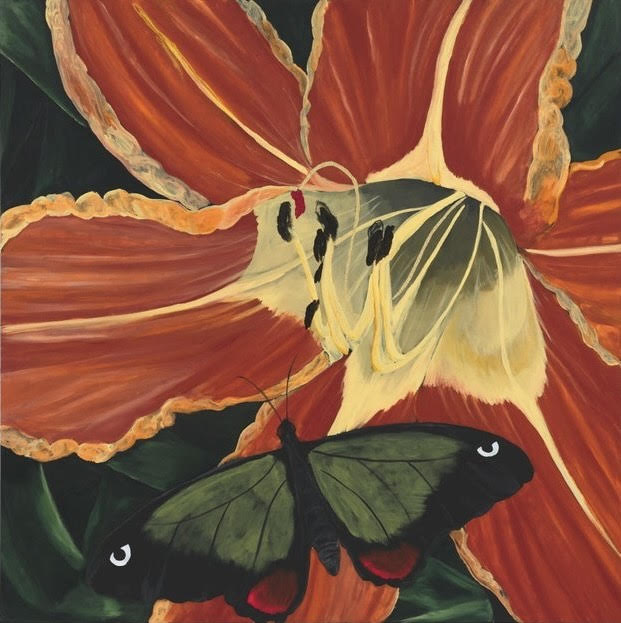
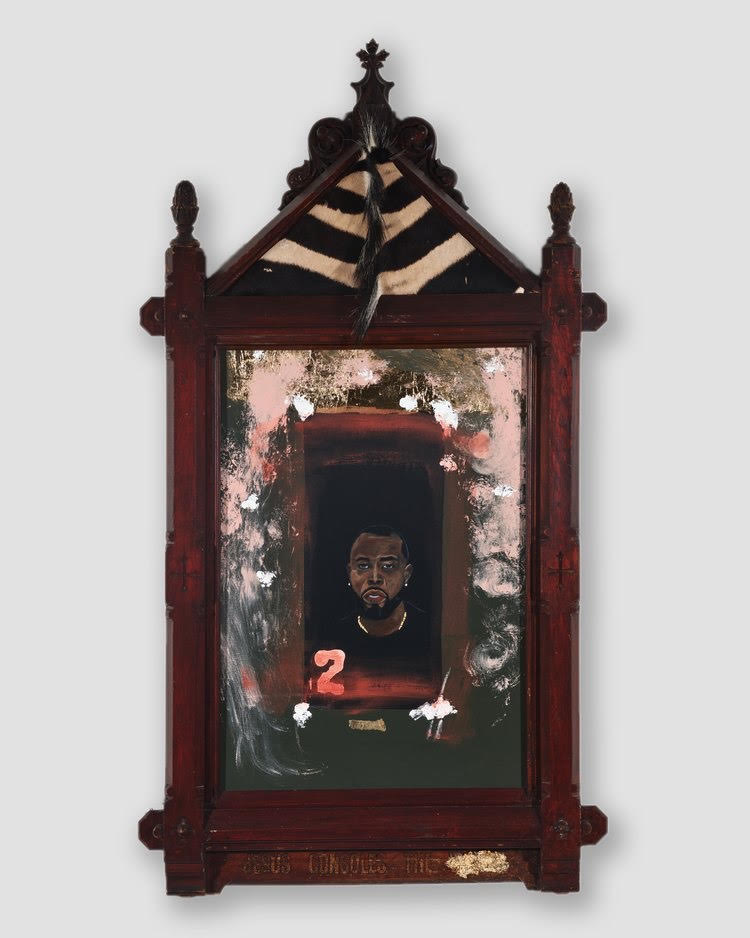
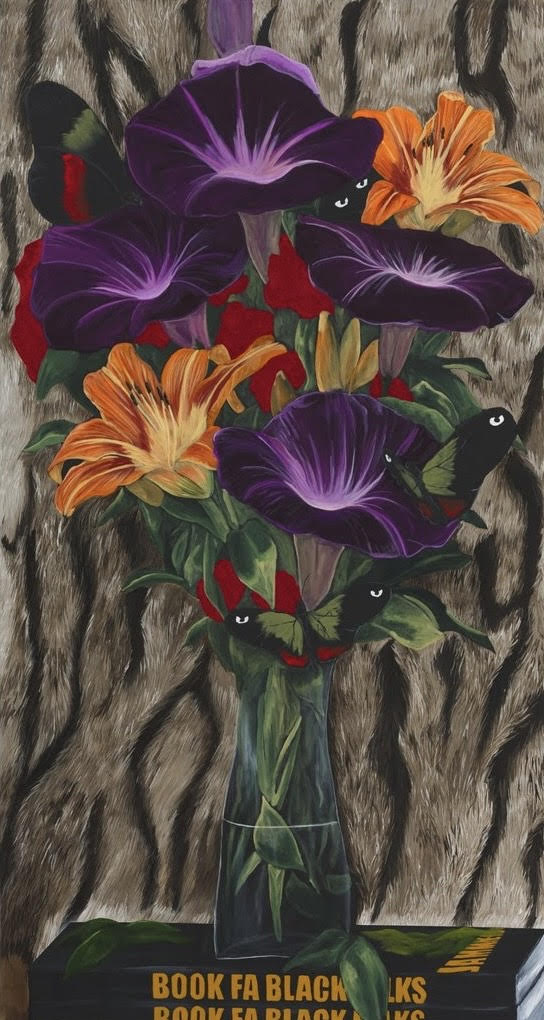
Despite the circumstances of its setting, Holmes’ work is characterized by the moments he captures where family, ritual, and tradition are celebrated. His presentation of simple moments of togetherness and joy within the black population that nurtures the culture of Louisiana has made him an advocate for this community. Holmes’ paintings fall somewhere between realistic depiction and raw abstraction, incorporating text, symbols, and objects rendered in an uncut style that mirrors a short transition from memory to canvas. He often references photographs from home, but also draws heavily on his own recollection of moments and scenes and works quickly to translate his emotions to paint.
Hi Jammie! It’s a pleasure to sit down with you! First question that I always ask. How does a regular day look like for you in Dallas?
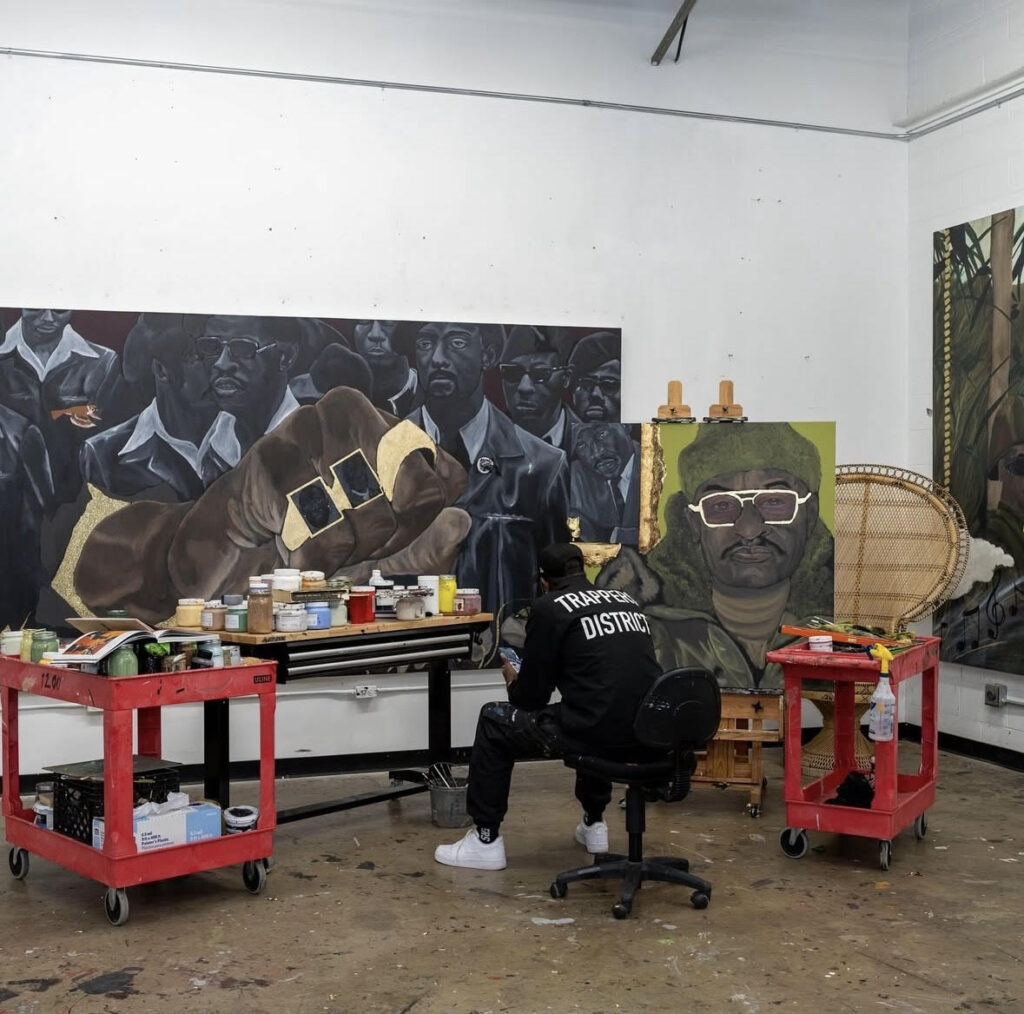
Jammie: Wake up take out my dog Tyson and head to the studio. I pretty much do all work there including computer work.
I’m curious, growing up what kind of kid were you? What did you enjoy doing, and how did you spend your time?
Jammie: Growing up I loved music, cars and sketching. I sketched more than I did my class work. I would get in trouble as a kid for sketching on the desk so I would have to stay afterschool to clean all the student desk in my classroom.
With that in mind. Growing up in Thibodaux, Louisiana, a place with a complex racial history, how has your upbringing shaped the narratives you document in your artwork?
Jammie: I feel my upbringing has a lot to do with the way my work is constructed and the stories I tell. My goal is to show everyday people in normal every situations.
Alright, so when did you start to paint, and when did you start taking being an artist seriously?
Jammie: I started painting in 2017, by 2019 I started painting full time and set goals for myself. Setting goals was what gave be the focus to stay on track with the promises I made to myself.
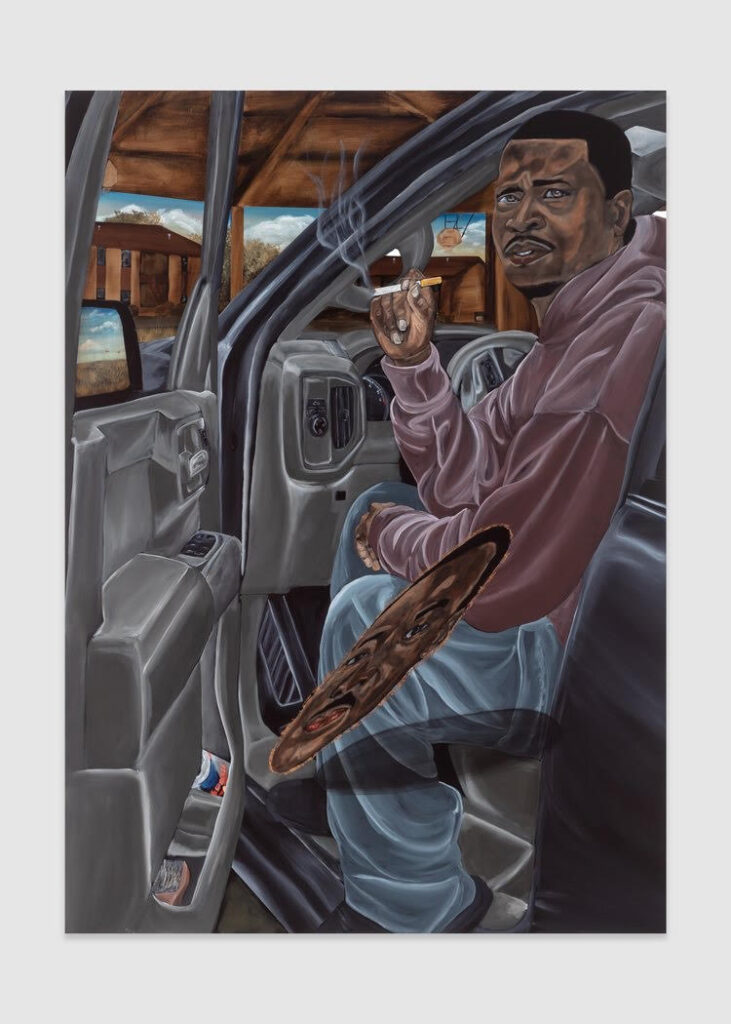
Ok Jammie, with these next series of questions, I will try to delve into your work as best as possible… So, your paintings beautifully blend personal memories with political undertones. Can you tell me more about that?
Jammie: I feel being black in America its always going to seem there’s a political undertone. But is it political undertone or it’s just the realities of being a black human in America. Blacks came to America as part of a political agenda so it seems it’ll always be part of us weather we like it are not. When I paint I love to paint from a poetic place not a political place. It just comes out political based on the viewer placement in life. But to some it can just be everyday poetry.
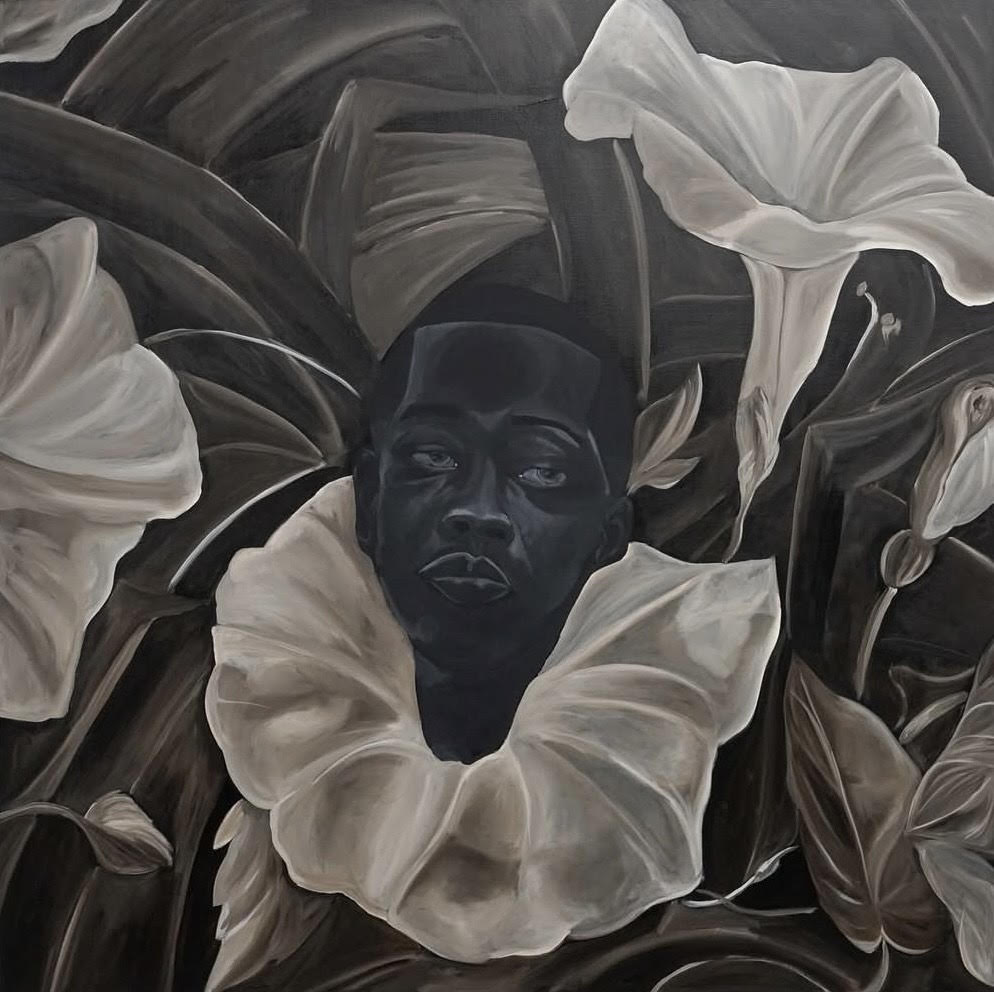
Tell me if im getting to personal Jammie, but I know that you’ve dealt with anxiety in the past. Is that in anyway reflected in your work?
Jammie: Dealing with anxiety and depression is a daily spirit part of my life. I understand it and it understands me. I believe the anxiety doesn’t show in the work because painting help all the anxieties and depression go away. Its one of those things that will always be part of my life so simply understanding that you learn how to live with it.
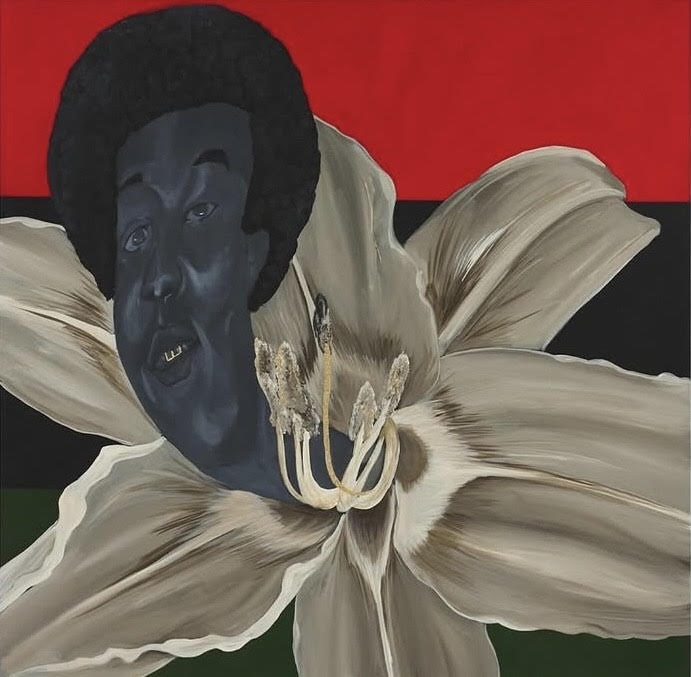
Memory plays a significant role in your practice. Are there specific memories or moments that consistently comes to mind and inspire your work?
Jammie: One of my fav memories is when my cousin which had passed away before I became an artist told me that I had million dollar hands after I sketched him a portrait of Marcus Garvey.
Can you tell me about the use of written text in your work, and how you decide what words or phrases to include?
Jammie: Those texts are things that pop up consciously. I feel may art is a also a diary, a time stamp of that very moment.
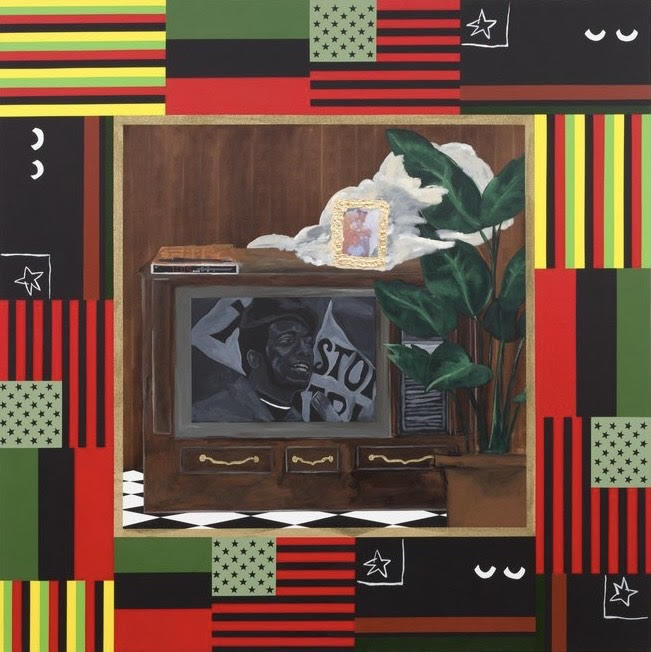
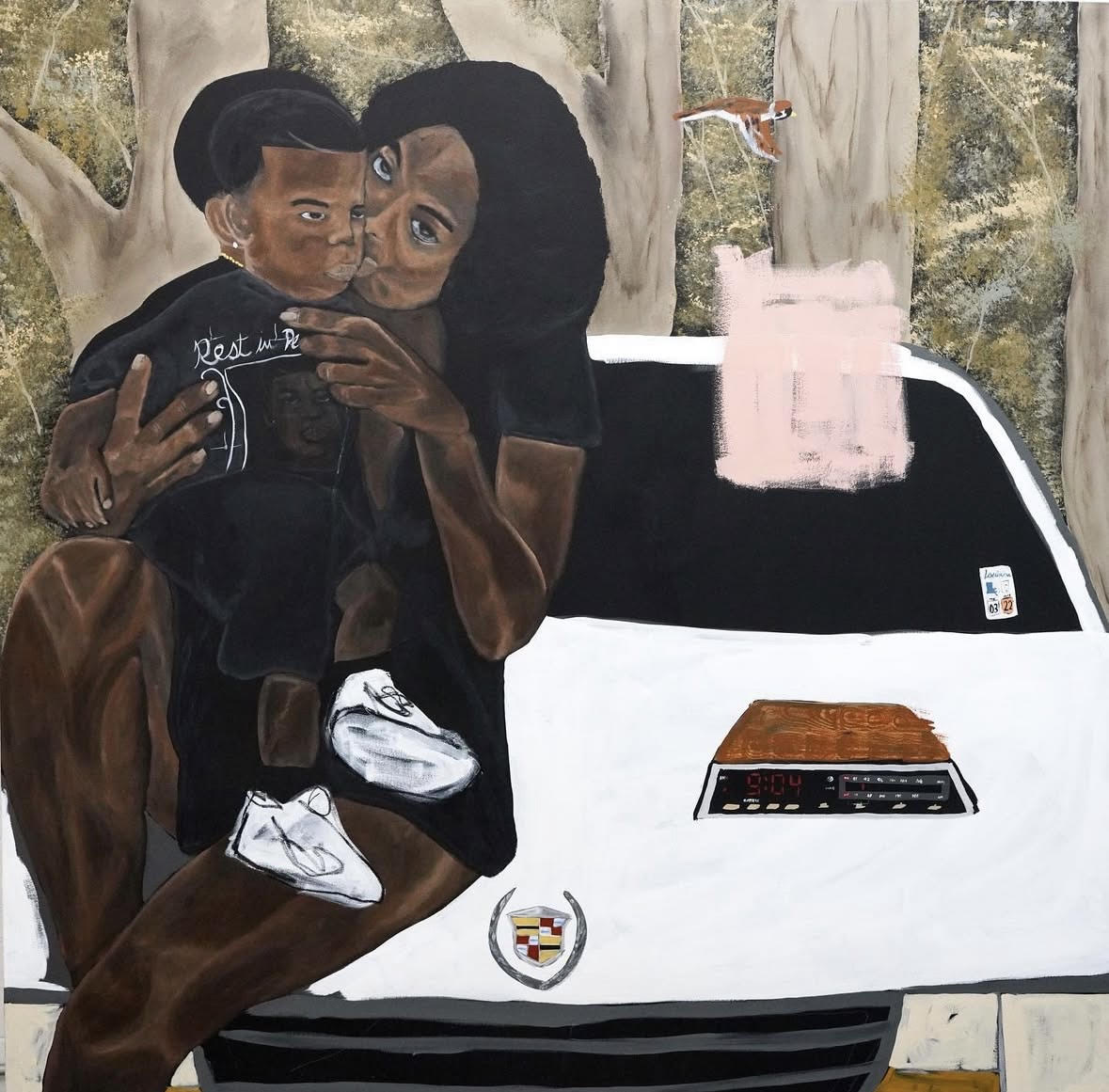
With that in mind… In your paintings, you sometimes leave spaces on “Rest In Peace” T-shirts blank, inviting viewers to reflect on their own losses. What reactions have you observed from audiences engaging with this?
Jammie: Those t-shirts a very significant in the black community to honor love ones thats no longer with us. The reaction I always get is one that I would expect which is inclusion. People feel more connected because it gives everyone no matter what race what gender to be able to have a moment with the work.
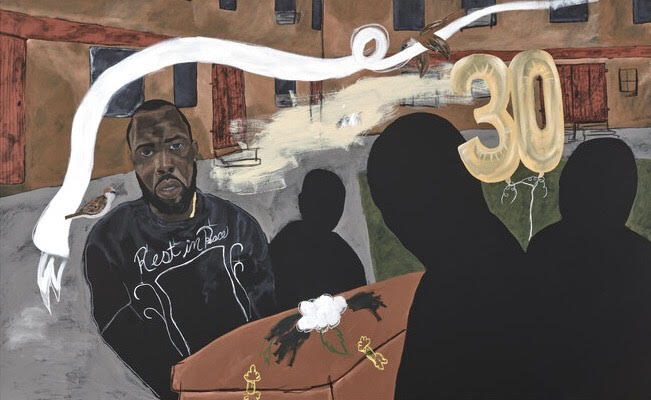
Your art also delves deeply into themes of loss and grief, particularly within the Black community. Why are those themes important for you to document? And how have your personal experiences with loss influenced your work?
Jammie: It’s important to me to show everyday life. Life and death is part of Louisiana culture just like the day of the dead in Mexico. We have an understanding that it comes just like when you’re born. You didn’t exist before you were born you won’t exist when you’re dead. At the least we can do is celebrate just like the day you were born. I lost personally a few family members and a close friend at early ages.
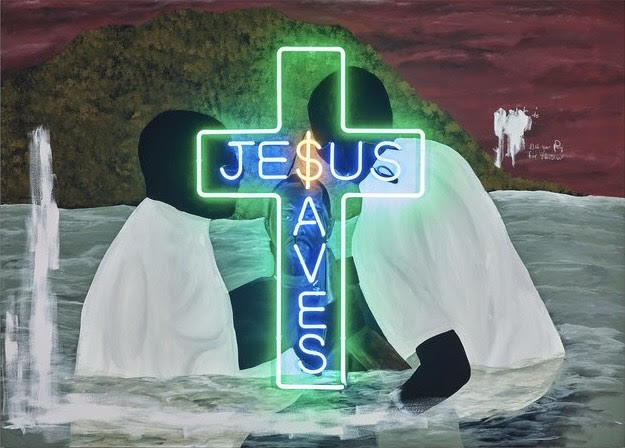
With your work included in prestigious collections and exhibitions worldwide, how do you maintain a connection to the personal roots of your practice?
Jammie: I stay grounded and connected because my whole family lives in Louisiana. I go home monthly so it’s overall a great way to reconnect to familiar faces, streets and houses.
Coming from the South, I gotta ask you Jammie, have you faced any challenges as an artist representing stories from the American South within the contemporary art world?
Jammie: I don’t think I faced challenges because I create from a place of peace within myself, so I block all the noise out about what the art world thinks or what anyone thinks.
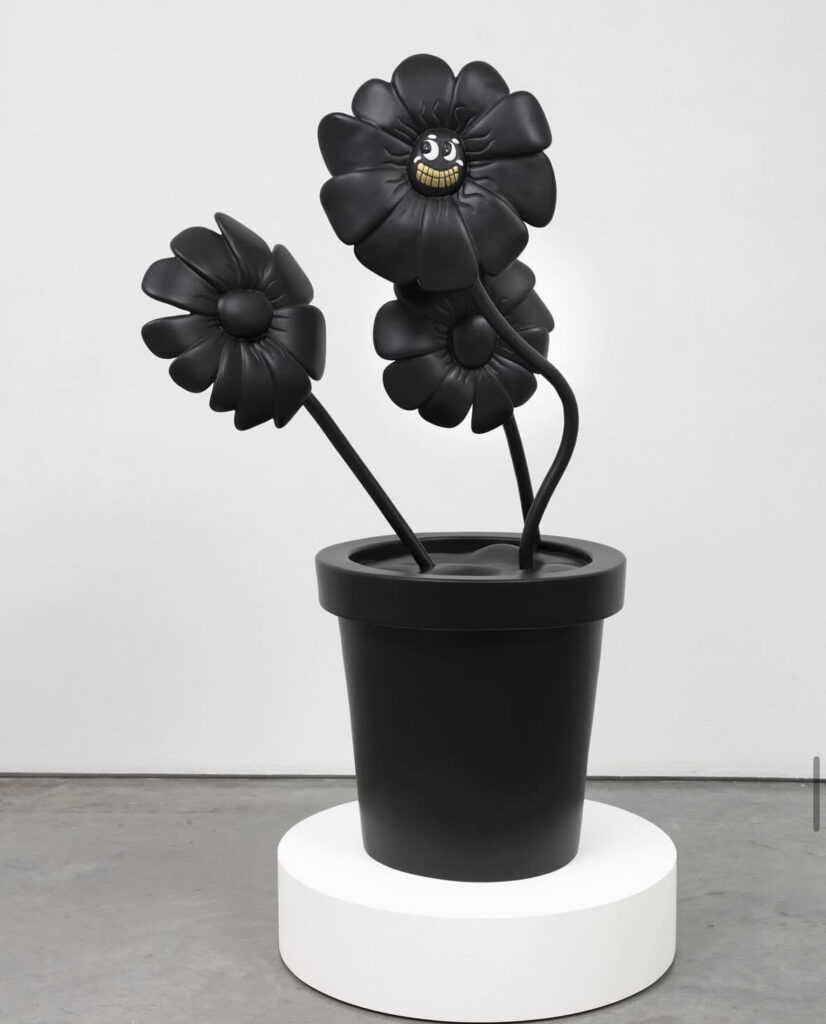
In previous interviews you’ve referred to yourself as a poet rather than a formal painter, how do you envision the evolution of your storytelling through different artistic mediums?
Jammie: I believe my evolution will be film and photography as an artistic medium along with painting.
Can you walk me through your creative process from beginning to end result?
Jammie: It starts with an idea, from there it goes into quick sketches on paper then more of a refined sketch on paper or i’ll sketch straight to the canvas. From there choosing colors that give me the right personal balance at whatever mood im in. From there it’s all about the music, the silence and the execution.
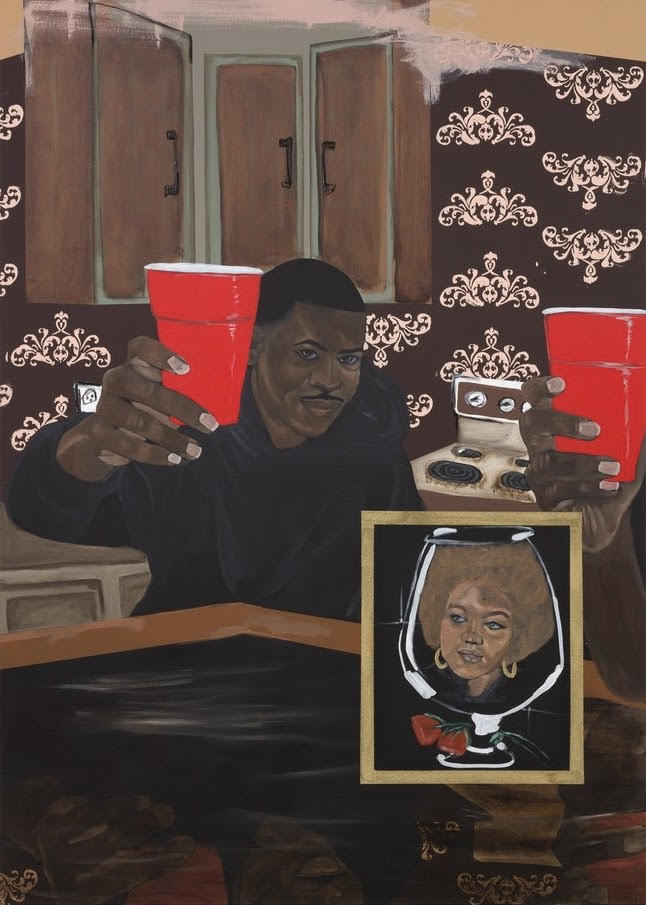
Can you also tell me about your use of symbolism?
Jammie: Symbolism has always been in human DNA so I feel it just comes naturally.
How do you approach color?
Jammie: My paintings feels like a mood ring, whatever i’m feeling at the moment. I might be in traffic for 1hr and get to the studio feeling a little exhausted, so I might use a pop of brighter colors to get me upbeat.
So with what we just talked about, what are you hoping to convey?
Jammie: That art is therapy for me also art is the gateway to understanding of cultures. Not everybody will read a book but they can always learn a try to understand a picture.
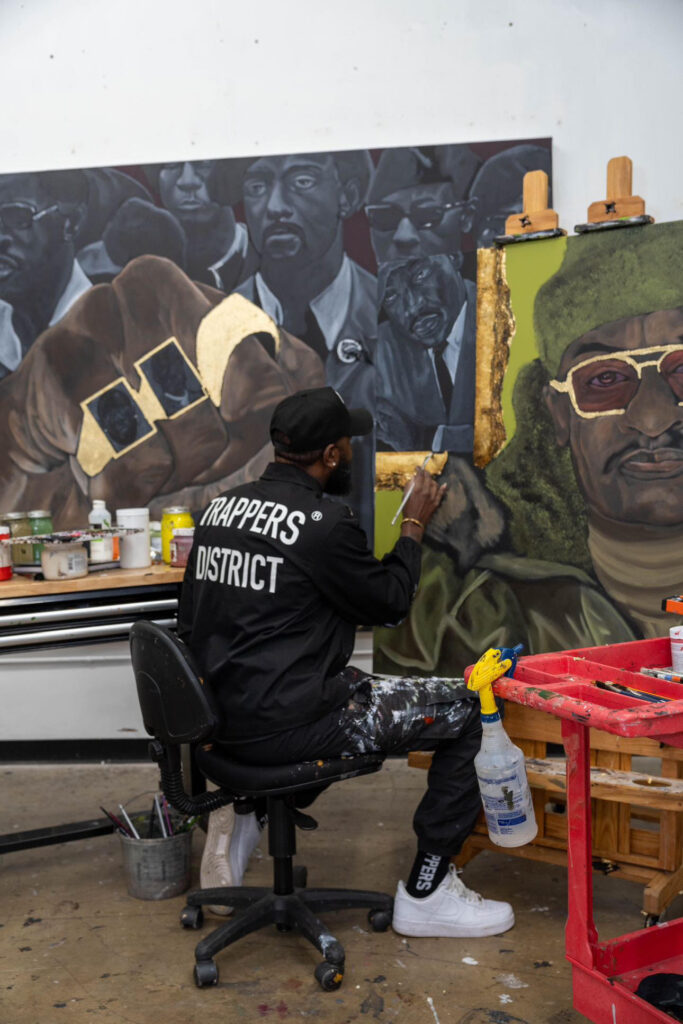
Alright Jammie. Now to something a little different. Not long ago, you started Trappers District. What made you wanna start your own clothing brand? What sparked the idea?
Jammie: I started Trappers District out of my love for streetwear. Streetwear is about taking every day garments and accessories and turning it into something that you appreciate even more. Working with this brand is another creative outlet for myself. My goal is not to be the best but to be part of the community of streetwear.
So how long have you been interested in fashion?
Jammie: Pretty much my whole life because my mom has always been very creative with a sewing machine. She made her own dresses, and accessories. Growing up seeing her sew her bridesmaids dresses for her wedding showed me her determination and love for it all.
And what’s your future vision for the brand?
Jammie: Retail stores and collaborations with other brands.
Finding manufacturers for quality garments and materials can be tedious and difficult. Can you tell me about the initial process of sourcing garments and manufacturers?
Jammie: I’ts hard because I work with manufactures abroad so its a lot of trial and error but it’s getting better because i’m more detailed on what exactly im looking for.
So how do you translate your love for art and into wearable fashion?
Jammie: I keep the art separate from it, but at moments the art appears in it. I want them to stand on their own but love them the same. Just like my sons. I want them to stand alone and to be different but always I will love them the same.
Anybody you look up to from the fashion world?
Jammie: Kanye and Willy Chavarria. Also Alessandro Michele
Ok Jammie, now to something totally different. In a parallel universe who would you be? and what would you be doing?
Jammie: I think in another universe I would be someone from the biblical days prophesying.
Can you tell me a story about a time when a connection with someone had a big impact on you?
Jammie: I would say my biggest impact is my mom. Her willpower, her determination when she was younger kinda helped mold me. She left Louisiana and moved to Harlem. That was all I needed to know more existed in the world. I had others along the way as well.
What qualities do you find most important in the people you choose to spend time with?
Jammie: I love to hear people excited about their dreams, goals or hobbies. I don’t talk about sports or tv shows. I like to hear what excites people.
Anybody you look up to?
Jammie: No
What motivates you?
Jammie: My sons. Staying around long enough to see them graduate will complete me as a whole person.
How would you describe a perfect day?
Jammie: Waking up
Alright Jammie, I always ask these two questions at the end of an interview. The first is. What’s your favorite movie(s) and why?
Jammie: Scarface, I love to see someone from the bottom of the pit make it at all cost. He lost his life in the end but we will all die anyway.
The second is. What song(s) are you currently listening to the most right now?
Jammie: Jay Z ” No Hook’