Share this
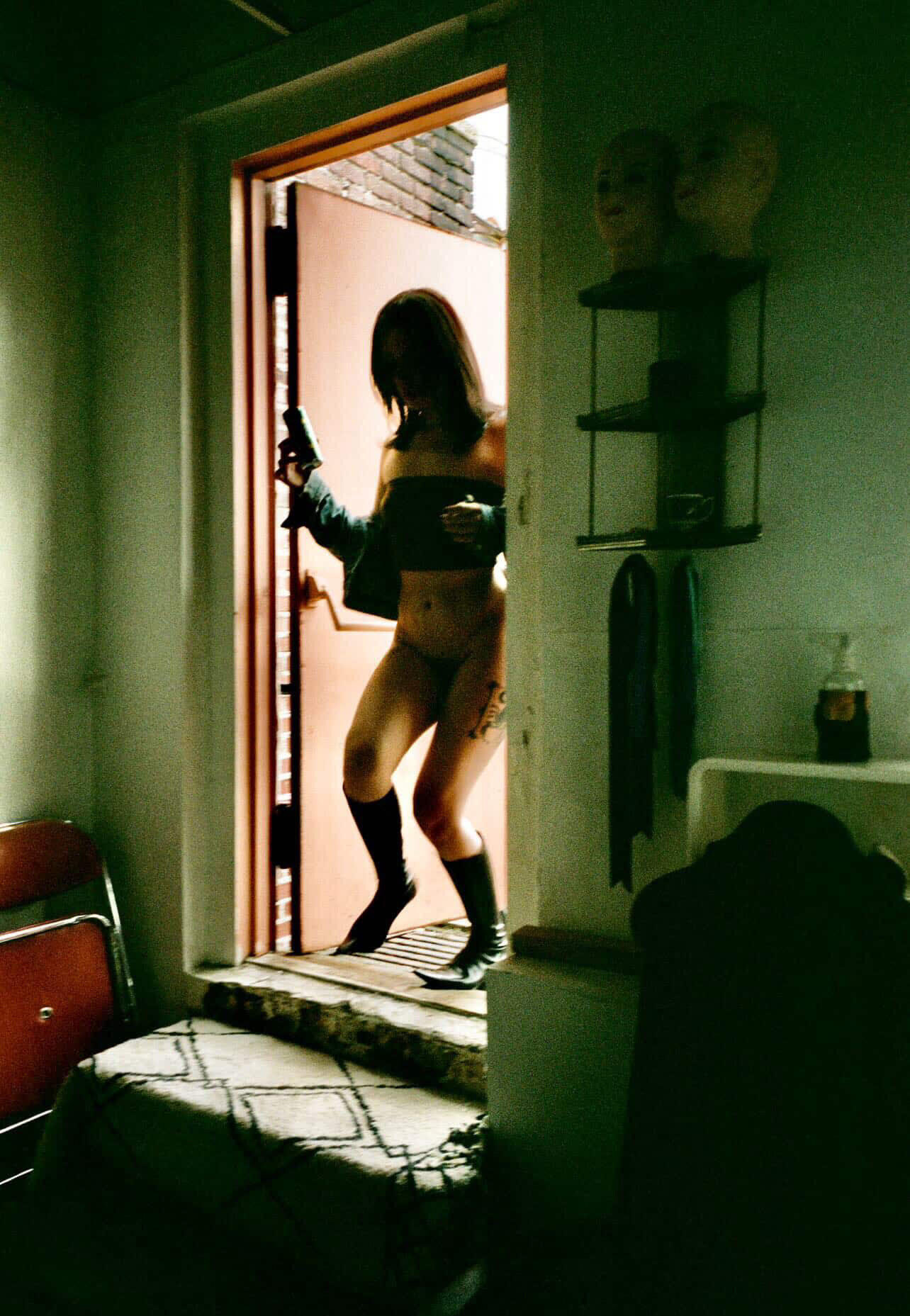
Profile picture: Luisa Opalesky.
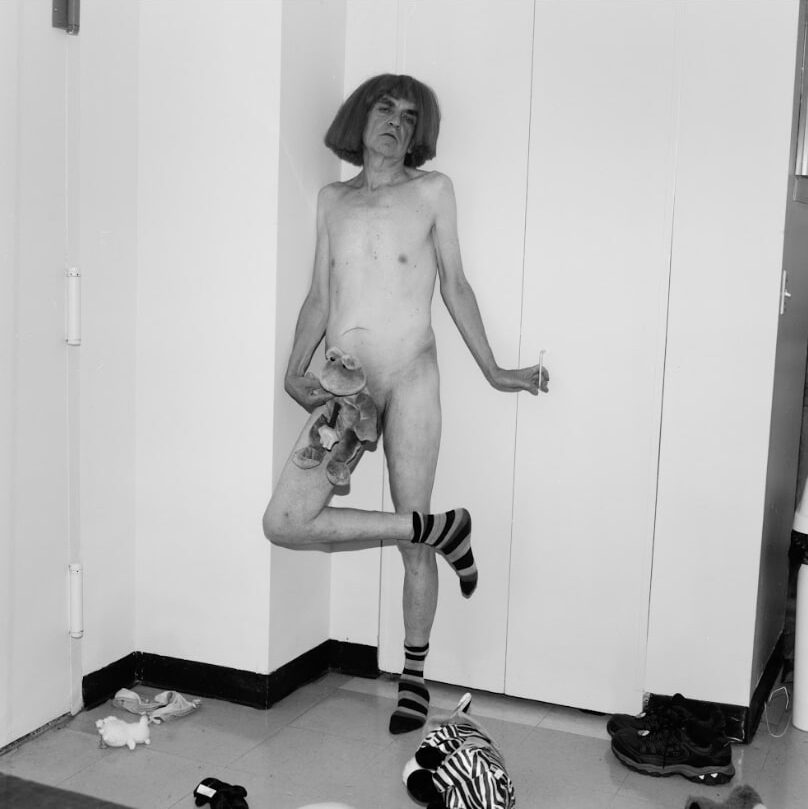
Samantha Sutcliffe utilizes photography, video, text, sound and archiving to document the complexities of the U.S cultural landscape. She is interested in sexuality, fiction and how the consumption of mass media shapes and modifies our perception. Her work offers an unfiltered look at the human condition, particularly people who are misunderstood or challenge societal norms.
In 2021 she co-founded Uncensored New York, an art movement against censorship, paying homage to transgression from earlier generations. Over a period of four years Samantha has programmed lectures, curated exhibitions and distributed independent cinema with a dedication to the preservation and production of art in this daunting socio-political landscape.
Samantha has previously held positions in the Teen Academy and Visual Journalism departments at The International Center of Photography.
Hi Samantha! It’s a pleasure to sit down with you! First question that I always ask. How does a regular day look like for you in New York?
Samantha: I spend a lot of time thinking. All day long daydreaming. I’m in my head a lot.
I’m curious, growing up, what kind of kid were you? What did you enjoy doing, and how did you spend your time?.
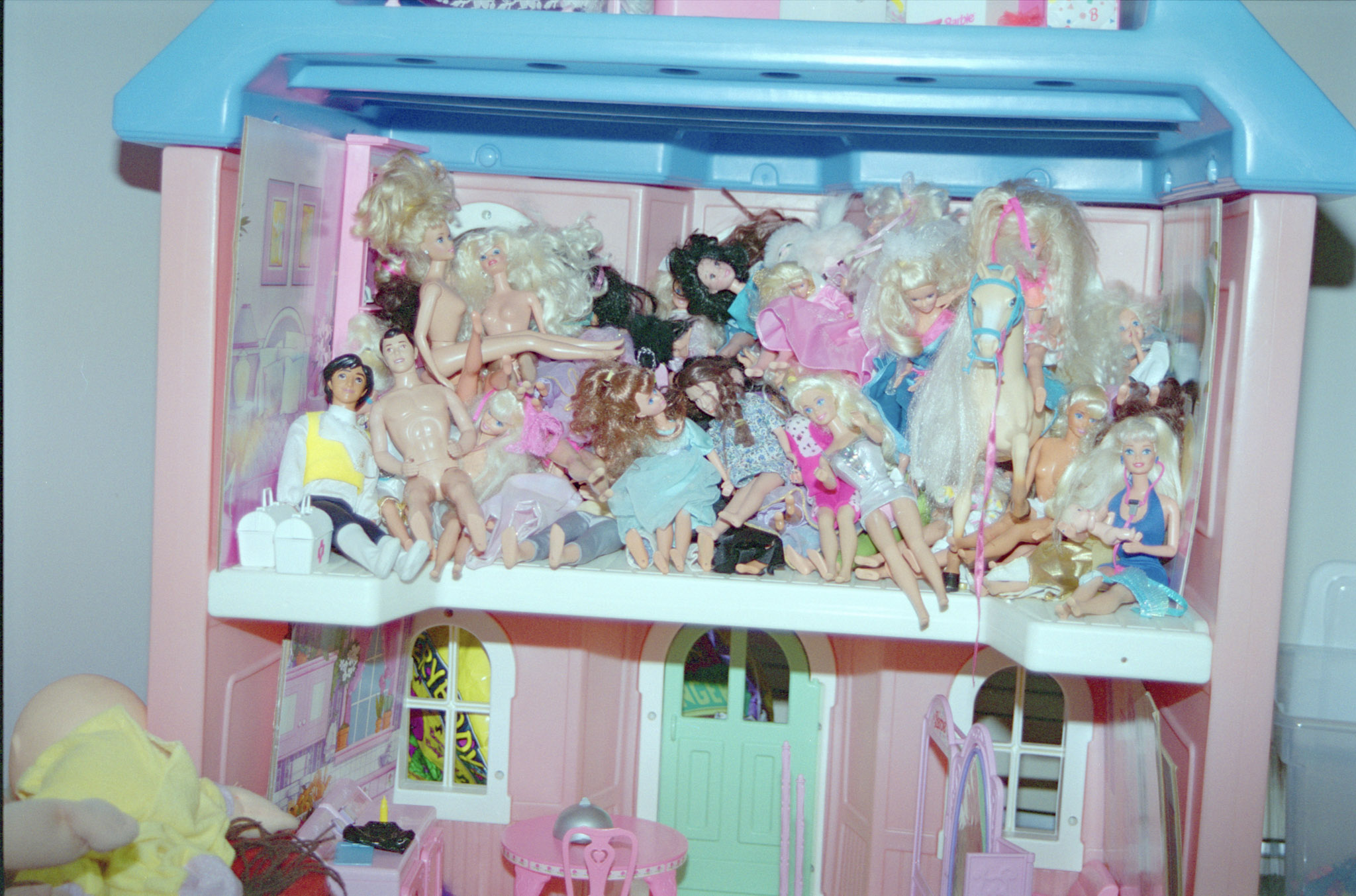
Samantha: I remember playing with a lot of plastic toys and electronics… polypockets, tamagotchi, easy bake ovens and barbie dolls. Also computer games on floppy disks and later CDRoms. Maniac Mansion was my favorite. The walls of my room were filled floor to ceiling with magazine tearsheets and advertisements from Teen Vogue and NME.
So how did you get introduced to photography? And how did you first start out practicing with your camera?
Samantha: My dad
With that in mind, what do you look for when you’re out looking for your next motif to capture?
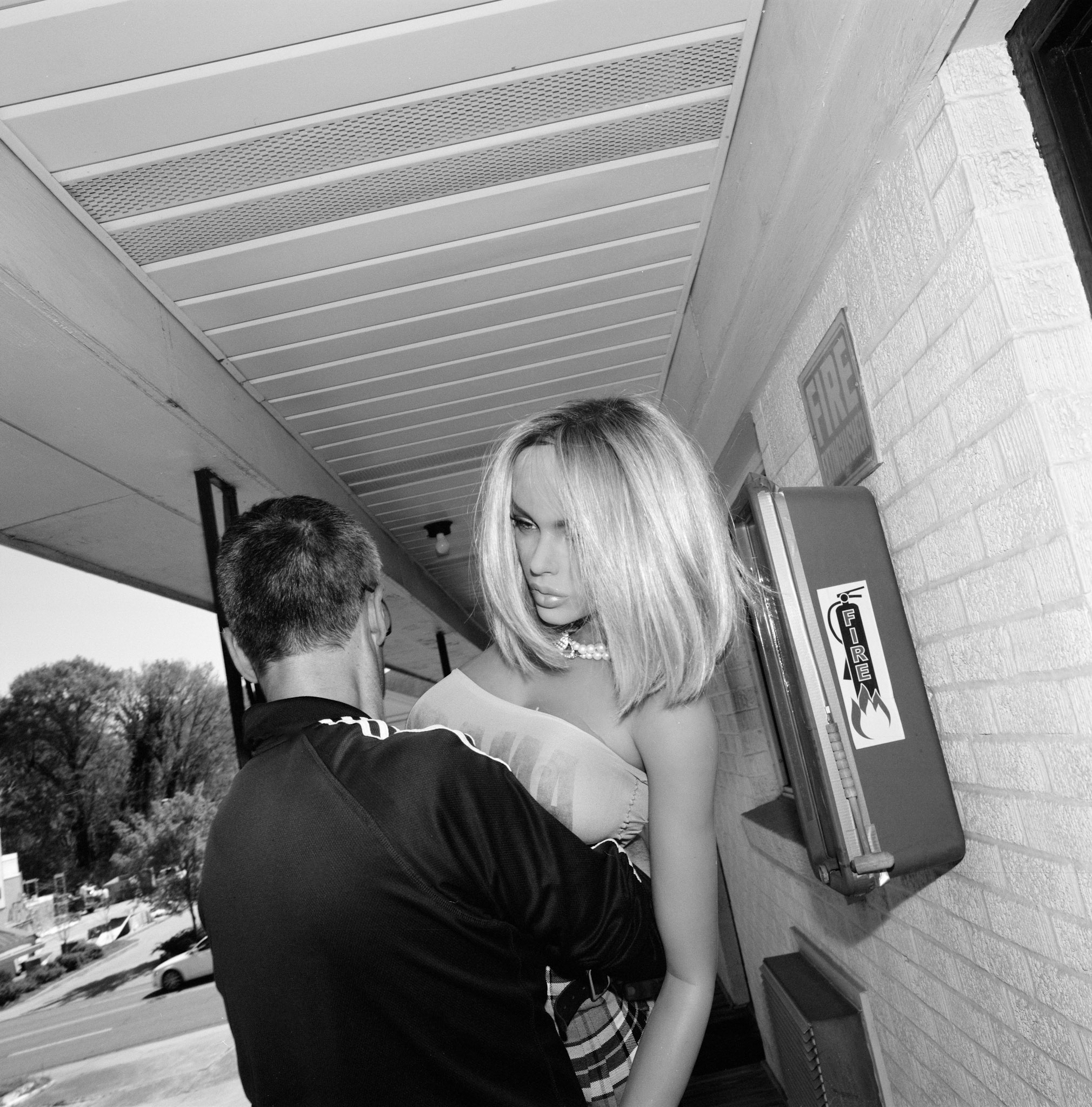
Samantha: I’m often searching for the answers to something unresolved from my past.
Alright, so your work spans photography, video, text, sound, drawing and archiving. How do you decide which medium best conveys a particular idea?
Samantha: Photography creates a lot of restrictions and I question the role of an image as a document of truth. I don’t think an image can tell us much about a person outside of the frame captured so I try my best to make a record of their surroundings by collecting whatever I can find that informs the topic I am documenting. I started experimenting with interviews to include different points of view. Sound recordings help document an environment. Archiving ephemera can show us more historical context. Drawings let us into the subconscious.
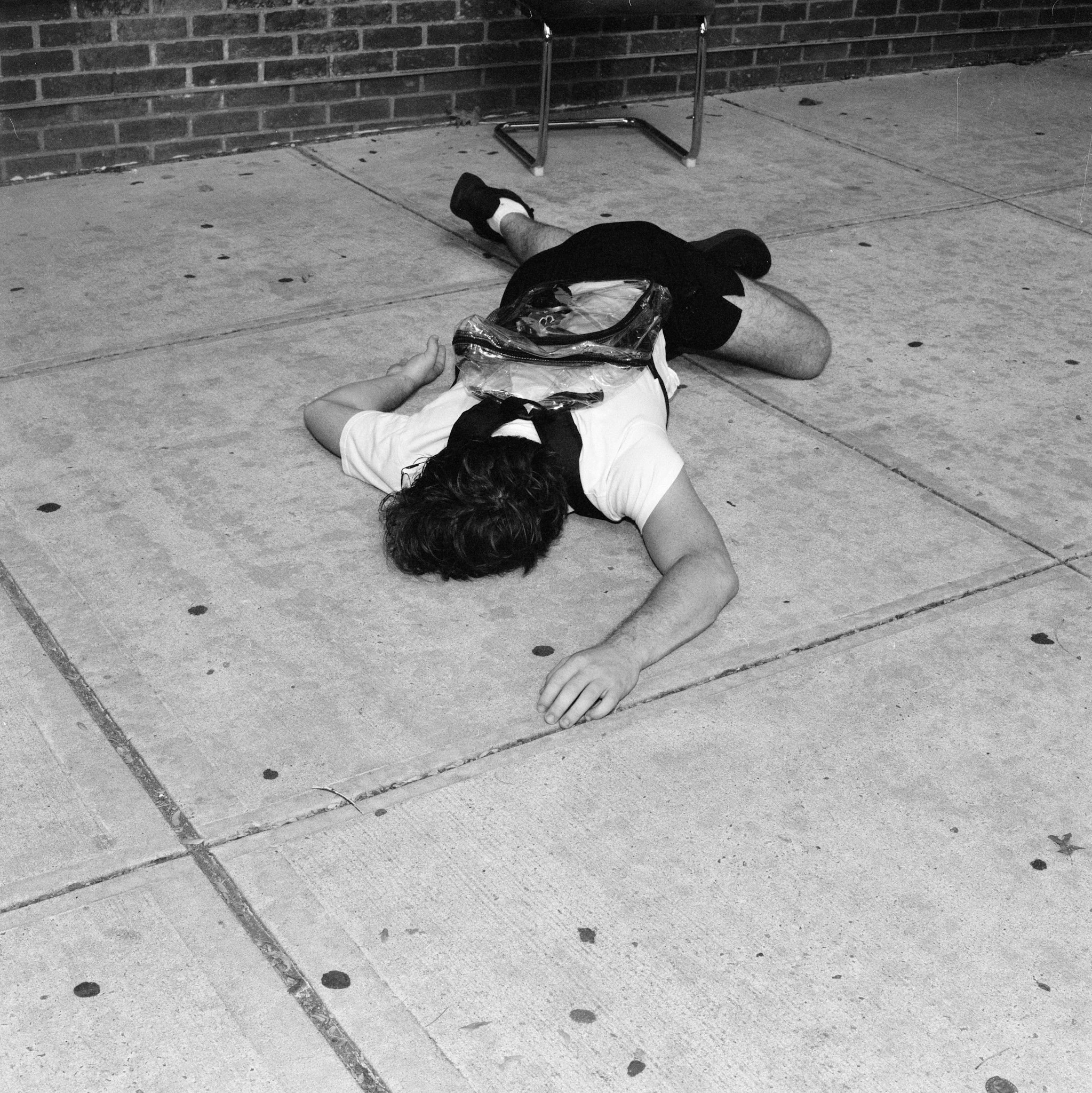
You mention exploring sexuality, fiction, and mass media consumption. What is it about those themes that resonate with you?
Samantha: I started expressing my sexuality through writing fiction under pseudonyms. It was easier to express how I felt by hiding my identity. The history of anonymity on the internet is embedded in my early teen years. Some of my first memories were in chat rooms with strangers. As for mass media consumption the way we consume information is changing how we interact with one another. Our minds are polluted with hate, violence, scandal and whatever content has the biggest advertisement budget. We are consumed with information that projects onto us and becomes us. It’s a virus. At the same time there are a lot of repercussions for expressing how you feel, especially if it’s not a popular opinion. It’s dangerous. Lots of elephants in the room.
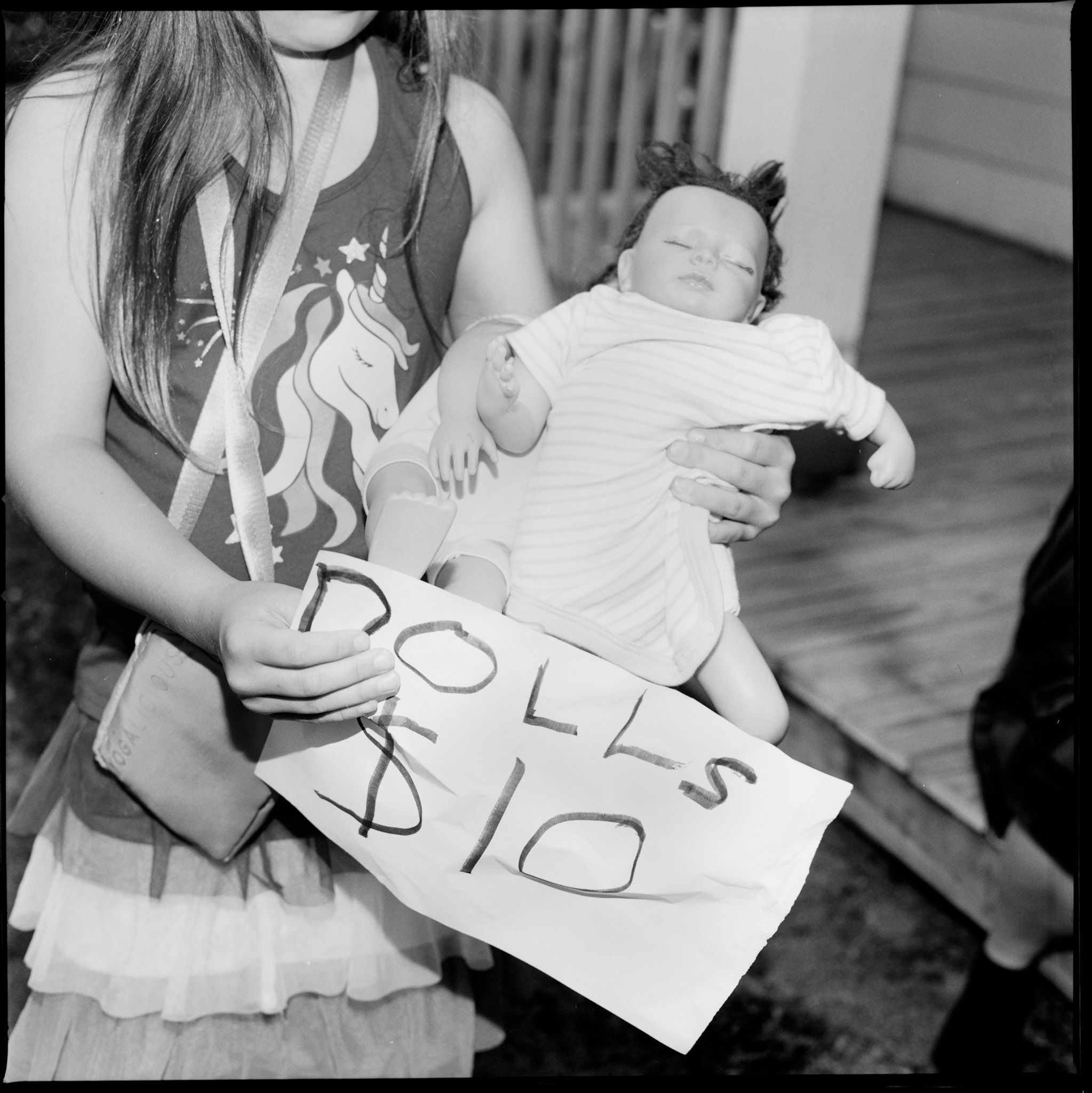
Your work often centers on people who are misunderstood or who challenge societal norms. What draws you to these subjects, and what responsibility do you feel when representing them?
Samantha: I grew up in the late 90s early 2000s in a small town with very little access to subculture so popular culture is all that I knew. I went to catholic school co-ed until 8th grade and then after that all girls high school. I had to wear a uniform. There were all these rules and I didn’t want to follow them but there was no satisfying alternative. If you were a cool girl you would rebel on the weekends at keg parties wearing polos in someone’s parents mansion. If you were an outcast you would shop at Hot Topic and do drugs at a public park. I existed somewhere in between never fully fitting in. I got bullied in high school by the mean girls for the way I looked. People said I was ugly because I had acne and my one close friend dropped out of school senior year so I would eat lunch in my locker. These experiences really stuck with me so when I meet people who are isolated, alienated or have a gripe to pick with society I feel a responsibility to be the person that I wish was there for me when I was in high school.
How do you see the current socio-political climate shaping the kinds of stories artists are able—or unable—to tell?
Samantha: The media has an agenda. Institutions have an agenda. It’s to make money and not take risks. I don’t have a solution for anyone but I chose not to play by those rules.
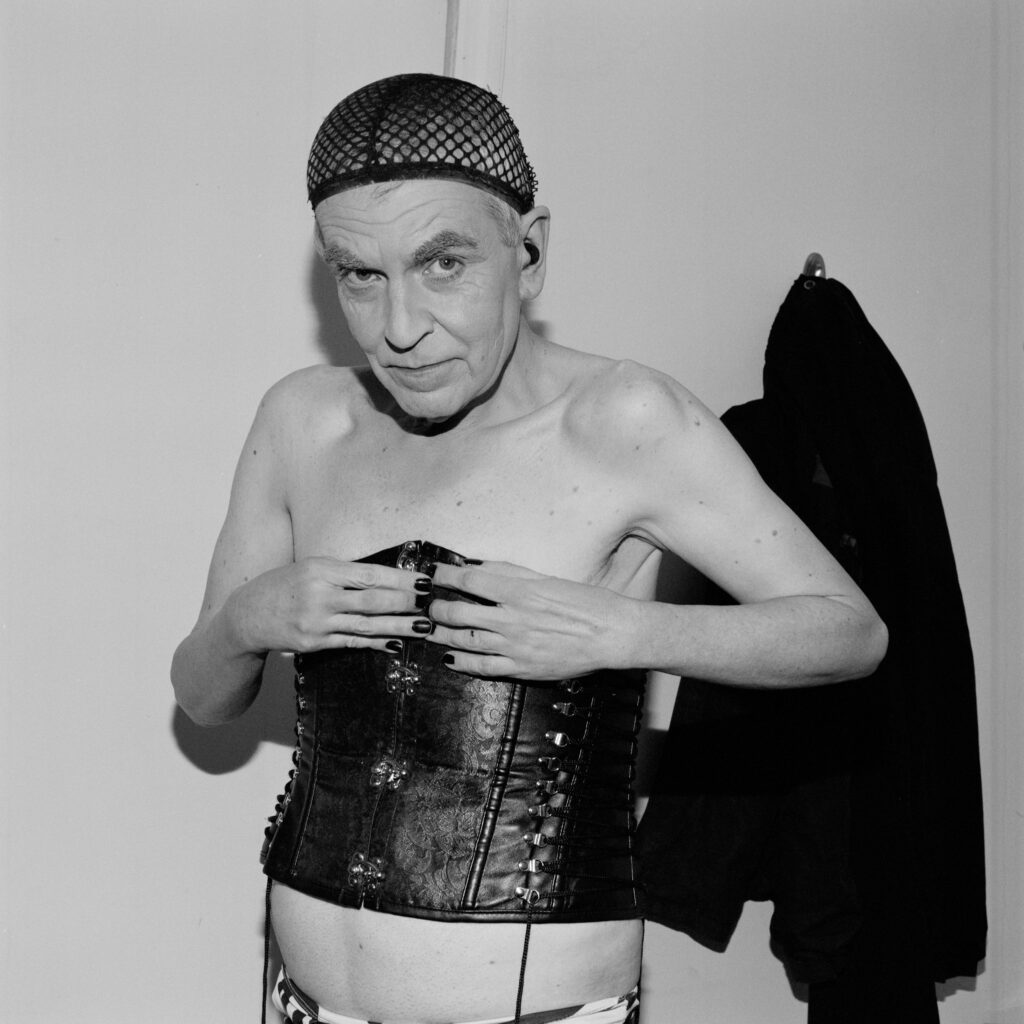
In your work you give an “unfiltered look at the human condition.” How do you balance honesty with sensitivity toward your subjects?
Samantha: That’s a good question and I don’t have an answer. I think the work suffers when you make it for others.
Do you think mass media today distorts reality more than it once did, or simply distorts it differently?
Samantha: I think reality is distorted regardless of mass media because each person interprets their surroundings differently. The way we consume media can change the way we feel at a rapid pace.
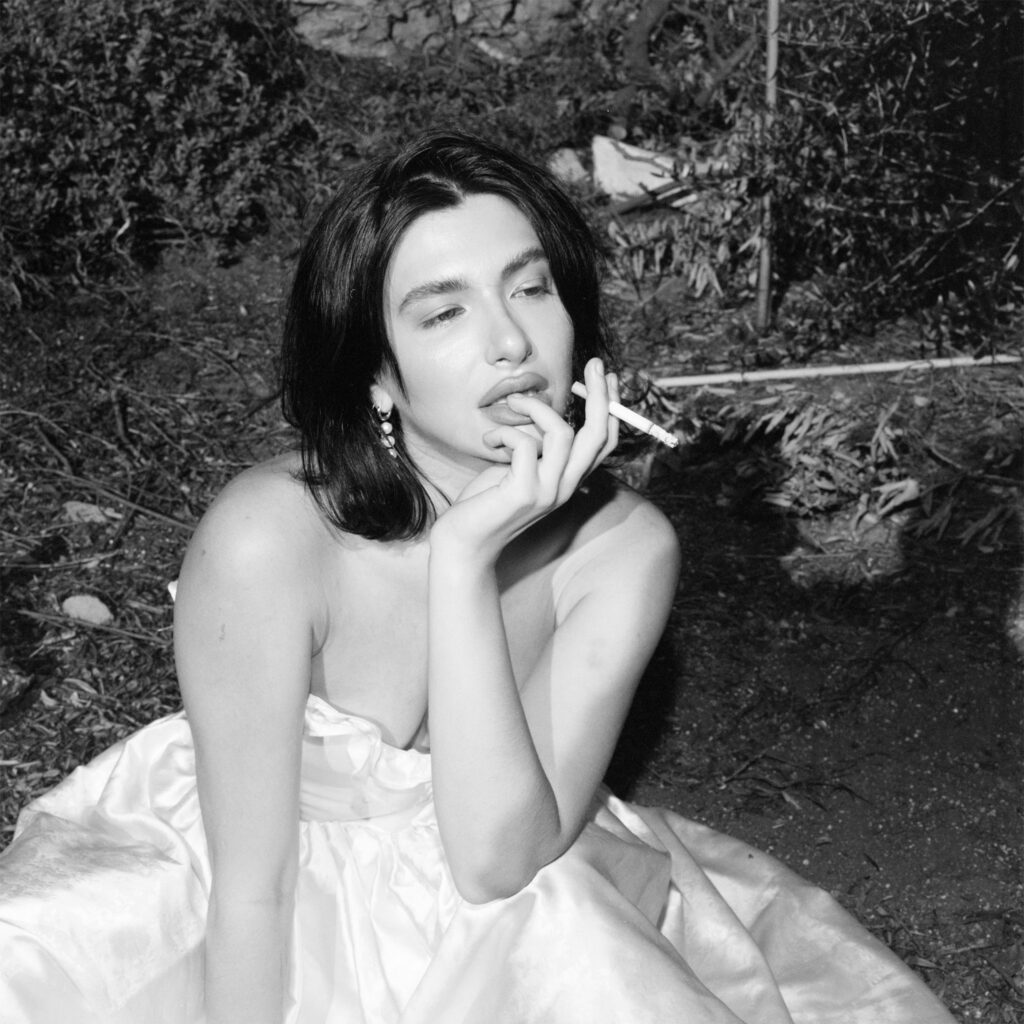
In 2021 you co-founded Uncensored New York, an art movement against censorship. What inspired that idea?
Samantha: Uncensored New York was co-founded with my partner Johnny Scuotto. We wanted to support people who were being harassed and bullied online. In the states call out culture is really bad especially for people who have no resources. People attack and stalk you online for years but look the other way in the streets so conflict resolution is nearly impossible. This behavior is really cruel and alienating for anyone who goes through it and sadly a person with no financial stability or a name for themselves has a more difficult time rebuilding their life. Money is a priority in most creative industries so forgiveness is granted to those who can offer financial opportunities.
I’ve noticed recently cancellation has become a meme, a joke, a claim to fame. I see some people throw the term around as a marketing tool to fabricate some kind of edginess. The reality is we know a lot of people who have overdosed, committed suicide and been kicked out of support groups because the stalking and harassment from strangers gets so bad. This cycle further alienates people from one another and inhibits any kind of healing. Johnny’s personal experience with all of this is the backbone of our movement. He’s not afraid to support those who go through these horrible circumstances. People are challenged by this mode of thinking but I don’t think it should be difficult to show humanity for one another. We need to encourage more positivity and growth, that’s how people can heal.
My favorite art and music comes from people who fought obscenity laws and the only reason I was able to find that work is because there were people who were not afraid to promote it. That’s why we do what we do.
So how do you define “censorship” in the art world today, and has your view changed since launching the movement?
Samantha: Censorship to me has always been a class issue. I think being a successful artist is extremely difficult. There are so many hoops and ladders. The cost of living is too damn high. Everything is gatekept. You need money, connections, social media followers or an easily digestible narrative and a good reputation. All of this creates a lot of pressure that gets in the way of expression and the people who enforce these high standards also complain about how boring everything has become. It’s ironic. Most of the well known artists who fought censorship in the previous decades are either dead or have commercial careers. Their artwork circulates because there is a historical and monetary value. A legacy.
In 2021 when I began this movement I wanted to start a conversation about class division and the similarities between censorship and cancel culture. These last four years have taught me that those without financial or cultural capital are the most vulnerable to permanent social exclusion. Celebrities and influencers with money or institutional backing can rebrand with a PR team but the ability to rebuild your life is a privilege not everyone has. This realization has shaped how I think about forgiveness in our society which has more to do with power, resources and networks than merit or morality.
Over the last few years censorship has gotten way scarier. Culture wars have always existed, but the internet has turned them into something more pervasive which is frightening because now strangers can surveil your every move and turn even the most private moments into a public spectacle. Life is one big tabloid and a lot more people from different backgrounds are experiencing it. Freedom of speech has an agenda to support hate speech. So many contradictions. Everyone is fighting, pointing fingers at one another.
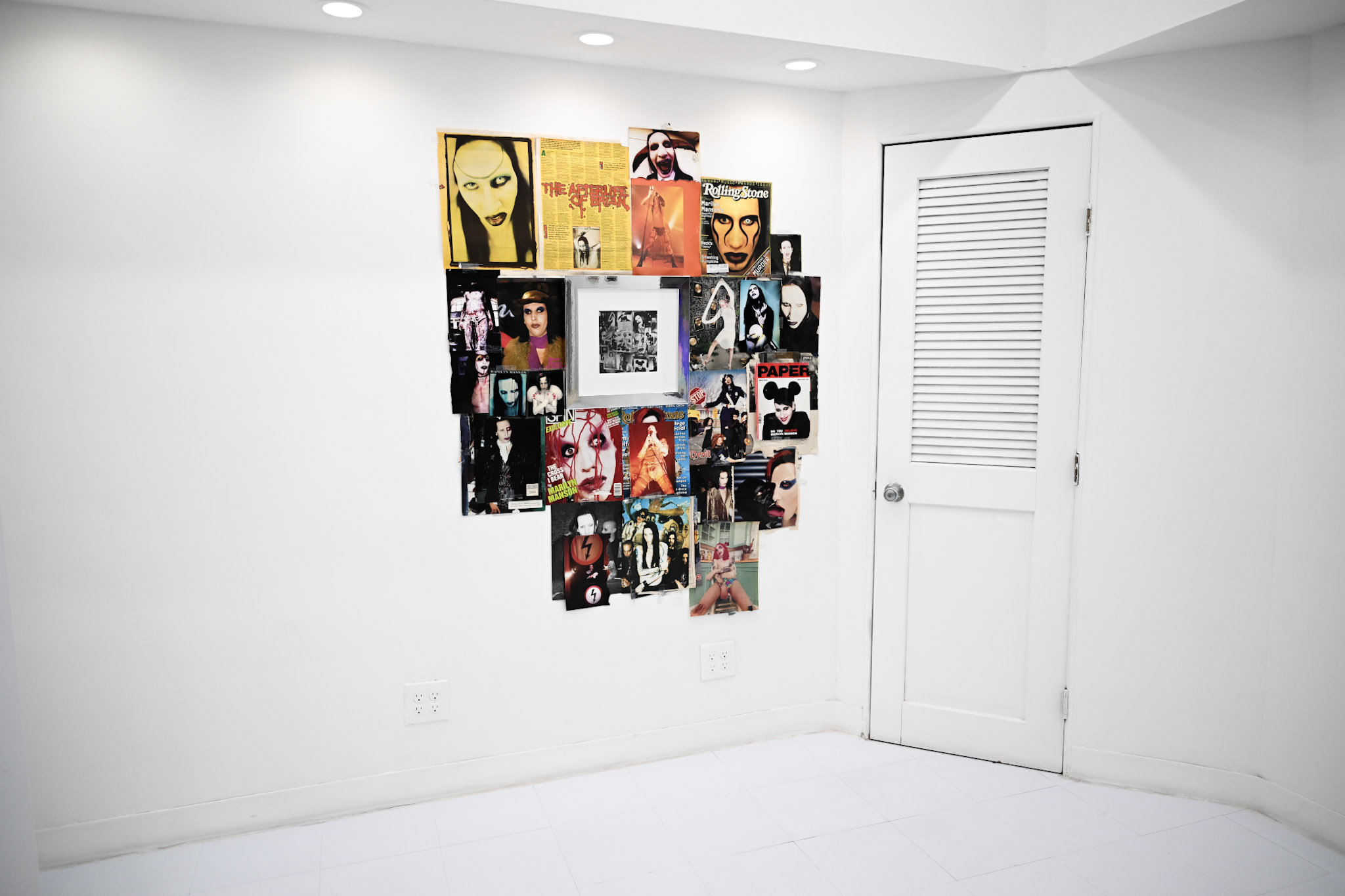
You’ve curated exhibitions, programmed lectures, and distributed independent cinema. Which of these activities has been the most transformative for you personally?
Samantha: Education and curation has been the most transformative for me. I developed the education program in 2024 with the help of Joseph Cochran II. We both work in the realms of art and social practice. It takes a lot of time and resources to provide low cost alternatives but I think it’s very important to have workshops exist outside of private institutions. Most of the people who attend the classes don’t come from formal art school backgrounds. There is a mix of performance artists, writers and conceptual thinkers. They take a lot of risks and there is room for uncomfortable conversations. I am in the process of archiving the artwork into a text book.
You’ve said the project pays homage to transgression from earlier generations. Which earlier artists or movements do you feel most aligned with?
Samantha: 1970s Disrupters… COUM Transmissions… The Velvet Underground… I wish I could have experienced a performance from one of them to see the reaction from the audience. So much time has gone by that these anti-heroes have a legacy that popular culture really eats up but I can’t really imagine the same modern day consumers being comfortable in their presence. Genesis was self-mutilating and masturbating on stage. Lou Reed shot up on stage. It’s interesting how distance and time changes the way we perceive someone. In 2023 we hosted a homage to the Exploding Plastic Inevitables at Ki Smith Gallery during the Andy Warhol Screen Tests Exhibition. Death Dance Music invited a group of professional clowns to perform with him and it was absolutely terrifying. People walked out.
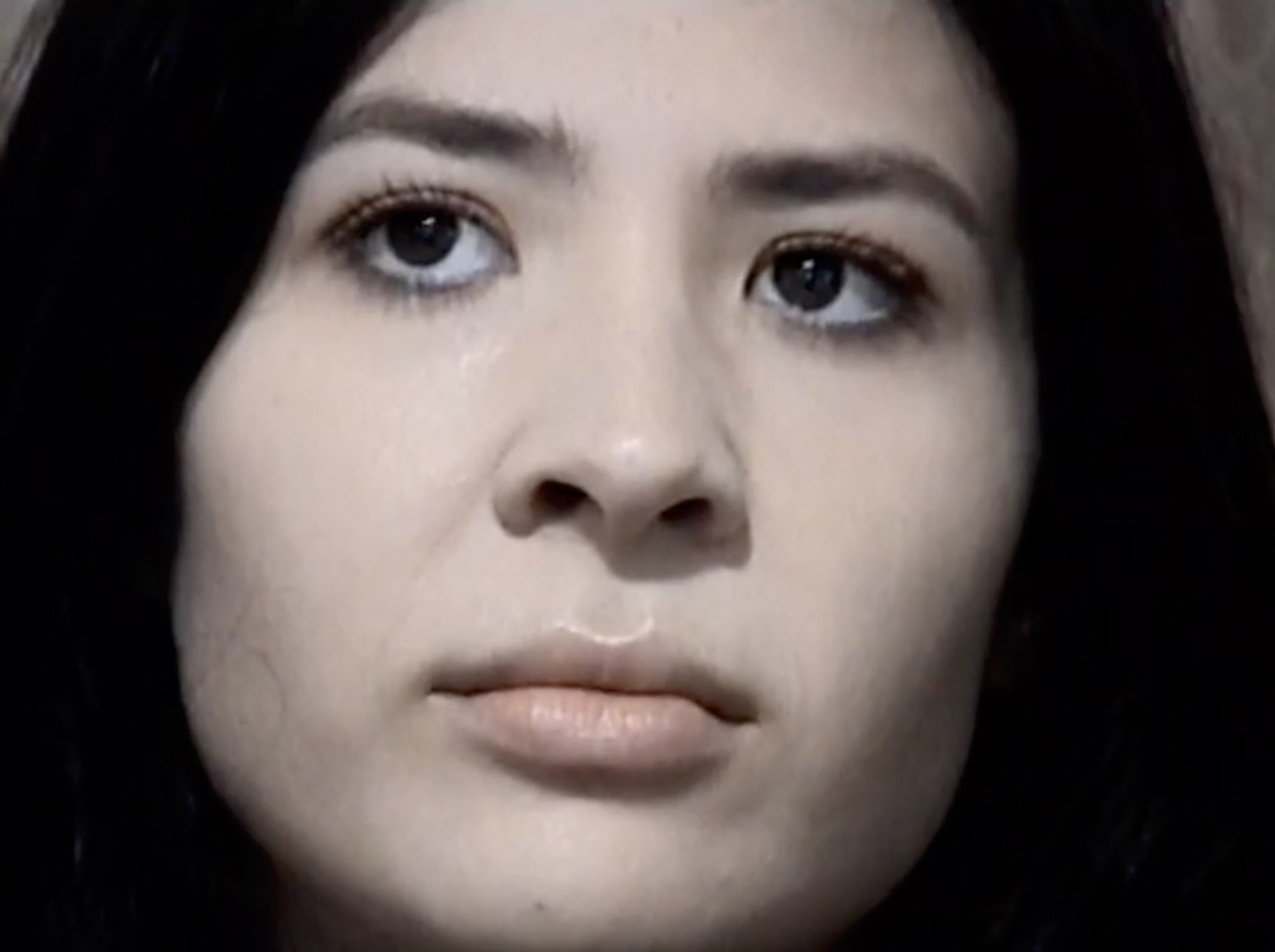
You recently made a short-film titled “Untitled by Anonymous”. Can you tell me about what sparked the idea of making it?
Samantha: The film was made from audition footage of a casting call for what was originally supposed to be a feature length film that I planned to make with one of my collaborators Sexpays. The day before filming I wrote a monologue filled with confessions. I was interested in actors retelling these secrets to see how the truth could be obscured through the swapping of gender and identity. Through this experiment I realized how the act of confessing causes humiliation and shame. The footage took on a life of its own and became a part of a larger series of works called I’m Sorry, Very Sorry about the life cycle of a scandal.
Do you see yourself transitioning more into the cinema game in the future?
Samantha: Yes absolutely. The next film I have from I’m Sorry Very Sorry is a collection of hate comments from different cancellation campaigns that expose the spectators who consume narratives in public, showing how their participation keeps it alive.
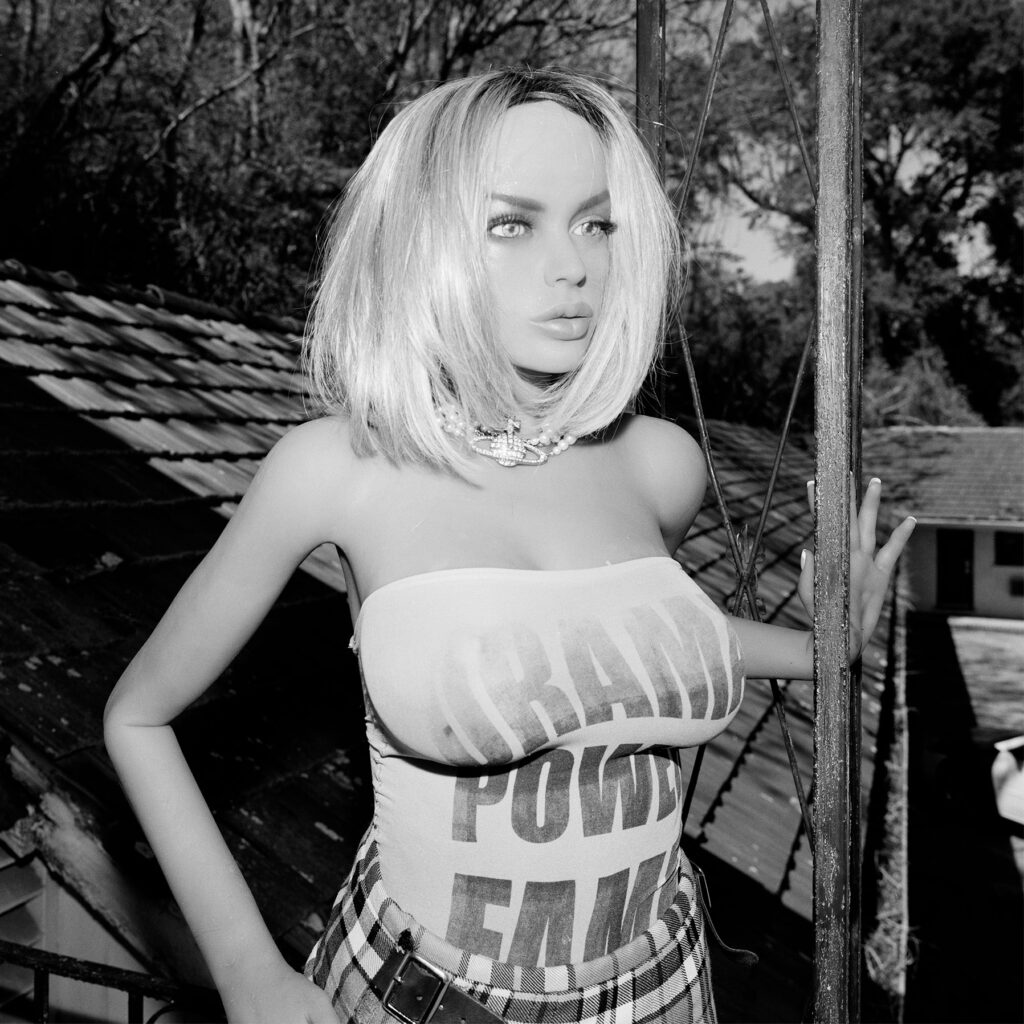
You’ve worked at the International Center of Photography, in Teen Academy and Visual Journalism. What did you learn about young photographers’ perspectives that surprised you?
Samantha: Teaching art to kids is fascinating. At a young age creative expression is in the subconscious. I’ve carried my childhood notebooks with me because I love the imperfections. Torn paper and stains. I’m teaching art to third graders right now. Focusing on character building and storytelling through writing fiction and using oil pastels. I’m not interested in formality or rules. I’m really drawn to the incorrect grammar. As a viewer it’s sort of like solving a mystery.
Can you tell me about some of your favorite memories from being on shooting in the field?
Samantha: Picking up hitchhikers in Alaska…anything that involves a stranger in an unfamiliar territory I love getting lost. For the last two years I’ve been traveling frequently with writer Lydia Sviatoslavsky. We share a similar love for degeneracy. On our first trip we took a one way trip to New Orleans and she brought me to photograph her friend Meg McCarville who lived with her pet hog on the outskirts of the city. Meg is a writer who wrote a book called American Victim about being involved with a pathological liar who later tries to ruin her life. It’s a must read. Her house was a work of art and sadly burnt down this year. On the same trip we photographed a ghost in the window of the Sam Bell Maxey State Historic Site in Paris, Texas and met a witch who got rid of the incubus that’s been haunting me for at least a decade. She questioned why I would want to get rid of one and she was right! I miss him…
Other than the camera and lens. Are there any essential items that you always bring with you when shooting?
Samantha: Audio recorder a joint and a side kick
So what do you hope that we, the observers, take with us after viewing some of your work?
Samantha: I don’t want to provide answers. I want people to think deeper about complexity and hopefully create more empathy for those who are easily discarded.
Ok Samantha, now to something totally different. In a parallel universe who would you be? and what would you be doing?
Samantha: I can’t imagine being anyone other than who I am! When I was little I wanted to be Lorelei Gilmore… a cool hot mom…
Outside of photography, text, sound and archiving, what’s something you’re obsessed with right now—maybe a hobby, a show, or even a food—that keeps you grounded or inspired?
Samantha: I love books and Ghost Hunters.
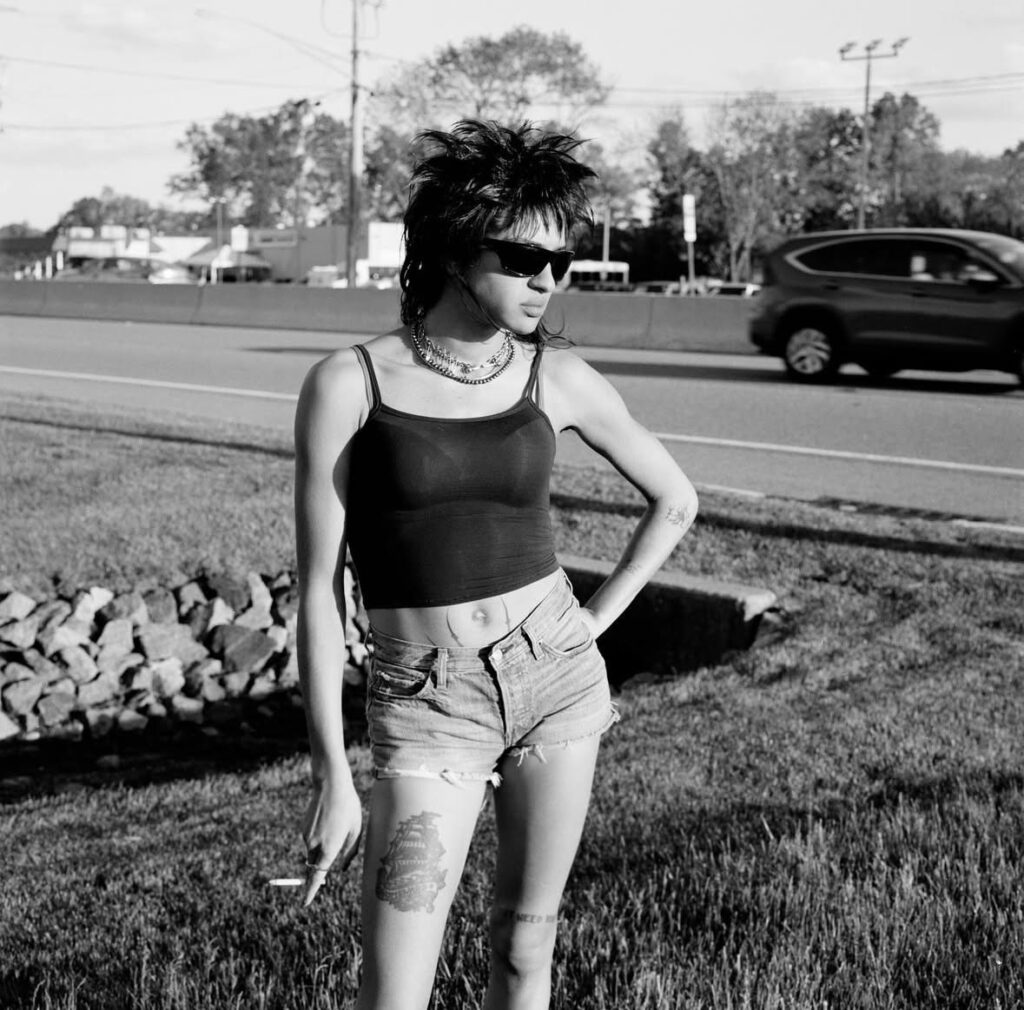
Can you tell me a story about a time when a connection with someone had a big impact on you?
Samantha: Yes Veronica Staxj. She’s a brilliant performance artist and her perspective is unmatched in the art world. I met her by chance at an adult theater a few years ago. Her point of view became so important to the work I was doing and I wanted to find ways to bring her experiences into dialogue. She has a way of conveying these ideas from everyday observations of her lived experience that are much more complex for others and it can be hard to reckon with. Provocation is at the core of her early works. She presented a piece in class called Chalice about being on the subway late at night and needing to find a cup to pee. The anticipation from being an audience member is an important part of the experience. In this context discomfort by the exposure of another’s body speaks directly to class and privilege.
What qualities do you find most important in the people you choose to spend time with?
Samantha: Sincerity… loyalty and a dark sense of humor
Anybody you look up to?
Samantha: Ira Silverberg and Swiss Miss ! Ira is a writer, editor and the former Literary Director of the NEA. I recommend finding a copy of High Risk: An Anthology of Forbidden Writings. Most of the work from writers that changed my life might not have seen the light of day without his efforts. Swiss Miss is an exhibitionist, graffiti artist and international sweetheart. She is the star of my next film.
What motivates you?
Samantha: Disagreements
How would you describe a perfect day?
Samantha: Waking up in a motel on the side of the road in a desert town.
Alright Samantha, I always ask these two questions at the end of an interview. The first is. What’s your favorite movie(s) and why?
Samantha: Right now, I am really into sexploitation films… Mélusine is my go to for sexploitation reissues. I keep a notebook with film reviews. Here are some from this summer. Career Bed Joel M. Reed: My new crush is Jennifer Welles. She’s a Jersey girl that had a successful career in sexploit films throughout the 60s and 70s and then suddenly vanished from the public eye. In Career Bed she escapes an evil mother to become a sex symbol. Sex by Advertisement another film by Joel M. Reed. Extremely refreshing. Sexploitation was killed by Pornhub. Sexploitation has the power to kill all shame. José Bénazéraf: The Forbidden Films who doesn’t love a good road trip movie? Two girls go hitchhiking and end up in a manor occupied by a married couple who love orgies. 3 Woman & Nashville by Robert Altman I would like to be born again as L.A. Joan! Mysterious Skins by Greg Araki hot hustler and small town summer nostalgia. The Hole + What time is it there? Both films by Tsai Ming-Liang I love the repetition of leaky faucets, muted colors, decrepit cities and absurd musical interludes. Naked by Mike Leigh is a sexually perverse film with unconventional looking actors not typical to the usual heroin and punk porn teenage angst aesthetics of American 90s film.
The second is. What song(s) are you currently listening to the most right now? Samantha: Anything by Death Dance Music.