
Share this
Joseph Cochran II on Authenticity, Hauntology and Photography’s Civic Responsibility
Joseph Cochran II is a New York City-based photographer, researcher, and educator. Cochran’s practice, which encompasses visual and textual language looks at how images and narratives–particularly those shaped through the archive–mediate social, economic, and political imagination.
Cochran’s traumatic, temporal experiences, a hauntology understood through the racial and geographic circumstances that created them, fuel his desire to not only reconcile his past through the present but to connect to those with analogous experiences. Often taking him to less frequent, usually hermetic communities around the world, his subjects, like himself, have felt the brunt of state-created violence and its systemic reverberations.
These individuals he encounters exist between binaries–life and death, presence and absence, visibility and erasure. Cochran’s approach melds personal and documentary photographic traditions, creating an archive that reflects a true social practice. He sees photography as a civic responsibility, a democratic tool to illuminate the complexities of our shared experience without prejudice.
His works are in the permanent collections of the Schomburg Center for Research in Black Culture (New York, NY), the Langston Hughes Library (Queens, NY), and the Evergreen State College Library (Olympia, WA).
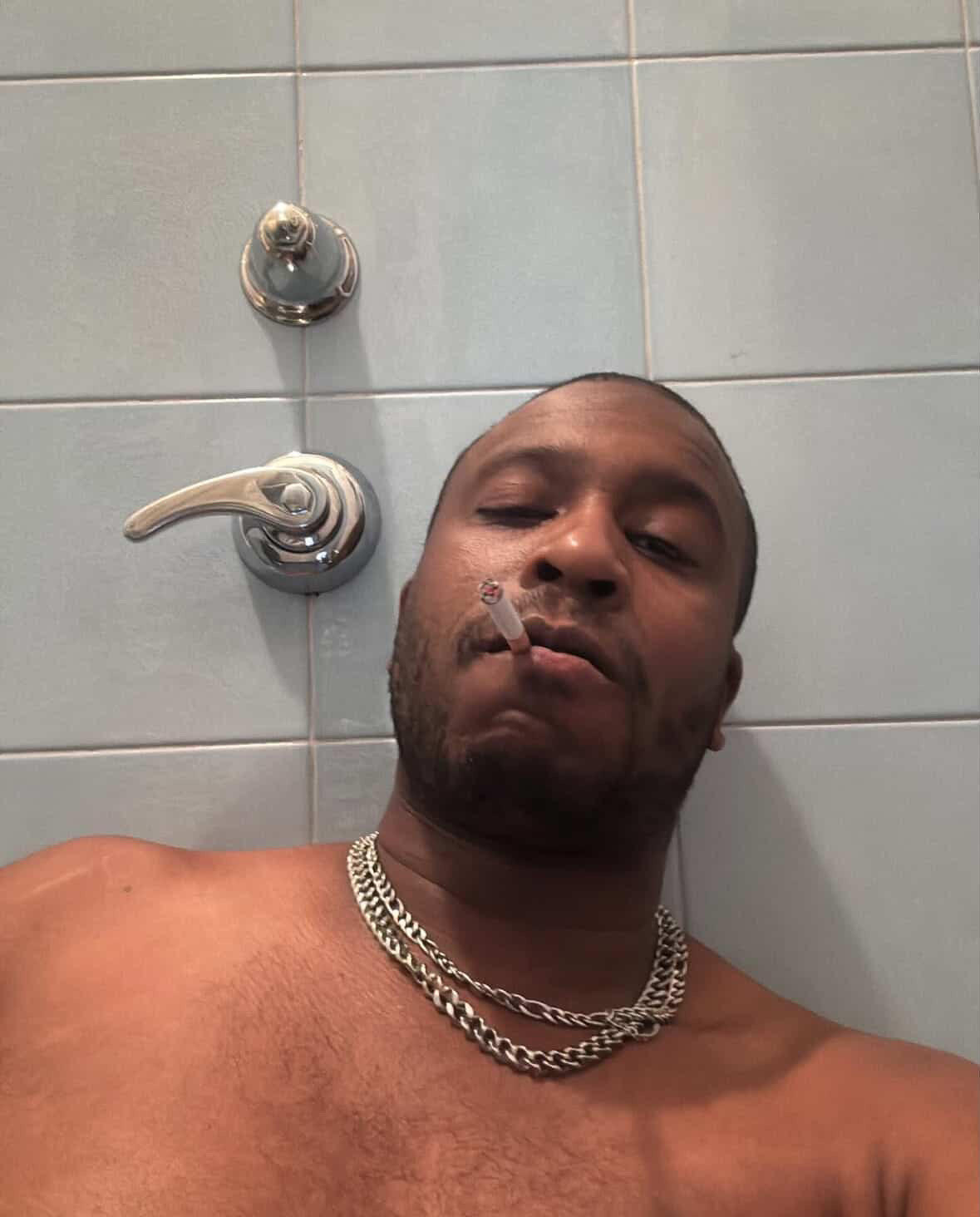
Hi Joe! It’s a pleasure to sit down with you! First questions are that I always ask. How does a regular day look like for you in New York?
Joseph: The pleasure is mine. Thank you for having me. I think at its base, a regular day for me involves waking up, reading the news, likely while showering, going to work (I was taught that no matter what success you think you have, keep a day job until you can’t), if I go outside and shoot – I walk around, wander really. Most work days I really just hang with the homies and catch up on admin work , make plans and such. I also spend alot of time just bullshittin, gaming, watching sports, reading – slice of life. On the weekends, I’m like any other New Yorker and try to be outside, be social and shit you know? I don’t know, home in NYC is so dynamic and I think I associate with so many different kinds of people that besides what I’ve outlined , there’s a chance of something different happening any day of the week, or it could just be the same shit, different day.
I know you grew up as a foster child in the 90s and 00s. Can you tell me about that experience?
Joseph: A bit schizophrenic to be honest. Unlike some children who go in as babies, I went into the system at 9 years old. So up until that point I’d lived a life with my biological family which, at that time, was just me and my grandmother, who’d gotten custody of me by the courts from my parents.
She did everything in her power to shield me from objectively harmful things – she more or less sheltered me. We lived in abject poverty, but she always made sure I couldn’t see it. She treated me like I was something special to be protected, as any parent would for their child.
I would say by the time I was 7 years old, I began to see cracks in her psyche – no doubt from the stress from raising a growing child. Her mental illness, a development from decades of trauma, reemerged and after an especially tough night – the details of which happened I will take to the grave – I was on a one way into the system.
I think it is important to understand that in 1999 when I went into the system there was something like nearly 40,000 kids in it, no doubt a byproduct of the war on drugs and mass incarceration, which was my case, though its impact on me was slowed by my grandmother. Today, this figure hovers around 8000 – true progress, but still tragic.
The group home was tough. They take everything from you and put you in a sweatsuit, then you’re taken to a room with bunk beds, I got no phone call, no questions of whether I had extended family or not, not even of my parents. In many ways it felt like I was going through a process of reduction of self, akin to being processed into a prison.
In the rooms fights were frequent. We were cobbled together and packed like sardines. You had my room, where there were maybe 15-20 of us aged 9-17 of which many were recidivists in the system and broken. A memory burned in my head from that time was one night, at around midnight this kid on the top bunk across from me was screaming and powder was flying on to most of us in the room. I turn my head towards him to find that he was literally snorting baby powder out of a cup as if he had a mountain of coke inside of it – sad shit.
Eventually I was placed with a family who cared for me until my grandmother got better and I was given the option to return to her, which I accepted. Unfortunately that didn’t last long; she fell back into her mental struggles and I was cast back into the system. This time I was placed with a religious family whose son is a prominent former New York City Councilman. The situation was puritan, there were about four of us living in one room, we had to go to bed every day at 7 pm and pray before bed, we were not allowed to watch cartoons and though they never did it to me, frequently threatened physical discipline. Eventually, I crashed out and the social worker attached to my case got me out of there.
I then requested to return to the family that first took me in which the social worker and the family accepted. Unfortunately by this point, I’d say I was already a bit exhausted. I would go on to spend the next 9 years with them, and they adopted me when I turned 17.
With that in mind, what kind of kid were you? What did you enjoy doing, and how did you spend your time?
Joe: In my youth, I was a timid, shy child with a bad speech impediment – easy to frustrate, easy to make cry. By the time I hit my teens I was a kid very much in his own world. I had friends, some of who were in the street and some who weren’t, but either side protected me because they seemed to understand how fragile I was. Home life was what it was, good sometimes, sometimes difficult, I was difficult.
During these years I loved to game, play yugioh, watch anime, play with action figures – you know, regular kid shit. I’d play with my younger foster brothers and hang out with my cousin, who is like a brother to me, as much as possible. I was also quite slavish to the library, I’d go to the Stone avenue branch in Brownsville, Brooklyn, almost everyday where I would try to read books too advanced for me and do dumb shit on the internet. That place was a sanctuary for me. New York City, at this time was still pretty dangerous, still had that residue of the late 80s through 90s and, especially in the Ville, which is essentially a maze of public housing projects, that feeling was palpable. For example in Van Dyke where I lived, sure I could go to Tilden houses but I couldn’t go to Langston Hughes houses. I almost got killed in Seth Low but in Howard Houses I was completely protected. This was the reality we lived with from Sutter avenue all the way to Utica.
By my junior year of high school, I began to really go off the rails I suppose. Me and my foster mom would frequently clash, I would sneak out of home often and disappear, sometimes for hours, sometimes for days and eventually, weeks. Every step of the way I was rebelling, which didn’t have so much to do with her rules, which I think despite our differences and propensity for miscommunication, were fair. I think we all tried our best.
In hindsight I think I was fed up with the terms of my life being dictated by anyone. I had no autonomy nor did I have the courage to actually claim it, so I did like scared little kids do – I lied, misdirected and threw tantrums to get out of whatever situation, whatever obligations I had.
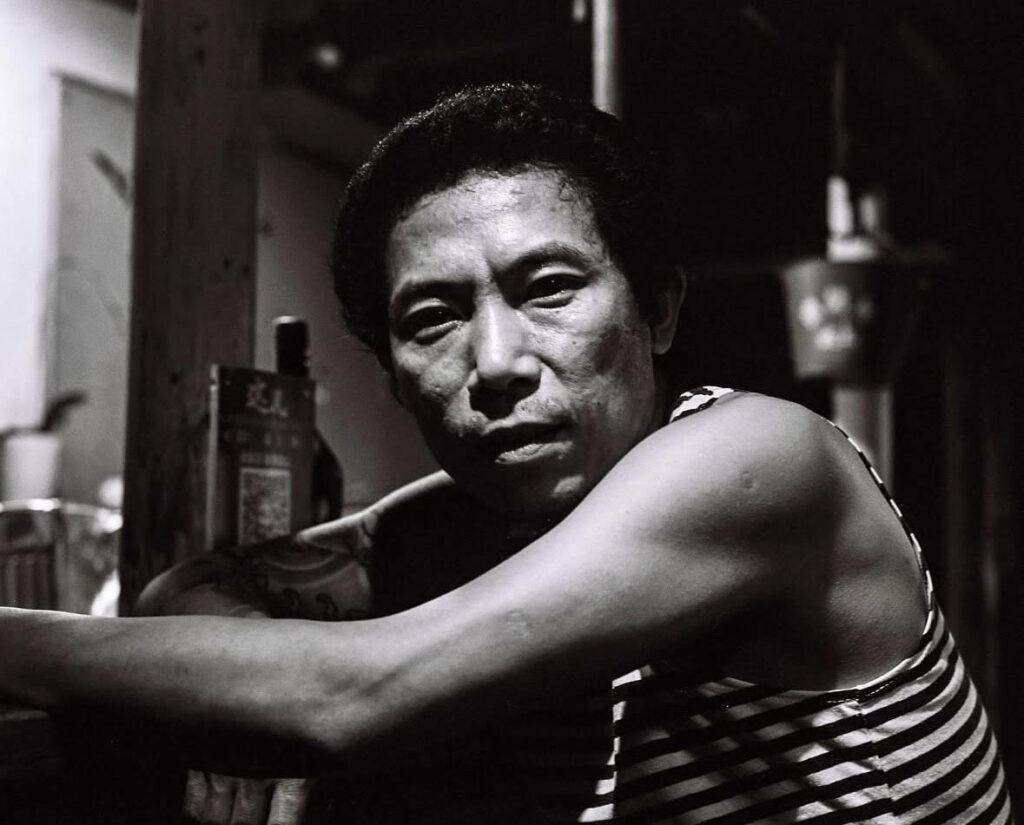
Can you talk about the formative experiences—personal or geographic—that shaped your interest in photography and visual storytelling?
Joe: Hmmm it’s tough because to be honest with you, photography, visual storytelling or art was never something I was interested in doing. I did really love film but realized you needed a team for that and I had a mild interest in writing which I did as a hobby, Art wasn’t something I thought about or said was or wasn’t viable, I just didn’t think about it all. What I can tell you, however is how the camera came to me and how I decided to stick with it.
After hurricane sandy hit, I found myself living in south jersey. During this time I would frequently go back to New York to chill with my friends. One day, I was chatting with my homie Greg, who was and is still a photographer about his work and what I found interesting about the medium and then, this is where things get hazy – I either asked for or he gave me a camera, which was a little starter Pentax K1000. I am inclined to believe he offered me the camera because I didn’t use it for months after receiving it, not exactly enthusiastic behavior.
Eventually I shot some rolls then showed the images to my friend, the artist Denzel Russell, who then suggested I should quit my job and make photos full time, which I turned down. It did, however, put the battery in my back and i began to make pictures throughout Jersey, Philadelphia and New York. Some time after that, Denzel would invite me to move with him to China, which I also turned down at first but then came to my senses and accepted. Living in China truly helped my practice blossom because for the first time in my life, I had true idle time, un-encumbered by financial restraints – for the first timeI felt like I was playing with house money.
By the time I was 28 I’d have lived in China, Morocco, seen Italy and now lived in Italy. This reality and the projects In Italy I would produce in Soggiorno and But I Remain as Much a Stranger Today, as I Was The First Day I Arrived, would be the moments I understood I was doing something more than just making photos, I was recording emotional history – theirs and mine.
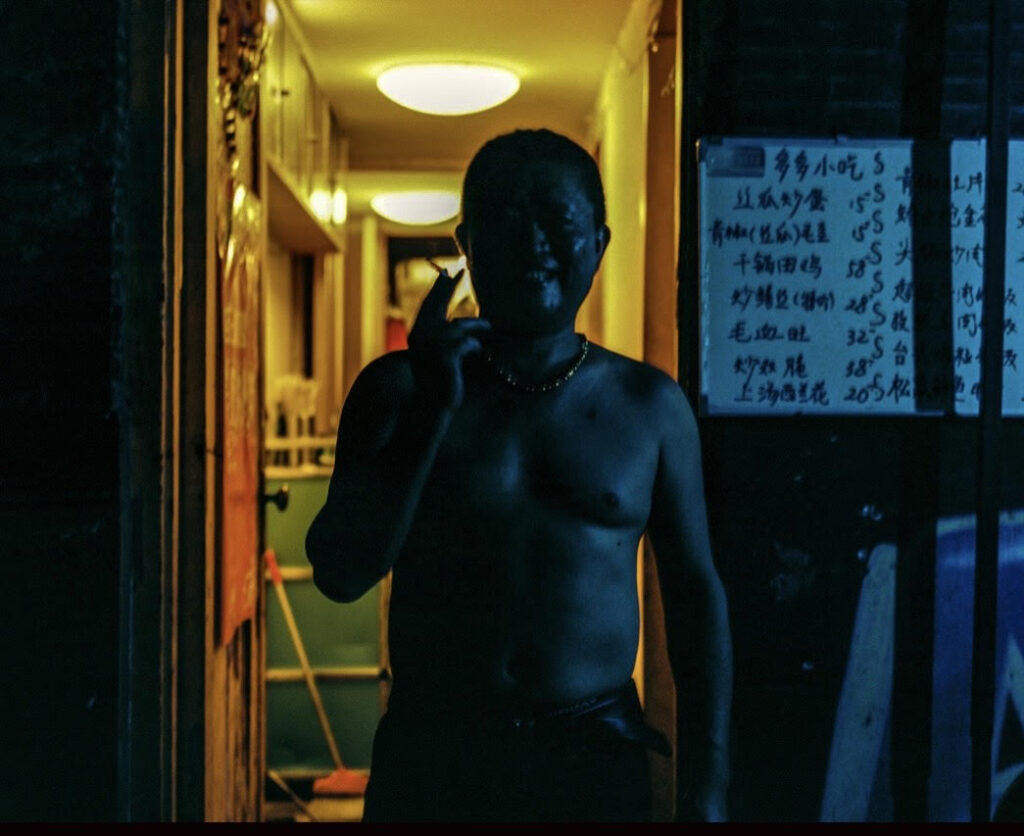
Alright, so what made you want to start documenting the streets and various subcultures?
Joe: I’ve always been interested in the streets.I’m a street kid who comes from a street family. I more or less grew up running around in the streets, doing street shit – both good and bad. I understand that language and I understand the people who gravitate towards it. In terms of subcultures, I think whether here in nyc or when I started living abroad, I’ve always been apart of a subculture and subculture intersects with other ones if they are open enough. It was never like this notion of “wow so interesting, let me find and photograph the underground – the unseen”, it was always something that manifested from real lived experience. I simply documented what was in front of me, what moved me.
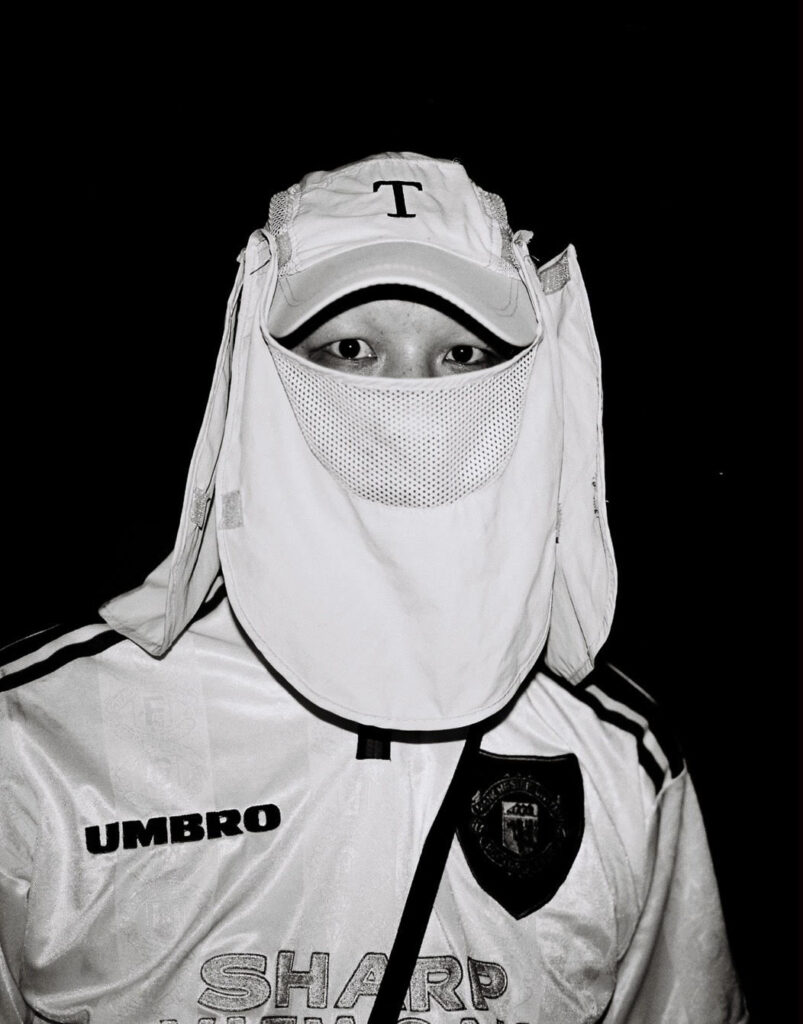
With that in mind, what do you look for when you’re out looking for your next motif to capture?
Joe: I swear this is not a cop out, but I can’t say I really look for motifs, at least not consciously. I let the work come to me. Even the more research based work usually begins from the most mundane circumstances, like, someone will say something in the street or at a bar/social event and I’ll think Wow what an idea or I’ll be reading the news and something will be mentioned that causes me to rabbit hole. The rhythm of life and how it hits me at the moment it reaches me dictates what I capture I like to think.
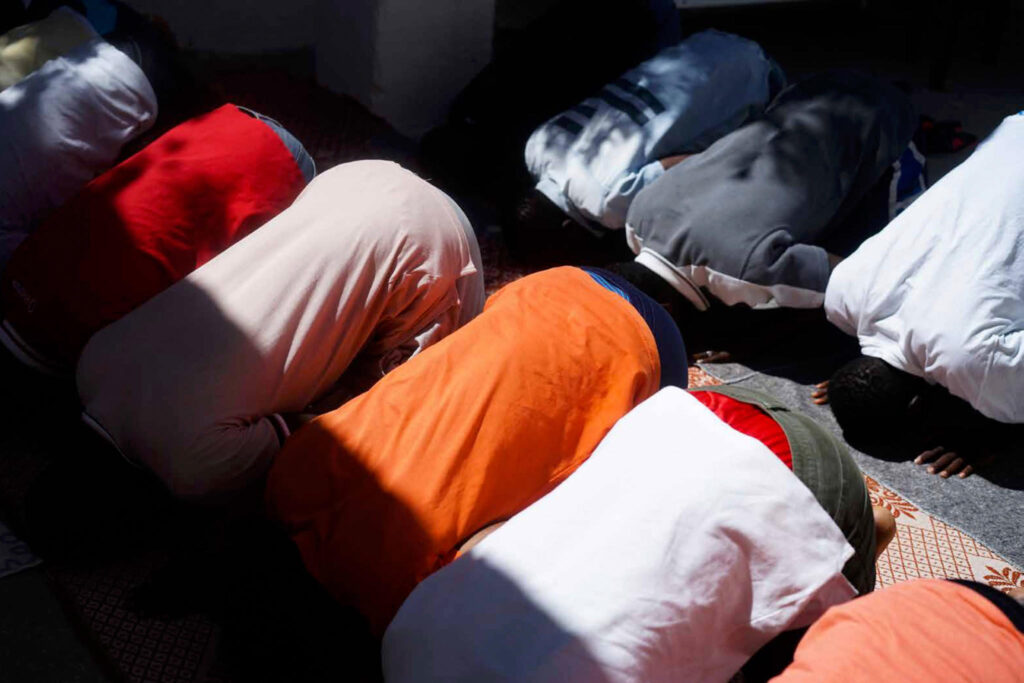
How does your own lived experience influence the way you engage with your subjects and the communities you document?
Joe: I would say this, my experience has been one of displacement. Throughout my life I’ve had to keep moving and have faith the best results would come amidst unstable situations. I like to think this, paired with my interests, has made me a well rounded individual, capable of relating to people across geographic and demographic lines.
I also like to think I am open and interested in us—I believe in humanity and my subjects and their communities can feel that. The idealist in me wants our stories – theirs and mine to have an impact, to mean something. I don’t want any community to go through hardship, lack of visibility or memory for nothing, or for the pettiness of hubris – and I feel that reverberates throughout my work.
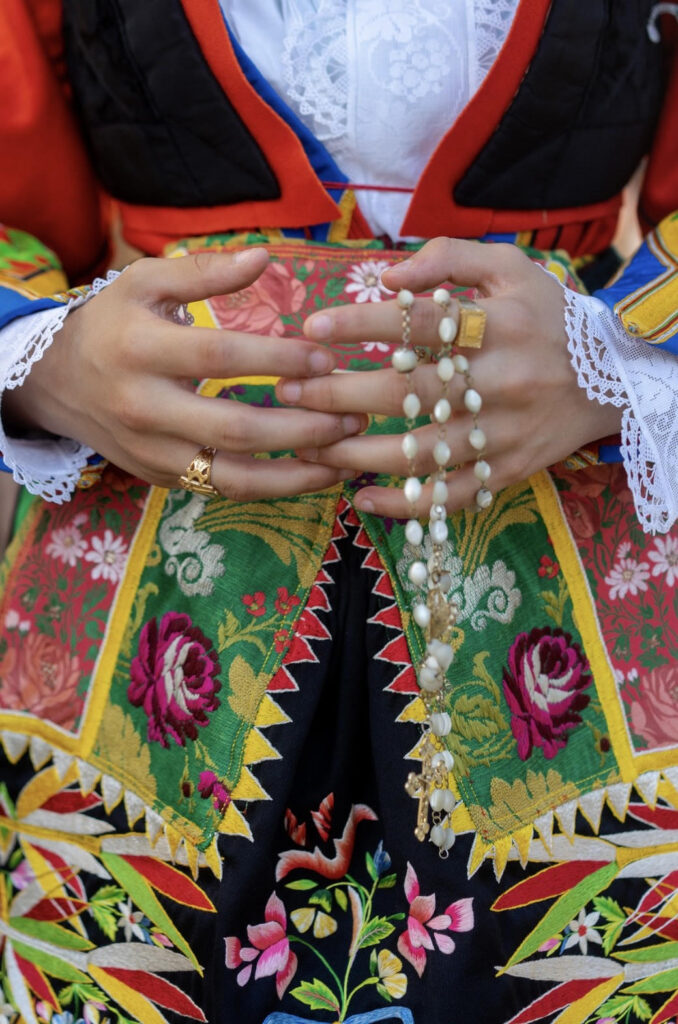
How important is authenticity in your work? And can a picture still be good, if it does’t have any?
Joe: It’s everything to me. When I lived my life inauthentically due to fear, I lost everything near and dear to me. It was not until I let go – of what people thought of me, the preconceived lies I’d tell myself and truly tried to only be myself – flaws and all, that my life, my soul and thus my work, blossomed. This is how it’s been for me. It is the way things have gone. I can’t say this would be the case for others.
In photography I do believe the best work is made from the standpoint of authenticity but that authenticity is whatever your truth is and whatever that is some may find to be inauthentic. If you follow the impulse of trying to prove something to be authentic rather than it just being that, then that, to me, is bad work.
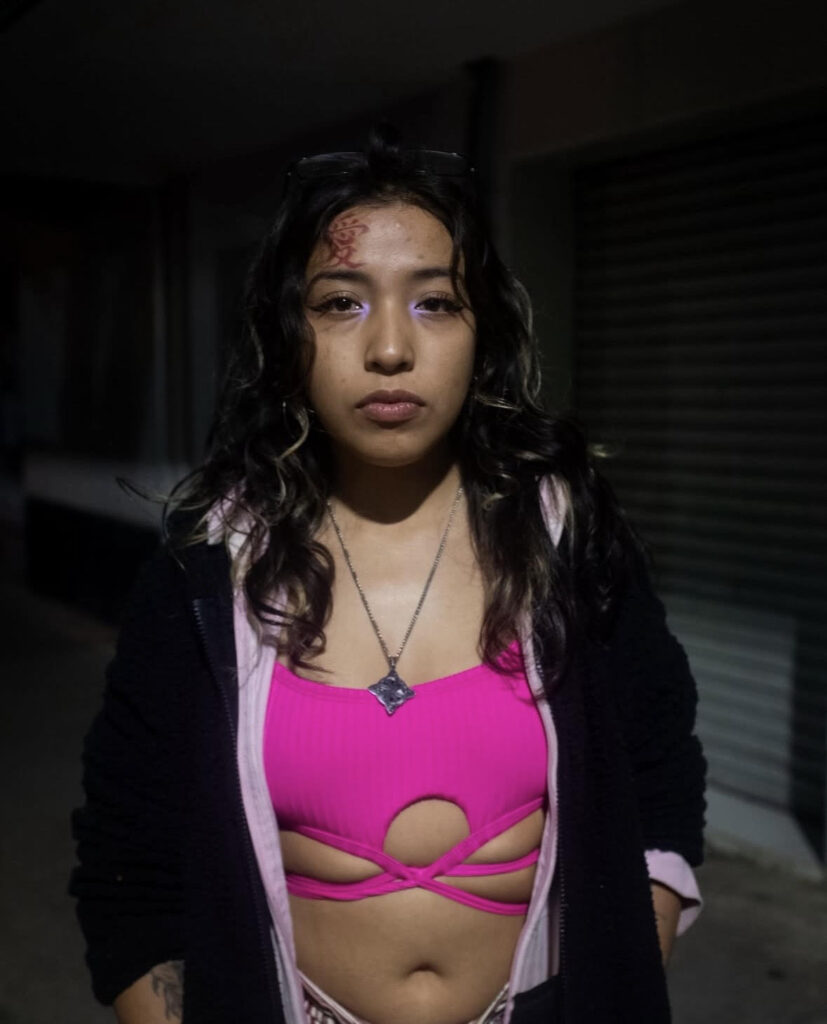
So what drew you to photography as your primary medium for exploring hauntology and trauma?
Joe: I think that an image, from the moment it is made is always in the past, and as such it, as Derrida eloquently puts it “haunts” our present lives. It is an echo of what has been. This I think is extremely poignant within the context of exploring the impact of systems of power, and the trauma that can be inflicted upon people from said systems.
Furthermore, the camera has a capability for immediate concreteness, that, for me, meant within the framework of how I make the work, I can approximate truth in a way that allows it to be felt and seen. I think as happy as whatever in society makes us, hardship, ugliness makes us more appreciative. Trauma sucks, but can be beautiful once confronted. Life, or rather the amount of life lost due to pathological haunting was unacceptable to me, but was a result of me running from what there is no escape. Photography emerged as the conduit that made the most sense for me.
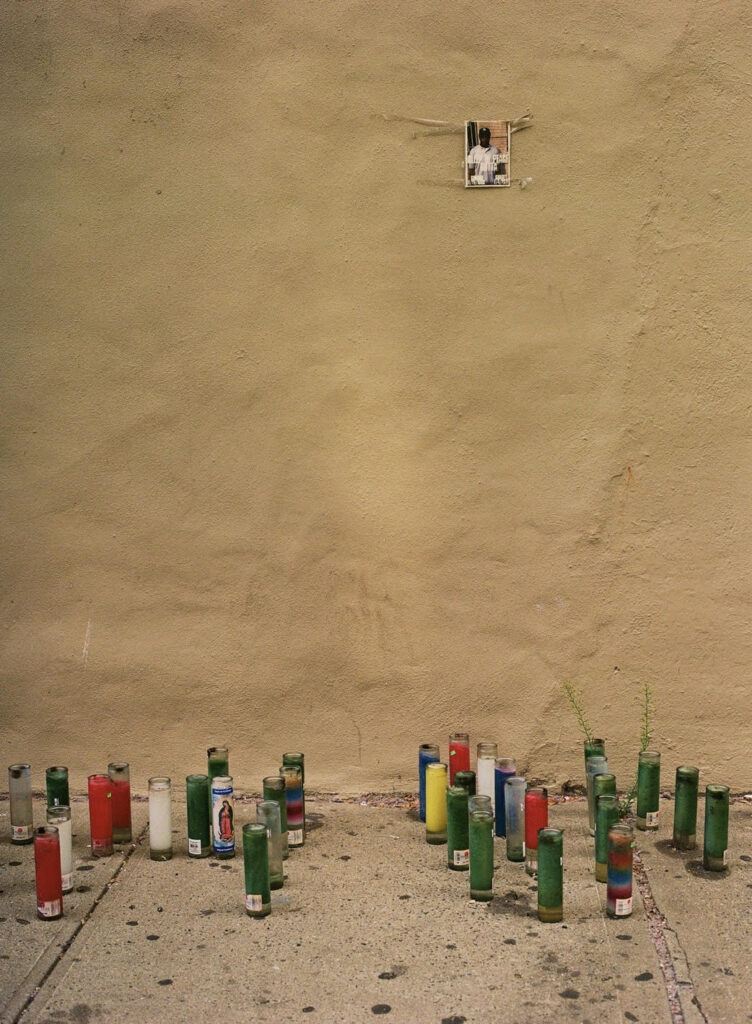
You describe photography as a “civic responsibility.” Can you expand on what that means to you in practice?
Joe: To explain this I think I have to try to speak historically. Since the advent of photography, the medium has been used as a means of understanding and communicating to society. From its less than stellar use in 19th century policing to the work of Jacob Riis, the works created during the era of the Farm Security Administration (FSA) of the New Deal to the documentary work of the mid 20th century on, photography has been an essential tool in illuminating the less visible, which gave whatever the photographer documented a prominence that often aided in turning the mechanisms of society towards something.
Bertillon used the Mugshot to define criminality, Jacob Riis’s images of the impoverished conditions in Manhattan’s Lower East Side tenements caused a police commissioner named Theodore Roosevelt to pressure the police and health departments of the City to change the area’s conditions and find justice for those people, photographers such as Ansel Adams and Dorthea Lange’s work served as evidence of the necessity of America to renew itself during the New Deal and Gordon Parks documentation of injustice became a weapon against it – evidence of our failings as a people, while Allan Sekula’s work on globalization made substantial strides in understanding it.
The artists who used the Camera, found it not just something they wanted to do, but something they had to do – they needed to show these things because they understood that humanity only dies when we ignore one another, and in society as we know it, it simply doesn’t work if we don’t understand our responsibility to one another.
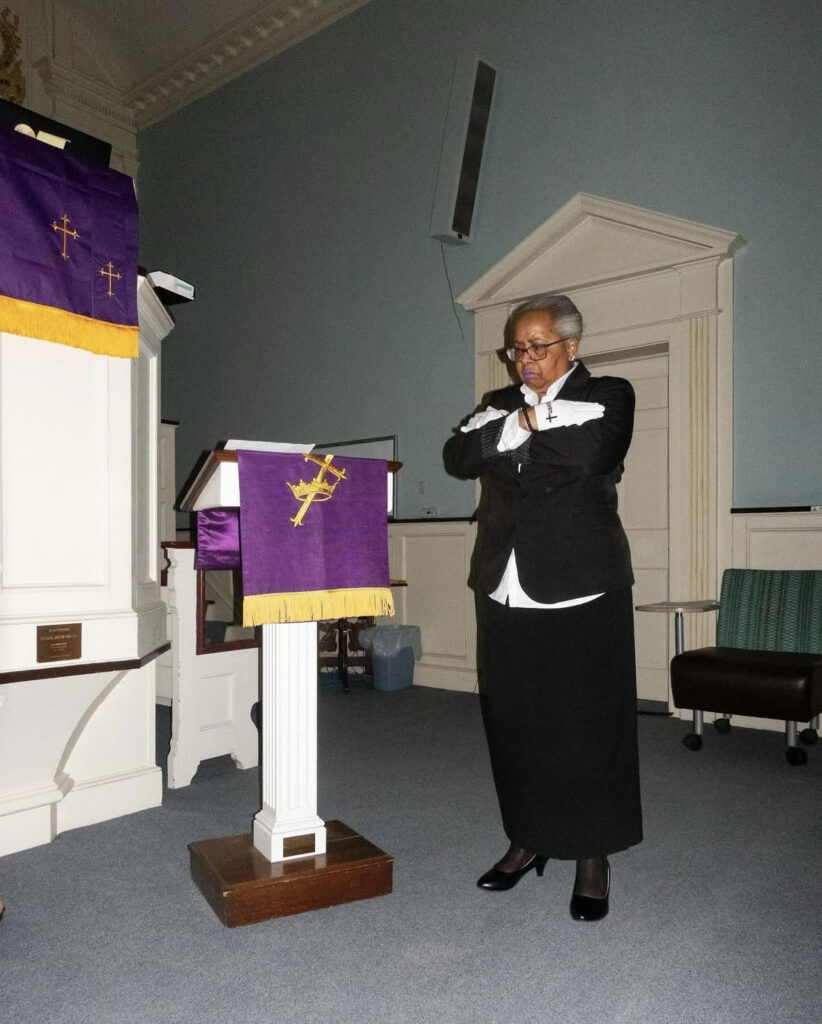
How do you navigate the ethical complexity of documenting communities that have experienced violence or erasure?
Joe: With sincerity, empathy, open-mindedness, and understanding.
How do you avoid reproducing the very systems of control or gaze that you are critiquing through your work?
Joe: I feel I have 100 different answers that maybe only scratch the surface of answering this, but here I go. I think there is a stark difference between what I do and photographers like Steve McCurry, you know, that Magnum style or the editorial style of photographer. In my work, the vast majority of subjects, places, things, or people come from actual personal relationships – these are people who I’ve met, who have invited me into their lives, spaces, and stories. We have shed tears together, we have drank together, some, we have even been intimate. In the realm photographers such as myself work in, there are less barriers.
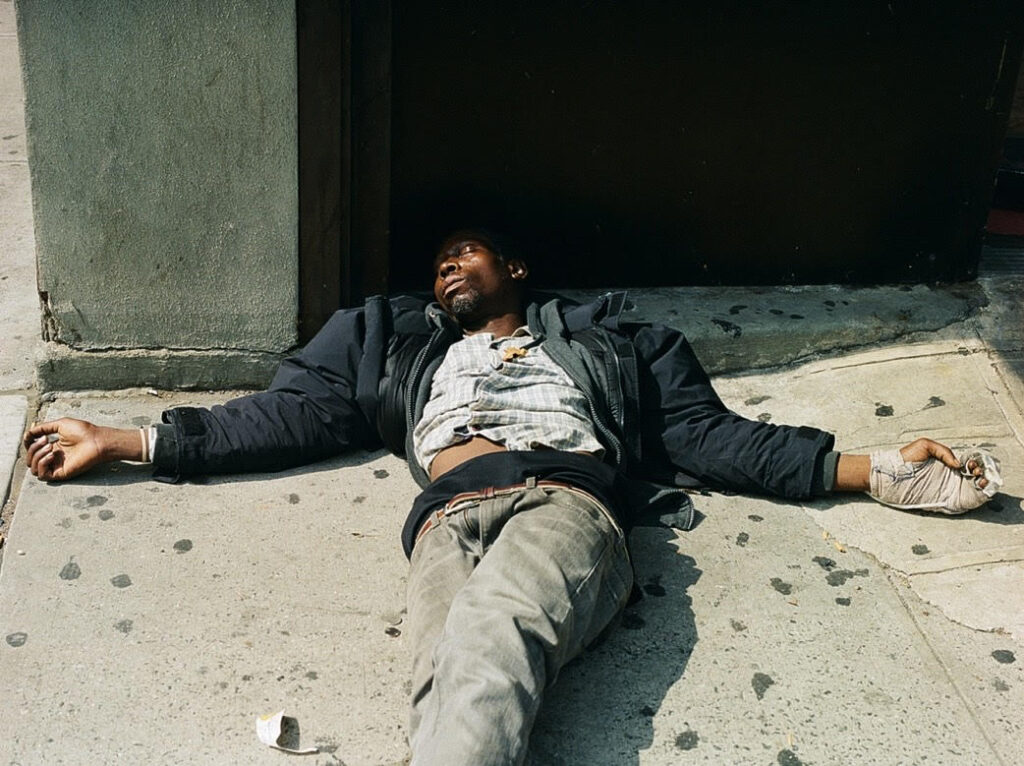
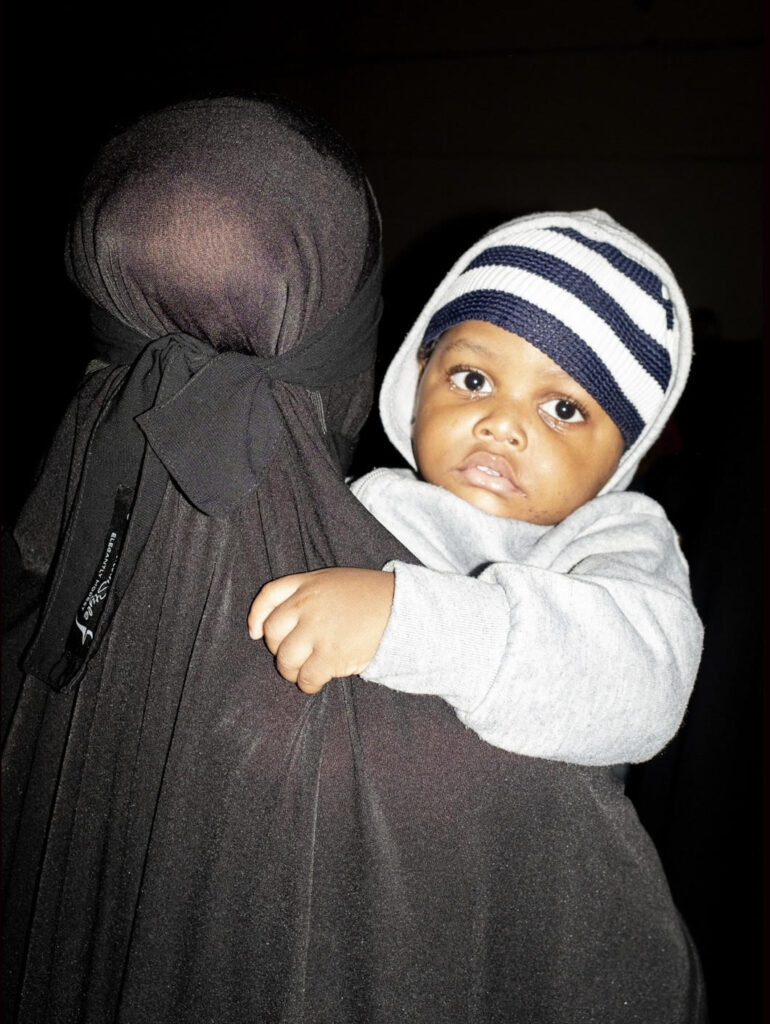
For example, while making Soggiorno in Sardinia, I didn’t just happen upon migrants and asylum seekers, I spent time in Integration classes, same as them, and eventually gained access to the camps they stayed. We exchanged stories equally and only did what they wanted to do, nothing more, nothing less. Even in more explicit imagery such as Stigmatic Disease, yes, it is an image of a person who is succumbing to drug use, but I myself have been in similar moments, and unlike this man, there was no one like me on the other side of the camera there to help them.
That said, the audience’s or institution’s gaze is completely out of your hands. No matter what you do, they have the right to perceive your work whichever way they please and sometimes, as is the case with many artists once their work arrives at institutions, their work is contextualized in a way harmful to not only the artists but the subject matter. That is why, in my work, I try to provide context through as many evidential sources as possible. This I hope, will allow the work to speak truthfully in its intended context long after I am gone.
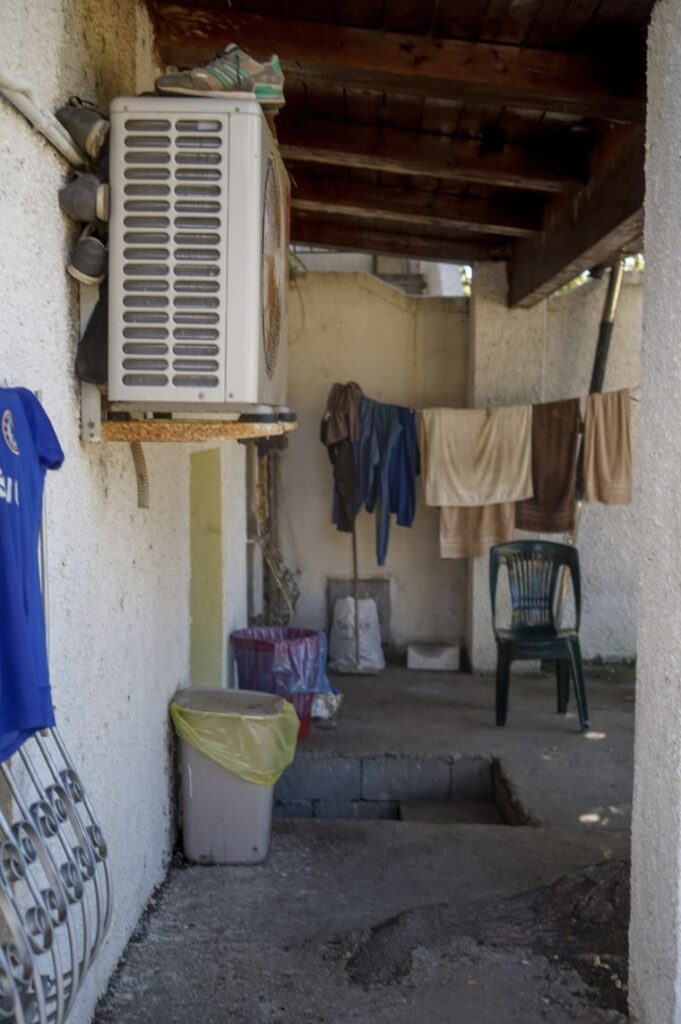
Your work often explores the tension between presence and absence, visibility and erasure. What role does the archive play in that conversation?
Joe: The archive is evidence of existence. At your birth, a birth certificate is issued to you, at your graduation a diploma is given to you, every step of the way there are documentary efforts to prove, to actualize your life. It is a part of living in order. While State and institutional power have historically used archives as a justification for many of the worst events in humanity, I would argue that especially since the 20th century, the archive has come to be harnessable by people and communities outside of the institution. This is powerful because as we see time and time again, societies are forgotten or erased, yet their histories, their lives live on in what is kept by their descendants, that archive, Whether oral, digital or tangible is proof that we were here, that we mattered.
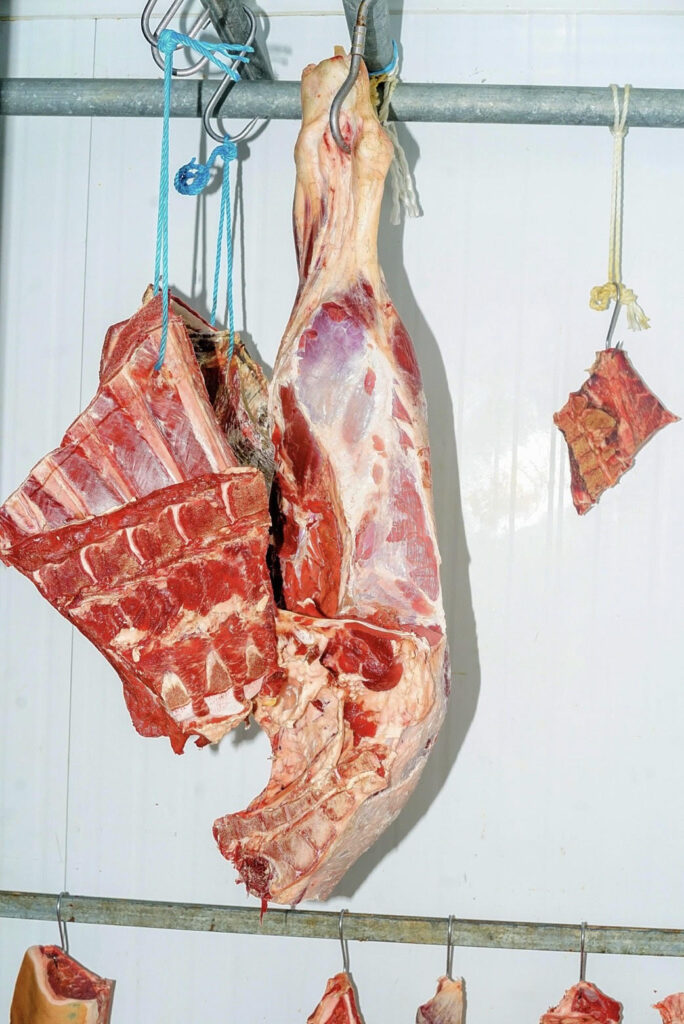
How do you see photography functioning within the idea of hauntology—of the past returning or persisting in the present?
Joe: As they say, history rhymes with the present. Events may not be the same but the core idea, the thesis of said events persist. Photography serves as a mode of crystallizing this idea through sheer relatability. From something as simple as a pose to images of war torn lands, there is a living history embedded. Photographers are keepers of precepts in this regard, we hammer home the fact that so much has and will change while things also remain as they were.
Look at the unfortunate, long standing events unfolding in Palestine and in The Ukraine – imagine if we didn’t have the power to record it – imagine how much would not be learned, how much worse things would be?
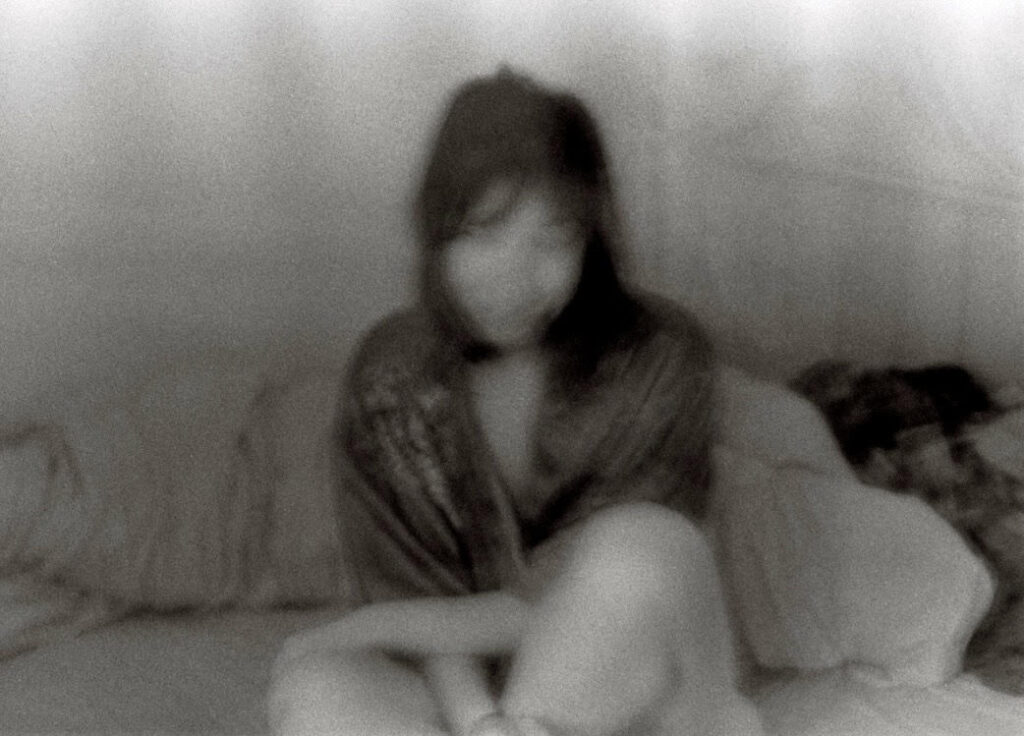
What are the limits of photographic representation when it comes to trauma and memory—and how do you work within or against those limits?
Joe: Truthfully, I don’t believe there are limits to photographic representation. I am open to documenting anything really; and I think other photographers should be as well. They should also understand that for every action there is a reaction and one should think carefully about what it is theyre choosing to capture and show – especially as it relates to sensitive subjects such as trauma and memory.
I will say this, though. I think blind adherence to any limits imposed in any medium can be dangerous and representation, like any system, should be tested.
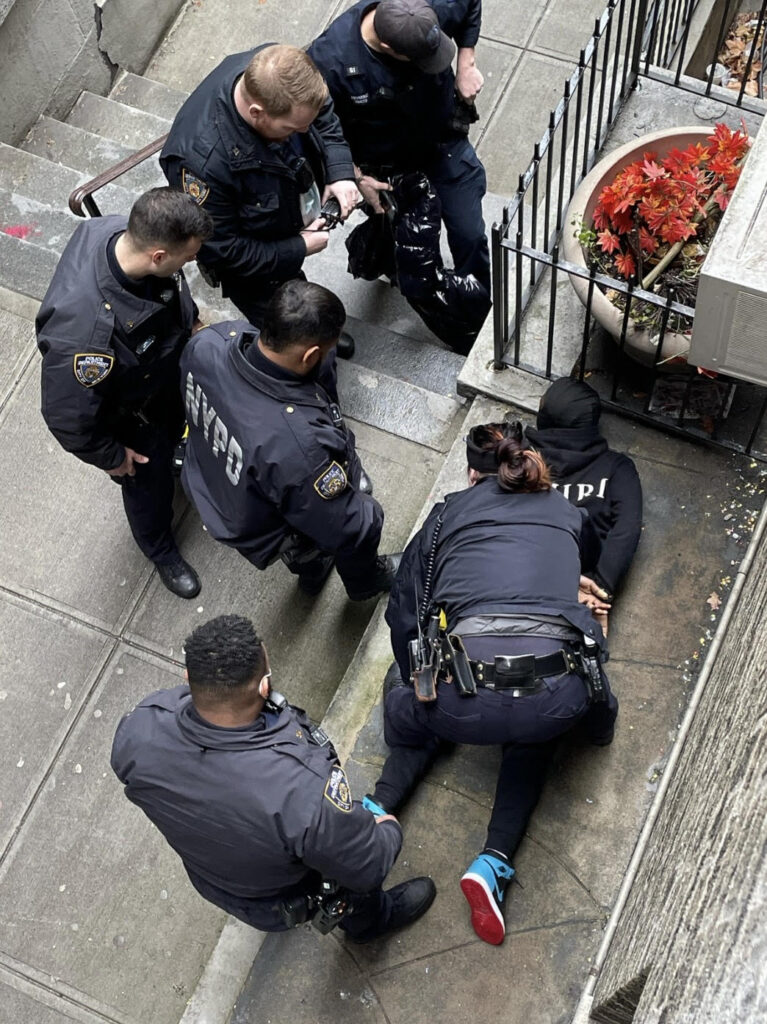
What is your process when entering unfamiliar, often hermetic communities? How do you build trust and intimacy with your subjects?
Joe: First, I make sure I am seen, I make sure that it is clear that I am not hiding or “spying”. People hate that shit. Once that’s established, I work on being in the community as much as they’ll allow me to. From there, I genuinely get to know people, I get to know about their lives, their families, their homes, their hopes and dreams, and I tell them mine. I try to be as open as they are with me.
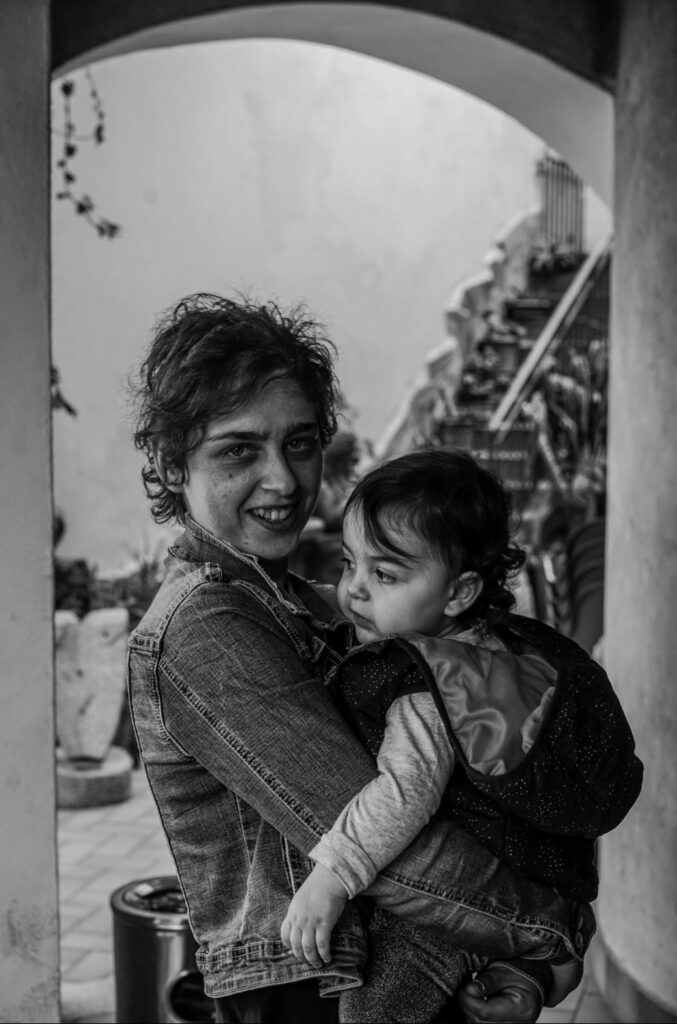
Do you usually begin a project with a clear narrative in mind, or does the story emerge more organically through experience and interaction?
Joe: Early in my practice, all of the projects developed purely organically. Id come to a place, and not know what I’d want to capture, I would go through a discovery process that involved getting to know the space I was in, a privilege as I was living in these localities. Now, with my home of New York City again my homebase, when I set out to make projects, especially if they are not made here in New York, I tend to build contextual justifications for making the projects before I go to the location. Once there, however, I revert to what I know, which is living in the space, trying to move as the locals do, and through them, discover the work. This has sometimes radically changed a project and often reinforced what I initially wanted to do.

How do research and writing inform your photographic process? Do you consider the image and text as equal narrative components?
Joe: Before I wrote and did research around the work I made, everything felt empty. After all, a photo is just a photo. Beauty doesn’t really matter to me more than meaning does, and meaning is best interrogated through evidence revelation. This, for me, encompasses photography, text, audio, and more, while every single image doesn’t require such combinations, those images, within the corpus, do.
Can you tell me about some of your favorite memories from being on shooting in the field?
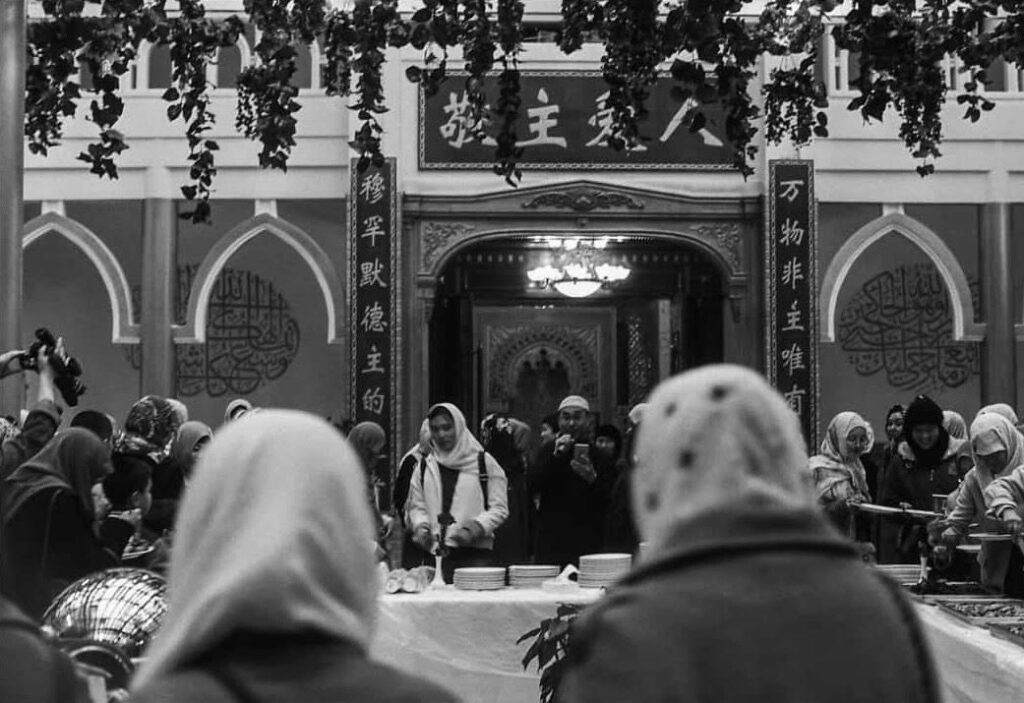
Joe: Photographing a Uyghur wedding in Shanghai was the first time I was granted permission to document marginalized people. Walking into the Ourika River in the High Atlas Mountains felt spiritual, photographing and being accepted in my ex-wife’s community in Orgosolo made me feel like, for the first time I had a home, while documenting the refugees and asylum seekers I mentioned before hammered home that my practice was no longer just for me – that it was bigger than me. Nearly every photo I’ve taken, I remember the circumstances under which I took them and how they made me feel. Every one of these moments are precious.
Other than the camera and lens. Are there any essential items that you always bring with you when shooting?
Joe: Headphones. Other than that, my thermos.
So what do you hope that we, the observers, take with us after viewing some of your photos?
Joe: I hope that for the subjects documented, you understand that though images are aesthetic, and bound to critique, it is important to, at least for a moment, try to look outside of yourself and relate to what’s in front of you. I hope you can look beyond more reductive adjectives for the sake of the people and circumstances documented.
Other than that, I hope that people can understand that I never really thought of much else but doing the work, I thought i’d die and i dunno, like Vivian Maier have my shit found in liquidation, maybe to be torched, maybe to be used for something greater – either way, I wouldn’t be here to acknowledge it. The fact that I am here, and can, at least for now, is a privilege and blessing – and I truly hope the viewer can feel that.
Are there specific regions, communities, or questions you’re currently exploring or planning to explore in future projects?
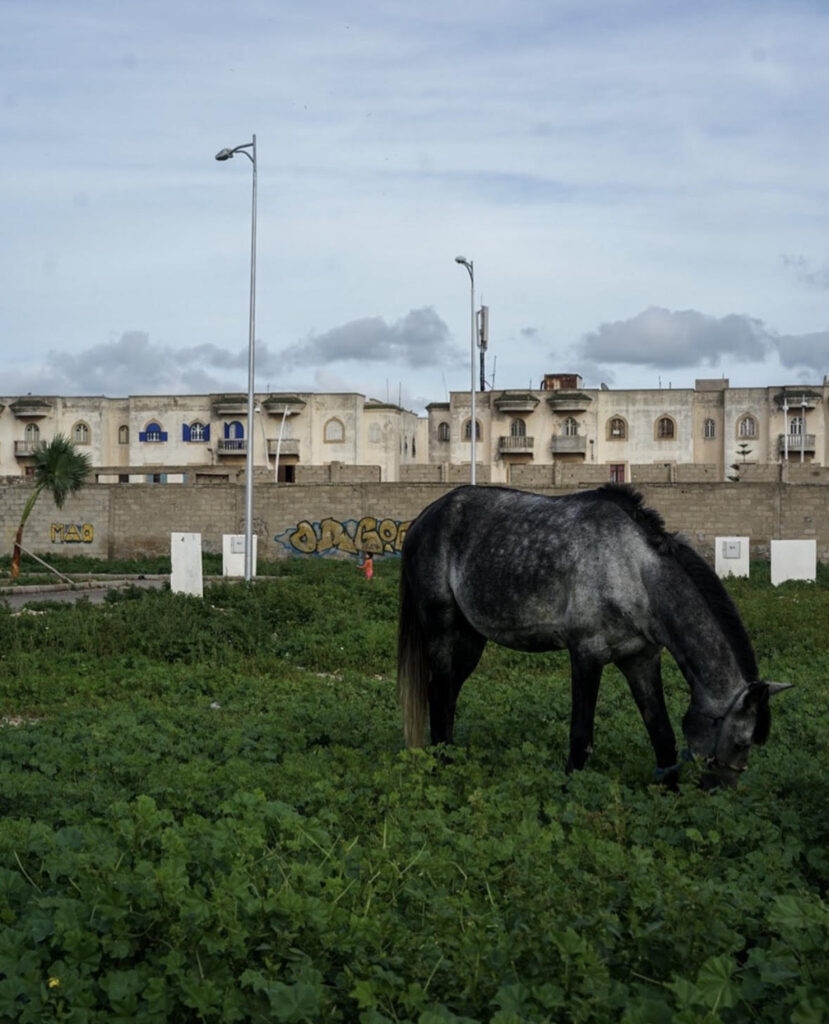
Joe: I am slated to spend my summer working in the Balkans. With the border between Slovenia and Italy as my base, I will explore the Morgan Line, a demarcation created by the Allied Military Government (The United States, Britain and France) at the end of World War II, which had a significant impact on the future of what was then Yugoslavia.
With this project I hope to achieve a few things. First, I want to build a project that speaks about imperialist attitudes, which the people of the Balkans for sure endured. Next, From Slovenia to Albania, the Balkans remain a significant migratory route, so much so that Italy under Georgia Meloni is openly investing in offshoring the migrants they reject to prisons in Albania. These land routes also fall under the same demarcation routes created by the AMG, once again proving how much of what we experience is an echo of the past.
If I can successfully complete this project, I think I will have successfully completed what I consider to be my “Mediterranean Saga”, a now nearly ten year endeavor.
You have a show coming up at Swivel Gallery, on July 10th, titled “Public Work”. What’s the story behind that title?
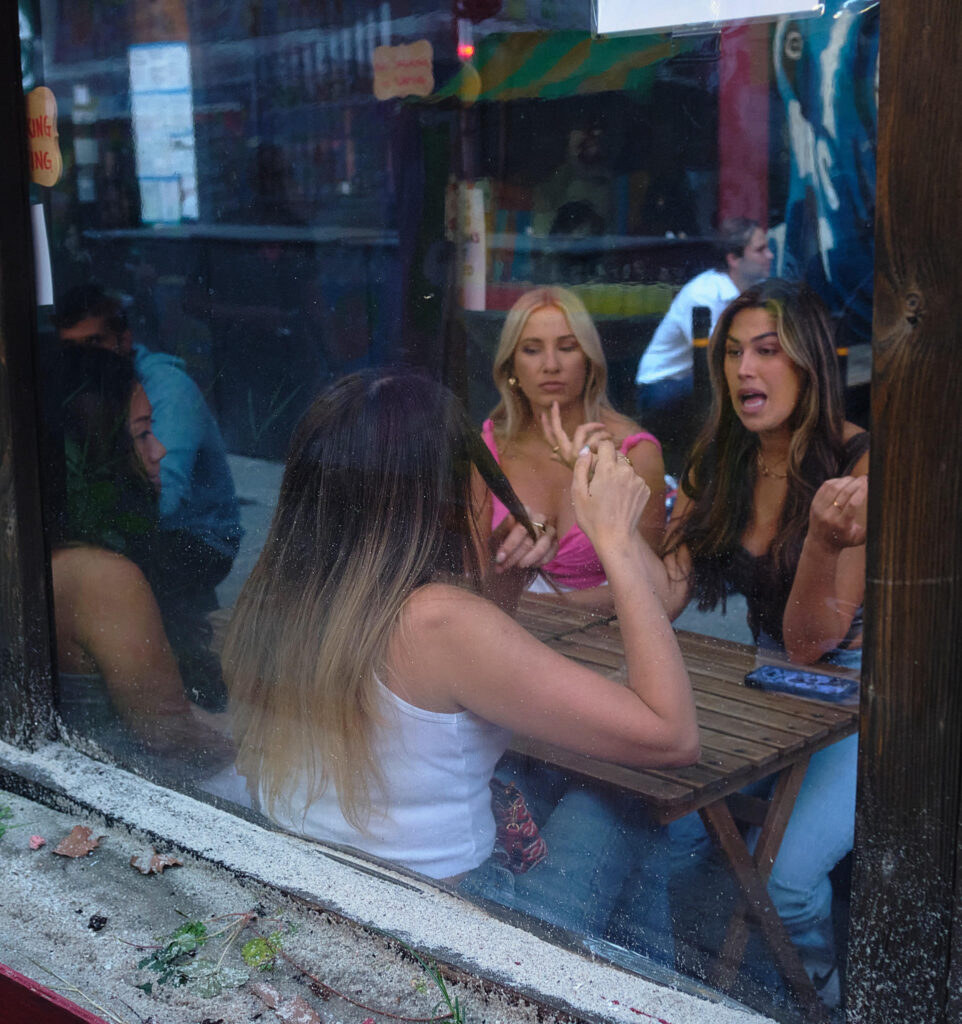
Joe: Public Work comes from my insistence on emphasizing photography’s civic responsibility, and is also a play on words. The title originally sprang to mind during my extremely short stint working at the New York City Council. I was still actively making photographs and thought I would make a project about the Council itself, where unfortunately, I didn’t last long enough to make it materialize. I then thought deeper about the title and realized that in the context of any place, but especially in New York City, public work is always happening.
Our infrastructure is built through it, our subways and buses run from it, and our laws are enacted through it. But also, we, the every day, regular people of the City who are busting our asses just to get by are doing public work, in fact it is our public work of spending money, interacting with people and using the resources provided in the city that make the City run – and without us, there is no City. We, like them, are public workers and if we cannot do our job, so can’t they.
Last, Our relation to being in and interacting with what is public has changed so much – in fact, the we have seen significant changes in psychogeographic terrain, especially as it relates to third spaces, a by product of urbanization.
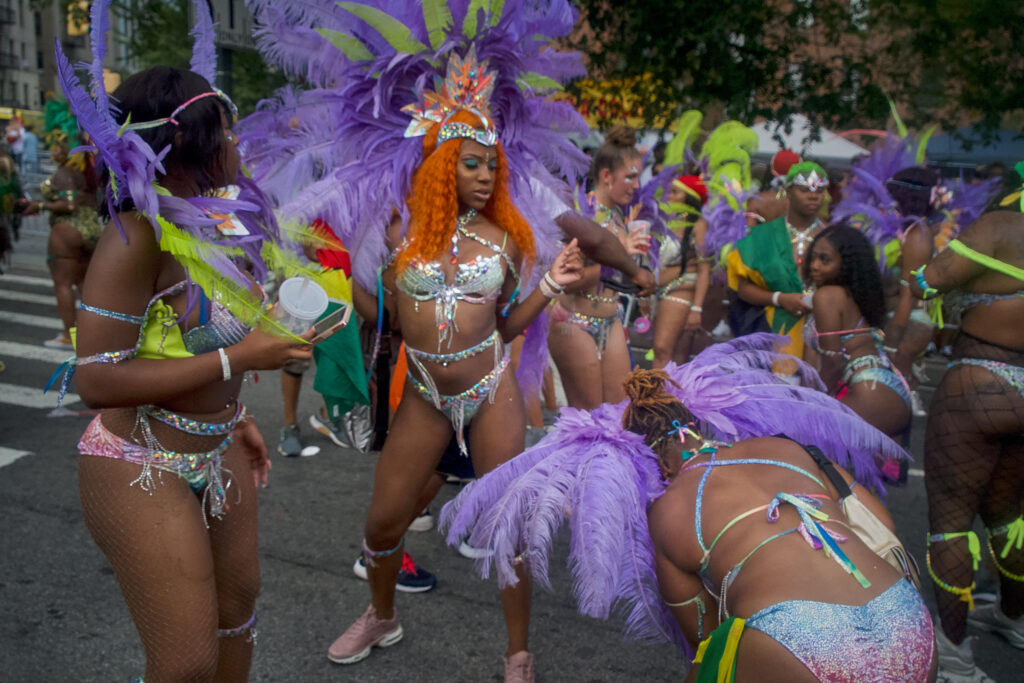
Ok Joe, now to something totally different. In a parallel universe who would you be? and what would you be doing?
Joe: My grandmother thought I’d be a social worker, so I’d probably try to be the highest level of that, like a real-life Professor X without superpowers.
Can you tell me a story about a time when a connection with someone had a big impact on you?
Joe: When I first came back to New York City, I was more or less homeless. While working two jobs, I would spend a good amount of time, especially overnight, at the Bowery Residents Committee. There they would play TD Jakes’ sermons on a huge screen and between them people would take turns talking about their lives. These are among the most courageous people I’ve ever met and their impact on me was educational, cautionary, and spiritual.
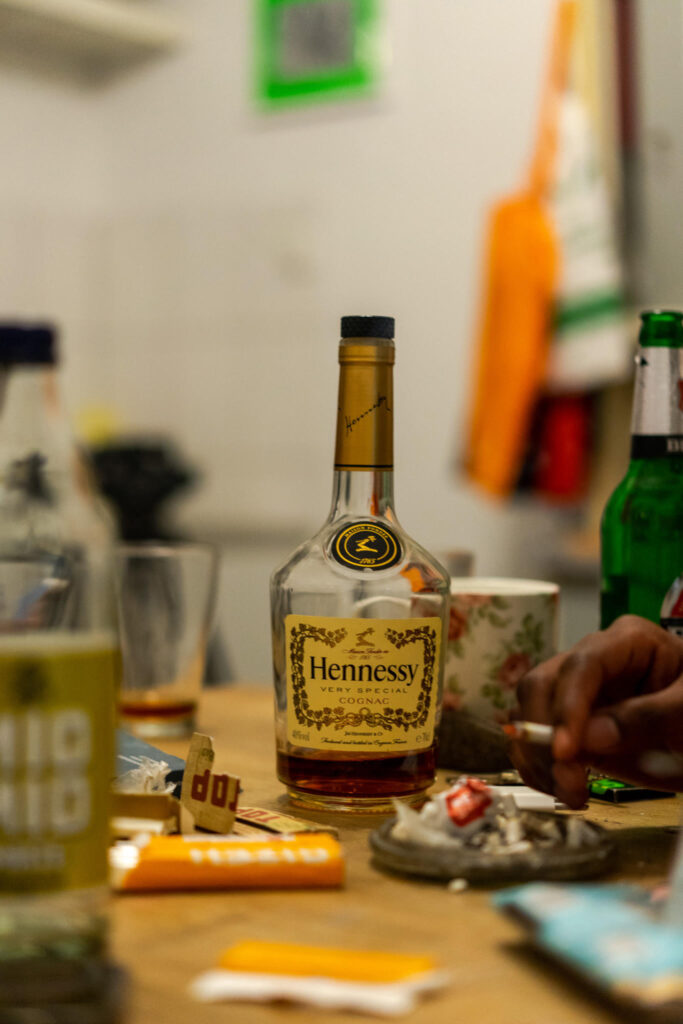
What qualities do you find most important in the people you choose to spend time with?
Joe: Consistency, loyalty,respect and humor
Anybody you look up to?
Joe: W.E.B. Du Bois, Edward R Murrow, Hideo Kojima, Ozu,Hans Haacke and Raekwon.
What motivates you?
Joe: Everything I have done has been to reduce, if not eliminate, fear from my life.
How would you describe a perfect day?
Joe: A perfect day is one that didn’t start without me.
Alright Joe, I always ask these two questions at the end of an interview. The first is. What’s your favorite movie(s) and why?
Joe: Yasujiro Ozu’s floating weeds. I think it’s a beautiful film that explains how purpose and circumstance can affect a community, especially those closest to you within em. I think it’s perfectly written, acted and filmed.
The second is. What song(s) are you currently listening to the most right now?
Joe: Cryotherapy – Roc Marciano
Snow – Roc Marciano
Period Blood – Roc Marciano
Sweet Nothings – Roc Marciano
Respected – Roc Marciano
Tryna Stay Sane – RXKNephew
7 – Dean Blunt and Elias Ronnenfelt
Freezing My Pinky – Kodak Black
My Iron Lung – Radiohead
By Mistake – Young Dolph
2024 – Playboi Carti
Logos – King Krule
Long Time – Playboi Carti
Luxurious Rainstorm – GRINCHN’4$
1 comment
[…] has been the most transformative for me. I developed the education program in 2024 with the help of Joseph Cochran II. We both work in the realms of art and social practice. It takes a lot of time and resources to […]
Comments are closed.