
Share this
Lumi Ray doesn’t do neat narratives. She moves through life like a question mark — feral, unconventional, and constantly testing the edges where desire, identity, travel, and food blur into each other. Raised in Humboldt County, where redwoods meet the ocean and marijuana once anchored the local economy, she grew up homeschooled in a world roomy enough for dreaming — fairies included — and sensitive enough to make “normal society” feel like a tight collar.
At seventeen, she found refuge in kitchens: a place where intensity became useful, where structure didn’t have to mean suffocation. She cooked professionally for years before transitioning into monetising herself online — a chapter that first brought her public attention through adult film, but never contained her whole story. For Lumi, it was less a label than an experiment in agency: one expression of curiosity, body, and choice.
Since then, her work has widened into something more expansive — writing that sits between philosophy and lived experience, a podcast that used food as a backdoor into honesty, and a behind-the-scenes role as an intimacy coordinator shaping sets built on consent, clarity, and respect. Connection is the throughline, and so is integration: Lumi doesn’t believe in erasing chapters. She believes in metabolising them — into better listening, better love, better stories — and, finally, into a way of becoming that she’s learned to enjoy.
Hi Lumi! It’s a pleasure to sit down with you! First question that I always ask. How does a regular day look like for you in the Bay Area?
Lumi: A typical day for me starts around 8 a.m. I try not to reach for my phone right away though most days I do but I make a point to have breakfast and coffee before opening my laptop. Some mornings include a gym session or Pilates, followed by the rest of the day spent working: planning shoots, writing, filming content, organizing files, and posting to social media. I try to carve out time to read, both to stay mentally stimulated and to inspire my writing, or to go for a walk when I need a reset. I usually end the day watching a show or a movie, letting my mind quiet down before bed.

I’m curious, growing up, what was life like there? And what kind of kid were you? What did you enjoy doing?
Lumi: I grew up in Humboldt County, a place that’s uniquely beautiful in every sense. I was mostly homeschooled, largely because I never felt comfortable sitting in classrooms or being surrounded by groups of kids, I was sensitive to everything around me. I still managed to make friends, but I never tied myself to just one group. I was drawn to older people and only dated older partners, preferring their company whether or not they were particularly mature. Growing up in such a striking landscape spoiled me in the best way: I spent a lot of time exploring nature, photographing what I saw, and going on solo adventures and long hikes.
With that in mind, growing up there, what parts of that landscape still show up in your choices, your body language, your taste?
Lumi: Growing up in Humboldt shaped my nervous system as much as my taste. Being surrounded by fog, forests, and long stretches of quiet taught me to move slowly and observe before acting. I think it shows up in my body language: I’m soft-spoken, measured, and I tend to take up space gently rather than loudly. I’m comfortable with solitude, with pauses, with not filling every moment with noise. That landscape also influenced my aesthetic instincts. I’m drawn to natural light, muted tones, texture, and things that feel lived-in rather than polished. I prefer depth over spectacle, intimacy over excess. Even in the way I choose projects, relationships, or how I move through a room, there’s a kind of listening first – like waiting for fog to lift before deciding where to step. Humboldt taught me that beauty doesn’t need to announce itself. It just exists, quietly, and asks you to meet it with presence.
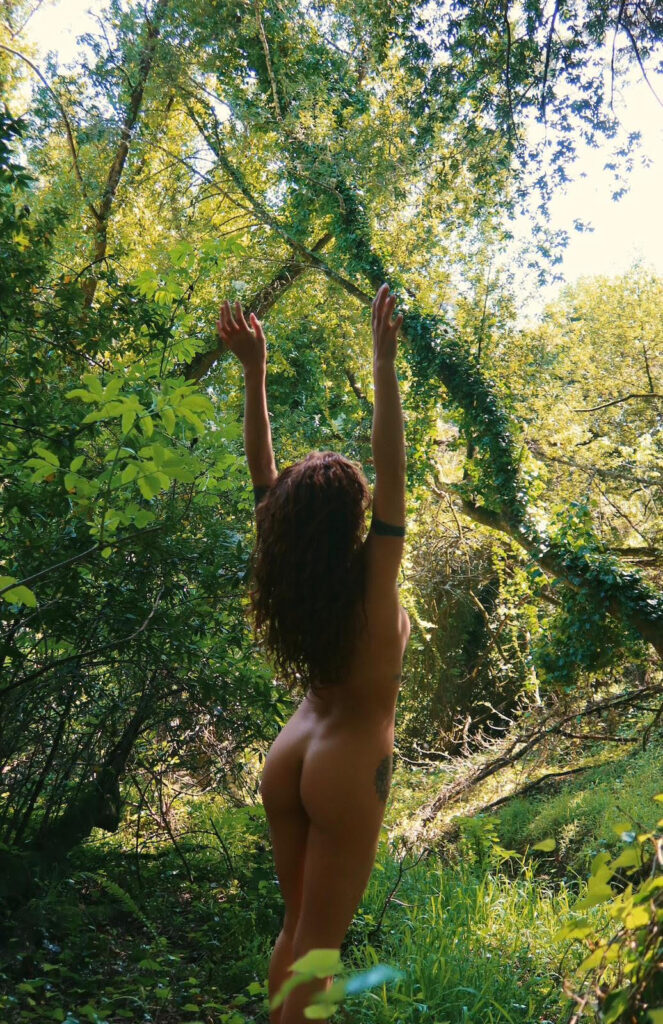
Being homeschooled, what did that give you, and what did it cost you socially?
Lumi: Being homeschooled gave me freedom over my time, my curiosity, and how I learned. I was able to follow my interests deeply and develop a strong sense of self without constantly measuring myself against others. It taught me how to be alone without feeling lonely, how to self-motivate, and how to listen inward rather than waiting for external validation.
Socially, I guess I missed out on the easy, built-in rituals of childhood like classrooms, shared schedules, the shorthand of growing up alongside the same people every day. I learned how to observe social dynamics before fully participating in them, which sometimes made me feel slightly out of step or older than my peers. But that distance also sharpened my awareness. I became someone who reads rooms carefully, who values depth over popularity, and who forms connections intentionally rather than by default. In a way, homeschooling delayed certain social experiences—but it also made the ones I did have more conscious, more chosen, and more meaningful.
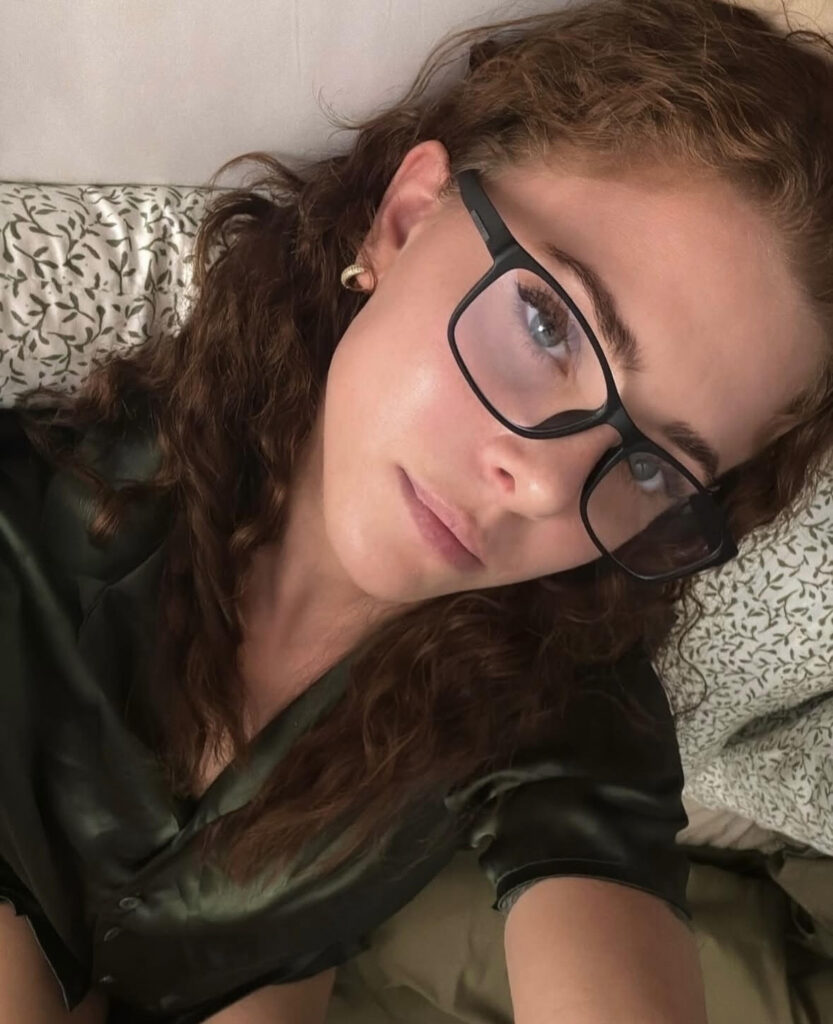
When you think of “normal society” feeling restrictive, what exactly felt false: the pace, the roles, the rules… what do you think it was?
Lumi: I think what felt false wasn’t any single rule, but the unspoken agreement to move through life without questioning it. The pace felt rushed and disconnected, everyone moving quickly toward milestones that didn’t seem to belong to them, or to me. The roles felt pre-written: how you’re supposed to behave, what you’re supposed to want, when you’re supposed to want it. There wasn’t much room for uncertainty, sensitivity, or changing your mind.
What felt most restrictive was the performance of normalcy – the idea that fitting in mattered more than being honest, that productivity mattered more than presence. I felt pressure to flatten parts of myself that were curious, slow, observant, or emotionally porous. I didn’t struggle with structure itself; I struggled with structure that didn’t leave space for humanity. I think I sensed early on that I would rather live a life that felt true and a little undefined than one that looked correct from the outside but felt misaligned on the inside.
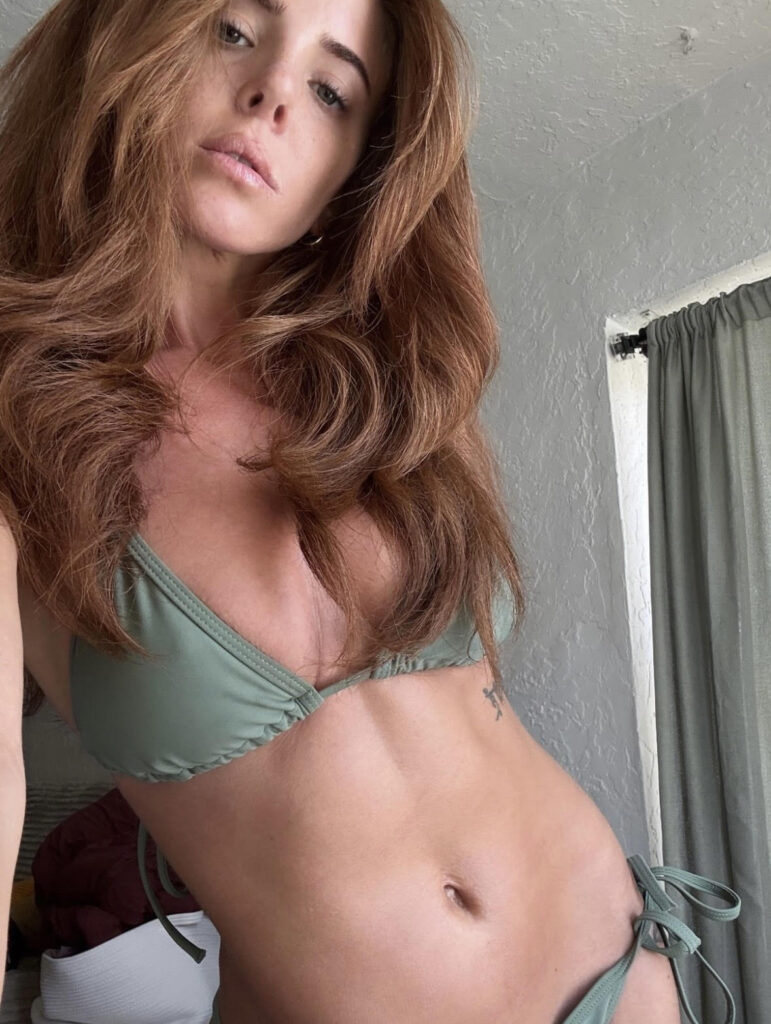
You describe yourself as feral, what does that word protect in you, and what does it expose?
Lumi: When I call myself feral, it protects the parts of me that never fully domesticated – the instincts, the softness, the refusal to be overly managed or easily understood. It gives me permission to exist outside of expectation, to trust my body and my intuition over rules that were never made with someone like me in mind. It’s a word that guards my autonomy. At the same time, it exposes my vulnerability. Feral implies a lack of armor, it means I feel things openly, sometimes messily. It reveals that I’m not always polished or predictable, that I don’t hide my hunger, my curiosity, or my need for freedom. Calling myself feral admits that I’m still learning how to live inside systems without letting them tame what keeps me alive. It’s both a shield and a confession: I belong to myself first.
You found refuge in kitchens at seventeen. What did the kitchen give you that the outside world didn’t, structure, adrenaline, belonging, control?
Lumi: The kitchen gave me structure without suffocation. There were rules, but they made sense – show up, work hard, pay attention, take care of each other. The hierarchy was clear, the expectations honest. If you moved with focus and humility, you belonged. It also gave me adrenaline and presence. Service demanded everything from you – your hands, your timing, your instincts. There was no room for overthinking or disappearing into your head. For the first time, I felt useful in a way that was immediate and tangible. Most of all, the kitchen gave me a place to put my intensity. It accepted my restlessness, my sensitivity, my need to move fast and feel deeply. Outside the kitchen, those traits felt like liabilities. Inside, they were strengths. It wasn’t escape, it was alignment.
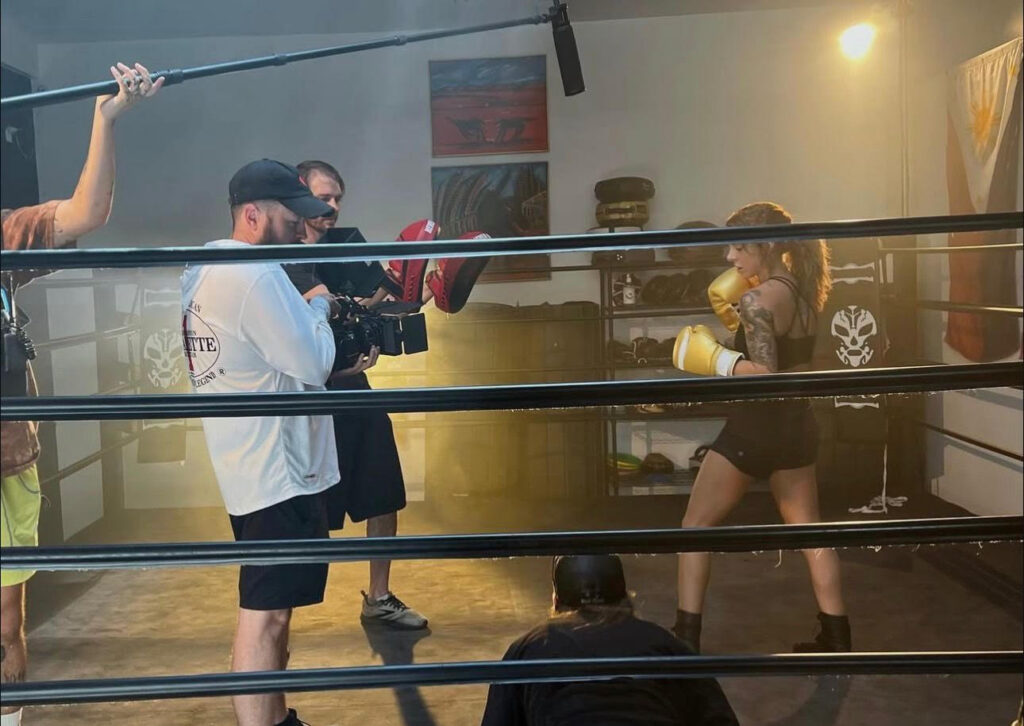
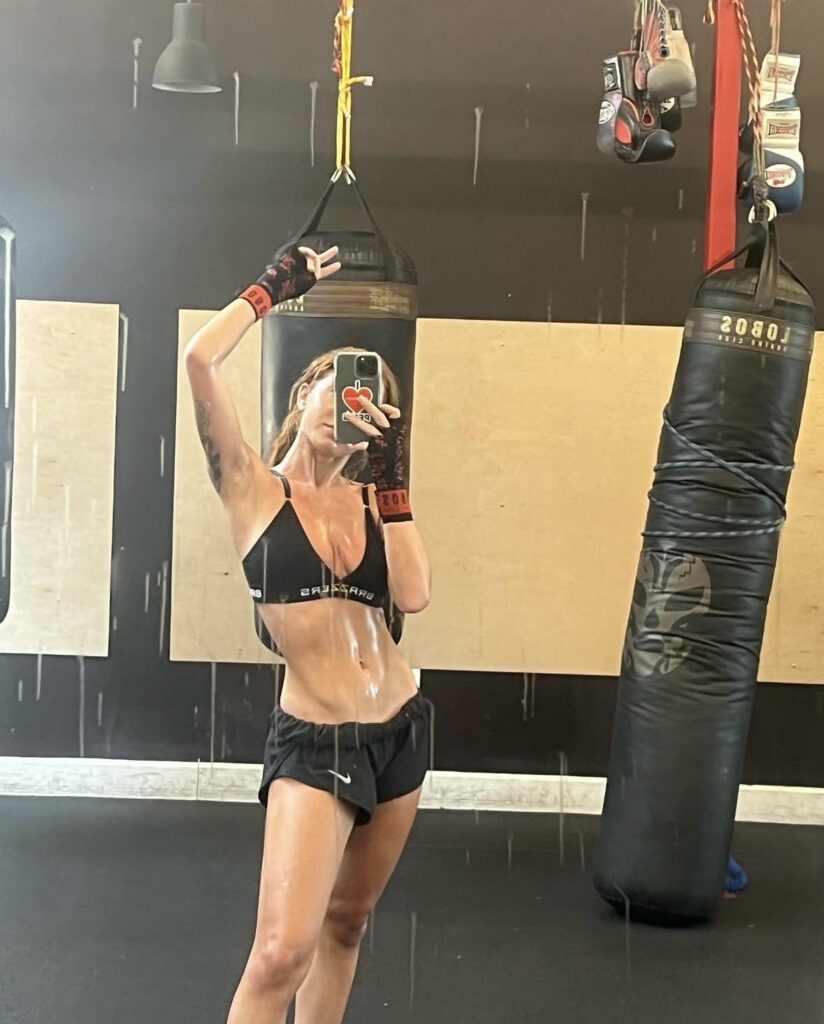
Food is your “favorite language for intimacy.” What does food let you say that words can’t?
Lumi: Food lets me express care without needing to explain myself. When I cook for someone, I’m saying I see you, I paid attention, I wanted you to feel held. It’s a form of presence that words often fail to carry – slow, intentional, and grounding. Sharing a meal creates quiet safety, a space where connection can exist without performance.
Alright Lumi, let’s fast forward the timeline a little bit, and talk about your adult life. Let’s start with the adult industry. How did you get introduced to that world?
Lumi: I didn’t enter the adult industry with a grand plan or a fixed identity around it. I was introduced to it organically, through proximity and curiosity rather than ambition. At the time, I was already comfortable with my body, with intimacy, and with existing a little outside of conventional paths. When the opportunity appeared, it didn’t feel shocking or taboo, it felt like another world I was curious to understand.
What drew me in wasn’t just the work itself, but the autonomy it offered. I saw people shaping their own schedules, their own boundaries, their own versions of success. That level of self-determination felt radical compared to the more rigid structures I had known. I entered cautiously, learning as I went, paying close attention to what felt aligned and what didn’t. Over time, it became less about the industry as an idea and more about the people within it – the creativity, the contradictions, the way intimacy and labor intersect in very real, human ways. It wasn’t an escape from the real world; it was another version of it, one I chose to step into with intention.
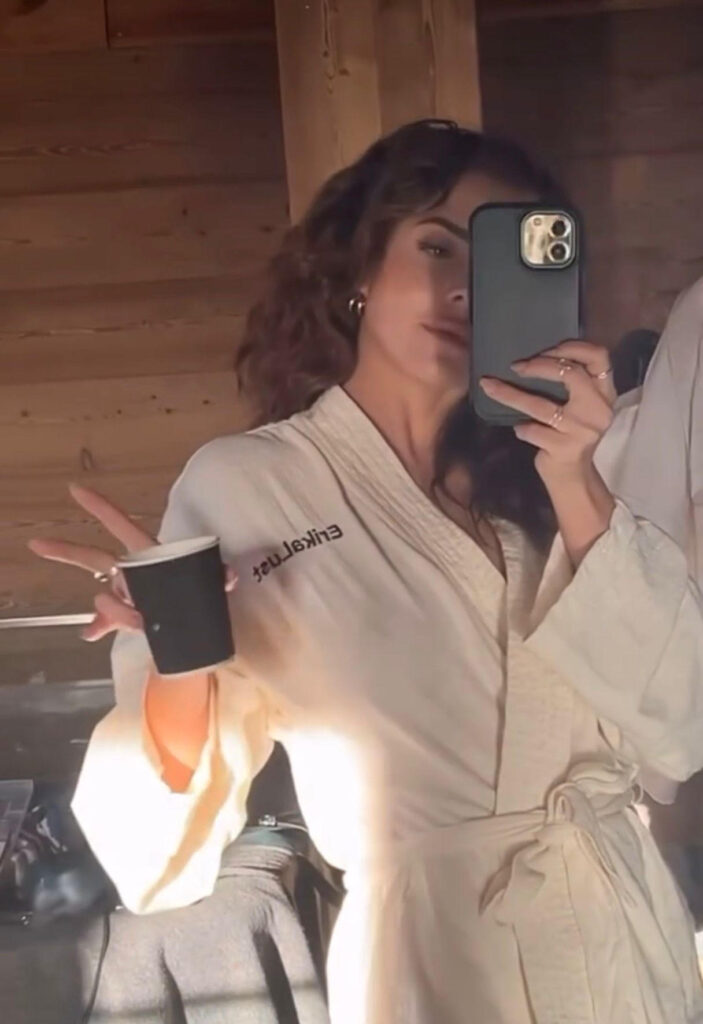
What do you think it was about that industry that appealed to you?
Lumi: What appealed to me was the permission it gave to exist outside of a single narrative. The adult industry didn’t require me to be palatable, consistent, or easily categorized. It allowed complexity – sexuality alongside intellect, vulnerability alongside control. I was drawn to the autonomy: the ability to negotiate boundaries, time, and labor in a way that felt transparent rather than implied. There was also something disarming about the honesty of it. Desire wasn’t hidden or dressed up as something else it was named, negotiated, and worked with directly. It felt like a place where instinct, agency, and survival could coexist. Not without contradiction or cost but with a level of truth that I didn’t always find in more “acceptable” spaces.
Walking in to do your first scene, what was going through your mind?
Lumi: I was surprisingly calm, and I remember thinking that in itself was strange. It didn’t feel overwhelming, and it didn’t feel like I was doing something wrong. I found myself reflecting on the choices I’d made in my life – distinguishing between the ones that were truly mine and the ones I’d made for other people.
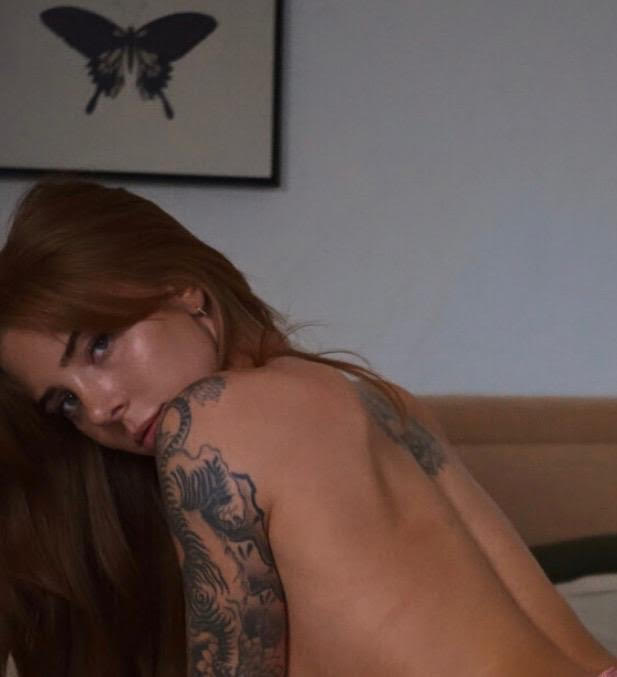
You’ve said adult film was “one expression” of your curiosity and agency. What’s the most misunderstood thing people assume about that chapter?
Lumi: People often assume that chapter came from confusion or a lack of self-worth. For me, it came from curiosity and a strong sense of agency. I wasn’t trying to disappear or be taken care of – I was paying attention to what I wanted to explore and choosing it consciously. What’s most misunderstood is that it wasn’t about being reckless or detached. I was actually very present with myself during that time, learning where my boundaries were, what felt true, and what didn’t. It was one part of a much larger process of understanding my body, my autonomy, and my relationship to choice.
What’s the difference between being looked at and being seen and how did you learn that difference?
Lumi: Being looked at is about surface, it’s attention without curiosity, projection without responsibility. You can be looked at and still feel invisible. Being seen means someone is actually registering who you are, not just what you represent to them. I learned the difference by experiencing both at the same time. There were moments when I was highly visible but deeply misunderstood, and others quieter, rarer ones – where someone noticed my boundaries, my hesitations, my intelligence, my humanity. That contrast taught me that visibility isn’t the same as connection.
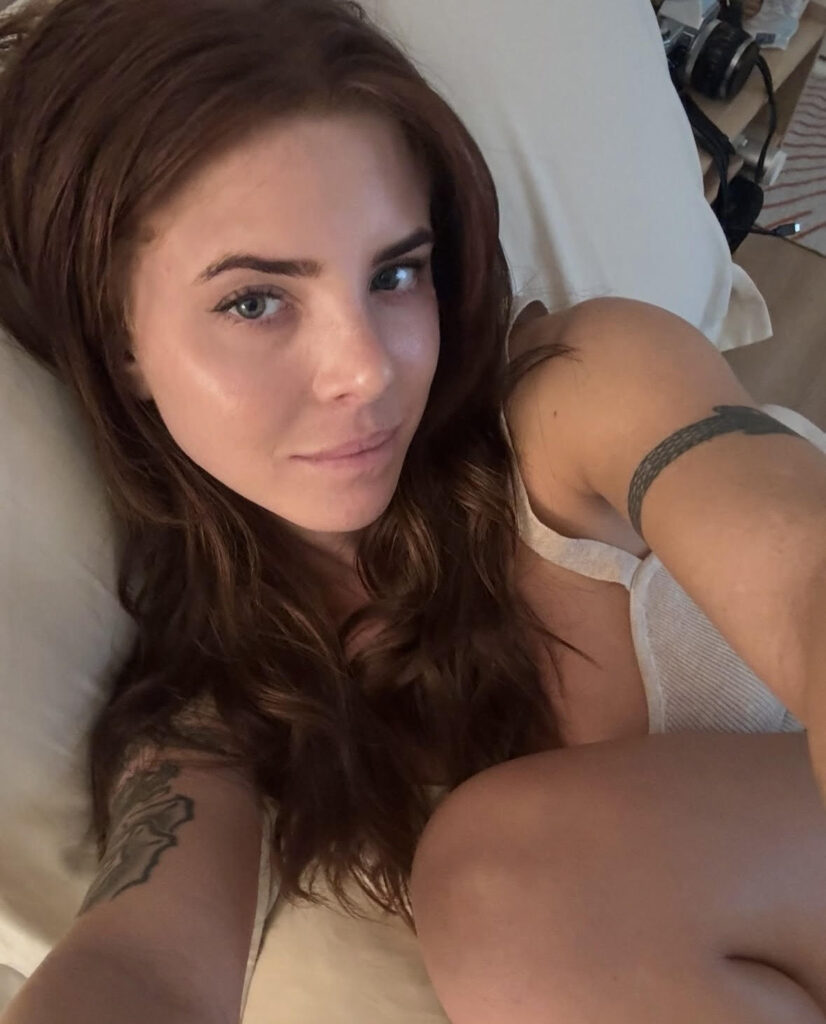
Has your definition of power changed from your early online era to now?
Lumi: In my early online and performing years, power felt closely tied to visibility and control, how I presented myself, how effectively I could shape perception. There was a sense that if I curated the image carefully enough, I could stay ahead of judgment and maintain agency within it. That form of power was real, but it depended on constant engagement and performance.
Now, my understanding of power is less about how I’m seen and more about how I choose to exist. It lives in discernment: deciding when to be visible, when to step back, and what parts of myself are no longer for public consumption. As an adult performer, I learned that being watched doesn’t automatically equal control. True power came later, in knowing my limits, naming my boundaries, and allowing my identity to extend far beyond the persona I once maintained online. Power used to mean being able to hold attention. Now it means being able to release it.
What do you wish audiences understood about the emotional labour of persona, especially when the persona is built from real parts of you?
Lumi: I wish people understood that a persona isn’t a mask you put on and take off cleanly, especially when it’s built from real parts of you. It requires constant emotional calibration – deciding what to amplify, what to soften, and what to protect. Even when the persona is chosen, the labor of sustaining it is real. When audiences engage with a persona, they’re often responding to something authentic, but they don’t see the internal work it takes to keep that authenticity legible and safe.
Do you feel more free when you’re anonymous, or when you’re fully claimed by your name and work?
Lumi: I feel freer when I can move between the two. Anonymity gives me spaciousness, it lets me exist without being read, interpreted, or anticipated. It’s where my nervous system can rest. Being claimed by my name and work, though, carries a different kind of freedom: authorship. It’s the freedom of standing behind what I’ve made and letting it be known that it came from me.
Looking back, what are some of your best memories and worst memories from that chapter?
Lumi: Some of my best memories from that chapter are tied to the creative side of it. Filming my first movie with Erika Lust, doing a cooking-focused project for Dorcel, and working on a short film with Holly Randall all stand out. I honestly forget the exact titles now, but what I remember clearly is how much I loved being on set, running lines, collaborating, and building something everyone felt proud to be part of.
The worst memories are less about any single moment and more about the emotional wear of that period, the exhaustion, the misalignment when I stayed too long in situations that no longer fit, and the pressure that comes with being constantly visible. But even those moments taught me discernment. They clarified what kind of environments I thrive in and what kind of creative work actually nourishes me. When I look back, what stays with me most isn’t the spectacle, it’s the shared focus of a good set, the quiet satisfaction of making something intentional, and the feeling of being part of a team that cared about the work.
Appreciate your honesty Lumi, ty… As an intimacy coordinator, what’s the most common misunderstanding directors or producers have about consent?
Lumi: The most common misunderstanding is thinking consent is a one-time agreement rather than an ongoing process. Many directors or producers assume that once something is discussed or signed off on, it’s settled. In reality, consent is fluid – it lives in the body, the moment, the context.
What feels okay during prep can shift on the day, or even mid-scene. Another misconception is treating consent as a checklist instead of a relationship. Consent isn’t just about permissions; it’s about trust, communication, and creating conditions where people feel safe enough to say no or change their mind without consequence. As an intimacy coordinator, my role is often to remind people that consent isn’t a hurdle to creativity. When it’s handled well, it actually deepens trust and allows performers to be more present, more grounded, and ultimately more truthful in the work.
You talk about building sets rooted in clarity and respect, what does good consent actually look like in practice (not as a slogan)?
Lumi: Good consent looks like clarity before anyone is vulnerable, and responsiveness while they are. In practice, it means expectations are named plainly, what’s happening, what isn’t, where the edges are without euphemism or pressure. Everyone knows the plan, and everyone knows they’re allowed to deviate from it. It also looks like pacing. Check-ins aren’t performative or rushed; they’re real pauses where people are actually listened to. Body language is taken seriously.
Hesitation is treated as information, not inconvenience. If something shifts, the response is adjustment – not negotiation or persuasion. Good consent is supported structurally. There’s time built into the schedule for conversations. There are clear outs, clear safeties, and no punishment for using them. Power dynamics are acknowledged instead of ignored, and responsibility stays with the people holding authority, not the performers navigating vulnerability. When consent is working, you can feel it on set. People are focused, relaxed, and present. There’s less bracing, less dissociation. It’s not loud or ceremonial, it’s quiet, precise, and humane.
What does “doing vulnerable work without being exploited by it” mean to you personally, outside of set life?
Lumi: To me, it means knowing the difference between openness and overexposure. Vulnerable work asks something real of you, it requires honesty, feeling, presence but it shouldn’t require self-abandonment. I’ve learned that I can share truth without handing over my nervous system, my time, or my right to step back. Outside of set life, that looks like choosing when and how I tell my story, not feeling obligated to make my pain legible or consumable for others. It means setting limits around access – what parts of me are for the work, and what parts are for my private life. Doing vulnerable work without being exploited means the exchange stays mutual. I’m allowed to grow, change, and protect myself, even if that makes the work quieter, slower, or less easily packaged.
Has working in consent-centered environments changed your dating life or friendships—like, made you less tolerant, more patient, more direct?
Lumi: For the most part yes, it’s made me much more direct and much less tolerant of ambiguity that hides discomfort. Working in consent-centered environments trained me to notice what’s being said and what’s being avoided. I’m quicker to name needs, boundaries, and misalignments, and I’m less willing to stay in situations where clarity is treated as inconvenient.
At the same time, it’s made me more patient with people who are genuinely learning. I have more compassion for nervousness, for imperfect communication, for someone needing time to find their words, as long as there’s accountability and care underneath it. What’s changed most is that I no longer confuse intensity with intimacy. In dating and friendships, I look for steadiness, responsiveness, and mutual effort. If something requires me to override my body or explain away discomfort, I take that as information and I listen to it.
Where do you draw the line between care and control when you’re protecting a space?
Lumi: I draw the line at agency. Care supports someone’s ability to choose; control replaces their choice with my own comfort or certainty. When I’m protecting a space, my role isn’t to manage people’s feelings or outcomes, it’s to make sure the conditions allow for honest participation. Care looks like offering information, checking in, and responding when something shifts. Control shows up when rules become rigid, when protection turns into surveillance, or when authority is used to override someone’s autonomy “for their own good.” I try to stay curious rather than corrective. The moment my actions limit someone’s voice instead of expanding it, I know I’ve crossed from care into control.
Around 2 years ago, you started your podcast No Substitutes. What sparked that idea?
Lumi: It actually wasn’t my idea, it was Chris, my producer. He came to me with the pitch, and it immediately made me feel seen. He understood the kind of conversations I was already having privately and articulated a vision that felt thoughtful, spacious, and aligned with who I am. And I was excited to try something new, even if I didn’t identify with being a podcaster.
What makes someone a “good guest” to you, someone you can actually go deep with?
Lumi: A good guest is someone who’s comfortable being present without trying to perform. They don’t rush to be impressive or self-protective—they’re willing to sit with a thought, follow a feeling, and let the conversation breathe. Curiosity matters more to me than polish. I’m drawn to people who can reflect in real time, who aren’t afraid of nuance or contradiction, and who can speak honestly without turning everything into a story they’ve already rehearsed. Depth comes from listening as much as talking. Ultimately, a good guest trusts the space. They don’t try to control how they’re perceived – they’re willing to be themselves long enough for something real to emerge.
Food keeps showing up in your conversations, why do you think food unlocks honesty faster than direct questions do?
Lumi: Food is tied to memory, class, culture, comfort, control, and care. When someone talks about what they crave, what they avoid, or how they were fed growing up, they’re revealing values and history without having to self-analyze. It gives me emotional data without putting people on the spot. Food lets people tell the truth sideways. By the time we get to the bigger questions, the honesty is already there.
So why did you stop recording the podcast?
Lumi: I stopped because my life and priorities were shifting, and I didn’t want to keep recording out of momentum instead of intention. No Substitutes requires a certain level of presence – emotionally, creatively, and energetically and I reached a point where I couldn’t give it that without stretching myself too thin.
You’re drawn to essays that sit between philosophy and lived experience. What are the questions you keep circling no matter what you write?
Lumi: I keep circling questions about how perspective shapes understanding – how an idea, a book, or experience can quietly reframe the way we see ourselves and the world. I’m interested in what happens when certainty loosens and curiosity takes over. I return often to questions of knowledge and humility: how much of what we believe is inherited, how much is examined, and how often growth comes from realizing how little we actually know. Philosophy appeals to me because it resists final answers, it keeps the mind awake.
You say you don’t believe in erasing chapters, only integrating them. What chapter was the hardest to integrate, and why?
Lumi: I think losing my sister and watching my mother live through that loss, changed the architecture of my inner world. At the time, it felt like a kind of heartbreak that would never loosen its grip. And maybe it didn’t disappear so much as transform. That grief metabolized into an awareness of life and death that never really leaves me. It sharpened my sense of impermanence, of how fragile and precious attachment is.
It taught me that love is not something you engage in safely, it costs something, always. And still, I wouldn’t trade that pain for ignorance. I would rather know the depth of loving someone fully and losing them than live untouched by that kind of connection. Grief became the proof that love mattered, that it was real enough to leave a mark. Integration, for me, wasn’t about healing in the sense of forgetting. It was about allowing loss to deepen my reverence for being alive and choosing gratitude, not despite the pain, but because of it.
What does “authorship of my own life” look like day-to-day—habits, boundaries, rituals, the way you choose projects?
Lumi: Authorship shows up in small, repeatable choices. It’s in how I structure my mornings prioritizing my nervous system. It’s in habits that favor clarity over urgency – moving my body, feeding myself well, reading things that stretch me instead of scrolling for stimulation. It lives in boundaries that are quiet but firm.
Try to not over-explain my no’s. Paying attention to how my body responds before I agree to anything, and trusting that information. I choose relationships and collaborations where communication is direct and respect isn’t performative. Ritual matters to me, not in a mystical sense, but as a way of marking intention. Cooking, walking, writing, these are ways I remind myself that my life isn’t just something I move through, it’s something I participate in. When it comes to projects, authorship means I choose alignment over visibility. I ask whether something expands my thinking, respects my time, and allows me to stay honest. If a project requires me to fragment myself or move faster than my integrity allows, I let it pass.
When you write, who are you writing to: your mother, your past self, an imagined reader, or someone you can’t name?
Lumi: All of the above i think in a way. When I write, I’m not usually writing to one person. It feels more like I’m writing through layers of relationship. There’s my past self in it – the one who didn’t have language yet. There’s my mother, in the sense that I’m always aware of lineage, of what gets passed down and what gets interrupted. But most often, I think I’m writing toward someone unnamed. An imagined reader who is paying attention, who doesn’t need to be convinced or explained to, who is willing to sit with complexity. Writing becomes a way of reaching for shared recognition rather than response. In that way, it’s less about being understood by a specific person and more about creating a place where understanding could happen.
You link identity to travel, what places have changed you the most, and what did they unlock?
Lumi: Travel didn’t reinvent me; it stripped things back. Paris taught me patience – how to sit with ideas, meals, conversations long enough for them to matter. Copenhagen and Malmö showed me how systems shape dignity, how a well-designed life can feel quietly humane. The Greek Islands reminded me that pleasure isn’t laziness, it’s intelligence. Japan and South Korea sharpened my awareness of detail, discipline, and respect how meaning lives in the smallest gestures. Cuba and Mexico taught me about resilience – how warmth, humor, and generosity survive regardless of circumstance. What these places unlocked wasn’t escape, but perspective. They reminded me that identity isn’t fixed, it’s something you refine by paying attention to how other people live.
Do you reinvent yourself when you travel, or do you finally become more yourself because nobody knows you?
Lumi: I don’t reinvent myself when I travel, I shed layers. When nobody knows me, there’s no pressure to explain or perform, no version of myself I have to uphold. What’s left feels simpler, more honest. Being a stranger offers a rare kind of permission. I move differently. I listen more. I pay attention to what I’m actually drawn to when there’s no audience shaping the choice. My instincts get louder when everything else goes quiet. Travel doesn’t give me a new identity. It returns me to the one that exists beneath habit and expectation. In places where no one is asking who I am, I get to find out again for myself.
What does “softness vs survival” look like in your life right now, where are you soft, and where are you still armored?
Lumi: Right now, softness shows up in how I let myself slow down without guilt. I’m softer with my time, my body, and the pace I expect from myself. I allow rest, pleasure, and curiosity to exist without needing to justify them. I’m more willing to be moved by things – books, meals, conversations, without immediately turning that feeling into output or usefulness. The armor is still there, though. It lives around my boundaries with access – who gets my energy, my intimacy, my attention. That armor was built for survival, and I don’t resent it. I just try not to let it harden into isolation. I’m learning that softness and survival don’t have to be opposites. Softness is something I choose now, not something I earn after everything is safe. And the armor I keep isn’t meant to hide me, it’s meant to protect what I’m still growing.
The internet rewards extremes—hypersexualization, oversharing, branding. What parts of you refuse to be “content”?
Lumi: I refuse to post anything for shock value or rage bait. I don’t believe you have to be loud to make space for yourself, or provocative to be seen. If anything, I’ve always respected people who don’t force attention, who move quietly, create their own space, and let integrity and kindness do the work instead of spectacle. I’m not interested in manufacturing outrage or urgency just to stay visible. I trust a slower presence, one that doesn’t ask to be noticed but earns attention through consistency, thoughtfulness, and restraint. For me, choosing not to participate in that noise is its own form of authorship.
You’ve worn many hats: chef, podcaster, writer, coordinator, producer. Which hat feels like your future, not your past?
Lumi: None of those hats feel like something I’m leaving behind, they feel like materials I’ve learned to work with. I imagine all of them continuing to shape my future in different ways, whether that’s writing a book, directing, spending more time on set, or creating a cooking channel. I’m deeply grateful to have a life that allows for exploration, to move between disciplines without having to collapse myself into a single identity. I trust that these interests will keep evolving, and that new ones will emerge too, maybe as an intimacy coach, or even a therapist. What matters most to me isn’t choosing one path, but staying in relationship with curiosity. That’s what makes the work feel alive.
If you could build a project that fully represents you, no compromise, what would it be: a book, a film, a restaurant, a travel series, something else?
Lumi: I would love to do travel projects in the spirit of Anthony Bourdain – not to replicate what he did, but to carry forward the ethos. Travel that isn’t about spectacle or luxury, but about people, context, and paying attention. Food as an entry point, not the destination. What draws me to that format is its honesty. Showing up curious instead of authoritative. Letting places speak for themselves. Allowing discomfort, contradiction, and silence to exist on screen. I’m interested in travel that feels lived-in rather than produced – stories that come from sitting at tables, walking neighborhoods, listening more than talking. Less performance, more presence. That kind of project feels aligned with how I already move through the world.
What do you want to be remembered for, when the noise around adult fame has faded?
Lumi: When the noise around adult fame fades, I hope what remains is the sense that I paid attention – to people, to craft, to the weight of intimacy and responsibility. That I didn’t flatten myself or others for momentum. I want to be remembered as someone who lived deliberately. Who made space rather than took it. Who understood that the most meaningful work often happens quietly, off-camera, and without applause and chose it anyway.
Ok Lumi, now to something totally different. In a parallel universe who would you be? and what would you be doing?
Lumi: Honestly can’t picture myself as anyone else. But if I had to pick: maybe a photojournalist for National Geographic. Or I’d be running a tiny bed and breakfast in Spain or France with bad Wi-Fi, great bread, emotionally involved in my guests’ lives for no reason. Realistically though I’d probably be a dragonfly. Short lifespan, gorgeous, zero responsibilities, just vibing and disappearing when things get weird.
Outside of everything we talked about, what’s something you’re obsessed with right now, maybe a hobby, a show, or even a sport, that keeps you grounded or inspired?
Lumi: Right now I’m fully obsessed with The X-Files – I love the paranoia, the slow pacing, the commitment to mystery. It’s comforting in a strange way. I’ve also been teaching myself how to paint landscapes, knitting things that are very imperfect, and writing even when it’s bad. I’m into cooking easy, cheap meals, and ending the week with oysters and a glass of Sancerre with friends. Really anything that keeps my hands busy, my brain curious, and my life feeling pleasantly human.
Can you tell me a story about a time when a connection with someone had a big impact on you?
Lumi: Recently, I met Erykah Badu, and it felt like every version of me going all the way back to being in the womb was held at once. There was a warmth to her presence that was immediate and disarming. Looking her in the eye and telling her how much her music has meant to me felt surreal, grounding, and overwhelming in the best way. It’s a feeling I don’t think I could ever replicate. Something about it bypassed intellect and landed straight in the body. Pure recognition. It made me believe, fully, in meeting your heroes and telling them their art mattered to you.

What qualities do you find most important in the people you choose to spend time with?
Lumi: Presence, self-awareness, and kindness. I’m drawn to people who are actually in the room, who can reflect on themselves without defensiveness, and who treat others gently without it being performative. I value people who listen as much as they speak, who take responsibility for their impact, and who move through the world with a baseline of care. Those qualities make everything – conversation, work, friendship – feel more honest and more spacious.
Anybody you look up to?
Lumi: Casey Calvert. I admire her intelligence, discipline, and how seriously she takes her work and her inner life. She’s thoughtful, principled, and unafraid of nuance – someone who leads with integrity rather than noise.
What motivates you?
Lumi: Curiosity motivates me more than ambition. I’m driven by the desire to understand – people, myself, the world and to stay in conversation with that understanding as it changes. Oh and money.
How would you describe a perfect day?
Lumi: A perfect day would begin without urgency. Light entering the room before thought does. Coffee made slowly, something alive outside the window – birds, wind, a tree doing what it’s always done. I’d move my body just enough to feel inside it. I’d read something that asks me to pay attention, then write for a few hours, carried by a steady, unforced current of inspiration. There would be time for food made simply, eaten fully. A walk with no destination. The day would ask nothing extraordinary of me. Only that I notice it. That I be present for the small, generous details – warmth, silence, connection. And by evening, I’d feel gently used by the day, not depleted. Like I had belonged to it, and it had belonged to me, without effort.
Alright Lumi, I always ask these two questions at the end of an interview. The first is. What’s your favorite movie(s) and why?
Lumi: My favorite movies tend to span chaos, romance, darkness, and wonder – sometimes all at once.Snatch and Dumb and Dumber sit side by side for me because I love sharp dialogue and unapologetic absurdity. They’re fast, ridiculous, and strangely precise. The Fifth Element, Raiders of the Lost Ark, and Return of the Jedi tap into pure imagination – worlds where adventure, color, and courage still matter. I’m drawn to films that ask bigger questions too: (i) Origins and The Worst Person in the World for their honesty about identity, love, and becoming. Before Sunset for how much meaning can live inside conversation and time. Then there’s the darker, more complicated terrain – Gia, Secretary, Oldboy, and The Silence of the Lambs – films that don’t flinch, that explore power, obsession, desire, and consequence without asking for comfort. And I’ll always love movies that feel like a gentle spell: Howl’s Moving Castle, Amélie, Moonrise Kingdom, and Charade – stylized, tender, a little surreal. I guess what ties them all together is tone over genre. I love movies that commit fully to their world, trust the audience, and let humor, beauty, or darkness exist without apology.
The second is. What song(s) are you currently listening to the most right now?
Lumi: Lately, my Spotify says I’ve been in a Bad Bunny phase especially since the Super Bowl but neo-soul is always my home base. Paradise by Sade, Closer by Goapele, I Found My Smile Again by D’Angelo are constant returns for me. Sofi Tukker and OutKast always sneak into my repeats too