Share this
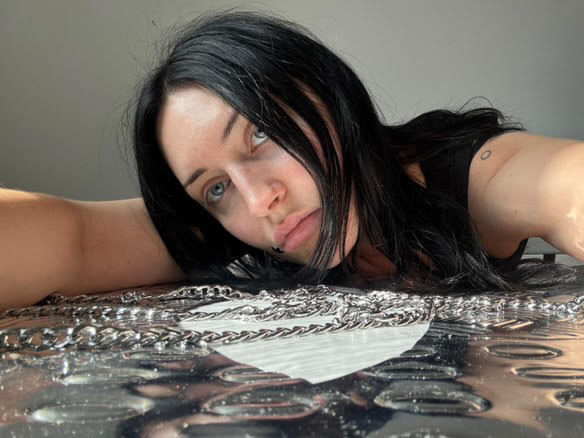
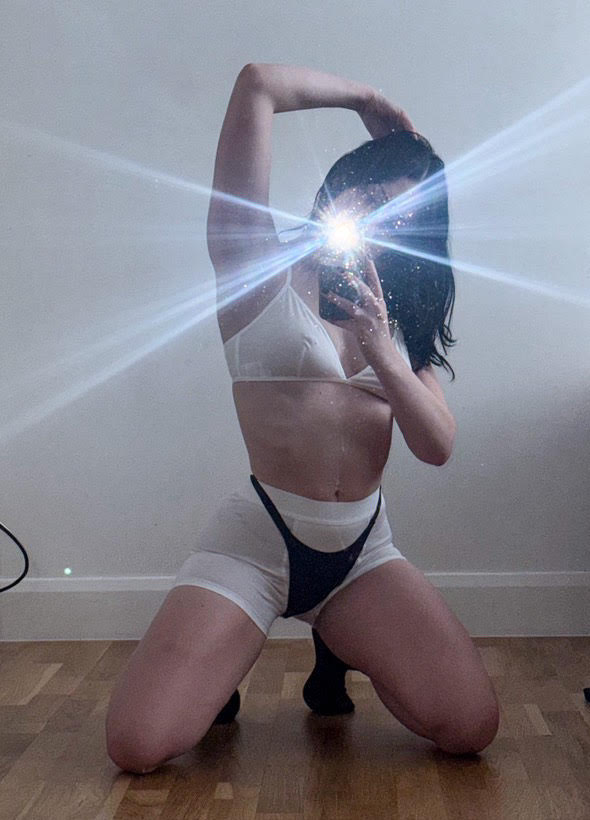
Ozziline Mercedes is an interdisciplinary artist working with words, performance and digital image. She sees Her body as the primary investigative tool: transforming her own desire and first hand experiences from within the sex industry into a research database that informs Her practice. Particularly interested in the intersection of [erotic] labour, fetish and pop culture, Her writing style combines fantasy narrative with social myth and gender theory, through a psychoanalytical & philosophical lens.
Hi Ozziline, It’s a pleasure to sit down with you. First question that I always ask. How does a regular day look like for you in London?
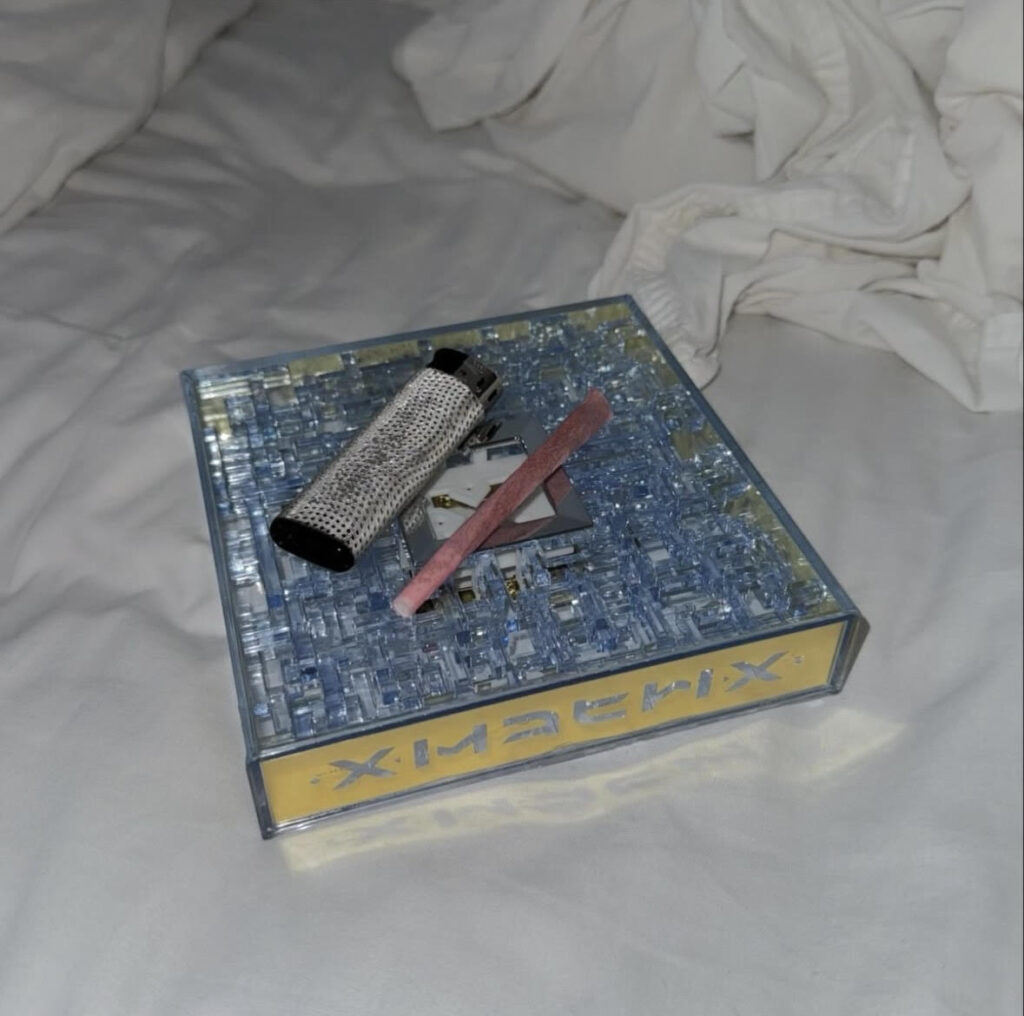
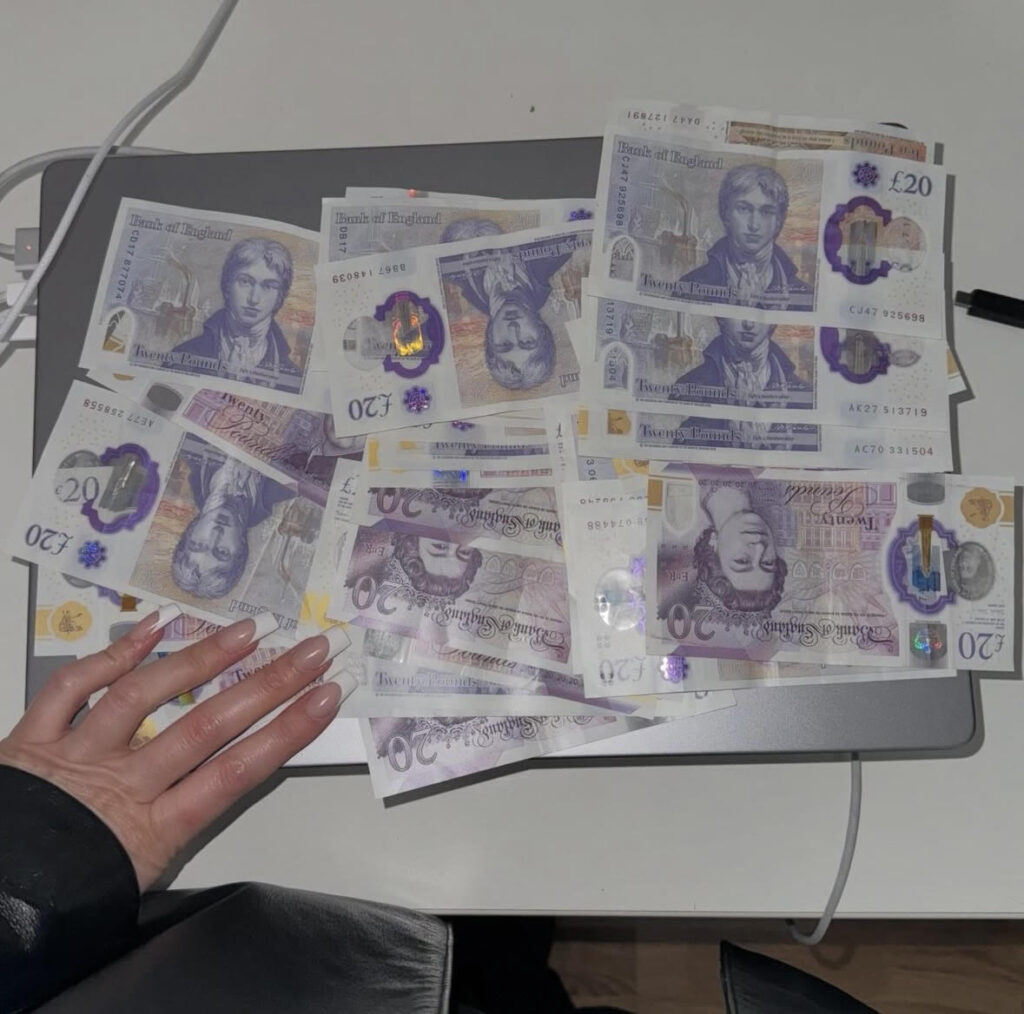
Ozziline: Hello, the pleasure is mine. My days are very irregular actually, so there are 1000 answers. But in short, I’m mostly hiding away, going to beauty appointments, writing from my bedroom, having baths at 1pm, making work in my studio. Or running around London, hosting Dominatrix sessions in the dungeon, going to events, or walking through the city alone. I love doing that. I do however love ritual, so I always start the day with coffee, some yoga and going through my to-do-list on my notes app.
I’m curious, growing up, what kind of kid were you? What did you enjoy doing, and how did you spend your
Ozziline: My parents tell me I walked out of the womb as an adult, so I’ve always been afforded a lot of freedom. I was a very active kid and always interested in doing things, spending a lot of time doing the monkey bars in the playground or cycling around the estate I lived on when I was small. I’d force my friends to make up dance routines with me or perform fashion shows to our parents. Dressing up has always been a part of me. Maybe because I’ve loved pop culture since I can remember. I had lots of music video compilations on VHS and always watched The Simpsons, Xena the Warrior Princess and Buffy the Vampire Slayer with my dad on TV, it was so good when there were only five channels. But hiding out in my bedroom has always been my favourite pastime. I’d often make potions, listen to CDs on my very 90s CD player or give myself a transformative makeover.
Do you remember approximately at what age your creative side started to show? And when did you start taking being an artist seriously?
Ozziline: There’s never not been a creative side for me. Both of my parents are artists, so I don’t really know life without that. Everything we did as a family related back to art, all the trips we went on, the conversations I overheard, all their friends were artists, and the kids I grew up with were kids of artists too. I’ve always enjoyed watching people. As a teenager I’d often carry a camera with me, and I had a phase of wanting to be a makeup artist too. I rejected this all in my early adulthood, because I’d felt a lot of chaos growing up around so many artists. I was set on becoming something ‘professional’ like a photo journalist or pilot, but that didn’t work out with my attention span. So I only started taking being an artist seriously when I accepted it was in me. I became very unhappy during the years I’d tried to oppress it and have done a lot of therapy to undo the darkness I affiliated with this part of me, or the brain inside me that makes me an artist. That was probably about 6 years ago.
You describe your body as your primary investigative tool. How do you translate bodily experience, something so private and sensory, into art that exists for public viewing?
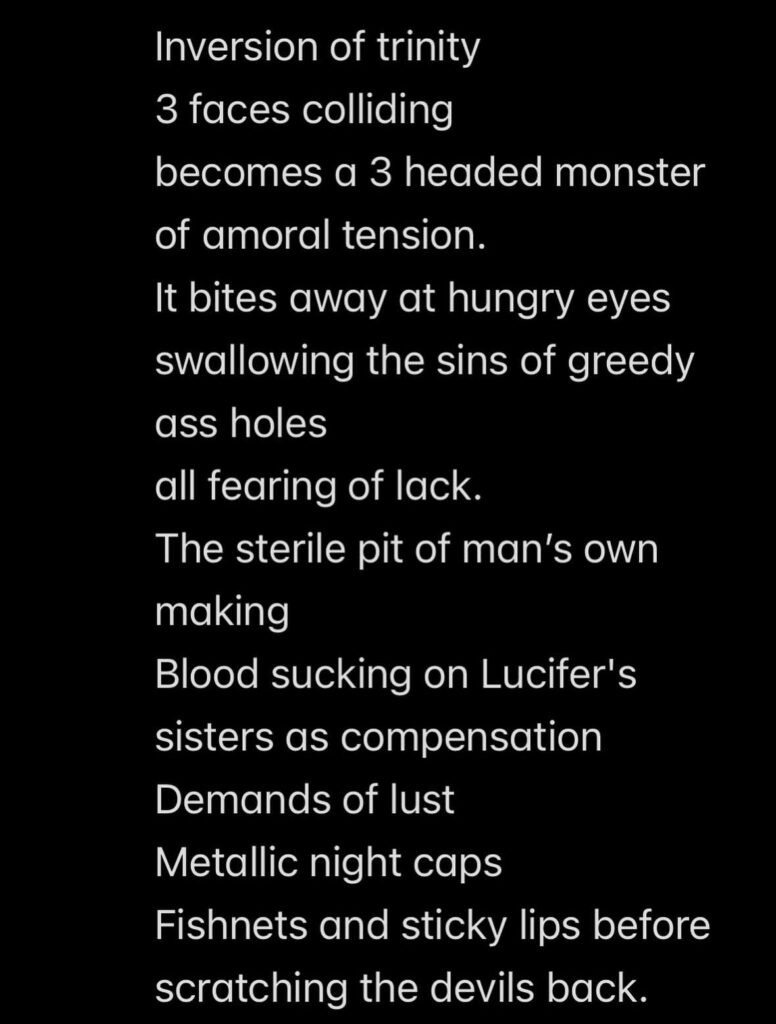
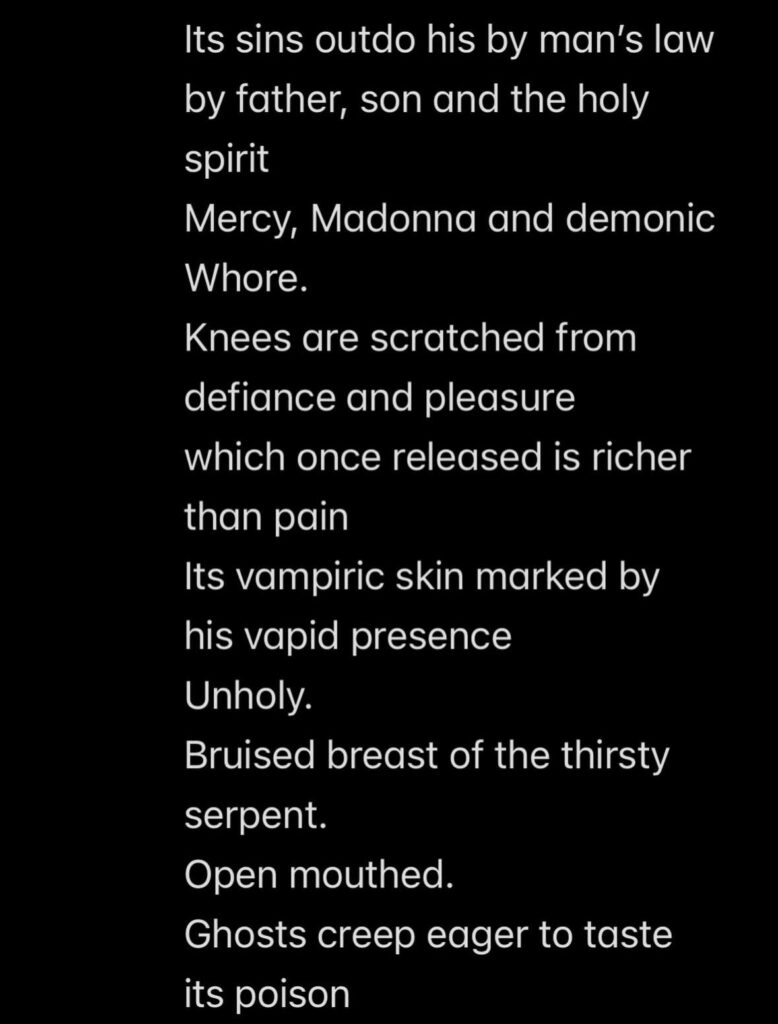
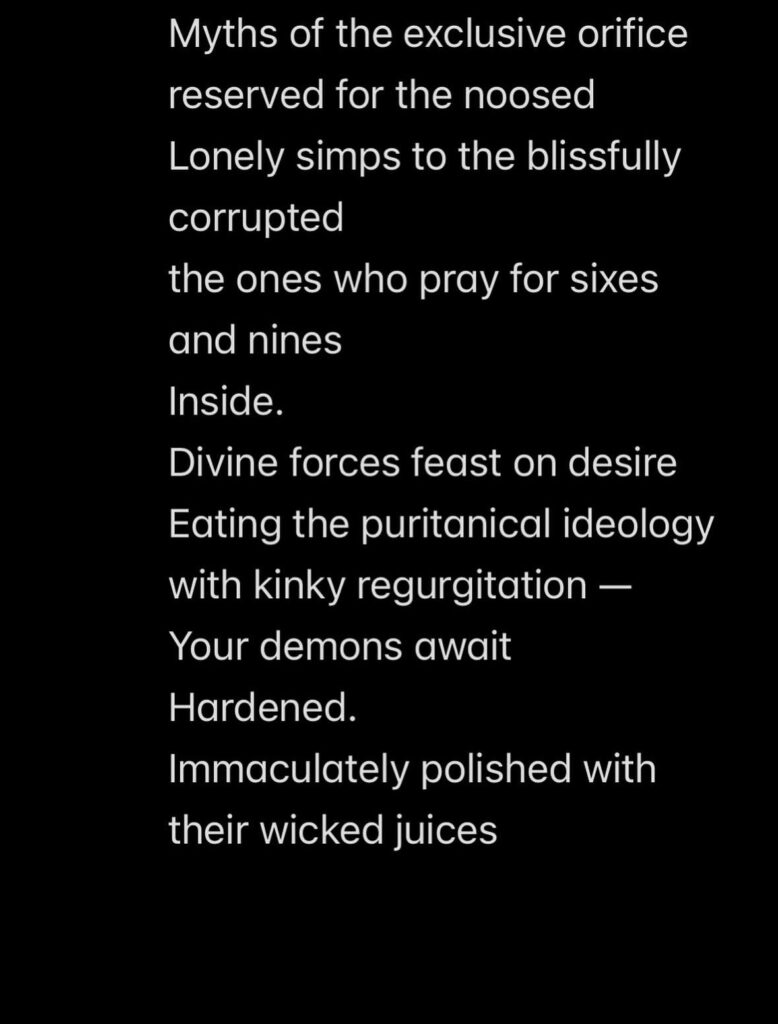
Ozziline: This is something I’m still experimenting with. My background is photography, which developed into performance during my Photography BA, so I’ve always switched between mediums to figure out what works best. In the last year I’ve found that writing seems to be the most instinctive form of translation. When I write it feels like it really pours out from the deepest part of me, even if I don’t want it to, and that allows me to show the vulnerability existing within erotic labour, within using my body and life experiences as the primary ‘tool’ to inform my practice.
Is there a moment or performance where you felt your body stopped being “you” and became pure medium?
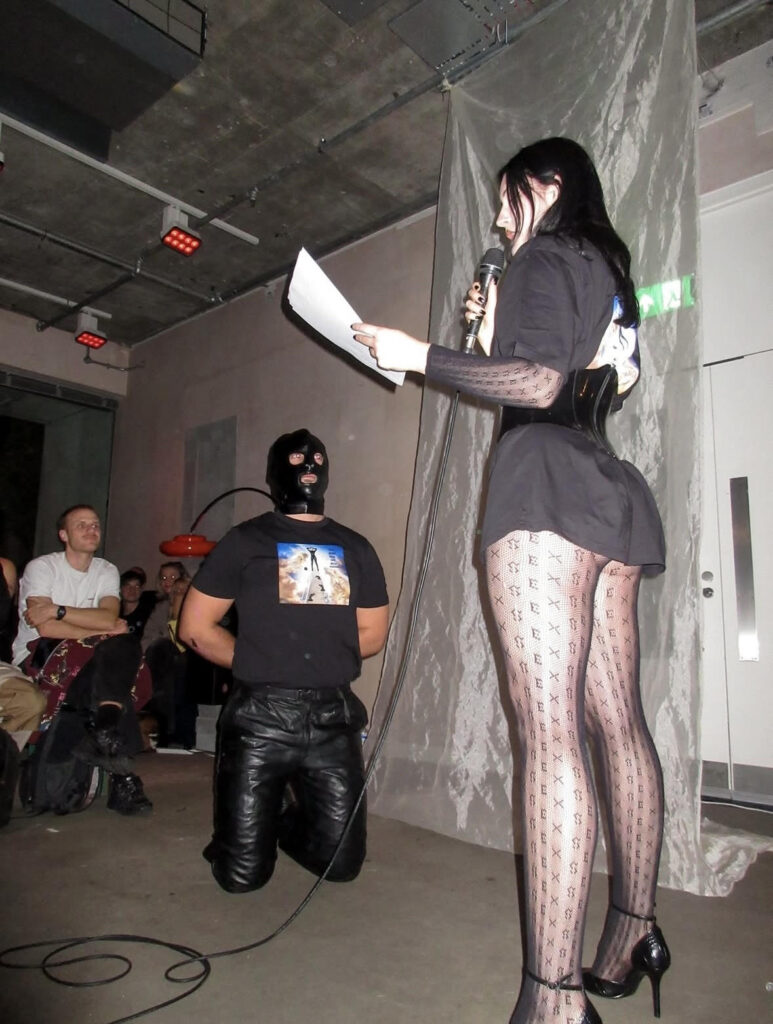
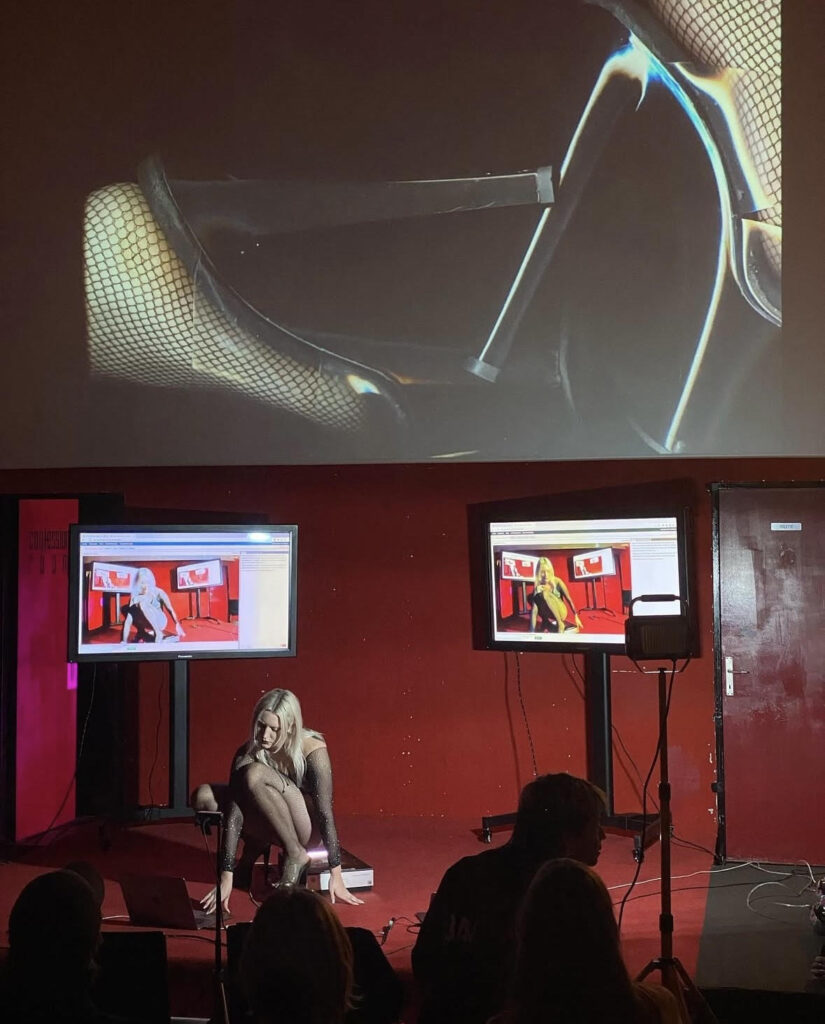
Ozziline: When I first started performing live, I often felt like it was a performance of a performance. Having trained as a photographer, I think I’d become too used to looking, so when I performed in front of people it was like I was watching myself too. This in turn made me hyper aware of ‘me’ being the performer, rather than performance being the medium. The only times it becomes pure medium is when I’m performing to the camera. The camera feels like an extension of myself that I trust and know, I think this allows me to detach ‘myself’ in a way that doesn’t come as natural to me in real life, because I’m actually naturally introverted and shy. And more recently in my new performances. I’ve been doing performative readings this year, and so ‘performance as pure medium’ is at the forefront because the performance isn’t “me”, it’s my writing. And even though my words are so raw and vulnerable, they carry me in a way that removes my ability to watch myself.
How do you navigate the line between embodiment and exposure, between using your body as language and being consumed by the gaze?
Ozziline: This is something that I’ve really had to learn, and working in the sex industry has significantly contributed to that lesson. As I mentioned, I’m an introvert, but I do have this other side of me that just takes over. She often feels like a monster or demon with multiple heads, that wants to be seen and to fuck it all up. ‘It’ being the perception of ‘woman’. I’ve now (mostly) learnt to control and channel her into the times that I need her, when I am being observed or ‘consumed’. But she can only exist because I take a lot of time to myself, and prioritise alone time where I am not seen or reachable by anybody. Almost like the silent programmer of an avatar.
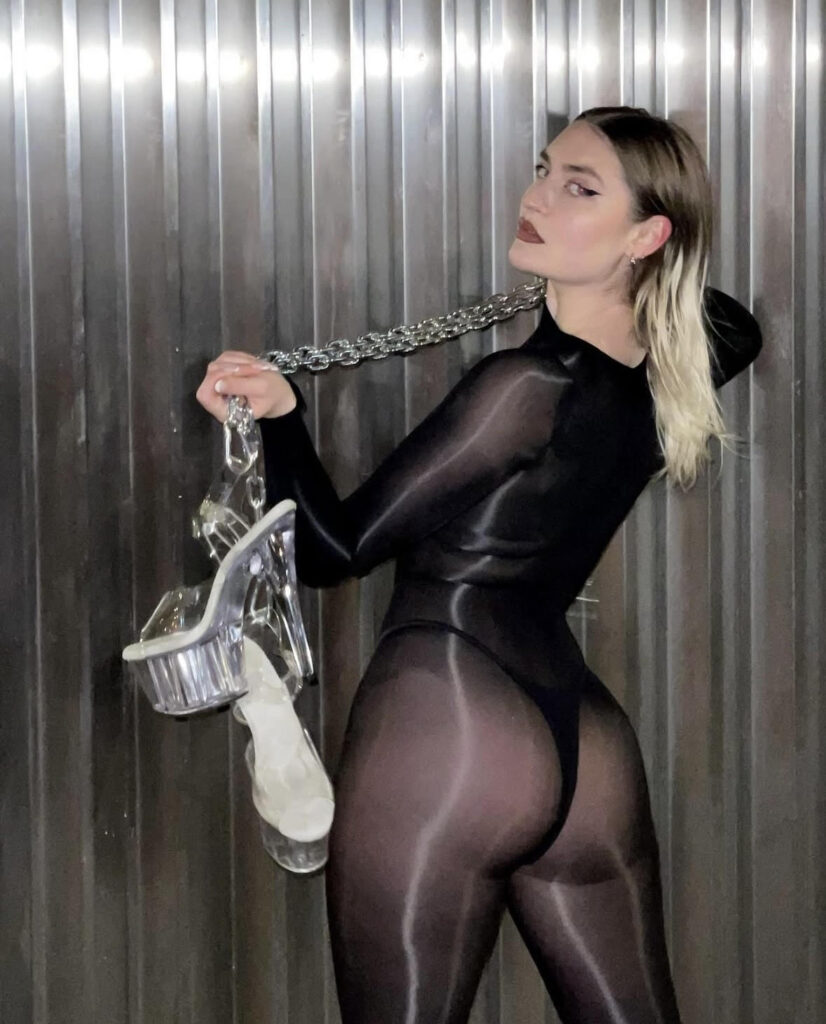
What does “pleasure as research” mean to you?
Ozziline: I’ve never been very good at not fulfilling my desires. And I think this is why, before entering the sex industry, I found the side of myself that pushes this to feel monstrous and demonic, ‘unruly’. Women are taught to behave a certain way which usually relates to self-oppression: thinness, tamed sexuality, submission, to nurture. These are made up ‘feminine’ traits that stem from patriarchal, puritanical ideologies and defy a woman’s own ‘desire’, inciting control upon her.
This has enabled gender violence for centuries, as women that follow their desires, that follow ‘pleasure’ have historically been persecuted, accused as being witches, or killed for being whores. All mythological tales of ‘demonic women’ are based in social anxieties related to the innate power that females possess. So I see “pleasure as research” as a way to dissect what these ideologies actually mean, to understand the structures of control and systems of oppression we’ve been conned into following, and the ways in which we can undo these myths.
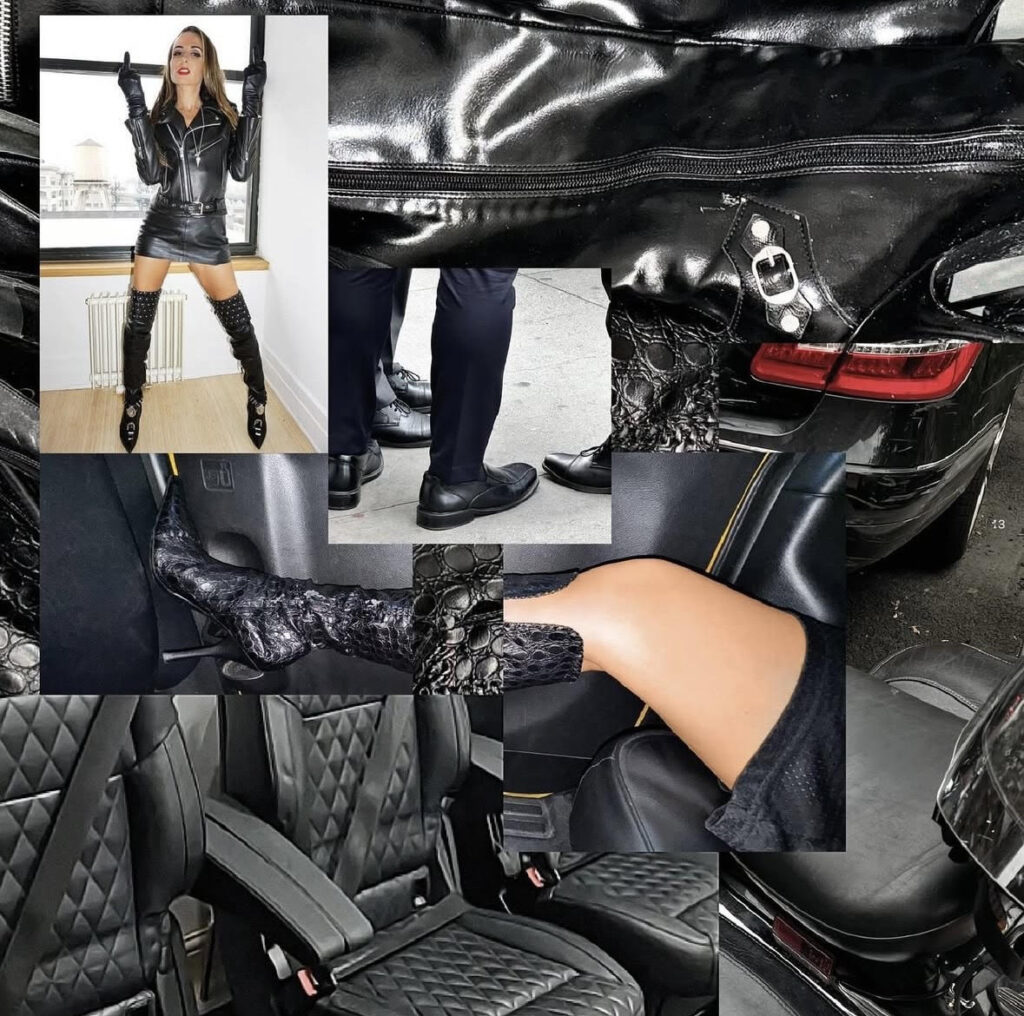
You’ve spoken about transforming your experiences within the sex industry into a kind of database. What kind of truths do you think can only be accessed through erotic labour?
Ozziline: Erotic labour really is at the forefront of humanity, in my opinion. You are given access to people’s most innate fears, desires, anxieties, perversions, dreams, nightmares, traumas. I have a yearning to know ‘the truth’, the things people hide. And I am exposed to this in a heightened way because I am trusted with my clients’ secrets; they tell me things and show me vulnerabilities that they’ve often never revealed to another soul. That’s an enormous privilege to experience.
Erotic labour speaks to our innate primality, but also to the ways in which we value people, and how the progression of the human race has made us into labour machines. So I’m interested in this, in the concept of ‘work’, what humans denote as ‘real’ or not. And erotic labour is something that some people find very challenging, to the point that it is not legally classed as ‘real work’ in most places around the world. This is just so deeply fascinating to me, because it highlights that anything inherently ‘female’ is ‘wrong’. Erotic labour contains sexuality, nurture, and domesticity, and is also the oldest trade in history, historically supporting the the ‘unmarried’ woman, so I think just being in this whilst accessing the minds of the men who also want to oppress it, is just a mind fuck that reveals so much.
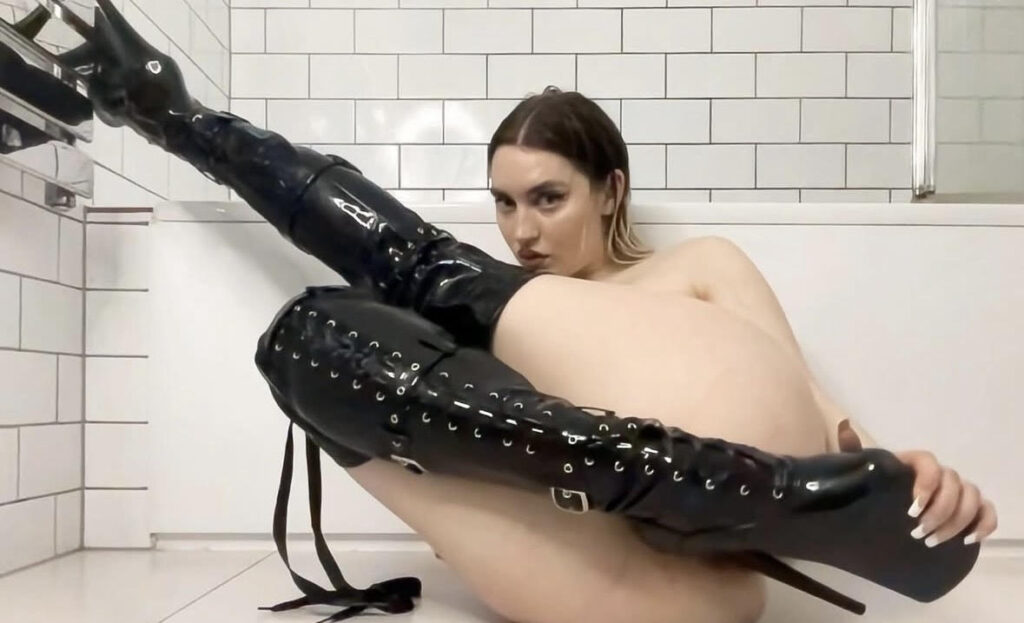
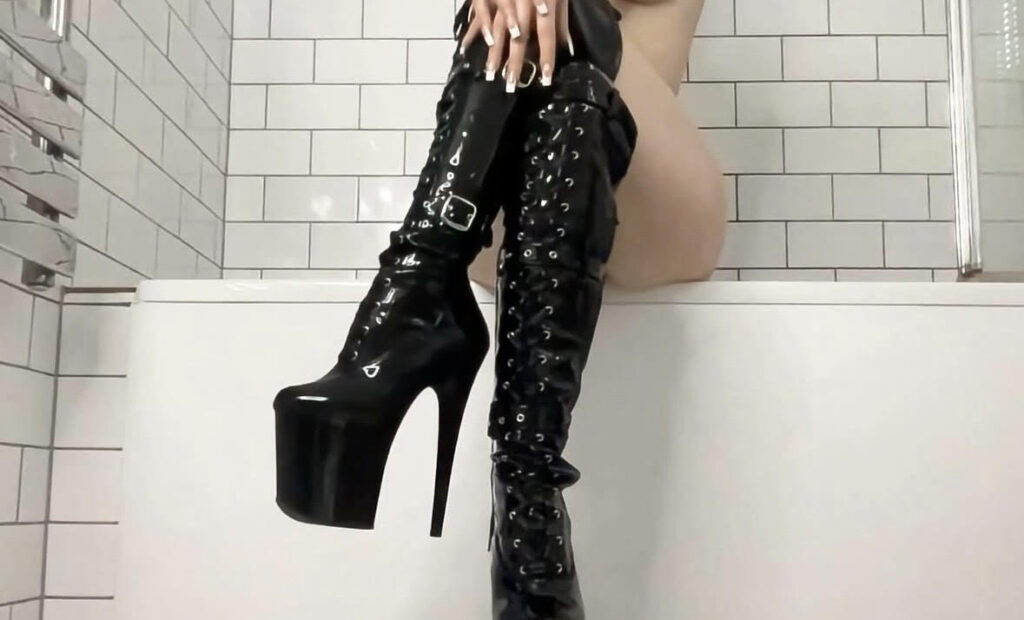
Do you think the sex industry has its own aesthetic language, a visual or emotional code, that you try to translate into your work?
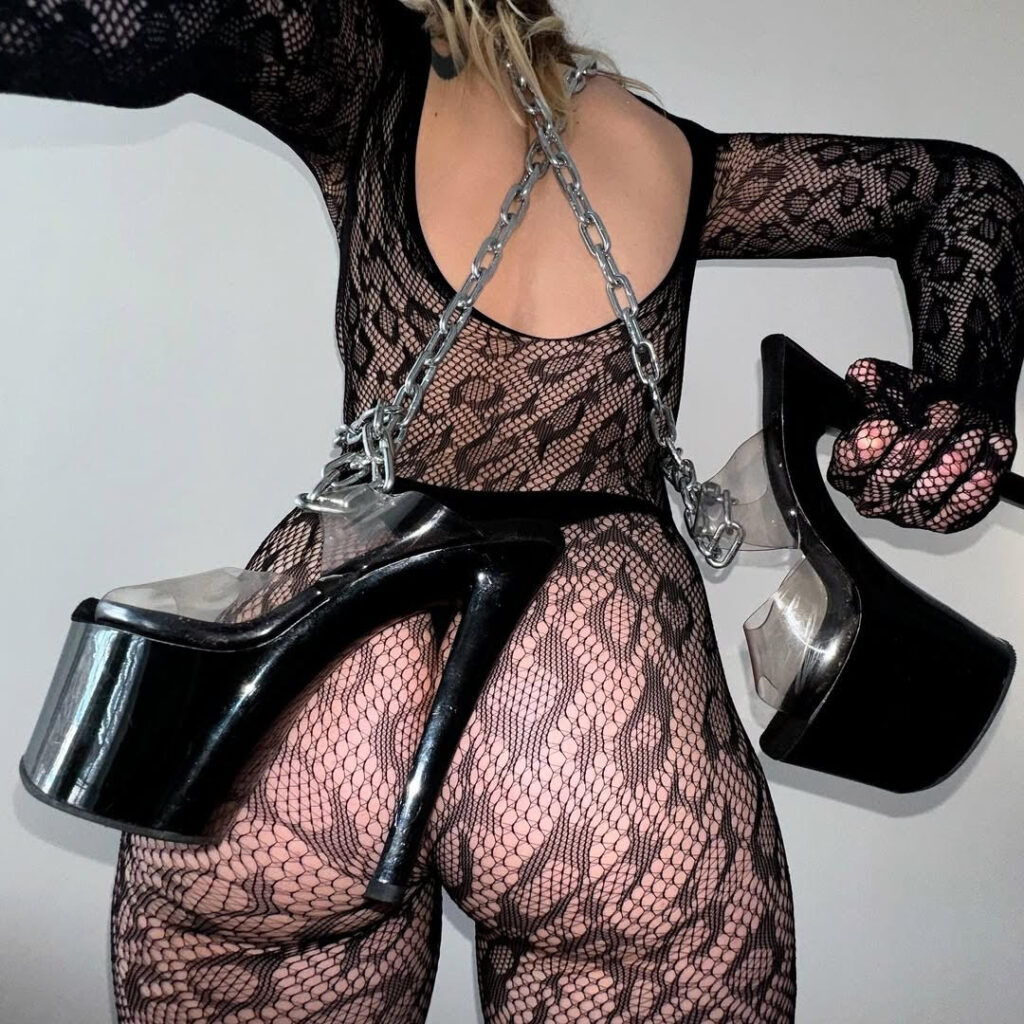
Ozziline: Yes and no. The sex industry is vast and everyone in it or that consumes it has their own experiences, and therefore languages and codes of it. But because I’m mostly interested in the concept of ‘work’ – I’m very into uniforms and tools – I do enjoy playing on ‘uniform’ and ‘tool’ tropes that are synonymous with the sex industry. When I was a stripper I made a lot of images and performances containing the Pleaser shoe, which is the heel specifically designed to be worn and danced in by the stripper for long periods (8 hour night shifts).
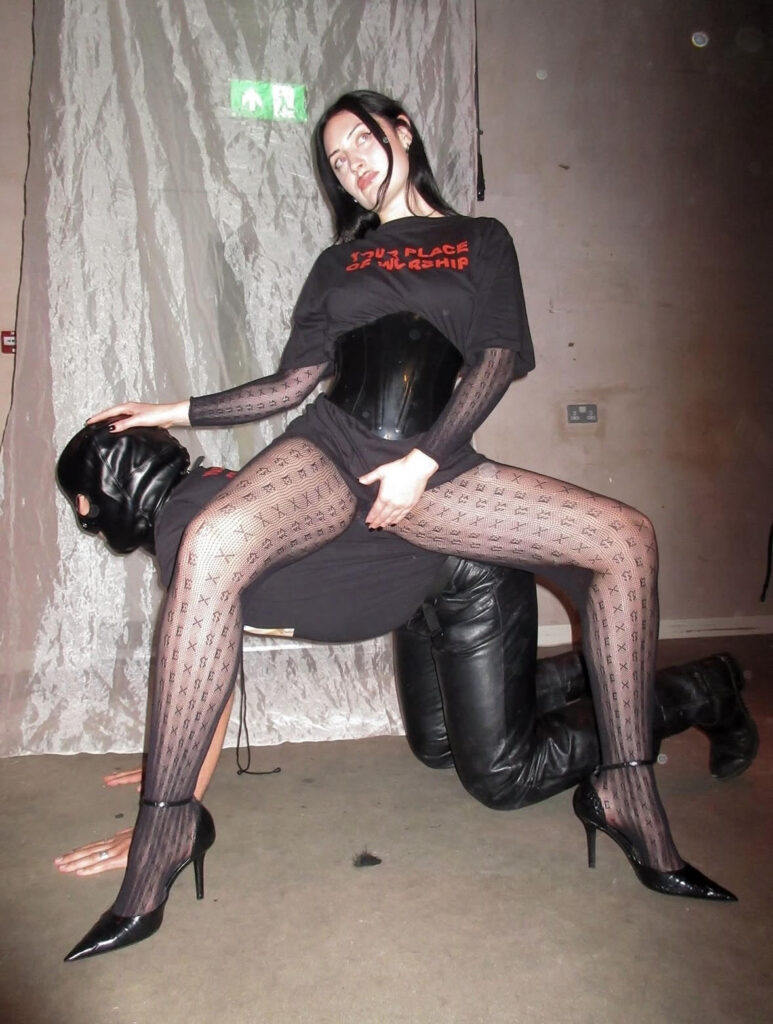
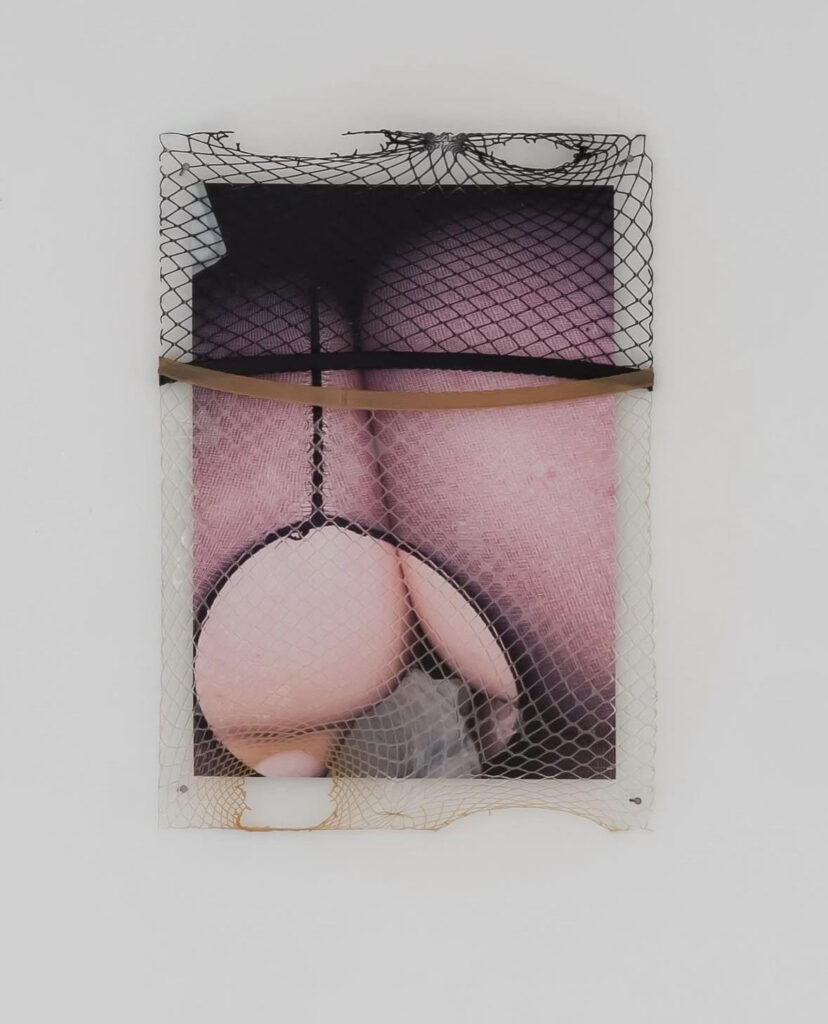
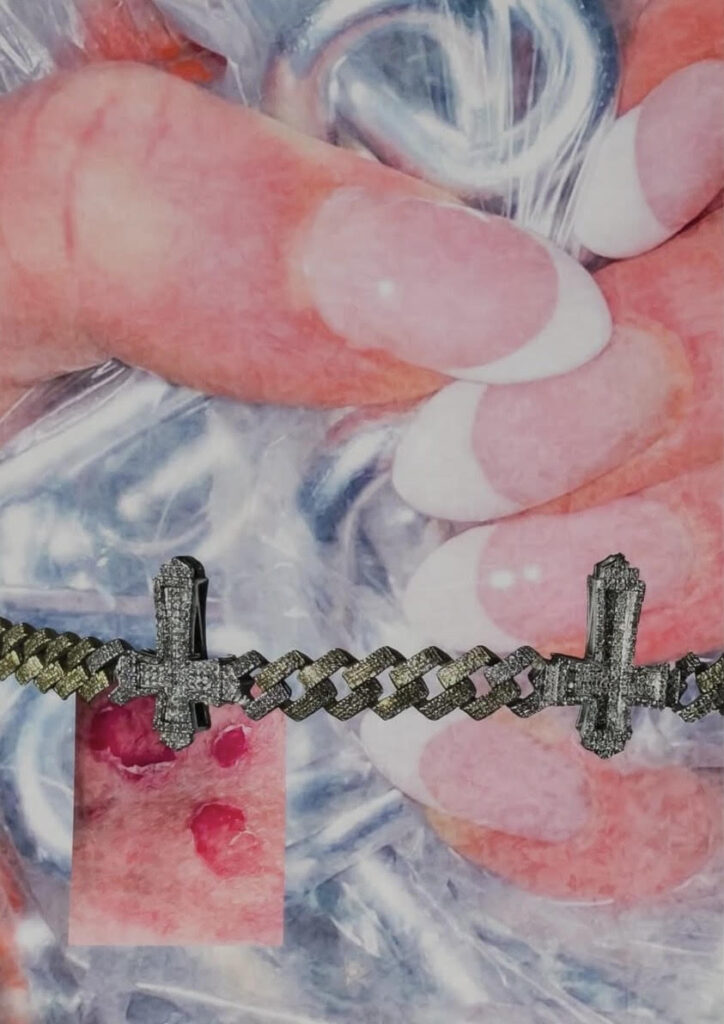
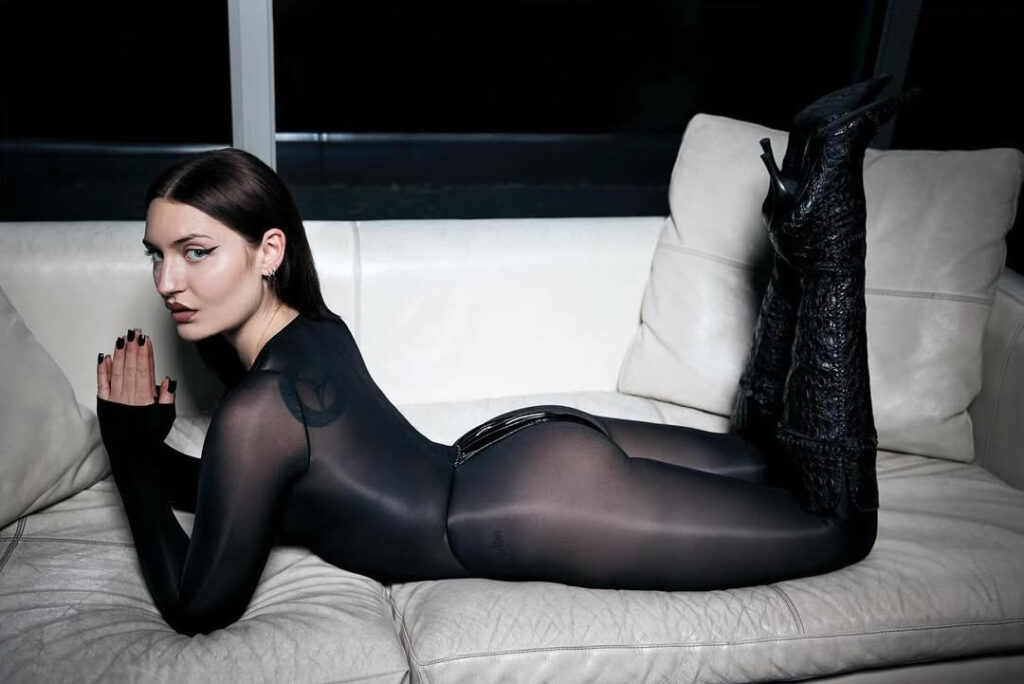
I also made some wall piece works last year for a group show titled ‘Working Girls!’ of images taken during my strip club stints printed onto materials found in the sites of our labour, including leatherette and velour. Now that I’m a Dominatrix, I’m enjoying experimenting with leather, metal, latex and PVC. The newest works I’ve made contain these materials mostly, but I’m a fetishist of these materials too, so they may be more aligned with the emotional code I personally feel from erotic labour than aesthetics.
Has your relationship with power changed through working both in and on the erotic economy?
Ozziline: Absolutely. The erotic economy has made me much more aware of what I’m capable of, and what people in general are capable of, negatively and positively. I don’t think many people are able to reach or access this, because those in societal ‘power’ do everything they can to pull us away from our own power, and because you really can only get there if you belong in a space that allows you to see it. The erotic laborers I know are the most powerful people I’ve ever known, not because they see their own power, but because they can see the insides of others in a way that operates in the unseen, on an almost other worldly plane.
Your writing merges fantasy, myth, and gender theory, how do you decide when to speak through the voice of an academic versus the voice of a mythic figure or storyteller?
Ozziline: This I don’t really know the answer to. My brain functions as a web, which is a blessing and a curse. I often don’t make sense when I speak out loud because there are too many thoughts, so I don’t talk a lot. But when I write I’m able to formulate this web into something that’s readable and cohesive. My degree was very theory heavy so we wrote a lot of essays, so now when I write it naturally drifts between academic to mythic storyteller.
There’s a psychoanalytic thread running through your work. Do you see desire as something that can ever be truly known or “decoded”?
Ozziline: Yes. If ‘desire’ could ever be truly known or decoded it would merely be pieces of information as opposed to an idea of something we can never truly obtain. If everything mystical became fact, or something we could touch, then life would be extremely boring. I hope that desire shall always remain this way.
What draws you to the intersection of fetish and pop culture? and where do you see those two forces mirroring each other most vividly today?
Ozziline: Popular culture to me is the contemporary mythological tale. It reflects social desires, anxieties, current world affairs and gender dynamics. These are all intangible things, whilst fetish relates to the desire of tangible things, so I think this juxtaposition is quite interesting.
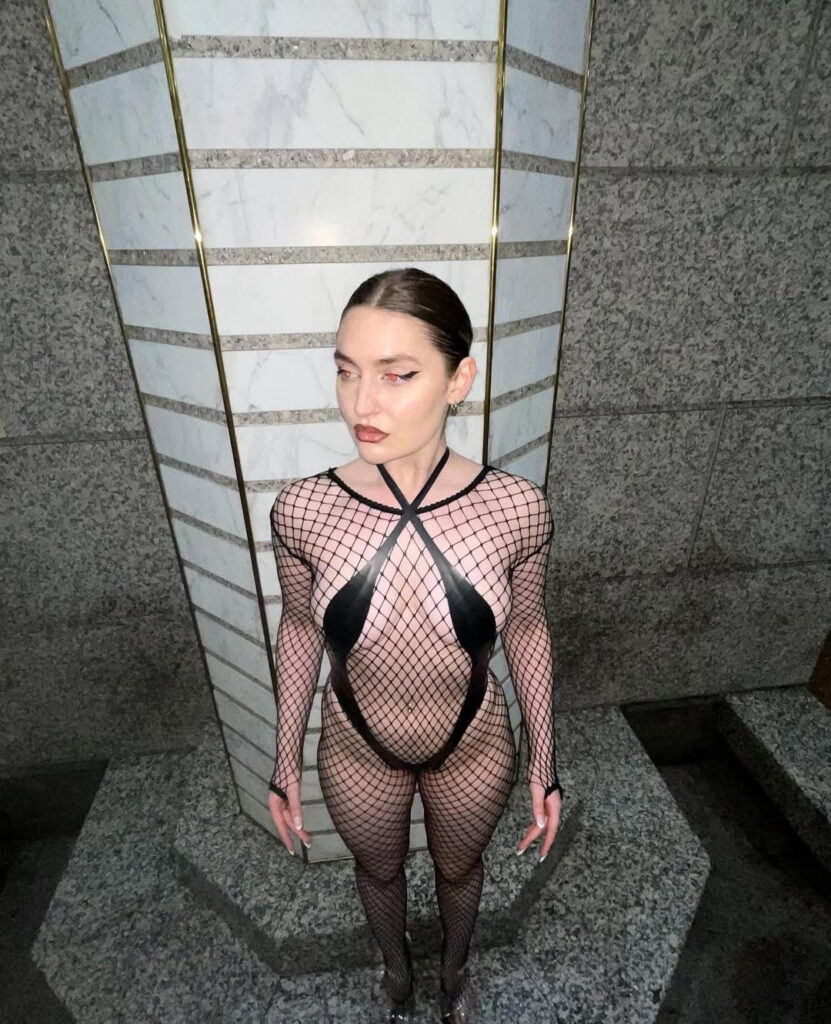
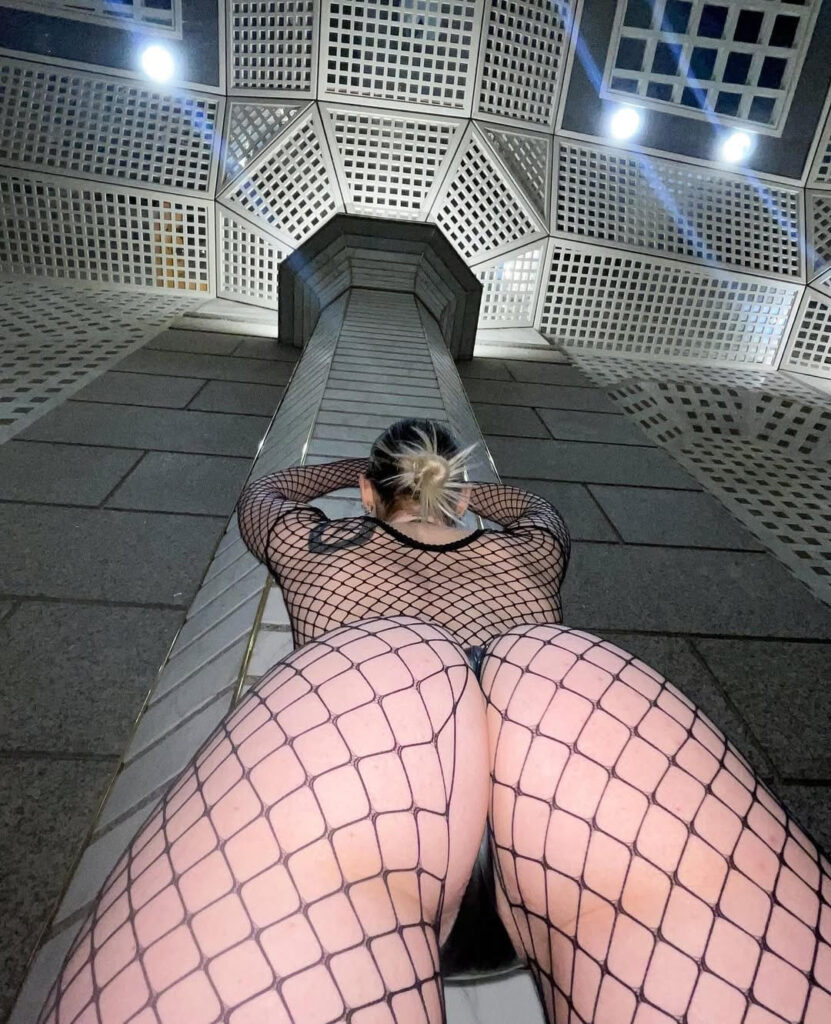
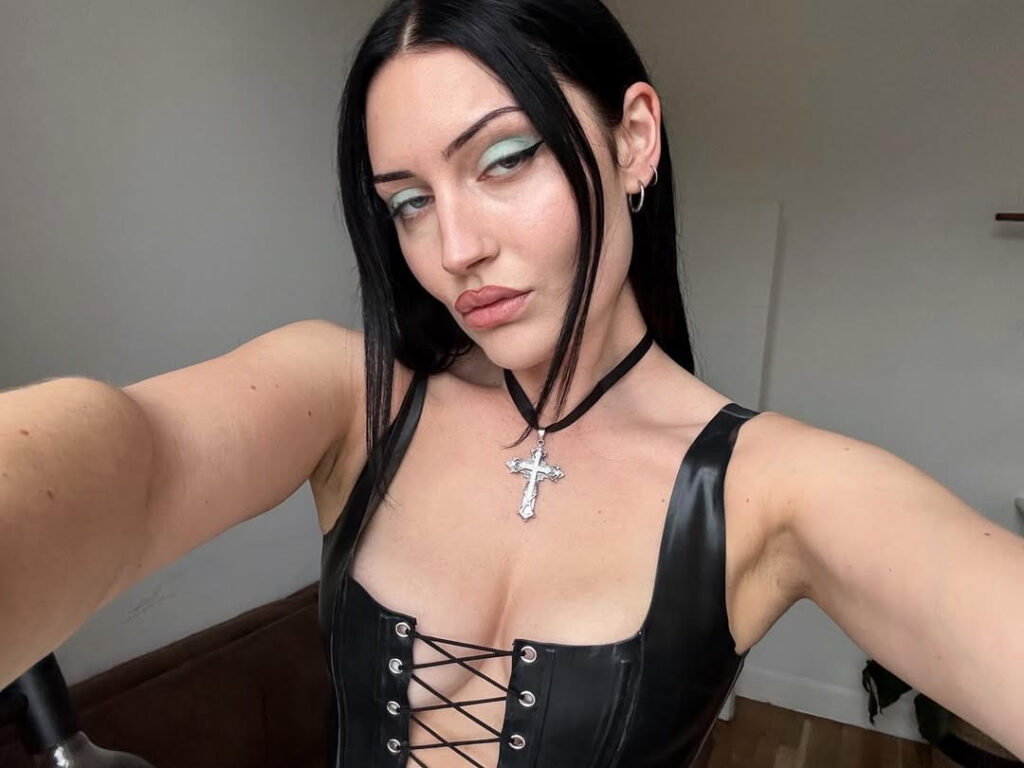
Growing up watching music videos featuring Madonna, Lil Kim, Britney and TLC, and TV shows like Buffy the Vampire Slayer and Xena the Warrior Princess, the fashion I saw often emulated fashion associated with fetish: leather, nylons, PVC, chains, weaponry, cars, which has most definitely shaped me and my practice. It’s this idea of ‘sex sells’ being such a core component of the way we receive ‘femininity’, when ‘selling sex’ is predominantly illegal. Pop culture presents this hyper sexualised, fetishised version of ‘woman’, yet wider society forbids us to adopt these attributes. They just totally defy each other and that’s funny and stupid and curious to me. People aren’t making films like Cronenberg’s ‘Crash’ (1996) anymore, which was more a film about fetish itself.
Instead there’s been a resurgence, particularly over the last five years, where ‘sex work culture’ is mimicked by pop culture in a really extreme hyper-fetishistic way: Kim K and Doja Cat wearing the strippers’ Pleaser shoe to the MET, FKA Twigs making music videos cosplaying as a Cam Girl and a Dominatrix, Mugler directing Sharon Stone to perform as a Dominatrix in one of their most recent campaigns – so its almost like, mainstream is now fetishising the fetishists, whilst the true fetishists remain in the shadows. People just want it all without actually wanting it all. I guess that’s the curse of capitalism.
With that in mind, erotic labour, fetish and pop culture. What do you think it is bout those themes that resonates so well with you?
Ozziline: I’ve mostly answered this above. But I’ll add: I am a fetishist of many things, including leather and cameras and men in uniforms, and I can’t tell you why.
Your work often crosses between physical performance and digital image, do you feel the internet is another kind of body to inhabit or perform through?
Ozziline: So much. The internet was the first space I utilised to develop my current practice. Having done a lot of research during my degree about the history of photography, I became really invested in how the male dominated space of photography (and art) had shaped the way women were and are depicted in visual language.
The internet was this free for all platform that gave space to women in a way that, historically, the photography and art world hadn’t. Women were able to create and share images of themselves without needing the male photographer and his big phallic camera, or permission from galleries or institutions to exist, and that’s why the sex industry made the internet. Female erotic labourers were pioneers of the early internet.
And so my practice is really connected to the ‘internet as medium’ because of this. It’s a place where images, text and performance can seamlessly coexist, and are received in a very personal, intimate way, as the people looking at me on the internet are experiencing it from their side of the screen, their personal device. There’s a kind of serenity within that that I like. The performance aspect of my practice came more from my desire to perform for and in the internet, as opposed to people.
Does the digital image liberate or further fetishize you?
Ozziline: It depends on the day.
If you could describe your art practice as a ritual, what would be its recurring gesture?
Ozziline: Taking a photo on my iPhone.
Has your art ever changed your relationship to your own desire, or revealed something about yourself you didn’t expect?
Ozziline: More things than I can list. When I started my current practice, it was a total experiment. Prior to that my interest was documentary photography. I refused to post images of myself online, which I now realise was because I feared that showing myself would detract from my work. Then I started making more work about voyeurism, and met this perverted side of myself that only my practice brought out.
Creating an internet based performance coincided with my entry into the sex industry, and I found that my own desire was much more based on the ‘what if’ than the ‘what’. Writing something about an experience I’ve had, or webcamming with a stranger on the internet turns me on much more than flirting with a hot person in real life. I like imagination, I like play, I like things that make me feel uncomfortable or push my limits.
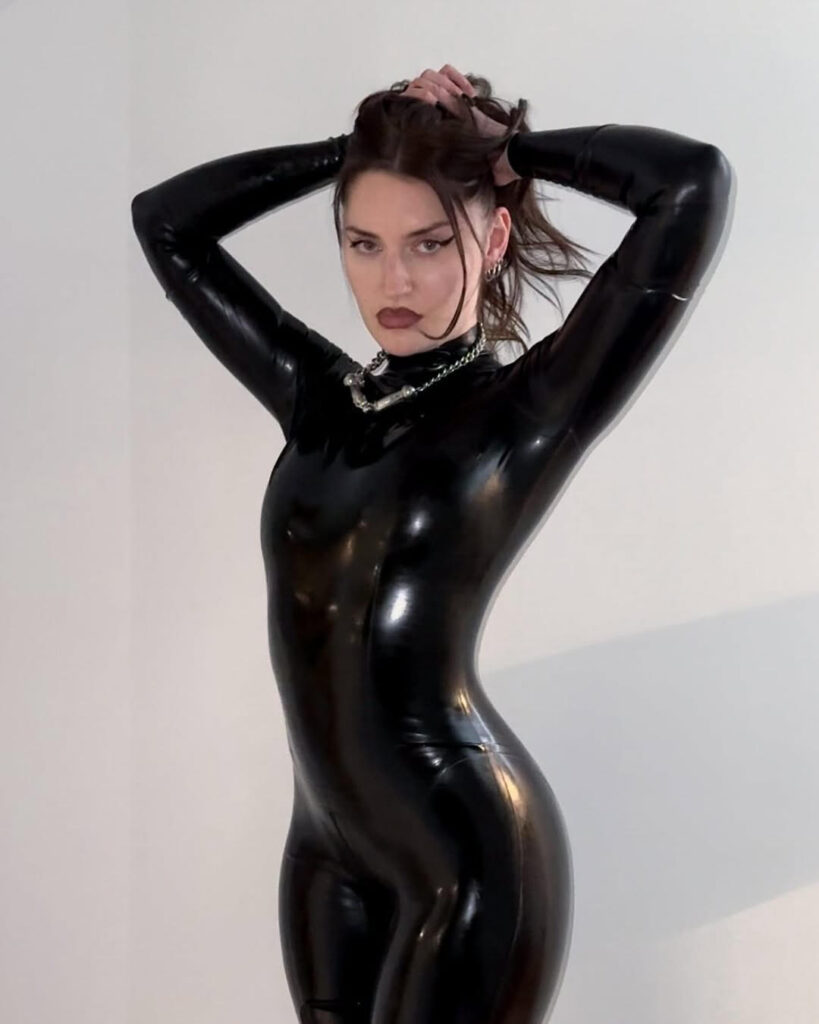
I like wearing leather and latex, and metal tools of punishment that look like they exist on a building site. This taught me that I’m a fetishist, a voyeur, and an exhibitionist, and I process this all through my art practice. And this helps me contain the extremities I want and need, in a way that’s outward instead of inward.
What’s the emotion or state of being you return to most often in your work, longing, rebellion, control, surrender?
Ozziline: I think it started out as rebellion. But now it’s control and surrender. I don’t think being in control, really in control, can happen without some kind of surrender. They feed each other.
Ok Ozziline, now to something totally different. In a parallel universe who would you be? and what would you be doing?
Ozziline: I am already both all the things I could hope to be and all the things I hoped not to be in this universe. Another parallel self is more than I can handle.
Outside of words, performance and digital imagery, what’s something you’re obsessed with right now, maybe a hobby, a show, or even a food—that keeps you grounded or inspired?
Ozziline: I love reality TV. Right now I’m addicted to ‘Too Hot to Handle’. It’s ridiculous.
What qualities do you find most important in the people you choose to spend time with?
Ozziline: People who know what they want and are funny, honest, and have obsessions of their own that they can tell me about in extreme detail.
Anybody you look up to?
Ozziline: The sex workers I know, and my closest girlfriends.
What motivates you?
Ozziline: I want to be good at what I do. And I have an overactive mind that doesn’t shut up, so that helps.
How would you describe a perfect day?
Ozziline: Lying in bed with my best girlfriends smoking a spliff, with loads of snacks and a line-up of really good films to watch in between chatting about things like witchcraft, how men hate women, and sharks.
Alright Ozziline, I always ask these two questions at the end of an interview. The first is. What’s your favorite movie(s) and why?
Ozziline: I change my mind too often to have a favourite anything. But one film I always think of is ‘A Girl Walks Home Alone at Night’ (2014), it’s an Iranian film about a female vampire that kills corrupt men. And it’s really quite beautiful.
The second is. What song(s) are you currently listening to the most right now?
Ozziline: Planet Caravan by Black Sabbath. RIP Ozzy.