Share this
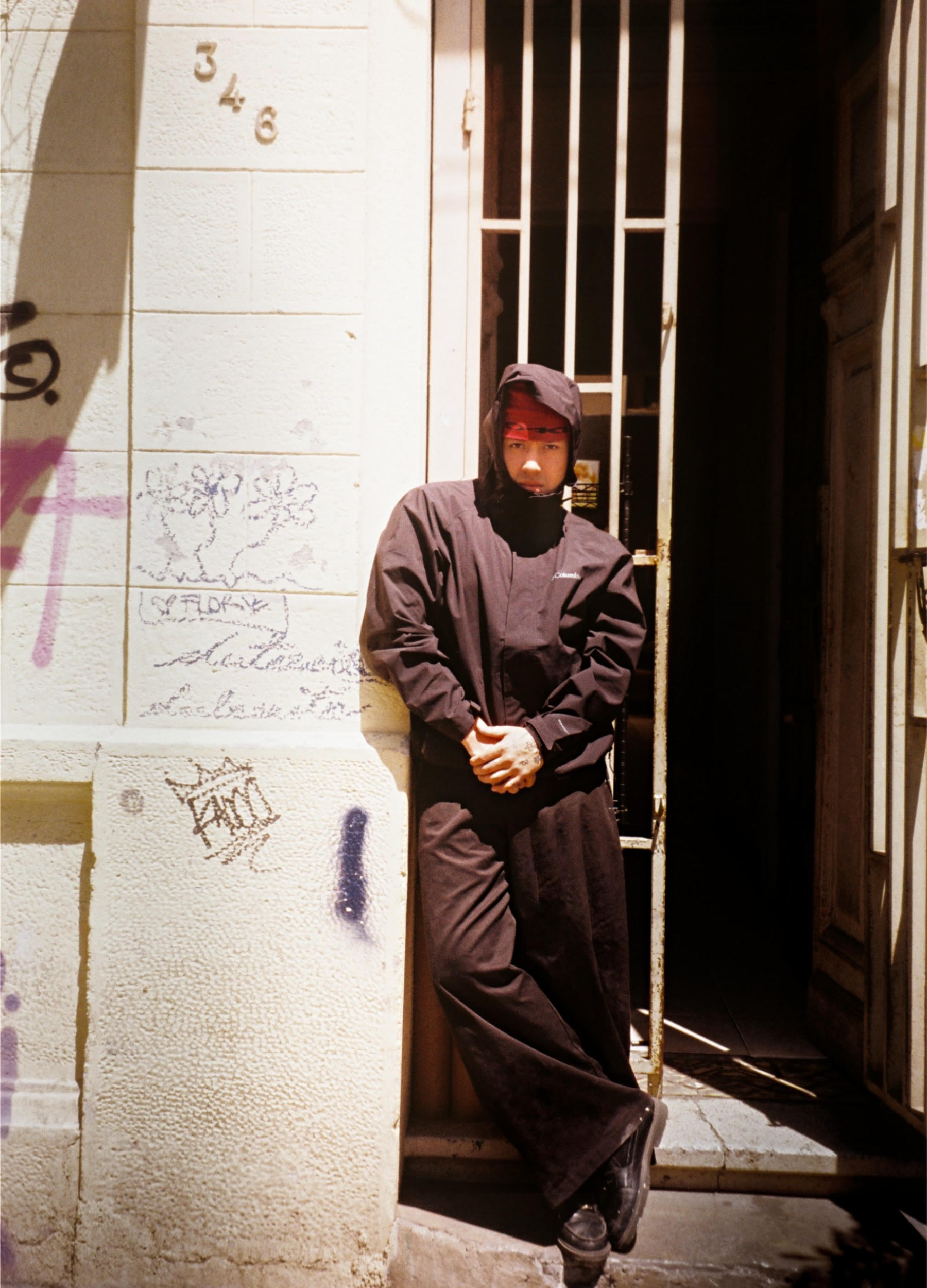
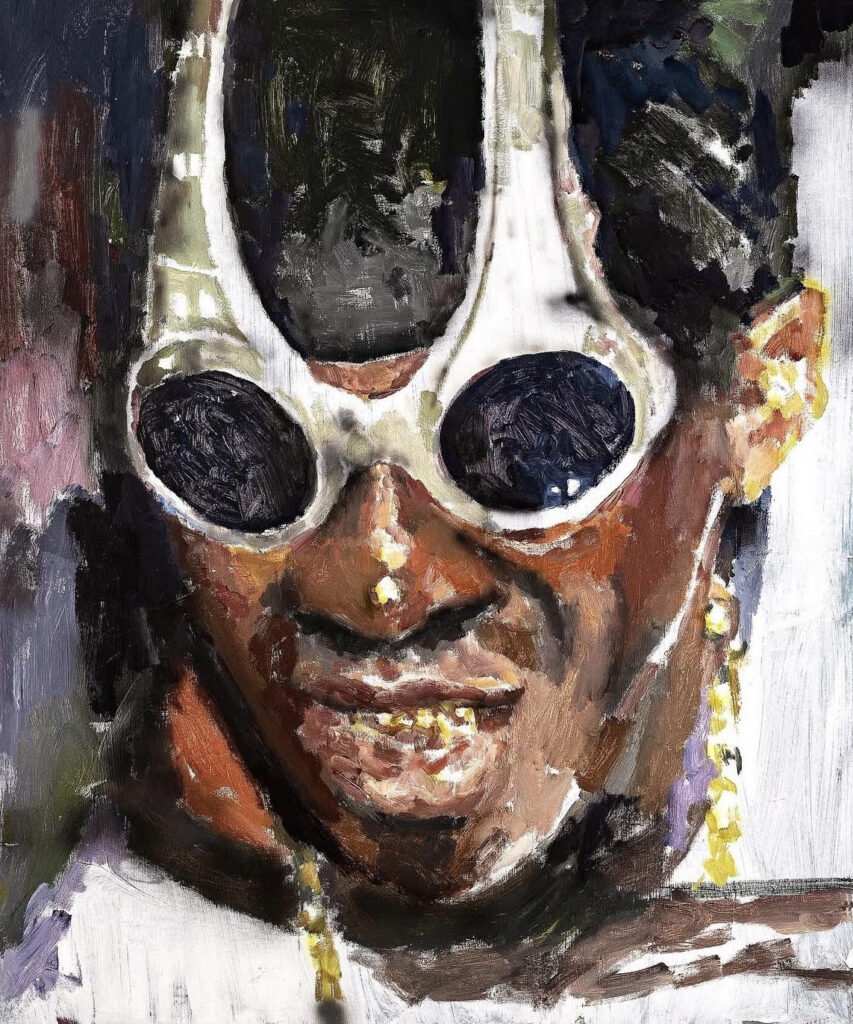
Joan Joao (Punta Arenas, 2000) is a 24-year-old Chilean visual artist whose work is built on memory, nostalgia, and the observation of popular culture as a symbolic and emotional language. Through pictorial gestures, the expressive use of color, and the reinterpretation of images from the mass media, Joan creates an imaginary world that combines the autobiographical with the collective, exploring how memories and childhood are articulated in images, addressing themes such as soccer and cinema, but also personal memories such as his life in southern Chile.
Born in Punta Arenas and raised between the southern tip and Chiloé, his work is deeply imbued with the melancholy of those landscapes and geographical distance, elements that dialogue with the sensitivity and intimate tone of his paintings. His work also draws on rural images, the internet, and cinema, shaping a nostalgic view of the 1990s and 2000s, especially in terms of the aesthetics of the period. He has exhibited at the Santiago Library (Joga Bonito, 2023), Casa Andacollo (Aprendiendo el amor, 2023), Galería AVI (UNIACC) (La cosa y su doble 2023), Galería Animal (Ultimos atardeceres en la tierra 2024), and Thirdplace (Zurich, Switzerland, 2024). He currently lives and works in Santiago, Chile, at the Taller Santa Victoria creative space, where he continues to develop work that explores painting as a medium of evocation, memory, and identity.
Hi Joan! It’s a pleasure to talk with you! The first question I always ask is: what does a normal day look like for you in Chile?
Generally, I wake up at 9 in the morning. Luckily my house is a 15-minute walk from my studio, sometimes I also go by bike. I get there, have a coffee, eat breakfast and start painting. Then I have lunch at the studio too, make myself a mate, and paint until 7–8 in the evening. On Tuesdays and Thursdays I teach painting classes. But there are very few days when I’m not in the studio, there’s always something to do or move forward.
I’m curious, what were you like as a child? What did you like to do and how did you spend your time?
Joan: I was lucky enough to spend my childhood in the south of Chile, surrounded by a rural environment, which allowed me to have a lot of fun in the countryside — being able to run in open fields, imagine things and play with my cousins. We played a lot in nature, in the trees, and we also played football. We spent a lot of time in summer watching Dragon Ball Z or playing PES 2006. I have very fond memories of my childhood in Tenaún (Chiloé), where my mother currently lives.
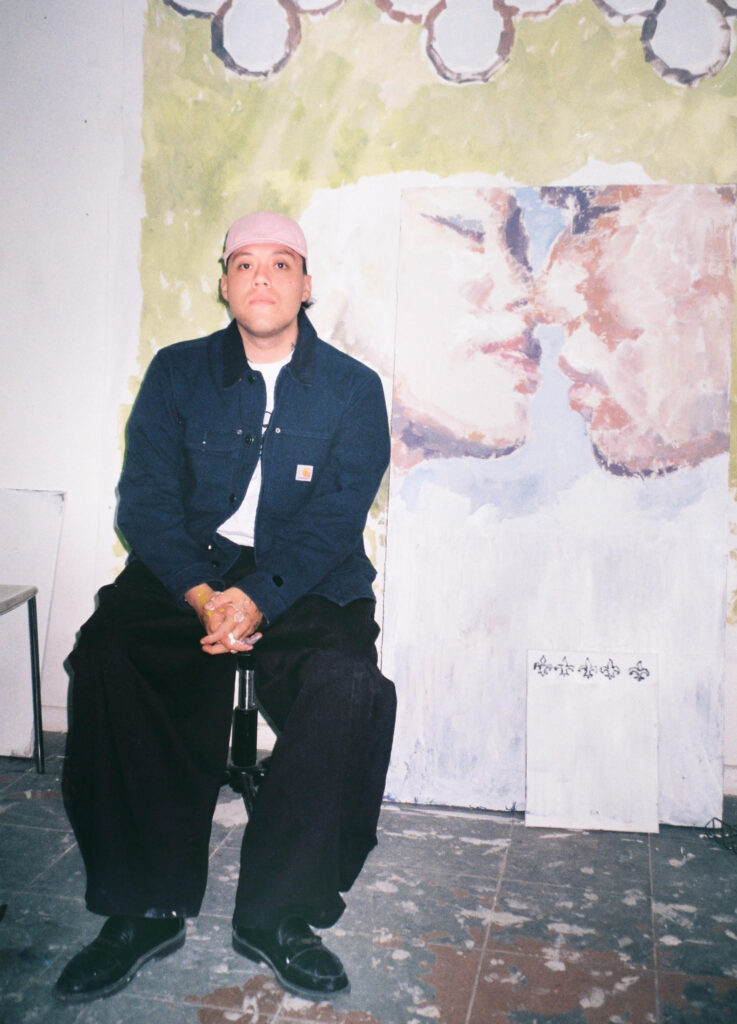
With that in mind, you grew up in the far south of Chile, between Punta Arenas and Chiloé. It’s a very particular kind of isolation. How does that sense of distance from the main art centres and from the dominant cultural currents influence your work or your perspective as an artist?
Joan: When I was little, I didn’t grasp how much the centralism in my country could affect you. Now that I’ve been living in the capital for five years, I’ve seen that, in the long term, it’s very clear how precarious it can be for an artist to live in those places. It has to do with not having a circuit to rely on, or places to show your work, but also with the number of people who can actually consume art. When I was in the south, I always felt quite alone in that sense, but that somehow helped a lot in building my vision. Being alone helps you trust your own path, not having to compare yourself, not having to look sideways at what others are doing. That could be something positive about being a bit isolated.
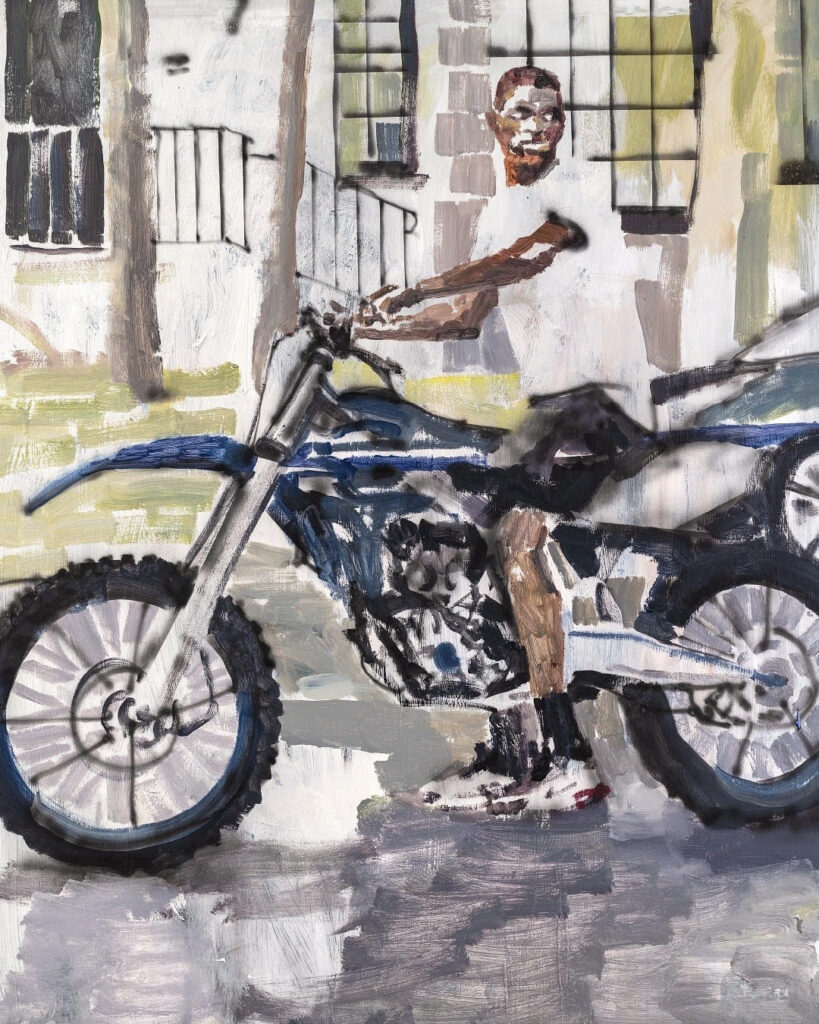
Okay, so when did you start painting, and when did you start taking your artistic side seriously?
Joan: I started painting at school in an oil painting workshop. I think the first time I painted I was 13 or 14 years old. I just remember that I didn’t like how long it took to dry, and that I kept asking myself what art meant, what it was for, why it had value. When I finished school I took a gap year. In that year, I remember reading a lot, watching a lot of YouTube videos, my free time was very focused on a curiosity about art. Then in 2020 I started studying Visual Arts, and that year was very important for me. I think from that point on I never stopped painting or believing that it was possible, and I started taking everything I did very seriously.
Okay, Joan, with this set of questions I’ll try to go as deep into your work as possible. So… you often reference the 1990s and 2000s in your images. What do you think is particular about that period in Chilean culture?
Joan: Personally, I’m a very nostalgic person, and I think most Chileans are too. Chile was one of the first countries to really open its culture to the world, which created very interesting overlaps in those years. I was born in 2000, but I have an older sister who is 30, and through her I had direct access to what was in fashion. Personally, I think life has lost some of its substance in favour of the speed at which everything moves.
How do you see the relationship between Chilean popular iconography (football, television, cinema) and its political or social history?
Joan: I think, as I mentioned in the previous answer, when Chile opened up to the free market, a lot of iconography entered the country’s culture, from American consumption to Eastern consumption like anime and K-pop. Mixed with a Latin American identity, this creates very curious overlaps. I think Chilean iconography is generated by understanding all of these crossings and paradoxes. Chilean idiosyncrasy is a mixture of many others.
The internet is part of your visual vocabulary. Do you think the digital world is creating new types of collective memory, in a similar way to how family photo albums once did?
Joan: Yes, definitely. The internet and social media have changed the way we store our memories, but they’ve also changed the way we share our experiences with the world. Today, collective memory is built through fragments, images, videos and digital experiences that spread quickly. This creates a kind of global, horizontal visual archive, where pop culture moments, trends and personal stories all mix together. As an artist, this also influences how I conceptualise my memory, because when I reconstruct it, I’m aware that it’s a shared act.
Is there any film, TV moment or element of pop culture from your childhood that you still feel is sacred, something that keeps reappearing in your mind?
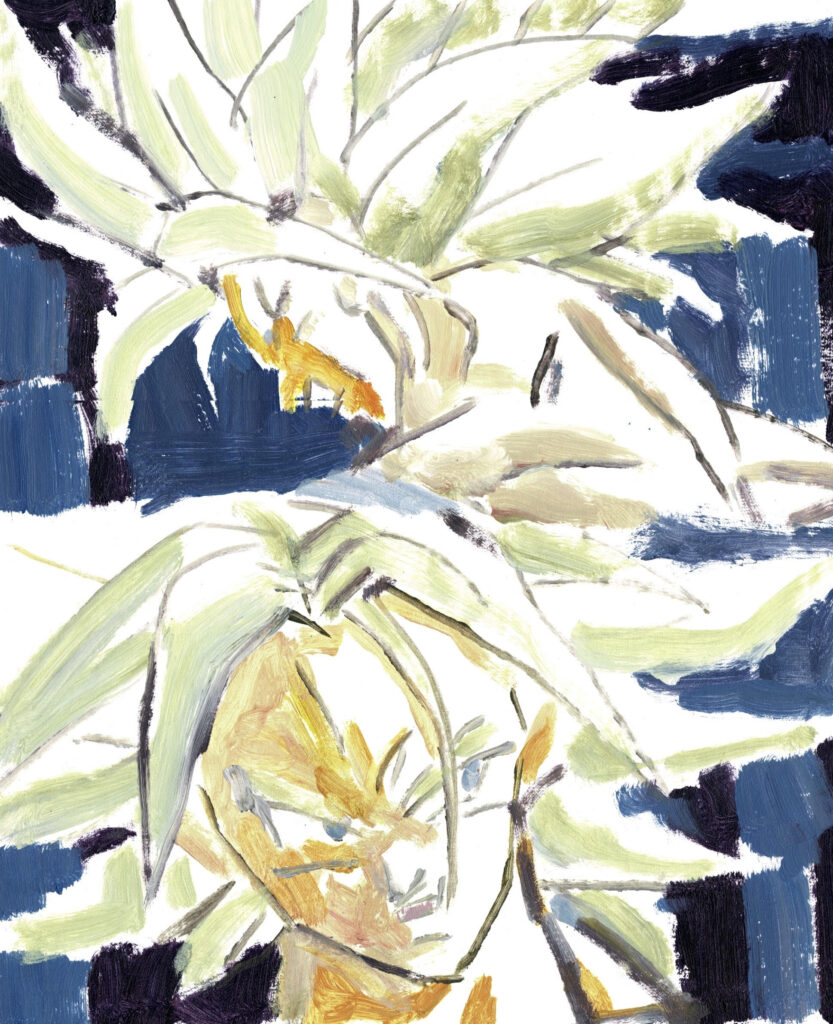
Joan: Yes, there are several. For example, TV series from the 90s–2000s like Dragon Ball Z and Pokémon, although I don’t remember the latter as clearly, have a special place in my memory. There are also very specific moments from TV shows or games that marked my childhood, like waking up on weekends and turning on the TV to watch ESPN or WWE, or playing GTA San Andreas or PES 2006 (my favourite game). I also remember many moments from Chilean TV, programmes or reality shows like Yingo or Calle 7. These images and scenes have become emotionally charged elements because of the way they represent that childhood nostalgia. I remember one programme in particular called Mea Culpathat my sister loved, but it terrified me, it was about paranormal stories, and I was always fighting to change the channel haha.
With that in mind, nostalgia plays an important role in your work. Do you see nostalgia as a form of resistance, escapism, or reconstruction?
Joan: I don’t see nostalgia so much as a form of resistance, because I am attracted to the present and the future, I see it more as a form of reconstruction. It’s a way of keeping alive that part of my personal and cultural history that might be losing relevance in my present. At some point I realised that art has helped me rebuild myself. I have a terrible memory, so it functions as an act of reclaiming what I was, what I am, and understanding the roots that make me who I am although I also understand this act as a form of idealisation. I know it’s impossible to truly reconstruct the past; maybe that’s where desire is awakened. I’ve also understood that nostalgia has helped me connect with others, generating empathy and sharing universal feelings.
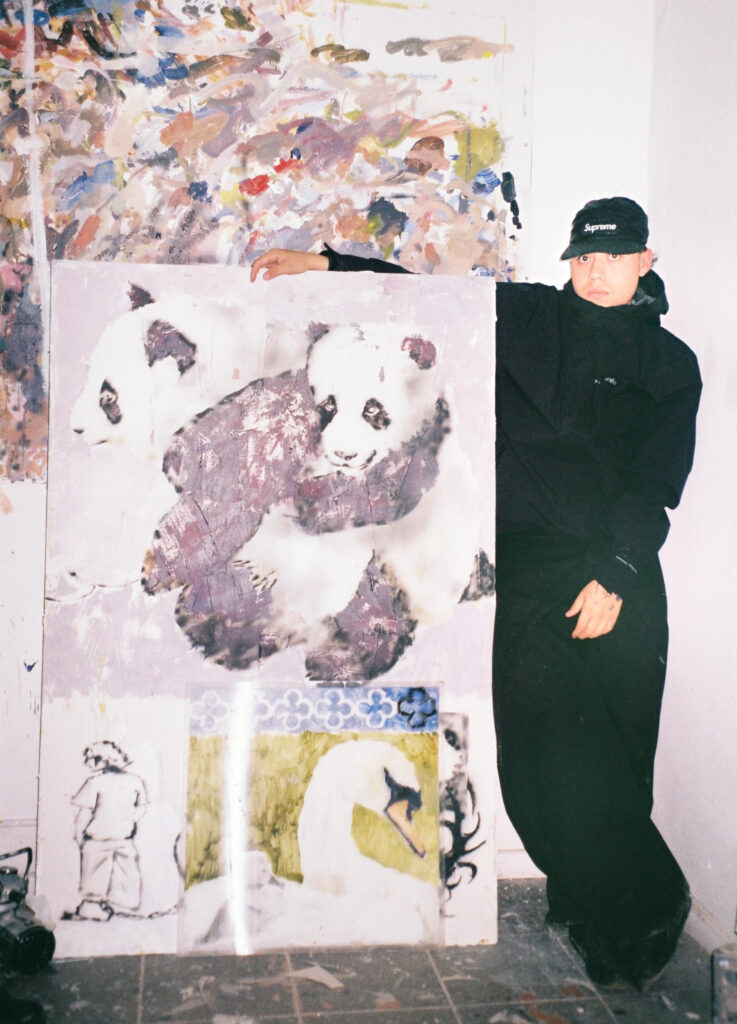
There’s a deep melancholy in your work. Do you think painting is a way of processing or transforming that sadness?
Joan: Yes, I think painting is a space where I can channel and transform that melancholy. I think the outcome of the paintings is intertwined with affection for the images. Painting allows me to turn that sadness into something visual, a form of understanding and communication that can also be healing, both for me and for those who look at the work. But sometimes it’s not only the result that brings transformation, it’s also the process. Being focused or immersed in a painting is, I think, a unique kind of trance.
Living far from Santiago and the central art circuit, do you think distance gives your work a unique independence, or does it create a sense of isolation?
Joan: I think distance can have a double effect. On the one hand, it brings independence, a more personal point of view that’s less influenced by trends in the central circuit. But it can also create isolation, in the sense that it can be harder to access certain spaces, opportunities or connections. However, that distance has also allowed me to develop my own voice with fewer external filters, and sometimes that sense of isolation motivates me to keep creating with more freedom. That was perhaps more noticeable in my first years in the capital, because now I do feel influenced by this environment, and I don’t think that’s necessarily a bad thing.
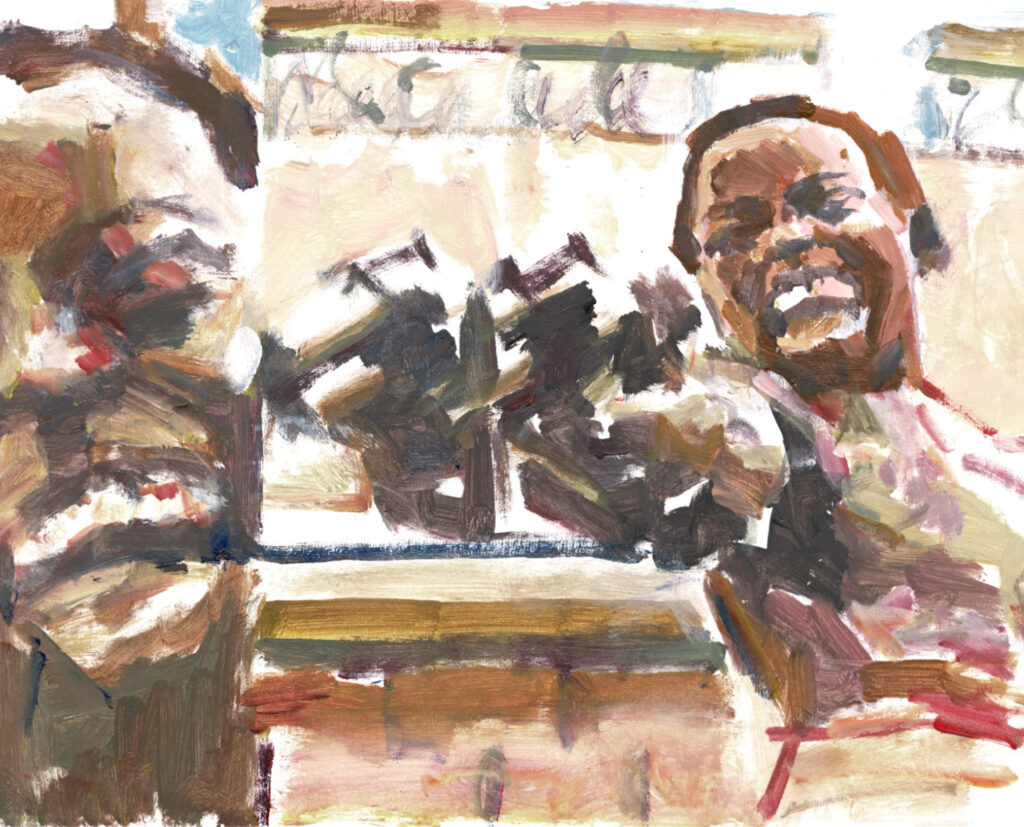
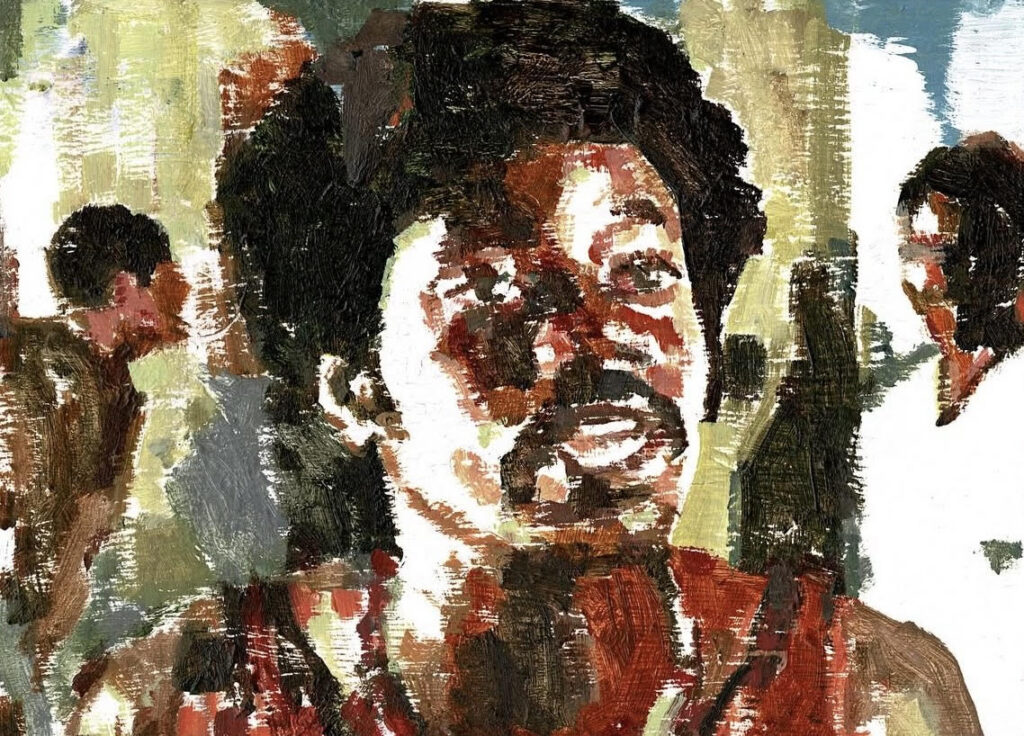
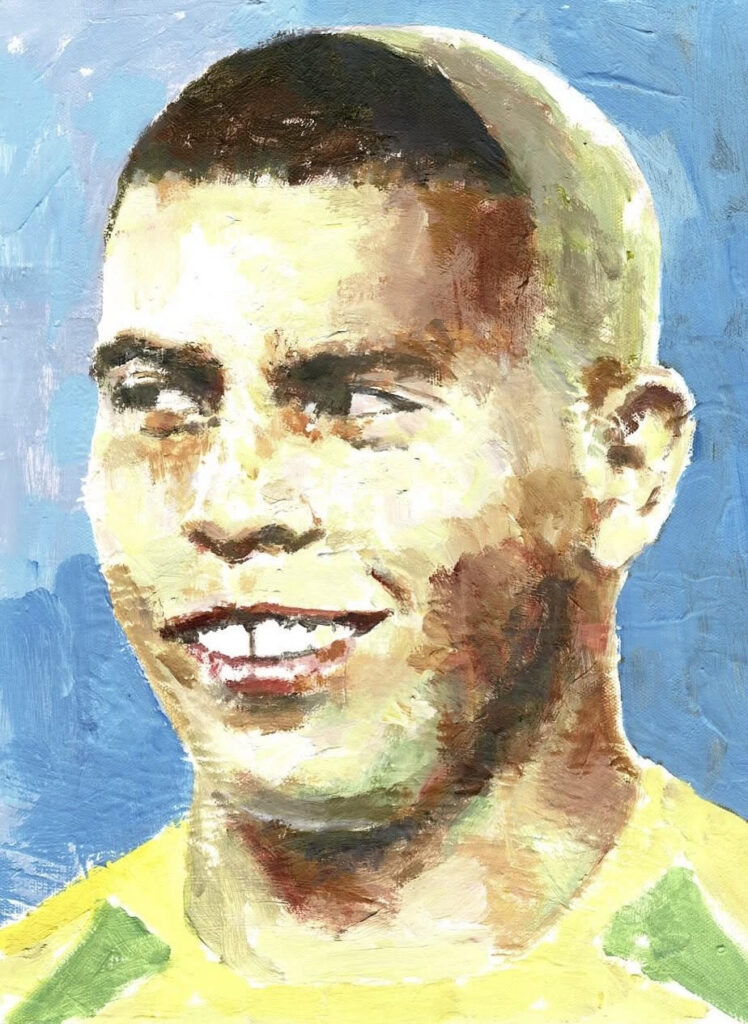
You’ve mentioned that people tend to reduce your work to football. When you hear that, do you feel misunderstood, or do you think it’s simply part of the process of becoming known for a single visual style? How do you consciously move past that now?
Joan: At first, I did feel a bit frustrated, but over time I understood that it’s part of the process, it’s natural, because that’s what I mostly show on social media. People usually reduce a body of work to whatever they notice first or whatever has the biggest impact, in this case, football. Right now, I try to see it as an opportunity to show other sides of my work, and I also accept that understanding an artist takes time and requires more varied exposure. In that sense, it has never been my intention to limit myself to certain topics. In fact, I’m constantly searching for other places that catch my attention. I keep exploring new themes and characters in my work, but I think the most important thing as an artist is to be creatively free and do everything you want to do, no matter how people define you or what they think.
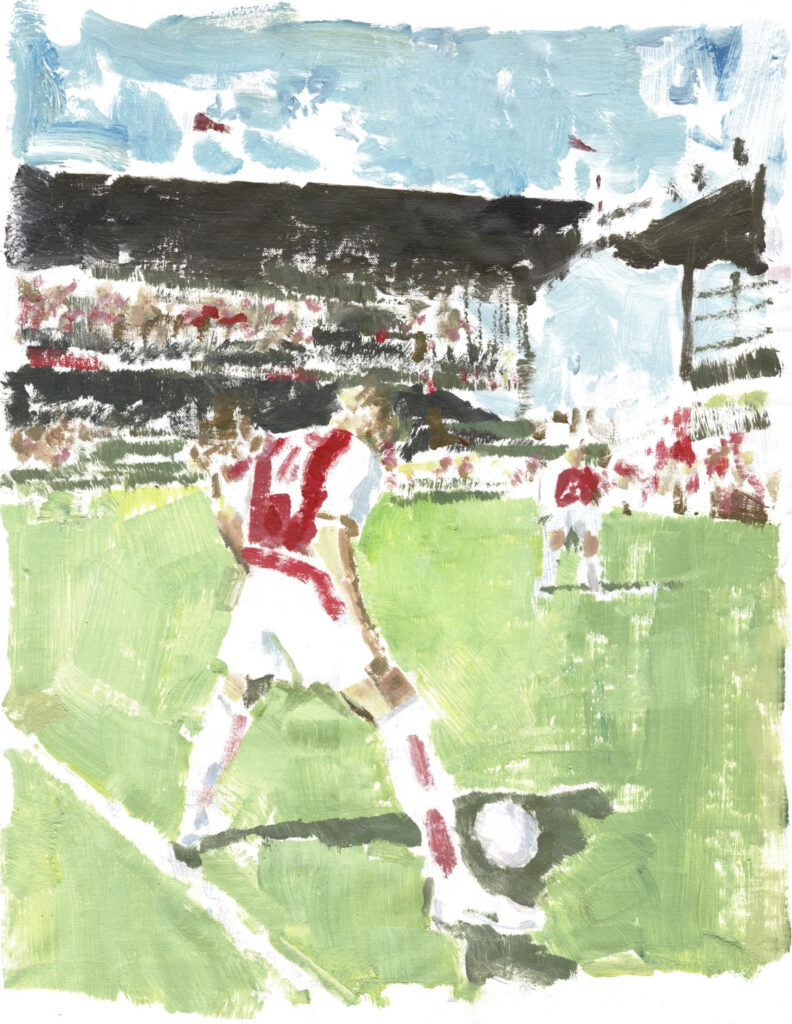
You said you’ve been posting “many other figures”. What kind of characters or scenes are starting to appear in your new work, and what emotional or symbolic space do they occupy compared to the universe of football?
Joan: I think there’s a kind of parallel study where, on one hand, I keep exploring images from internet popular culture, films, games, mobile phones like the Nokia, and on the other hand, a more personal imaginary, centered on my university thesis, where I’m exploring images of the countryside, animals and my connection to my rural childhood from a more personal focus. Compared to the football universe, these new themes occupy a more introspective space, individually rather than collectively. I want them to have a more reflective character for myself, I want to make works that make methink about who I was beyond football. That doesn’t mean abandoning football, because it’s still part of who I am.
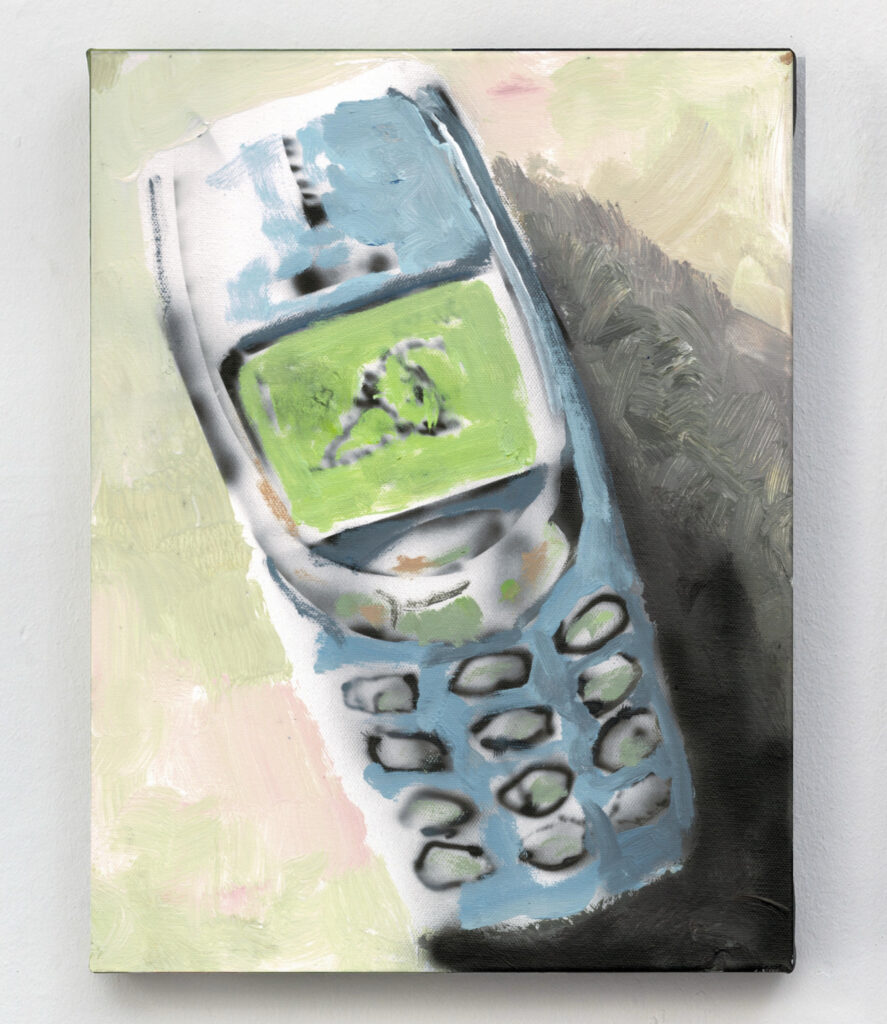
If your earlier work was nostalgic in a very specific way (childhood, football, the 2000s), do you think your new direction represents a different type of nostalgia? Maybe one that focuses less on childhood and more on what comes after?
Joan: Yes, exactly. Now I feel that my work is shifting towards a personal nostalgia that I want to share, one that looks inward from a more situated place, from a specific location. It’s a nostalgia that looks forward, towards what is yet to grow and develop, without forgetting the roots, but with a more mature view of my childhood. Maybe growing up has pushed me to become increasingly sensitive about the childhood I had, because I remember it with a lot of affection. What I want is to transmit that from a more personal viewpoint and not filtered so much through a popular experience. As I’ve said, nothing is definitive, I’m just opening myself up to new possibilities and creative engines. What might be related to the future, in my case, is not staying in a comfort zone, both thematically and in terms of materials and technique.
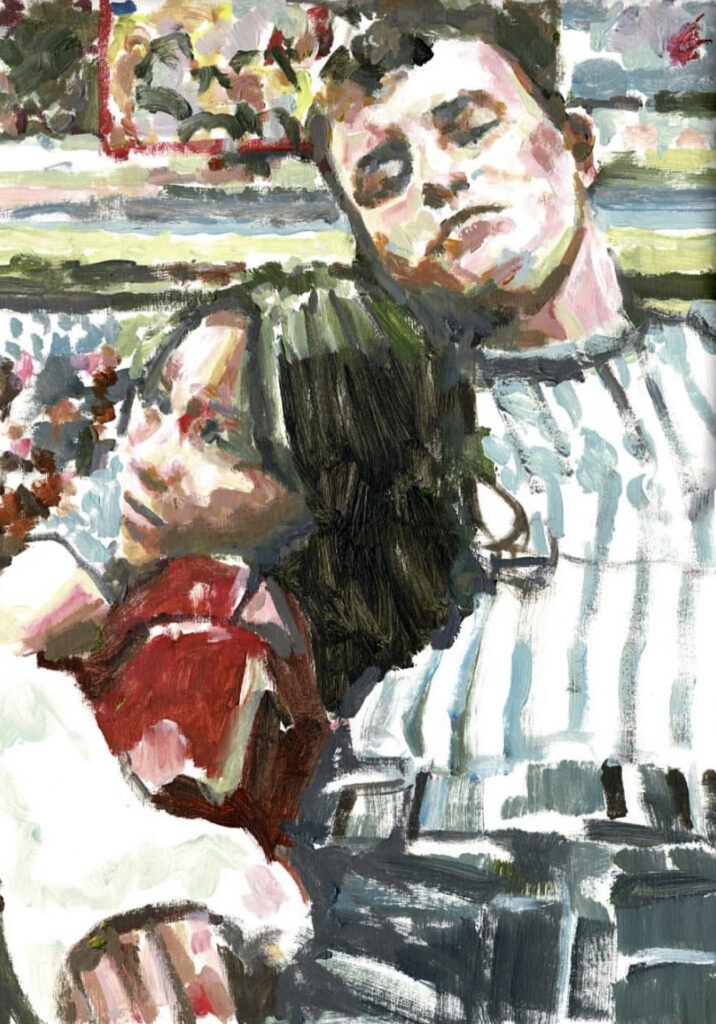
Do you think expanding your career beyond football changes your perception as a Chilean artist, or specifically as an artist from the south of the country? Does that thematic shift also imply a shift in identity?
Joan: Yes, I feel that this thematic change allows me to project a broader identity, connecting with other aspects of Chilean culture as well. Placing myself, for example, in a more local work rooted in the south of Chile gives me a clearer, more grounded identity. Even though it’s not something I obsess over, I think being more specific gives you a more personal body of work, and it’s important for me to be able to show the world through my own eyes. And at an international level, I’d love to show a more diverse side. I think painting football was one of my first searches, now I want to expand my narrative, and that enriches how I’m perceived as an artist: I can be from Punta Arenas and from Chile as a whole, and I can feel connected to universal memories while also reflecting on my own process of growth. I think all of these aspects make up my identity, and my intention is not to leave any of them out.
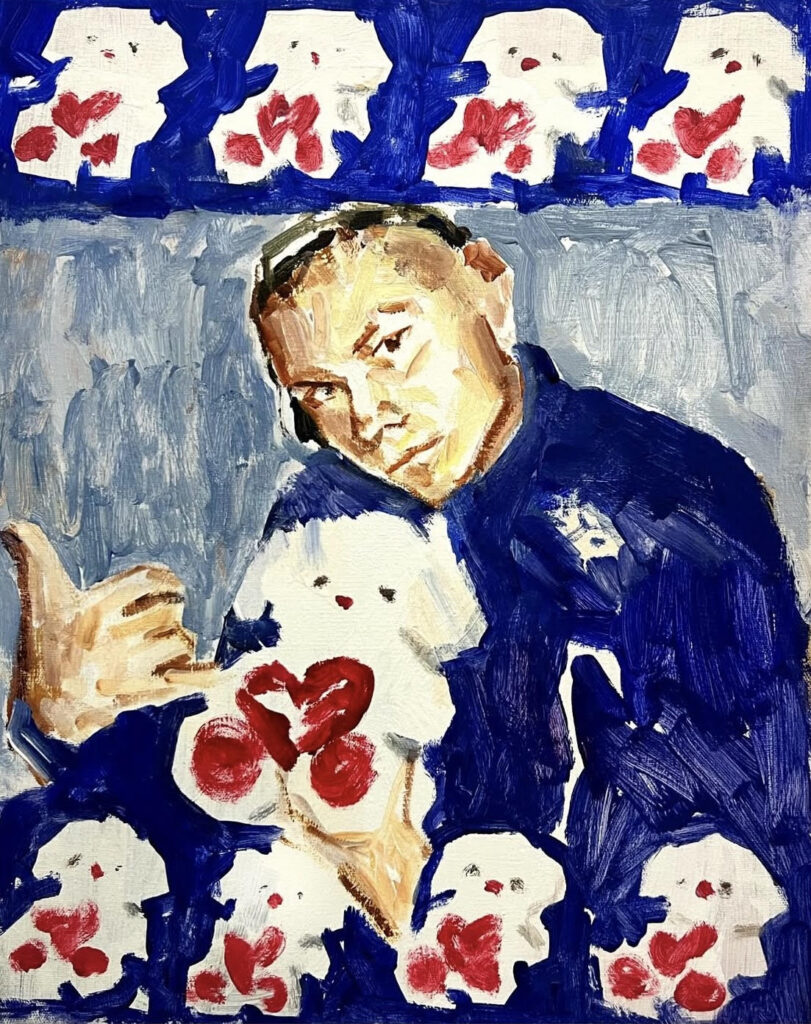
When you say you project yourself into different themes, what does that mean for you? Are you experimenting with new images, techniques, or even emotions that you hadn’t allowed yourself before?
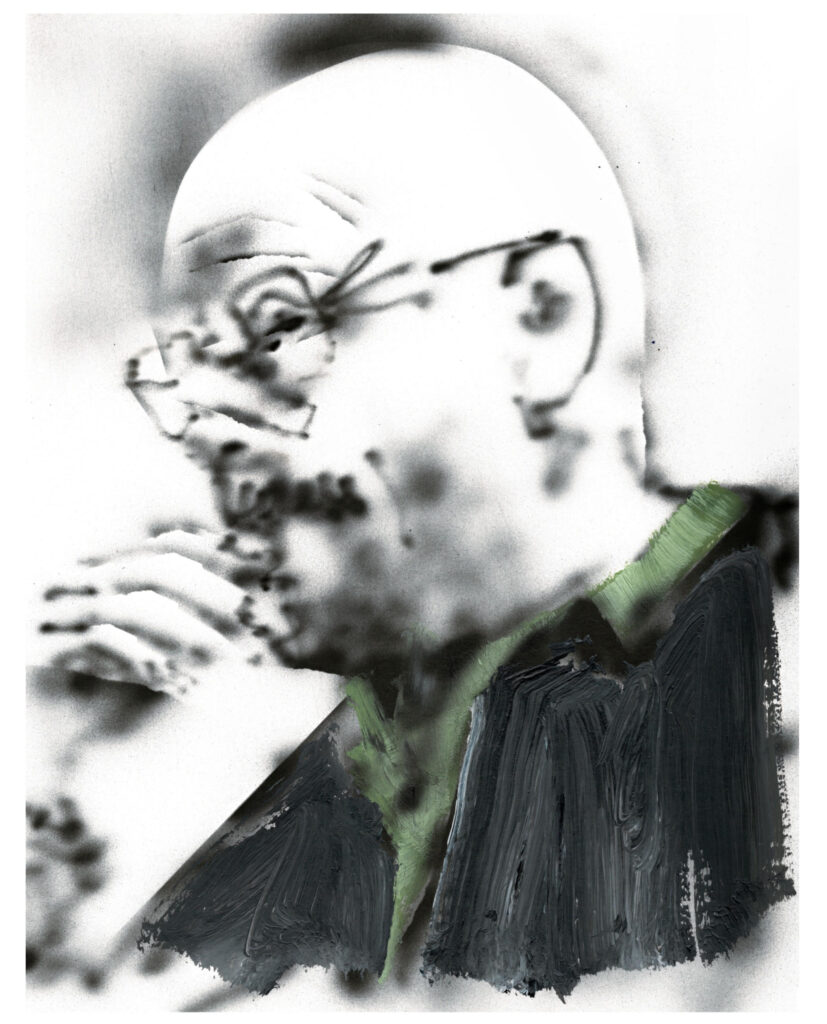
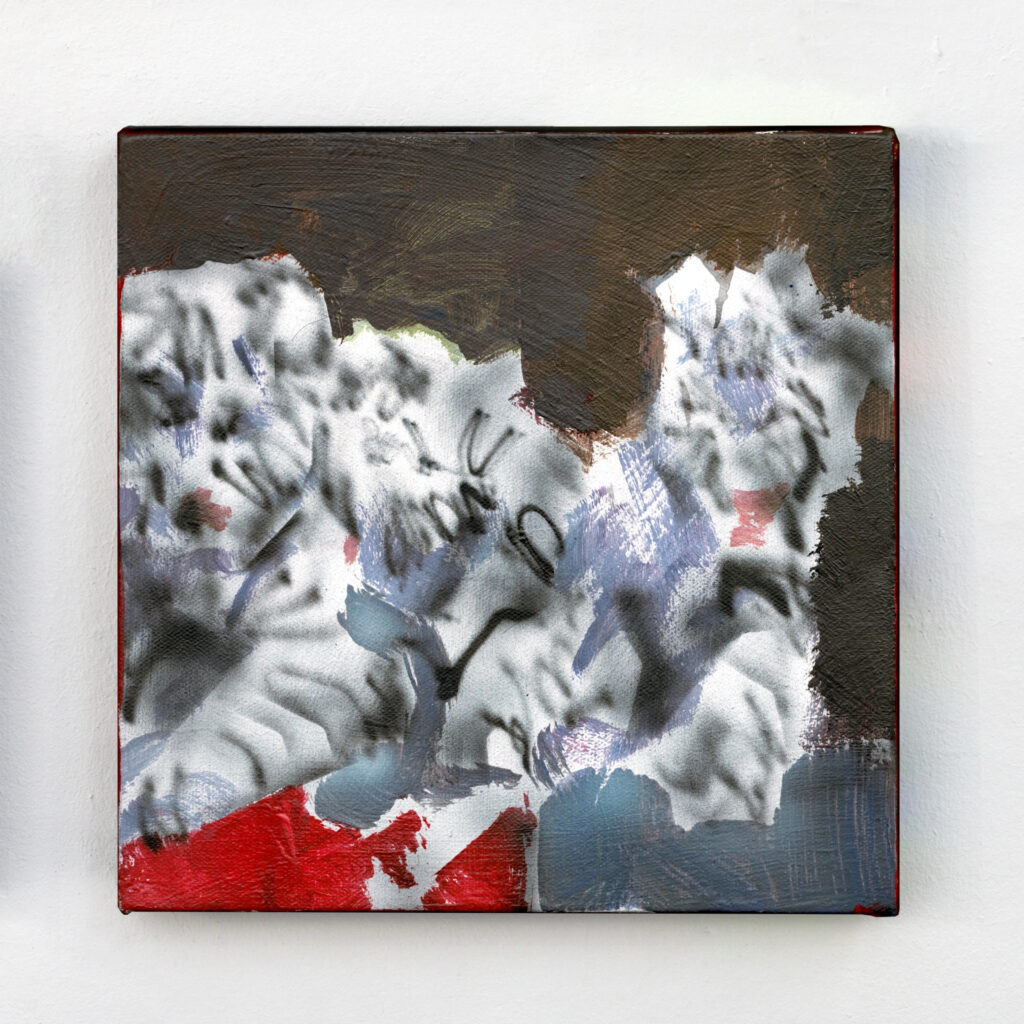
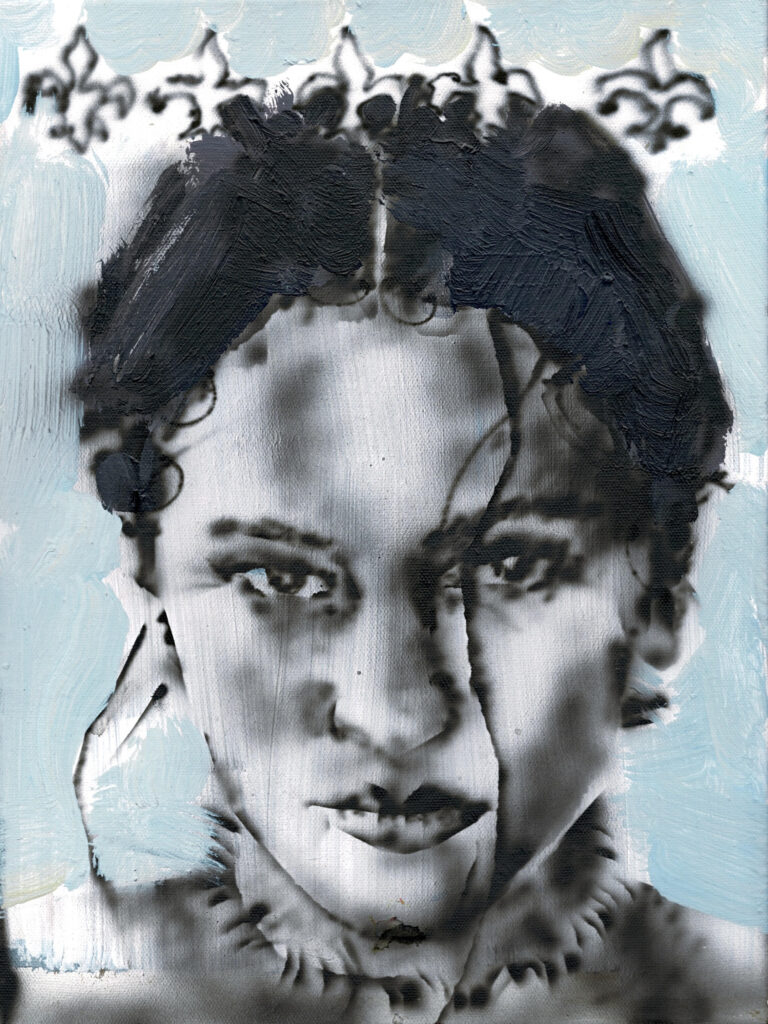
Joan: For me, my approach to art started, and still is, through painting and my interest in how images work. In that sense, I’ve always focused on how to solve images, not so much on what I’m painting. Maybe now I’m questioning that a bit more, but it’s never been my purpose to commit to just one theme. This has also led me to explore not only new topics, but also supports and techniques. For example, now I’m experimenting with airbrush. I think it’s super important to move in order to find yourself, but also to have fun. That’s why I feel that the more things I try, the more challenging it becomes, and that’s what connects me with myself and my emotions. It’s a process of self-knowledge, where the work becomes a space to explore, but also to get to know yourself.
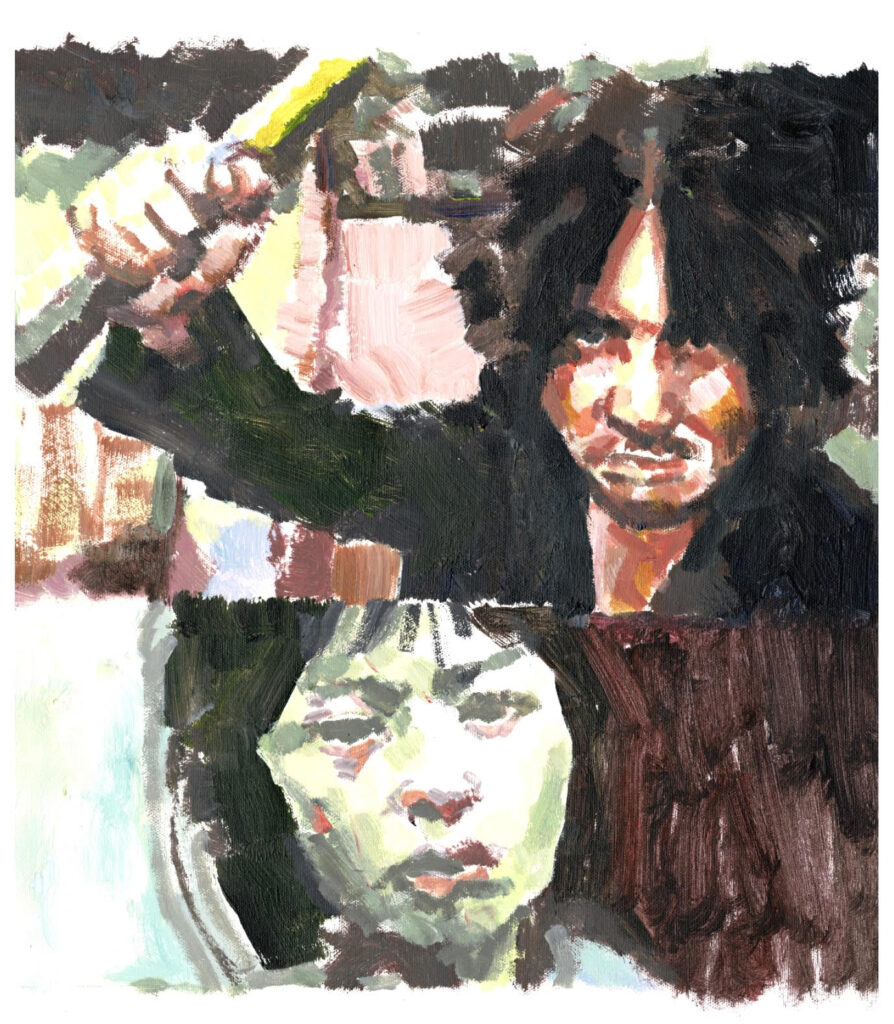
And to really focus on the themes: what topics do you want to start documenting, and why?
Right now, as I mentioned, I’m a bit obsessed with the south, with the place where my mother lives, the countryside, the animals, tenderness, the landscapes. I’m preparing an exhibition in March 2026 at @espacioazulpetroleo, and so far that has been my guiding thread. It’s mainly because I want to make something that has emotional power for me, that connects with my origin and my most sensitive sides, my family, my childhood. I want to open my heart and my practice to those memories, because whenever I visit those places, whether physically or through painting, it makes me feel good.
What do you think people misunderstand the most about life in the far south of Chile?
Joan: Whenever I say I live in Punta Arenas, people think it’s a tiny, tiny town, and yes, it is small, but it’s still an urban life. You still have that kind of life.
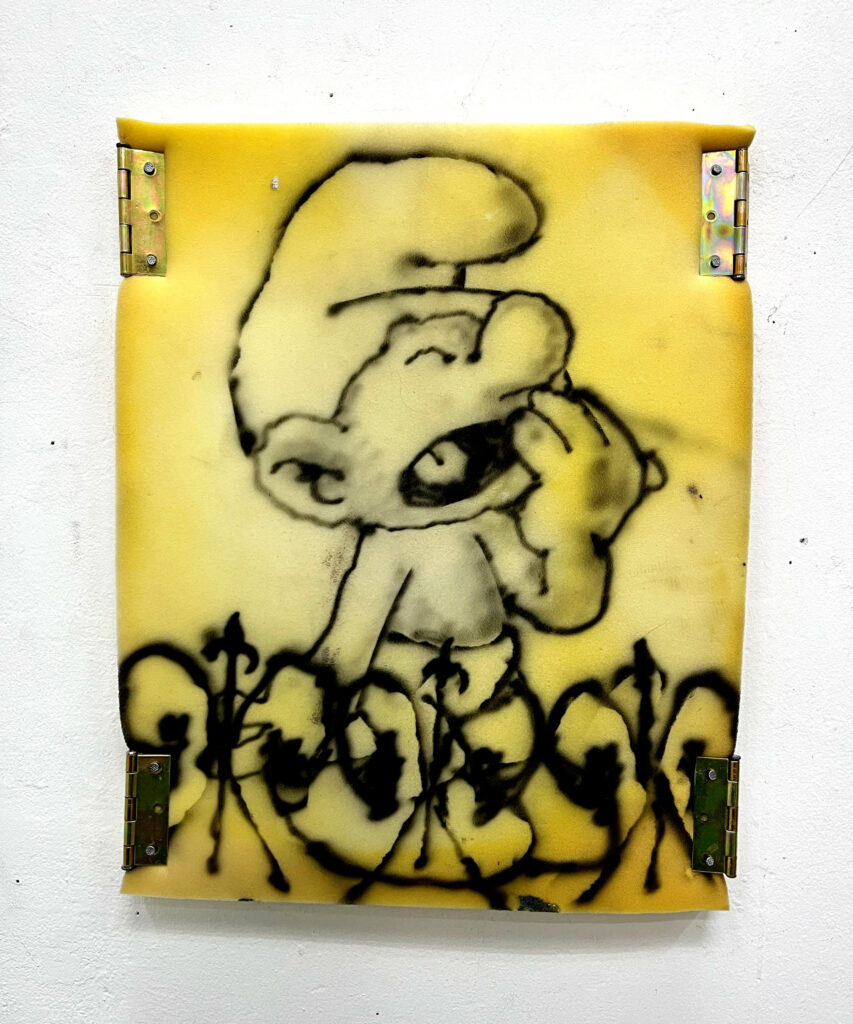
In a previous interview you mentioned that you always paint with thick brushes, never fine ones… Could you walk me through your creative process from the beginning to the final result?
Joan: Painting with big brushes started out as an aesthetic decision, but mostly it’s because I’m interested in pictorial synthesis, and big brushes allow me to do more with less, to cover more surface and force me to reduce my movements. Usually, ideas start either from an image or from a planned support. When they come from the image, I usually paint on canvas. When they come from the support, I think in a more object-based way. From there, I project the image with a projector and the game of translating it into paint begins, sometimes with an airbrush, sometimes with a brush.
There’s a very emotional use of colour in your work… how do you approach colour?
Joan: When I started painting, my interest began with abstract painting. Everything related to colour theory really interests me, so when I began to paint more figurative works, that interest carried over, I suppose in an intuitive way.
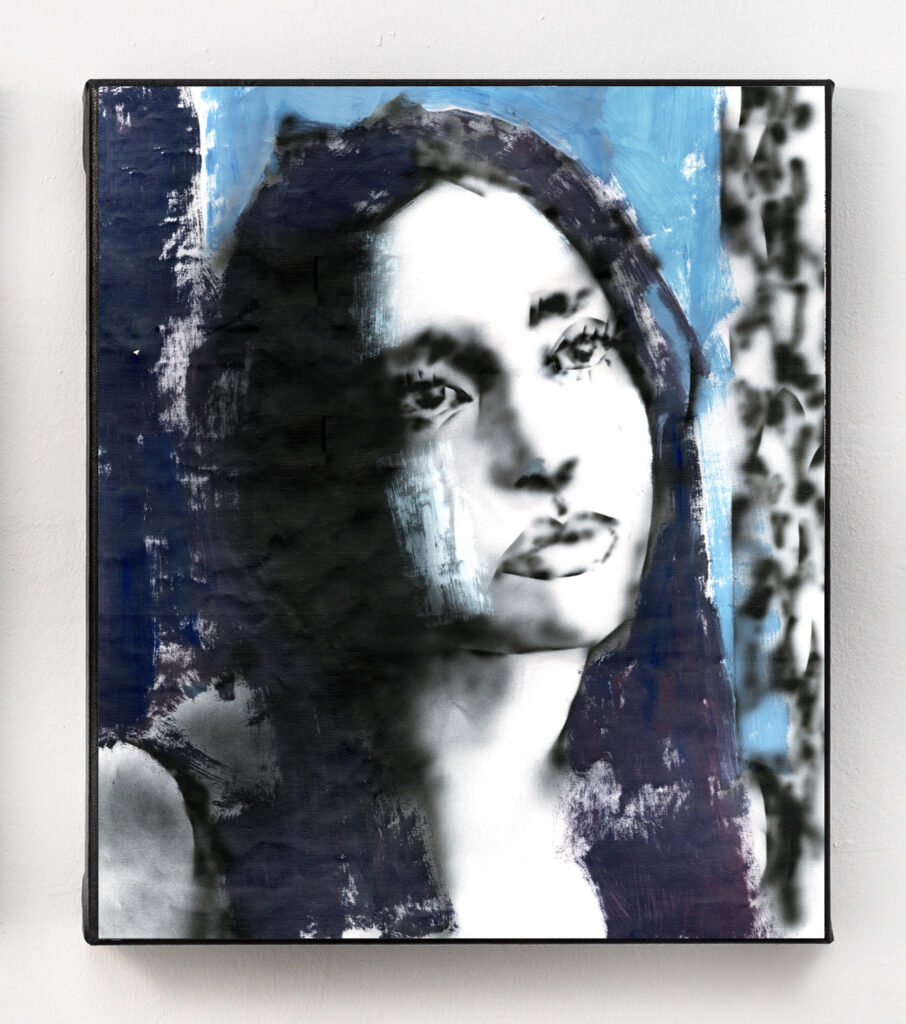
Could you talk to me about your use of symbolism?
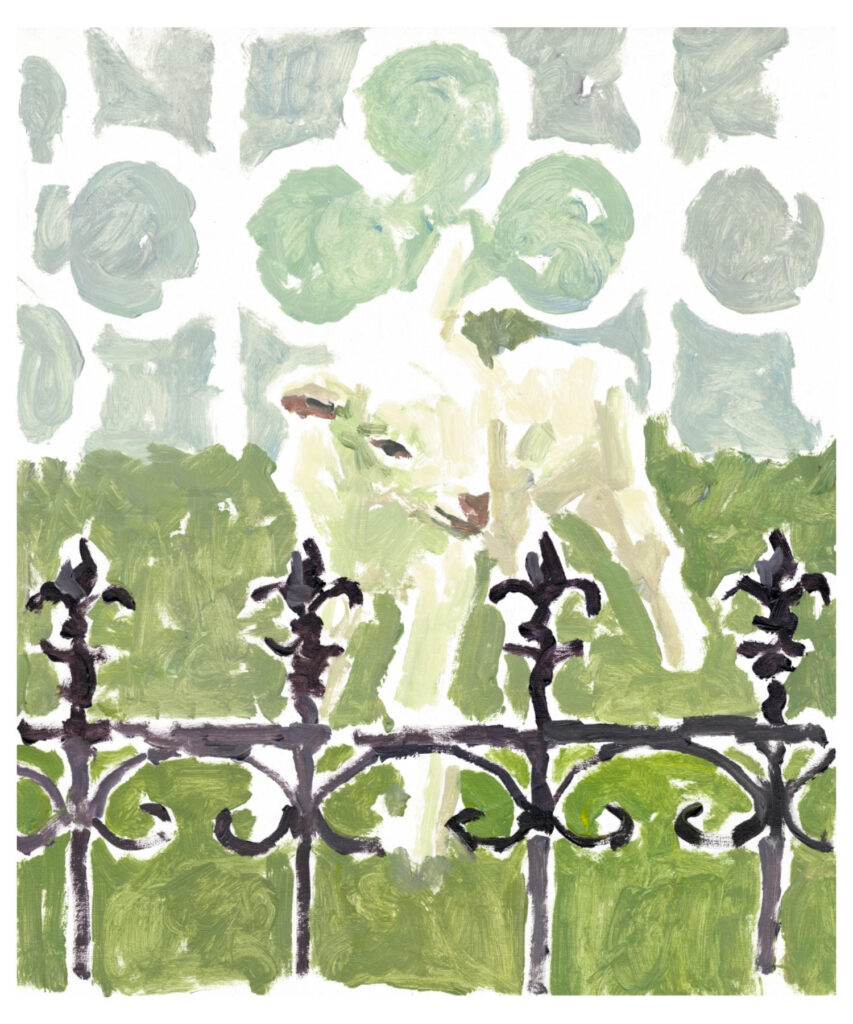
Joan: I think there are certain symbols that I use, but I’m not always fully aware of them. There are certain motifs like swans or lambs that I paint which are undoubtedly doors to big interpretations. On the other hand, ornaments can also function as symbols.
If a young person from Punta Arenas, where you grew up, discovers your work and sees their own childhood reflected in it, what would you hope they feel? And what would you hope a viewer in London or Zurich feels?
Joan: I think this is a pretty wild question. I’m from a generation that wasn’t born with the internet, but did get access to it at 11 or 12 years old. So I have memories that can coincide on both sides: First, from a more local place like the southern landscapes, and then from another angle — a language related to consumption, sneakers, football, videogames, which in that sense is shared all over the world. I think my art has at least those two possibilities: to be global and also specific and singular.
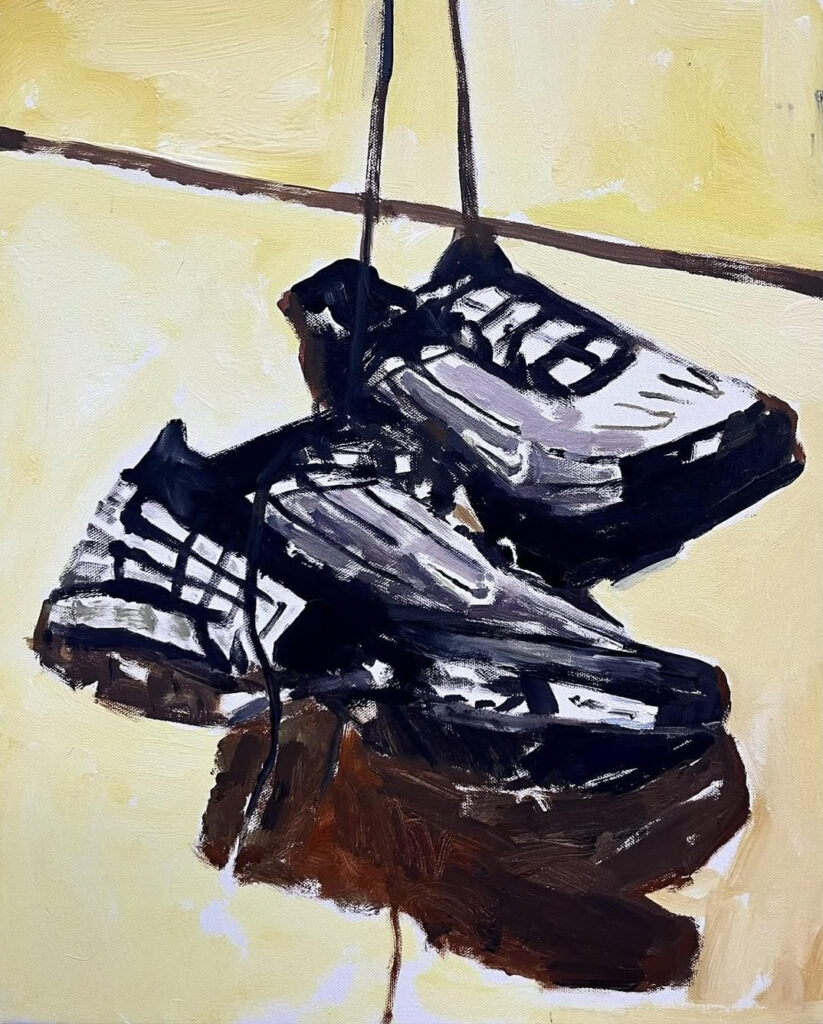
So, with everything we’ve just talked about, what do you hope to convey?
I think for a long time I dedicated myself entirely to two things:
- Trying to understand what art is.
- Trying to improve my painting and master this technique.
Today I think I’m still discovering both of those aims, although I have gotten closer to my goals. What I try to transmit is that I’m trying to discover who I am, what things catch my attention. What I paint generates a certain sensitivity in me and that’s what I try to transmit, accompanied by charisma — sometimes even humour. It’s super important for me to have fun doing what I do. I want to show that I can be someone sensitive, someone nostalgic, and at the same time I can laugh and become a child again, still discovering and testing the limits of art. I’m trying to find balance and not get too comfortable in any one place.
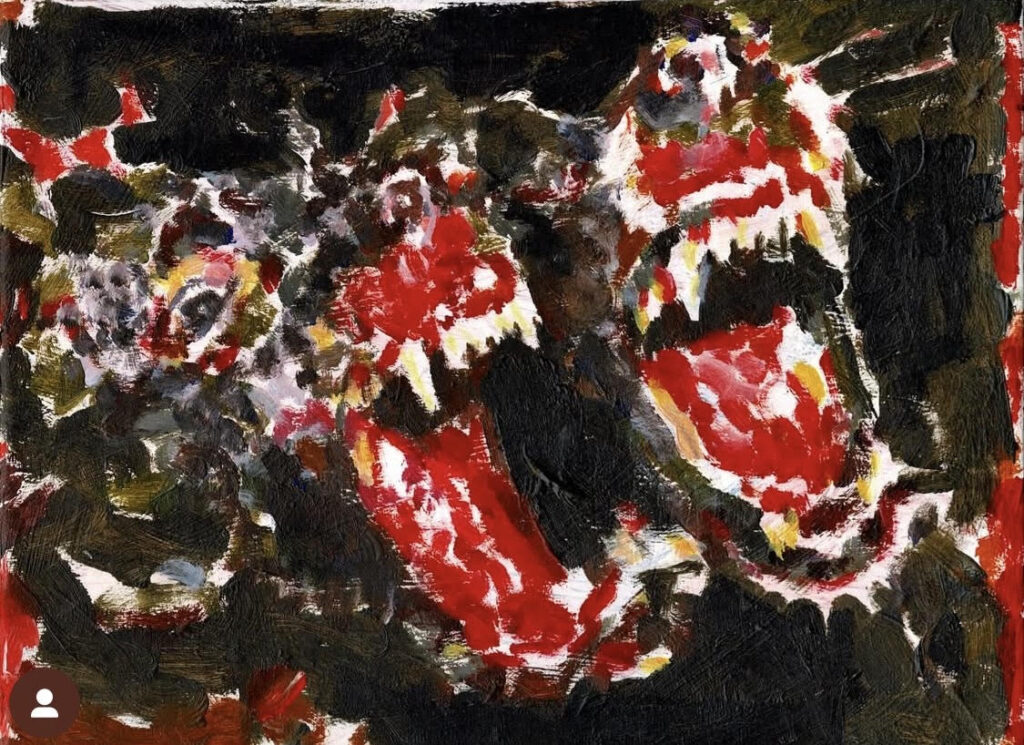
Okay, Joan, now let’s completely change the subject. In a parallel universe, who would you be? And what would you be doing?
Joan: Hahaha, maybe I’d be a musician, it’s probably my favourite kind of art. And if I go a bit further, I’d be a professional chess player.
Aside from art, what are you passionate about right now, maybe a hobby, a series, or even a type of food, that keeps you grounded or inspires you?
Joan: I play football once a week in a league with a team of close friends. I also tend to read a lot, poetry or novels. Lately I’ve been interested in the poetry of Rosabetty Muñoz, a poet from Chiloé, and the literature of Alejandro Zambra. As a hobby, I also write, I have several epistolary relationships and I write poetry. As for what I’m watching, I’m currently watching the series The Bear, although I’m not great at getting hooked on series. I try to watch lots of films. Recently I went to the cinema to see Amores Perros, a Mexican film that is the same age as me, and every time I watch it, it stirs up a lot of things in me — it’s really good. I also cook; I’m trying to make my favourite dish. The recipe is my mother’s and it’s a chicken cazuela.
Can you tell me a story about a time when a relationship with someone had a big impact on you?
Joan: I think when you’re little the relationship with your parents is very important. They have filled me with energy and values so I can be who I am. They motivate me every day to chase my dreams. And right now, all the relationships I have in my studio — I work at Taller Santa Victoria — have been very important. I’ve built great friendships there, and a family here in the capital. I’m the youngest; most of them are architects and are ten years older than me, but they always guide me and help me in my process. I’ll always be grateful for that.
What qualities do you consider most important in the people you choose to spend your time with?
Joan: People who have emotional intelligence. Who are empathetic and capable of being self-critical.
Is there someone you admire?
Joan: My father, Mateo Cárcamo, and my mother, Ximena Pérez.
What motivates you?
Joan: I’m motivated by knowing that every day I’m achieving more goals, that I have beautiful friendships, that I’m surrounded by love, that I have an opportunity not everyone has, and that I can live the life I once dreamed of. I’m motivated by my family — being able to help them, being able to buy something for my nephew, working so I can travel to see my mother. My relationships motivate me — my partner, the chance to learn more every day, and I’m also motivated by the possibility of becoming a better person every day.
How would you describe a perfect day?
Joan: Ideally, waking up with my partner, going for a run, taking a shower, going to the studio, being able to paint, read or watch something, getting my to-dos done, selling a piece — and in the evening, going out to eat something with the people I love.
Alright, Joan, I always end interviews with these two questions. The first one is: what is your favourite film or films, and why?
Joan: My favourite film is In the Mood for Love. I really like how it portrays unfinished love and a relationship that seems open but is actually deeply closed. The music makes you travel through a feeling of nostalgia. I also like the beauty that can exist in what’s incomplete. The colours in the film are characters that scream without words — they transmit desire and melancholy. Wong Kar-wai has a special way of playing with aesthetics, movement and the texture of time, which really inspires me in my artistic work. I try to reflect that sensitivity and way of capturing memory and emotion in my painting, hoping that whoever sees it feels that same intensity. I feel that if this director were a painter, he’d be an expressionist.
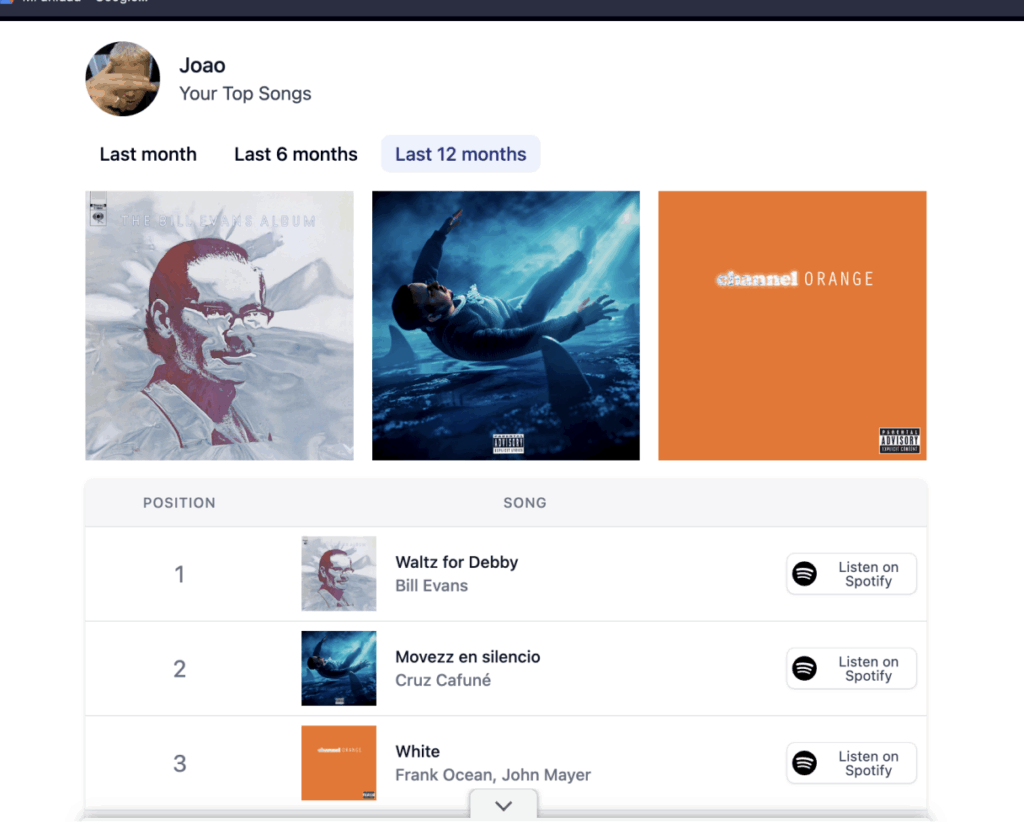
The second is: what song(s) are you listening to the most right now?
Joan: This is my Spotify. I usually listen more to full albums, and I think the album I’m listening to the most lately is Art Brut Collage by Sirio.