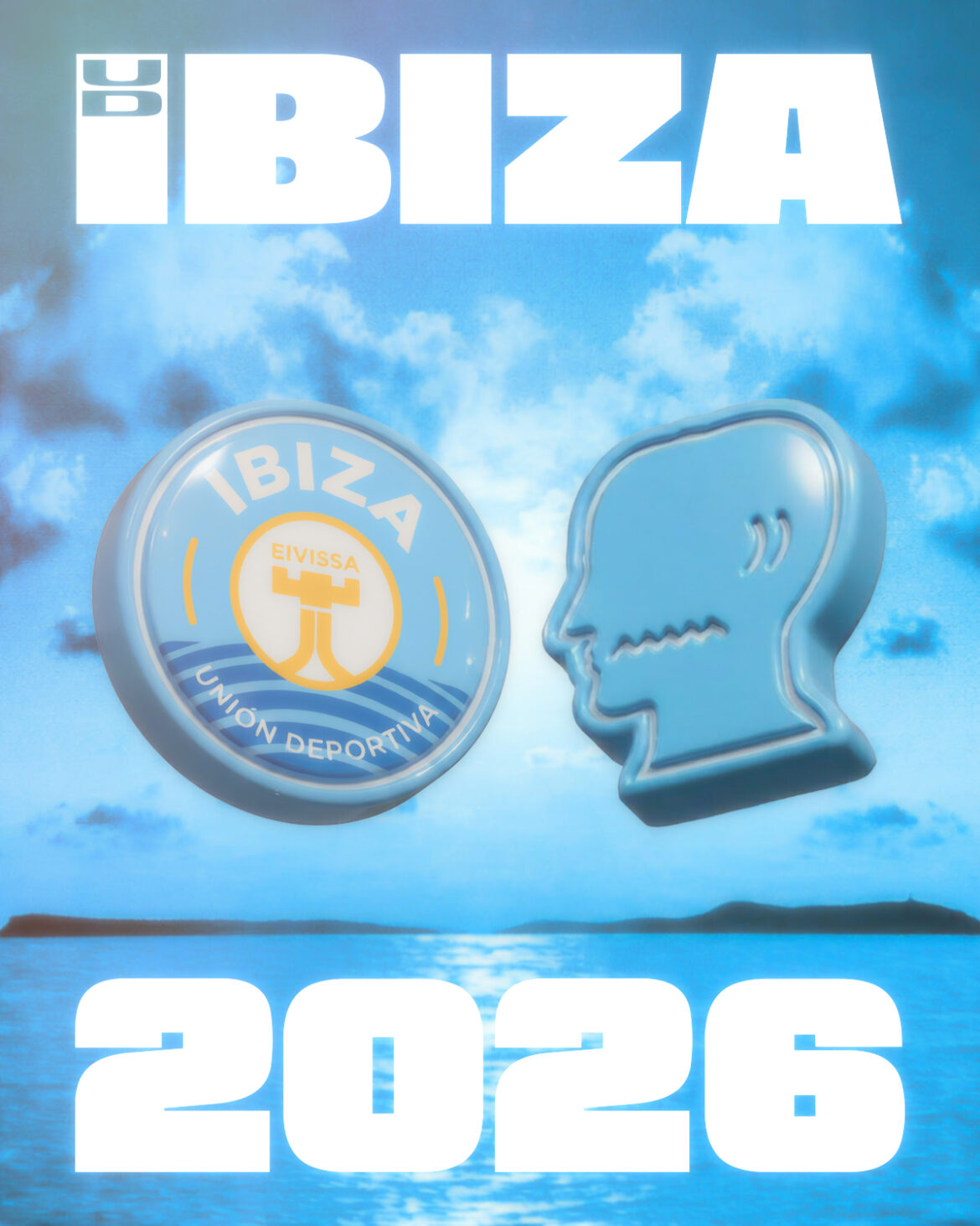
The Los Angeles collective will become the club’s technical sponsor from the 2026/27 season, turning football kit design into a new cultural experiment
Football shirts have stopped being just football shirts. Somewhere between terrace culture, streetwear, resale, archive obsession, and lifestyle branding, the kit became one of fashion’s most emotionally loaded objects: part uniform, part memory, part tribal signal.
Now, Brain Dead is stepping fully onto the pitch. The Los Angeles-based creative collective has been announced as the new technical sponsor of UD Ibiza from the 2026/27 season, taking charge of the club’s official match kits, training wear, travel clothing, and lifestyle collections.
It is the kind of partnership that sounds unlikely for about two seconds, then starts making perfect sense. Brain Dead has spent the last decade moving between fashion, art, music, film, sport, and graphic culture with a kind of controlled disorder. UD Ibiza, meanwhile, has been building an identity that reaches beyond the pitch, using the island’s atmosphere, nightlife, creative energy, and outsider appeal as part of its wider story.
That makes this less a simple sponsorship deal than a clash of worlds with real potential. Brain Dead is not arriving as a conventional sportswear supplier. Its language is stranger, looser, and more visually charged: mutant graphics, DIY energy, subcultural references, and an instinct for making clothes feel like they belong to a scene before they belong to a category.
For UD Ibiza, that could mean something genuinely different. A football club’s wardrobe is usually split between function and branding: kits for performance, tracksuits for movement, merch for supporters. Brain Dead’s involvement suggests a more porous approach, where the club’s visual identity can spill into lifestyle, streetwear, art direction, and the kind of pieces people might wear even if they have never looked at a league table.
The timing also feels right. Football has become one of fashion’s most active playgrounds, with clubs increasingly understanding that their visual worlds matter far beyond match day. Shirts now circulate like cultural objects, worn by fans, skaters, stylists, DJs, collectors, and people who are more interested in the mood of a club than its formation.