Share this
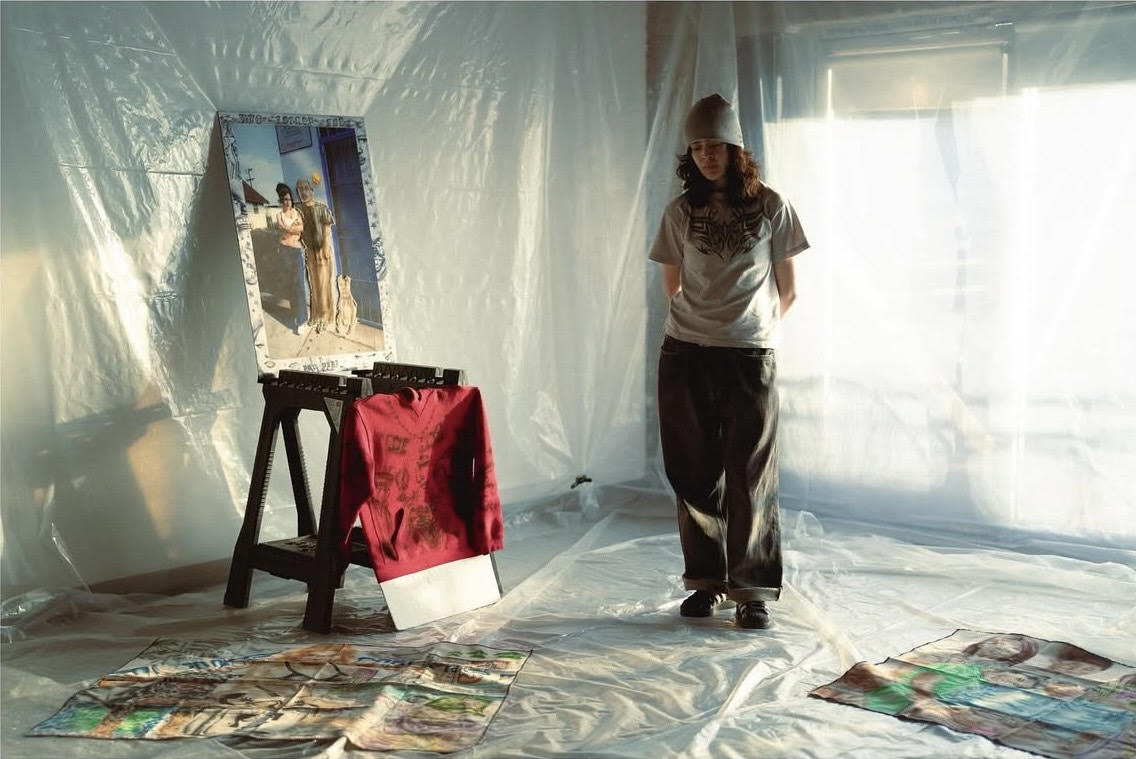
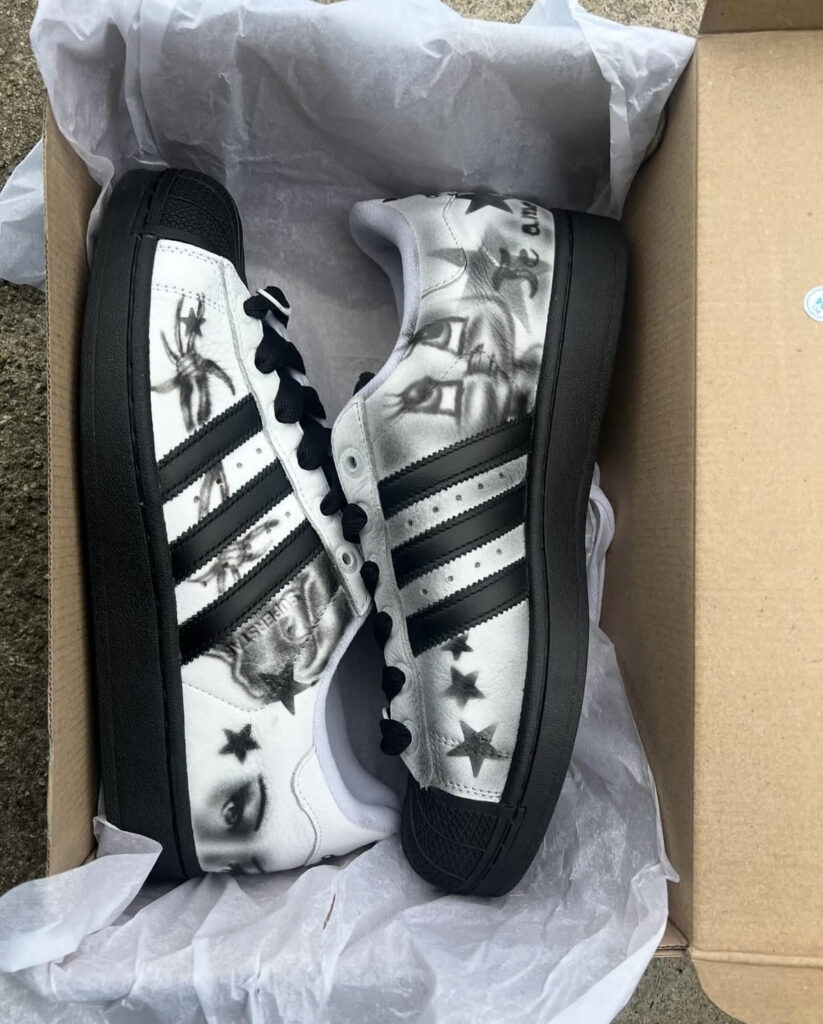
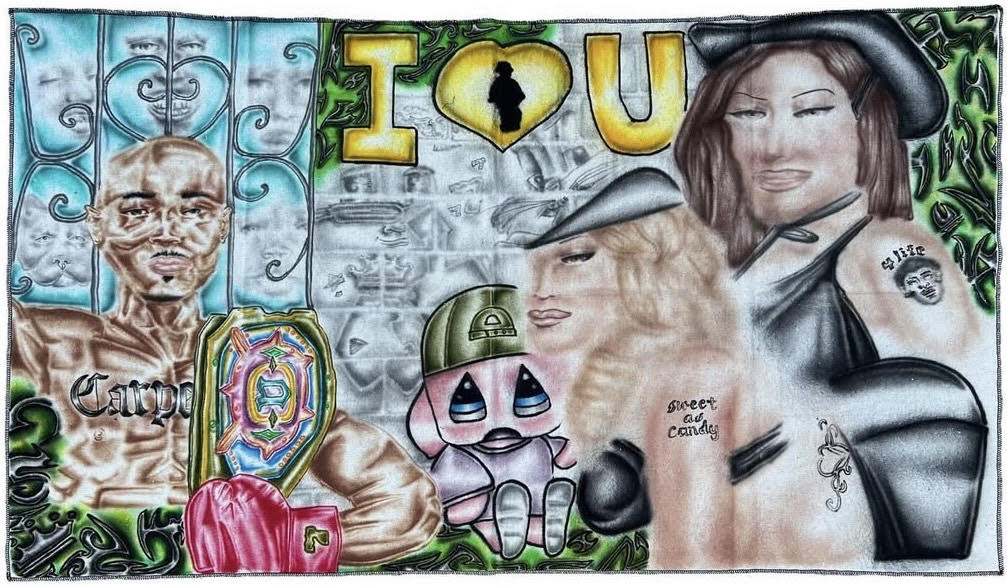
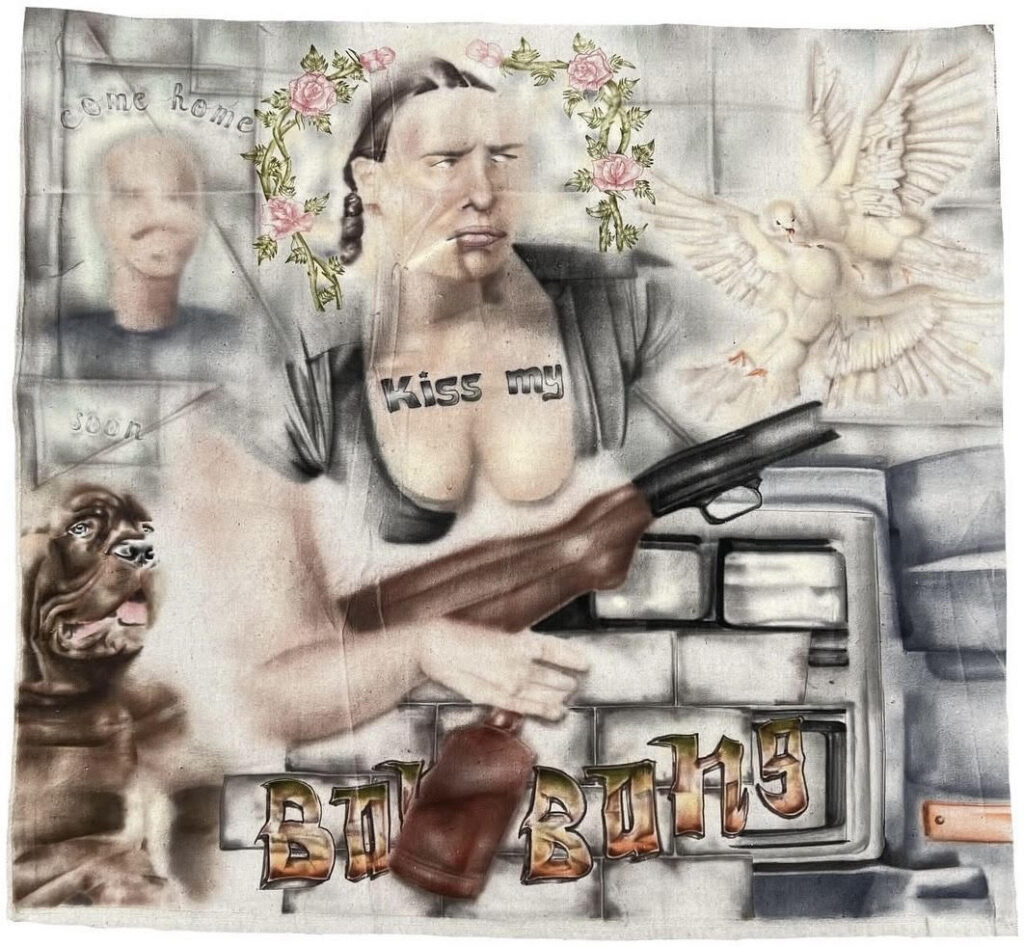
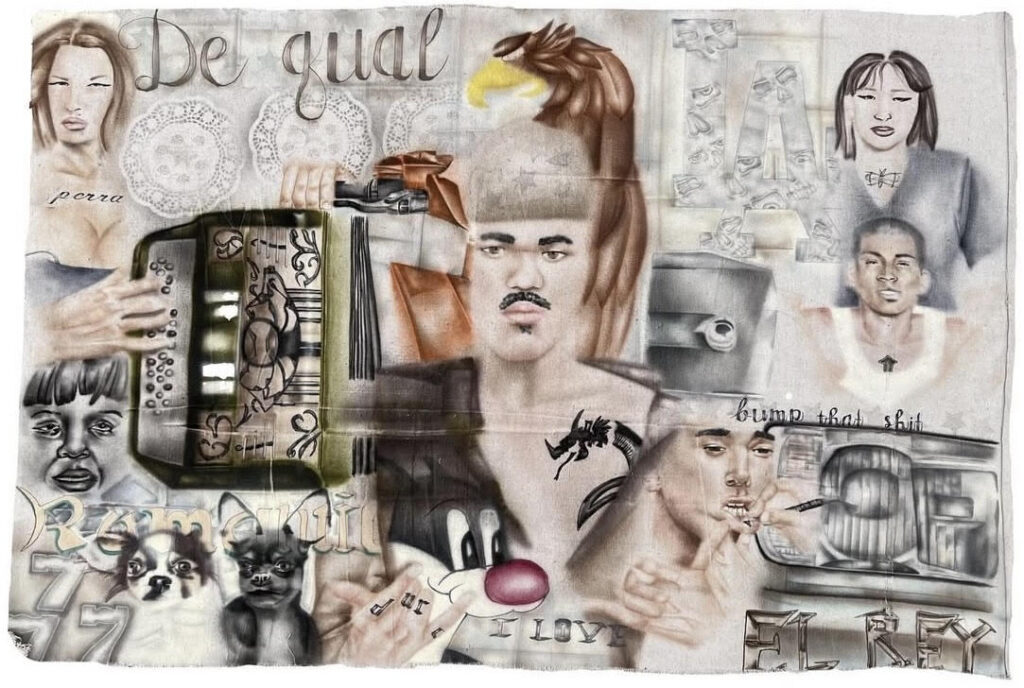
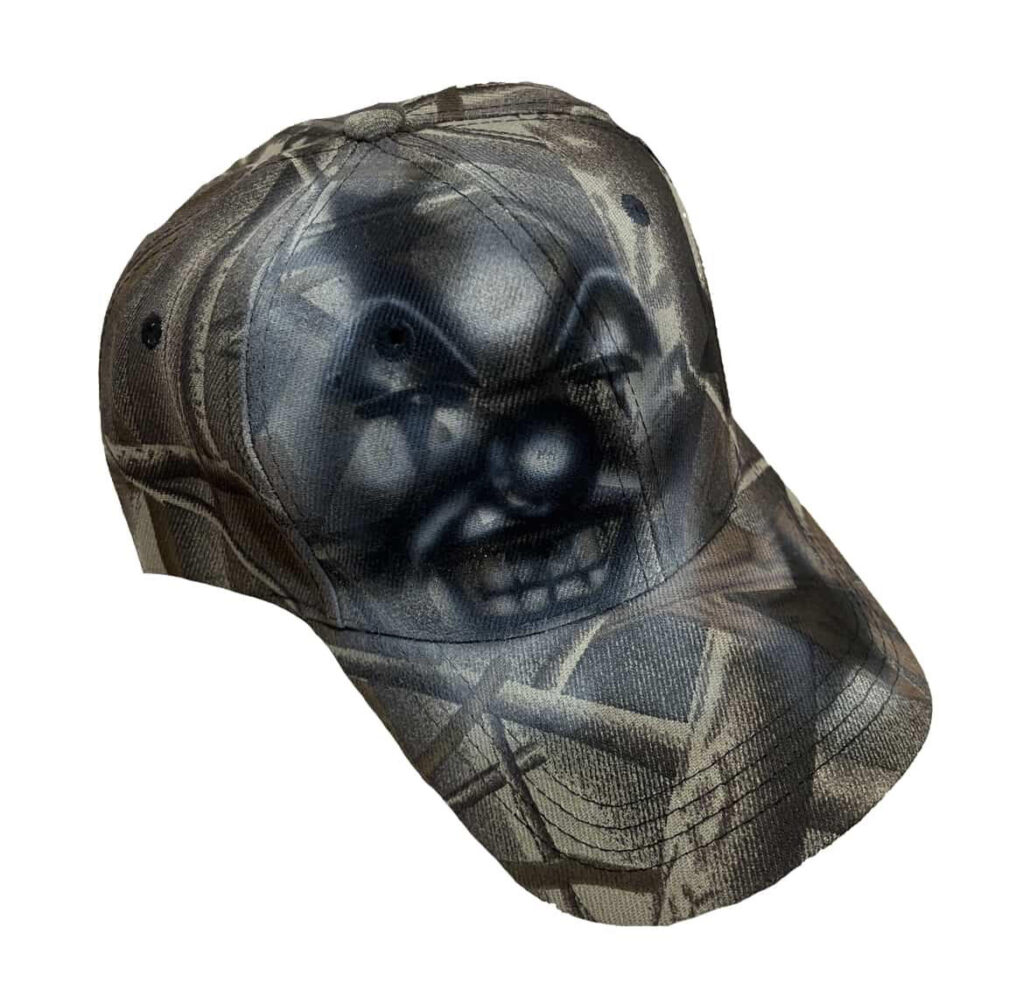
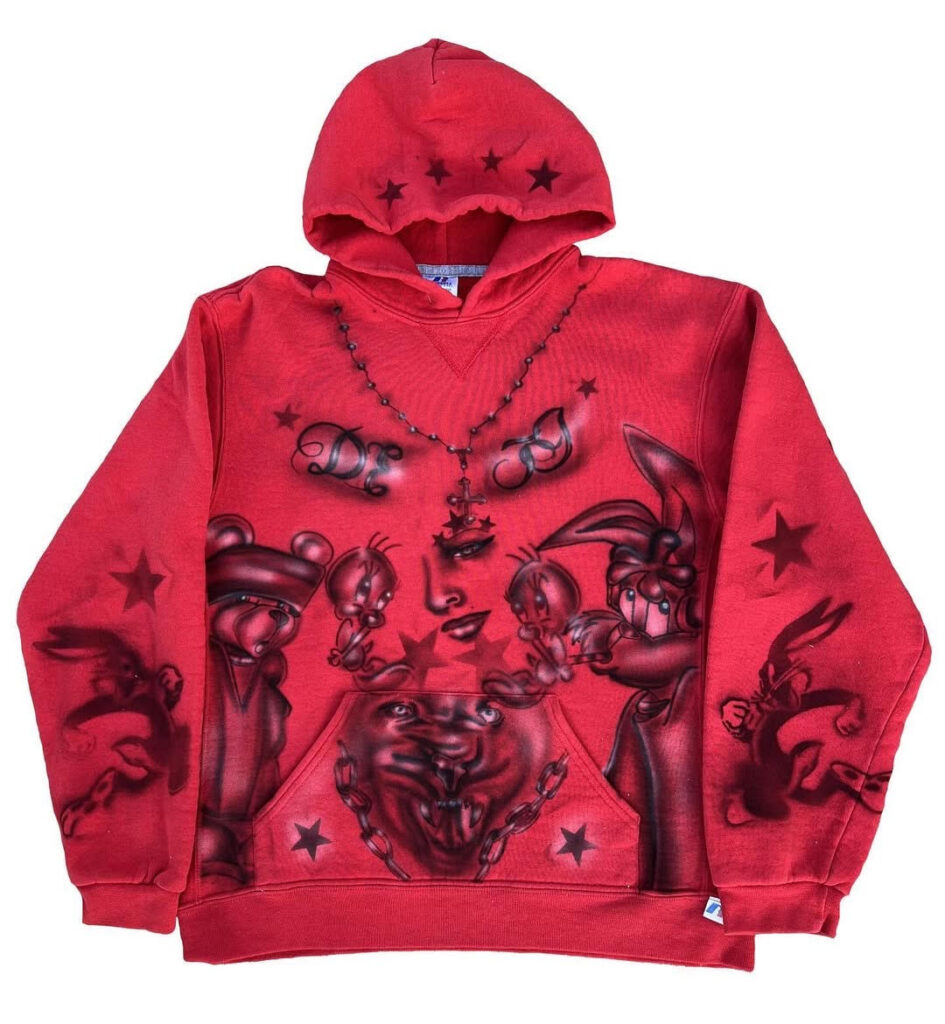
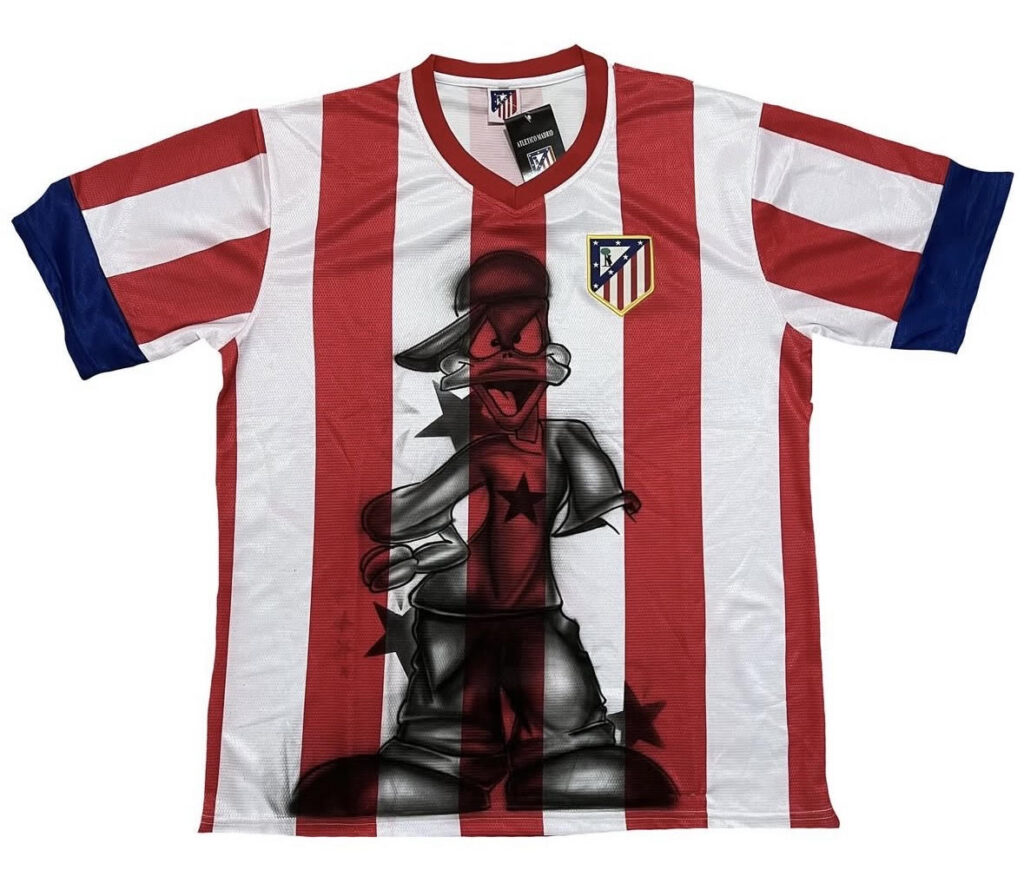
Vera Galvan is a multimedia artist whose primary medium is airbrush, a craft she’s honed while living in La Puente, California. Her environment, culture, and family deeply influence her work, shaping the stories she tells through her art. She’s been airbrushing for around four years, but it’s only in the past two that she’s shifted to working on canvases. This move to larger pieces has challenged her abilities, encouraging her to experiment with new imagery.
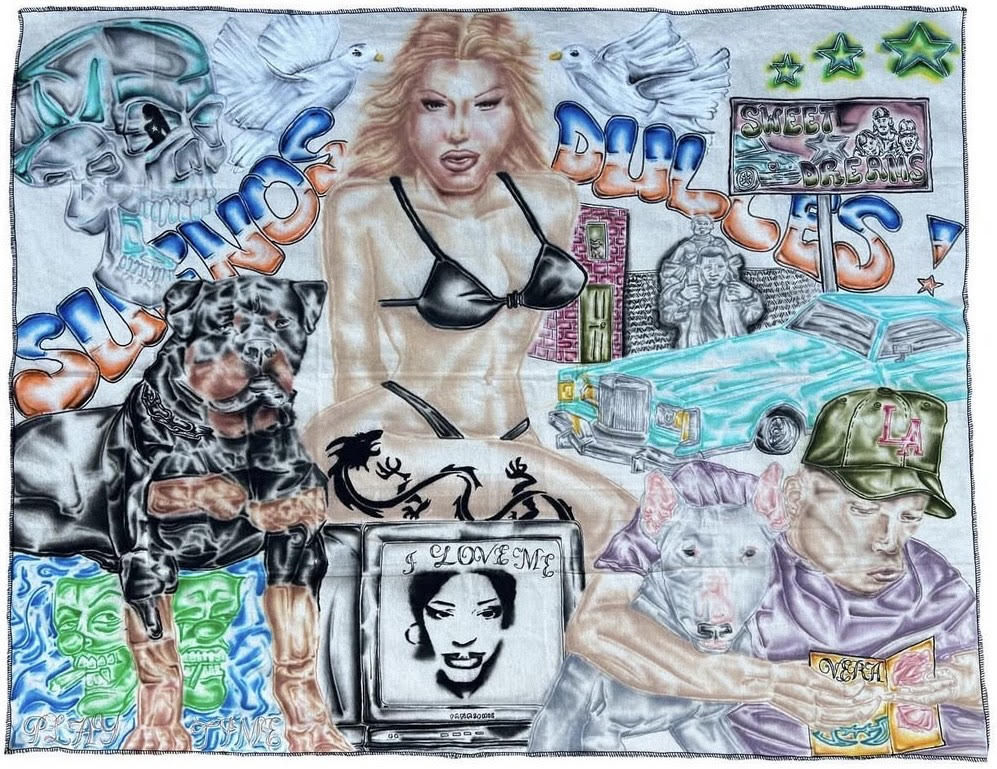
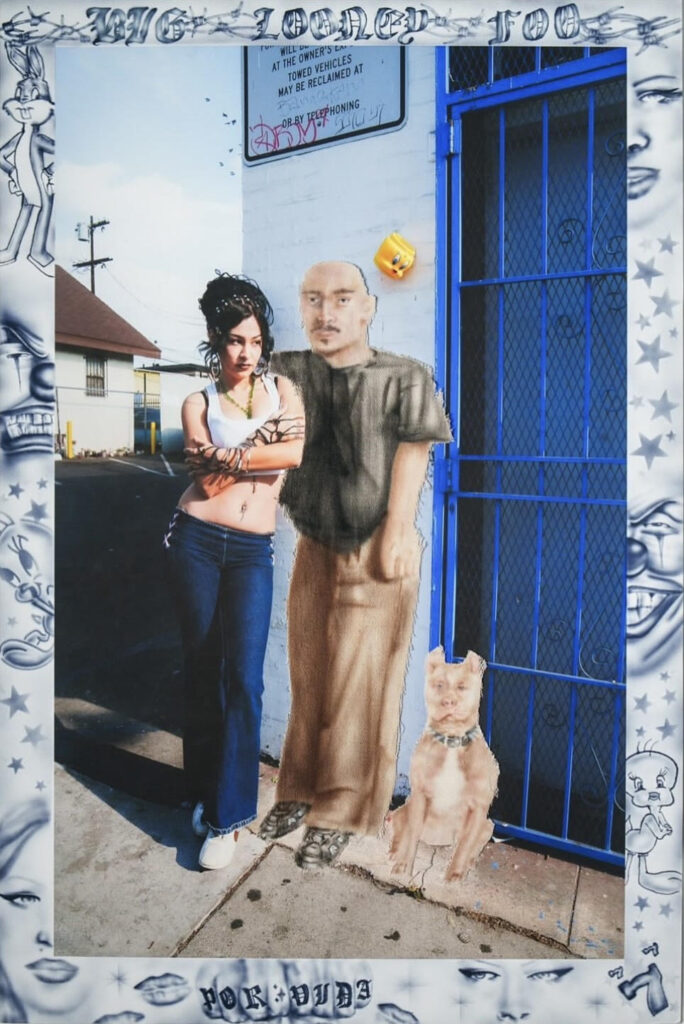
Vera draws inspiration from family photos, candid shots of random spots she captures, and the people she encounters, aiming to preserve their natural essence by highlighting the details and emotions of their state. She freehands 97% of her creations, embracing a less technical approach that’s pushed her to refine her accuracy and proportions. For Vera, airbrush is more than a tool—it’s her passion, steering her work in a bold new direction. With every piece, she strives to infuse life, inviting viewers to connect their own connotations to her evocative art.
Hi Vera! It’s a pleasure to sit down with you, First question that I always ask. How does a regular day look like for you in La Puente?
Vera: A regular day for me in La Puente starts with waking up and going through my usual cleaning routine. After that, I set up my airbrush machine and gather all the materials I need. I typically airbrush from early morning until late afternoon because I prefer working with natural light. Throughout the day, I take short breaks, mainly to eat and give myself time to decompress.
I’m curious, growing up in, what kind of kid were you? What did you enjoy doing, and how did you spend your time?
Vera: I was an independent, inquisitive and free spirited kid. I think I was a bit more out going then compared to how I am now. I did not have a shy bone in my body, but I am also an only child. I had to learn how to keep myself entertained and rely more on my imagination. I was usually having “missions” but it was merely just me alone exploring the boundaries of my backyard. I would doodle a lot as well, but I never really took it seriously. I viewed it as passing time.
So when did you start painting and when did you start taking being an artist seriously?
Vera: I started drawing more consistently in high school, especially because I was surrounded by my best friends—who also happened to be talented artists. Back then, drawing was more of an emotional outlet and a way for me to express myself. It wasn’t until the COVID pandemic that I began taking my art more seriously. With so much unexpected free time, drawing became my main focus. I used that time to create an Instagram account dedicated to my artwork, and as I kept sharing pieces, I started to see my audience slowly grow.
Ok Vera, with these next series of questions, I will try to delve into your work as best as possible. So, your work bounces off family photos and random snapshots. What do you look for when choosing your next protagonist or object to paint?
Vera: I usually find my next protagonist in the moment—often sparked by a particular emotion or expression I want to convey. I go through the same set of photos almost every time, yet I always seem to discover something new. It might be a small detail in the hands, the wrinkles in the clothing, or even the direction of the subject’s gaze. I also take photos of random things I see while walking or driving—like a car, a building, or just the energy of my surroundings. My environment plays a big role in what inspires me.
So who are those people?
Vera: The people I paint are usually family members or close family friends. Sometimes, I aim to capture the person exactly as they are, focusing on detailed likeness. Other times, I use only their silhouette as a reference and create the face myself. That approach can be challenging, though, because I tend to fall into repeating a similar effect or expression.
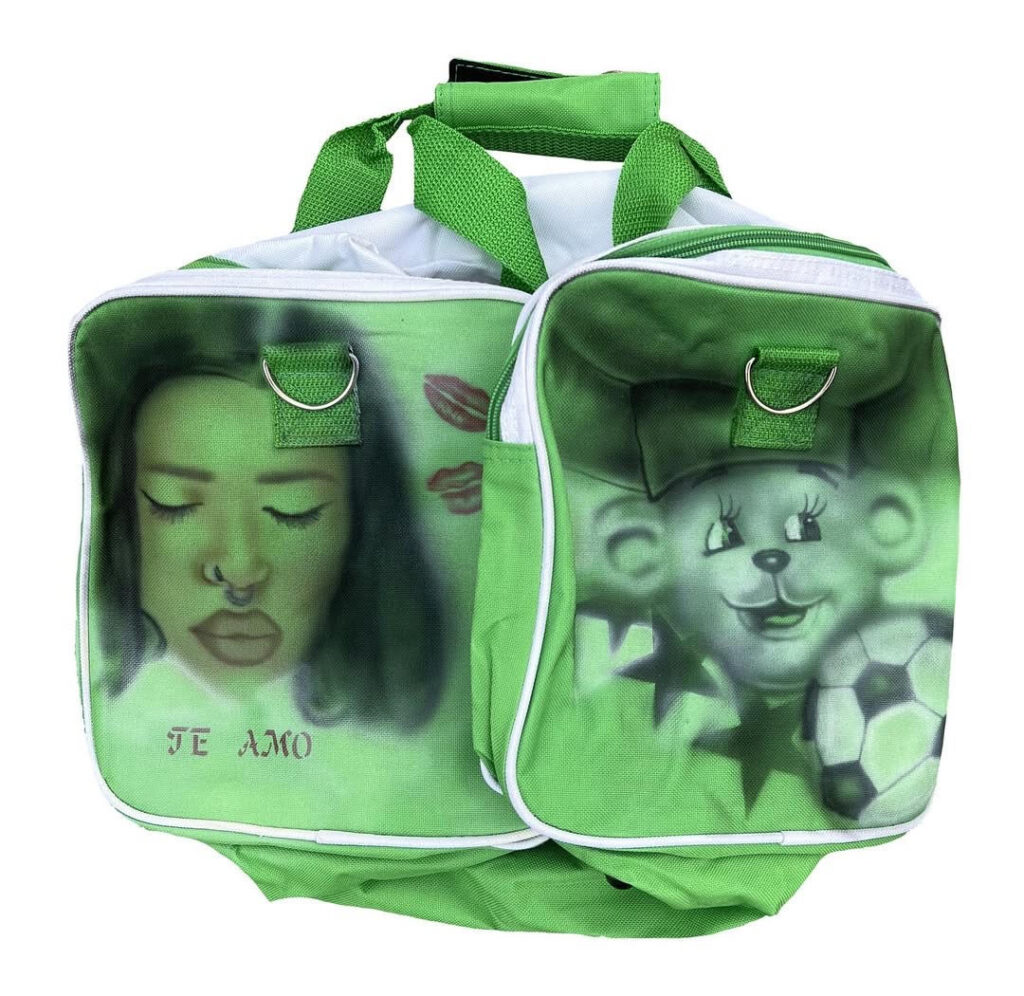
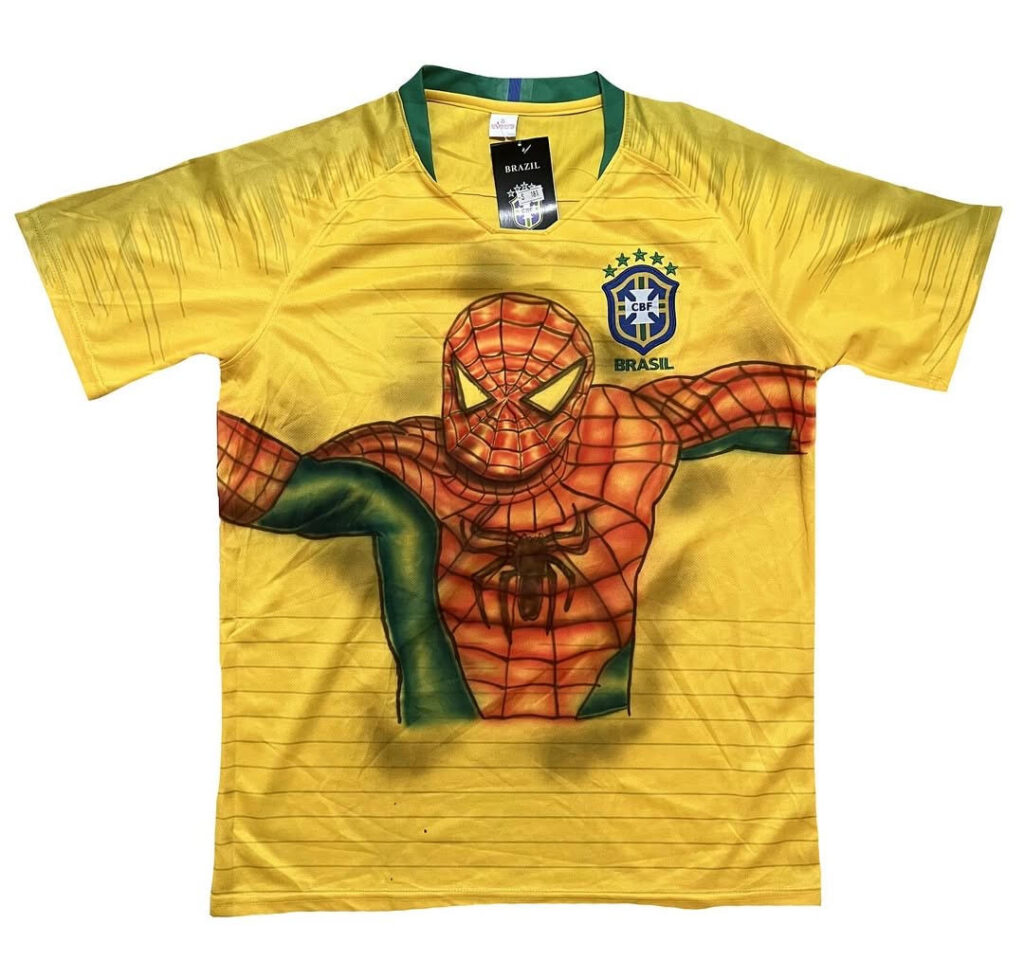
Fashion, or clothing is a big part of your work. When did you start spraying on clothes, and which do you prefer working on the most, clothes or canvases?
Vera: I started airbrushing on clothes in 2021—clothing was basically my first canvas. I enjoy painting on fabric, but I sometimes feel limited by it. I think I prefer working on canvas because of the larger size and the freedom it gives me to explore more. I shifted toward canvas when I kept trying to squeeze my collage pieces onto shirts, but there just wasn’t enough space. That limitation actually pushed me to take on the challenge of working with larger pieces. Clothes and canvas offer different experiences, and my preference often depends on my mood—but if I had to choose, I’d stick with canvas.
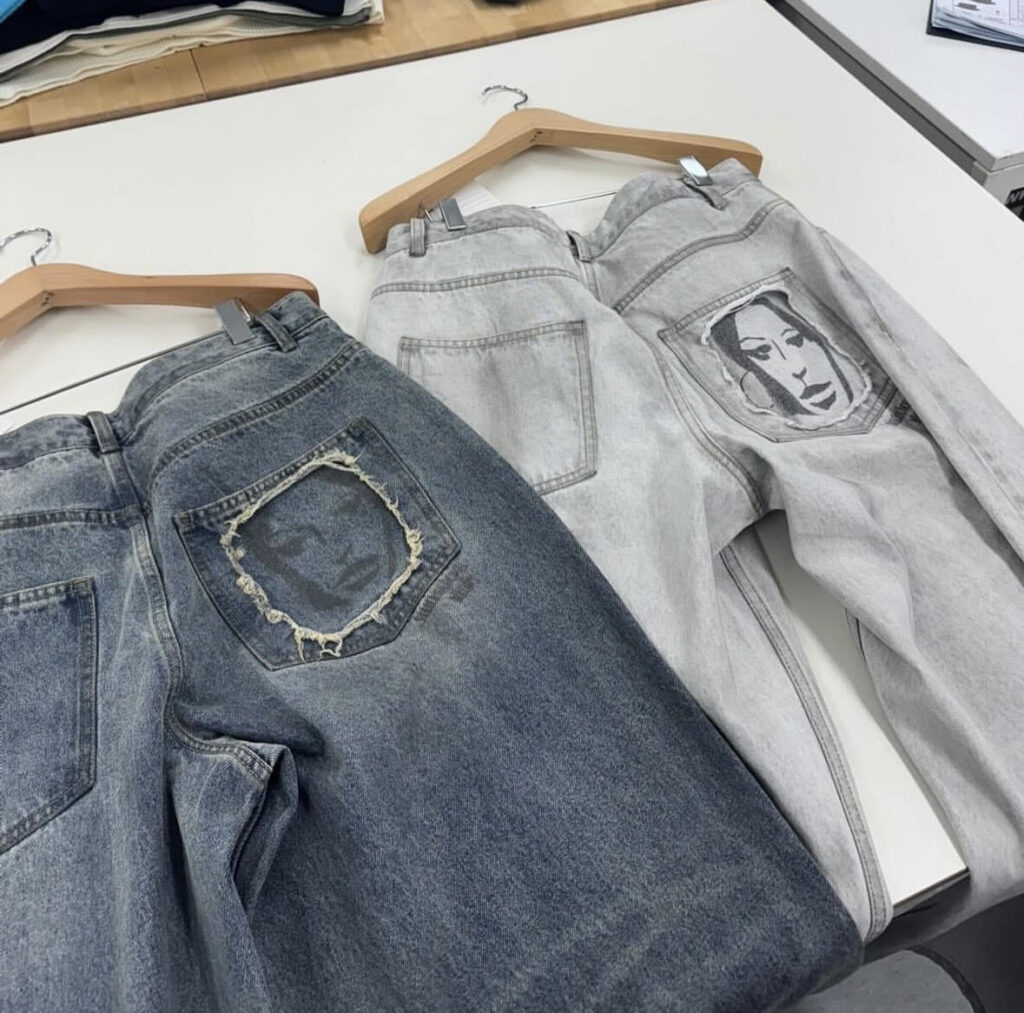
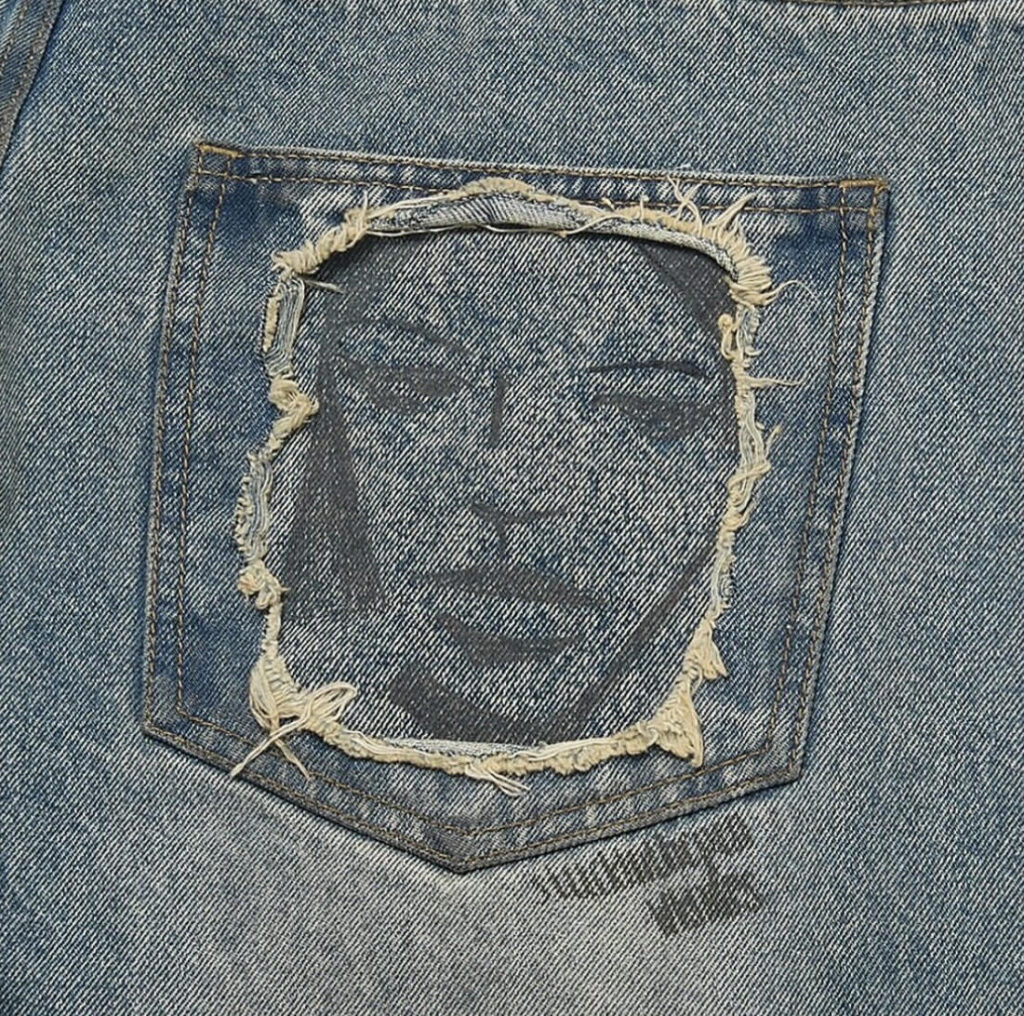
Freehanding 97% of your stuff—that’s bold! Can you walk me through your creative process from beginning to end result?
Vera: Freehanding has become second nature to me. I know I’m not the most technical artist, but that’s pushed me to improve my sense of accuracy and perspective. When I start drawing a face, I usually begin with the left eye, then move down to the nose and across to the right eye. I often drag my finger along the surface, trying to visualize the spacing—sometimes it works, sometimes it doesn’t. I always make room for error in
my process. I have to step back and look at my work to see if everything aligns—not just physically, but emotionally and aesthetically too. If I’m being honest, 95% of the time, I have no idea what I’m doing… but somehow, it all ties together.
Outside of art, what’s something you’re obsessed with right now— maybe a hobby, a show, or even a food—that keeps you grounded or inspired?
Vera: Lately, I’ve been kind of obsessed with Tetris. I go back and forth with phone games, but this one has really kept my attention. I’ve always had a hard time sitting still or keeping my hands idle, so playing Tetris has helped me manage that. It’s a nice way to decompress—especially during breaks from airbrushing. As a kid, I used to watch my
mom play it all the time, and now I can proudly say I’ve surpassed her in skill. It’s a small thing, but it helps me recharge and stay focused.
Can you also tell me about your use of symbolism?
Vera: I think symbolism has started to appear more in my work lately. I’m currently working on a piece that’s pushing me to be emotionally vulnerable—and to be honest, that’s been difficult. I haven’t allowed myself to be fully open in my art for a long time. While I do create with passion, there’s often a quiet nostalgia in the details: hints of family, culture, or past experiences. I’ll include subtle expressions inspired by places or events I’ve lived through. But with this current piece, I’m forcing myself to dive in headfirst. It’s unfamiliar territory, but I believe it will help me grow—not just as an artist, but as a person.
I don’t want fear to hold me back from being open in my work. I want to challenge myself through the use of symbolism.
What qualities do you find most important in the people you choose to spend time with?
Vera: The qualities I value most in people are hard work, optimism, and authenticity. I truly believe that you become like the people you surround yourself with. I’m proud to say that my friends have become like family to me. We have known each other for a long time, and I hold them very close to my heart. Each of them inspires me in different ways, and I think we bring out the best in one another. We encourage each other to grow, but we also believe in telling the hard truths when needed. That honesty, paired with love, is something I deeply appreciate.
Anybody you look up to?
Vera: My mom is someone I will always look up to. She is the most hardworking, generous, and beautiful person I know. As a single mother, she had to take on the roles of both parents while raising me. She somehow managed to juggle two or three jobs at a time while also attending school. No matter how hard things got, she always made sure I had a roof over my head and food on the table. Over the years, our bond has only grown stronger—and not a day goes by that she doesn’t amaze me.
What motivates you?
Vera: This might sound vain, but would say I motivate myself. I say that because I often reflect on my past work to see how far I’ve come. Seeing my own improvement encourages me to keep going. With consistency, I have grown—not just in skill, but in confidence. But beyond the progress, what truly motivates me is the happiness I feel when I’m creating. There’s no feeling like it. It’s pure bliss.