
Share this
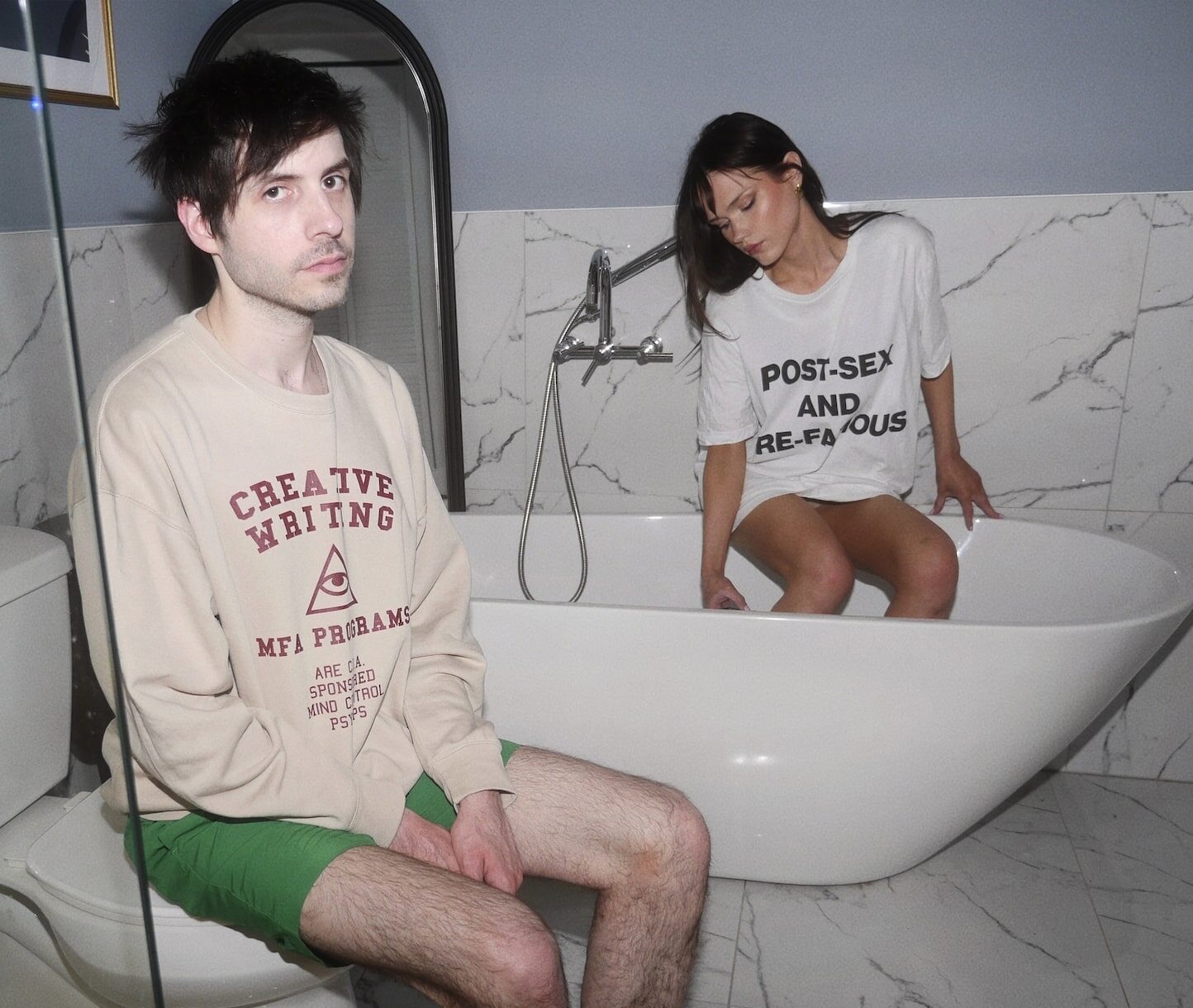
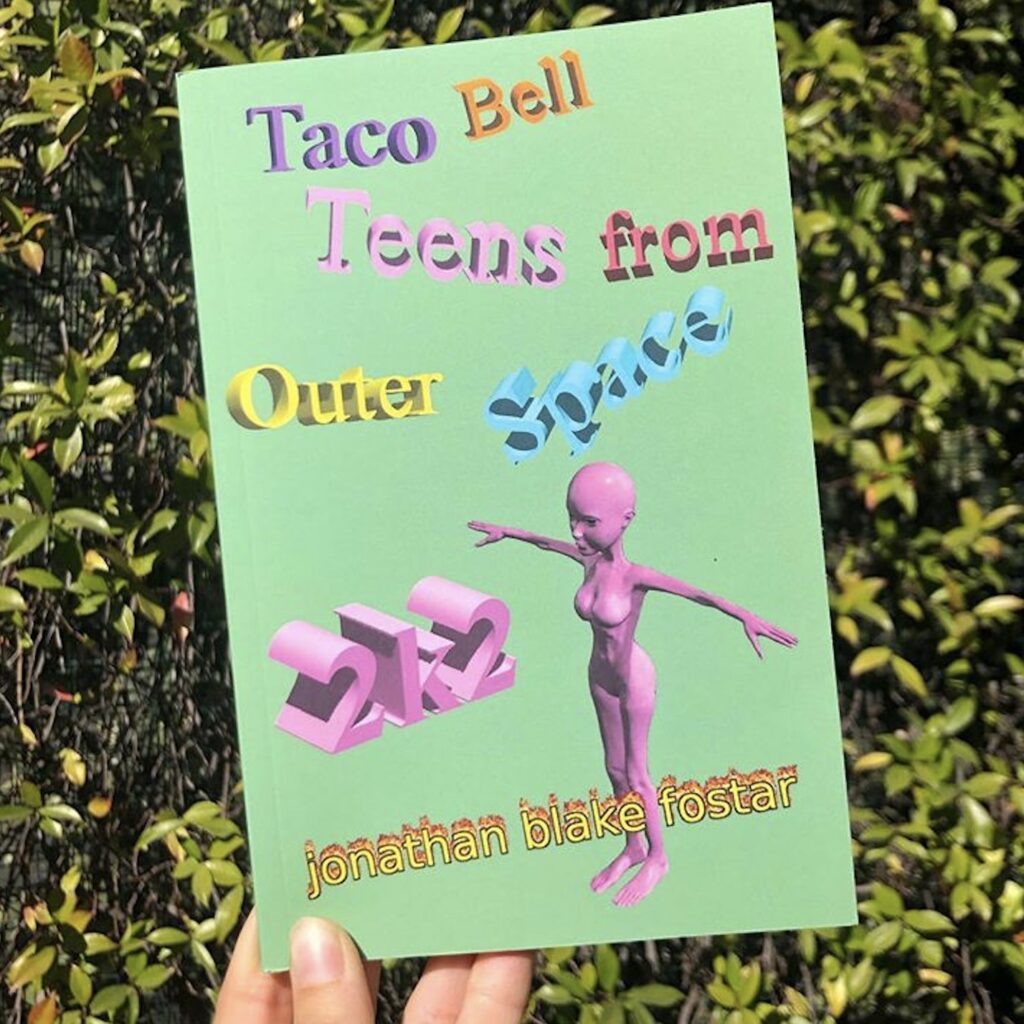
Jonathan Fostar has built a literary universe out of chaos, humor, and heartbreak. The New York–based writer, editor, and founder of Dream Boy Book Club (DBBC), has lived more lives than most people admit to imagining—crashing out of cities, schools, and versions of himself with equal intensity. His work, shaped by rehab stints, failed attempts at grad school, and a lifelong fascination with shame and desire, has earned him a cult following for its rawness and strange tenderness.
DBBC, the independent press he launched during his last stay in rehab, now publishes books he describes as “cute, sad, kitschy, horny”—and somehow, that combination has become a defining aesthetic. Fostar’s voice is unmistakable: self-deprecating, perversely honest, and unexpectedly graceful. Whether he’s talking about Love Island, failure, friendship, or the metaphysics of storytelling, he has a way of making the grotesque sound beautiful and the beautiful sound slightly deranged. With fifteen books published and a new “masterpiece” on the way, Jonathan Fostar has quietly become one of the most singular—and singularly unpredictable—figures in contemporary indie literature.
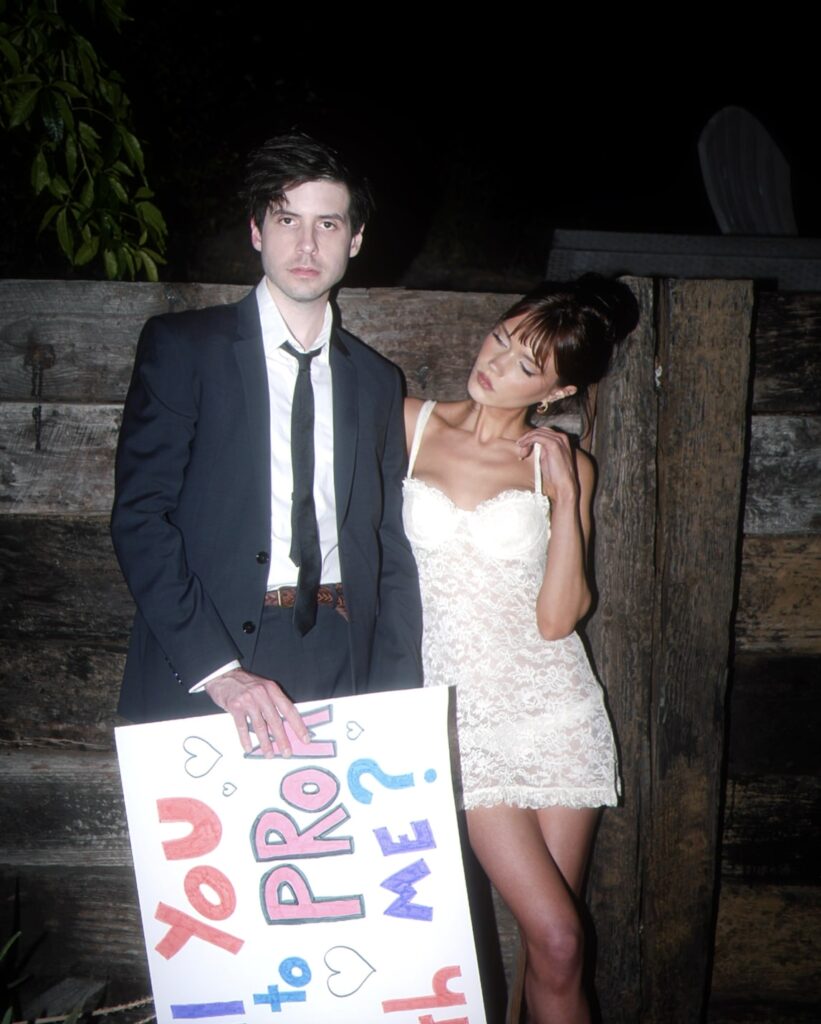
Hi Jonathan, It’s a pleasure to sit down with you. First question that I always ask. How does a regular day look like for you in New York?
Jonathan: Hey, cowboy! Every morning, I eat exactly one plain yogurt. Then I scroll through the UFO message boards. Then I eat a banana. Then I check my email. Then I eat a pack of fruit snacks. Then I watch Love Island for two or three hours. Then I check my email again. Then I eat 100 grams of chicken and maybe some broccoli or spinach or something. Then I eat more fruit snacks. Then I go to the grocery store to buy yogurt, bananas, fruit snacks, chicken, and maybe broccoli or spinach or something. Then I fall asleep listening to something about the illuminati on YouTube.
I’m curious, growing up, what kind of kid were you? What did you enjoy doing, and how did you spend your time?
Jonathan: I spent most of my time in chat rooms.
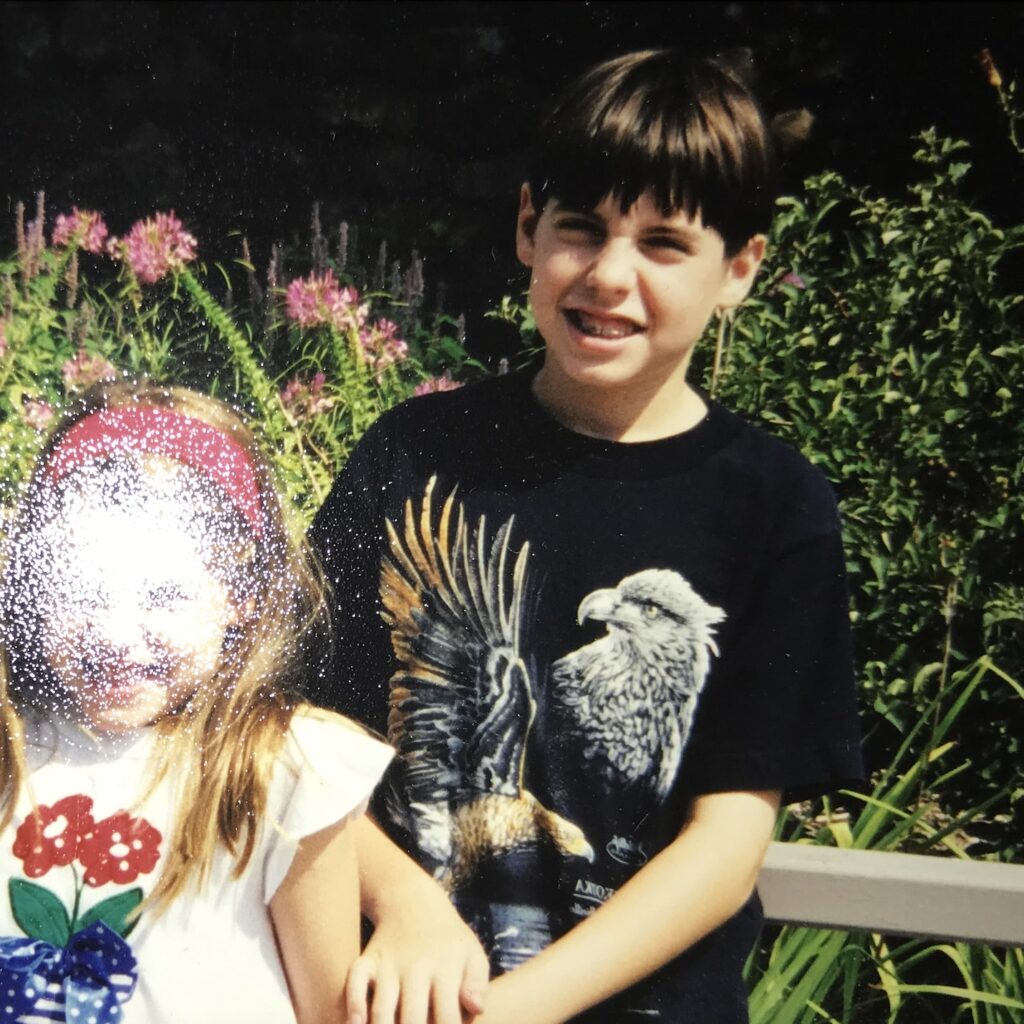
Do you remember approximately at what age your creative side started to show?
Jonathan: I kind of find it hard to remember being a kid now that I think about it. I’m not sure what’s a memory and what’s some shit I saw on the Disney Channel. I think I took a lot of violin lessons.
Your biography reads almost like a series of controlled explosions. When you look back at all the places you have lived or “crashed out of”—New York, Denmark, London, Italy, grad school, which has been your favorite place and why?
Jonathan: I have this really intense fantasy that someday I’ll explode, but like, softly. Soft violence. Like I’ll explode into a million stuffed animals or something. Does that make sense? I don’t know if that answers your question.
Oh, and can you tell me about how you’ve got to live in so many different places of the world?
Jonathan: Grace and divine guidance.
And about the crash out part pls 😀
Jonathan: Grace and divine guidance also.
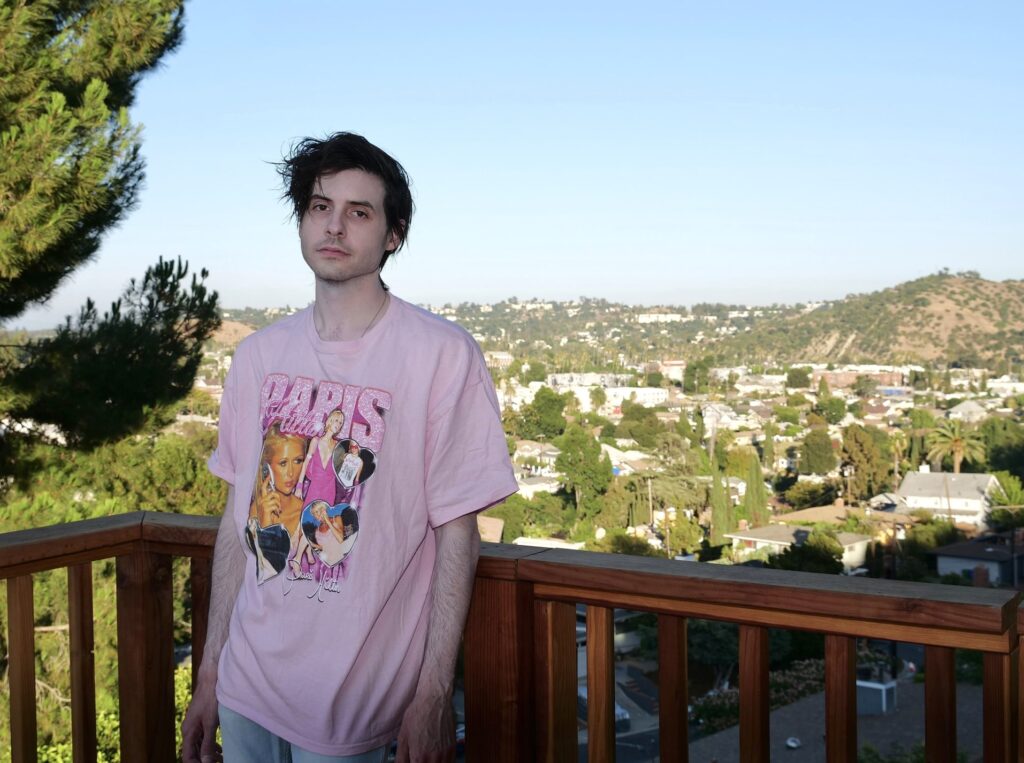
With that in mind. You’ve lived through so many reinventions. Which version of yourself feels the most distant now, and which version still scares you a bit?
Jonathan: For a while I tried prayer. I wouldn’t recommend it though. Too dangerous.
Dream Boy Book Club was born during your “last” stay in rehab, and during covid. What made literature feel like the lifeline in that moment rather than, say, something you wanted to abandon?
Jonathan: Literature or narrative or storytelling or whatever is this technology we invented to make sense out of stuff that doesn’t make sense. To give a little structure to weird shit. Like, I don’t know, a traumatic wound or quantum mechanics or Mulholland Drive. It’s like this tool that translates the world into our own terms. I think it makes sense that someone would grab onto it when they’re kind of messy.
Ok, so despite everybody’s saying that printing is dead and physical bookstores is a thing of the past, what made you want to open a publishing business?
Jonathan: My grandpa used to hang dead animals all over the walls at his cabin. I like dead things. But hunting for fun feels mean. Feels vicious. In the end, it all evens out though. My grandpa died when his car smashed into a moose during a snowstorm. True story. Everything gets revenge eventually.
So who taught you about the publishing business?
Jonathan: Google.
Can you walk me through the whole process of starting DBBC. From initial idea, to scouting locations, to end result?
Jonathan: It wasn’t my idea. This girl I met in the hospital came up with it. Her name was Emily. She’s dead now.
So why books, and not a clothing store or a poster store for example?
Jonathan: I feel like I’ve said the word ‘dead’ or ‘death’ or ‘dying’ too many times and it’s starting to make me feel self-conscious. From here on out, let’s try to stay positive. Let’s manifest something nice.
How do you go about curating the book and magazine selection? Anything specific you look for?
Jonathan: Typos. I love typos. They make me feel like a person. I also have a soft spot for pornography. But like make it goofy. If you can be a silly goose and still make me wet, I’m all in.
It’s been about 4 years since DBBC opened, looking back, what has been some of the biggest obstacles so far?
Jonathan: Money.
Entering this new Independent bookstore owner world, is there anything that has surprised you?
Jonathan: Not really.
You mentioned Emily earlier, she’s part of the origin story, and she’s gone now. How do you carry her presence—or your regrets—into the work you publish?
Jonathan: When you meet someone in rehab, or the hospital, or the psych ward, or outpatient, you form really intense relationships really quickly. It’s like summer camp. People become besties or start fucking or whatever on a much shorter timeline than in real life.
But eventually camp’s over, and your parents come pick you up, and you go home to your job or school or dog or husband or etc. And then those relationships that felt really really intense suddenly feel really far away and unimportant and make believe. They aren’t exactly, but it sure feels that way. Or at least I felt that way. I wasn’t very nice to her.
You’ve said you “weren’t very nice to her.” How does that shape your sense of responsibility today as an editor, mentor, or friend?
Jonathan: Besides being hot, my only goal really is to just be a little kinder every day. Some days are better than others obviously, but overall, I want the trajectory of my life, and by extension Dream Boy Book Club, to always be trending towards niceness.
Do you ever worry that getting better—being “much nicer now,” as you said—might change the way you write?
Jonathan: Oh I’m still very gross, very much so. You can be polite and a pervert at the same time. The best creeps I’ve met are all deeply kind, caring people. But I’m still writing about incest and cold sores and gooning, don’t worry.
You failed out of grad school, twice. You’ve been in and out of rehab. You call these things openly “failures,” but they seem to form the spine of your creativity. How do you see failure now—as shame, fuel, or a kind of curriculum?
Jonathan: Shame is my second favorite emotion.
Real quick, what were you in rehab for?
Jonathan: Mike’s Hard Lemonade.
You wrote four books in that chaotic stretch of life. Do you see them as documents of survival, or more like snapshots of alternate selves you’ve shed?
Jonathan: My mom really likes those books.
You’re now working on what you call your “masterpiece.” What makes this one feel different—ambition, confidence, grief, sobriety, desperation?
Jonathan: No spoilers.
You joked that after the masterpiece you’ll “quit or something.” Do you actually believe in endings?
Jonathan: I hope so. I can’t wait to retire to Florida and drive around in a golf cart all day.
DBBC publishes “cute, sad, kitschy, horny shit.” What does that combination mean to you emotionally?
Jonathan: What else matters? What else could possibly matter?
The press started from not being wanted by other publishers. How much of its identity still runs on defiance?
Jonathan: Resentment is my favorite emotion.
You’ve published fifteen books, with more coming. What’s the secret ingredient that tells you: “This one is Dream Boy material”?
Jonathan: If it reads similar to the way pink Starbursts taste, I’m in.
You’re now a professor in Chicago. How does teaching writing to others affect your own relationship with it—especially after the periods where writing and survival were tangled?
Jonathan: It’s still so weird to me they let me do it at all, honestly. And I’m really, really grateful.
Is there something your students teach you that you didn’t expect, especially given your past?
Jonathan: Nobody smokes anymore which feels troubling.
Does sobriety change the way you edit? Like, do you edit with more precision, or more mercy?
Jonathan: My editorial ethos remains locked in and unchanged: make the thing the thingiest thing it can be. Everything else, line edits, structure, craft, etc. is whatever.
If you look at that entire journey—Chicago, Copenhagen, New York, London, Italy, LA, rehab, loss, reinvention, what’s the question you still don’t know how to answer about yourself?
Jonathan: I sat here staring at the wall for at least 5 minutes trying to think of an answer to this. Then I gave up. I ate half an apple.
What do you wish the literary world understood about writers who come from chaos rather than institutional prestige?
Jonathan: I feel like there’s room for everyone and everything to be honest. Maybe we don’t always vibe, but I’ve got a lot of weird respect for other writers and publishers and alcoholics, prestigious or not. Except the literary scene in Chicago. You can all eat my ass.
What kind of “dream boys” do you imagine reading DBBC books in ten or twenty years?
Jonathan: Botox beach babes and brain dead hunks.
Ok Jonathan, now to something totally different. In a parallel universe who would you be? and what would you be doing?
Jonathan: I’d like to be a tattoo of a dolphin or a bellybutton piercing please.
Outside of books, publishing and writing, what’s something you’re obsessed with right now—maybe a hobby, a show, or even a food—that keeps you grounded or inspired?
Jonathan: Love Island.
Can you tell me a story about a time when a connection with someone had a big impact on you?
Jonathan: I’ve been talking to my dad a lot lately. There’s not a joke here. It’s just been nice to get to know him.
What qualities do you find most important in the people you choose to spend time with?
Jonathan: Haircuts.
Anybody you look up to?
Jonathan: My cat, Chicken. He’s an angel.
What motivates you?
Jonathan: Pure resentment.
How would you describe a perfect day?
Jonathan: I wake up and eat exactly one plain yogurt. Then I scroll through the UFO message boards. Then I eat a banana. Then I check my email. Then I eat a pack of fruit snacks. Then I watch Love Island for two or three hours. Then I check my email again. Then I eat 100 grams of chicken and maybe some broccoli or spinach or something. Then I eat more fruit snacks. Then I go to the grocery store to buy yogurt, bananas, fruit snacks, chicken, and maybe broccoli or spinach or something. Then I fall asleep listening to something about the illuminati on YouTube.
Alright Jonathan, I always ask these two questions at the end of an interview. The first is. What’s your favorite movie(s) and why?
Jonathan: I’ve never seen a movie. I only watch Wheel of Fortune and Love Island.
The second is. What song(s) are you currently listening to the most right now?
Jonathan: Diet Pepsi.