
Share this
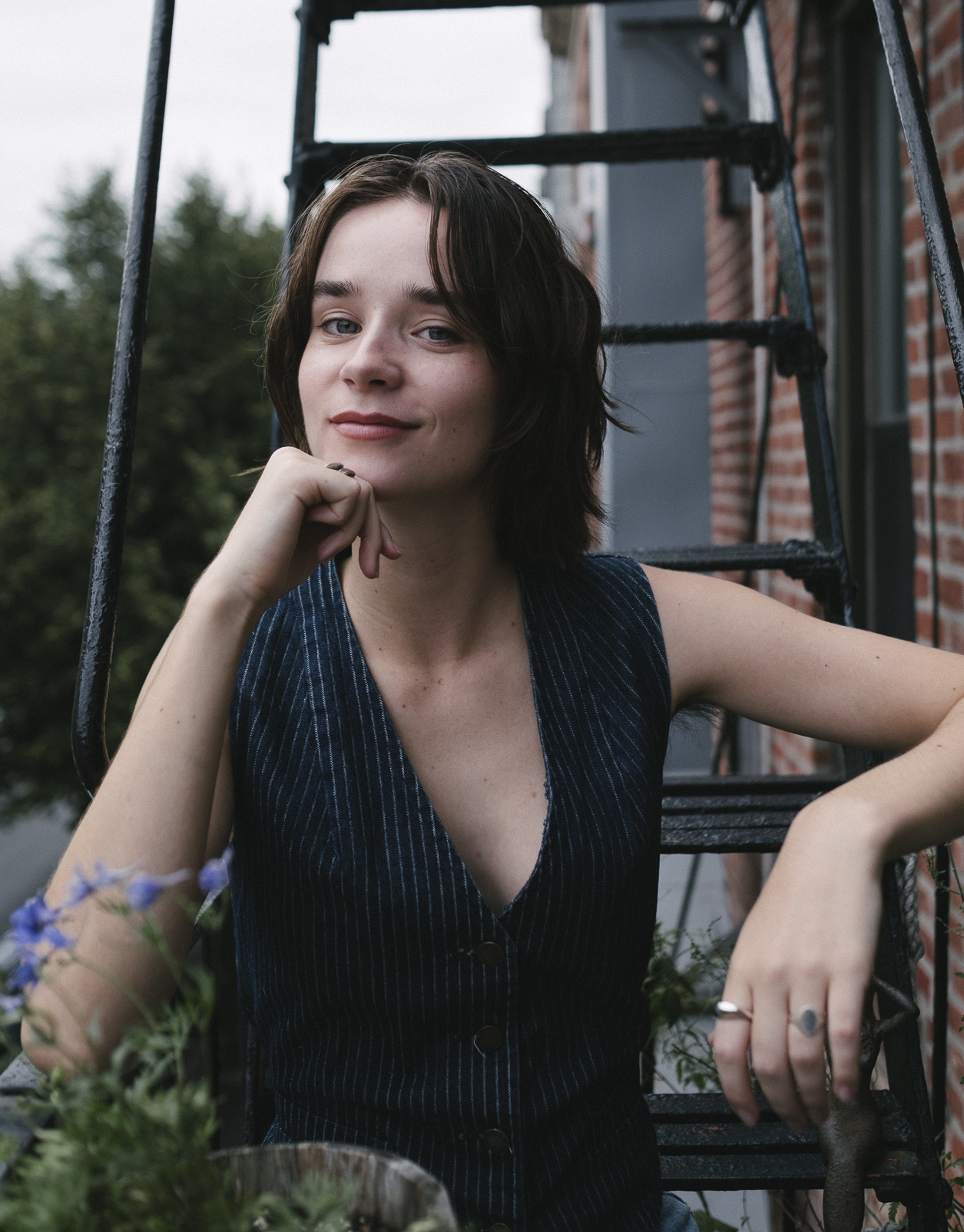
Emma Håkansson (b. September 1999) is an Australian-Swedish author, activist, filmmaker, and founder of Collective Fashion Justice, known globally for her pioneering work in ethical fashion, animal liberation, and child protection reform. Her work weaves together themes of collective liberation, total ethics, and systemic reform—uniting the protection of people, our fellow animals, and the planet.
Raised between Australia, Håkansson became vegan in her teens after questioning the inconsistencies in how society treats different animals. Her journey began in the fashion industry as a teenage model, where she was exposed to its exploitative undercurrents. Disillusioned with the industry’s treatment of animals and laborers, she turned her attention to activism and founded Collective Fashion Justice (CFJ)—a nonprofit that advocates for a total ethics fashion system, a term she coined to define a fashion future that is kind to all beings and the environment.
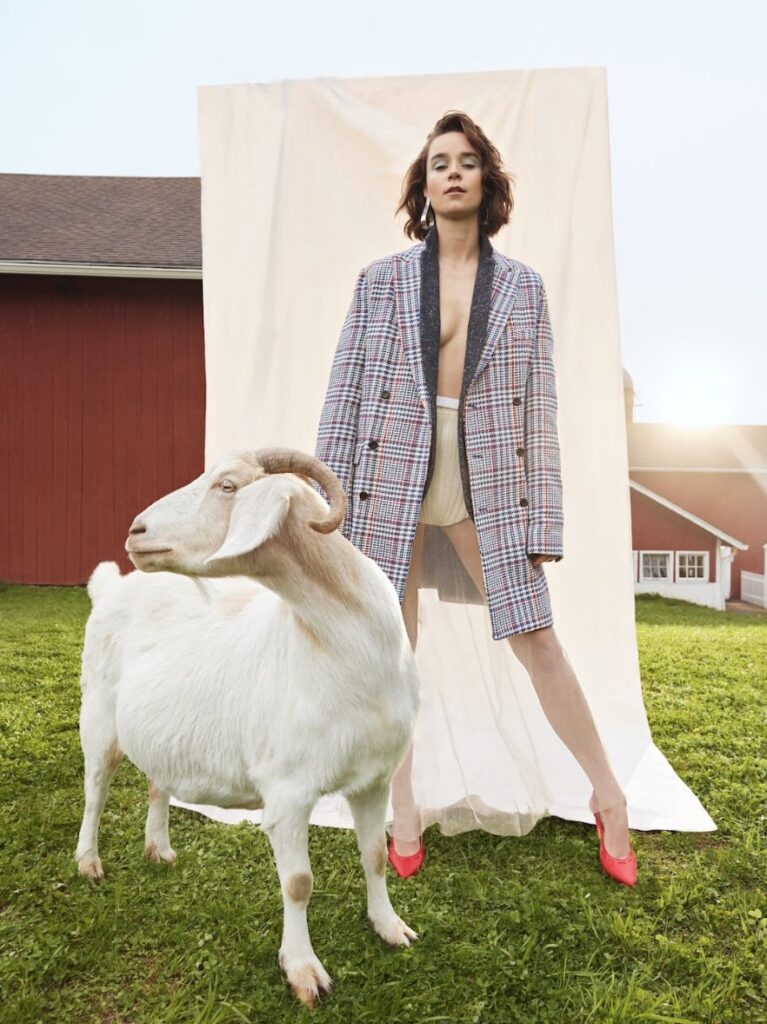
As director of CFJ, Håkansson has led transformative collaborations across the global fashion ecosystem. Her advocacy has influenced the British Fashion Council, Copenhagen Fashion Week, and major fashion events in Berlin, London, and Melbourne, helping push bans on fur, feathers, and wild animal skins. She’s been invited to advise on fashion and animal welfare policy at the European Parliament, New York City Council, and within several Australian parliamentary inquiries. Her consultancy has led to policy changes at brands like ASOS and The Iconic, and she’s taught or redesigned curriculum at some of the world’s top fashion institutions, including the London College of Fashion, Institut Français de la Mode, Istituto Marangoni and LCI globally.
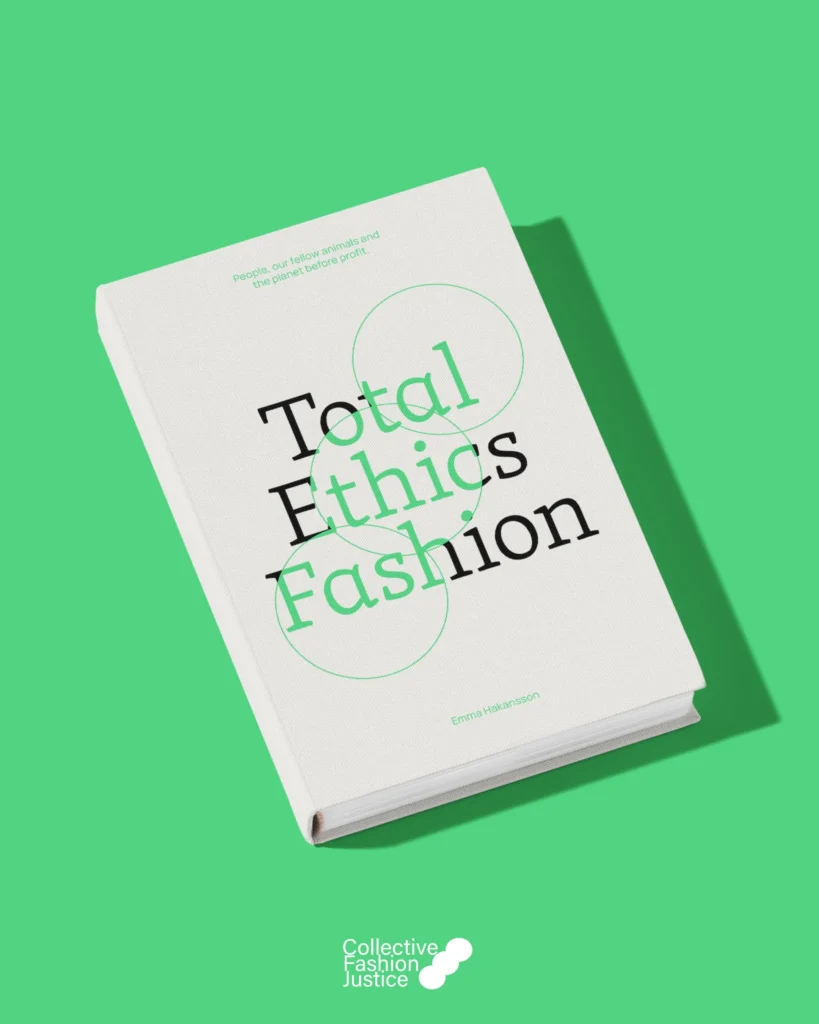
Håkansson is also a prolific writer. Her debut book, How Veganism Can Save Us (2022), introduced readers to the links between veganism, environmentalism, and social justice. Her second book, Total Ethics Fashion (2023), lays out the theoretical framework behind her advocacy and was named one of the Financial Times’ best style books of the year. Her third and most philosophical book, Sub-Human: A 21st Century Ethic on Animals, Collective Liberation and Us All (Lantern Press, 2024), explores speciesism, oppression, and the interconnected fight for justice across all sentient beings.
In addition to her books, her essays and commentary have appeared in The Guardian, Vogue Business, Business of Fashion, Earth Island Journal, Plant Based News, Nourish Magazine, Fashion Journal, and The Saturday Paper, among others. She also co-hosts the podcast Fashion, Really? and has appeared on BBC Woman’s Hour, ABC Radio, Wardrobe Crisis, and various international panels and events.
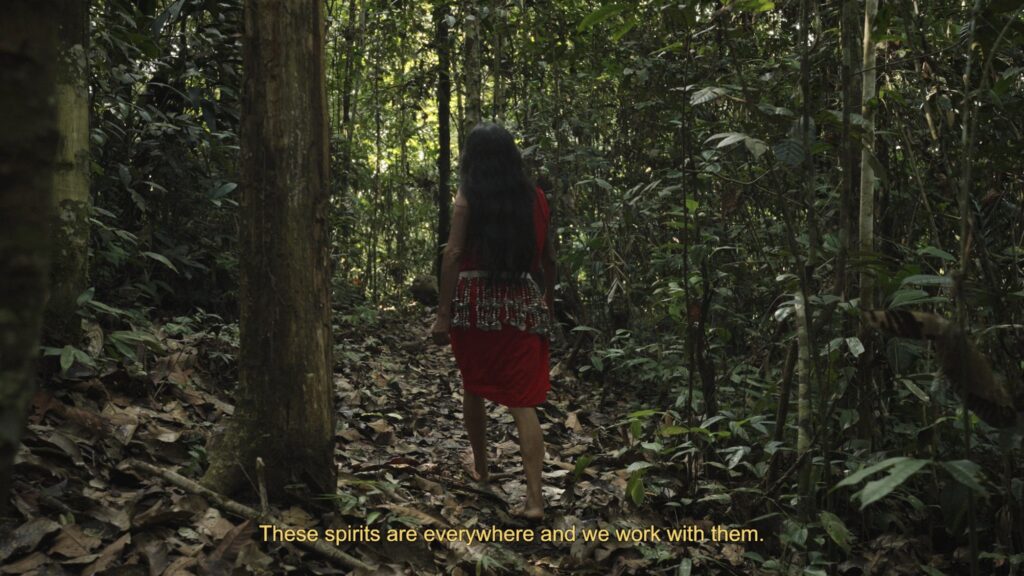
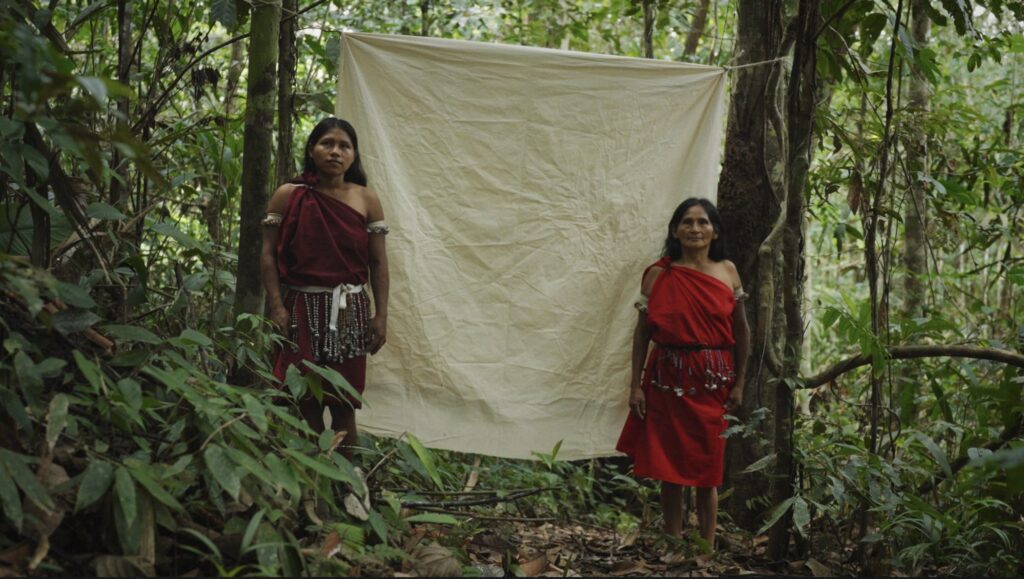
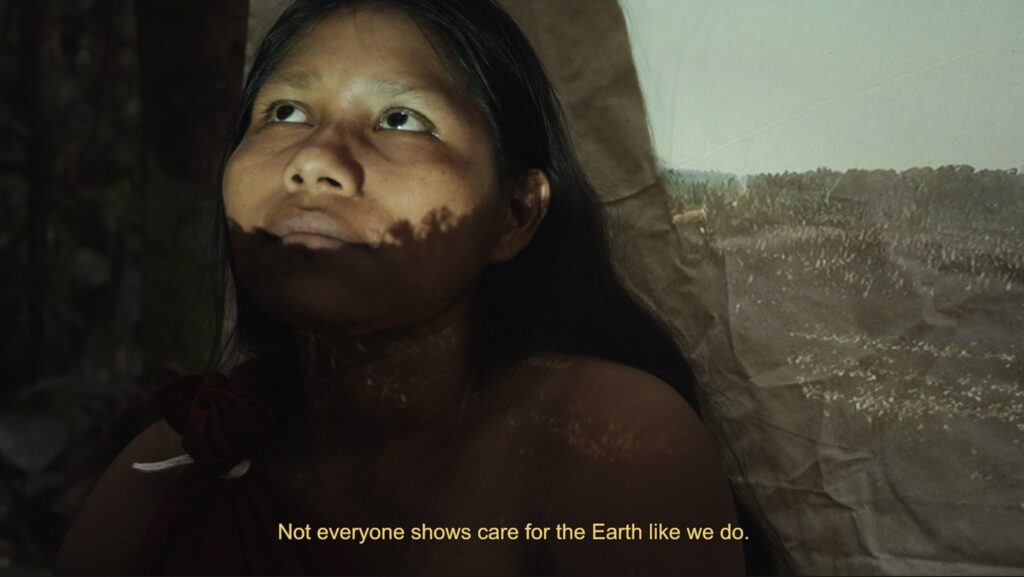
As a filmmaker, Håkansson directed and produced the award-winning short film Willow & Claude (2022), which won Best Documentary at the Amsterdam Fashion Film Festival and earned a Gold Good Design Award. She also directed SHIRINGA: Fashion Regenerating Amazonia (2025), a documentary about Indigenous-led bio-leather innovation using shiringa rubber tree sap in the Peruvian Amazon. In addition, she contributed to the investigative documentary SLAY (2022), a searing look at the global fashion industry’s reliance on animals, where she served as a producer, researcher, and on-screen expert.
Beyond fashion, Håkansson is a committed advocate for child protection and survivor justice. As a child sexual abuse survivor herself, she launched Emma’s Project in 2022—later renamed Our Collective Experience Project—with the Australian Childhood Foundation. The project collects testimonies from survivors of childhood sexual abuse and trauma, which inform national policy recommendations. In 2025, her efforts helped spark legislative reform in New South Wales, including motions to require abuse prevention training as part of Working With Children Checks. She currently chairs the Lived Experience Advisory Committee for the project.
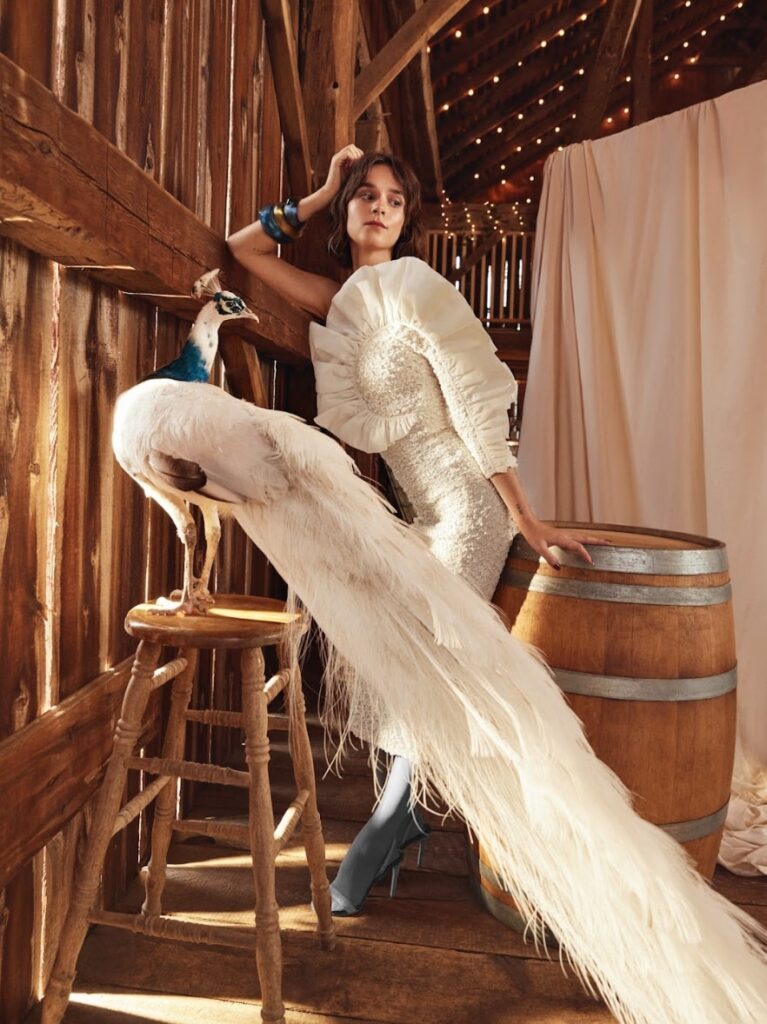
Emma’s activism is deeply intersectional and unapologetically ethical. She believes that justice cannot be selective—and that systems of oppression are fundamentally linked, whether against animals, workers, survivors, or nature itself. Her work exemplifies this belief across media, policy, and grassroots engagement.
She has received numerous awards for her contributions, including the Voiceless Award for Youth Advocacy (2023), PETA’s International Women’s Day Award (2021), a place in the Vox Future Perfect 50 (2024), and the Herald Sun’s “25 Under 25” (2025).
Håkansson also founded Willow Creative Co, a media and consultancy firm focused on ethical storytelling and marketing for conscious fashion brands. Though her focus has shifted to campaigning and policy reform, Willow continues to support ethical creative projects. She has also worked for a member of Victoria’s Parliament representing the Animal Justice Party, acted as a party delegate, and served on the advisory boards of the Animal Liberation Film Festival and Farm Transitions Australia.
Her past investigations with Animal Liberation Victoria helped expose the cruelty inflicted on baby goats in the dairy industry, resulting in immediate changes by some major food companies within 48 hours of release.
Emma Håkansson’s impact is rooted in her ability to bridge theory and practice, emotion and evidence. Whether through her writing, films, policy papers, or public speaking, she brings clarity and urgency to the intertwined crises of our time. With tattoos representing strength and softness, a refusal to drive out of climate concern, and dreams of one day becoming a sculptural poet or experimental filmmaker when the world is in better shape, she stands as one of the most visionary and uncompromising young voices in global activism today.
Interview setup by SVPR.
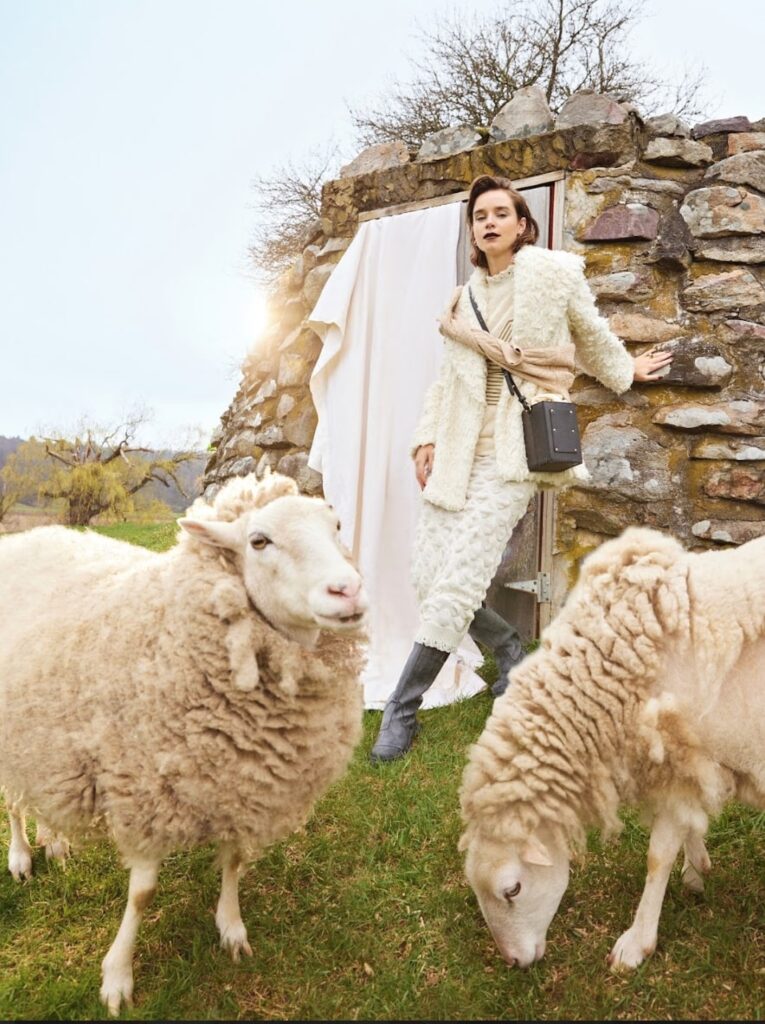
Hi Emma! It’s a pleasure to sit down with you! First question that I always ask. How does a regular day look like for you in Melbourne, Australia?
Emma: I live in Northcote, which is both geographically and vibe-wise similar to Nørrebro. I run Collective Fashion Justice from home (we’re very international so it makes sense) which means I spend a lot of time at a desk on a visibly-mended chair, and looking out the window to the park that I try to walk and lay in every day for a lunch time brain break. If I’m not making lunch myself, it’s a bahn mi or sushi from nearby, very quintessentially Melbourne lunches because we have so many great migrant (and particularly from Asia) contributions to food here. I live close to High Street which has great cafes, restaurants and bars, so a day that ends with a walk to a knock off (maybe this is just an Australian expression, it’s a drink and catch up after work) with friends is a lovely one. Before bed, I’m strictly reading fiction (I read so much non-fiction the rest of the time).
I’m curious, growing up, what was life like there? And what kind of kid were you? What did you enjoy doing?
Emma: I’m very grateful to have grown up in Australia. We are surrounded by stunning biodiversity that the Indigenous people here had and have long cared for and fostered. I spent a lot of time out in the bush with kangaroos and long walks with dogs (who I’d follow home if I got lost), but even in city parks there are rainbow lorikeets, cockatoos, grass parrots, all kinds of beautiful birds, swaying lemon-scented gumtrees and good stuff. I’m sure this has played a big role in my care for nature. I was the kind of kid who would wear a tiara while playing in the dirt, a bit of yin and yang. I drew a lot, adored animals, arranged my stuffed animals into a circle for their ‘morning meeting’, and did an absurd amount of gymnastics, which I loved. I had a very privileged childhood beyond the glaring contrast of having suffered abuse which left me very unwell and with a stutter for a while.
And you’re moving to Copenhagen soon, is that right? What made you want to move to here?
Emma: I am! Two days after my 26th birthday in early September, I officially live in Copenhagen. For the last few years, I have travelled to Europe and the United States for my work with Collective Fashion Justice. Every time I’ve been to Europe I’ve felt like I’ve got more done towards achieving total ethics fashion than I ever could in the rest of the year in Australia. It’s just where more is happening, and so more can be changed. From Australia I can’t just train to another country for an event, I have to get a flight that can take over 24 hours (and a lot of emissions). So, I’m moving to (I hope) advance the total ethics fashion cause, and I chose Copenhagen because it’s a great city, punches well above its weight from a sustainability perspective, has an interesting fashion, arts and cultural scene (from what I know of it so far, I have lots to learn!), and half my family is just across the bridge in southern Sweden. I’m excited for what’s to come.
Ok Emma, with these next series of questions, I will try to delve into your work as best as possible. So….You coined the term “total ethics fashion.” Can you tell me about how you came up with that, and how has it evolved since you first introduced it?
Emma: I got tired of hearing terms like ‘ethical fashion’ and ‘sustainable fashion’ be used as binaries, in which ethics – like how you treat people who make clothes – and sustainability – like how you care for or destroy the planet – were two separate things. I was also tired of how ‘vegan fashion’ wasn’t really considered as part of either of these, just a little niche on the side. In reality, humans are just 0.01% of all biomass life on Earth. We are also just one of many phenomenal animal species, and all animals are a part of nature, not living in but as part of it. ‘Total ethics fashion’ was coined to acknowledge this oneness. If we are all animals and all a part of nature, ethical and sustainable fashion must be one in the same, and we must consistently ensure we are considering the life and wellbeing of people, our fellow animals, and the planet itself, ahead of profit.
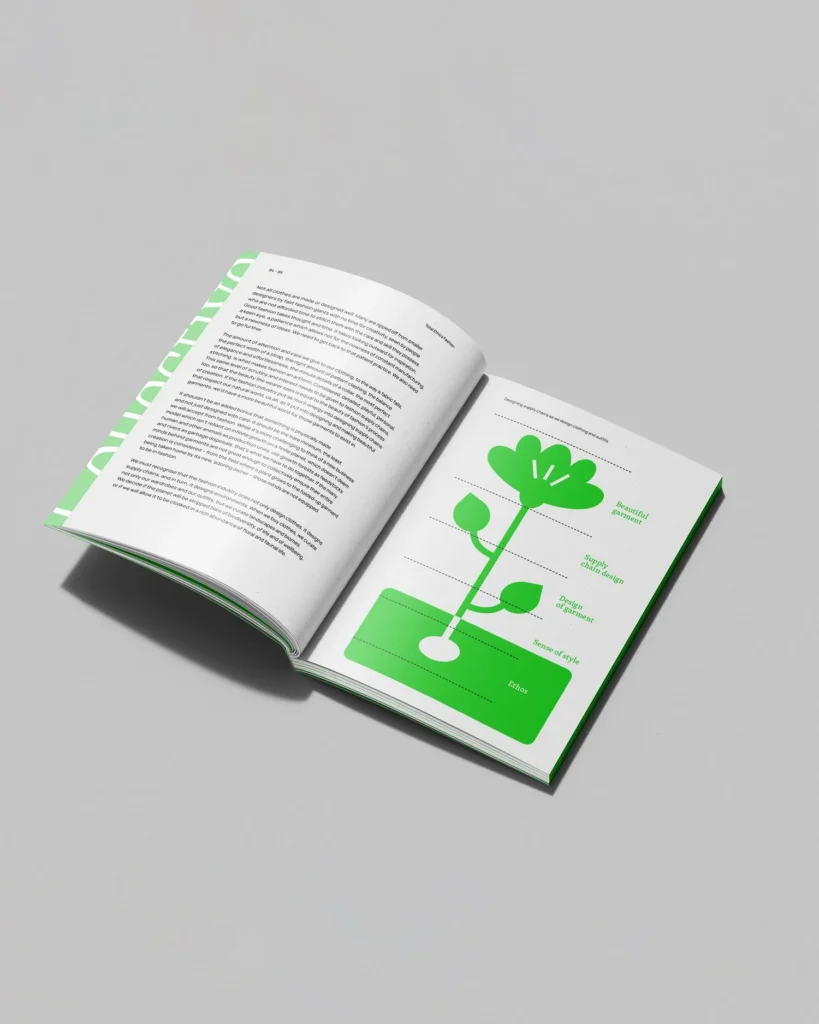
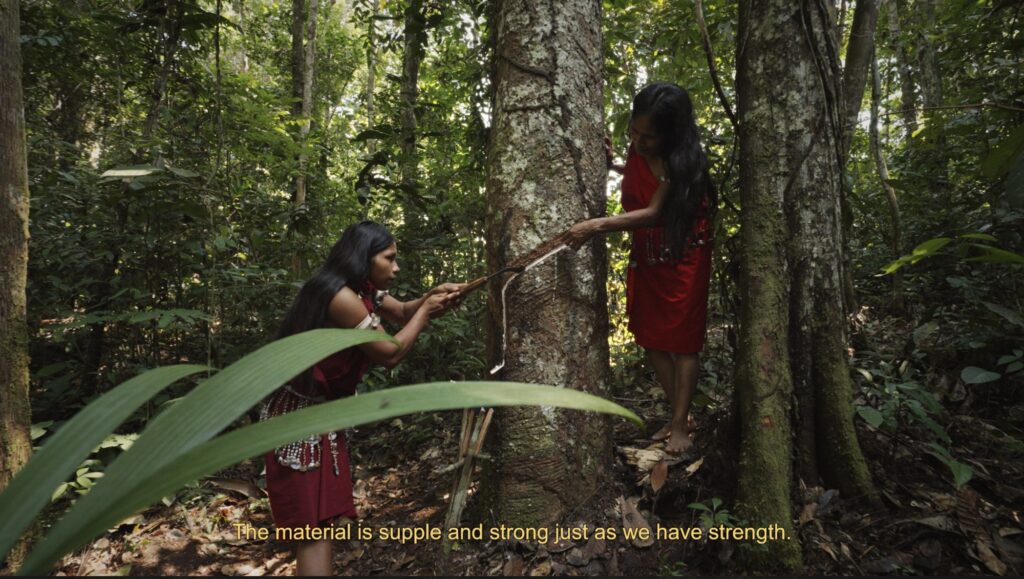
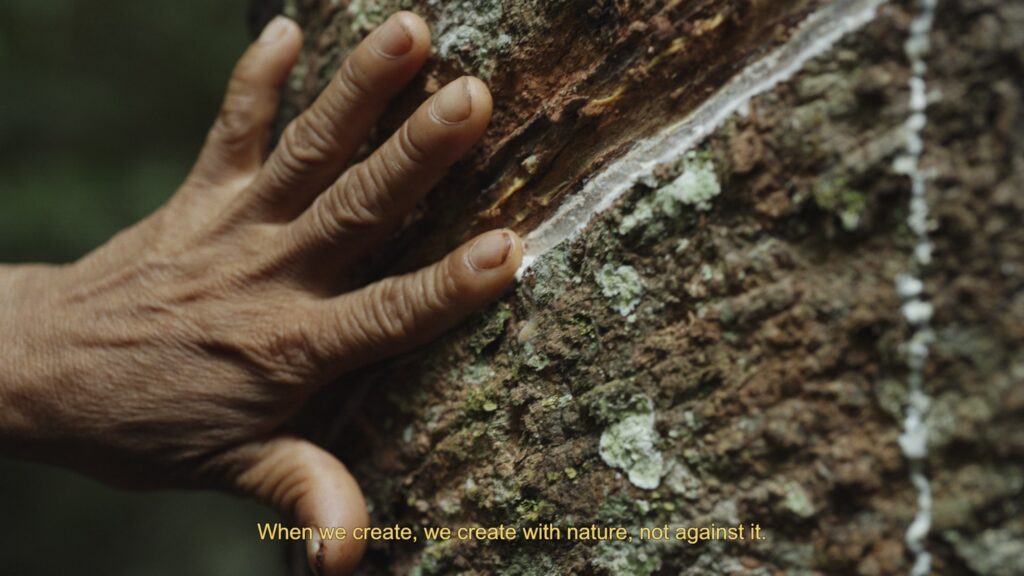
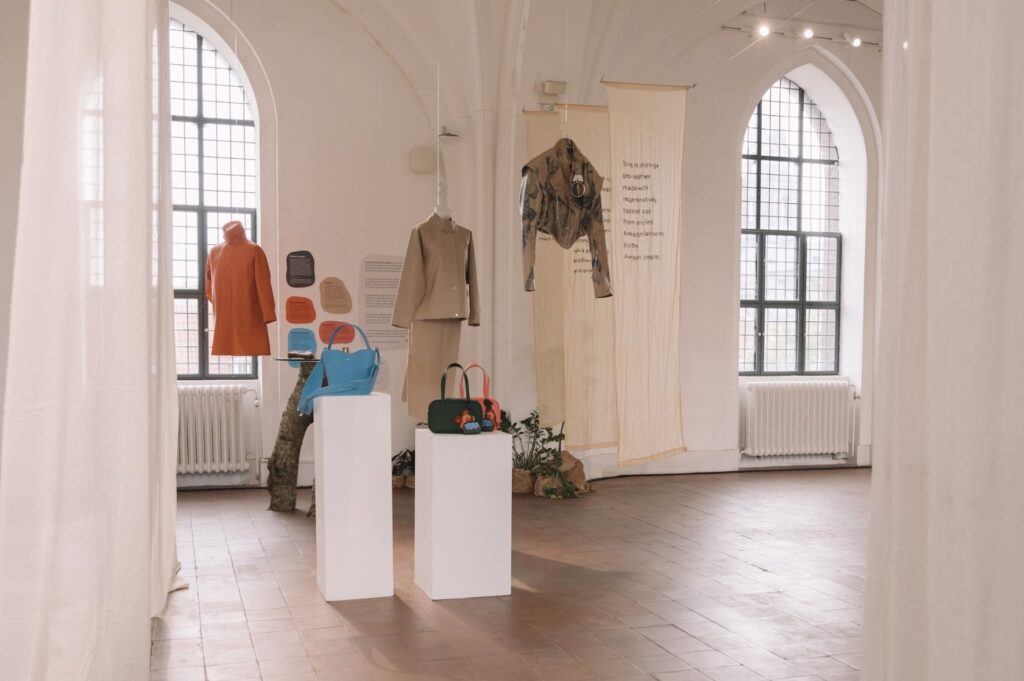
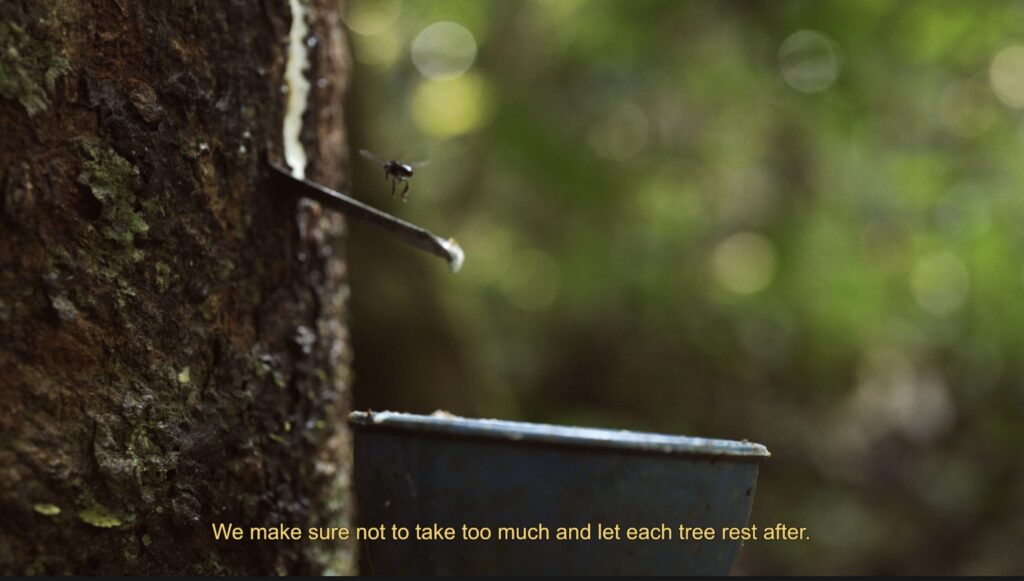
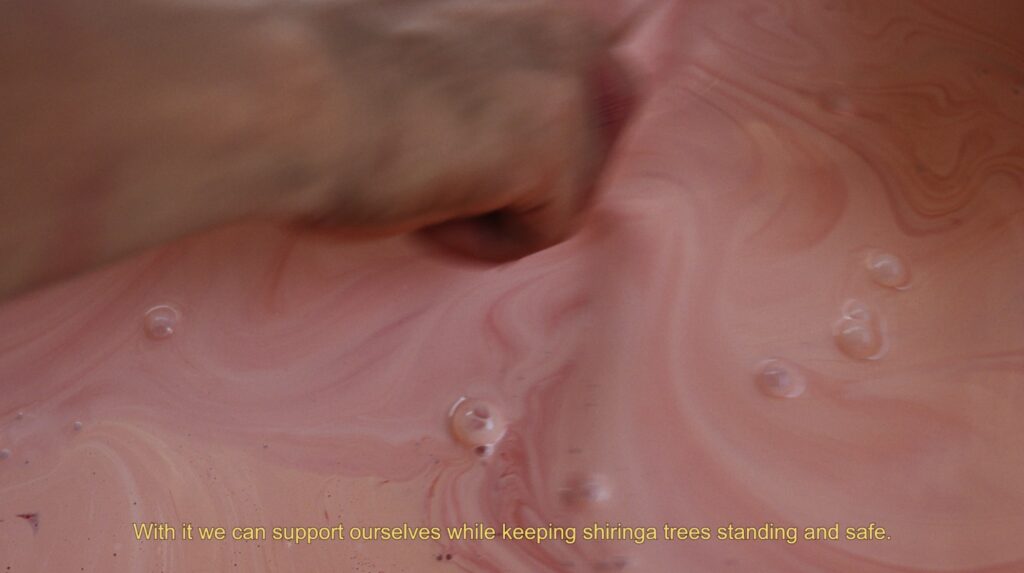
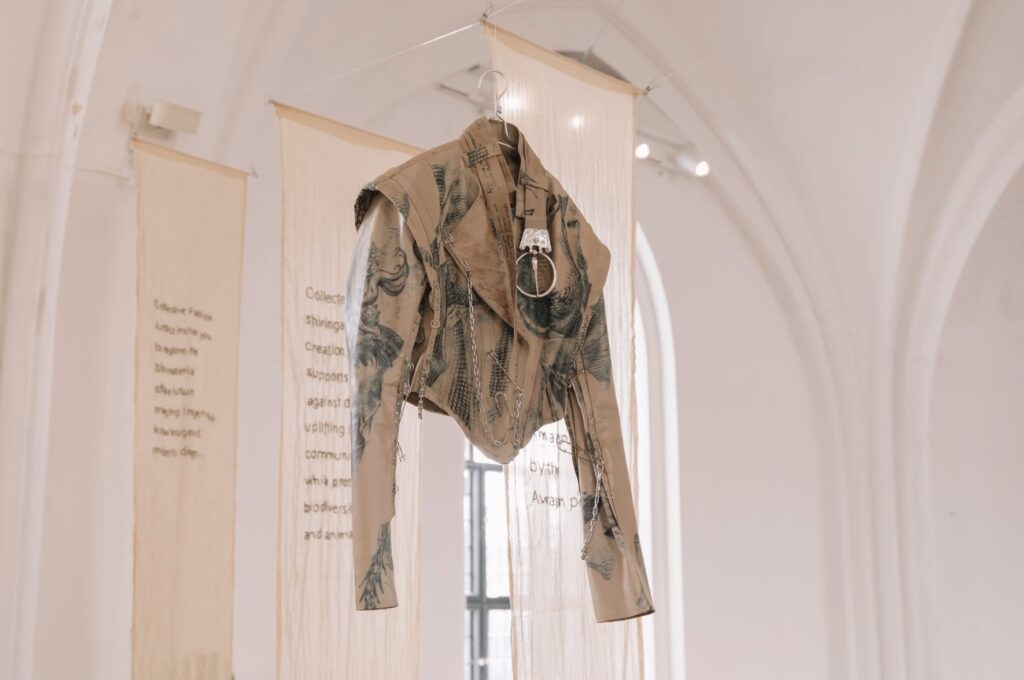
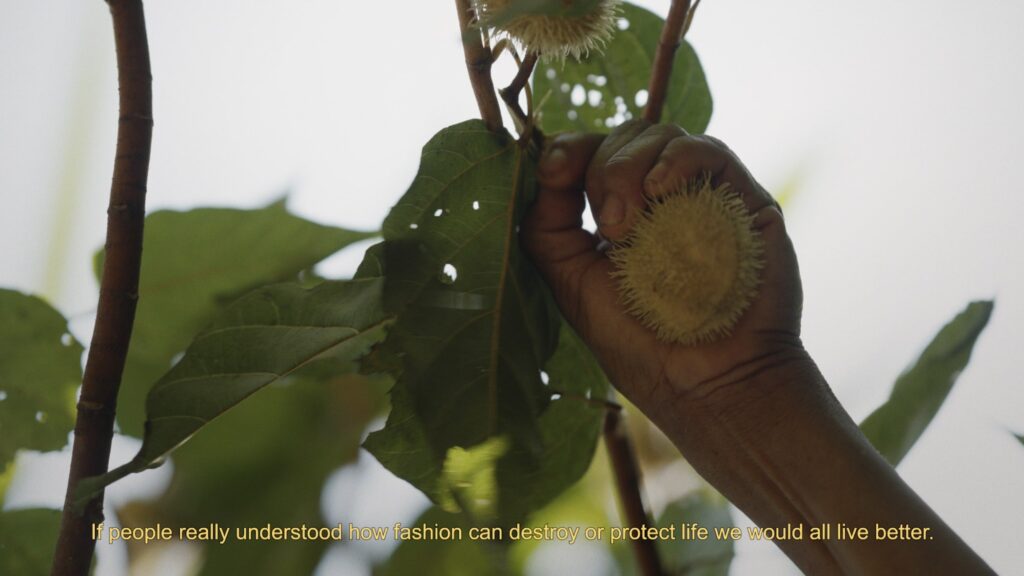
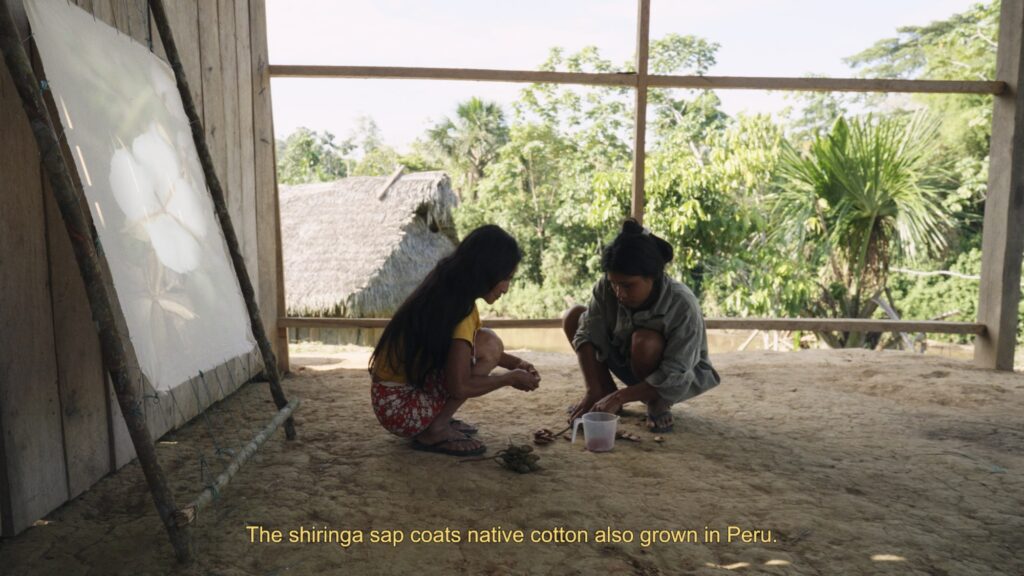
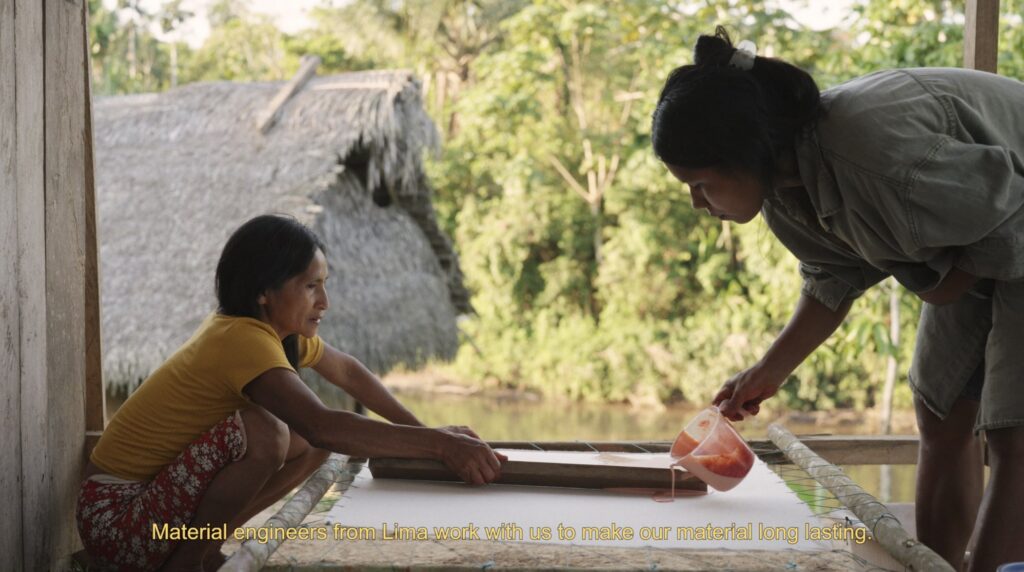
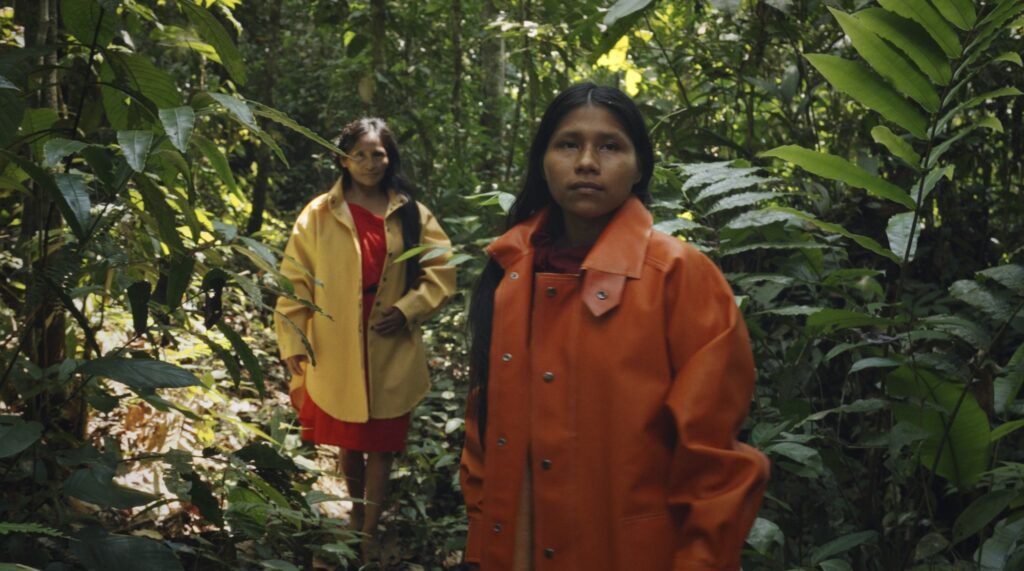
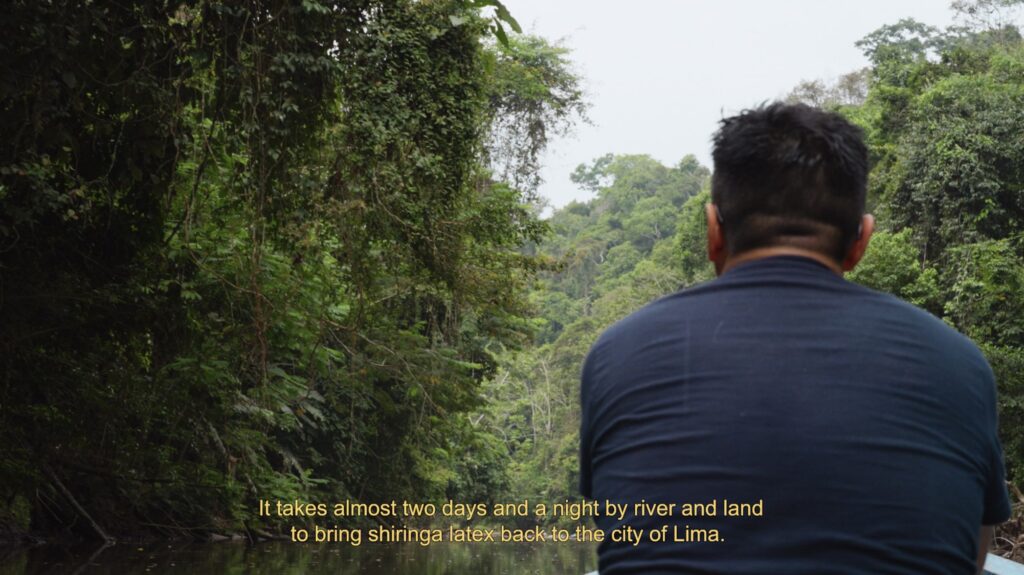
The term and how I define it hasn’t changed since I coined it about five years ago, but the collective, holistic nature of it means that it only ever becomes more expansive. As we learn more about how fashion harms us all, other issues are viewed through a total ethics fashion framework that maybe weren’t before. Also, over time I have become more intentional about not only educating on the problems (essential) but really celebrating the solutions, so I’ve seen more examples of total ethics fashion in practice, rather than just as a theory. The creation of shiringa bio-leather is a perfect example of this: made by Indigenous people in the Amazon Rainforest, it supports their community’s culture and combat against lack of nutrition and education they seek to improve, helps them to defend against deforestation by cattle ranching and mining, is made from regeneratively collected tree sap with minimal emissions and working with not against the land, while being totally free from animal exploitation.
Your work consistently unites human, animal, and environmental justice. How do you keep the balance between these when the world often demands single-issue focus?
Emma: If someone wants me to speak about emissions specifically, about labour specifically, or animals specifically, I will, but only ever as a starting point I can expand from. I hope that any one issue that concerns people can be an invitation to care about others, if they could better see how they were interconnected. While it’s messier and more complex to try and always look at the whole of the problem, the tangled web of harms we are causing to people, animals and the planet, I also think it’s the most effective way we create change. Looking at the intersections between different injustices means we can build a broader social movement to change them, we can see policy changes and improvements (like those in fashion) as more worthwhile because they are solving numerous problems at once, if we do them right. If we are too single-focused, we will always ‘solve’ one problem while causing another, like wanting to avoid plastics so using wool which has a massive climate impact and causes suffering to commodified sheep, or seeking to avoid the deforestation and slaughter linked to animal-derived leather, so swapping to a synthetic. If we look broader, we see that these aren’t solutions, and we have better solutions (a slower fashion system, using recycled, plant- and bio-based materials, for one thing).
You’ve worked with everyone from grassroots orgs to the European Parliament. What’s the key to creating change across such different power structures?
Emma: I think it’s important to balance having a level of chameleon skill, and being sure of yourself and your message so that the core is never changed. I might use slightly different language in different settings, to help warm people up to an idea that is new to them, or stretch an idea that’s already familiar a bit further somewhere else. That’s really important to be able to do so that you invite people into change, meeting them where they’re at while still being clear about where you hope to be. I also think it’s important to be able to work across different parts of what is one human-made ecosystem: if we only work towards legislative change, or industry level change, or one specific type of impact, we won’t be as effective as if we look at the system as a whole and how its parts interact and morph.
As someone who started as a teenage model, how does your personal experience with the fashion industry inform your current work and perspective?
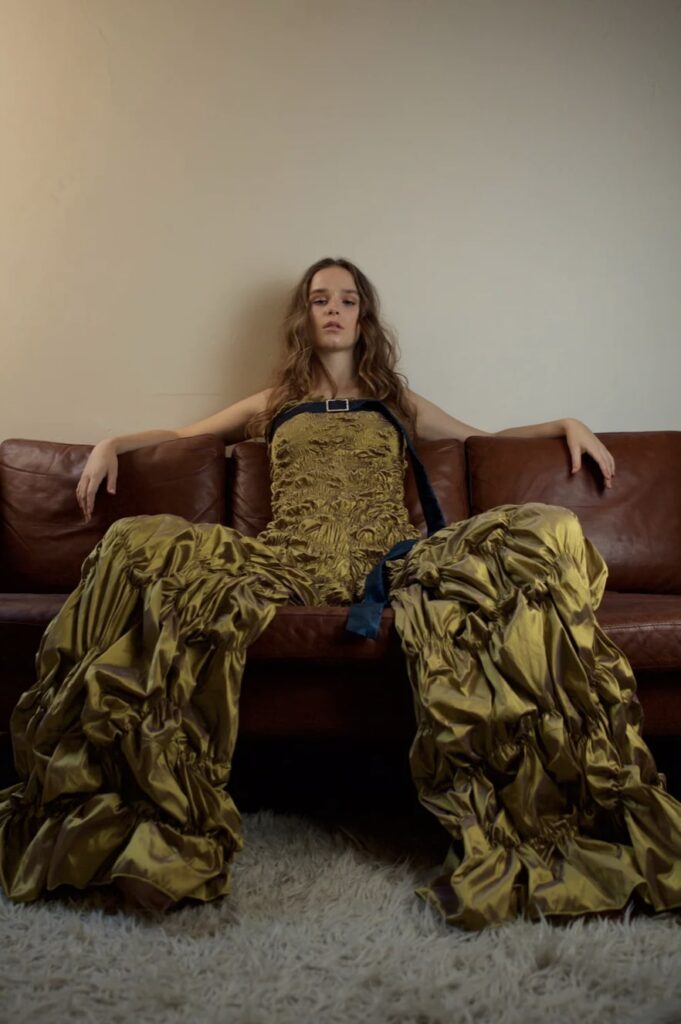
Emma: In a lot of ways I loved being a model, it was how I got my foot into the door to learn more about fashion, design, photography, styling and all kinds of things I still find interesting. But I also learned that models are often glamourised while commodified, not always treated well, not given autonomy. For me, that included that a modelling agency of mine dropped me for being too difficult, when I started to choose not to wear animal-derived materials or fast fashion. I realised that if it was really true that I could not make money from modelling in fashion without compromising on my values, I would only be able to work in fashion if it was working to transform the industry. I moved from working as a model only for brands I aligned with, to also creative directing for those brands, to consulting with brands that wanted to work with me but weren’t acting responsibly enough to do so, so that they could improve. Eventually, I realised I didn’t just want to help sell more stuff: I wanted to help transform the system more broadly.
You’ve pushed for bans on fur, feathers, and wild animal skins at major fashion events. Which of these wins felt the most significant or emotional to you?
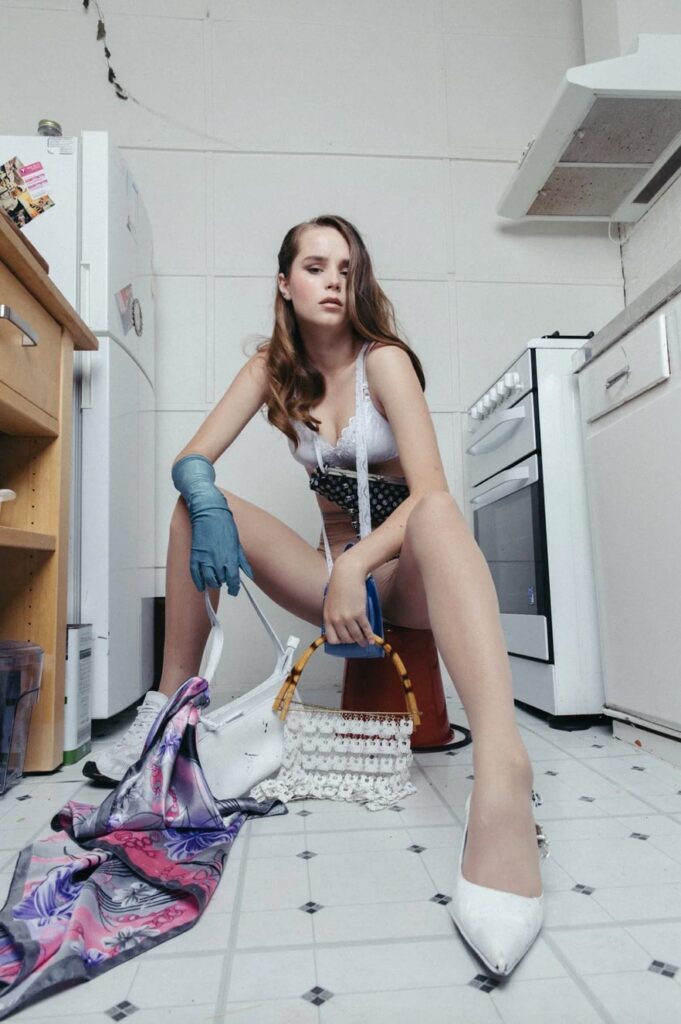
Emma: I think the fashion week event bans have felt particularly good to me because I can see the domino effect, and I always hope my work builds momentum in that way. We started by getting Melbourne Fashion Week to ban all wildlife materials (fur, wild animal skins and feathers). Then we went bigger, to Copenhagen Fashion Week. Since then Berlin and Amsterdam have implemented that same policy, and while we are still working on feathers, London Fashion Week is fur and wild animal skin free after working with them. Getting one of the big four felt good.
For what has felt most emotional though, I felt great about speaking at the Global Fashion Summit in Copenhagen last year, because the year before I went (for the first time) and I counted how many times animals were mentioned – even as a passing thought. I didn’t need all my fingers to keep count across a two day conference. The next year, I was invited to speak specifically about ethics and the use of animal-derived materials, and we had an exhibition of images featuring rescued animals standing alongside me, wearing vintage, bio-based and recycled fashion made in their image, but without animals. The contrast felt promising.
How do you navigate ethical compromise when consulting with brands that are still far from ‘total ethics’?
Emma: A win is a win and I will take what I can get. Often we help a brand with something very small, but it’s in that change that we build trust and can start to work towards something bigger. I won’t co-sign a brand or call them a ‘total ethics fashion brand’ because they change something small, but I will celebrate that change. I want to be able to move mountains quickly to end the suffering and destruction in the fashion industry, but I am making more progress by working diligently moving inch by inch, than trying to make big pushes that never work. I think you can operate that way and still produce radical outcomes.
Your latest book Sub-Human delves deeply into speciesism and oppression. Why are those topics important to you?
Emma: We have oppressed our fellow animals to such a degree that we do not consider their oppression a form of discrimination similar to that of racism, sexism or any other ism. We speak about loving animals while eating them, being committed to ‘animal welfare’ while buying (or even profiting from the sale of) clothing made from animal skins. I don’t say that to shame, but so that we can consider just how normalised we have made industrialised killing and commodification of life. Speciesism intersects a lot with racism, sexism and other forms of discrimination because they all rely on the production of an arbitrary and archaic hierarchy where some individuals are more worthy – of respect, of care, of their life – than others. At the top there is the white man, below them black and brown people, women, and at the very bottom, other animals. We fear ‘dehumanisation’ and being treated like ‘an animal’ because we are cognisant of what it is to be a non-human animal: it is to be seen as nothing rather than no one, a pest, a means to whatever end we like. I think that if we unpick speciesism carefully, we can also better unpick racism, sexism, ableism and other forms of discrimination which are rooted in the same oppression. That’s important to me because how we all live, if we suffer or thrive, matters to me.
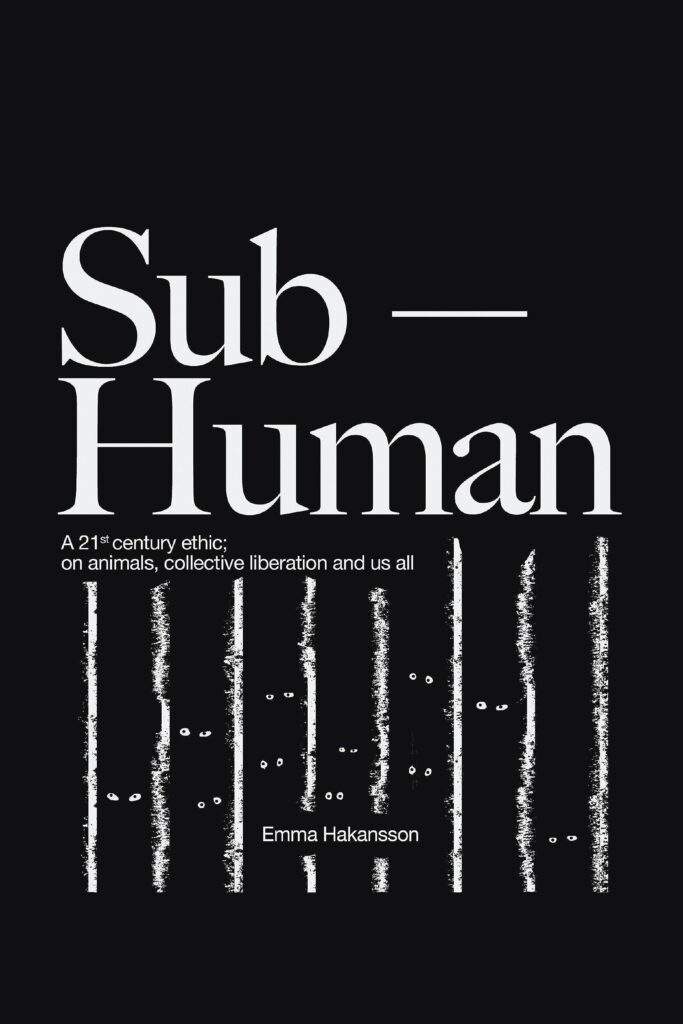
Across three books, your tone has shifted from practical to philosophical—has your worldview changed, or is this just a deepening of the same vision?
Emma: Interestingly, Sub-Human was actually the first book I wrote, but it took the longest time to find a publisher. A shorter, more entry-level book like How Veganism Can Save Us was of more interest to publishers so I wrote that first, then Total Ethics Fashion came next because I wanted to cater to that specific audience and industry, to offer a kind of manifesto for what Collective Fashion Justice does and why total ethics fashion is so essential. Sub-Human had to sit and wait a little longer. I think my view has changed in the way that all views change and evolve, but not in any fundamental way. I stand by all my books.
Which thinkers or books have influenced your ethical framework the most?
Emma: Christopher Sebastian, who I interviewed for Sub-Human and also referenced in How Veganism Can Save Us, had great influence over me and his academic work and lectures look at speciesism and racism in a profound way. My understanding of everyone as interconnected probably draws heavily on the Buddhist theory of no-self, which I first read about in my final school year philosophy class (“The Questions of King Milinda”). We’re all made up of atoms. Atoms can’t die, only change and restructure, my personal death is the death of my conscious awareness, but the atoms in my body will become a part of the Earth, an animal will feed on the grass ‘I’ help grow, ‘I’ will become a part of them, and so on, until you see that to hurt any one of us or part of us is to hurt all of us – equally, to help any one of us or part of us is to help all of us.
Your newest film, SHIRINGA, will feature at this years Copenhagen Fashion Week. What inspired you to make this film?
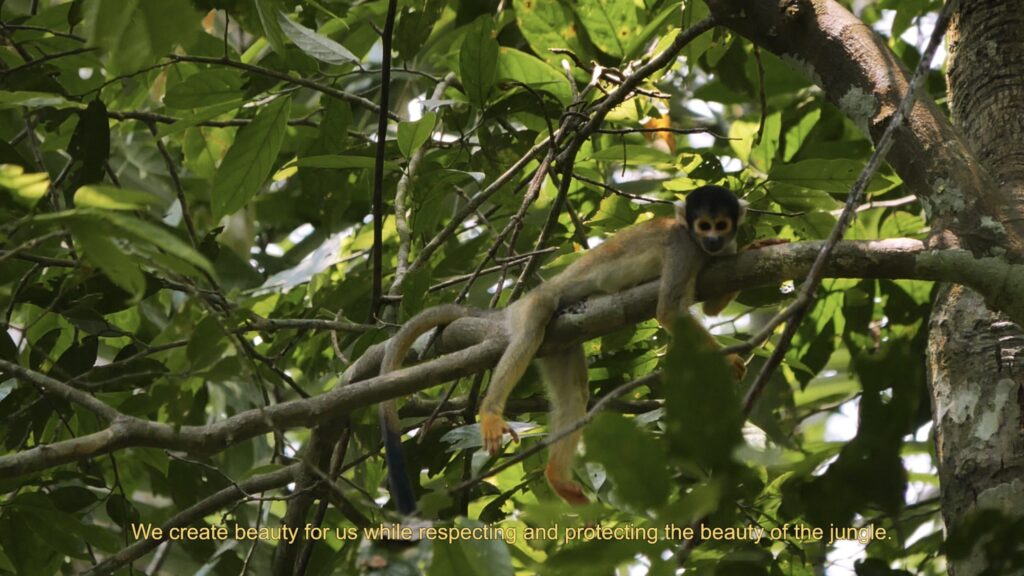
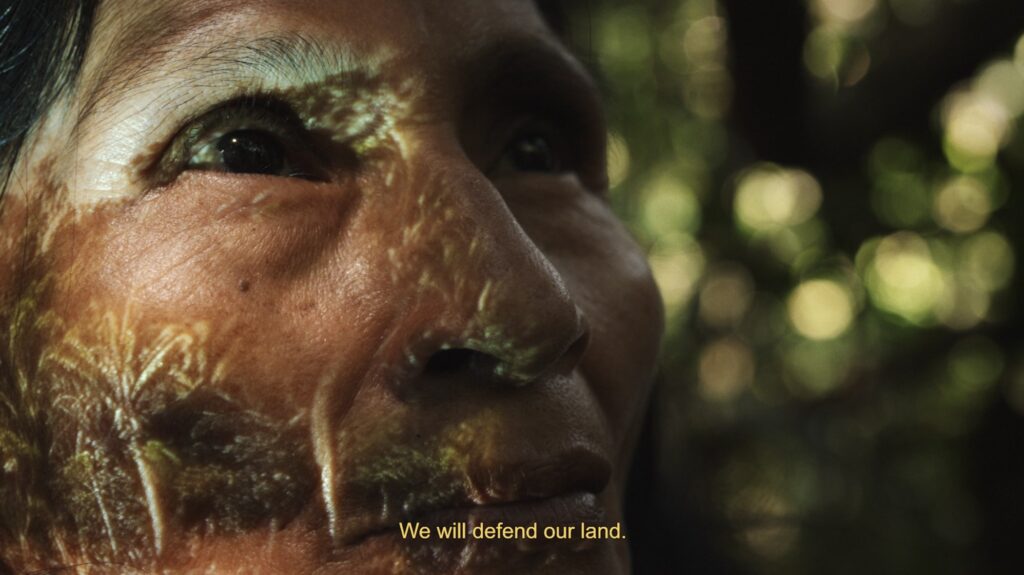
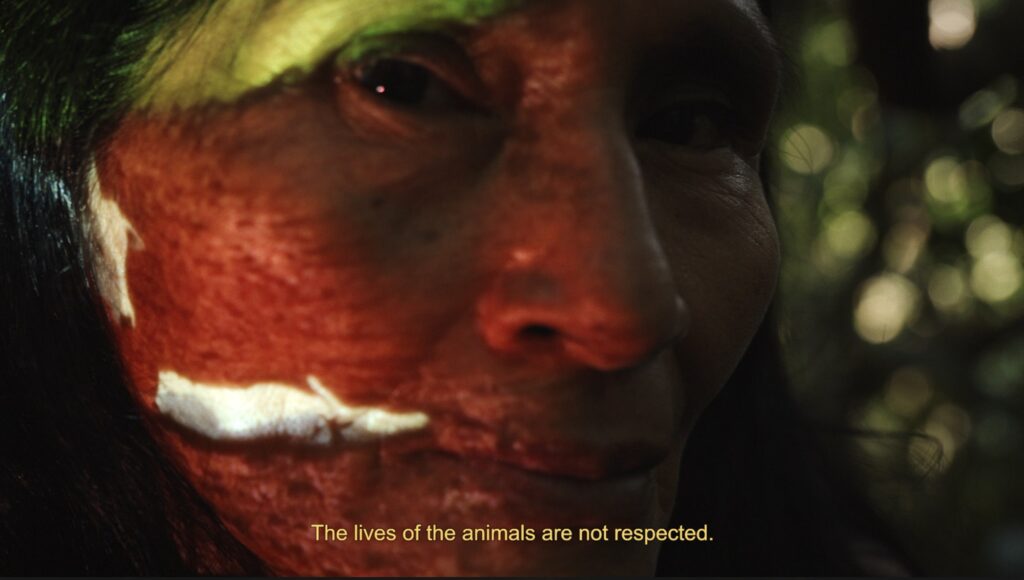
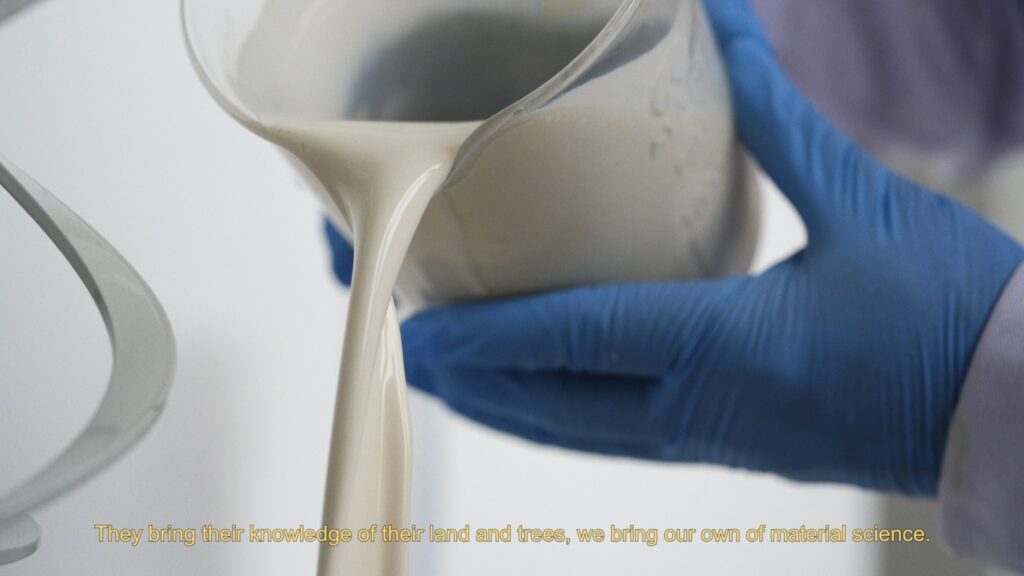
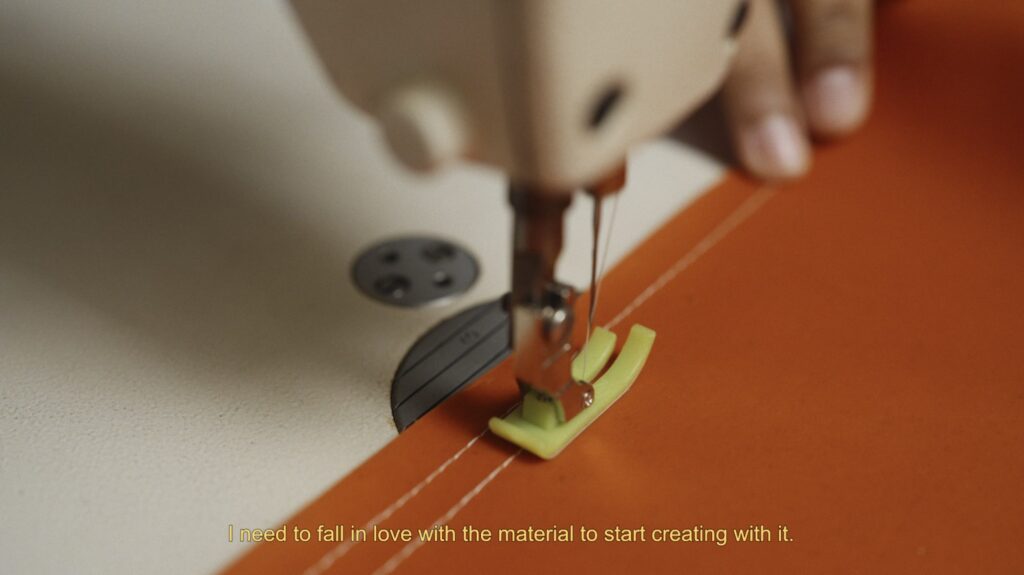
Emma: SHIRINGA: Fashion Regenerating Amazonia is a film about the Awajún people of the Peruvian Amazon Rainforest, who make shiringa bio-leather. It’s a material I mentioned earlier, made from tree sap from shiringa trees. They stand, hundreds of years old, over forty metres tall, and have had sap collected from them for generations, regeneratively. In the film, two Awajún women – Doris and Rosalia – talk about their connection to the forest, to the trees, and to what it means to create fashion with, rather than against nature. We follow the creation process, in the forest, in Lima where material innovator Caxacori Studio works (through a conservation agreement with the community) to improve the durability and qualities of the material, and to where designer Mozhdeh Matin creates something beautiful from the material. I hope when people watch it they feel a small sense of what I did standing in the Amazon with Doris and Rosalia. If they did, they would surely want to radically change how they create fashion, so that it was with these kinds of materials that help rather than harm, instead of with outdated, chemically processed animal skins and conventional fossil fuel materials.
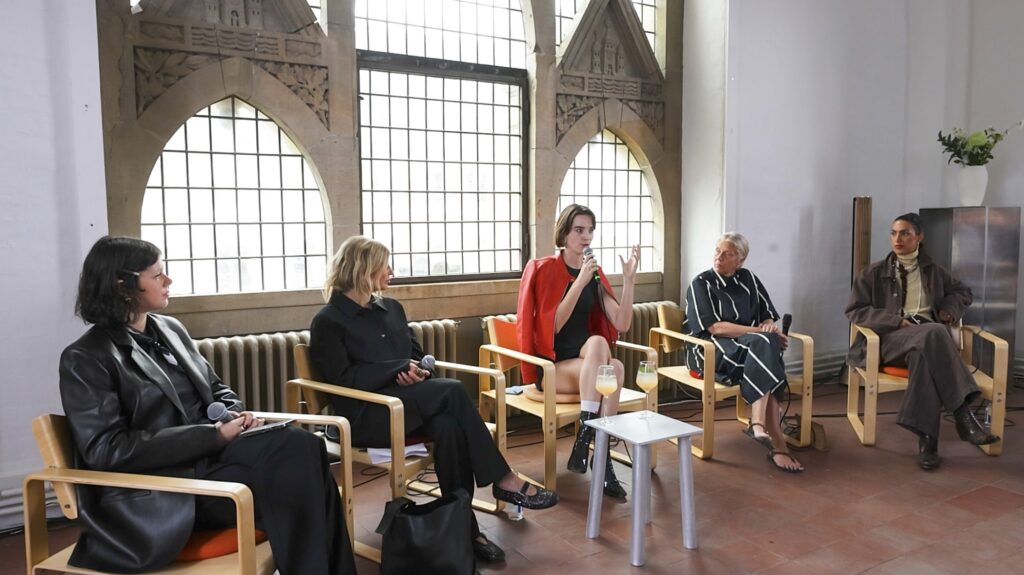
You’ve turned personal trauma into systemic change with the Our Collective Experience Project. What’s the most important thing you’ve learned from other survivors?
Emma: Our Collective Experience Project is one I started with the Australian Childhood Foundation and its late former CEO, Dr Joe Tucci. I went to Joe when I was a teenager, telling him that I had been sexually abused as a younger child, that I knew things adults could have done differently to keep me safe, and that I wanted to do something so other children wouldn’t be hurt. I am not the only person that is true for: UNICEF estimates that globally, 1 in 5 girls and 1 in 7 boys suffer child sexual abuse. So, we started a survey, and some 350 child sexual abuse survivors across Australia answered our questions about what they wish was done differently, or said differently, when they were a child, so that they could have been safe. About 80,000 words in total. We released findings in a report called Hear us now, Act now, summarizing some of what we learned and making a first recommendation for change.
I have learned so much from my fellow survivors, feel a lot of love for everyone who contributed, dug into the sorest parts of their lives to try and help other people. I could dig into a lot of the specifics of what I learned, but the report already does that, so I will say that I learned a lot about the strength of the human spirit. I also learned (as part of an ongoing process where you can know it in part of your brain but not yet believe it in your body) that what happened to me was not my fault. 32% of the survivors who responded to the survey made sure to say they would tell other survivors it was not their fault. Reading it over and over again, this collective chant was very special and I’m grateful for that.
How do you emotionally prepare to be both a policy advisor and a survivor in these professional settings?
Emma: Keeping humanity in politics is important. If we let topics like child sexual abuse, or modern slavery, the climate crisis or animal exploitation become too theoretical, it’s too easy to ignore them. I try to show up vulnerably and with honesty about why the reforms I am working towards (like mandating child abuse prevention training in the registration process to work with children in Australia) matter to me: because they could have saved me from immense suffering and I desperately want that to be true for children today. If I can do that while being sharp, with all the facts and policy-speak I need to be taken seriously, I think that’s my best chance of making change. But it is tiring, I could never work on the child protection work full time because it takes a lot out of me. Equally, if I was doing nothing to try and change things that would take a lot away from me, too. So you do the work, and you try to swim in the ocean and laugh with a friend enough that you feel you can continue.
In a space often defined by silence, how do you protect your own voice?
Emma: The abuse I endured quite literally robbed me of my voice because I developed a stutter, because I didn’t have the words to express what was happening to me (nor should I have been expected to), because systems that should have protected me when I came forward did the opposite and tried to stifle my voice further. I started to speak up again when I became angry about that again, but in a way that was more controllable, more easily centralised and directed into usable energy. I don’t speak now from anger (I can find it again if I need it) but I also don’t feel I need to ‘protect’ my voice anymore: it is mine, I can and will use it, I feel a duty to use it because not everyone is able to.
You’ve spoken at major institutions and on global platforms. Has public speaking become easier, or do you still feel exposed when sharing your truth?
Emma: Definitely easier. Like riding a bike. You start to realise you don’t need to memorise specific lines or quiz yourself because you were asked to speak because you know what you need to say, you know how to say it. A certain level of emotion and a slight tremble in a voice isn’t something to be shy of if you can control it – the whole point is to make people feel, right? I think also, the more you speak about something so often cloaked in shame like child sexual abuse, the more you realise that shame is not yours, that discomfort is not yours.
What do you wish people knew about the work that happens behind the scenes of activism—beyond the polished media image?
Emma: For my work specifically or more broadly? If I answer the latter, I hope they might want to find out for themselves by getting involved, in whichever way is best for them. Everyone has unique skills they can bring to the movement.
You’ve said justice cannot be selective. How do you personally reconcile living in a world that constantly demands compromise?
Emma: No one person can solve any single issue, let alone many. I think I try to focus my energy towards contributing my part to solving a few key issues (fashion’s use of animal-derived materials harming people, animals and the planet, as well as child sexual abuse being two major ones) rather than spreading myself too thin. But, to do that doesn’t mean turning your back on other issues, it just means seeing yourself as allied to others around you pushing harder against other particular injustices, making sure your work doesn’t impede theirs but coexists with it. On compromise, I think it’s just as with veganism, which by definition is abstention from animal products and exploitation “as far as is practically possible”: consider what that means for you, consider how far that really is, consider all that is gained from that choice. That doesn’t mean perfection but it means a lot.
You refuse to drive due to climate concerns. How do you manage the daily friction between your values and the world’s infrastructure?
Emma: I don’t drive, in part and less righteously, because I have simply never been interested enough to get my license, but mostly because for years I have lived somewhere near two train stations, two tram stops, and a bus line. I’ve gotten into plenty of friends, partners and peoples cars. I’ve ubered my rescued greyhound with me to the vet when I had to. But I support fifteen minute walkable communities and cities, my past partner was an urban planner and I learned an awful lot from him about how car-centric city planning isn’t just bad for the environment but for our lives, and how different it could be (another thing Copenhagen has done well in a lot of ways). There’s always friction, I’m not a saint, but I think it’s good to be aware of what we take for granted, but that could be different and better, and to wonder how we might get there. Even the wondering is important, and connects us up with others who are actually trying to get there.
You’ve described yourself as someone with tattoos representing strength and softness. What do those two qualities mean to you in the context of activism?
Emma: Those tattoos are very literal: one of my arms says ‘strength’ and the other ‘softness’. In my mind there’s an invisible ‘in’ in the middle of them: I think the strongest thing you can be do is be soft. There’s a quote from Iain Thomas (often misattributed to Kurt Vonnegut) that I had up in my room as a teenager that says it better than me: “Be soft. Do not let the world make you hard. Do not let pain make you hate. Do not let the bitterness steal your sweetness. Take pride that even though the rest of the world may disagree, you still believe it to be a beautiful place.” I don’t think you can ever change anything if you stop thinking this way, if you harden to the world too much. It takes work not to let that happen while facing up to injustice.
What role does beauty—natural, visual, emotional—play in your life and your work?
Emma: Particularly working in fashion, beauty is essential to changemaking. We have written lots of reports and research in support of a shift beyond animal-derived materials and fossil fuel-based materials, but that work isn’t moving the needle without some beauty and storytelling surrounding it. I’d like science to be enough – the science of climate crisis, of animal sentience – but it’s not, and it’s not seen as beautiful even if I think it is. So you tell stories and you show how lovely, striking, sexy, beautiful a fashion world that happens to not disregard life on Earth could be, because you have to. I realised that when I was a judge at the Milan Fashion Film Festival and I spoke on stage about total ethics fashion to creative directors from luxury Italian brands. I was disappointed when a few came and told me they were inspired, because their sustainability teams had our reports but they clearly hadn’t made their way up to the creatives. So I realised we needed to be in the creative spaces, with creative offerings, too. Translating data and ideas for justice through art. I personally was pleased with that realisation too, because I was an artist before I was whatever I am now, and maybe after that realisation I got to feel more that way again.
You’ve talked about dreams of becoming a sculptural poet or experimental filmmaker. What would that creative chapter look like for you?
Emma: One day, when the world is maybe in better shape, I have some wrinkles on my face and a lot less drive left, I think that’s what I might do. Not in a way of giving up, but just in a different stage of life. There will still be striving for better for us in that, but it will look different and a little more slow and peaceful, which would be nice for later-Emma. That isn’t for now, but with films like SHIRINGA I get to play like that and indulge in wanting the perfect music, the perfect shot, artistry, but it’s for a cause and with a clear purpose.
If you had unlimited resources and support, what’s a project you’d start tomorrow?
Emma: I want to produce a second film to follow SHIRINGA, making it a series of short films looking at different total ethics fashion future solutions. It would look at how the Italian tannery industry’s cultural heritage can persist while we change the raw material running through it (from skins to mycelium), the way they operate (moving beyond harmful chemistry) and how they treat people (living wages, better working conditions). Tradition and innovation together. I and the team at Collective Fashion Justice also have a vision for a coffee table book exploring the idea of animals in fashion.
Ok Emma, now to something totally different. In a parallel universe who would you be? and what would you be doing?
Emma: I like this question. Maybe it’s fun to choose a different version of the universe where I’m not a human. I think it would be pretty cool to be a moose in a forest. I’d be doing moose in forest things.
Can you tell me a story about a time when a connection with someone had a big impact on you?
Emma: In Total Ethics Fashion I write about the first time I met Kunthear Mov, who is a co-founder of Dorsu, a Cambodian fashion brand. I was a teenager and I was in her shop. She told me about when she used to work in a sweatshop, about the conditions she was forced to work in. I reconnected with her and her quotes are in that book, because the way she shared that experience altered the path I was on and really illuminated to me how fashion can erode or support human (and other) dignities.
This is a part of what she said in my book: “Now, I feel like I am a person with my own voice, a person of value, and I am proud of my work and that our business is good for the community. At my old factory job, they looked down on us. When I talk about it I feel so emotional, and it’s hard to get away the feeling that I don’t have value or was unvalued and mistreated. I just would like to see factories at least make us feel like we are a person equal to any person. You really see clearly if you are in that situation that you are not valuable, you are hardly a person. That feels really hard.”
I think I connected with that sense of feeling without worth because of how others have treated you as worthless, because of my own experience. Fundamentally I think that experience and how I’ve viewed it means I am most interested in helping to centre a right to autonomy and an understanding of our inherent, inalienable worth, in the way that we view each other (remembering that ‘each other’ is not bound by a species).
What qualities do you find most important in the people you choose to spend time with?
Emma: Care. Curiosity. Passion. Empathy. Wit.
Anybody you look up to?
Emma: Lots. Because I want people to watch SHIRINGA and because it’s true, I will focus in on one and say Doris Pape Petsa (she is who you will hear on the film’s opening).
What motivates you?
Emma: Big question. I have a darker and a lighter answer and it depends on the day which one is the larger fuel. On a worse day it’s maybe tied up in that whole idea of worth and value (does it exist if not when in service of others? For everyone else I would say yes, maybe harder to say for yourself but that’s part of the problem), on a better day it’s knowing what could be, imagining it even when it’s far, when it’s beyond your lifetime. Angela Davis said sometimes we have to do the work even though we don’t yet see a glimmer on the horizon that it’s actually going to be possible” and that was also up on my wall for a while.
How would you describe a perfect day?
Emma: Wake up without an alarm, just because it’s light (and it’s warm – herein lies the challenge of Copenhagen’s winter I will need to come to love), doze briefly, make a really good breakfast and drink fresh juice, have music on, open the windows, water plants. Have an animal companion around. Read a book. Do something helpful. Swim. Laugh with someone. Get to be a human doing human things that we might all get to do more of if we slowed down a little and obsessed over capital a little less.
Alright Emma, I always ask these two questions at the end of an interview. The first is. What’s your favorite movie(s) and why?
Emma: An impossible to answer question and I would probably change my answer every time I’m asked. But Samsara (2011) is pretty phenomenal and Annihilation (2018): it really jolted me and the end sat with me for a long time. Much lower brow, The Bee Movie (2007), I’ve seen it a dumb amount of times for comfort and I love that the person painted as the villain is the only one who thinks it’s weird his ex-girlfriend (human) is dating a bee (he is the villain though, bee killer).
The second is. What song(s) are you currently listening to the most right now?
Emma: A mix of albums from Jack J, Julian Casablancas, Aleksi Perälä, Caroline Polachek, Okay Kaya and Thin Lizzy. Bit of drum and bass in between. I am a big supporter of genre jumping.