Share this
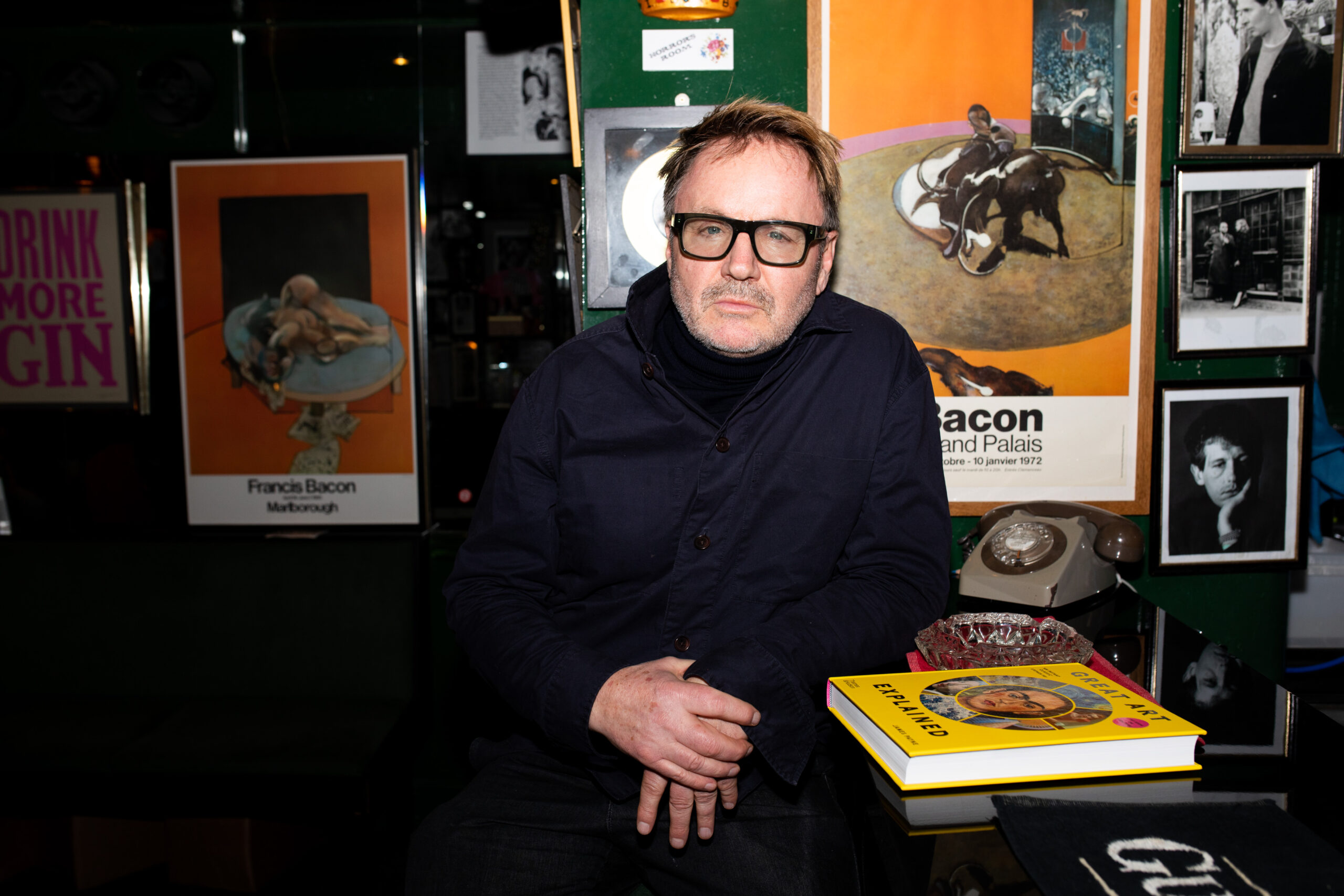
James Payne runs one of the most influential art-education channels on YouTube, Great Art Explained. He launched it in 2020, just as millions of people — myself included — were looking for new ways to learn about art. At the time, I was deep in my Artists project, photographing young British artists and trying to fill the gaps in my own art-historical knowledge. His videos became part of that education, as they did for so many others discovering art outside the structures of formal study.
What makes James’s work stand out is his clarity. His videos are free from the usual art-world jargon and performance. They’re open, generous, and genuinely accessible. As he writes in his book, “My work is not anti-intellectual, it is anti-exclusion,” a line that captures exactly why his voice matters. He has a rare ability to make art understandable without diluting its depth.
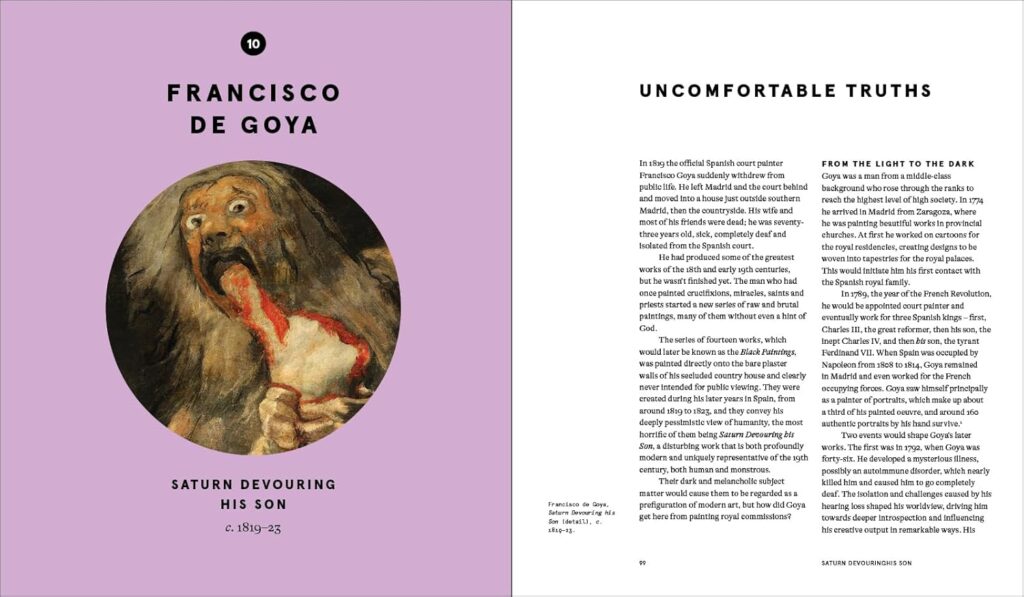
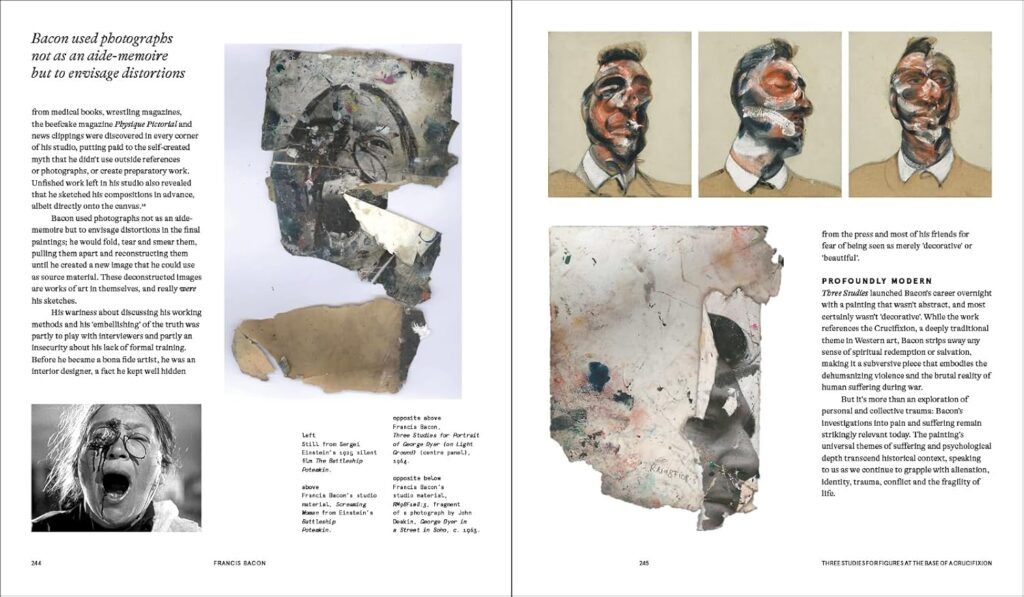
With the release of his new book, Great Art Explained, published by Thames & Hudson, his work has reached an even wider global audience. He has helped spread art history across the world — and that matters. When people understand what came before, they shape clearer ideas of what can come next.
This interview is a chance to speak with him about that mission, where it began, and the impact his work continues to have on how people learn, think, and engage with art today.
Interview & photography by Brynley Odu Davies.
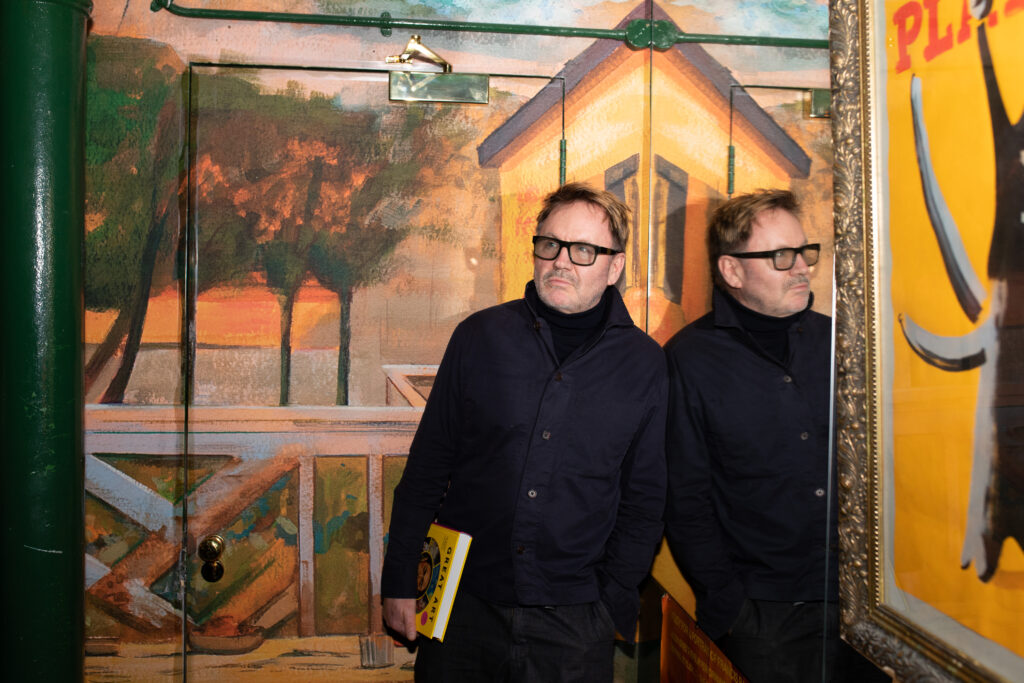
You’ve studied history your entire life — what first sparked that obsession for you?
James: I grew up in a very working-class family on council estates, and for me art was an escape, a doorway to other worlds. Before I even heard the term ‘art historian,’ I was the kid standing too long in front of a painting, trying to understand who made it and why. Every painting felt like a mystery: who were these people? why did they matter? why does it still matter? And I guess that sense of curiosity became addictive. I still feel it every time I start a new chapter in my book or a new video on my channel. That curiosity never left. It just became an obsession.
Beyond art history, you explore political and social history too. What is it about history itself that pulls you in so deeply?
James: As I say in my book, Art doesn’t exist in a vacuum; it’s shaped by revolutions, religions, wars, pandemics, technological breakthroughs, and the quiet, everyday rhythms of ordinary lives. In my opinion, if you want to understand a work of art, it helps to understand the world that produced it. And if you want to understand the world, you need to understand the forces, human and historical, that shaped it.
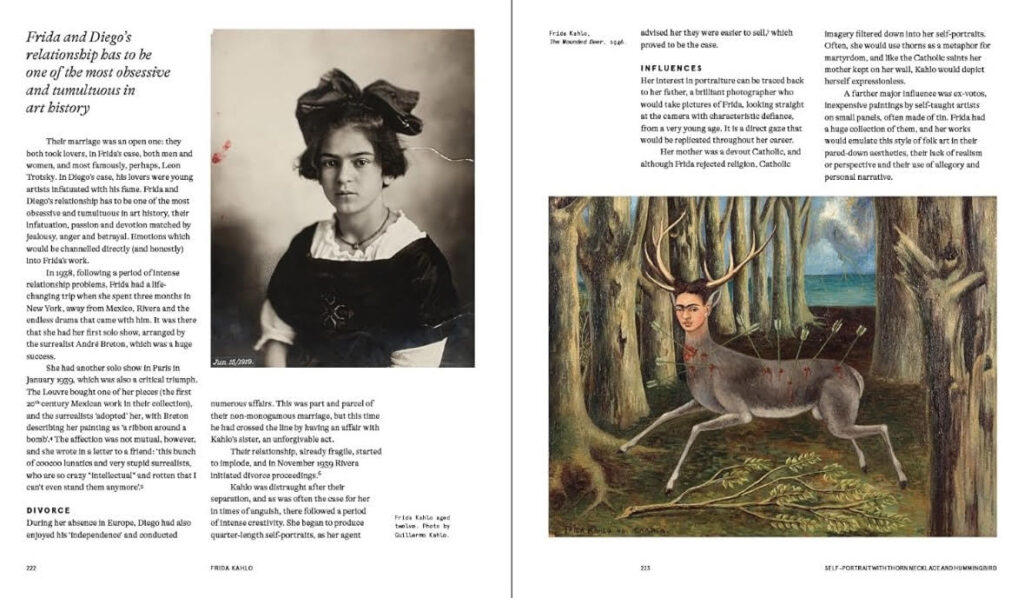
I really enjoy the research and the detective work too, uncovering stories that are not so well known, making connections, trying to understand what drove Monet, or Picasso, or Frida Kahlo.

How did the idea for your YouTube channel, Great Art Explained, first begin developing, and how long have you been making videos now?
James: It began during lockdown. I lost my job in tourism, and I wanted to keep myself occupied. I didn’t really watch YouTube very much, but I thought it was an easy way to create films, keep my interest in art going, and to stimulate myself. I had no inkling it would take off like it did! I uploaded my first video (Mona Lisa) on May 29, 2020.
You stopped drinking a few years before starting the channel. How did that decision change your life and your creative trajectory?
James: To be upfront, I had a serious problem with alcohol. Stopping drinking was one of the most important decisions I ever made, not only for my health but for my clarity, my confidence, and my sense of direction. Before I quit, I felt like I was always operating at 70%. I was always creative, but unfocused, inconsistent, and often talking about ideas more than actually making them.
Stopping drinking removed the fog. It was like someone had turned the contrast up on my life. Great Art Explained was born out of that clarity. If I’d still been drinking, I honestly don’t think I would have had the discipline or the self-belief to create it, certainly not at the scale or consistency it requires. Sobriety gave me a kind of quiet determination. It made me take myself — and my ideas — seriously.

You lived in Paris for years — what was your favourite thing about living there, and how did the city shape your relationship with art?
James: I still love Paris and go often, I love the culture, the food, and the people. I think London is actually a lot more interesting culturally, and is what shaped me. Having access to so much free art in London meant I saw art often. London has always been more rebellious than Paris, more forward thinking when it comes to art.
What I did learn from Paris, is that you can take your time – in cafés, in conversations, in museums. You can sit in front of a painting at the Musée d’Orsay and no one rushes you. That pace changed how I approached art. It made me more patient, more curious, more open to the quieter stories hiding in plain sight.
Your debut book with Thames & Hudson is a major achievement. Was publishing a book always a dream, and how did your relationship with Thames & Hudson begin?James: Publishing a book was always somewhere in the back of my mind, but it didn’t feel like a realistic goal for a long time. I was always writing scripts, lectures, or essays, but a book felt like something other people did, maybe people more academic than I am.
What did feel real was the desire to bring art to a wider audience, and as Great Art Explained grew, it became clear that the project had a life beyond YouTube. The relationship with Thames & Hudson began very naturally. They reached out after seeing the channel gaining momentum and said, essentially, “We think what you’re doing belongs in a book.” And because Thames & Hudson has such a long history of publishing serious but accessible art books, the exact balance I try to strike, it felt like the right home immediately.What impressed me most was that they didn’t want a straightforward transfer of the videos onto the page.
They wanted something with depth, personality and a point of view. Something that could stand alongside the great art books they’ve published for decades, while still speaking to readers who might not normally pick up art history. In that sense, they understood the project better than anyone. It took nearly four years to create, and to be honest, is the hardest thing I’ve ever done, but seeing the finished book in print, really did feel like a milestone: proof that what began as a passion project in my living room had grown into something with real cultural weight.
What’s your creative process for making a YouTube video — from initial idea to final upload?
James: My creative process always begins with the question: “What do I genuinely want to understand better?” That spark might come from a painting I’ve known for years, a book I’m reading, something I saw on a museum wall, or even a question a viewer asked. Once I feel that tug of curiosity, the sense that there’s a deeper story there, I know it’s a video.
Then I order lots of books and get reading. I wait till I’ve read at least two books, before I see if something strikes me as the ‘theme’ of a video. Then I start shaping it into a narrative. I write the script (reading aloud as I go) as if I’m telling a story to a friend, clear, conversational, but still rigorous. I want it grounded in scholarship but never weighed down by it.
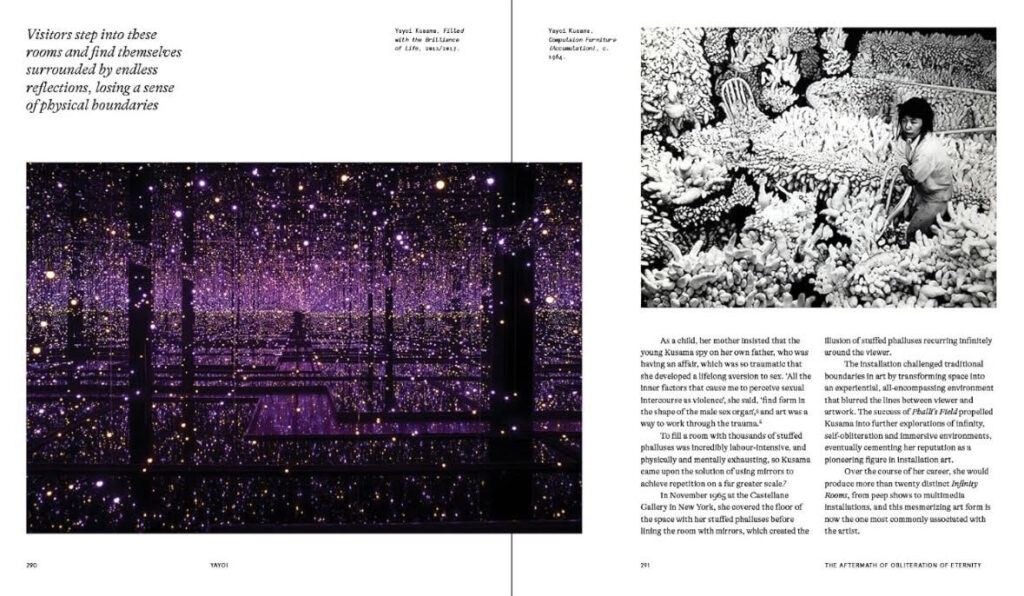
I’d say I rewrite the script between 4-6 times until it seems to really work as a film. Then comes the visual side. I collect high-resolution images, details, diagrams, historical documents, anything that will help bring the story to life. I also create my own graphics. I think in layers: the big picture, the tiny details, the symbols, the historical visuals that add context. Editing is where it all comes together: the script is the core, and the images and pacing bring the emotional rhythm.
The voiceover is always recorded at the very end in a professional studio (although I’m often rewriting the script at the studio), once the visuals are timing out properly. It’s where I try to strike the tone that makes the channel what it is, calm, clear, and unfussy, as if we’re standing in a gallery together. I love pressing the “upload” button, as it is then that it goes from a personal project to a conversation with hundreds of thousands of people. I absolutely love the viewers comments and I’m not ashamed to say, I read every one of them.
When you launched the channel, did you imagine it becoming one of the largest art channels on YouTube? What did you hope it would become in the beginning?
James: I did not imagine anything like that at all. I thought, at best, I would get a couple of hundred views, friends and friends of friends, and as soon as lockdown was over, I would go back to my old life. But things took off quickly and unexpectedly. I still wake up, thinking “Is this real?”
Your writing is incredibly clear and accessible. How did you learn to write in a way that speaks to both experts and complete beginners?
James: I learned to write clearly out of necessity. When I first started talking about art, in galleries, in talks, or on the channel, I realised very quickly that people switch off the moment they feel excluded. And art history, for all its power, can be full of gatekeeping language that pushes people away rather than drawing them in. So, I made a conscious effort to write the way I wish people had spoken to me when I was first studying art: plainly, confidently, without jargon, but without dumbing anything down. That’s the balance I aim for: generous but precise, accessible but rigorous, conversational but grounded in scholarship. If experts enjoy it and complete beginners understand it, then I’ve done what I set out to do, to make art feel like it belongs to everyone. I’ve said it in the introduction to my book but I can’t say it enough: My work is not anti-intellectual, it is anti-exclusion.

Why is teaching art important to you, and can you feel the impact you’ve had on such a global audience?
James: Teaching art matters to me because art changed my life. It shaped how I see the world, how I understand history, and how I make sense of myself. It made me feel like I belonged. And I’ve always felt that if something has given you that much, you almost have a responsibility to pass it on. But more than that, I genuinely believe that art is one of the last places where we can slow down, think deeply, feel something, and connect to experiences far beyond our own. Helping people access that feels meaningful in a way few things do.
And yes, I do feel the impact, sometimes in small, intimate ways and sometimes in overwhelming ones. When someone writes to say they finally felt comfortable going into a gallery, or that they now see a painting they’d walked past hundreds of times, or that they used one of my videos to spark a conversation with their child, that’s when it hits me. Those are the moments when this slightly mad project I started in my living room feels bigger than me.
The global response has taught me something important: people everywhere are hungry not just for information, but for meaning, for stories that help them make sense of this weird fucked up world.

If you could wake up every day with one artwork hanging on your bedroom wall, what would you choose — and why?
James: It would have to be a Paul Cézanne’s ‘Lac d’Annecy’, a small painting which is in the Courtauld Gallery in London. Cézanne is my favourite artist, and ‘Lac d’Annecy’ is my favourite painting of his. It is an important work because he is at the height of his powers, building landscape rather than recording it – simplifying reality, restructuring nature, and laying the foundations for modern art. It’s a painting that looks peaceful and still but also has a strange sculptural tension. I have a postcard of it on my desk, so the original on my wall would be perfect.
If you could host a dinner party with five artists from your book, who would you invite, and what would you want to ask them?
James: My first choice would be Francis Bacon, mainly for shock value, because he would be the most entertaining guest of the night. Wicked filthy humour, razor-sharp intelligence, outrageous antics … and a total lack of pretence. He would tell stories no one else at the table could possibly contribute. Second choice would be Suzanne Valadon – she would have some seriously good stories about Montmartre’s bohemian world. Before it became cliché, she knew everyone: Utrillo (her son), Satie (her lover), Degas (her mentor), and countless dancers, models and drifters.
She understood the nightlife, the chaos, the hunger, the creativity. At a dinner party, she could not only hold her own amongst the others but would tell the stories other artists were too careful, or too embarrassed, to tell. I’d invite Hieronymus Bosch because for me, he is still one of the most imaginative and mysterious figures in art history.
I could get some definitive answers, and he could help me finally crack the code to the symbolic, psychological, and spiritual logic behind some of the world’s strangest and most brilliant images ever made. I want answers! I’d invite Faith Ringgold because she really knew how to tell a good story. Inviting her means inviting an artist who embodies the idea that there is no “minor art” and no hierarchy of materials. She wouldn’t put up with any BS from the others and she’d bring a fiercely democratic perspective on creativity. I’d also like to ask J.M.W. Turner, because he was misunderstood in his own time, and he knew it. I’d bring him back just to show him he was right all along, and the critics were wrong.