Share this
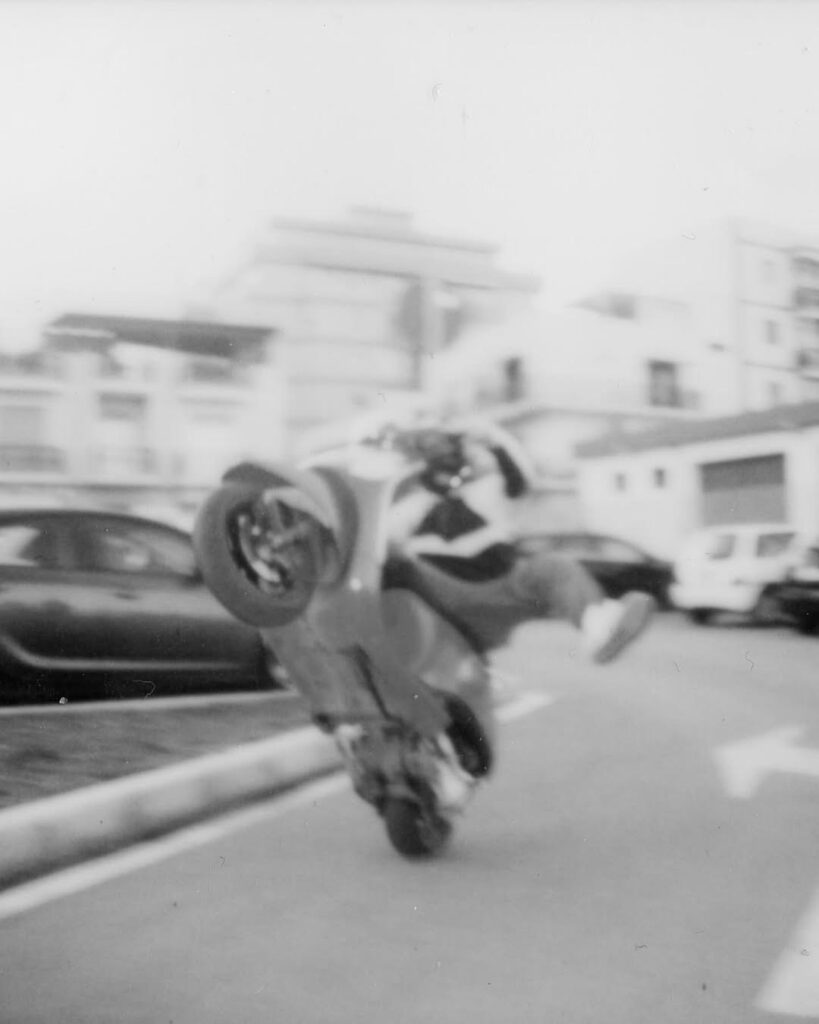
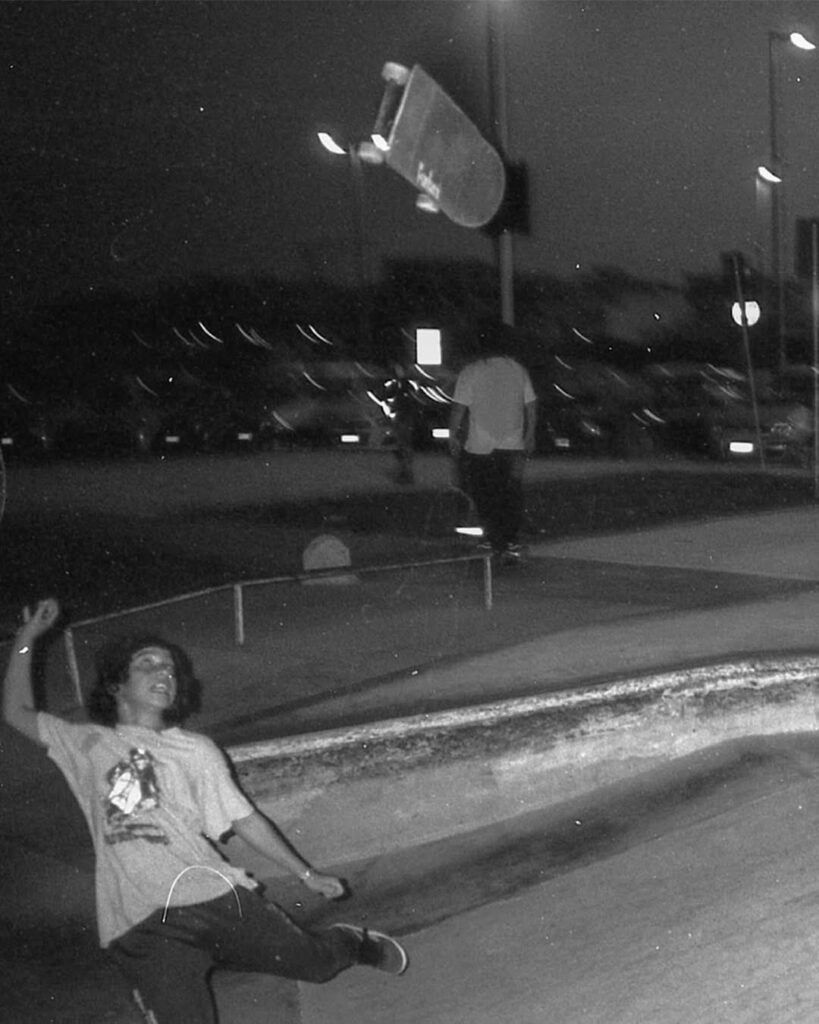
Mirko Ostuni, was born in southern Italy during the summer of 2003. His adolescence coincided with the beginnings of his implicit artistic research. The opening of a skatepark just 200 meters from his home, along with his introduction to underground culture, became a kind of “baptism by ice” for him. At 14, instead of taking a typical seasonal summer job, he began working with photography thanks to a newly established local photo festival.
Throughout high school, his practice evolved through life with his skate crew, discovering punk music, and forming a meaningful friendship with his first true mentor, Piero Percoco. After winning a full scholarship, he moved to Rome to study at IED, where he has been based since 2022. Mirko’s work centers on everything embedded in the concept of youthfulness; his first project, Onde Sommerse, drawn from his experiences within the southern Italian skateboarding scene, solidified this focus.
Since the beginning of this photographic journey, Mirko has been featured in magazines, exhibited his work, and self-published several fanzines. He is currently developing targeted research on major social issues connected to adolescence, while simultaneously exploring these themes through a diaristic approach by photographing his own life.
Profil picture by Matt Acito.
Hi Mirko! It’s a pleasure to sit down with you! First question that I always ask. How does a regular day look like for you in…?
Mirko: Hi, I don’t really have a routine at all. I think it’s one of the concepts that scares me most about adult life. Generally, the only thing I tend to do effectively often is not wake up too late; since I was 14, I’ve been anxious about not being productive. I don’t know the real reasons — I think it’s mostly a generational thing given the society my peers and I are growing up in.
Growing up, what kind of kid were you? What did you enjoy doing, and how did you spend your time? And how did growing up in Southern Italy shape the way you see youth culture?
Mirko: At 14 I discovered the skate world, but from the very beginning everything that came from subcultures, partly out of curiosity and mostly thanks to my parents, fascinated me. I was a classic small-town teenager who didn’t feel like studying too much and hated being told what to do. Growing up in Apulia educated my gaze a lot (regardless of the photograph), and smoking my first joints on the sea or in historic centers instead of in the middle of grey buildings made me a more (between millions of quotation marks) “calm person.” The other side of the coin is that Southern Italy gives you away and forces you — not for much longer, since we’re all slowly starting to do something to change the situation — to grow into total boredom; I still haven’t figured out how this has actually affected me.
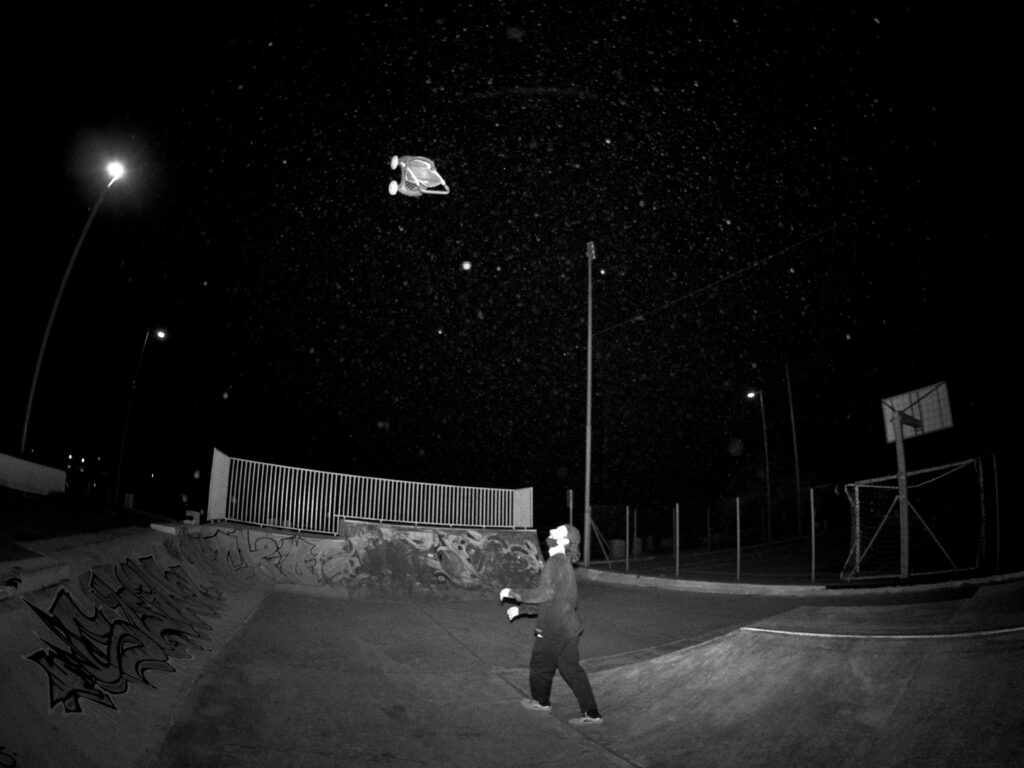
You describe the opening of a skatepark near your home as a kind of “eye’s baptism.” Can you take me back to that moment — what did you see or feel that made you want to pick up a camera?
Mirko: It was a subform of an “eyes baptism” because the first time I picked up the board in my hand and stood there doing up and down the ramps I completely killed the “American myth” of skateboarding, punk and underground movements that was inside me. In that moment I realized that skate video parts like Stay Gold or Baker 3 could be shot up to 100 meters from the house where I was born, and bands like La Dispute could easily rehearse in the rooms near the gas station at the “Monopoli Nord” highway exit — no longer just on the other side of the ocean.
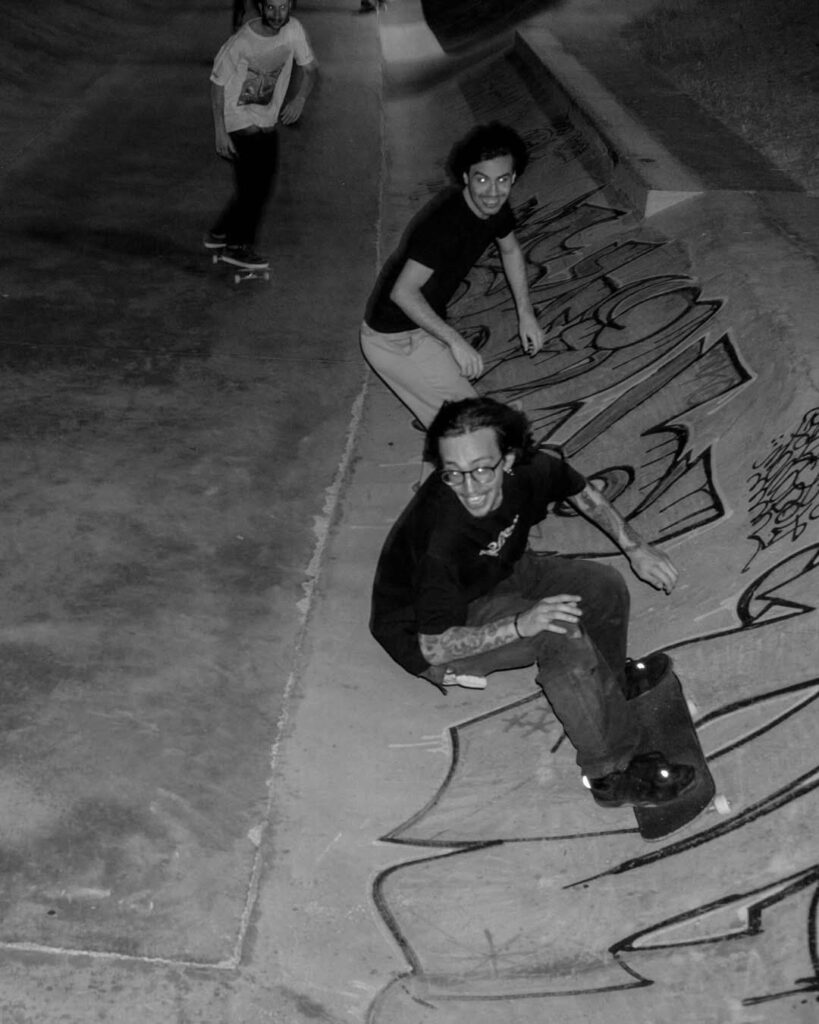
At just 14, you chose photography over a typical summer job. What did that decision mean for you and your sense of identity as a teenager?
Mirko: A couple of months ago I was more or less talking about this exact thing with the person who welcomed me into this festival as a “handyman” and as a “printer’s devil.” Well, I don’t understand yet if it was actually good for me to capitalize on my passion immediately, at such a critical time as adolescence. Surely all the “beatings” I’ve taken have strengthened me a lot and are making me handle work issues well that without this experience I would have handled terribly. On the other hand, having the opportunity to set up exhibitions by authors like D’Agatà at 14 certainly only did me good.
You mention Piero Percoco as your first “real” mentor. What lessons from him still guide your work today?
Mirko: Piero made me relearn how to walk an inexplicable amount of times. He’s a golden person whom I respect very much because he is one of those who in the South has made a sub-form of “resistance.” He’s one of those who took boredom and transformed it into his strength, later transformed into a magical and exaggeratedly melancholic vision. We are very different people, but we love each other very much; I really like that we hate to talk about photography.
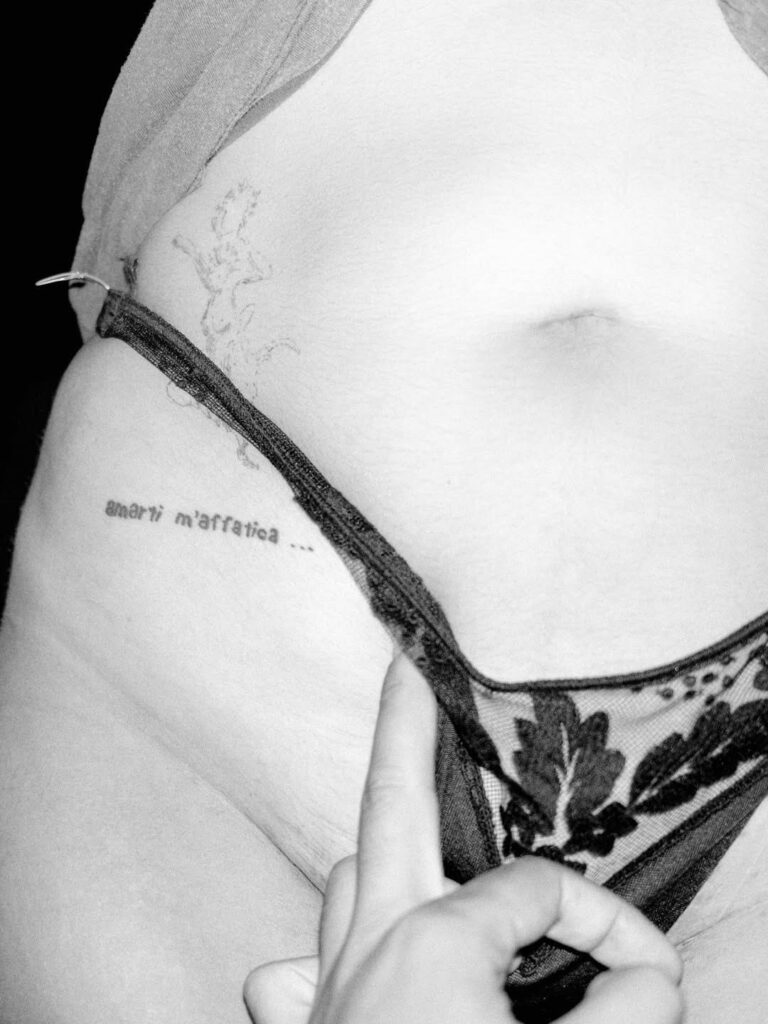
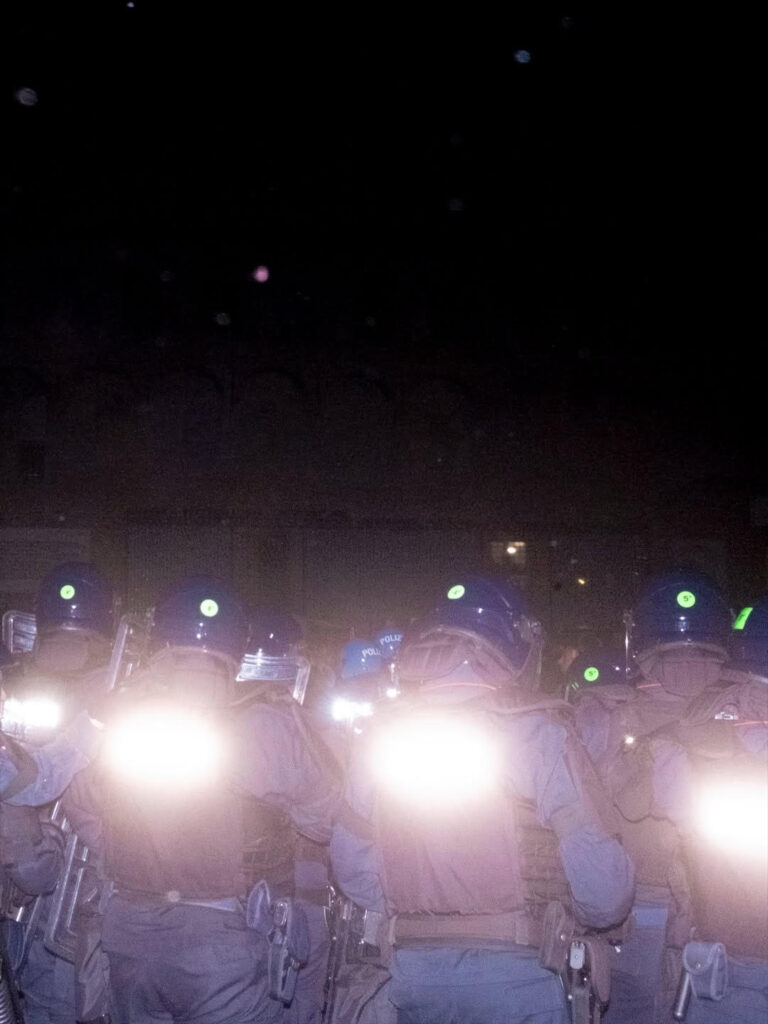
Talk me about your last project, Four to the Dirt.
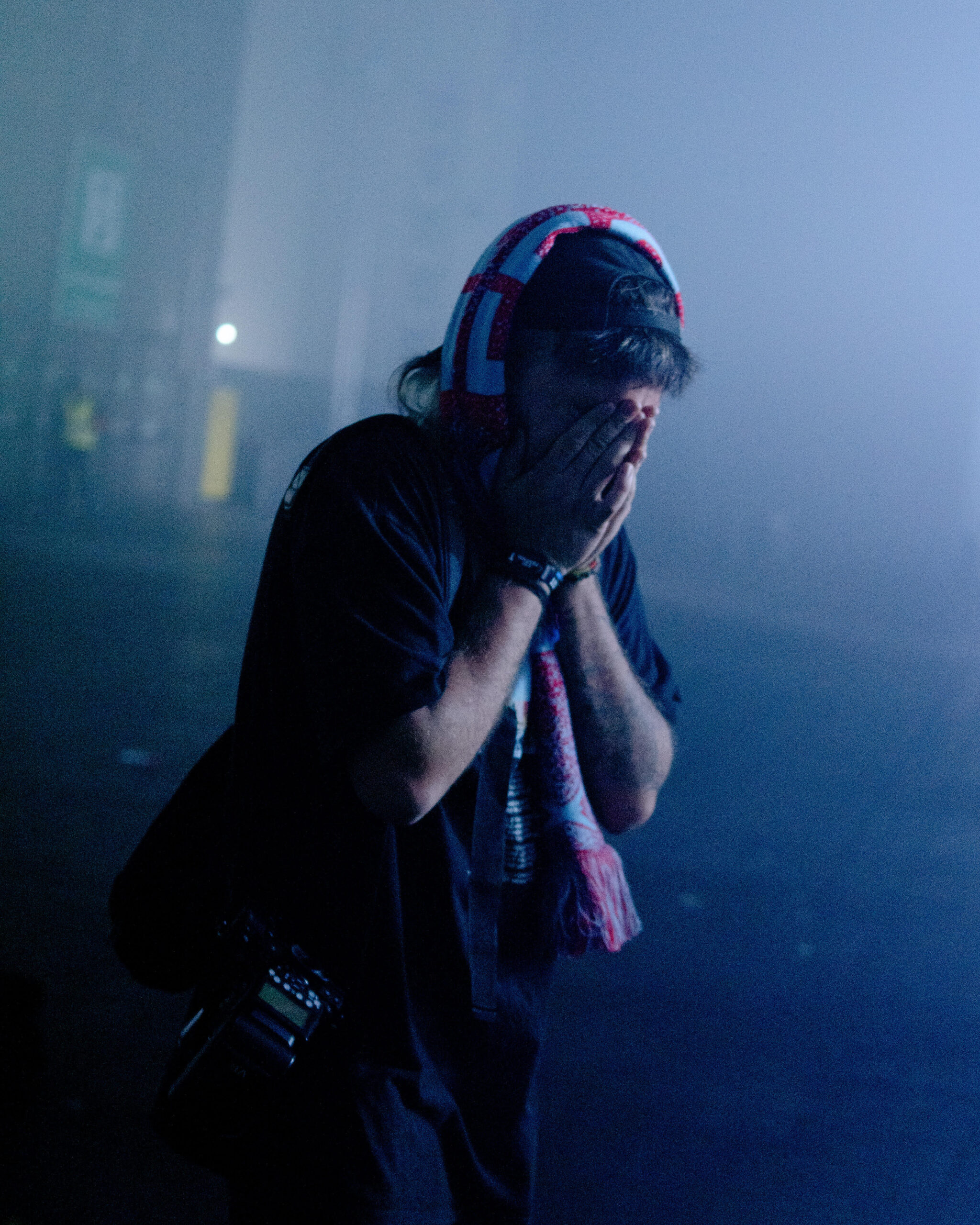
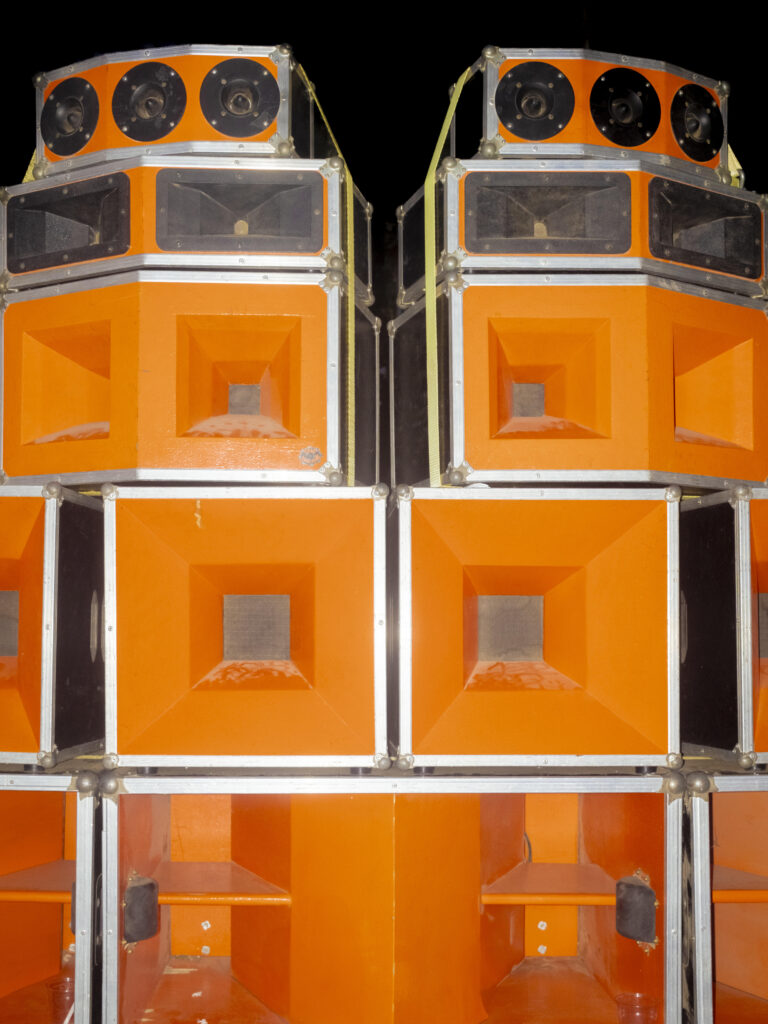
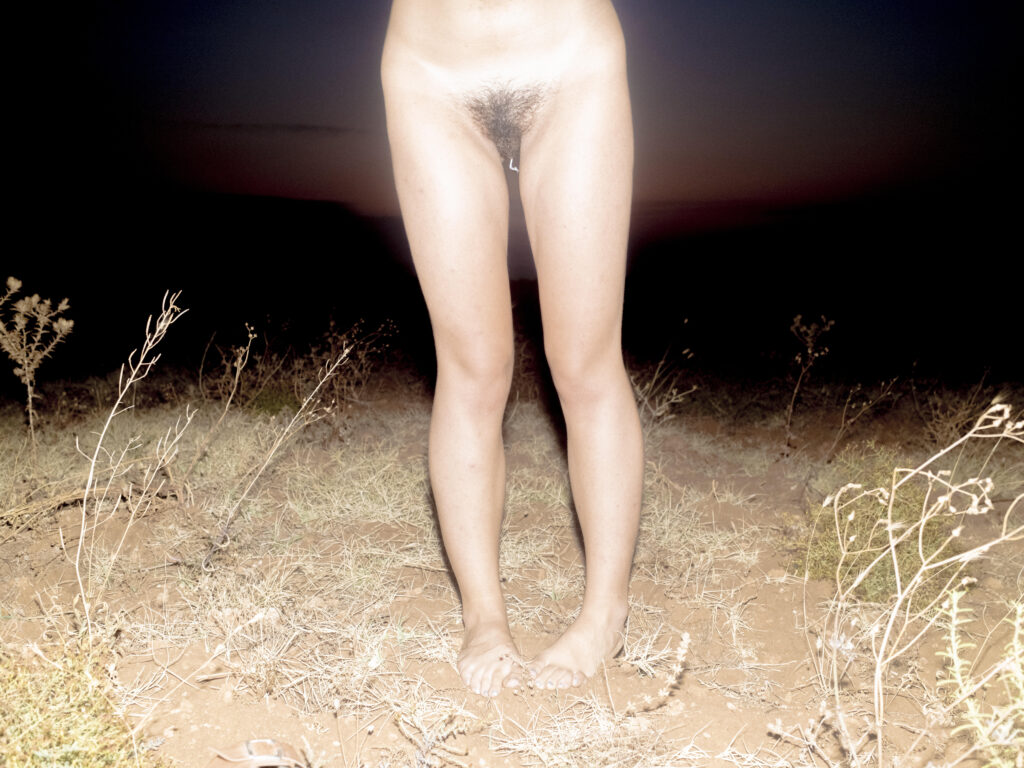
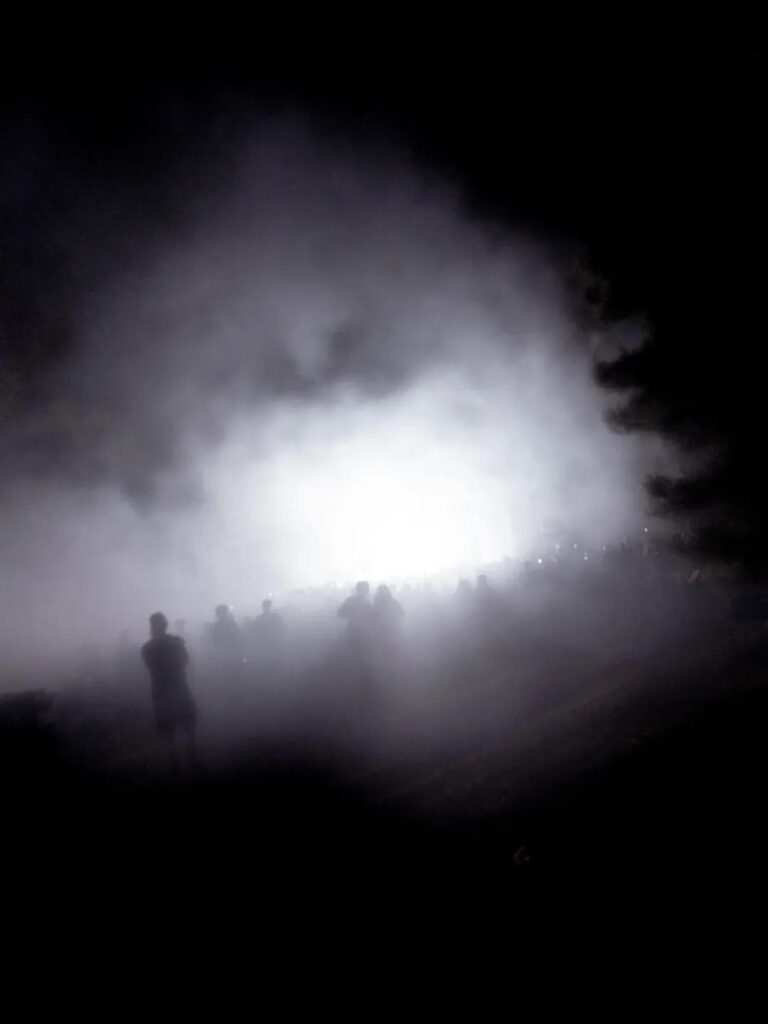
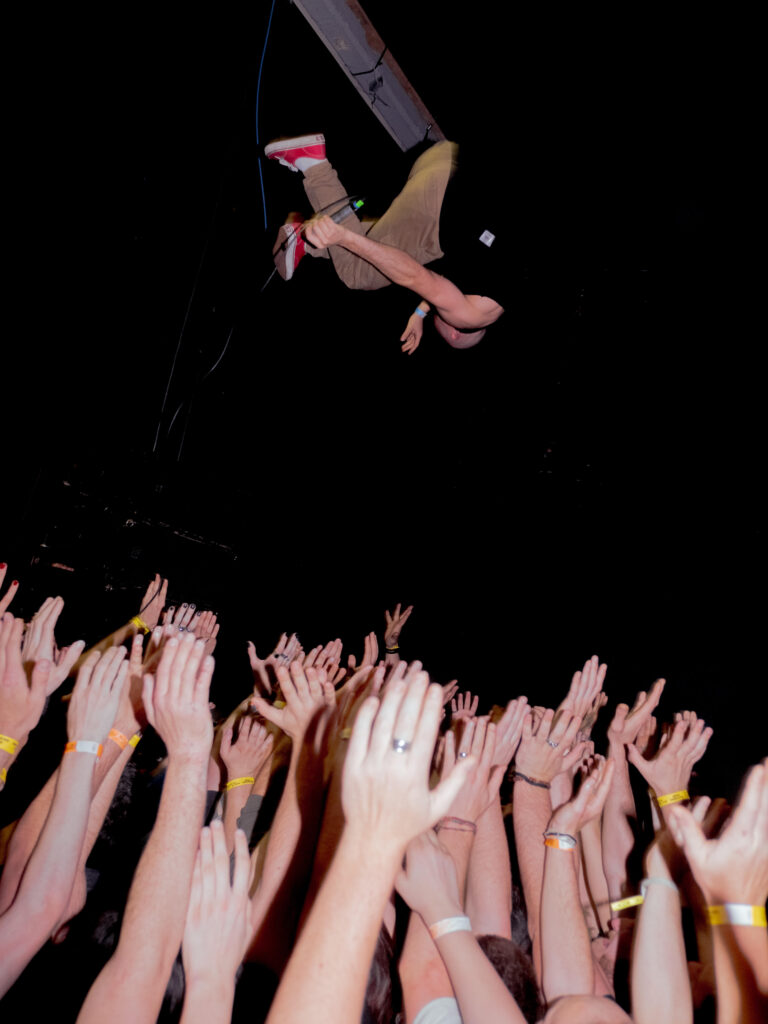
Four to the Dirt was born as my university thesis project. It’s a visual exploration of the concept of catharsis within the human body, breaking down and visually analyzing everything behind two collective rituals found (mostly) in Southern Italy: pizzica and free parties.
My research on adolescence — and the fact that I had just come out of that period myself — led me toward the world of free parties. Doing politics through collectivization and, more often, through the occupation of space backed by drum’n’bass, jungle, and tekno hit me straight in the soul: dozens or hundreds of bodies, altered or not, moving together for hours, forming a safe community for everyone. The same thing used to happen in the 1950s in Salento during end-of-harvest celebrations organized by the local working class, influenced by the music-therapy ritual of tarantismo.
I analyzed these two collective moments by photographing the movement of the human body in the studio; by documenting the Salento landscape with a cathartic/dystopic gaze; by creating a diary of my experience inside the parties; by studying the archive of a working-class Apulian family; and by diving into the tools and elements that make these two rituals possible.
The project recently became a book published by my friends from Dito Publishing and is slowly starting to circulate. Luckily enough, I’ll present it on December 20th at OpenSound Festival (Matera), together with Steve Goodman a.k.a. Kode9, who unexpectedly recognized me after his set at Club To Club and gave me a lot of compliments
How did being part of a skate crew and immersed in punk culture feed into your way of photographing adolescence?
Mirko: It’s probably the main reason why adolescence attracts me. I’m 22 right now, and when I photograph my friends, I feel the same way I did when I was 14; I think that’s enough. The only thing that has changed is the interest in the outside and other “communities” of people, not just the one that revolves around my life.
You’ve said your work is based on “everything behind the concept of youthness.” What does “youthness” mean to you?
Mirko: David Bowie’s concert scene in Wir Kinder vom Bahnhof Zoo.
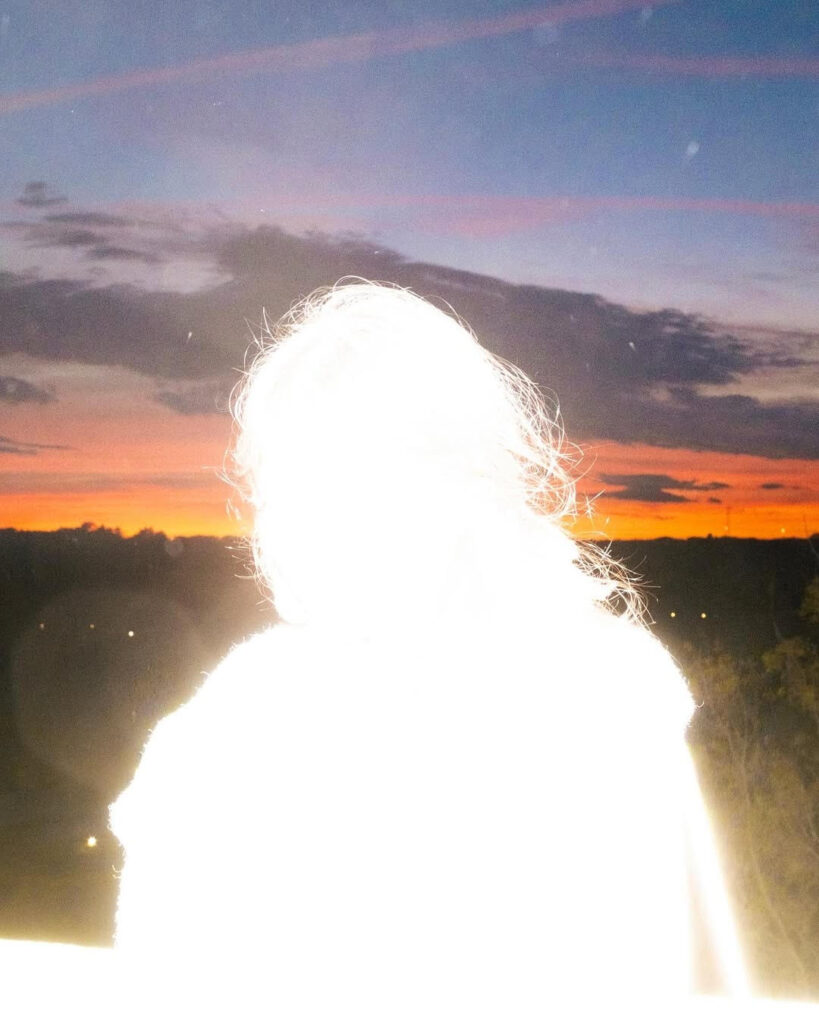
Your project Onde Sommerse was born from your skateboarding experiences. Looking back, what did it teach you about the relationship between physical spaces and identity?
Mirko: I simply learned to appreciate the area more by looking at photos as soon as I left home to study. But I think it’s not due to that series of images taken in total innocence and in an almost indifferent manner.
When you talk about photographing adolescence, do you see yourself as documenting or also intervening in the narrative of youth?
Mirko: I don’t know yet, I’m trying to figure it out too.
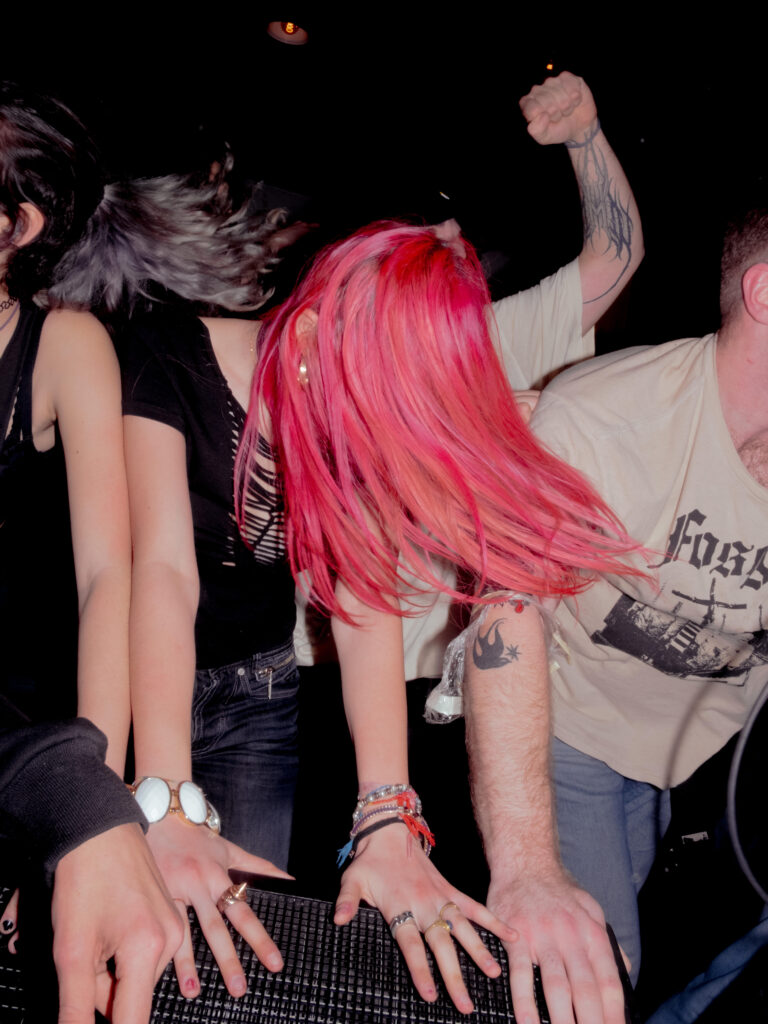

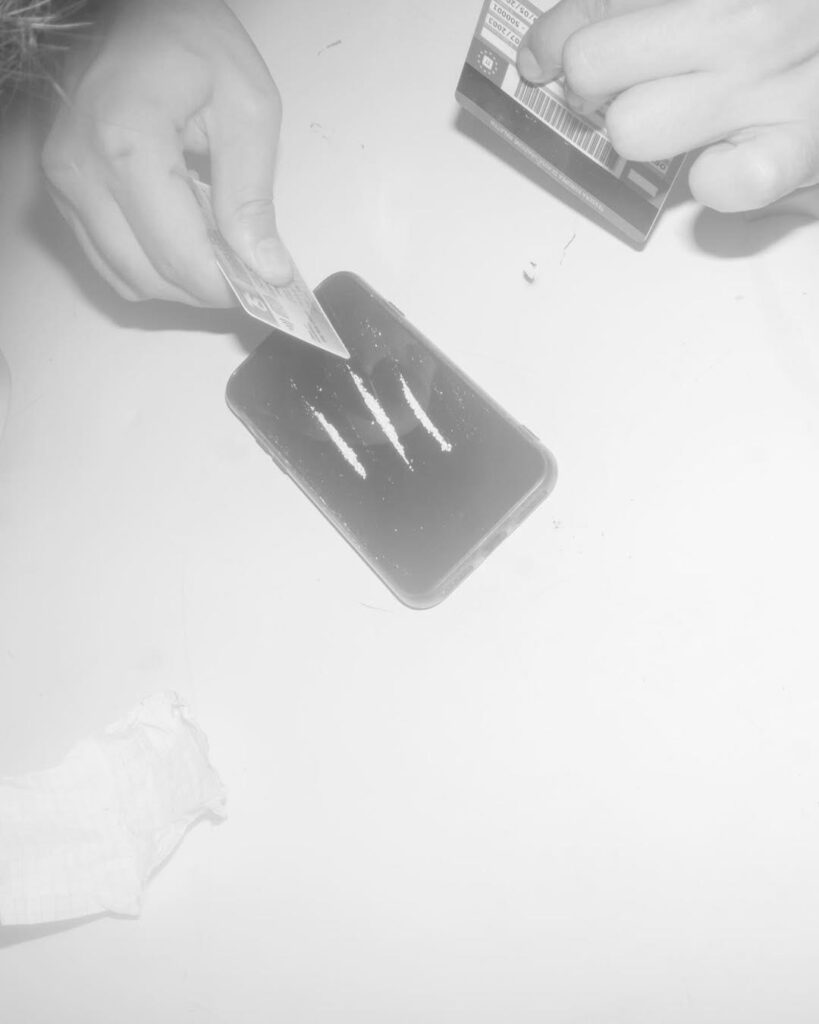
You mention a diaristic approach to photographing your own life. How do you balance intimacy with distance, when you are both the observer and the subject?
Mirko: My friends (or close relationships in general), if they’re really close, know that they’re part of this diary, and they’ve gotten used to seeing me with a camera in my hand at any moment — any moment 😉
What role does chance, spontaneity, or accident play in your process, compared to planning or staging?
Mirko: I’ve never really cared about that whole topic. I’d almost say that Henri Cartier-Bresson’s idea of the “decisive moment,” and everything that followed in photographic theory and philosophy, doesn’t attract me (and not out of arrogance, absolutely not). Times are different now, and in most cases (not all), I don’t care whether a photo is spontaneous or not.
You’re now exploring “macro issues” connected to adolescence. Could you share which issues feel most urgent to you right now, and how you approach them visually?
Mirko: Right now, more than ever, there’s the need for freedom of expression, the freedom to occupy spaces to make politics and to celebrate, the worrying issue of surveillance and privacy, and the repressed anger that explodes inside all of us in different ways. My approach to these themes changes from one project to another; it’s never the same.
Many of your early works were self-published zines. What does self-publishing give you that institutional exhibitions cannot?
Mirko: Being able to do whatever I want, whenever I want, without waiting for someone’s instructions and without following the market logic imposed by contemporary publishing.
Do you think the spirit of underground culture is still alive in photography today, or has it been absorbed into the mainstream?
Mirko: If someone takes photos just because they want to post them on Instagram, without any real research behind it, sooner or later it all collapses. Mainstream dies every day and turns into something else (usually for the worse); the underground shifts and changes constantly without turning to crap, always trying to avoid an individualistic, ego-centered approach.
What kind of stories about youth do you want your work to preserve for future generations?
Mirko: Ordinary people that anyone can see themselves in; I hate the “wow” effect and the extreme aestheticization of everything.
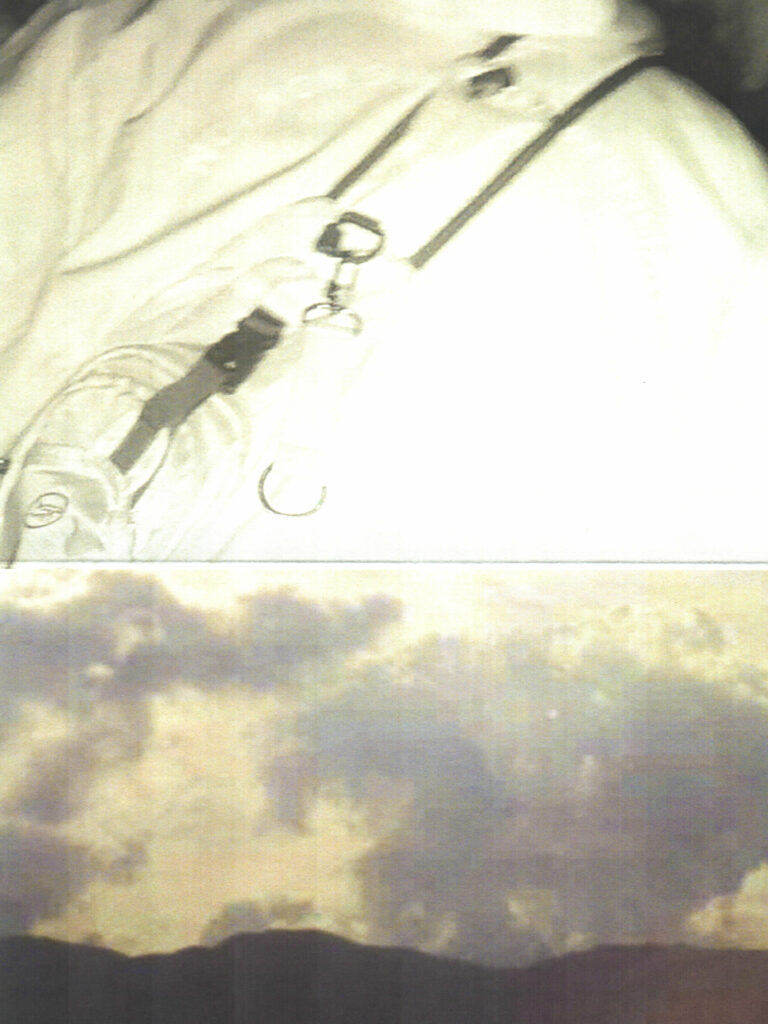
Can you tell me about some of your favorite memories from being on shooting in the field?
Mirko. That time I was taking photos of a tree in the field next to my house in the countryside down in Puglia at sunset, and right after, Alessandro (one of my best friends) and I played music from our phone and started dancing as if we were at a rave at sunset on the rooftop. Told like this it might sound silly, but it was cathartic.
Other than the camera and lens, are there any essential items that you always bring with you when shooting?
Mirko. It’s not something I really give importance to, honestly — I’ll think about it from now on. 😉
So what do you hope that we, the observers, take with us after viewing some of your photos?
Mirko: I was asked this question at a university a couple of years ago, and I still haven’t found an answer. I definitely still need to mature, so I don’t want to give anything rushed.
Ok Mirko, now to something totally different. In a parallel universe who would you be? And what would you be doing?
Mirko: If everything had been different, and I hadn’t had the various privileges and, above all, the teachings my parents gave me, I probably would never have had the courage to pursue an artistic path like this. Who knows — maybe I would have lived a perfectly ordinary life and had a “normal” job, as defined by the society I live in.
Outside of photography, what’s something you’re obsessed with right now — maybe a hobby, a show, or even a food — that keeps you grounded or inspired?
Mirko: Music has been a constant since I was little. I’m deeply attached to it because it’s something my parents passed on to me, and it’s probably what has always connected us the most.
What qualities do you find most important in the people you choose to spend time with?
Mirko: The nonchalance of saying “I love you” and showing it; in practice, I probably downplay it in favor of simply wanting to celebrate.
Anybody you look up to?
Mirko: I want to take this chance to give a shoutout to all my insanely talented artist friends: @matacito / @maccheroneee / @amelia_nieddu / @attinica / @marcominoiaa / @lecoltre / @yora.yora_ / @rbstrada / @chiaralessandri / @odilllllle / @analochico / @__._nora / @leonardomambrini / @il2ria / @crvstn / @general_knowledg3 / @hyperacustica / @portamento / @ripxripxrip / @perenne_mente
Alright Mirko, I always ask these two questions at the end of an interview. The first is: what’s your favorite movie(s) and why? The second is: what song(s) are you currently listening to the most right now?
Mirko: Film: Gasoline Rainbow by Ross Brothers
Album: Mono No Aware by V/A, out on PAN Records.