
Share this
In his latest cultural intervention, Tremaine Emory turns his attention to one of the most mythologised monuments in Western history: the Statue of Liberty. But rather than framing it as a postcard emblem of freedom, Emory insists we look down, to the broken chains at its feet — and ask what kind of liberty is being celebrated, and for whom.
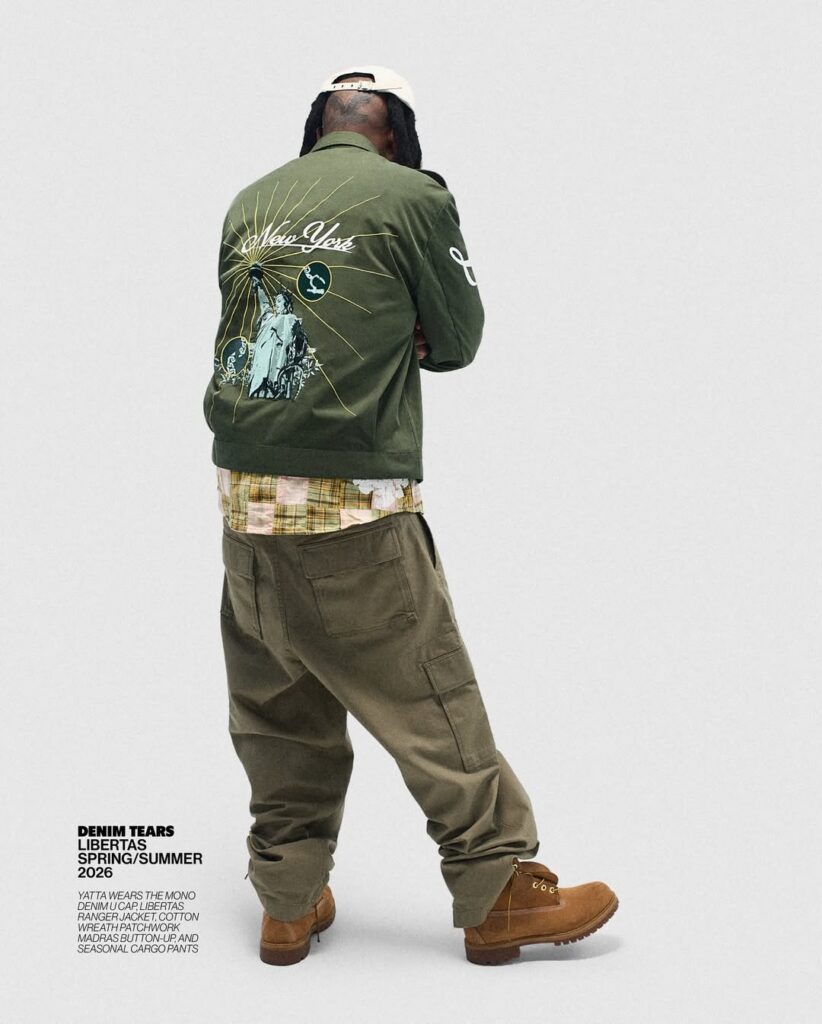
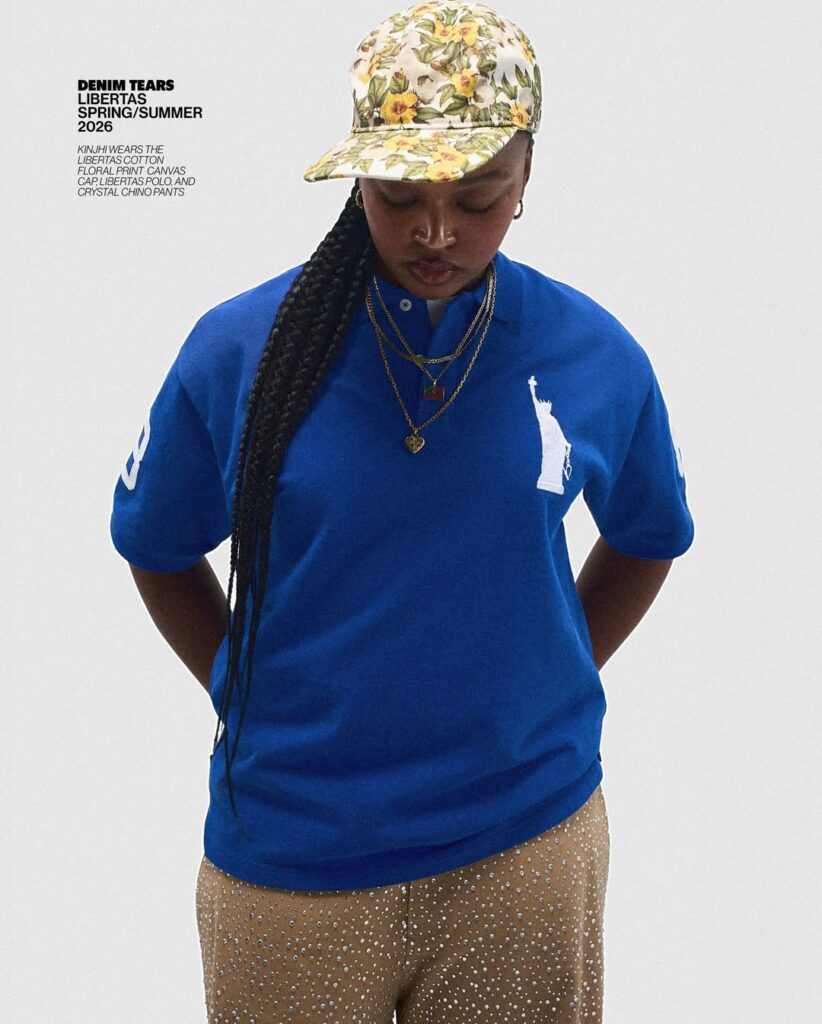
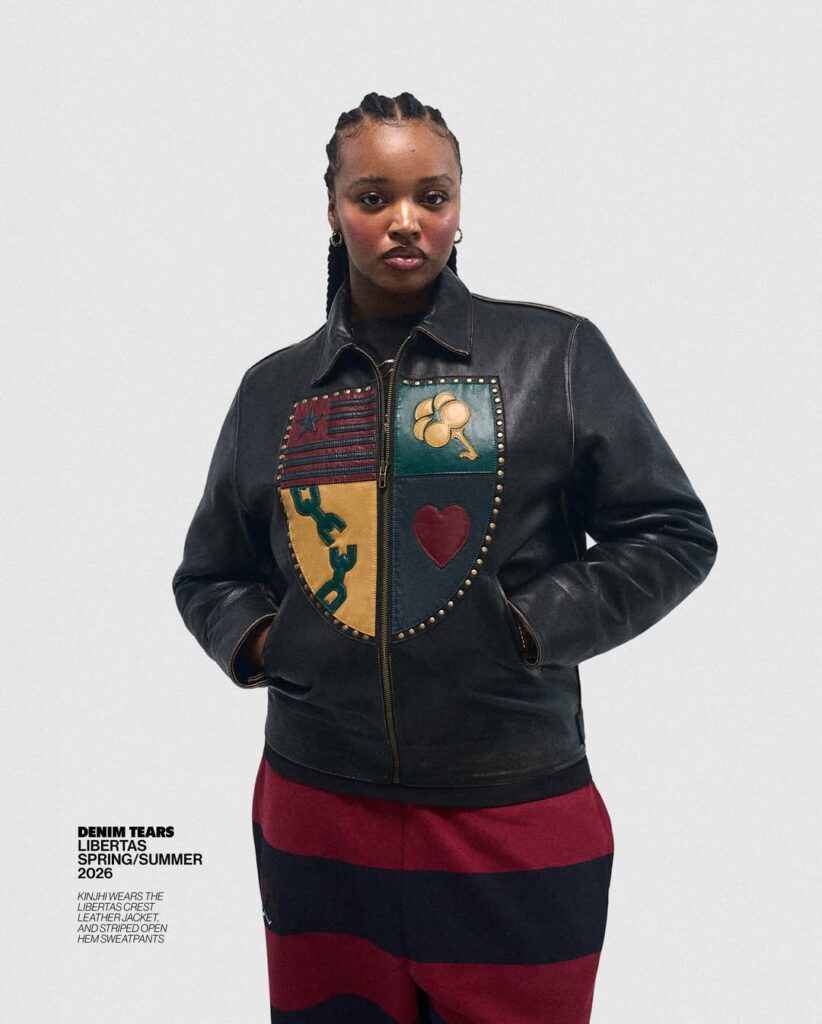
The article details how Emory, through his label Denim Tears, uses fashion not as surface decoration but as historical excavation. The collection re-centres a largely ignored detail of the statue: the shackles symbolising the abolition of slavery. While the torch has become shorthand for welcome and democracy, the chains — arguably the monument’s most radical feature — have faded from public consciousness. Emory’s work reframes that omission as symptomatic of a broader cultural amnesia surrounding America’s entanglement with slavery.
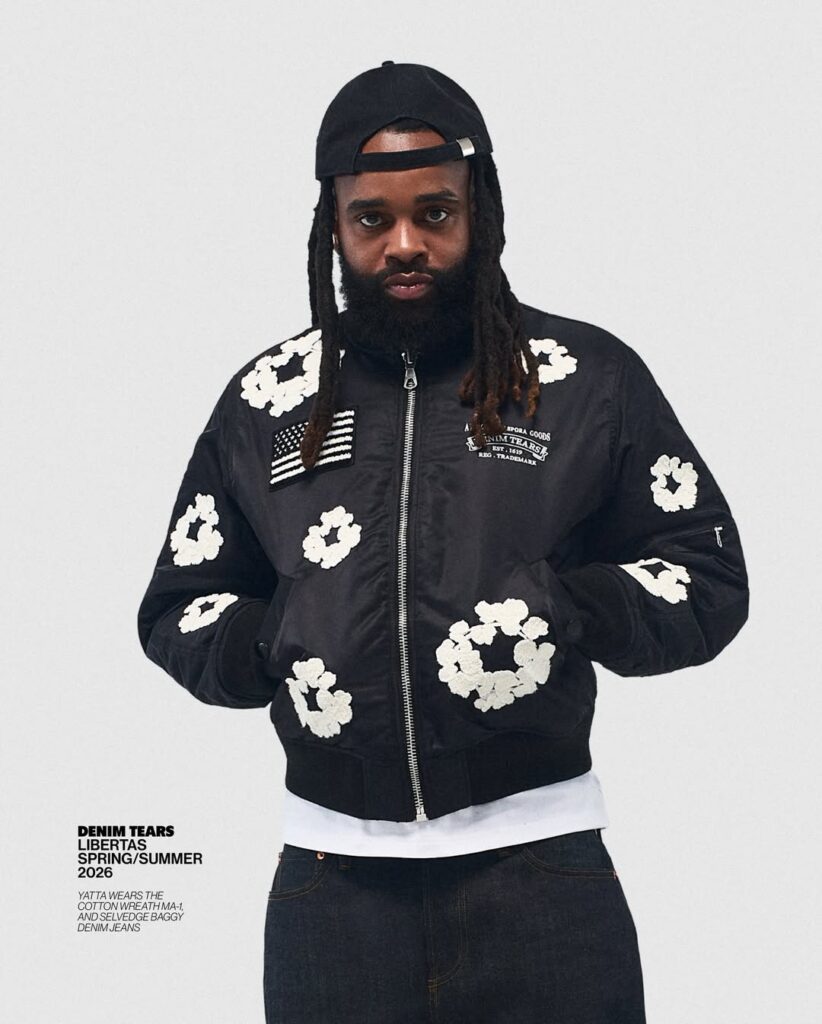
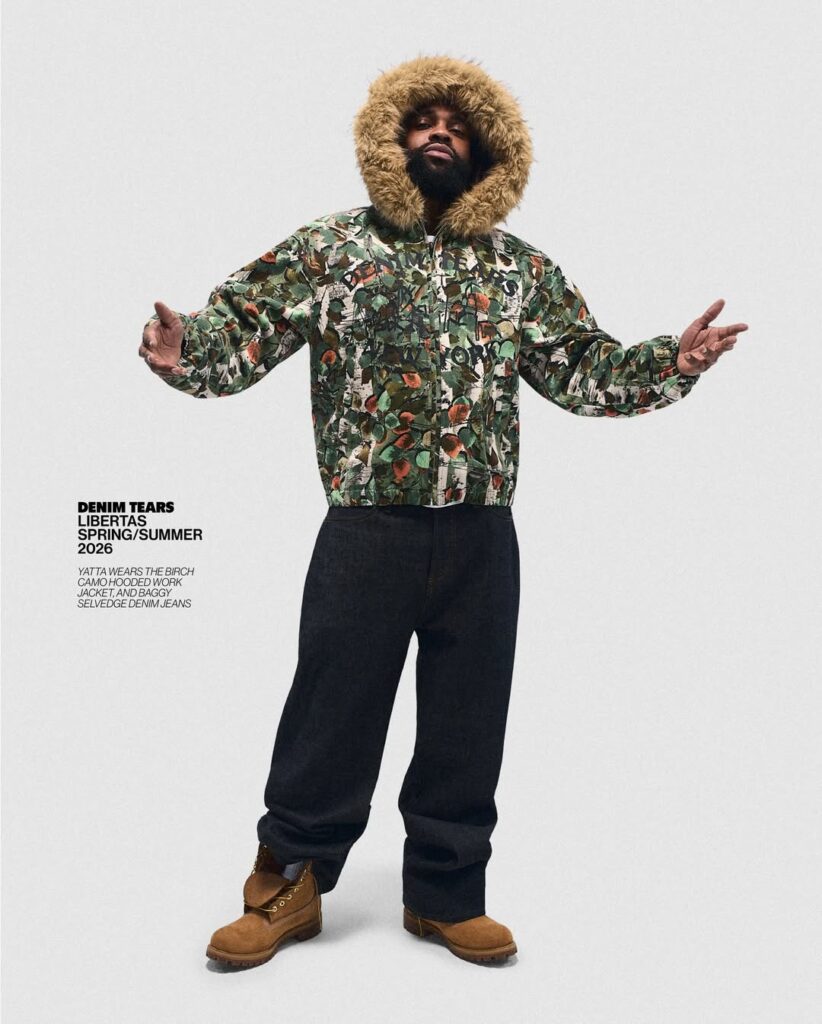
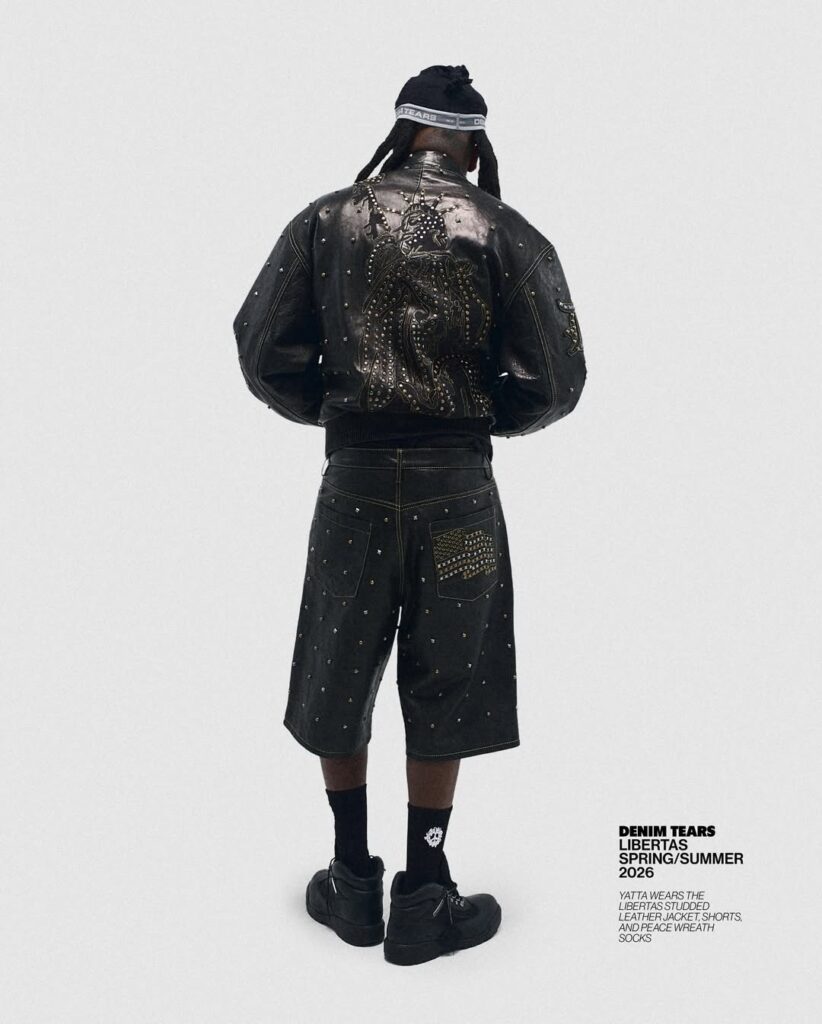
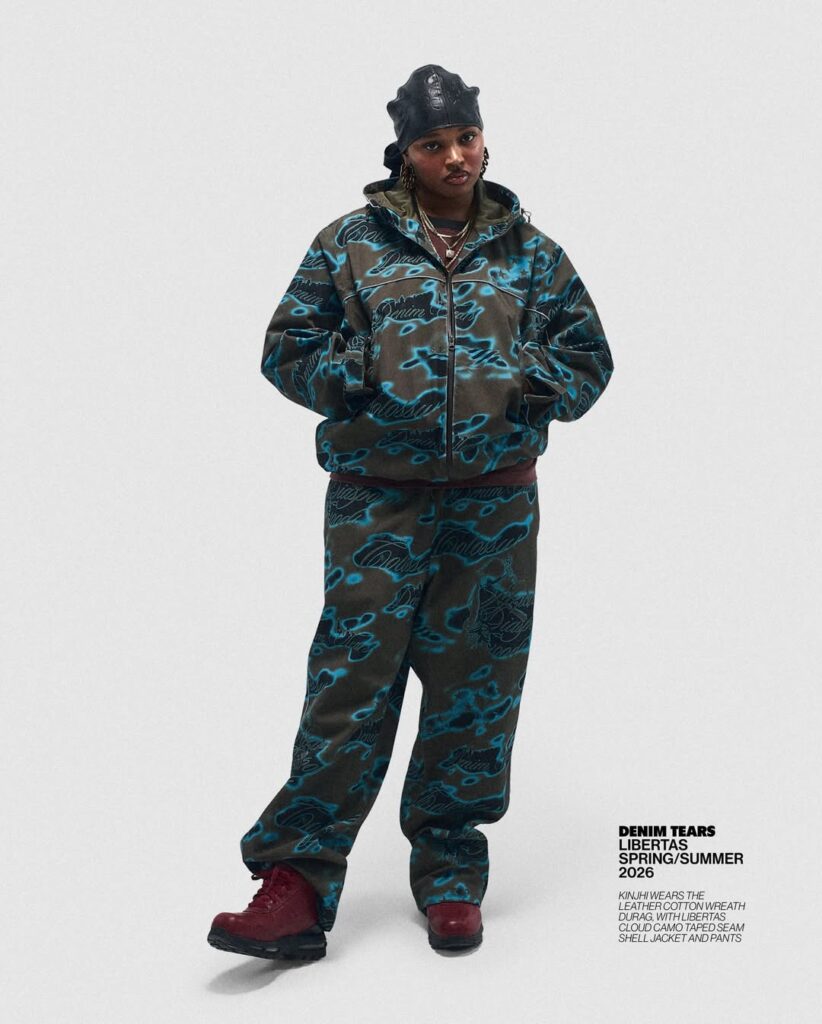
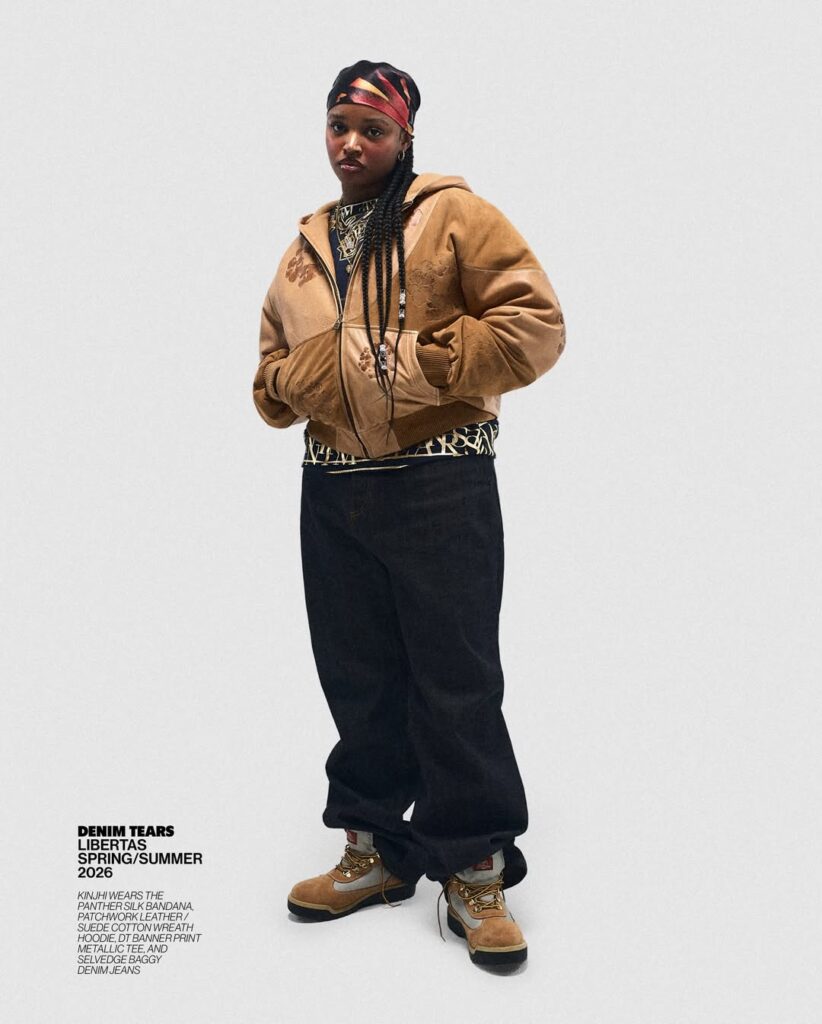
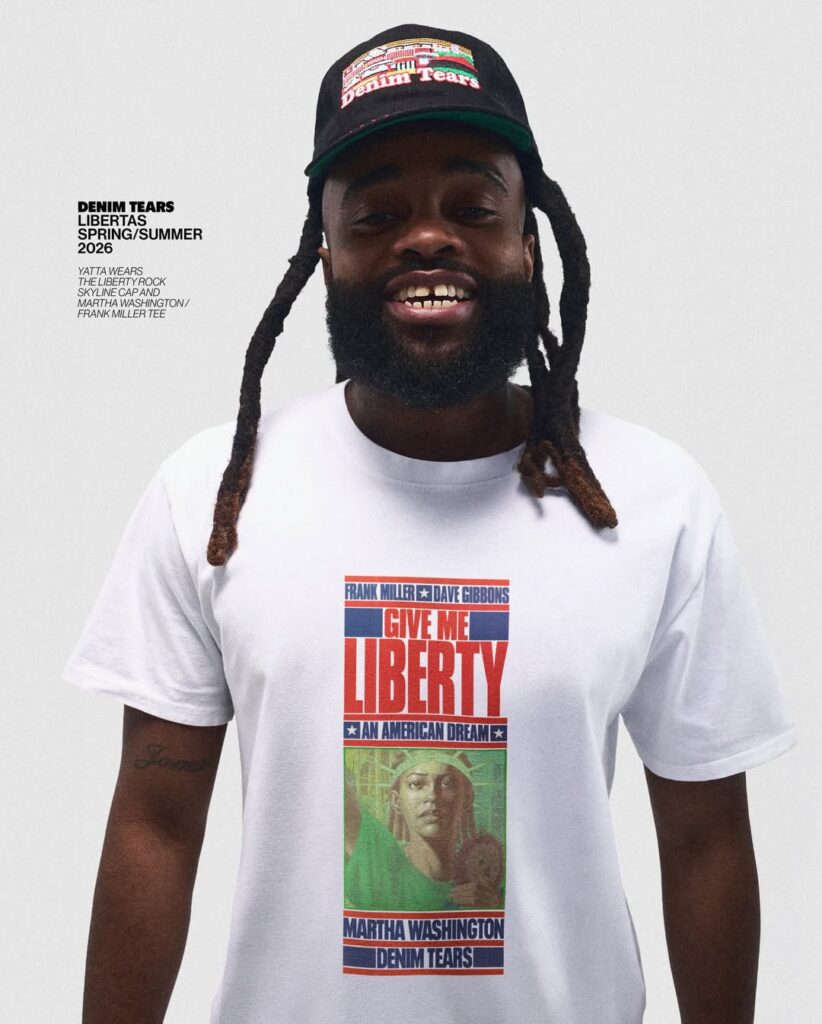
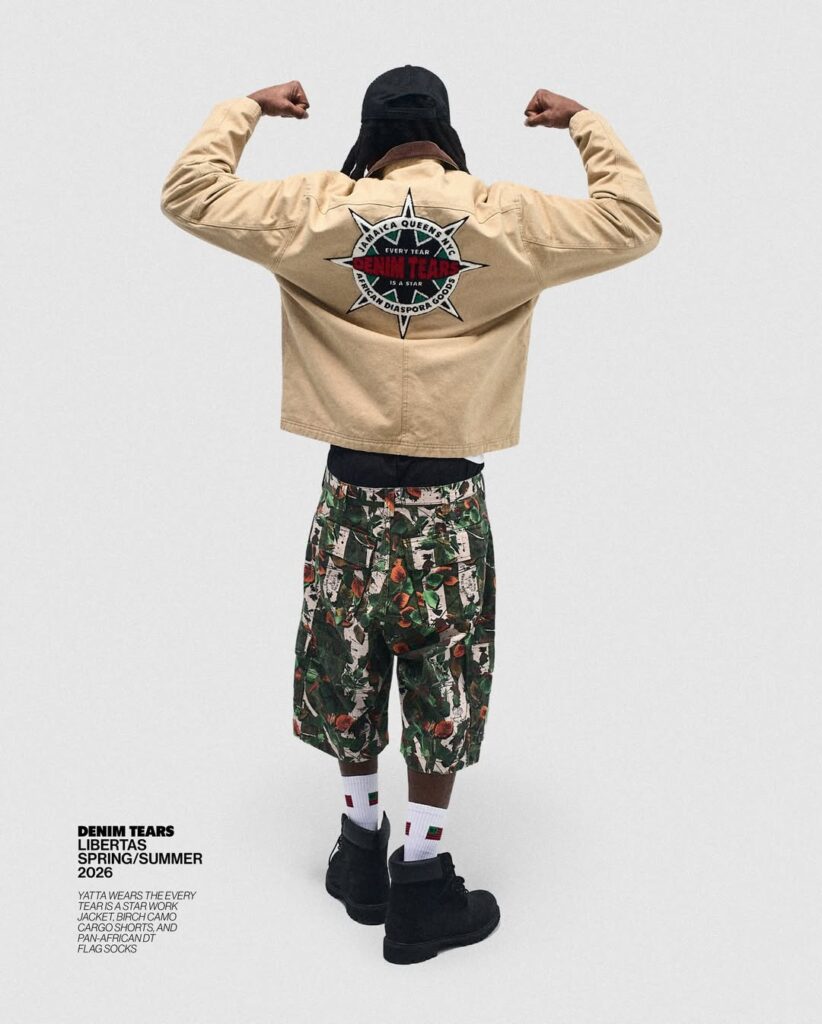
Visually, the collection balances relaxed silhouettes with deliberate graphic messaging. Chain motifs recur across garments, functioning both as aesthetic device and political reminder. The brand’s iconic Cotton Wreath appears recontextualised, continuing Emory’s long-standing interrogation of cotton as both material and metaphor — a fibre inseparable from histories of exploitation, labour, and Black identity in the United States.
The article positions this release within Emory’s wider practice: a sustained effort to use fashion as cultural scholarship. Rather than offering simplistic protest graphics, Denim Tears operates as a kind of wearable archive, weaving together research, symbolism, and design. Emory’s approach suggests that garments can operate as sites of memory, challenging dominant narratives while occupying mainstream space.