Share this
We tend to meet David Lynch through cinema — the red curtains, the humming electricity, the sense that reality has slipped a gear. But the truth is simpler and stranger: before the films, there was painting. And next year in Berlin, that origin story finally takes centre stage.
In January 2026, Pace Gallery will open a solo exhibition devoted entirely to Lynch’s visual art at its newly inaugurated Berlin space — a converted former gas station, co-founded with Galerie Judin. It’s a location that feels uncannily right: industrial, transitional, slightly uneasy. Less white cube, more psychological threshold.
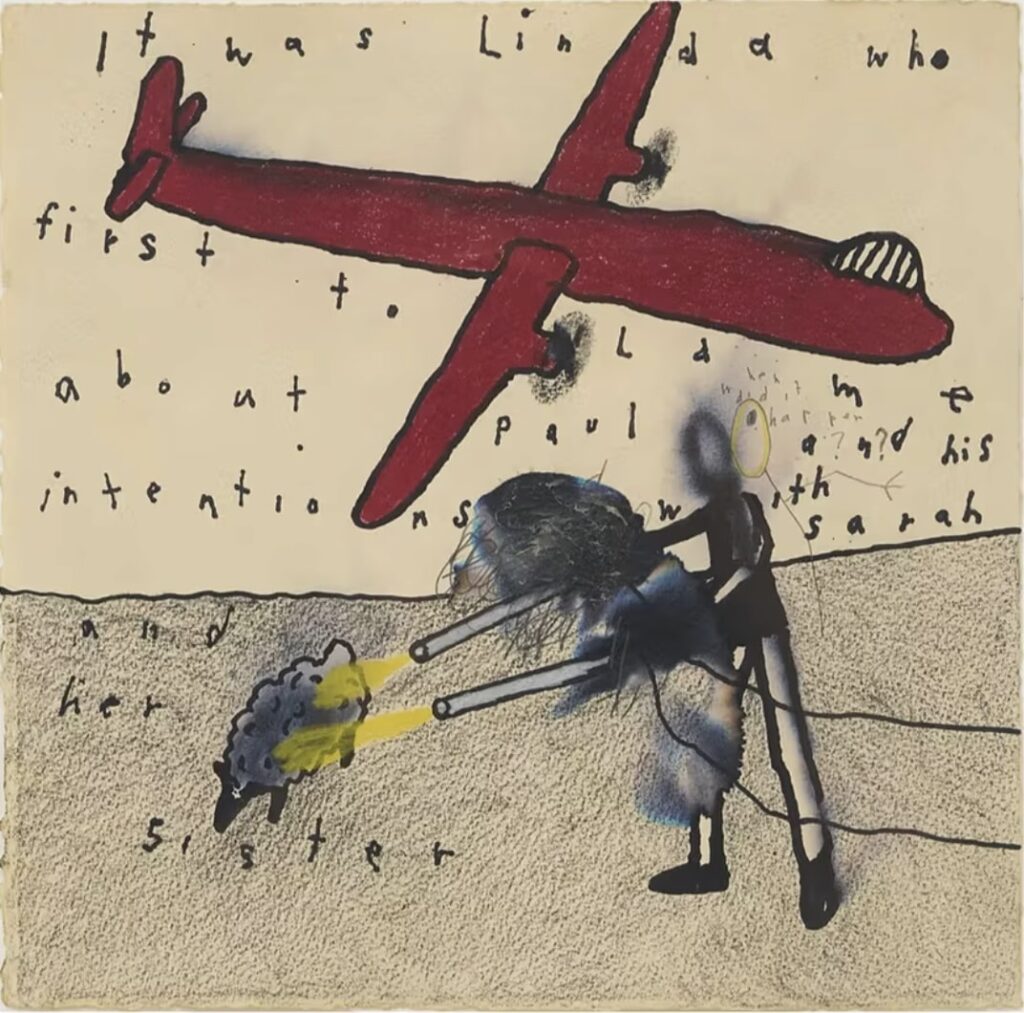
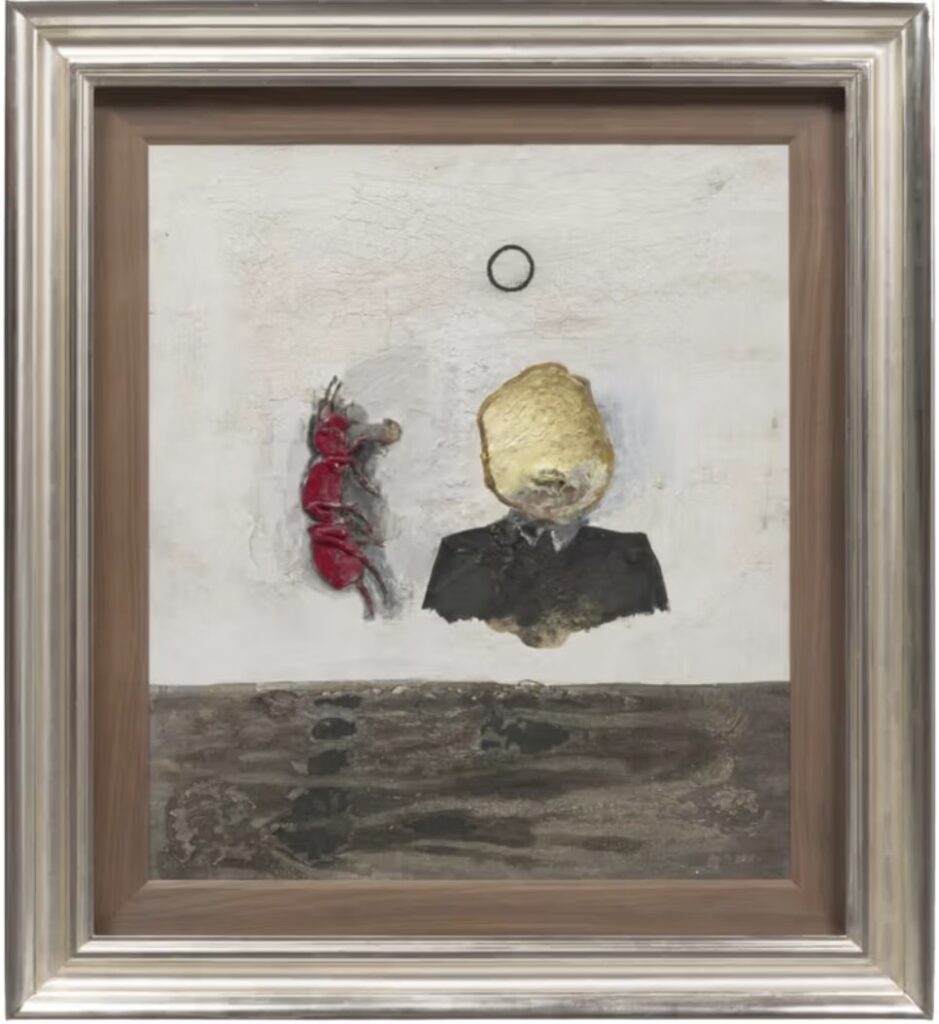
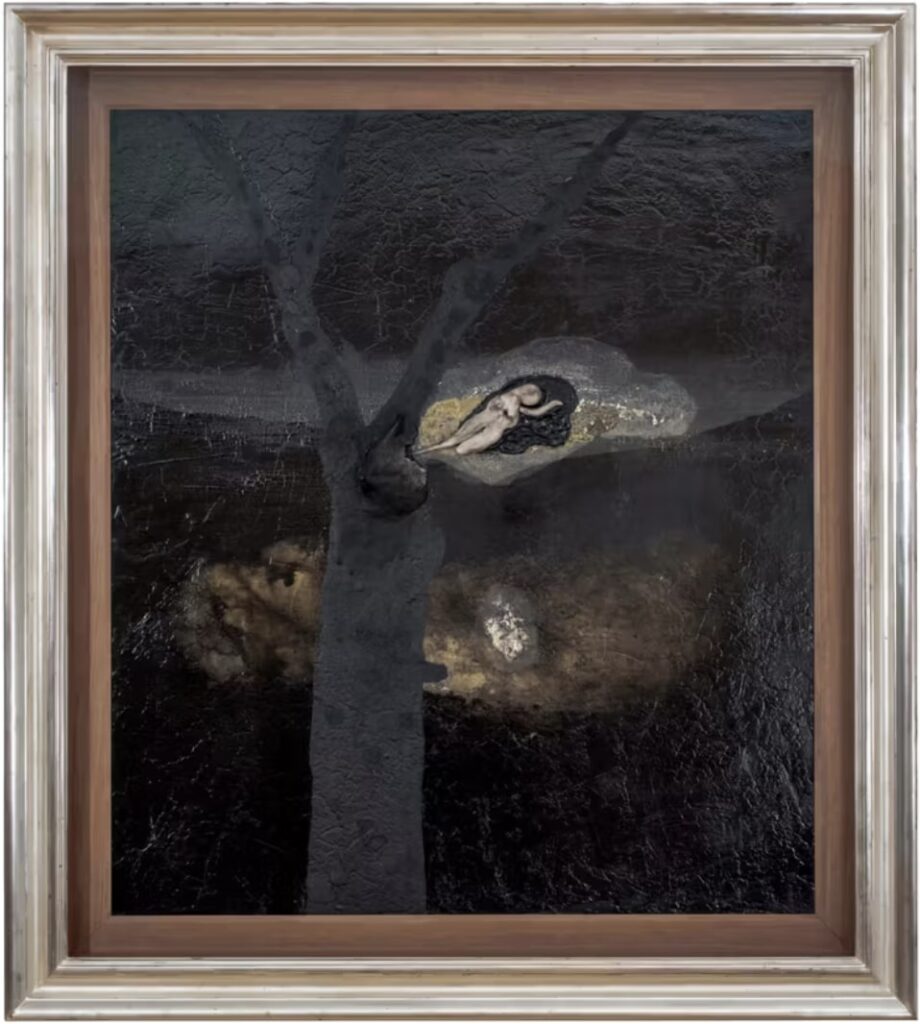
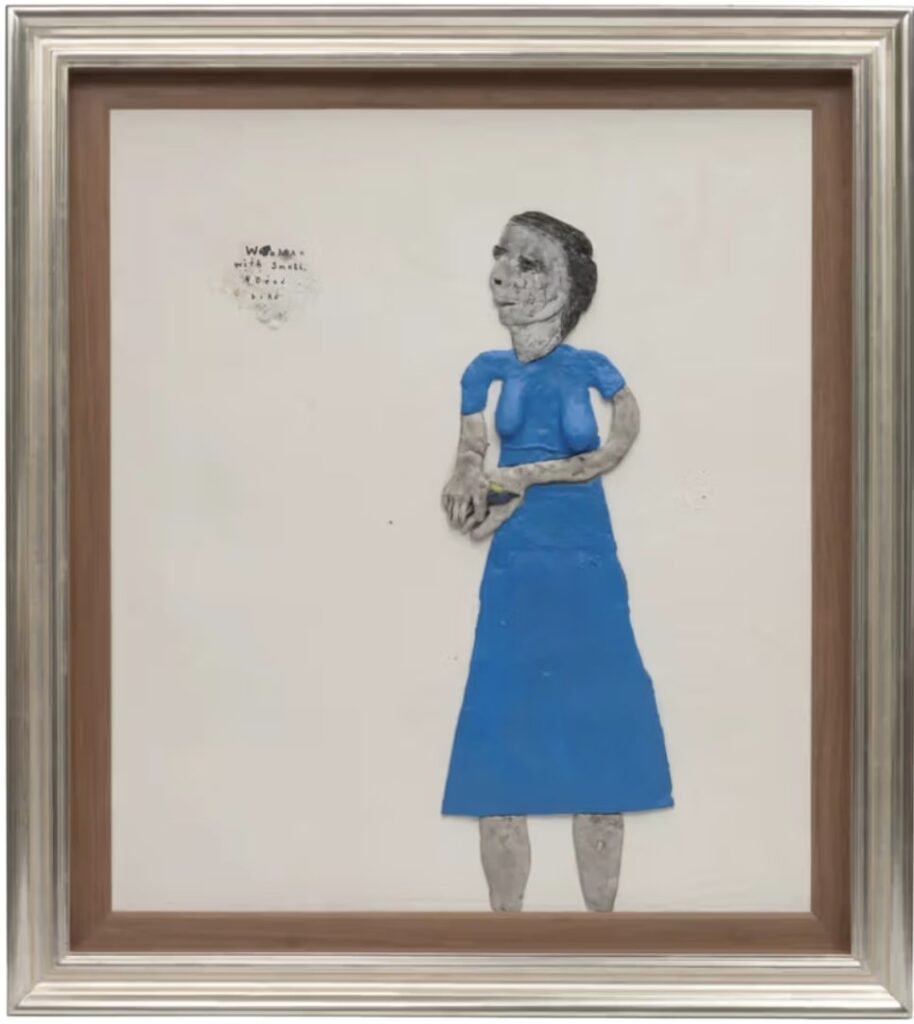
The exhibition doesn’t function as a retrospective of a filmmaker dabbling in art. Instead, it reframes Lynch as what he always was — a visual artist whose ideas later learned how to move. Long before Twin Peaks or Mulholland Drive, he was already constructing worlds through texture, repetition, and unease. The sensibility we now call “Lynchian” didn’t originate in scripts or storyboards; it was built through paint, paper, and experimentation.
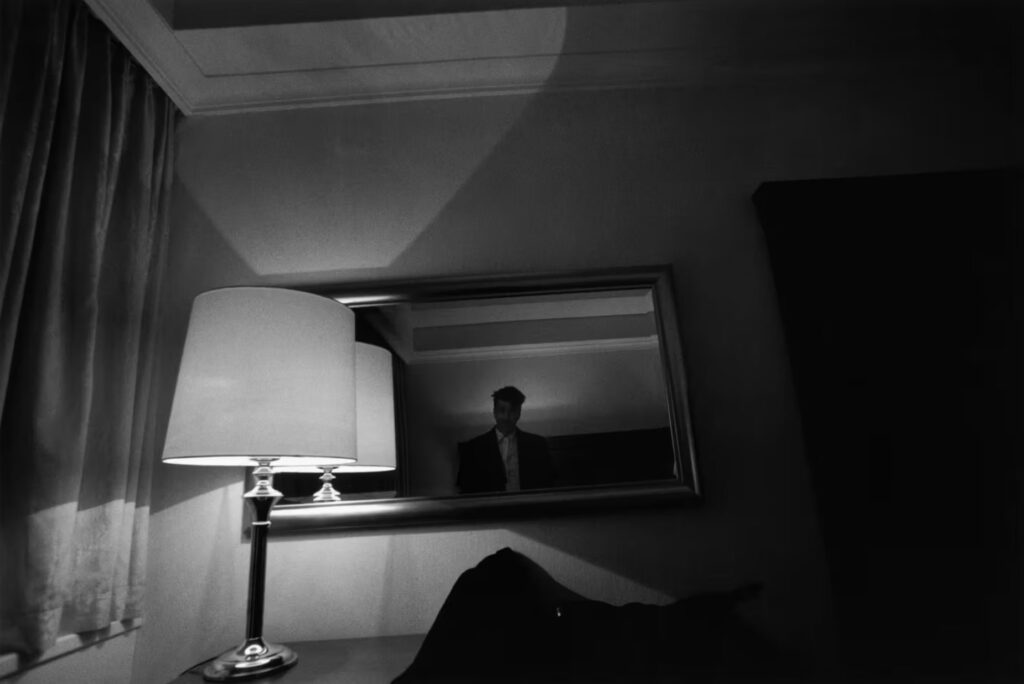
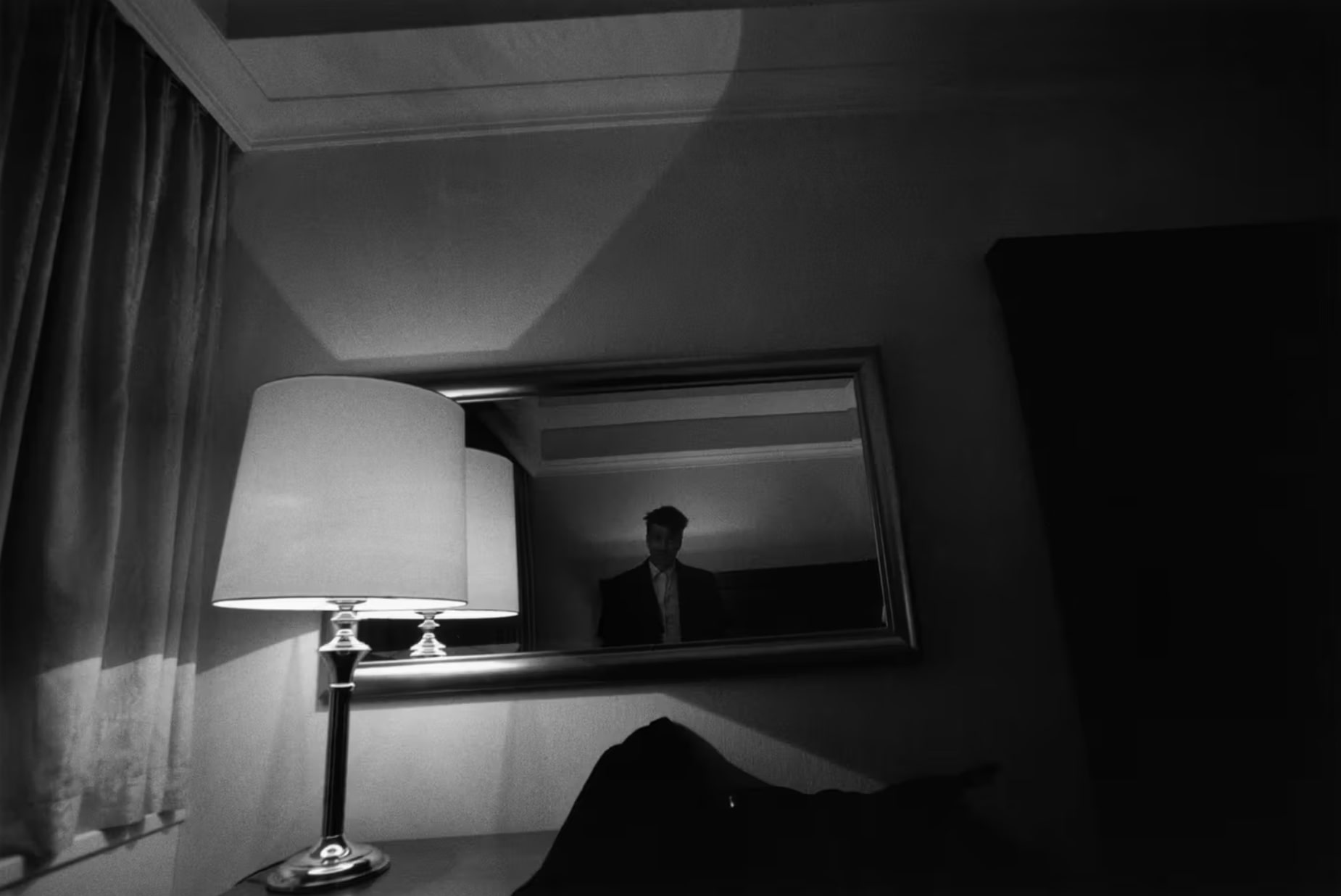
The Berlin show brings together works made between 1999 and 2022, including previously unseen paintings and watercolours, alongside sculptural lamps and photography shaped by Berlin’s industrial landscape. These are not side projects or curiosities — they form a parallel universe to the films, one where bodies dissolve, space collapses, and meaning flickers just out of reach.
Short films from Lynch’s early years will also appear, not as standalone screenings but in conversation with the artworks themselves. This dialogue makes something clear: his cinema didn’t emerge from film school logic, but from an artist testing how far an image could be pushed before it began to breathe, distort, or revolt.
Lynch’s formal training began in the 1960s, moving through art institutions before culminating in his first “moving painting,” the experimental short Six Men Getting Sick (Six Times). That work didn’t aim to tell a story — it aimed to create a sensation. Everything that followed, including Eraserhead, grew from that impulse.
Running from January 29 to March 22, 2026, the Berlin exhibition is not about legacy or memorialisation. It’s about repositioning Lynch’s work where it belongs: inside the lineage of artists who used discomfort as material and ambiguity as structure. The show also sets the tone for a larger survey opening later in the year at Pace Gallery Los Angeles, but Berlin is where the recalibration begins.