
Share this
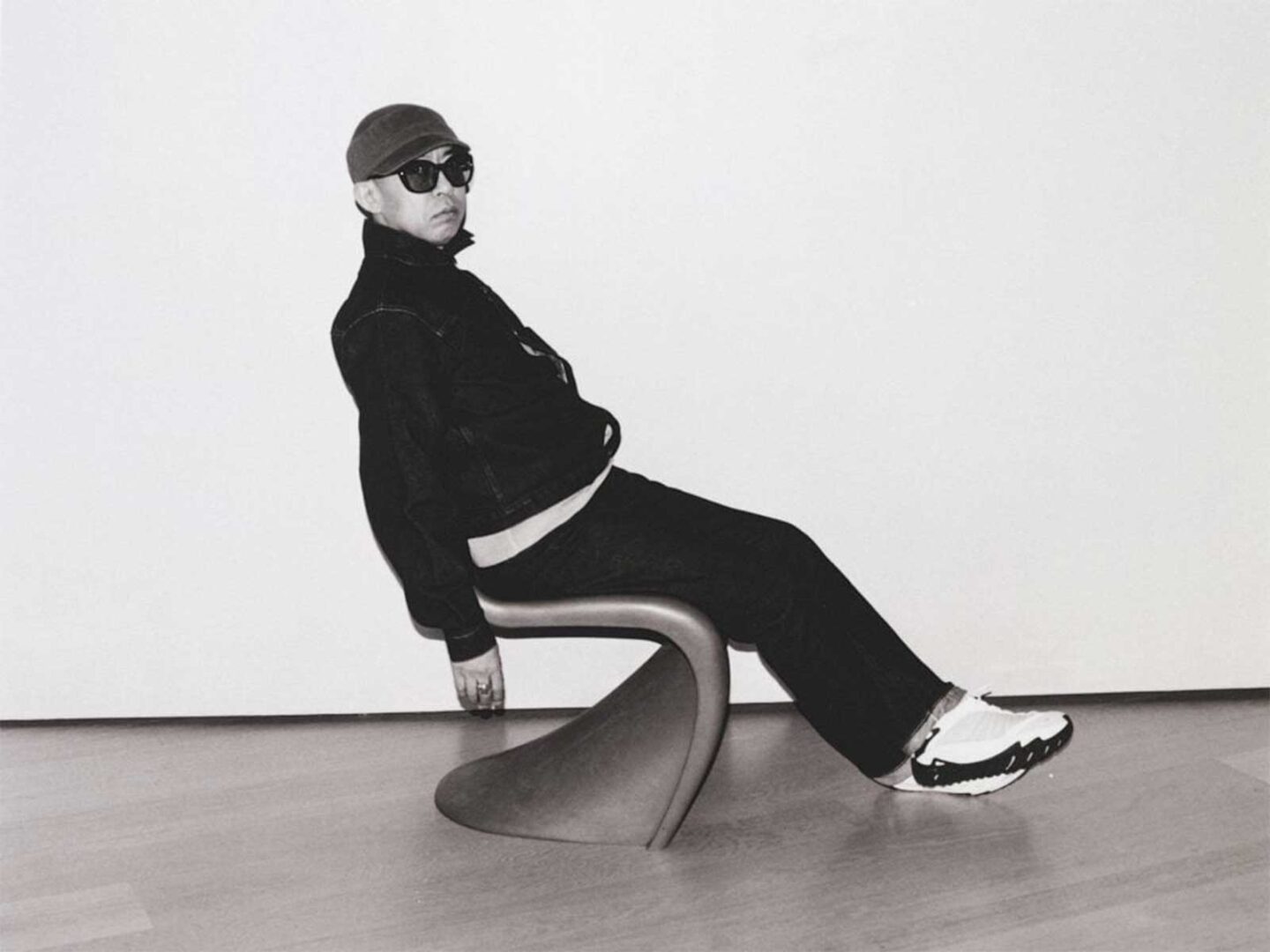
Photos: Elliot James Kennedy
There was a time when streetwear lived strictly on the pavement — traded in backstreets, worn in record stores, documented in grainy photos long before luxury houses came calling. Now, that same energy steps inside the white walls of the Design Museum, as the universe of NIGO takes centre stage.
The exhibition doesn’t read like a conventional retrospective. Instead, it unfolds as an ecosystem — a carefully constructed map of references that shaped the man who founded A Bathing Ape and later steered KENZO into a new era. Clothing appears alongside personal artefacts, graphic work, rare collaborations and cultural ephemera, collapsing the distance between designer, collector, DJ, archivist and entrepreneur.
What becomes clear is that NIGO was never just making hoodies. He was building mythology. From the camo patterns that infiltrated global youth culture to the meticulous sampling of Americana filtered through a Tokyo lens, his practice has always revolved around remix as authorship. Hip-hop, vintage Levi’s, vinyl culture, toys, varsity iconography — everything gets folded into a language that feels distinctly his.
The article frames the exhibition as a moment of validation for a generation raised on limited drops and long queues. Streetwear, once dismissed as fleeting hype, is now positioned as design history. But NIGO’s ascent feels less like institutional capture and more like inevitability. He understood early on that fashion was about community-building as much as garments — about creating worlds people could step into.
Inside the museum, that world feels intact. There’s a sense of continuity between Harajuku’s backstreets and London’s curated vitrines. The codes remain: bold graphics, obsessive referencing, and an instinct for collaboration that blurred the line between music, art and apparel long before “creative director” became corporate shorthand.
If anything, the exhibition suggests that NIGO’s greatest design might not be a sneaker or a jacket, but a blueprint — one that proved subculture could scale without losing its soul. And in seeing that blueprint installed within a museum context, the message lands quietly but firmly: the underground didn’t disappear. It evolved.
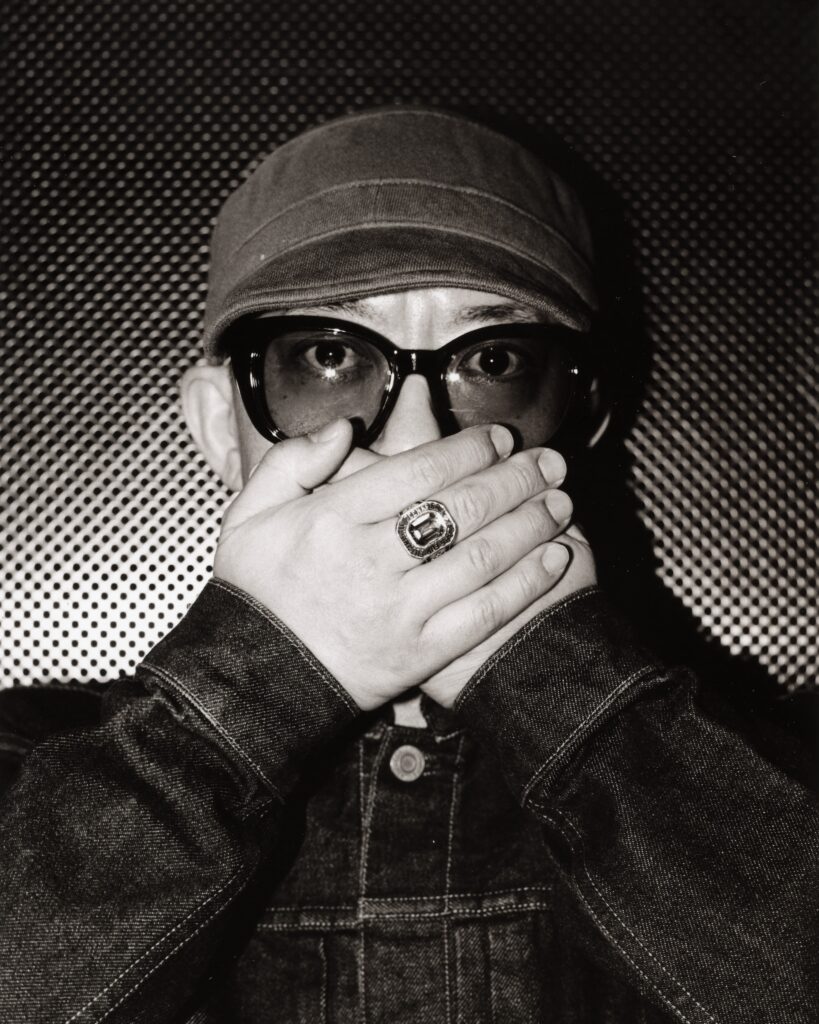
Photos: Elliot James Kennedy