
Share this
There’s a particular kind of Latin melodrama where nothing is casual: a glance is a verdict, a hallway is a stage, and a room can hold the weight of an entire family history. With “Spicy Pastels” — Willy Chavarria’s Spring/Summer 2026chapter — that emotional language becomes fashion’s main instrument. Not as costume, not as nostalgia, but as a way of turning vulnerability into something wearable, direct, and loud.
Chavarria has always designed like he’s arguing with the idea of “good taste” — insisting that power can live in tenderness, that elegance doesn’t have to be polite. This season, that tension gets cleaner and sharper. The campaign arrives under Casa Chavarria, leaning into the aesthetics of the Latin soap opera: heightened, theatrical, knowingly exaggerated, like the camera is waiting for someone to confess everything in one breath.
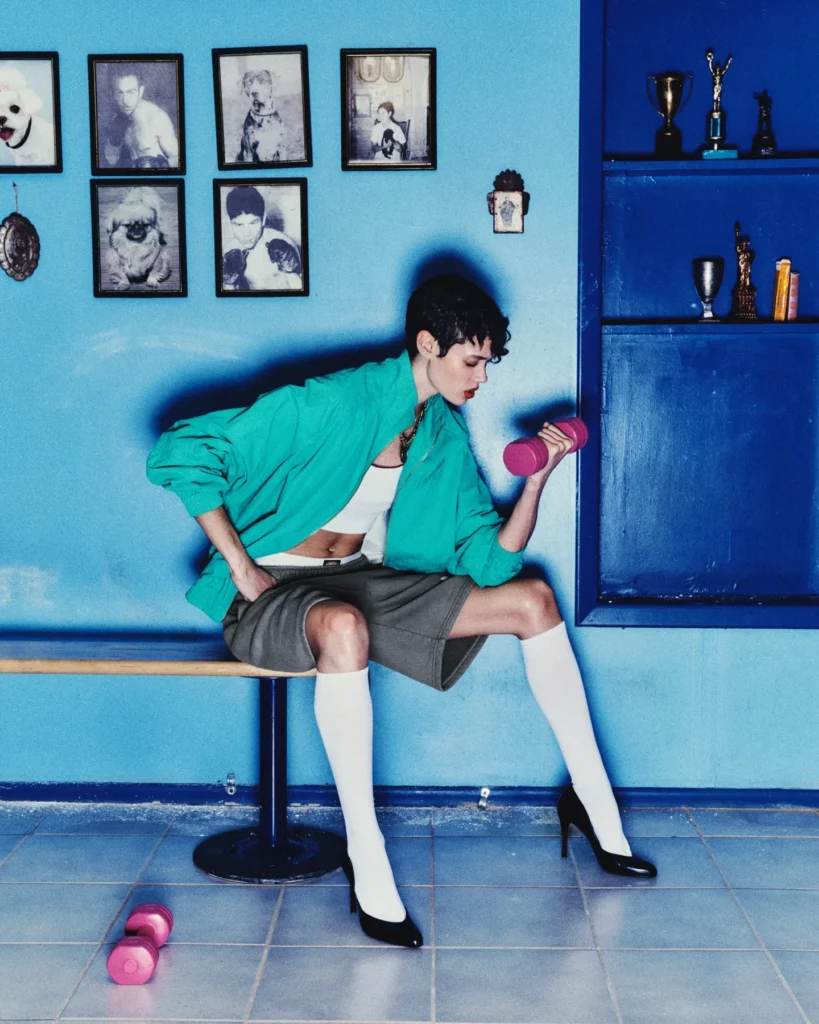
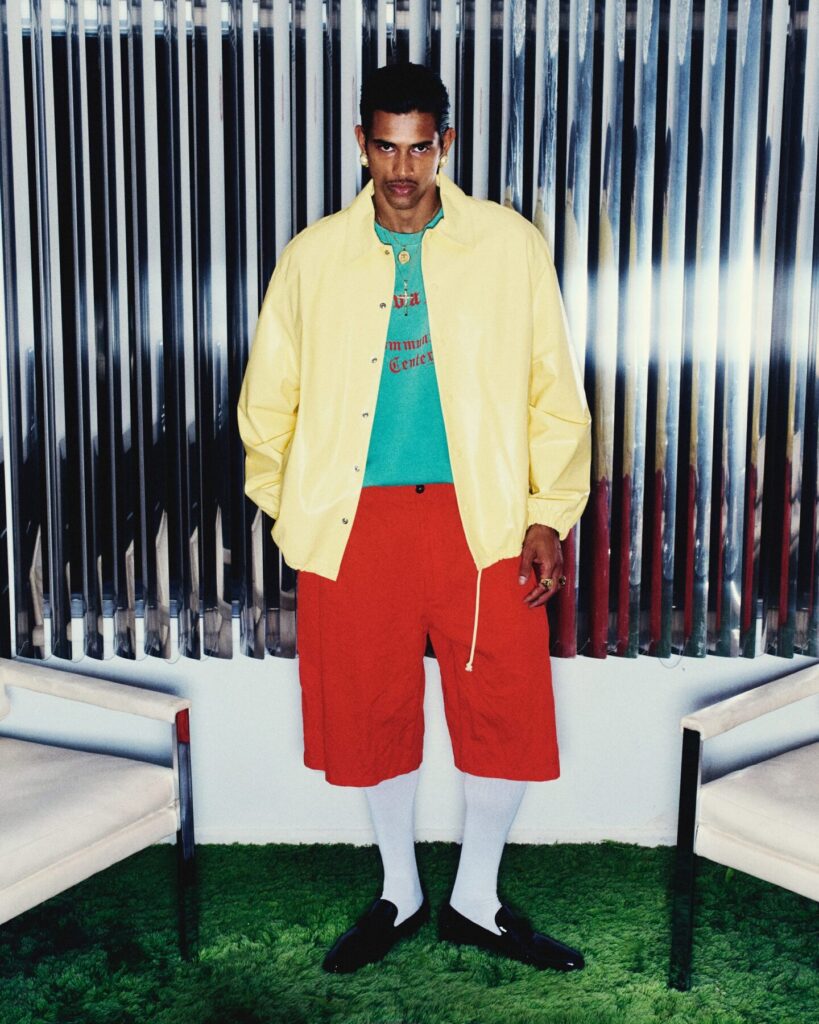
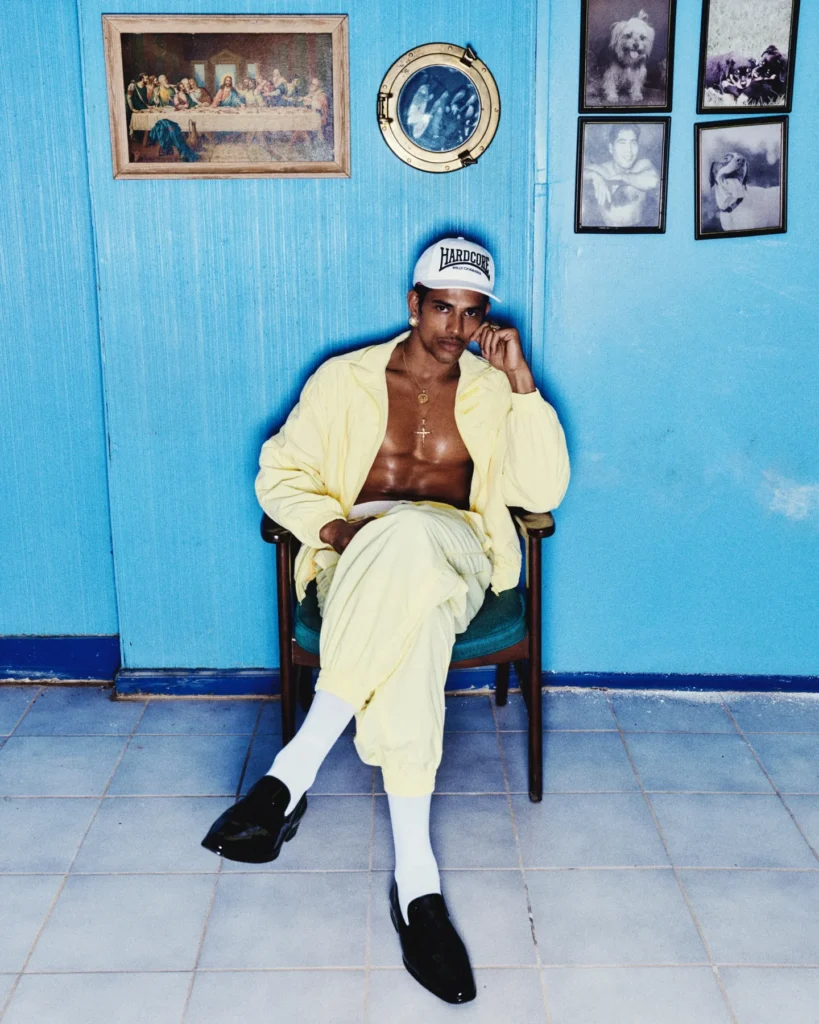
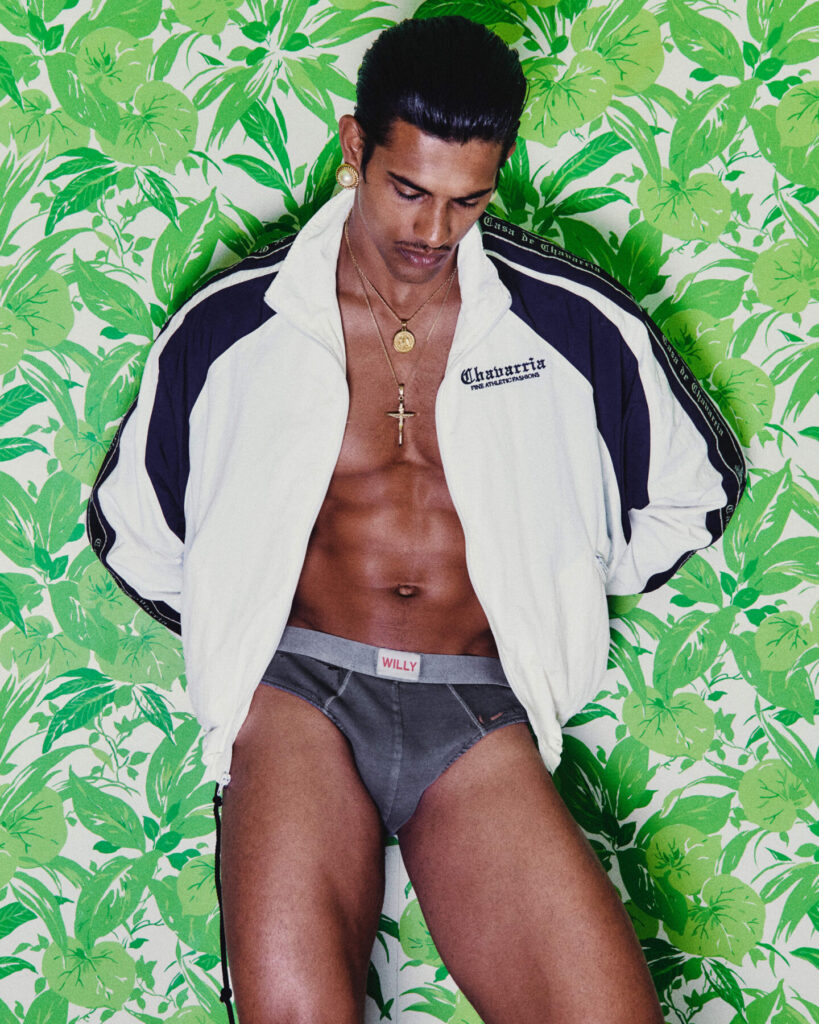
Visually, it plays out in retro interiors that feel almost psychologically charged: green carpets, impossible wallpapers, rooms that look suspended in time — spaces that don’t just frame the clothes but pressurise them. The set isn’t a backdrop; it’s a mood. The entire thing is shot and directed by Diego Bendezu, who treats the narrative like a slow-burning reveal: all tension, pauses, and carefully staged closeness.
If “Spicy Pastels” is the title, the palette is the plot. Chavarria builds the collection around shades whose names already carry an attitude: Bubblegum, Papaya, Red Hot, Bourdin Blue, Butter, Uniform Green, Concrete, Masa. They read like emotions more than pigments — sweetness that flirts with danger, softness that refuses to be small. Pastels don’t behave here; they clash with brighter accents, generating friction instead of harmony. The message is simple: pretty isn’t the point — intention is.
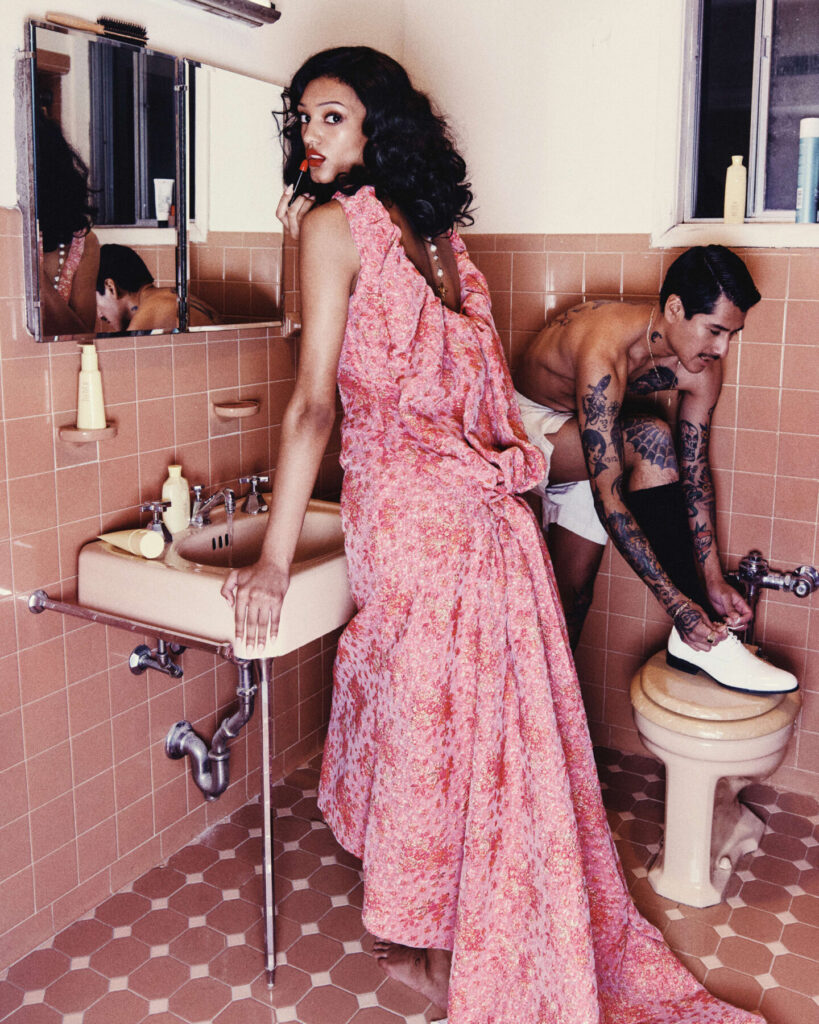
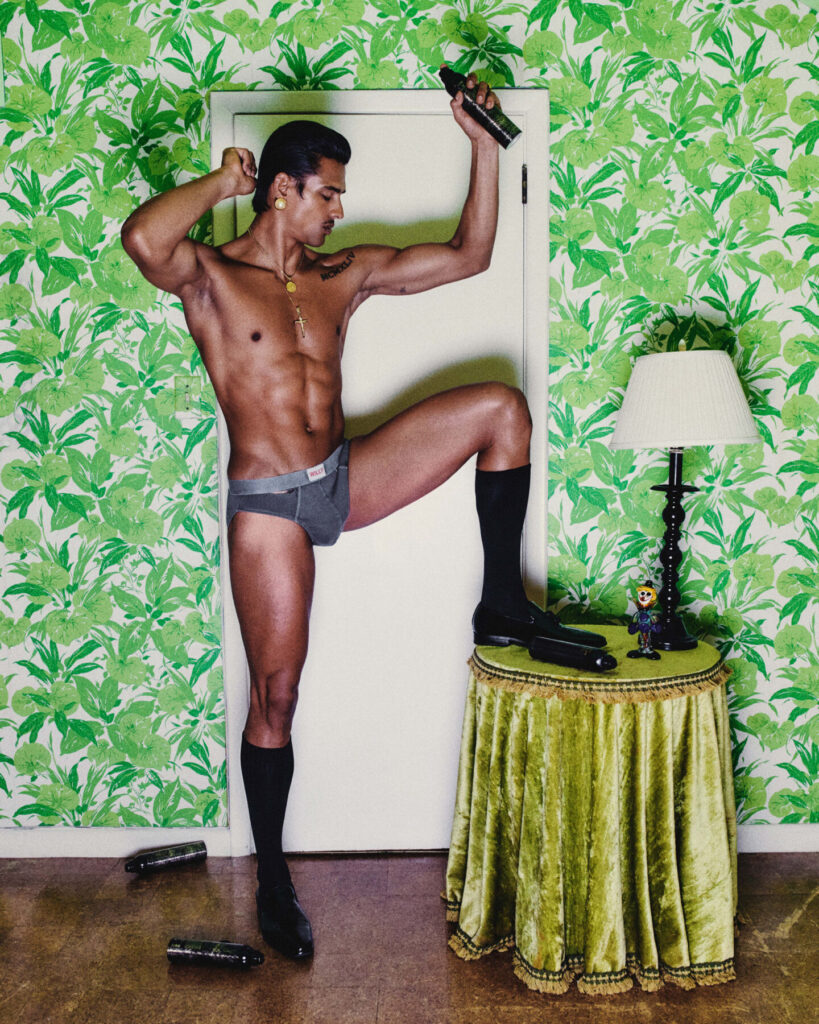
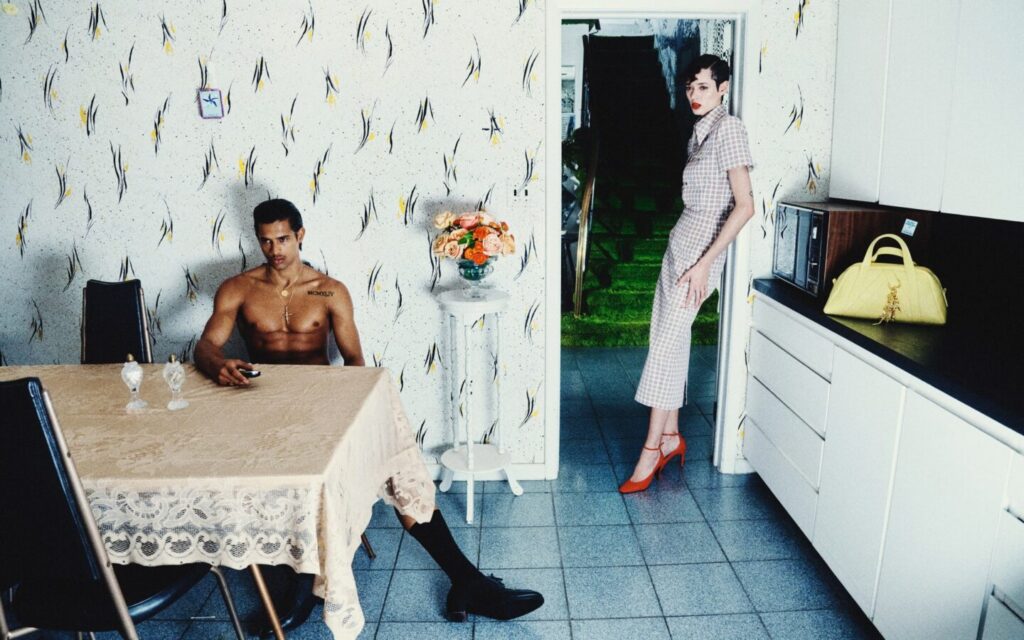
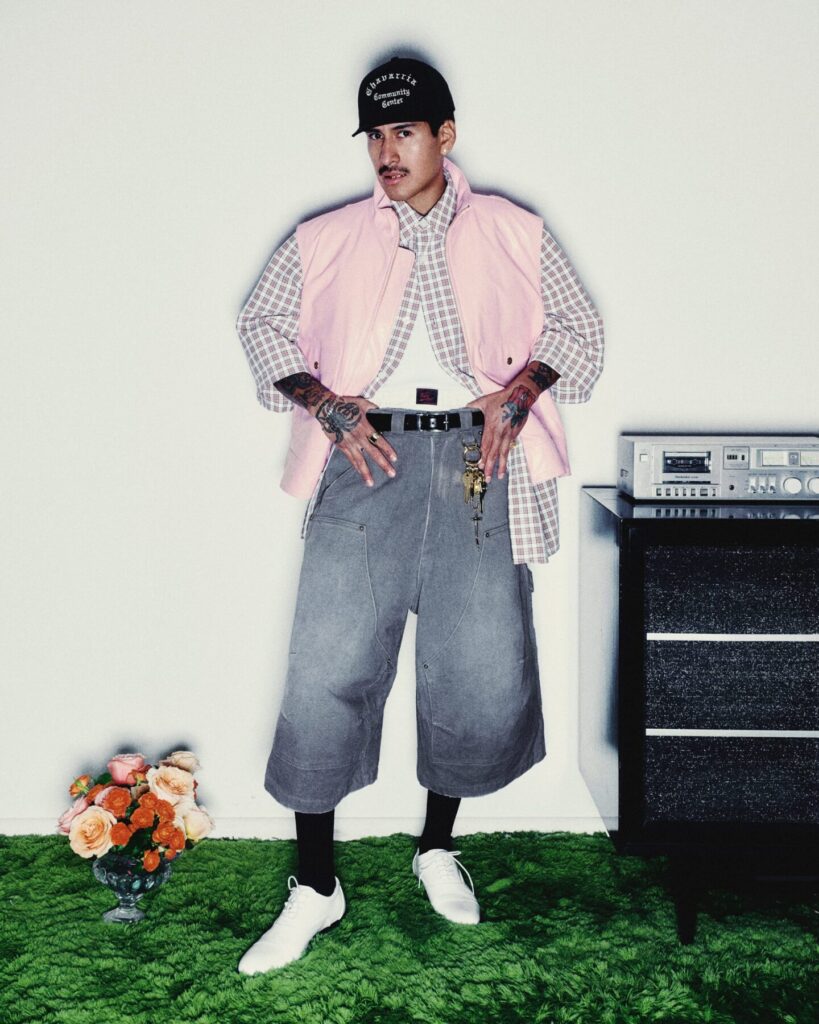
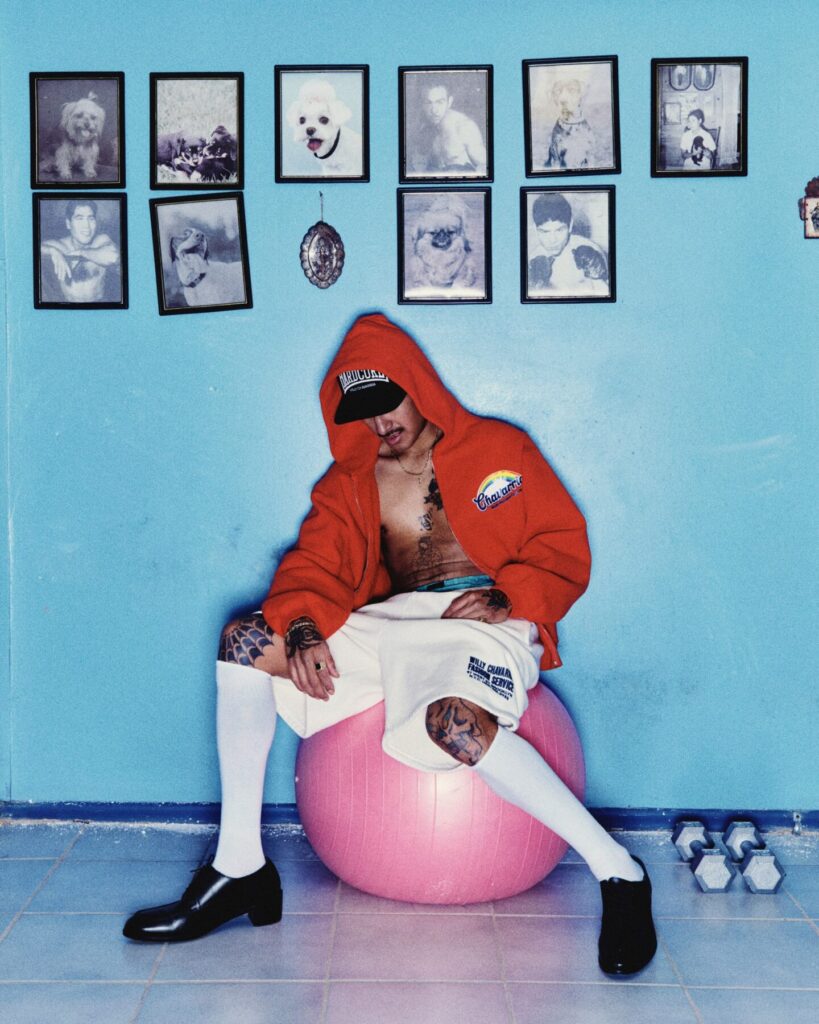
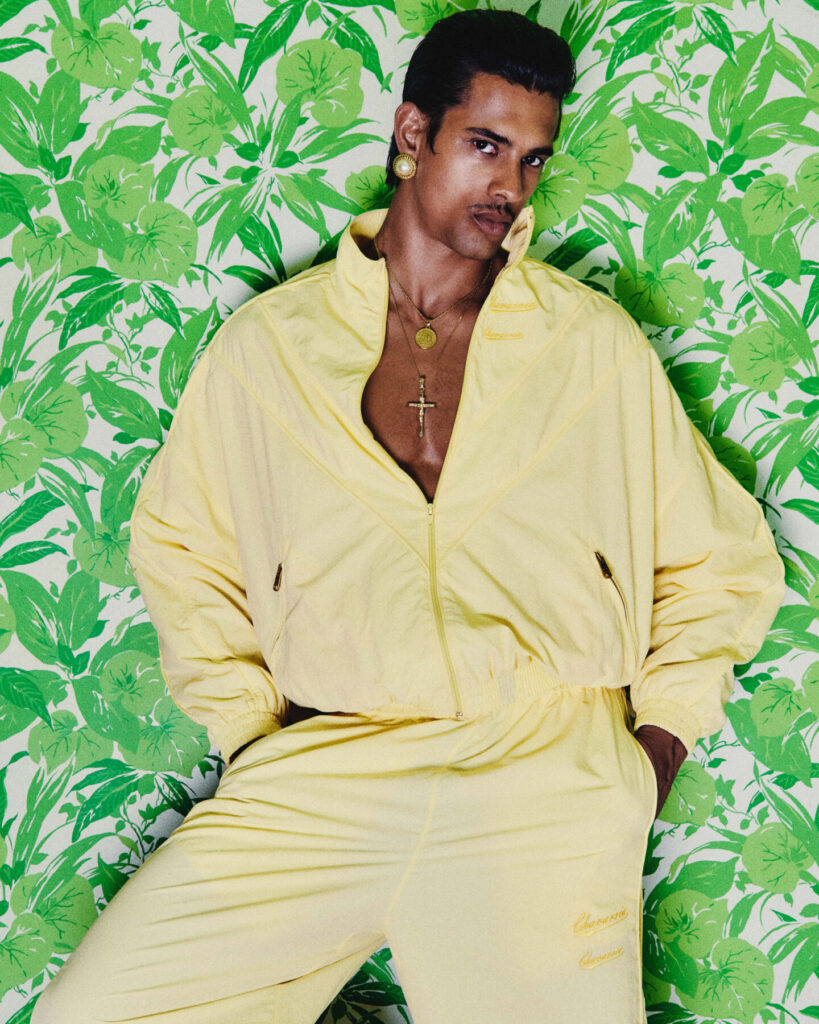
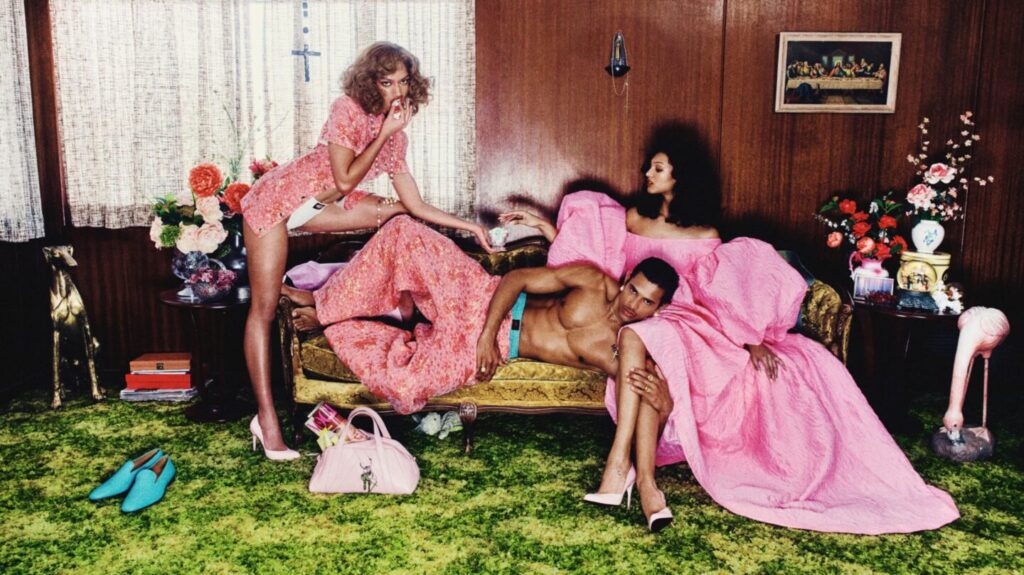
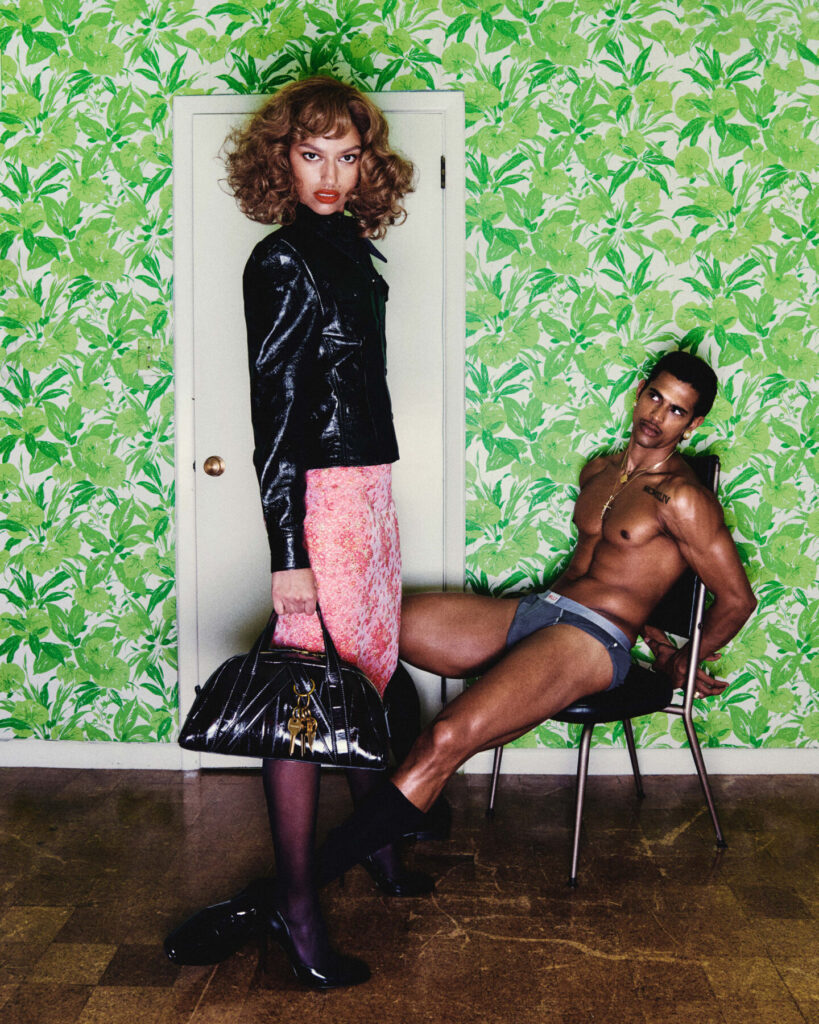
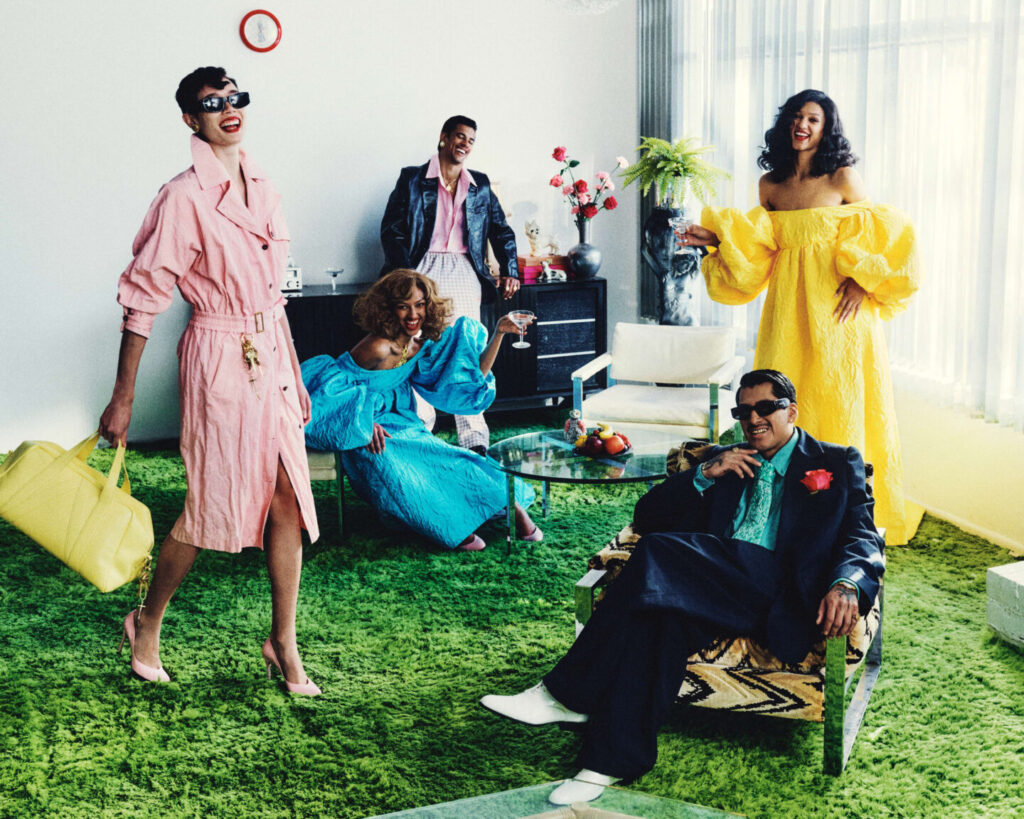
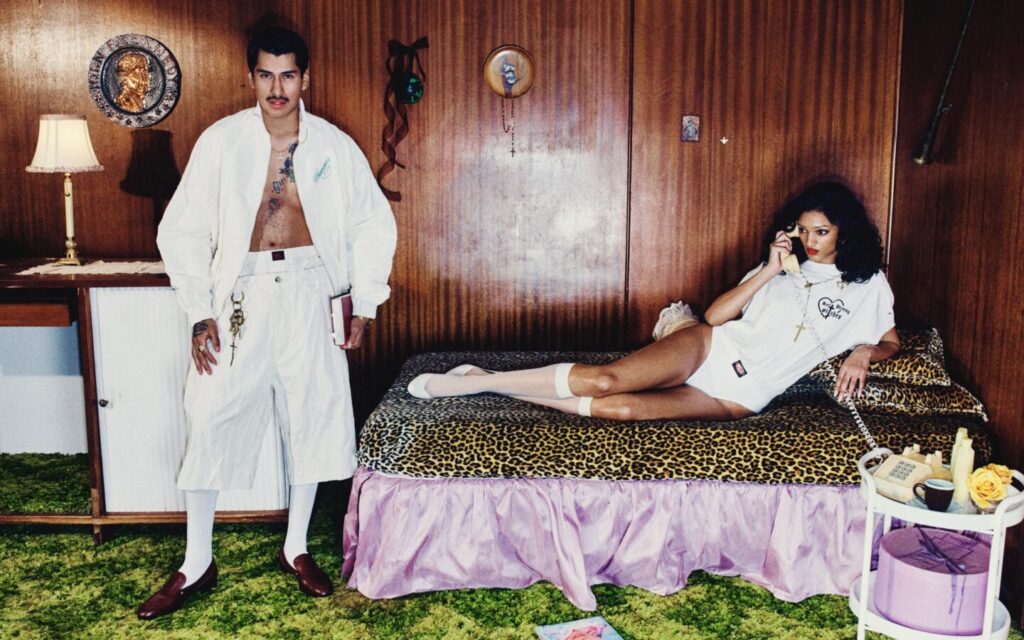
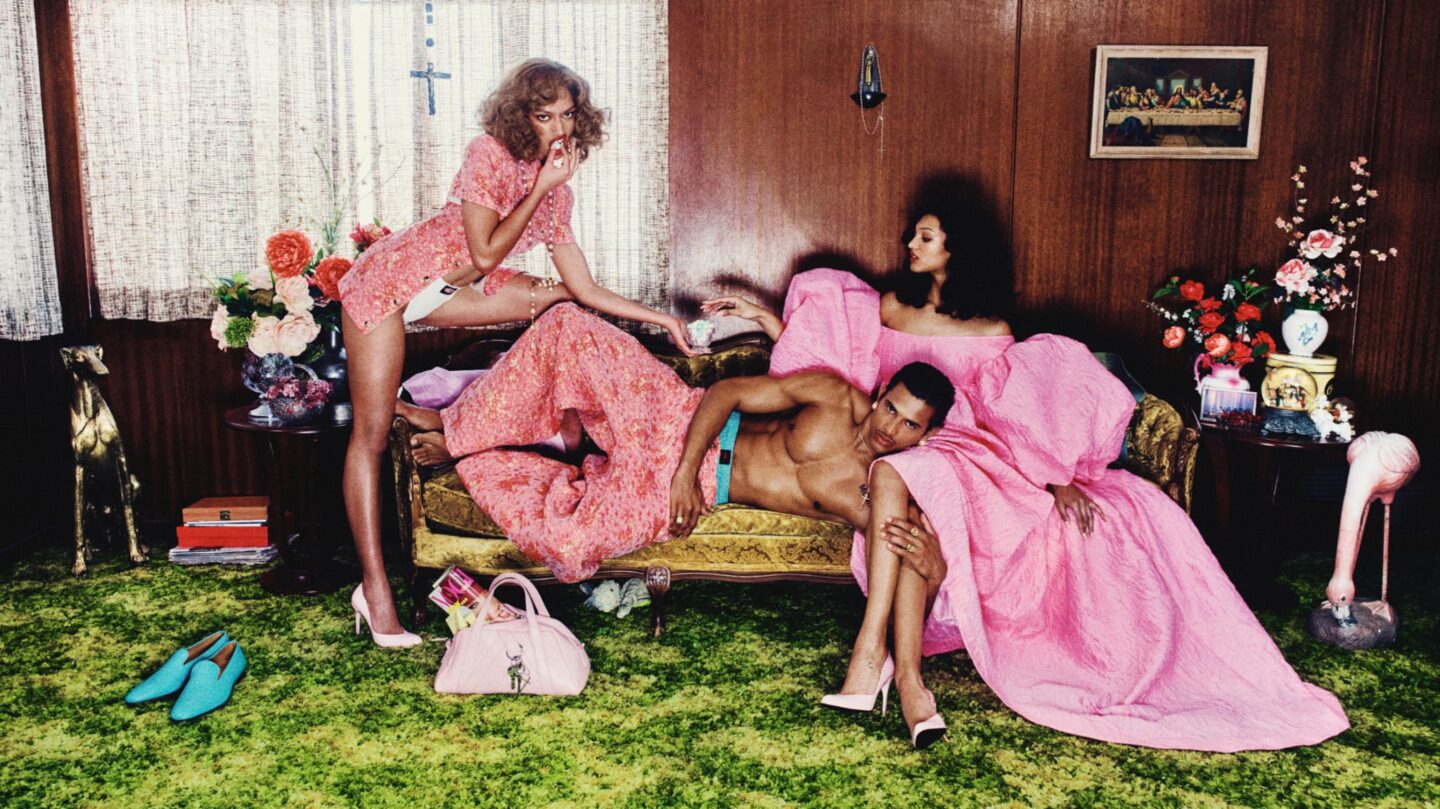
Photos: Diego Bendezu
That push-and-pull — soft versus powerful — is where Chavarria’s work tends to land best, and this season makes it feel especially deliberate. The campaign isn’t chasing “quiet luxury” or “timelessness.” It’s chasing the charge you get when something looks refined but feels emotionally untamed. It’s fashion as volume, as insistence, as a refusal to flatten identity into something market-safe.
Importantly, the story doesn’t stop at clothing. Chavarria treats accessories like punctuation marks — the kind that change the entire sentence. The campaign puts real weight on bolero bags and oversized clutches, not as styling afterthoughts but as objects with presence, pieces that lock the looks into a cohesive, theatrical whole. They don’t “complete” an outfit so much as reinforce the mood: this is drama with structure, emotion with architecture.
Even beauty is written into the narrative, not layered on top of it. Working with stylist Joey George, the hair is dialled in using products from the brand created by Oribe Canales — including Hair Alchemy and a dry texturising spray — a detail that reads like a quiet flex of control: from palette to silhouette to grooming, nothing is left un-authored.
So what does “Spicy Pastels” actually say? That luxury isn’t about looking expensive — it’s about attention, detail, and building a world where every element feels chosen. The brand is clearly growing, aiming bigger, stepping into a larger arena — but the point, here, is that Chavarria doesn’t dilute his signature to get there. The emotional core stays intact. If anything, it gets clearer: this is the most confident version of the message yet.
Photos: Diego Bendezu